

Waste Transport Best Practices for Effective Disposal
Waste management might sound dull, but every business in the North East produces more than 1.8 million tonnes of commercial and industrial waste each year. Most think waste transport is just about hauling rubbish from one spot to another and moving on. The reality is much trickier, because what gets missed in all this shifting is how a careful strategy can save thousands and slash environmental risk at the same time.
Table of Contents
- Step 1: Assess Your Current Waste Management Practices
- Step 2: Identify Types of Waste for Transport
- Step 3: Choose Appropriate Transport Methods
- Step 4: Comply With Legal And Environmental Regulations
- Step 5: Implement Safety Measures For Transport
- Step 6: Evaluate And Improve Waste Transport Processes
Quick Summary
| Key Point | Explanation |
|---|---|
| 1. Assess current waste practices | Evaluate your existing waste management to identify inefficiencies and environmental risks. Document types and quantities of waste effectively to improve strategies. |
| 2. Identify waste types precisely | Categorise waste carefully to ensure compliance with regulations and prepare appropriate handling and disposal protocols for each type of waste. |
| 3. Select proper transport methods | Choose transport methods matching waste characteristics to maximise safety, compliance, and efficiency during waste movement. |
| 4. Ensure legal compliance | Understand and follow legal regulations for waste transport, including necessary permits and documentation to avoid potential penalties. |
| 5. Implement comprehensive safety measures | Develop and enforce safety protocols including training and proper equipment to protect personnel and the environment during waste handling. |
Step 1: Assess Your Current Waste Management Practices
Understanding your current waste management practices is the critical foundation for developing an effective waste transport strategy. This initial assessment provides a comprehensive snapshot of your organisation’s existing waste generation, handling, and disposal processes. By conducting a thorough evaluation, businesses can identify inefficiencies, potential environmental risks, and opportunities for optimisation.
Begin by performing a comprehensive waste audit across all operational areas. This involves meticulously documenting the types, quantities, and current disposal methods of waste generated by your organisation. In Newcastle and surrounding North East industrial zones, businesses often overlook the nuanced variations in waste streams that can significantly impact disposal efficiency. Walk through each department or production area, noting everything from paper waste in administrative sections to industrial byproducts in manufacturing zones.
Key assessment elements should include:
- Total waste volume generated weekly
- Waste categorisation (hazardous, recyclable, general)
- Current disposal routes and contractors
- Existing waste segregation practices
- Transportation and handling mechanisms
Documentation is paramount during this process. Create detailed records that capture not just quantities, but also the environmental and potential financial implications of your current waste management approach. Dive deeper into waste segregation strategies to refine your understanding of proper waste categorisation.
Consider engaging a professional waste management consultant who can provide an objective, expert perspective on your current practices. These specialists can identify hidden inefficiencies and recommend tailored improvements specific to your industry and operational context. They will help you understand complex regulatory requirements and potential cost-saving opportunities in waste transport and disposal.
Successful completion of this assessment means having a clear, comprehensive document that maps your organisation’s entire waste journey. This baseline will become the foundation for developing more sustainable, cost-effective waste transport best practices in subsequent steps of your waste management transformation.
Step 2: Identify Types of Waste for Transport
Precisely identifying and categorising waste types is fundamental to developing a robust waste transport strategy. This critical step ensures compliance with legal regulations, promotes environmental safety, and enables appropriate handling and disposal protocols. Different waste categories require distinct transport methods, protective measures, and specialised disposal techniques.
Waste classification involves understanding the specific characteristics and potential risks associated with each waste stream. In the North East industrial regions, businesses frequently encounter diverse waste types ranging from commercial packaging to complex industrial byproducts. Companies must meticulously document each waste category, considering its physical properties, chemical composition, and potential environmental impact.
Key waste categories to consider include:
- General commercial waste
- Hazardous chemical waste
- Electronic and electrical equipment waste
- Construction and demolition debris
- Biological and medical waste
- Recyclable materials
To effectively categorise waste, organisations should invest time in detailed documentation and consultation with waste management professionals. Explore our comprehensive guide on waste management for UK businesses to gain deeper insights into proper waste identification techniques.
Special attention must be given to hazardous waste streams. These materials require stringent documentation, specialised transport containers, and adherence to strict regulatory guidelines. Chemical waste, medical waste, and electronic equipment often fall into this category and demand expert handling. Businesses should maintain comprehensive records detailing waste origin, composition, potential risks, and recommended disposal methods.
Successful waste identification involves collaboration between operational teams, environmental specialists, and waste transport contractors. By developing a systematic approach to waste categorisation, organisations can streamline their transport processes, minimise environmental risks, and demonstrate a commitment to responsible waste management practices.
Below is a summary table comparing key waste types and their associated transport and handling requirements, helping to clarify distinctions for effective planning.
| Waste Type | Main Characteristics | Typical Handling and Transport Requirements |
|---|---|---|
| General commercial waste | Non-hazardous, mixed refuse | Standard bins, regular collection routines |
| Hazardous chemical waste | Flammable, toxic, corrosive | Special sealed containers, trained staff, strict protocols |
| Electronic and electrical waste | Contains metals, components | Secure collection, avoid breakage, specialist recycling |
| Construction and demolition debris | Heavy, bulky | Robust skips, segregation for recycling where possible |
| Biological and medical waste | Infectious, sharp items | Medical-grade containers, clear labelling, quick removal |
| Recyclable materials | Paper, plastics, metals | Clean, uncontaminated, separate containers |
Step 3: Choose Appropriate Transport Methods
Selecting the right waste transport methods is a pivotal decision that directly impacts environmental safety, regulatory compliance, and operational efficiency. This step requires careful consideration of waste characteristics, transportation regulations, and the specific logistical challenges faced by businesses across different sectors.
Transportation methodology begins with understanding the unique requirements of each waste stream. Different waste types demand specialised containers, handling protocols, and transportation vehicles to ensure safe and legal movement. In the North East industrial corridor, businesses must navigate complex regulatory landscapes that vary from manufacturing facilities in Newcastle to agricultural operations in rural Northumberland.
Critical transport considerations include:
- Container specifications matching waste type
- Vehicle selection based on waste volume and characteristics
- Compliance with environmental protection regulations
- Route planning to minimise environmental impact
- Safety equipment and protective measures
Hazardous waste requires particularly meticulous transport planning. Special sealed containers, restricted transportation routes, and highly trained personnel become essential. Chemical waste might need temperature-controlled vehicles, while electronic waste demands specialised handling to prevent potential environmental contamination. Learn more about efficient waste collection scheduling to optimise your transport strategy.
Companies must also invest in proper documentation and tracking systems. Each waste transport operation requires comprehensive manifests detailing waste origin, composition, destination, and handling instructions. Digital tracking technologies now enable real-time monitoring of waste movements, providing unprecedented transparency and accountability in the transportation process.
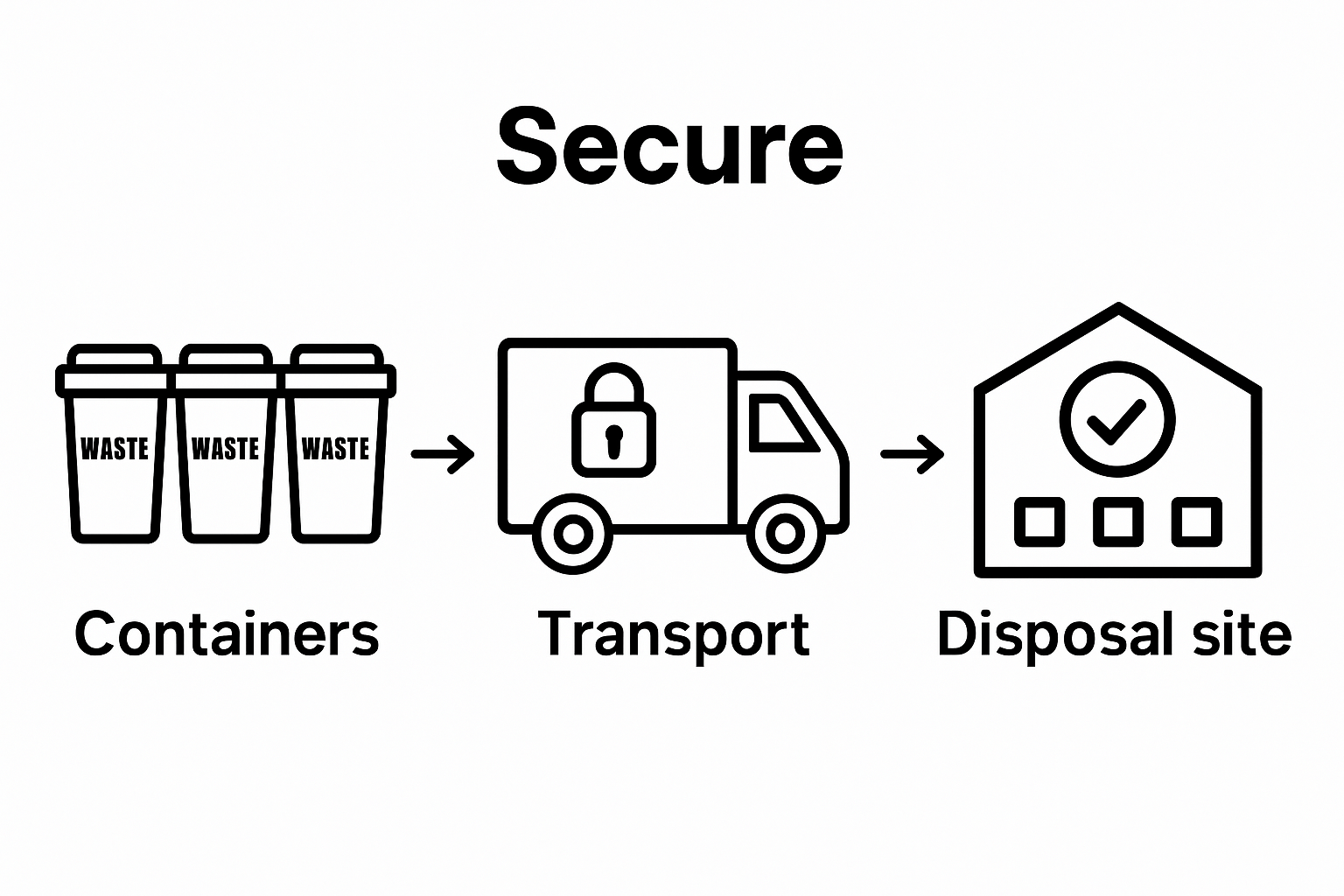
Successful waste transport method selection demonstrates a commitment to environmental responsibility. By carefully matching waste characteristics with appropriate transportation strategies, businesses can minimise risks, reduce potential environmental impacts, and ensure compliance with stringent UK waste management regulations.
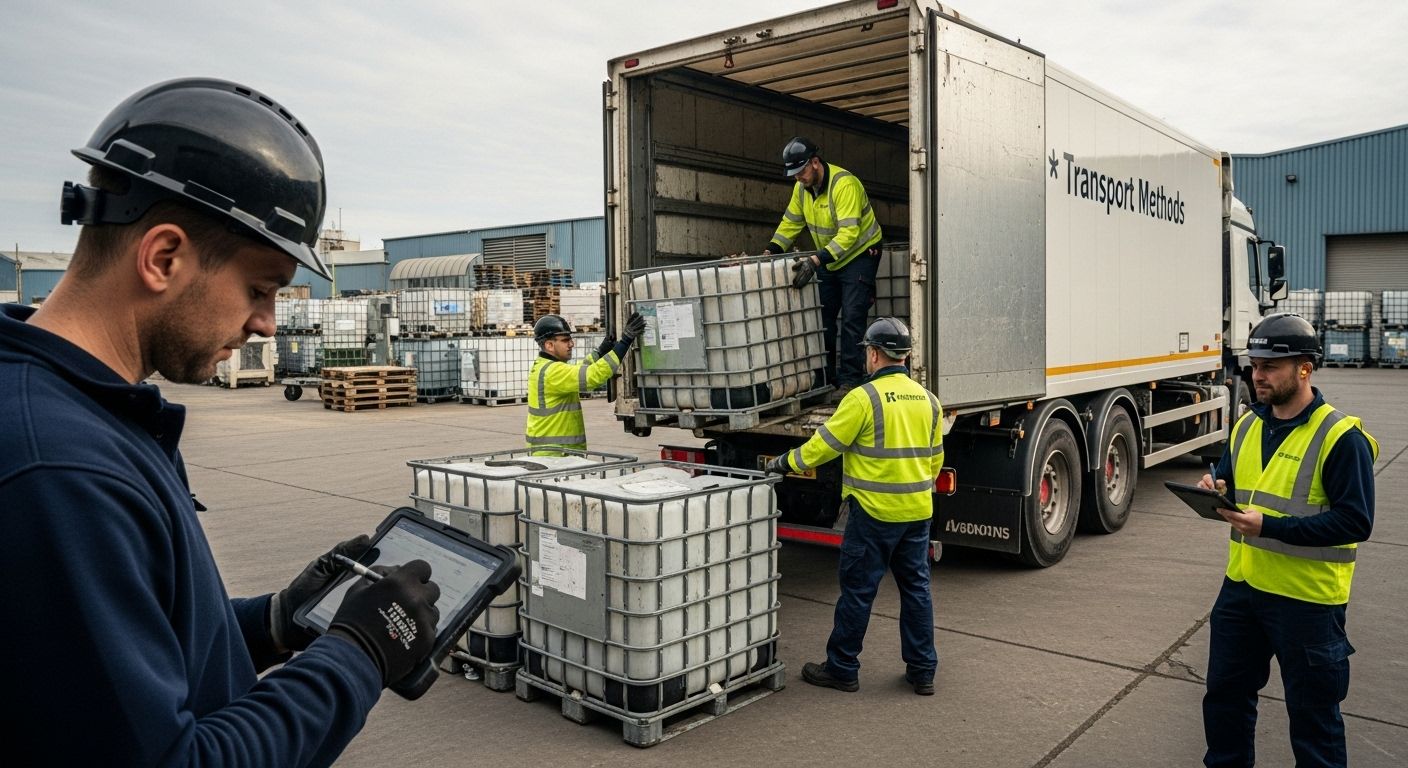 The goal is not just moving waste from one location to another, but doing so with maximum safety, efficiency, and environmental consciousness.
Step 4: Comply with Legal and Environmental Regulations
Navigating the complex landscape of legal and environmental regulations is crucial for responsible waste transport. This step ensures that your organisation not only meets statutory requirements but also demonstrates a commitment to sustainable waste management practices. Compliance protects your business from potential legal repercussions and contributes to broader environmental conservation efforts.
Understanding regulatory frameworks is fundamental to effective waste management. Businesses must familiarise themselves with multiple layers of legislation, including local council regulations, national environmental protection standards, and specific industry-specific waste disposal guidelines. In the North East region, companies ranging from Newcastle manufacturing plants to rural agricultural operations must adhere to stringent waste transport protocols.
Key regulatory compliance elements include:
- Obtaining necessary waste transport permits
- Maintaining accurate waste transfer documentation
- Implementing proper waste tracking systems
- Ensuring employee safety and training
- Adhering to environmental protection standards
Careful documentation becomes your primary defence against potential regulatory challenges. Each waste transport operation requires comprehensive records detailing waste origin, composition, transportation route, and final disposal method. Explore our comprehensive guide to waste compliance for UK businesses to gain deeper insights into meeting regulatory requirements.
Special attention must be given to hazardous waste streams. These materials demand additional documentation, specialized handling protocols, and strict adherence to transportation guidelines. Businesses must invest in ongoing staff training, ensuring that every team member understands the legal implications of waste transport and disposal.
Successful regulatory compliance involves more than merely following rules. It represents a proactive approach to environmental stewardship, demonstrating your organisation’s commitment to responsible waste management. By meticulously documenting processes, investing in continuous education, and staying informed about evolving regulations, businesses can transform compliance from a legal obligation into a competitive advantage.
The following checklist table provides a quick way to verify your organisation is covering all regulatory compliance essentials during waste transport operations.
| Compliance Requirement | Description | Verification Complete (Yes/No) |
|---|---|---|
| Waste transport permits | Obtain appropriate permits for each waste type | |
| Accurate waste transfer documentation | Record origin, type, quantity, destination, and handler details | |
| Waste tracking system | Implement digital or paper-based tracking for all movements | |
| Staff safety training | Ensure all staff receive up-to-date regulatory compliance instruction | |
| Environmental protection adherence | Follow all relevant national and local environmental regulations |
Step 5: Implement Safety Measures for Transport
Implementing comprehensive safety measures during waste transport is critical to protecting personnel, environmental resources, and organisational reputation. This step transforms theoretical safety protocols into practical, actionable strategies that mitigate potential risks associated with waste movement and handling.
Safety begins with thorough personnel preparation and specialised equipment selection. Companies must invest in rigorous training programmes that equip staff with the knowledge and skills necessary to handle different waste streams safely. In the North East industrial corridor, businesses ranging from chemical manufacturers in Teesside to agricultural operations in rural Northumberland must develop nuanced safety approaches tailored to their specific waste transportation challenges.
Essential safety implementation elements include:
- Personal protective equipment specifications
- Emergency response protocol development
- Vehicle and container safety standards
- Staff training and certification requirements
- Risk assessment and mitigation strategies
Specialised protective gear becomes paramount when transporting hazardous materials. Chemical-resistant suits, respiratory protection, and appropriate gloves are not optional extras but fundamental safety requirements. Transportation vehicles must be equipped with spill containment kits, fire suppression equipment, and communication devices to ensure rapid response to potential incidents. Explore our comprehensive waste handling safety guidelines to enhance your organisational safety protocols.
Regular safety audits and continuous staff training represent the cornerstone of effective safety implementation. These processes ensure that safety protocols evolve alongside changing regulatory landscapes and emerging technological innovations. Businesses must develop a culture of safety consciousness, where every team member understands their role in preventing potential environmental and personal risks during waste transport operations.
Successful safety measure implementation transcends mere regulatory compliance. It demonstrates an organisation’s commitment to protecting its workforce, surrounding communities, and environmental ecosystems. By prioritising comprehensive safety strategies, businesses transform waste transport from a potential hazard into a responsible, controlled operational process.
Step 6: Evaluate and Improve Waste Transport Processes
Continuous evaluation and improvement form the backbone of an effective waste transport strategy. This critical step transforms historical data and operational insights into actionable improvements, ensuring that waste management practices remain dynamic, efficient, and responsive to evolving environmental and regulatory landscapes.
Performance measurement requires a systematic and comprehensive approach. Businesses must develop robust monitoring mechanisms that capture multiple dimensions of waste transport operations. In the North East industrial corridor, companies from Newcastle’s manufacturing sectors to Sunderland’s logistics firms must embrace data-driven assessment techniques that go beyond superficial compliance metrics.
Key evaluation elements to consider include:
- Waste transport efficiency metrics
- Environmental impact assessments
- Cost-effectiveness analysis
- Regulatory compliance tracking
- Staff safety performance indicators
Digital technologies now provide unprecedented opportunities for detailed process analysis. Advanced tracking systems enable real-time monitoring of waste movement, allowing businesses to identify inefficiencies, potential risks, and opportunities for optimization. Explore our guide to efficient waste collection scheduling to understand how technology can transform waste management processes.
Regular internal audits become crucial in maintaining and enhancing waste transport protocols. These comprehensive reviews should involve cross-functional teams, incorporating perspectives from operational staff, environmental specialists, and financial analysts. By creating a holistic evaluation framework, businesses can uncover subtle improvements that might otherwise remain hidden.
Successful process improvement is not a one-time event but a continuous journey of refinement. Organizations must cultivate a culture of perpetual learning, where feedback is welcomed, data is rigorously analyzed, and incremental enhancements are consistently implemented. This approach transforms waste transport from a routine operational task into a strategic opportunity for environmental stewardship and operational excellence.
Transform Your Waste Transport with Venture Waste Management
Struggling to keep your waste transport both compliant and efficient? The complexities of assessing your waste streams, handling hazardous materials, and navigating constant regulatory changes can feel overwhelming. If process gaps, missed documentation, or safety worries are slowing your business, you are not alone. Many organisations face these same issues, but effective solutions are within reach. Discover how the modern Waste Collection Process in the UK for Businesses 2025 can eliminate uncertainty and ensure your waste disposal runs smoothly from start to finish.

Now is the best time to streamline your approach and safeguard your operations. Venture Waste offers full-circle support—expert guidance on waste audits, legal compliance, and robust transport solutions. Our local teams handle everything from hazardous collections to confidential destruction, all tailored specifically for your needs. Step beyond theory and partner with a service that values your goals. Take control with one easy booking at Venture Waste Management or explore the Waste Collection Network in UK Serves Businesses in 2025 for proven results across every sector. Do not let inefficient waste management slow you down—get started today and secure peace of mind for your business.
Frequently Asked Questions
What are the key steps to assess current waste management practices?
Begin your assessment with a comprehensive waste audit, documenting waste types, quantities, and disposal methods across all operational areas. This will help identify inefficiencies and opportunities for optimisation.
How do I identify different types of waste for transport?
Systematically categorise your waste streams by understanding their characteristics and potential risks. This includes general commercial waste, hazardous waste, electronic waste, and more, ensuring proper handling and regulatory compliance.
What transport methods are suitable for handling hazardous waste?
Hazardous waste requires specialised containers and vehicles, as well as safety measures like sealed containers and trained personnel. Ensure your transport methods comply with environmental protection regulations to safeguard against potential risks.
How can I ensure compliance with legal and environmental regulations during waste transport?
Stay informed about local and national regulations regarding waste transport. Obtain necessary permits, maintain accurate documentation, and invest in training for employees on safety and compliance requirements.


Leave a Reply
Want to join the discussion?Feel free to contribute!