

How the Waste Collection Network in UK Serves Businesses in 2025

Business waste rules in the UK are changing fast. By 31 March 2025, every business with more than 10 employees must separate dry recyclables, food and general waste by law. Here is where most companies get caught out. The true surprise is not just the strictness of the rules but the scale of penalties and damage to reputation for anyone who ignores them. Staying ahead on these changes might just turn what looks like a compliance headache into a real competitive edge.
Table of Contents
- Overview Of The Waste Collection Network In UK
- Different Waste Types And Disposal Solutions For Businesses
- Choosing The Right Waste Collection Partner For Your Site
- Legal Duties And Compliance For UK Businesses In 2025
Quick Summary
| Takeaway | Explanation |
|---|---|
| Mandatory Waste Separation | From 31 March 2025, businesses must implement strict waste separation for dry recyclables, food waste, and general waste. |
| Legal Responsibilities | Under the Environmental Protection Act 1990, businesses must ensure proper waste segregation, document waste disposal processes, and prevent environmental contamination. |
| Selecting a Waste Partner | Choose a waste collection partner that demonstrates regulatory compliance, advanced technical capabilities, and a commitment to sustainability to navigate upcoming regulations successfully. |
| Consequences of Non-Compliance | Failing to meet waste management regulations can lead to financial penalties, legal enforcement actions, and damage to business reputation. |
| Proactive Approach to Compliance | Treat waste management regulations as opportunities for sustainability, operational efficiency, and corporate responsibility rather than mere compliance hurdles. |
Overview of the Waste Collection Network in UK
The waste collection network in the UK represents a complex and evolving system designed to manage businesses’ waste disposal requirements efficiently and sustainably. As the regulatory landscape transforms, businesses face increasingly stringent requirements for responsible waste management and environmental compliance.
Key Components of the UK Waste Collection Infrastructure
The waste collection network encompasses a sophisticated ecosystem of services, regulations, and infrastructure that support businesses across various sectors. Explore our comprehensive waste management solutions that address the intricate needs of modern enterprises.
From 31 March 2025, significant changes will reshape how businesses handle waste. According to the UK government’s Resources and Waste Strategy, businesses must implement strict waste separation protocols. This legislation mandates that all businesses in England separate specific waste streams, including:
- Dry Recyclables: Plastic, metal, glass, paper, and cardboard must be collected separately
- Food Waste: Dedicated collection streams for organic waste
- General Waste: Remaining non-recyclable materials
To clarify the new waste stream requirements from March 2025, the following table summarises which materials must be separated and how they should be managed.
| Waste Stream | Examples | Required Management |
|---|---|---|
| Dry Recyclables | Plastic, metal, glass, paper, cardboard | Separate collection |
| Food Waste | Organic waste from kitchens/food sites | Separate collection |
| General Waste | Non-recyclables (e.g., contaminated items) | Regular collection |

Regulatory Landscape and Business Responsibilities
The Local Government Association emphasizes the critical importance of aligning waste collection reforms to ensure operational efficiency. Research from governmental sources indicates that businesses will need to adapt their internal waste management processes to comply with new regulations.
Key regulatory considerations include:
- Mandatory waste stream separation
- Enhanced tracking and reporting of waste disposal
- Increased focus on recycling and reducing landfill contributions
- Potential financial penalties for non-compliance
The waste collection network in the UK is transitioning towards a more sustainable and environmentally conscious model. Our guide on waste compliance provides businesses with detailed insights into navigating these complex regulatory requirements.
Businesses must recognize that waste collection is no longer simply a logistical challenge but a strategic imperative. The new regulations aim to create a more transparent, accountable, and environmentally responsible waste management ecosystem. Companies that proactively adapt to these changes will not only ensure legal compliance but also demonstrate corporate social responsibility and environmental stewardship.
The transformation of the UK’s waste collection network represents a significant shift towards sustainable practices. By understanding and implementing these new standards, businesses can contribute to broader environmental goals while maintaining operational efficiency and minimizing potential regulatory risks.
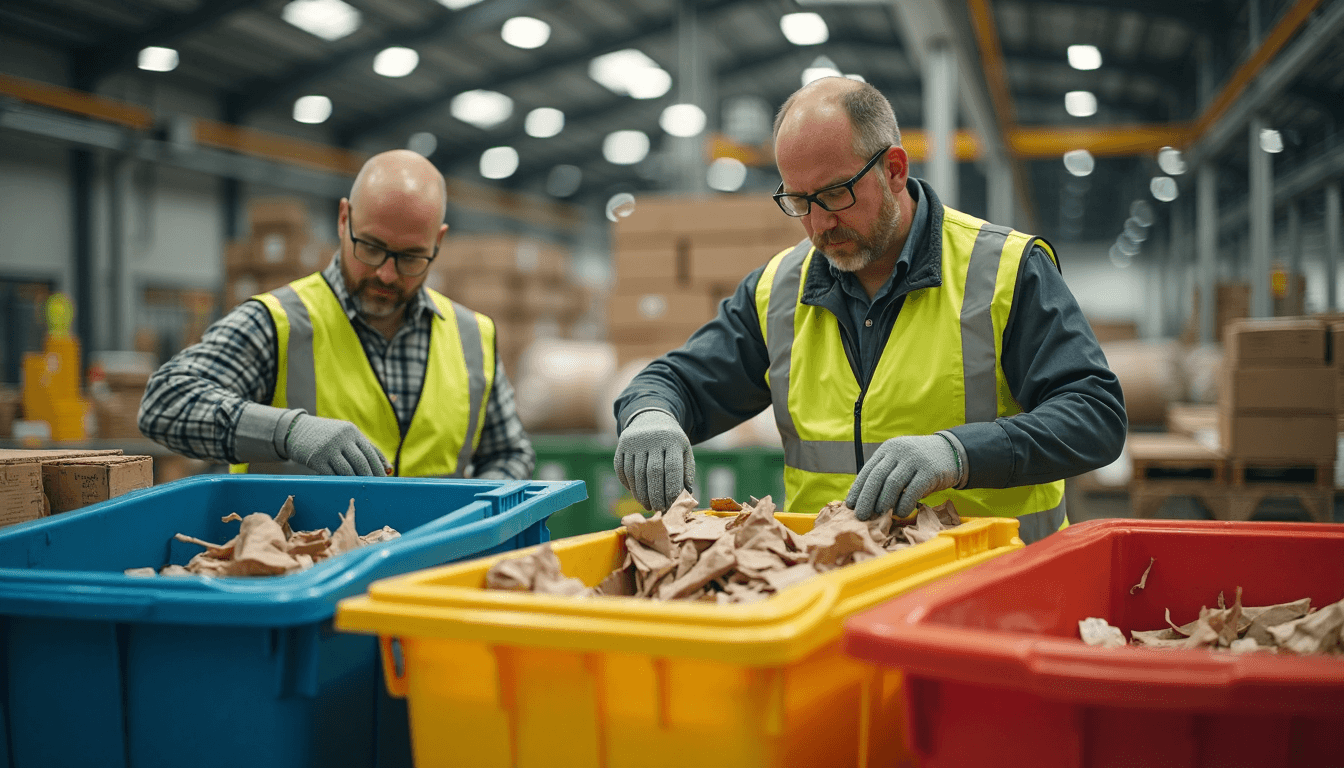
Different Waste Types and Disposal Solutions for Businesses
Businesses in the UK generate diverse waste streams that require specialized disposal solutions. Understanding these waste categories and their appropriate management protocols is crucial for legal compliance and environmental responsibility.
Classification of Business Waste Streams
The UK waste management landscape categorizes business waste into several critical types. According to government regulations, businesses must differentiate between multiple waste streams:
- General Waste: Non-recyclable materials that cannot be repurposed
- Recyclable Waste: Includes paper, cardboard, plastics, metals, and glass
- Food Waste: Organic materials from commercial kitchens, restaurants, and food production facilities
- Hazardous Waste: Chemicals, batteries, electronic equipment requiring specialized disposal
- Confidential Waste: Documents and materials requiring secure destruction
The following table summarises typical business waste streams and their required disposal measures under UK regulations.
| Waste Type | Typical Sources | Required Disposal Approach |
|---|---|---|
| General Waste | Offices, shops, manufacturing | Collection for landfill/incineration |
| Recyclable Waste | Packaging, offices, retail | Separate recycling collections |
| Food Waste | Restaurants, kitchens, food production | Dedicated organic waste collection |
| Hazardous Waste | Labs, factories, electronics | Specialist disposal with documentation |
| Confidential Waste | Legal, finance, healthcare sectors | Secure shredding/destruction |
Learn more about reducing waste generation through strategic management techniques that minimize environmental impact.
Regulatory Compliance and Disposal Requirements
The Simpler Recycling reforms mandate specific disposal protocols. Notably, businesses with 10 or more full-time equivalent employees must separate waste streams by 31 March 2025. Micro-firms have until 31 March 2027 to implement these requirements.
Key disposal considerations include:
- Precise waste stream segregation
- Documentation of waste disposal processes
- Compliance with environmental regulations
- Implementation of sustainable disposal strategies
Specialized Disposal Solutions
Different waste types demand unique disposal approaches. Liquid waste disposal options require particularly careful handling to prevent environmental contamination. Industrial sectors such as manufacturing, healthcare, and food production must develop comprehensive waste management strategies that address their specific operational challenges.
Businesses must invest in robust waste management systems that not only ensure regulatory compliance but also demonstrate environmental stewardship. This involves:
- Regular waste audits
- Staff training on proper waste segregation
- Partnerships with certified waste management providers
- Continuous monitoring of disposal practices
The evolving waste management landscape demands proactive approaches. Businesses that anticipate and adapt to regulatory changes will minimize potential financial penalties while contributing to broader environmental sustainability goals. Comprehensive waste management is no longer optional but a critical component of responsible business operations in the UK.
Choosing the Right Waste Collection Partner for Your Site
Selecting an appropriate waste collection partner is a critical decision for businesses navigating the complex landscape of waste management regulations in 2025. The right partner can transform waste disposal from a mere operational requirement into a strategic advantage for environmental sustainability and regulatory compliance.
Key Selection Criteria for Waste Collection Providers
Businesses must evaluate potential waste collection partners through a comprehensive lens. Explore regional waste management solutions that align with your specific operational needs and regulatory requirements.
Critical factors in selecting a waste collection partner include:
- Regulatory Compliance: Proven ability to meet UK Government’s Simpler Recycling requirements
- Technical Capabilities: Advanced waste sorting and processing infrastructure
- Environmental Credentials: Demonstrable commitment to sustainable waste management
- Comprehensive Service Range: Ability to handle multiple waste streams
- Reporting and Documentation: Transparent waste tracking and compliance reporting
The table below compares essential criteria to consider when selecting a waste collection partner so businesses can make an informed decision.
| Selection Criteria | Why It Matters | How to Evaluate |
|---|---|---|
| Regulatory Compliance | Ensures adherence to legal obligations | Check certifications & compliance records |
| Technical Capabilities | Efficient handling of diverse waste streams | Assess infrastructure & technology used |
| Environmental Credentials | Supports sustainability goals | Evaluate published environmental policies |
| Service Range | Manages all business waste needs | Review breadth of services offered |
| Reporting & Documentation | Assists with audits and legal requirements | Request sample reports & tracking systems |
Navigating Sector-Specific Waste Management Challenges
Different industries require nuanced waste management approaches. According to research from sustainability experts, the upcoming Circular Economy Strategy will introduce sector-specific roadmaps for industries including:
- Textiles
- Transport
- Construction
- Agri-food
- Chemicals
- Plastics
Get insights on managing complex waste removal challenges specific to your industry sector.
Due Diligence and Partnership Evaluation
Businesses must conduct thorough due diligence when selecting a waste collection partner. This involves:
- Comprehensive background checks
- Verification of industry certifications
- Assessment of technological capabilities
- Review of environmental performance metrics
- Evaluation of compliance history
By 31 March 2025, businesses with 10 or more full-time equivalent employees must have robust waste management systems in place. Micro-firms have until 31 March 2027 to implement similar protocols. This regulatory timeline underscores the importance of selecting a waste collection partner that can provide long-term, adaptable solutions.
The ideal waste collection partner should be more than a service provider—they should be a strategic ally in your environmental sustainability journey. They must demonstrate the capability to:
- Adapt to evolving regulatory landscapes
- Provide innovative waste management solutions
- Support your organization’s sustainability goals
- Offer transparent and comprehensive reporting
- Minimize environmental impact
Choosing the right waste collection partner is not just about waste disposal. It is about creating a sustainable, compliant, and environmentally responsible waste management ecosystem that supports your business objectives and contributes to broader environmental conservation efforts.
Legal Duties and Compliance for UK Businesses in 2025
The legal landscape for waste management in the UK is undergoing significant transformation, presenting businesses with complex compliance requirements that demand strategic attention and proactive implementation. Understanding and navigating these legal obligations is no longer optional but a critical operational imperative.
Fundamental Legal Responsibilities
Businesses must recognize their comprehensive legal duties under waste management regulations. The Environmental Protection Act 1990 establishes a foundational duty of care, requiring businesses to ensure proper waste management and prevent unauthorized disposal.
Key legal responsibilities include:
- Proper waste segregation and classification
- Documented waste transfer and tracking
- Engagement with authorized waste management providers
- Maintaining comprehensive waste management records
- Preventing environmental contamination
Discover our comprehensive guide to waste compliance to ensure your business meets all legal requirements.
Regulatory Timeline and Specific Obligations
The UK Government’s Simpler Recycling initiative introduces critical deadlines and specific obligations for businesses. According to current regulations:
- Businesses with 10 or more full-time equivalent employees must implement waste separation protocols by 31 March 2025
- Micro-firms (fewer than 10 employees) have until 31 March 2027 to comply
- Mandatory separation of waste streams includes:
- Dry recyclables (plastic, metal, glass, paper, card)
- Food waste
- Non-recyclable general waste
Consequences of Non-Compliance
Businesses failing to meet these legal requirements face significant potential consequences. Non-compliance can result in:
- Substantial financial penalties
- Legal enforcement actions
- Potential business reputation damage
- Increased environmental scrutiny
- Potential suspension of operational licenses
Explore additional compliance strategies to mitigate risks and ensure full legal adherence.
The evolving legal framework surrounding waste management represents more than a regulatory challenge. It is a fundamental shift towards corporate environmental responsibility. Businesses must view these requirements not as bureaucratic obstacles but as opportunities to demonstrate commitment to sustainability, reduce environmental impact, and potentially generate operational efficiencies.
Successful navigation of these legal duties requires a holistic approach. This involves not just technical compliance but a cultural transformation that embeds waste management consciousness throughout the organization. Proactive businesses will treat these regulations as a strategic opportunity to differentiate themselves, enhance their corporate image, and contribute meaningfully to national environmental goals.
As the UK continues to refine its waste management strategy, businesses must remain agile, informed, and committed to continuous improvement in their waste management practices. The legal landscape is dynamic, and successful organizations will be those that view compliance as an ongoing journey of environmental stewardship.
Frequently Asked Questions
What are the new waste separation requirements for businesses in the UK by 2025?
From 31 March 2025, all businesses with more than 10 employees must separately collect dry recyclables, food waste, and general waste as mandated by UK regulations.
What are the consequences if a business does not comply with waste management regulations in the UK?
Non-compliance can result in significant financial penalties, legal actions, and damage to a business’s reputation, along with increased scrutiny from environmental authorities.
How can a business choose the right waste collection partner?
When selecting a waste collection partner, consider their regulatory compliance, technical capabilities, environmental credentials, service range, and the quality of their reporting and documentation.
What legal responsibilities do UK businesses have under the Environmental Protection Act 1990?
UK businesses must ensure proper waste segregation, maintain documented waste transfer records, engage with authorised waste management providers, and prevent environmental contamination.
Future-Proof Your Waste Management with Venture Waste
Are you worried about keeping your business compliant with the new UK waste collection regulations in 2025? Many UK companies are facing growing pressure to separate waste accurately, document disposal, and avoid heavy penalties. Regulatory compliance is not just a box-ticking exercise. It is essential for protecting your business reputation and avoiding costly fines. If you feel overwhelmed by changing legal duties and wish to stay ahead of the risk, our expertise in waste regulation compliance can give you confidence and clarity.

Let our team guide you step by step, from understanding dry recyclables and food waste collection to confidential destruction and full documentation. Visit Venture Waste Management to explore our range of tailored services. Take decisive action today to secure your legal compliance and environmental responsibility before the 2025 deadline. Your next step towards peace of mind is only a click away.
Recommended
- 7 Steps to Waste Compliance for UK Businesses in 2025 – Venture Waste
- How UK Businesses Can Save Money on Waste Management in 2025 – Venture Waste
- Bulky Waste Removal Tips for UK Businesses in 2025 – Venture Waste
- bulky waste removal tips Archives – Venture Waste
- steps to waste compliance Archives – Venture Waste
- how to reduce waste Archives – Venture Waste


Leave a Reply
Want to join the discussion?Feel free to contribute!