

Waste Management Companies in the North East of England: 2025 Guide for UK Businesses
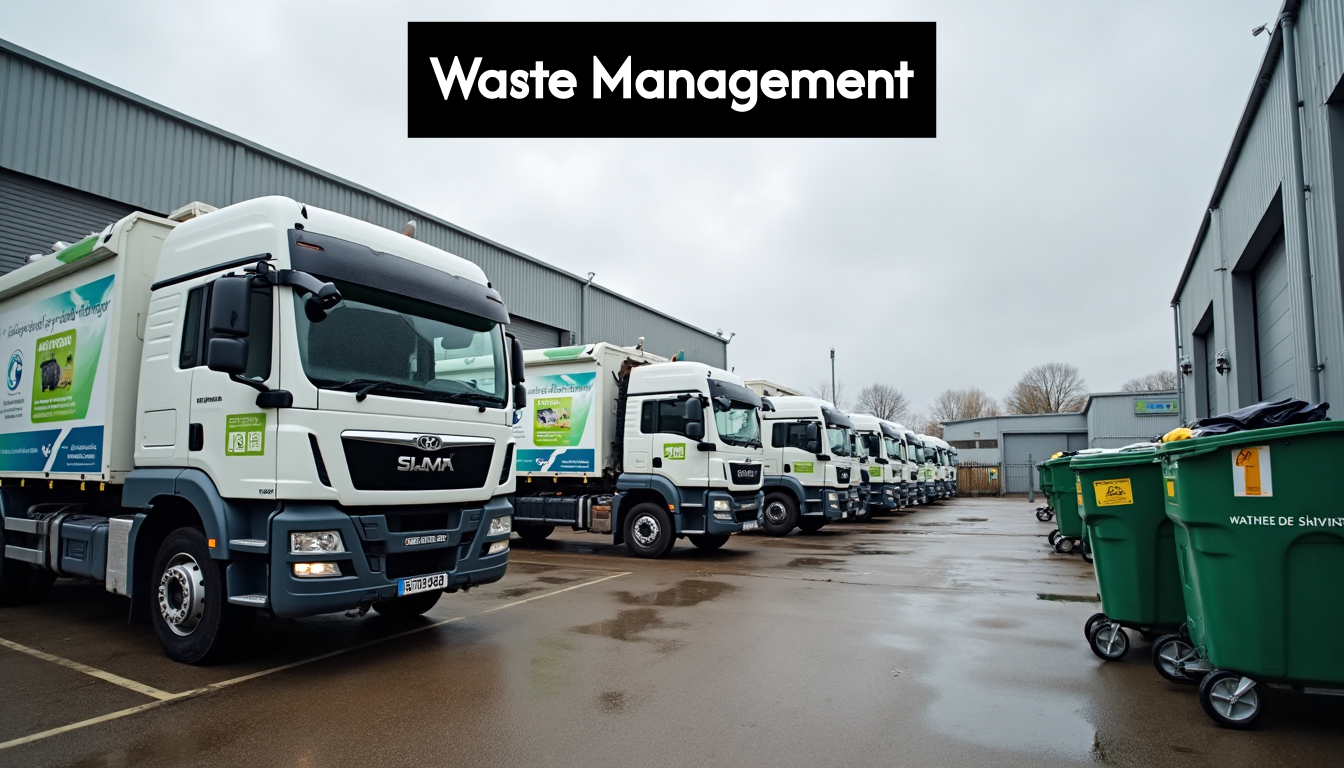
Waste management in the North East of England has changed fast, with local authorities reporting that 50 percent increased their recycling rates in 2023/24. Surprising, then, that many businesses still see waste as little more than an unwanted by-product. The real shift is that the most forward-thinking firms are now treating waste management as a strategic advantage—a way to save money, boost compliance, and even outpace competitors. The secret lies in choosing the right local partner who can help you turn today’s rubbish into tomorrow’s resource.
Table of Contents
- Leading Waste Management Services For North East Businesses
- Specialist Disposal Solutions: Hazardous, Confidential, And WEEE
- How To Choose The Right Waste Partner For Your Organisation
- Benefits Of Local Waste Management Companies In The North East
Quick Summary
| Takeaway | Explanation |
|---|---|
| Integrated Waste Management Solutions Are Essential | Businesses in the North East require waste management providers that offer comprehensive services, including recycling and responsible disposal, to meet evolving environmental regulations. |
| Specialised Disposal for Hazardous and Confidential Waste | Companies must partner with waste management experts who can handle hazardous materials, confidential documents, and electronic waste with stringent regulatory compliance and security measures. |
| Selecting a Waste Partner Requires Strategic Consideration | Choosing the right waste management partner involves assessing their regulatory knowledge, sustainability practices, and technological capabilities to ensure alignment with operational goals. |
| Local Companies Provide Unique Advantages | Local waste management companies offer tailored solutions that understand regional regulations, enhance sustainability practices, and support the local economy, making them valuable partners for North East businesses. |
 |
Leading Waste Management Services for North East Businesses
Businesses in the North East of England face increasingly complex waste management challenges that demand sophisticated and environmentally responsible solutions. The region’s waste management landscape has transformed dramatically, with companies now requiring comprehensive services that go beyond traditional disposal methods.
Strategic Waste Management Approaches for Regional Businesses
The North East presents unique waste management requirements driven by its diverse industrial ecosystem. According to government statistics, 50% of local authorities in the region have increased their recycling rates in 2023/24, signaling a significant shift towards sustainable waste practices.
Businesses now expect waste management services that offer more than basic collection. They seek integrated solutions that incorporate recycling, responsible disposal, and compliance with evolving environmental regulations. This shift is reflected in the UK waste management market, which is projected to grow from USD 40.22 billion in 2024 to USD 66.24 billion by 2033, indicating substantial investment and innovation in the sector.
Comprehensive Service Offerings for Diverse Industries
Waste management companies in the North East of England now provide tailored solutions across multiple sectors. From manufacturing and construction to healthcare and retail, businesses require nuanced approaches that address specific waste streams. Our comprehensive general waste collection services are designed to meet these varied industrial needs, ensuring efficient and compliant waste handling.
Key service components typically include:
- Waste Segregation: Advanced sorting techniques that maximize recycling potential
- Confidential Document Destruction: Secure disposal for sensitive business materials
- Hazardous Waste Management: Specialized handling for complex waste types
- Sustainable Disposal Strategies: Environmentally responsible waste reduction techniques
With the regional waste management sector experiencing a 10.4% increase in service businesses in 2025, companies now have unprecedented access to sophisticated waste management solutions. The emphasis has shifted from mere disposal to creating value through responsible waste handling, circular economy principles, and minimizing environmental impact.

Businesses in the North East seeking waste management services must prioritize providers offering comprehensive, flexible, and technologically advanced solutions that align with both regulatory requirements and sustainability goals. The future of waste management is not just about removing waste but transforming it into a strategic asset for business efficiency and environmental stewardship.
Specialist Disposal Solutions: Hazardous, Confidential, and WEEE
Businesses in the North East of England face complex waste disposal challenges that demand precision, expertise, and strict regulatory compliance. Specialist waste streams such as hazardous materials, confidential documents, and electrical equipment require sophisticated handling to protect both organisational interests and environmental standards.
Hazardous Waste Management: Regulatory Compliance and Safety
Hazardous waste represents a critical challenge for businesses across various sectors. Our comprehensive WEEE waste collection solutions address the intricate requirements of specialized waste disposal. According to the Environment Agency, businesses must meticulously classify, store, and dispose of hazardous materials including chemicals, batteries, and asbestos using licensed carriers and facilities.
Key considerations for hazardous waste management include:
- Precise Classification: Accurate identification of waste types
- Secure Storage: Containment protocols preventing environmental contamination
- Licensed Transportation: Using approved carriers with appropriate certifications
- Detailed Documentation: Maintaining comprehensive consignment notes
Confidential Waste Destruction: Data Protection and Security
In an era of increasing data protection regulations, businesses must implement rigorous confidential waste destruction protocols. The UK General Data Protection Regulation (GDPR) mandates secure destruction of sensitive documents and electronic data storage devices to prevent potential data breaches.
Effective confidential waste management involves:
- Secure Collection: Locked containers for sensitive materials
- Certified Destruction: Industrial shredding and digital data erasure
- Comprehensive Reporting: Detailed certificates of destruction
- Chain of Custody: Transparent tracking from collection to final disposal
WEEE Disposal: Electronic Waste Management Strategies
Waste Electrical and Electronic Equipment (WEEE) disposal requires specialized approaches to mitigate environmental risks. UK WEEE Regulations mandate that businesses ensure electronic waste is collected, treated, and recycled by approved authorised treatment facilities.
Comprehensive WEEE management strategies encompass:
- Component Segregation: Separating recyclable electronic materials
- Hazardous Material Extraction: Removing potentially harmful substances
- Responsible Recycling: Maximizing resource recovery
- Compliance Documentation: Maintaining detailed disposal records
Businesses in the North East must partner with waste management providers demonstrating expertise across these specialized disposal domains. The future of responsible waste management lies not just in disposal, but in creating sustainable, secure, and compliant waste handling ecosystems that protect both organisational interests and environmental integrity.
How to Choose the Right Waste Partner for Your Organisation
Selecting the ideal waste management partner represents a critical strategic decision for businesses in the North East of England. The right partnership can transform waste from a logistical challenge into a sustainable, cost-effective operational asset.
Regulatory Compliance and Operational Expertise
Businesses must prioritize waste management partners demonstrating comprehensive understanding of current regulations. Our comprehensive guide to confidential waste risk management highlights the importance of choosing a provider that stays ahead of evolving legislative requirements.
According to industry research, organisations should evaluate potential waste partners against key criteria:
- Regulatory Knowledge: Understanding of 2015 Waste Regulations and 2025 Simpler Recycling mandates
- Certification Verification: Checking appropriate waste handling licenses
- Compliance Documentation: Ability to provide transparent waste tracking
- Ongoing Regulatory Updates: Commitment to staying current with legislative changes
Sustainability and Tailored Service Offerings
The most effective waste management partners offer more than standard collection services. They provide holistic solutions that align with an organisation’s specific operational needs and sustainability goals. Landfill minimisation strategies have become increasingly important for businesses seeking to reduce their environmental footprint.
Key considerations when evaluating waste management partnerships include:
- Waste Stream Analysis: Customised approaches for different waste types
- Recycling Capabilities: Comprehensive recycling and resource recovery options
- Environmental Reporting: Transparent documentation of waste management impact
- Cost-Effectiveness: Competitive pricing without compromising service quality
Comprehensive Evaluation Process
Organisations should approach waste partner selection as a strategic procurement decision. Recommended steps include:
- Request detailed site visits from potential providers
- Obtain no-obligation quotations
- Verify track record and client testimonials
- Assess technological capabilities and innovation
- Evaluate customer support and responsiveness
The ideal waste management partner serves as more than a service provider—they become a strategic ally in achieving operational efficiency, regulatory compliance, and environmental sustainability. Businesses in the North East must look beyond basic waste collection, seeking partners who offer comprehensive, forward-thinking waste management solutions that adapt to evolving industry challenges.
Ultimately, the right partnership can transform waste management from a necessary expense into a strategic advantage, supporting organisational goals while contributing to broader environmental objectives.
Benefits of Local Waste Management Companies in the North East
Local waste management companies in the North East of England represent a critical strategic resource for businesses seeking efficient, compliant, and sustainable waste disposal solutions. These regional providers offer unique advantages that extend far beyond traditional waste collection services, creating a comprehensive ecosystem of environmental responsibility and operational efficiency.
Regional Expertise and Regulatory Compliance
Local waste management companies possess an intimate understanding of the North East’s specific industrial landscape and regulatory requirements. Our comprehensive cardboard recycling solutions demonstrate how regional providers can help businesses navigate upcoming legislative changes. According to the North East Recycling Forum, regional collaboration enables businesses to adopt more sustainable practices directly supporting the area’s net zero ambitions.
Key advantages of local waste management expertise include:
- Precise Regulatory Knowledge: Deep understanding of North East-specific waste management regulations
- Quick Adaptation: Rapid response to changing legislative requirements
- Localised Compliance Support: Tailored guidance for regional businesses
- Immediate Accessibility: Faster response times and on-site support
Sustainability and Economic Impact
Local waste management companies play a pivotal role in supporting the region’s environmental and economic objectives. From 31 March 2025, businesses with ten or more employees will be required to segregate cardboard from general waste, making local providers essential partners in achieving compliance and implementing efficient recycling solutions.
Significant benefits of partnering with local waste management companies include:
- Reduced Carbon Footprint: Minimised transportation distances
- Local Economic Support: Investing in regional employment and infrastructure
- Customised Waste Solutions: Tailored approaches for specific industrial sectors
- Circular Economy Promotion: Supporting local recycling and resource recovery networks
Technological Innovation and Community Engagement
Regional waste management companies in the North East are at the forefront of technological innovation and community-focused waste management strategies. They leverage local knowledge and connections to develop cutting-edge solutions that address both environmental challenges and business efficiency.
Strategic advantages encompass:
- Advanced Sorting Technologies: Implementing state-of-the-art recycling equipment
- Community Collaboration: Working closely with local businesses and authorities
- Continuous Improvement: Ongoing investment in sustainable waste management techniques
- Knowledge Sharing: Facilitating best practice exchanges within the regional business community
By choosing a local waste management partner, businesses in the North East can transform waste disposal from a mere operational necessity into a strategic opportunity for environmental stewardship, regulatory compliance, and economic contribution. These regional providers offer more than a service—they provide a comprehensive pathway to sustainable business practices deeply rooted in local expertise and innovation.
Frequently Asked Questions
What are the main services offered by waste management companies in the North East of England?
Waste management companies in the North East offer a variety of services, including waste segregation, hazardous waste management, confidential document destruction, and sustainable disposal strategies tailored to different industries.
How can businesses ensure compliance with waste regulations in the North East?
Businesses can ensure compliance by partnering with waste management providers that have a deep understanding of regional regulations, maintain necessary certifications, and provide detailed documentation of waste handling procedures.
Why should a business choose a local waste management provider?
Choosing a local waste management provider offers advantages such as a better understanding of regional regulations, faster response times, and tailored services that effectively address local needs and sustainability goals.
What factors should be considered when selecting a waste management partner?
When selecting a waste management partner, businesses should assess their regulatory compliance knowledge, sustainability practices, service offerings, technological capabilities, and client testimonials to ensure alignment with operational goals.
Turn Waste Challenges in the North East into Business Wins
Struggling to keep up with changing waste regulations, rising recycling demands and the pressure to cut business costs? You are not alone. This guide made it clear: businesses in the North East need partners who provide more than standard collection. They demand regulatory expertise, tailored waste streams and a proven commitment to sustainability. For those concerned about sensitive paperwork, our confidential waste solutions ensure you never risk a breach. If compliance is your top priority, explore our detailed updates and guidance within the regulation resources.

Why wait to secure a smarter, simpler waste management strategy? Head to Venture Waste now and discover how easy it is to book business waste services that meet every new North East mandate. Embrace legal compliance with confidence and turn your waste management into a real business advantage today.


