
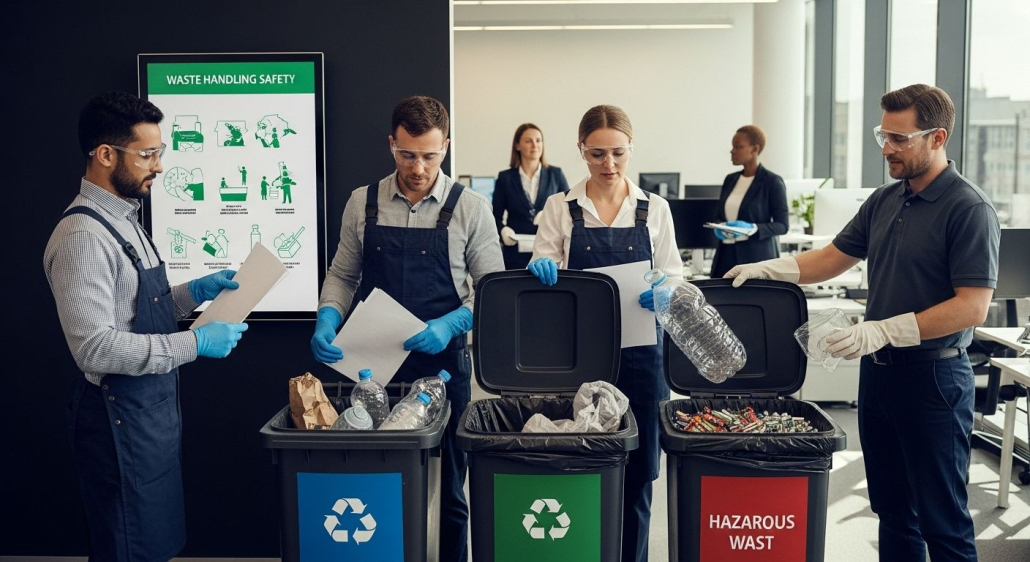
Waste Handling Safety Tips for UK Businesses in 2025
Waste handling may seem like a straightforward chore for UK businesses, with bins, bags, and safety gloves lining every workplace. Yet the hidden dangers are often overlooked, leading to shocking costs whenever things go wrong. In fact, fines for improper waste handling can reach hundreds of thousands of pounds and that is only part of the story. Most surprisingly, it is not just the environment at risk. The health and safety of every staff member, and the reputation of your entire company, can be shattered by simple mistakes—unless you know how to protect what matters most.
Table of Contents
- Understanding The Risks Of Improper Waste Handling
- Essential Waste Handling Safety Tips For Staff
- Managing Hazardous And Specialist Waste Safely
- Legal Compliance And Staff Training For UK Businesses
Quick Summary
| Takeaway | Explanation |
|---|---|
| Prioritise Personal Protective Equipment (PPE) | Equip staff with appropriate PPE to mitigate risks associated with handling waste effectively. |
| Implement Safe Handling Procedures | Ensure staff are trained in proper waste handling techniques to prevent accidents and injuries. |
| Conduct Regular Staff Training | Continuous training on legal requirements and best practices ensures competence in waste management. |
| Establish a Comprehensive Waste Management Strategy | Develop a holistic approach to waste management that includes risk assessments and emergency protocols. |
| Understand Legal Compliance Requirements | Familiarise staff with waste segregation and regulatory standards to avoid significant financial and legal penalties. |
Understanding the Risks of Improper Waste Handling
Improper waste handling represents a significant operational and safety challenge for businesses across the United Kingdom. The potential consequences extend far beyond mere regulatory non-compliance, encompassing serious health, environmental, and financial risks that can devastate organisational infrastructure and reputation.
Health and Safety Hazards
Workplace waste management is not simply an administrative task but a critical safety protocol. Learn more about hazardous waste risks reveals that improper handling can expose workers to substantial physical dangers. The Health and Safety Executive (HSE) emphasises that inadequate waste management can lead to multiple workplace injury scenarios, including needle stick injuries, chemical exposures, and musculoskeletal disorders from incorrect lifting techniques.
Specifically, workers handling unsorted waste face elevated risks of:
- Direct Physical Injuries: Cuts from sharp objects, potential infection from contaminated materials
- Chemical Exposure: Potential respiratory issues, skin irritations, and long-term health complications
- Ergonomic Strain: Back injuries and repetitive stress disorders from improper waste handling procedures
Environmental and Legal Implications
Beyond immediate personnel risks, improper waste handling carries profound environmental consequences. The Health and Safety Executive reports numerous incidents where inadequate chemical waste storage precipitated fires, explosions, and hazardous material releases, causing substantial environmental contamination.
UK businesses must recognise that environmental breaches can result in:
- Significant Financial Penalties: Potential fines ranging from thousands to hundreds of thousands of pounds
- Legal Prosecution: Potential criminal charges for severe environmental violations
- Reputational Damage: Public perception of environmental irresponsibility
Moreover, industries in regions like Newcastle, Durham, and Sunderland are increasingly scrutinised for their waste management practices. Local environmental regulations demand stringent compliance, making comprehensive waste handling strategies not just recommended but essential.
The complexity of waste handling requires businesses to adopt a holistic approach. This involves not merely following regulations but implementing proactive safety protocols, continuous staff training, and investing in appropriate personal protective equipment. Proper waste categorisation, secure storage, and systematic disposal are fundamental to mitigating these multifaceted risks.

To help clarify the types of risks and consequences discussed, the following table summarises key dangers and impacts of improper waste handling for UK businesses:
| Risk Type | Specific Examples | Potential Impact |
|---|---|---|
| Physical Injury | Needle sticks, cuts, musculoskeletal disorders | Worker injury, absenteeism, compensation |
| Chemical Exposure | Respiratory issues, skin irritation, spills | Chronic illness, emergency response |
| Environmental Incident | Chemical fires, contamination, hazardous material releases | Fines, legal action, environmental harm |
| Legal/Regulatory Breach | Lack of documentation, poor segregation | Heavy fines, criminal prosecution |
| Reputational Damage | Publicised non-compliance incidents | Lost business, negative media exposure |
Essential Waste Handling Safety Tips for Staff
Effective waste handling requires comprehensive staff training and adherence to stringent safety protocols. Businesses across the United Kingdom must equip their employees with the knowledge and skills necessary to manage waste safely, minimising potential risks and ensuring regulatory compliance.
Personal Protective Equipment and Risk Assessment
Personal protective equipment (PPE) forms the first line of defence in waste handling safety. Explore our comprehensive hazardous waste disposal guide highlights the critical importance of selecting appropriate protective gear. According to the UK Health and Safety Executive, staff must be provided with and trained to use:
- Protective Gloves: Chemical-resistant variants for handling potentially contaminated materials
- Safety Goggles: To prevent splashes or airborne particle exposure
- Respiratory Protection: Masks or respirators for environments with potential chemical or particulate risks
- Protective Clothing: Disposable or specialised workwear that prevents direct skin contact
Risk assessment remains fundamental. Employees should systematically evaluate potential hazards before engaging with waste streams, identifying specific risks associated with different waste categories and implementing corresponding safety measures.
Safe Handling and Transportation Procedures
Proper waste handling extends beyond protective equipment. Staff must understand and implement precise techniques for safe waste management. Key considerations include:
- Manual Handling Techniques: Utilising correct lifting methods to prevent musculoskeletal injuries
- Waste Segregation: Understanding how to separate different waste types to minimise cross-contamination risks
- Secure Transportation: Using appropriate containers and following strict protocols during waste movement
- Emergency Response: Knowing immediate actions required in case of spills, exposures, or accidents
Businesses in industrial regions like Newcastle, Durham, and Sunderland must pay particular attention to these protocols, given the diverse range of waste generated across manufacturing and service sectors.
Training and Continuous Education
Ongoing staff education represents the most critical aspect of waste handling safety. Regular training sessions should cover:
- Updated regulatory requirements
- Latest safety technologies
- Emerging waste management best practices
- Specific workplace-related waste handling scenarios
Companies must develop comprehensive training programmes that combine theoretical knowledge with practical, hands-on experience. This approach ensures staff remain competent, confident, and capable of managing waste safely in dynamic workplace environments.
Ultimately, waste handling safety is a collective responsibility. By investing in proper equipment, training, and a culture of safety awareness, businesses can protect their employees, comply with regulations, and contribute to environmental sustainability.
The following table outlines the main Personal Protective Equipment (PPE) types mentioned and their protective purpose for staff handling waste:
| PPE Type | Protective Purpose | Example Scenario |
|---|---|---|
| Protective Gloves | Shields hands from chemicals and contaminants | Handling chemical-laden waste |
| Safety Goggles | Prevents eye injuries from splashes or particles | Sorting waste with risk of splashing |
| Respiratory Protection | Protects respiratory tract from harmful substances | Working in dusty or chemical environments |
| Protective Clothing | Prevents skin contact with hazardous materials | Managing liquid hazardous spills |
Managing Hazardous and Specialist Waste Safely
Managing hazardous and specialist waste represents one of the most complex and critical responsibilities for UK businesses. The potential risks associated with improper handling can lead to severe environmental, health, and legal consequences that extend far beyond simple regulatory compliance.
Hazardous Waste Classification and Identification
Consult our comprehensive hazardous waste disposal guide to understand the nuanced world of waste classification. According to the UK Government’s official guidance, businesses must meticulously categorise waste streams based on their potential harm to human health and the environment.
Hazardous waste typically includes materials that are:
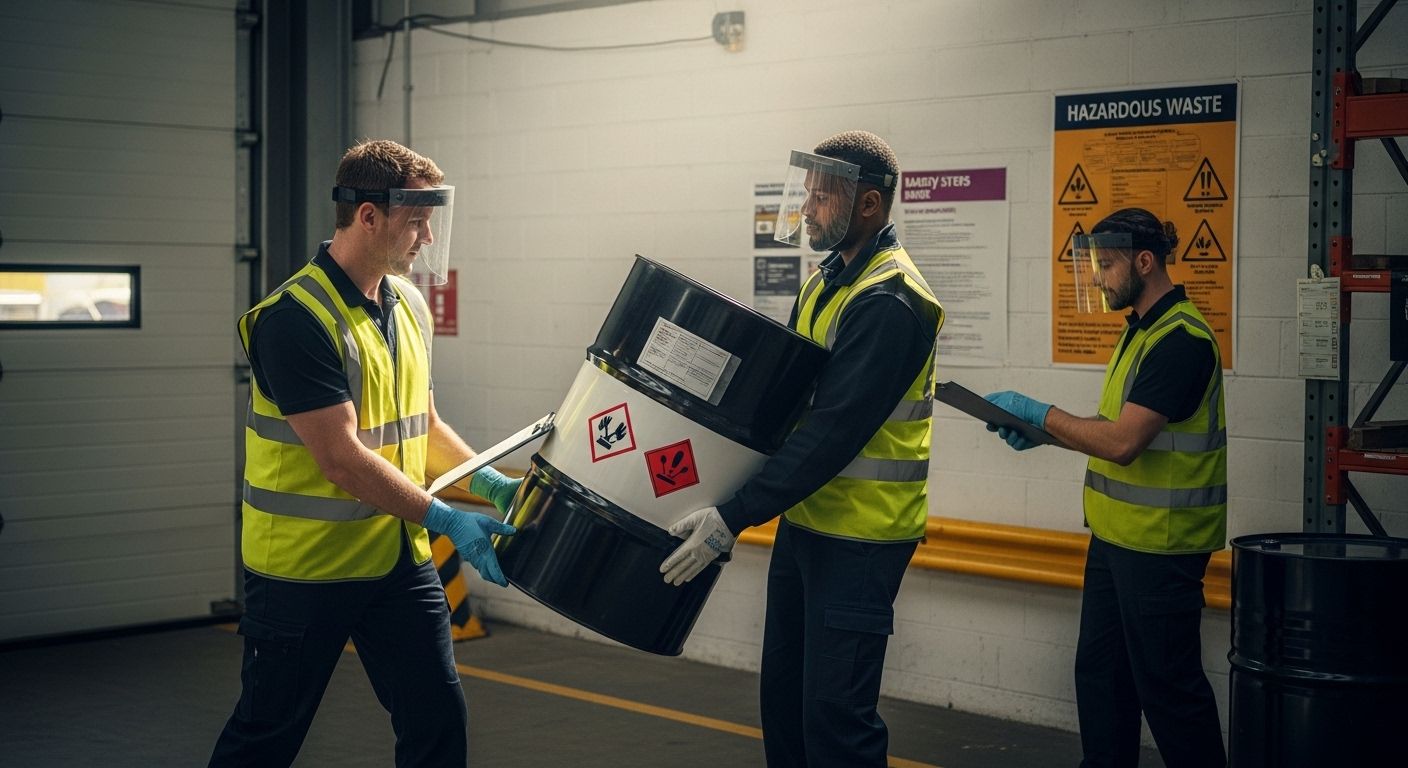
- Toxic: Substances capable of causing immediate or long-term health damage
- Corrosive: Chemicals that can destroy living tissue or materials
- Reactive: Compounds that can cause violent chemical reactions
- Flammable: Materials with potential to ignite or contribute to fire risks
Businesses in industrial regions like Newcastle, Durham, and Sunderland must pay particular attention to precise waste categorisation, especially in manufacturing and chemical processing sectors.
Safe Storage and Transportation Protocols
The Occupational Safety and Health Administration (OSHA) emphasises the critical importance of implementing rigorous storage and transportation protocols for hazardous waste. Key considerations include:
- Containment Integrity: Using specialised containers resistant to chemical interactions
- Segregation: Preventing potential cross-contamination between different waste types
- Labelling Standards: Clearly marking containers with comprehensive hazard information
- Environmental Protection: Implementing secondary containment measures to prevent potential spills
Transportation requires specialised vehicles, trained personnel, and comprehensive documentation to ensure legal compliance and minimise environmental risks.
Comprehensive Waste Management Strategy
Developing a holistic waste management strategy goes beyond mere compliance. The U.S. Environmental Protection Agency’s guidance suggests businesses should:
- Conduct regular waste audits
- Implement continuous staff training programmes
- Develop emergency response protocols
- Maintain meticulous record-keeping systems
- Explore waste reduction and recycling opportunities
Businesses must adopt a proactive approach, recognising that effective hazardous waste management is not just a legal obligation but a fundamental aspect of corporate social responsibility. By investing in comprehensive training, advanced containment technologies, and robust disposal strategies, organisations can protect their workforce, surrounding communities, and the broader environment.
Ultimately, managing hazardous and specialist waste safely requires a combination of technical expertise, stringent protocols, and an unwavering commitment to environmental stewardship.
Legal Compliance and Staff Training for UK Businesses
Legal compliance in waste management represents a critical responsibility for UK businesses, demanding comprehensive understanding and proactive implementation of complex regulatory frameworks. As environmental regulations continue to evolve, organisations must develop robust strategies that ensure both legal adherence and operational efficiency.
Regulatory Framework and Waste Segregation Requirements
Understand the latest waste disposal legal requirements for comprehensive compliance. As of 31 March 2025, the UK government mandates specific waste segregation protocols for all workplaces in England. According to official government guidance, businesses must systematically separate waste into distinct categories:
- Dry Recyclable Materials: Including plastic, metal, glass, paper, and cardboard
- Food Waste: Requiring separate collection and processing
- Non-Recyclable Waste: Designated for alternative disposal methods
Businesses operating in industrial regions like Newcastle, Durham, and Sunderland must pay particular attention to these requirements, ensuring precise waste categorisation across diverse operational environments.
Staff Training and Regulatory Competence
The Health and Safety Executive (HSE) emphasises that employers have a legal obligation to provide comprehensive waste management training. This training must encompass multiple critical components:
- Legislative Understanding: Detailed knowledge of current waste management regulations
- Practical Handling Procedures: Specific techniques for safe waste management
- Risk Assessment Skills: Ability to identify and mitigate potential workplace hazards
- Documentation Compliance: Maintaining accurate waste management records
The Chartered Institution of Wastes Management (CIWM) offers specialised virtual training courses that provide in-depth insights into permitting processes, waste duty of care, and hazardous waste controls.
Consequences of Non-Compliance
Businesses must recognise the significant risks associated with regulatory breaches. Non-compliance can result in:
- Substantial Financial Penalties: Potential fines ranging from hundreds to thousands of pounds
- Legal Prosecution: Potential criminal charges for severe violations
- Reputational Damage: Negative public perception and potential loss of business contracts
Moreover, the financial implications extend beyond immediate penalties. Companies may face increased insurance premiums, potential contract terminations, and long-term reputational challenges.
Successful legal compliance requires more than mere adherence to regulations. It demands a holistic approach that integrates continuous staff training, proactive risk management, and a genuine commitment to environmental responsibility. By investing in comprehensive training programmes and maintaining rigorous waste management protocols, businesses can transform regulatory compliance from a mandatory requirement into a strategic advantage.
Frequently Asked Questions
What are the key health and safety hazards of improper waste handling?
Improper waste handling can expose workers to serious physical dangers, including cuts from sharp objects, chemical exposure leading to respiratory issues or skin irritations, and ergonomic strain from improper lifting techniques.
How can businesses ensure compliance with waste segregation requirements?
Businesses should familiarise themselves with the latest regulations requiring distinct categories for waste such as dry recyclables, food waste, and non-recyclable materials. Staff training and regular audits can help maintain compliance.
What type of Personal Protective Equipment (PPE) is recommended for waste handling?
Recommended PPE includes chemical-resistant gloves, safety goggles to protect eyes, respiratory protection for harmful environments, and protective clothing to prevent skin contact with hazardous materials.
Why is continuous staff training important for waste handling safety?
Continuous staff training ensures that employees are updated on current regulations, safety practices, and waste management techniques, which is vital for maintaining a safe working environment and regulatory compliance.
Turn Waste Handling Worries into Seamless Safety with Venture Waste Management
Struggling to keep up with evolving waste handling rules and concerned about the safety of your team? If you feel overwhelmed by complex health, legal, and environmental risks discussed in our safety tips, you’re not alone. Many UK businesses want peace of mind about compliance and protection from costly mistakes. Our Waste Collection Process in the UK for Businesses 2025 page guides you through simple, effective steps to handle every waste stream properly—giving you clarity and confidence while removing the guesswork.

Now is the time to act. Choose a partner who puts your safety, compliance, and efficiency first. Visit Venture Waste Management today and see how easy responsible waste handling can be. Book your tailored waste collection and start protecting your business, your people, and your reputation.


Leave a Reply
Want to join the discussion?Feel free to contribute!