

Best Liquid Waste Disposal Options for UK Businesses in 2025
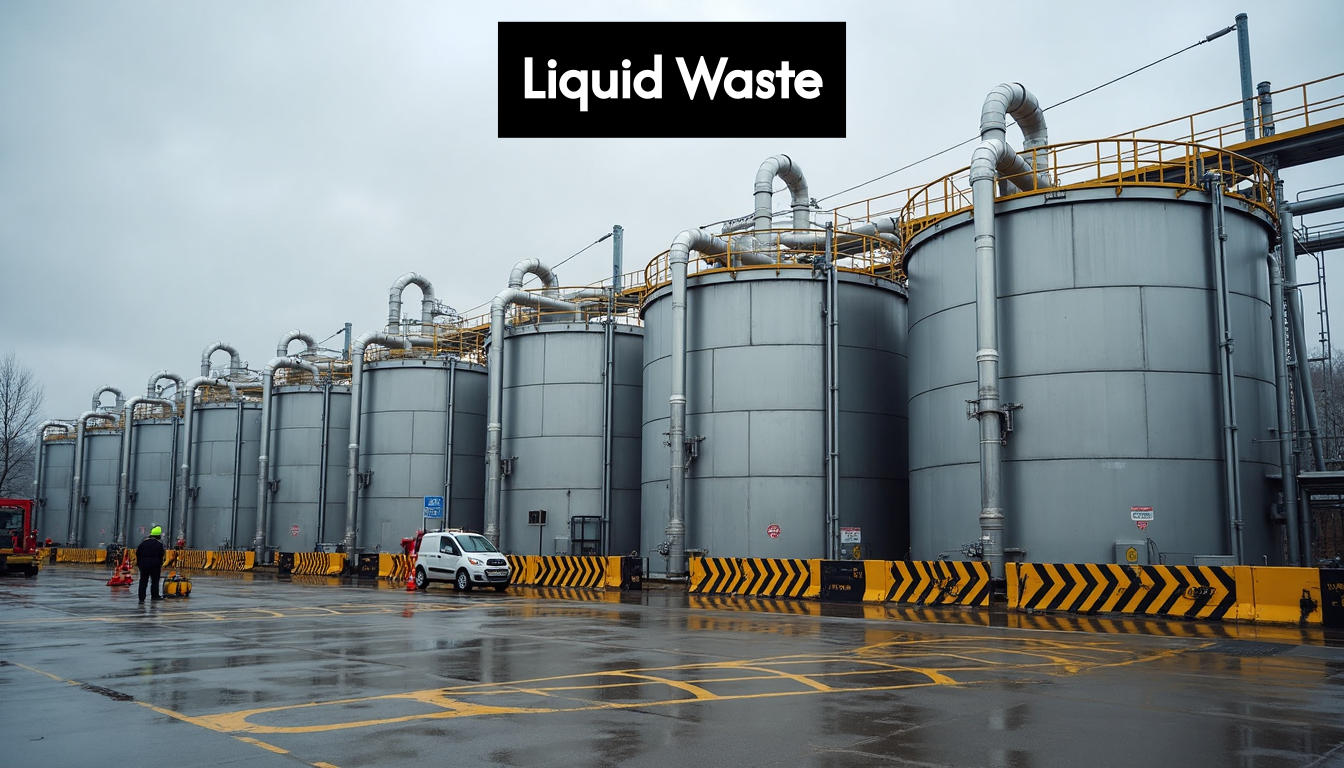
Liquid waste disposal is reshaping the way UK businesses operate. With the UK generating around 190 million tonnes of waste every year, it is no longer just a matter of ticking the compliance box. Here is the twist. The biggest challenge is not the volume itself but finding disposal options that keep businesses legal and future-proof at the same time. The real eye-opener is how advanced treatment technologies and new recycling strategies could see companies turn problem waste into valuable assets. Curious how the smartest firms are staying ahead of the game in 2025?
Table of Contents
- Types Of Liquid Waste Uk Businesses Generate
- Safe And Legal Liquid Waste Disposal Options
- Choosing The Right Disposal Provider For Your Business
- Best Practices For Managing Liquid Waste In 2025
Quick Summary
| Takeaway | Explanation |
|---|---|
| Understand Liquid Waste Types | UK businesses generate diverse liquid waste, including industrial, commercial, and hazardous types, necessitating tailored disposal strategies for compliance and sustainability. |
| Prioritise Compliance and Documentation | Adhering to UK environmental regulations is crucial; businesses must maintain accurate waste classifications, treatment records, and ensure licensed transport for waste disposal. |
| Choose Advanced Treatment Technologies | Utilising modern treatment methods like biological treatment and chemical neutralisation can help businesses transform hazardous waste into safe, reusable materials while minimising environmental impacts. |
| Focus on Waste Reduction | Implementing strategies such as process optimisation and closed-loop systems can significantly reduce waste generation and associated costs, promoting a sustainable operational approach. |
| Select the Right Disposal Partner | Choosing a disposal provider that offers regulatory certification, waste stream specialization, and transparent pricing ensures effective and compliant waste management solutions for businesses. |
Types of Liquid Waste UK Businesses Generate
UK businesses generate a complex range of liquid waste that requires specialized disposal techniques. Understanding these waste types is crucial for environmental compliance and responsible waste management. The diversity of liquid waste reflects the varied industrial and commercial landscape of the United Kingdom.
Industrial Processing Liquid Waste
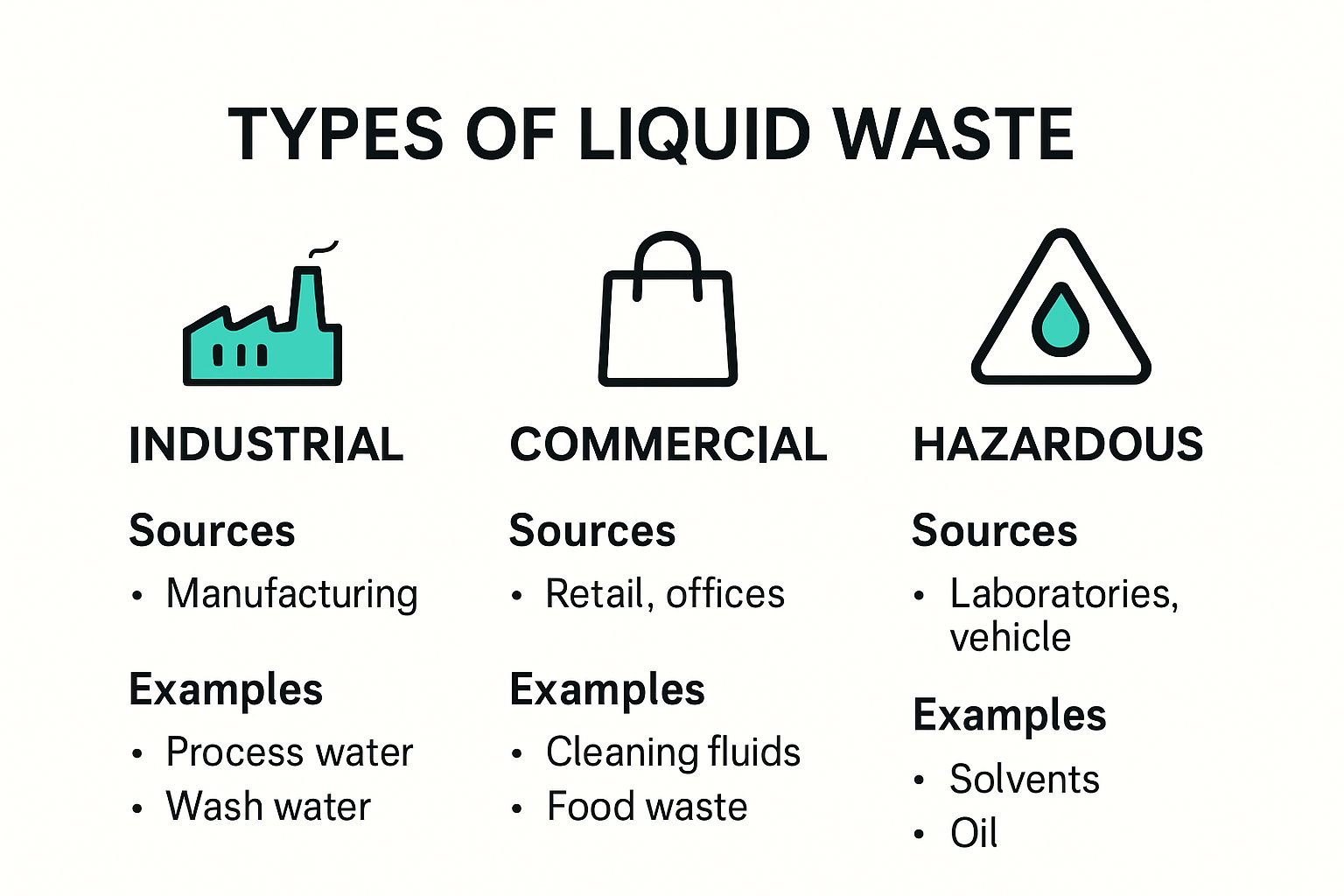
Manufacturing and industrial sectors produce significant volumes of liquid waste with intricate chemical compositions. These waste streams often contain hazardous materials that demand rigorous treatment protocols. According to research on industrial waste management, the UK generates approximately 190 million tonnes of waste annually, with a substantial portion originating from industrial processes.
Typical industrial liquid waste categories include:
- Chemical Effluents: Toxic and corrosive liquids from chemical manufacturing processes
- Coolant Liquids: Contaminated cooling water from machinery and industrial equipment
- Process Rinse Waters: Liquids used for cleaning and rinsing production equipment
Commercial and Service Sector Liquid Waste
Commercial establishments generate liquid waste with different characteristics compared to industrial sources. Restaurants, hotels, healthcare facilities, and retail outlets produce unique waste streams that require specialized disposal strategies. Global market analysis indicates the liquid waste management sector is projected to grow at 4.4% CAGR from 2025 to 2032, highlighting the increasing complexity of waste management needs.
Commercial liquid waste typically includes:
- Food Processing Waste: Oils, grease, and organic liquid residues
- Cleaning Solution Remnants: Chemical cleaning agents and sanitization liquids
- Wastewater from Service Operations: Drainage from kitchens, bathrooms, and general facility operations
Hazardous Liquid Waste Management
Some liquid waste streams pose significant environmental and health risks, necessitating specialized hazardous waste handling protocols. These include biochemical waste from laboratories, pharmaceutical residues, and industrial chemical byproducts. Proper identification, segregation, and disposal are critical to prevent environmental contamination and potential legal repercussions.
Businesses must implement comprehensive waste assessment strategies to accurately categorize and manage their liquid waste streams. This approach ensures regulatory compliance, minimizes environmental impact, and supports sustainable waste management practices across diverse commercial and industrial sectors.
Safe and Legal Liquid Waste Disposal Options
UK businesses face increasingly stringent regulations regarding liquid waste disposal, requiring comprehensive and compliant strategies that balance environmental protection with operational efficiency. The legal framework surrounding liquid waste management continues to evolve, making it critical for organizations to stay informed and proactively implement responsible disposal methods.
Regulatory Compliance and Treatment Protocols
Navigating the complex landscape of liquid waste disposal demands a thorough understanding of UK environmental regulations. Businesses must adhere to guidelines set by the Environment Agency, which mandates specific treatment and disposal protocols for different waste categories. Our comprehensive guide on hazardous waste handling provides detailed insights into meeting these regulatory requirements.
Key compliance considerations include:
- Waste Classification: Accurately identifying and categorizing liquid waste streams
- Treatment Documentation: Maintaining comprehensive records of waste treatment processes
- Transportation Permits: Ensuring licensed carriers handle waste transportation
Advanced Liquid Waste Treatment Technologies
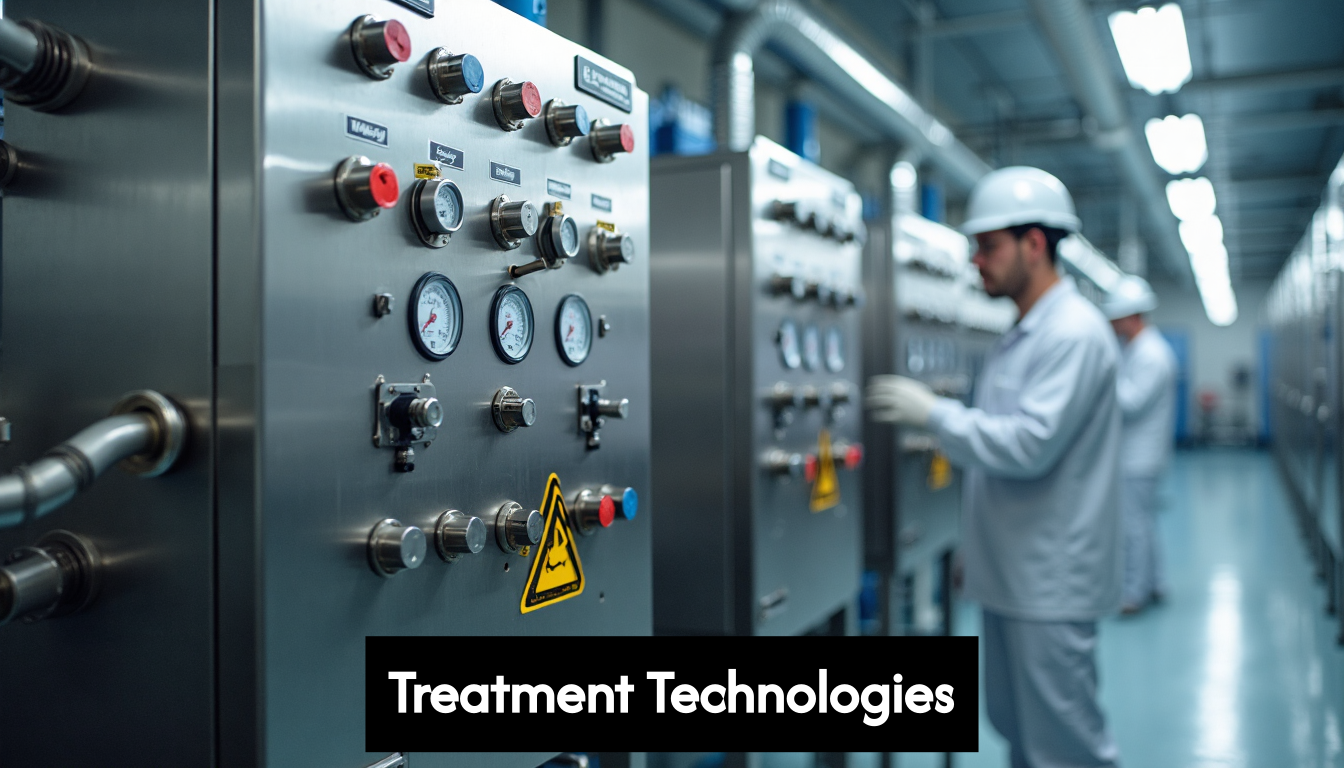
Modern liquid waste disposal relies on sophisticated treatment technologies that minimize environmental impact and maximize resource recovery. Emerging techniques focus on transforming potentially harmful waste streams into reusable or safely disposable materials. Advanced treatment methods include:
- Biological Treatment: Using microorganisms to break down organic waste components
- Chemical Neutralization: Rendering hazardous chemical waste inert through precise chemical processes
- Physical Separation: Implementing filtration and separation techniques to isolate contaminants
Sustainable Disposal and Recycling Strategies
Progressively, UK businesses are moving beyond traditional disposal methods towards more sustainable waste management approaches. The circular economy model encourages waste reduction, recycling, and resource recovery. Innovative disposal strategies now prioritize:
- Water Reclamation: Treating liquid waste for potential reuse in industrial processes
- Energy Recovery: Converting certain liquid waste streams into alternative energy sources
- Minimal Landfill Impact: Reducing the volume of liquid waste sent to landfill sites
Businesses must adopt a proactive approach to liquid waste management, recognizing it as a critical aspect of environmental responsibility and legal compliance. By investing in advanced treatment technologies, maintaining rigorous documentation, and embracing sustainable disposal strategies, organizations can effectively manage their liquid waste while minimizing environmental and legal risks.
The future of liquid waste disposal demands continuous adaptation, technological innovation, and a commitment to environmental stewardship. UK businesses that prioritize comprehensive waste management strategies will not only meet regulatory requirements but also contribute to broader sustainability goals.
Choosing the Right Disposal Provider for Your Business
Selecting an appropriate liquid waste disposal provider represents a critical decision for UK businesses in 2025. The right partner ensures environmental compliance, operational efficiency, and minimizes potential legal risks associated with improper waste management.
Comprehensive Compliance Assessment
Businesses must conduct thorough due diligence when evaluating potential waste disposal providers. From April 2025, new waste separation regulations mandate strict requirements for businesses with 10 or more full-time employees. Our guide to waste handling protocols highlights the critical factors businesses should consider during provider selection.
Key evaluation criteria include:
- Regulatory Certification: Verify providers hold current Environment Agency licensing
- Waste Stream Specialization: Ensure provider can handle your specific liquid waste types
- Comprehensive Documentation: Providers must offer detailed waste tracking and disposal certificates
Technology and Treatment Capabilities
Modern liquid waste disposal demands sophisticated technological capabilities. Advanced providers utilize cutting-edge treatment methodologies that transform potentially hazardous waste streams into manageable, environmentally responsible solutions. According to DEFRA waste management guidelines, businesses should prioritize providers demonstrating:
- Advanced Separation Technologies: Capability to effectively segregate different waste components
- Recycling and Recovery Options: Providers offering resource recovery and circular economy approaches
- Minimal Environmental Impact: Proven strategies for reducing waste volume and ecological footprint
Cost-Effectiveness and Long-Term Partnership
Beyond technical capabilities, businesses must evaluate the financial and strategic implications of their waste disposal partnerships. The most effective providers offer transparent pricing, flexible service models, and demonstrate a commitment to continuous improvement in waste management practices.
Considerations for long-term partnership include:
- Predictable Pricing Structures: Clear, consistent cost models without hidden fees
- Scalable Service Offerings: Ability to adapt to changing business waste management needs
- Ongoing Compliance Support: Providers who proactively update clients about regulatory changes
The 2025 waste management landscape demands a strategic approach to provider selection. Businesses must view their waste disposal partner not merely as a service provider, but as a critical ally in achieving environmental sustainability and regulatory compliance.
Ultimately, the right disposal provider will offer more than just waste removal. They will provide a comprehensive solution that aligns with your business’s operational requirements, environmental responsibilities, and long-term sustainability goals. Careful evaluation, thorough research, and a forward-thinking approach will ensure businesses select a partner capable of meeting the complex challenges of liquid waste management in 2025 and beyond.
Best Practices for Managing Liquid Waste in 2025
The landscape of liquid waste management is rapidly evolving, presenting UK businesses with both challenges and opportunities for more sustainable and efficient waste handling strategies. As environmental regulations become increasingly stringent, organizations must adopt proactive and comprehensive approaches to liquid waste management.
Comprehensive Waste Auditing and Characterization
Successful liquid waste management begins with a thorough understanding of an organization’s waste streams. Businesses must implement robust auditing processes that go beyond surface-level assessments. Our comprehensive guide to hazardous waste handling provides critical insights into developing effective waste characterization strategies.
Key auditing practices include:
- Detailed Waste Mapping: Creating comprehensive inventories of all liquid waste types
- Chemical Composition Analysis: Conducting in-depth testing of waste stream components
- Risk Assessment: Identifying potential environmental and health hazards associated with specific waste types
Integrated Waste Reduction and Prevention Strategies
The most effective liquid waste management approach prioritizes waste reduction at the source. Businesses must move beyond traditional disposal methods and implement proactive prevention strategies. This approach not only minimizes environmental impact but also reduces overall waste management costs.
Effective reduction strategies encompass:
- Process Optimization: Redesigning industrial processes to minimize liquid waste generation
- Closed-Loop Systems: Implementing recycling and reuse technologies within production cycles
- Material Substitution: Identifying alternative materials that generate less hazardous waste
Advanced Monitoring and Compliance Technologies
Technology plays a crucial role in modern liquid waste management. Businesses must leverage cutting-edge monitoring systems and digital technologies to ensure compliance and optimize waste handling processes. Advanced tracking and management solutions provide real-time insights into waste streams, enabling more precise and efficient disposal strategies.
Critical technological approaches include:
- Digital Tracking Systems: Implementing comprehensive waste tracking and documentation platforms
- Automated Monitoring Technologies: Using sensors and real-time analysis tools to detect waste composition
- Predictive Analytics: Utilizing data-driven insights to optimize waste management processes
The 2025 liquid waste management landscape demands a holistic and proactive approach. Businesses must view waste management not as a compliance requirement, but as a strategic opportunity to reduce environmental impact, minimize costs, and demonstrate corporate responsibility.
Successful organizations will integrate advanced technologies, comprehensive auditing processes, and innovative reduction strategies. By adopting a forward-thinking approach to liquid waste management, businesses can transform potential environmental challenges into opportunities for operational excellence and sustainable growth.
Ultimately, the most effective liquid waste management strategies will combine technological innovation, rigorous compliance protocols, and a commitment to continuous improvement. As regulations evolve and environmental concerns become increasingly critical, businesses that prioritize sophisticated waste management approaches will gain a significant competitive advantage in the marketplace.
Frequently Asked Questions
What types of liquid waste do UK businesses generate?
UK businesses generate various types of liquid waste, including industrial processing liquids, commercial waste such as food processing residues, and hazardous liquid waste from chemical or pharmaceutical industries.
How can businesses ensure compliance with liquid waste disposal regulations in the UK?
Businesses can ensure compliance by accurately classifying their liquid waste, maintaining treatment documentation, and using licensed carriers for transportation in accordance with Environment Agency guidelines.
What advanced treatment technologies are available for liquid waste disposal?
Advanced treatment technologies include biological treatment methods using microorganisms to decompose organic waste, chemical neutralisation processes to render hazardous waste inert, and physical separation techniques for contaminant removal.
Why is it important to choose the right disposal provider for liquid waste?
Choosing the right disposal provider is crucial for ensuring environmental compliance, operational efficiency, and minimising legal risks. A suitable partner will have the necessary regulatory certifications, expertise in specific waste types, and a commitment to sustainable practices.
Take the Next Step Towards Smarter Liquid Waste Management
Struggling to keep up with liquid waste regulations and advanced treatment requirements in 2025? If the pressure of compliance, safe disposal, and cost-effective solutions feels overwhelming, you are not alone. Many UK businesses are being challenged by stricter laws, the need for meticulous documentation, and the urgency to minimise environmental risks, as explored throughout our liquid waste disposal insights.

Now is the time to make waste management effortless and reliable. Book your liquid waste collection with Venture Waste and experience a three-step, hassle-free process tailored for your business needs. Whether you deal with hazardous materials or require general commercial waste collection, our proven expertise ensures you stay legal, safe, and confident. Discover the difference with Venture Waste Management, or explore our specialised support for confidential waste disposal. Do not risk your compliance—secure a reliable waste partner today.


Leave a Reply
Want to join the discussion?Feel free to contribute!