Recycling Contamination – How It Affects UK Healthcare
Nearly **30 percent of recyclable waste from british healthcare facilities ends up in landfill due to contamination mistakes. For facilities managers, this ongoing challenge directly affects compliance with United Kingdom regulations and damages sustainability progress. Finding practical solutions to improve waste segregation and minimize recycling contamination not only strengthens environmental responsibility but also protects institutional reputation and finances. Get clear, actionable insights to help your team cut unnecessary waste and meet both legal and green targets.
Table of Contents
- Recycling Contamination In Healthcare Explained
- Types Of Contaminants In Clinical Recycling Streams
- Impacts On Recycling Processes And Compliance
- Legal Obligations For UK Healthcare Facilities
- Financial And Environmental Consequences
- Effective Prevention And Staff Training Strategies
Key Takeaways
| Point | Details |
|---|---|
| Contamination Challenges | Recycling contamination poses significant challenges in UK healthcare, necessitating precise waste segregation and management to prevent improper disposal of recyclable materials. |
| Financial and Environmental Impact | Improper waste management leads to increased disposal costs and carbon emissions, undermining healthcare sustainability efforts. |
| Importance of Training | Comprehensive staff training and clear waste disposal protocols are essential to reducing recycling contamination and adhering to regulatory requirements. |
| Effective Prevention Strategies | Strategies like colour-coded bins and digital tracking systems can significantly lower contamination rates and enhance overall compliance in waste management. |
Recycling contamination in healthcare explained
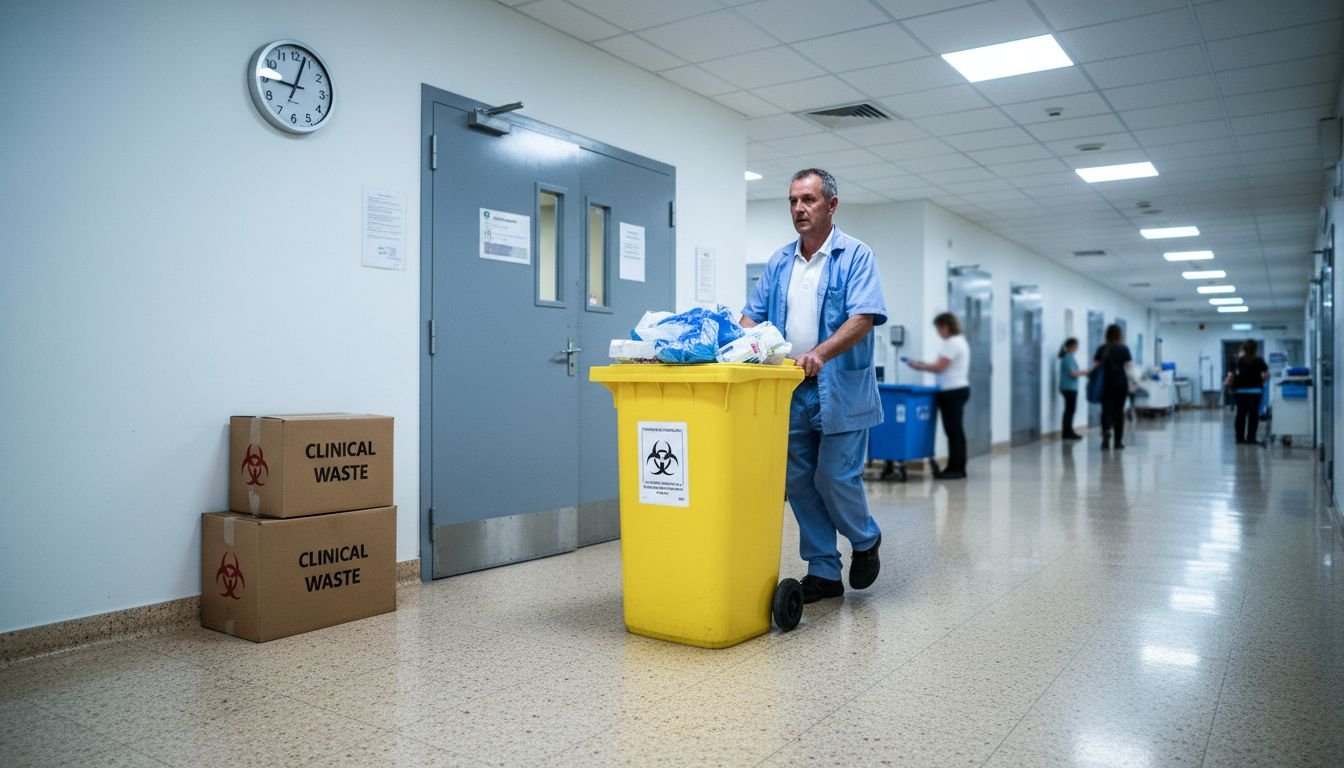
Recycling contamination represents a significant challenge within the United Kingdom’s healthcare systems, particularly for facilities managing complex waste streams. The healthcare sector generates substantial volumes of potentially recyclable materials that frequently become compromised through improper disposal practices. Healthcare waste management challenges emerge from intricate infection control requirements and the multifaceted nature of clinical waste streams.
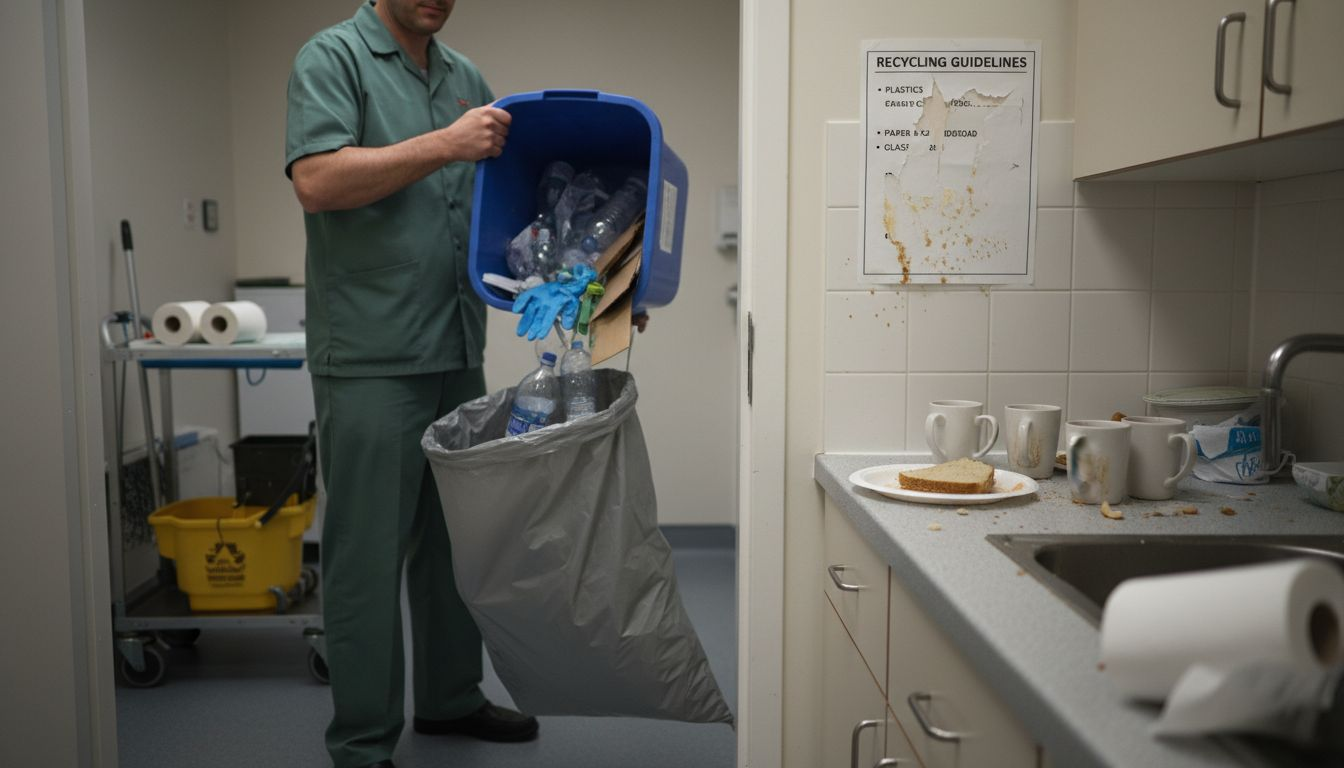
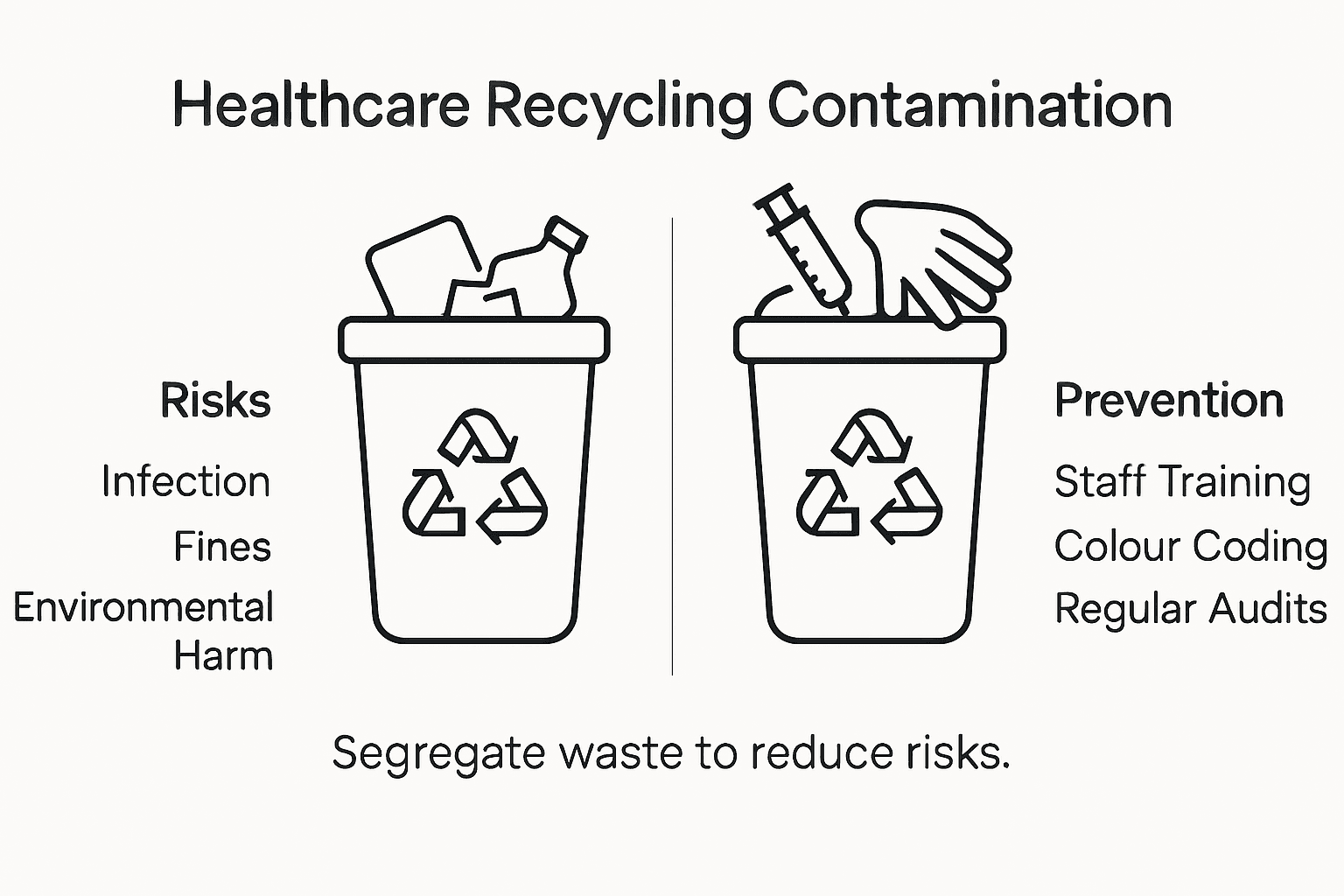
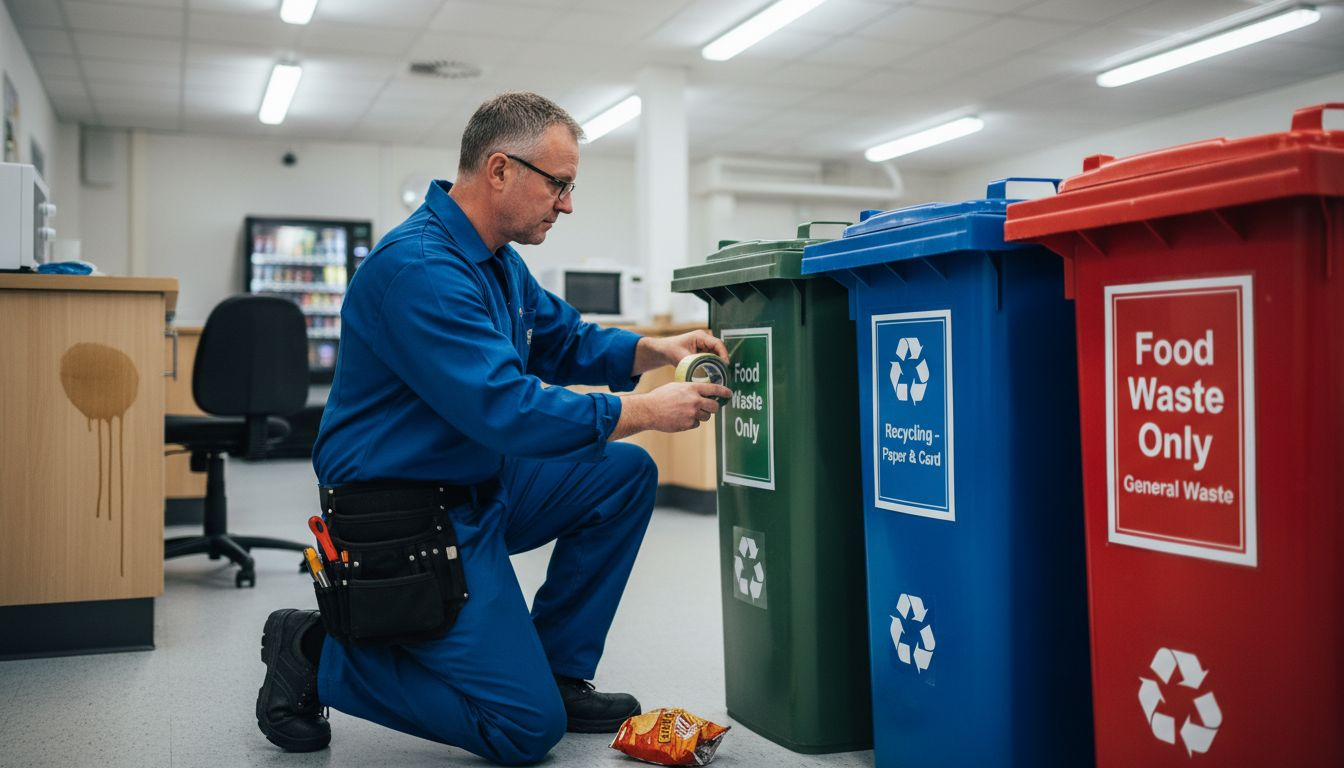
In practical terms, contamination occurs when non-recyclable materials are mixed with recyclable waste, rendering entire batches unsuitable for recycling. Healthcare settings like hospitals, clinics, and medical laboratories generate multiple waste categories including plastics, paper, medical packaging, and potentially infectious materials. Each waste stream requires precise segregation to maintain environmental standards and prevent potential health risks. Contamination can result from simple mistakes like disposing of soiled medical packaging, used personal protective equipment, or bio-hazardous materials into recycling containers.
The consequences of recycling contamination extend beyond immediate waste management challenges. Contaminated recycling batches often require complete disposal in general waste streams, increasing institutional environmental footprints and generating unnecessary landfill volumes. NHS trusts and private healthcare providers must implement rigorous staff training programmes, clear waste segregation protocols, and robust monitoring systems to mitigate these risks effectively.
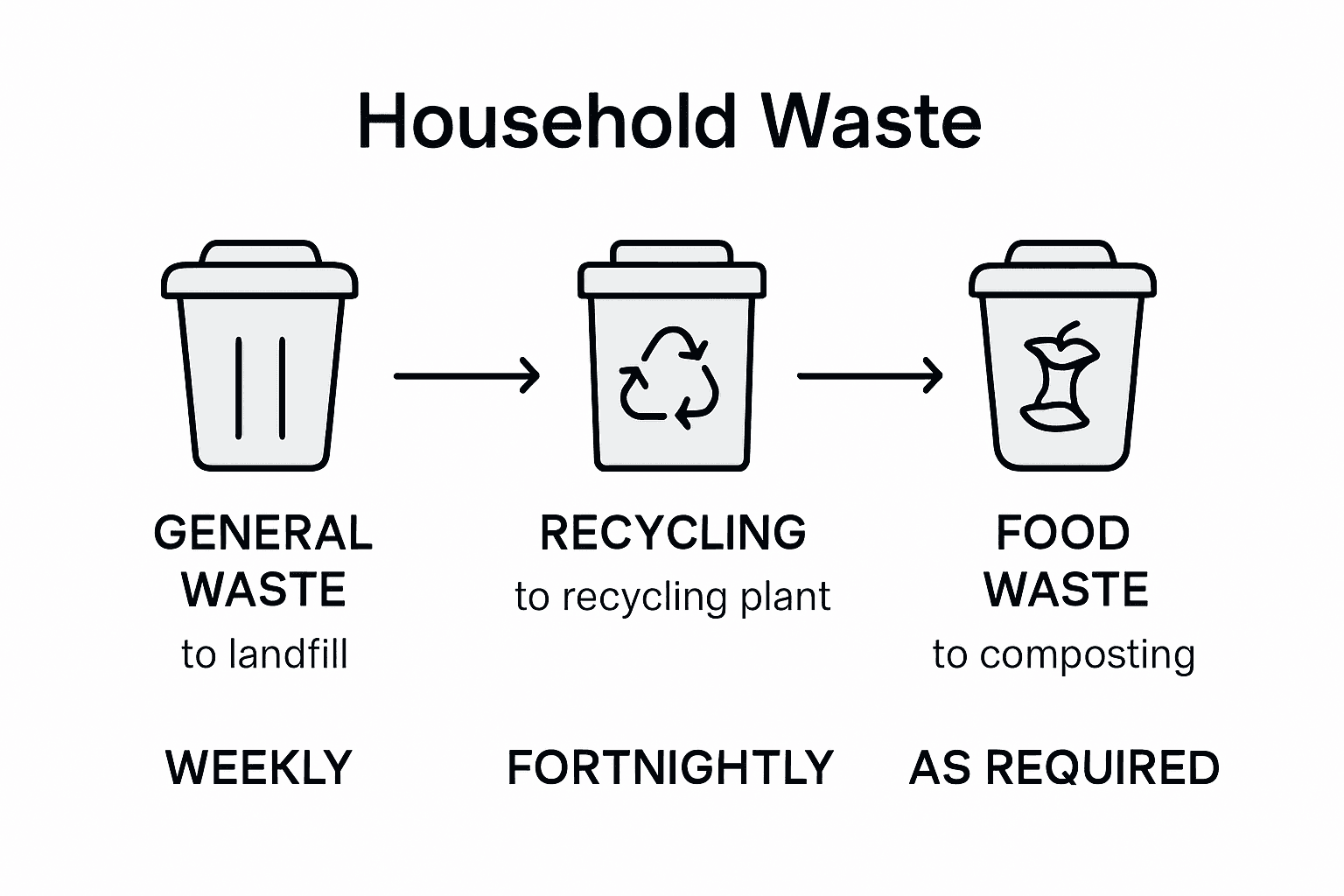
Pro tip: Implement colour-coded waste disposal bins with clear visual instructions to help healthcare staff distinguish between different waste categories and reduce inadvertent contamination.
Types of contaminants in clinical recycling streams
Clinical recycling streams present a complex landscape of potential contamination risks that significantly impact healthcare waste management. Environmental impact assessments of NHS devices reveal multiple categories of contaminants that compromise recycling efforts, ranging from biological hazards to chemical residues and material-specific challenges.
Biological contaminants represent the most critical concern in clinical waste streams. These include potentially infectious materials such as blood-soaked dressings, used medical equipment with bodily fluid exposure, and contaminated personal protective equipment. Pathogens like bacteria, viruses, and other microorganisms can render entire recycling batches unsuitable for processing, necessitating complete disposal in hazardous waste streams. Additionally, medical devices with complex material compositions often require specialized decontamination procedures before potential recycling.
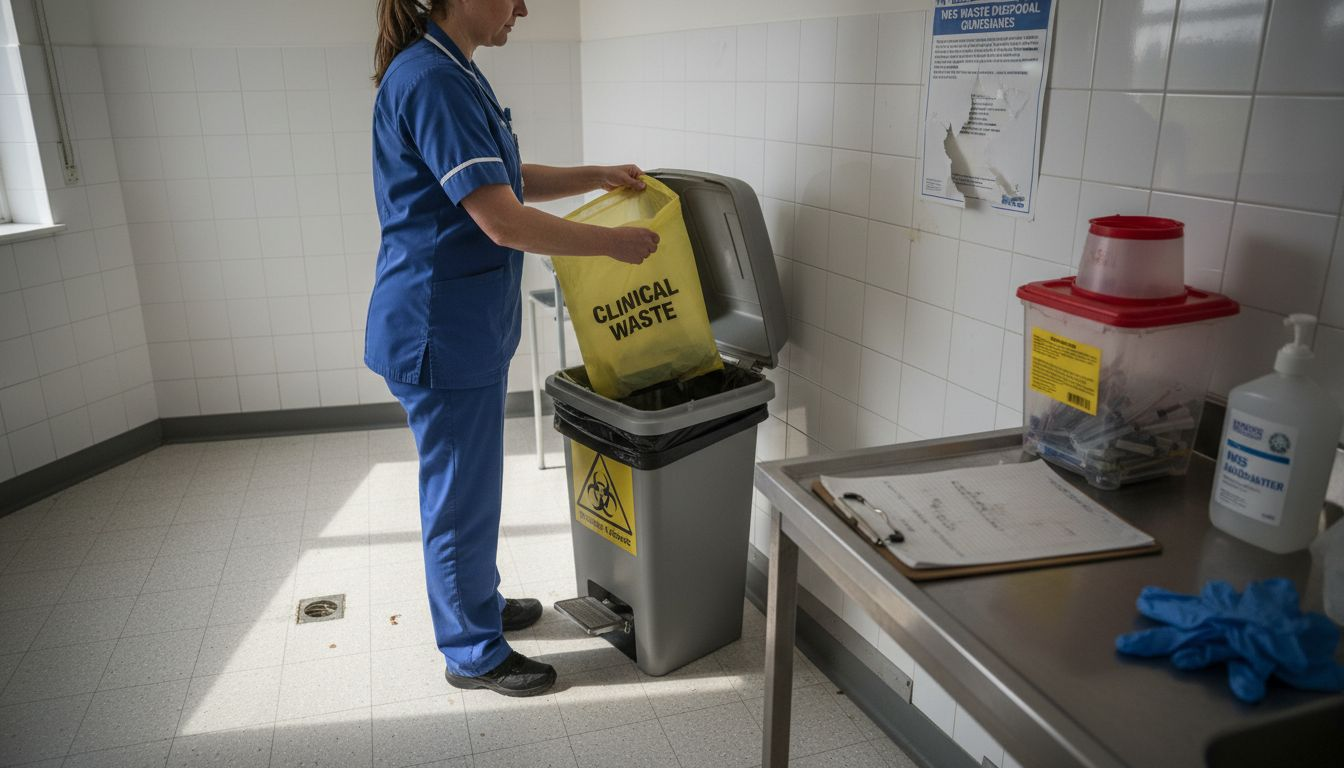
Chemical contamination presents another significant challenge for healthcare recycling. Medical equipment, pharmaceutical packaging, and diagnostic tools frequently contain chemical residues from medications, disinfectants, and diagnostic reagents. These chemical traces can compromise material integrity, create environmental hazards, and prevent successful recycling processes. Single-use plastics, which dominate medical settings, are particularly problematic due to their potential chemical interactions and limited recyclability.
Pro tip: Implement rigorous pre-sorting protocols and provide comprehensive staff training on identifying different contamination types to improve overall clinical waste recycling effectiveness.
Here is a summary of common contamination types and their effects on healthcare recycling streams:
| Contaminant Type | Example Materials | Key Risks | Required Action |
|---|---|---|---|
| Biological | Blood-soaked dressings, PPE | Infection and biohazard | Hazardous waste disposal |
| Chemical | Pharmaceutical packaging, reagents | Material degradation | Chemical decontamination |
| Mixed Material | Composite medical devices, plastics | Difficult to segregate | Specialized sorting |
| Soiled General Waste | Food wrappers, non-medical plastics | Batch contamination | General waste bin |
Impacts on recycling processes and compliance
Recycling contamination significantly undermines healthcare waste management efficiency, creating substantial challenges for institutional compliance and environmental sustainability. NHS clinical waste strategy emphasises the critical need to address contamination issues that directly impact recycling processes and regulatory compliance across healthcare settings.
Regulatory compliance represents a complex landscape for healthcare institutions managing clinical waste streams. Contaminated recycling materials often require complete disposal through high-temperature incineration, which not only increases operational costs but also generates substantially higher carbon emissions. The stringent requirements set by UK environmental regulations mandate precise waste segregation and management protocols, making contamination a significant legal and environmental risk for healthcare providers.
The economic implications of recycling contamination extend beyond immediate disposal costs. Hospitals and medical facilities face potential financial penalties for non-compliance with waste management regulations, alongside increased waste management expenses. Inefficient recycling processes driven by contamination can lead to higher waste treatment costs, reduced recycling rates, and potential breaches of environmental performance targets set by national healthcare and environmental authorities.
Pro tip: Develop comprehensive staff training programmes focusing on waste segregation techniques and implement colour-coded waste collection systems to minimise cross-contamination risks.
Legal obligations for UK healthcare facilities
Healthcare facilities across the United Kingdom face increasingly complex legal requirements governing clinical waste management and environmental compliance. NHS clinical waste strategy establishes comprehensive mandates that require healthcare providers to implement rigorous waste segregation, management, and disposal protocols to mitigate contamination risks and ensure regulatory adherence.
Regulatory frameworks impose strict obligations on healthcare institutions, with specific requirements outlined in Health Technical Memorandum HTM 07-01. These regulations mandate precise waste categorisation, dedicated training for waste management personnel, and implementation of systematic approaches to clinical waste handling. Non-compliance can result in significant financial penalties, potential legal sanctions, and reputational damage for healthcare providers who fail to meet the established environmental and safety standards.
The UK government’s Design for Life roadmap further emphasises legal requirements targeting waste reduction and sustainable healthcare practices. Healthcare facilities must now demonstrate active commitment to minimising single-use medical device waste, optimising recycling processes, and implementing comprehensive waste management strategies that align with national environmental objectives. This legislative approach compels healthcare institutions to transform their waste management practices, integrating compliance as a core operational responsibility rather than a peripheral consideration.
Pro tip: Develop a comprehensive internal audit system that regularly reviews waste management protocols and ensures ongoing alignment with the latest NHS and governmental waste management regulations.
Financial and environmental consequences
NHS clinical waste strategy highlights the profound economic and environmental implications of recycling contamination in healthcare settings. Poor waste management practices not only escalate operational costs but also significantly contribute to the sector’s carbon footprint, creating a complex challenge that demands strategic intervention.
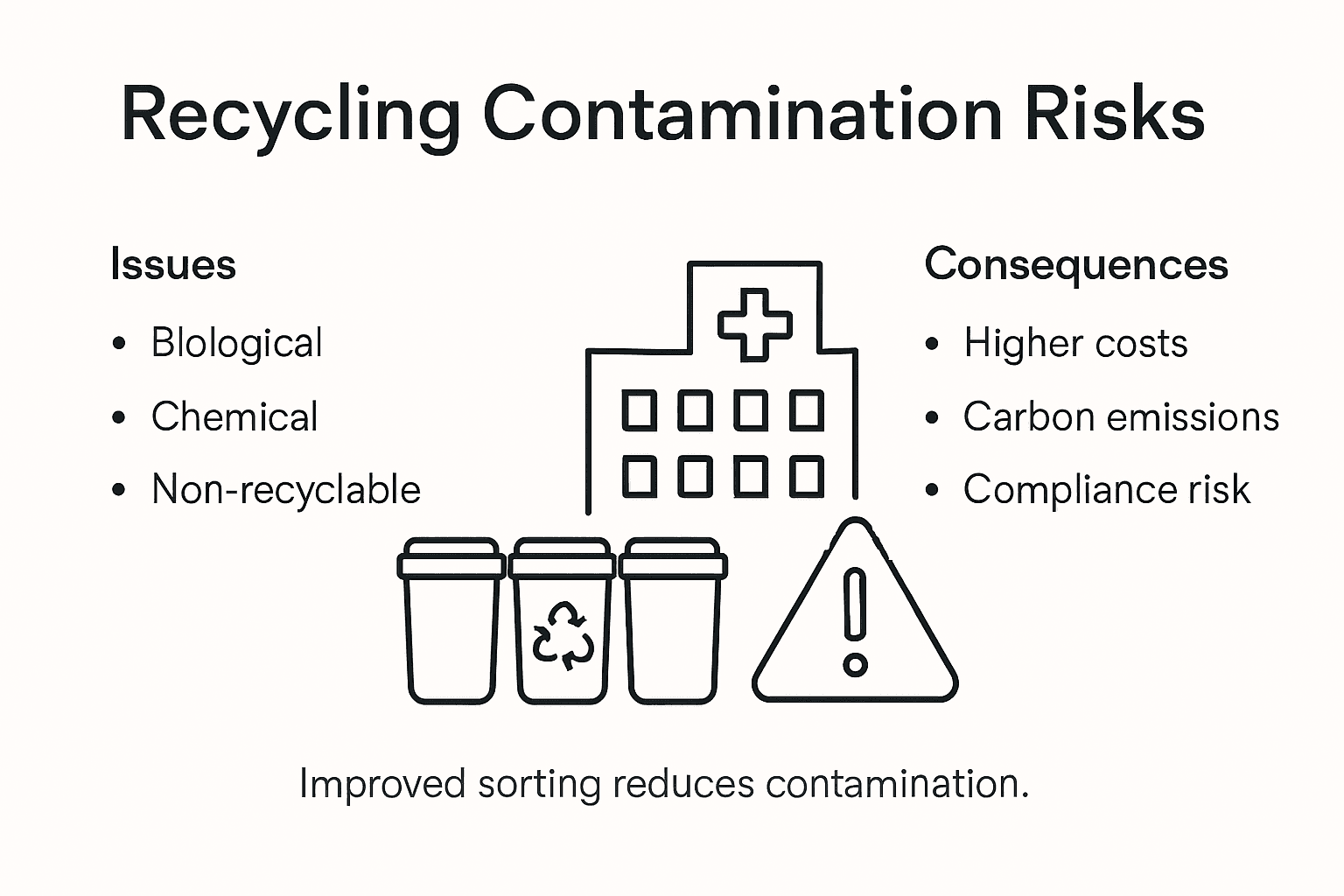
Financial impacts represent a critical concern for healthcare institutions. Contaminated waste streams necessitate expensive high-temperature incineration processes, which dramatically increase disposal costs. Each contaminated batch requires complete thermal treatment, potentially costing healthcare facilities thousands of pounds annually. These expenses extend beyond direct disposal fees, encompassing additional labour costs for waste sorting, potential regulatory penalties, and reduced efficiency in waste management systems.
Environmental consequences are equally significant. Excessive reliance on high-temperature incineration generates substantial carbon emissions, directly contradicting the NHS’s sustainability objectives. Healthcare facilities that fail to implement robust waste segregation and contamination prevention strategies risk undermining national environmental targets. The carbon footprint associated with improper waste management can offset years of institutional sustainability efforts, creating long-term environmental and reputational challenges for healthcare providers.
Pro tip: Invest in comprehensive staff training programmes focused on precise waste segregation techniques and implement digital tracking systems to monitor and reduce waste contamination rates.
Effective prevention and staff training strategies
NHS clinical waste strategy underscores the critical importance of comprehensive staff training as a fundamental approach to reducing recycling contamination in healthcare environments. Effective prevention strategies require a multifaceted approach that combines targeted education, practical skills development, and systemic behavioural change initiatives.
Training programmes must address the complex nuances of medical waste segregation, focusing on practical skills and theoretical understanding. Healthcare facilities should implement structured training modules that cover waste categorisation, contamination risks, and proper disposal techniques. These programmes should include interactive workshops, visual demonstrations, and hands-on practical sessions that enable staff to develop muscle memory for correct waste management protocols. Regular assessments and refresher courses ensure that knowledge remains current and staff remain engaged with evolving waste management standards.
Behavioural change represents a critical component of effective contamination prevention. Healthcare institutions must cultivate a culture of environmental responsibility, where waste management is viewed not as a peripheral task but as a core professional competency. This involves creating clear accountability structures, recognising staff who demonstrate excellent waste management practices, and integrating sustainability metrics into performance evaluations. By embedding waste management principles into organisational culture, healthcare facilities can transform individual behaviours and create systemic improvements in recycling and waste reduction.
Pro tip: Develop gamified training modules with real-time feedback and performance tracking to make waste management education more engaging and measurable for healthcare staff.
Below is a comparison of three key prevention strategies for reducing recycling contamination in healthcare:
| Strategy | Implementation Effort | Impact on Contamination Rates | Long-term Benefits |
|---|---|---|---|
| Colour-coded bins | Moderate | Significantly reduced | Improved compliance |
| Comprehensive staff training | High | Greatly reduced | Increased staff engagement |
| Digital tracking systems | High | Lower rates with monitoring | Data-driven waste management |
Tackle Recycling Contamination in Healthcare with Trusted Waste Management Solutions
Recycling contamination in UK healthcare presents a serious challenge that can increase costs and harm the environment. If your healthcare facility struggles with managing complex waste streams, ensuring legal compliance, or reducing contamination risks like biological and chemical hazards, you are not alone. Proper segregation and disposal are critical to protecting staff safety and meeting stringent NHS waste strategy requirements.

At Venture Waste, we understand these challenges and offer tailored services designed to simplify clinical waste management. From clear segregation protocols to secure recycling collections, our comprehensive waste solutions can help your facility reduce contamination and improve compliance. Discover how the Waste Collection Process in the UK for Businesses 2025 supports efficient healthcare waste disposal. Learn more about the evolving Waste Collection Network in UK Businesses 2025 to stay informed of best practices. Take control of your waste management today by visiting Venture Waste and streamline your recycling efforts with expert support.
Act now to safeguard the environment and your facility’s reputation while ensuring a safer workplace. Contact Venture Waste to create a waste strategy that meets NHS standards and drives real improvement.
Frequently Asked Questions
What is recycling contamination in healthcare?
Recycling contamination occurs when non-recyclable materials are mixed with recyclable waste in healthcare settings, rendering entire batches unsuitable for recycling due to improper disposal practices.
What types of materials can contaminate clinical recycling streams?
Common contaminants include biological materials like blood-soaked dressings and used personal protective equipment, as well as chemical residues from pharmaceutical packaging and diagnostic tools.
How does recycling contamination impact healthcare facilities?
Recycling contamination can lead to increased disposal costs, higher carbon emissions from incineration, and potential financial penalties for non-compliance with waste management regulations.
What strategies can healthcare facilities use to reduce recycling contamination?
Implementing colour-coded waste disposal bins, conducting comprehensive staff training on waste segregation, and employing digital tracking systems are effective strategies for minimising recycling contamination.
Recommended
- Recycling Contamination – How It Affects UK Healthcare – Venture Waste
- Sustainable Waste Solutions – Enhancing UK Healthcare Compliance – Venture Waste
- Public Health and Waste – Protecting UK Communities – Venture Waste
- Why Hire Waste Professionals for UK Healthcare – Venture Waste
- What is Specialist Cleaning? Understanding Its Importance | Rozie – Malta’s Best Cleaning Services