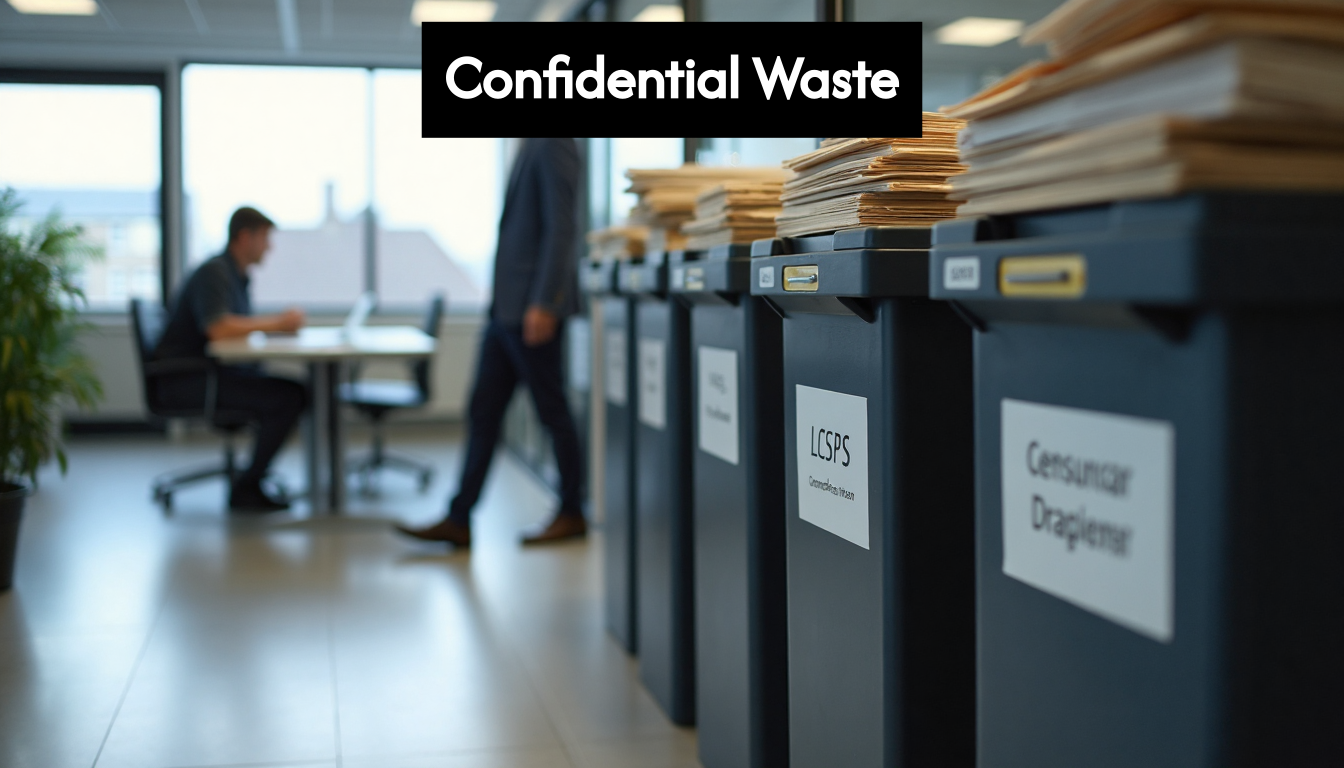
UK office confidential waste disposal bins

What Is Confidential Waste? Guide for UK Businesses 2025

UK office confidential waste disposal bins

Confidential waste is not just about shredding old paperwork. British businesses now face fines of up to €20 million or 4 percent of global turnover for mishandling sensitive information. Yet, it is not only the steep penalties making headlines. The real surprise is how easily digital files and even old hard drives can expose a company to crippling reputational harm. Most firms focus on paper, but overlooking digital and specialist materials could cost far more than anyone expects.

Table of Contents

Quick Summary

Takeaway Explanation
Understand What Constitutes Confidential Waste Confidential waste includes a range of materials such as paper documents, digital media, electronic records, and specialist materials that must be securely destroyed to maintain privacy and comply with legal obligations.
Implement a Comprehensive Waste Management Strategy Businesses should adopt a holistic approach to confidential waste management, including clear destruction protocols, staff training, and partnerships with certified waste management professionals.
Recognise the Legal and Reputational Risks Mishandling confidential materials can lead to severe legal penalties, significant reputational damage, and vulnerabilities to cybersecurity threats, necessitating diligence in waste disposal practices.
Utilise Secure Disposal Solutions Employ a variety of secure disposal methods, such as industrial shredding for physical documents and certified data wiping for electronic media, to ensure compliance with regulations and protect sensitive information.
Stay Informed on Compliance Requirements From 31 March 2025, UK businesses are required to have robust confidential waste management systems in place to meet legal standards, highlighting the importance of regulatory compliance and environmental responsibility.

Defining Confidential Waste in the Workplace

Confidential waste represents a critical component of information security for businesses across various sectors. At its core, confidential waste encompasses any materials containing sensitive or private information that must be destroyed securely to protect organisational and individual privacy.

What Constitutes Confidential Waste

Confidential waste goes far beyond simple paper documents. Modern businesses generate multiple types of sensitive materials that require secure disposal. These include:

  • Paper Documents: Financial records, personnel files, client contracts, business strategies, legal correspondence
  • Digital Media: Hard drives, USB drives, backup tapes, computer disks
  • Electronic Records: Printed emails, deleted computer files, digital photographs, electronic presentations
  • Specialist Materials: Prototype designs, medical records, research data, customer databases

According to British Standard BS EN 15173, organisations must implement comprehensive protocols for destroying materials that could potentially compromise business or personal confidentiality.

Infographic showing types of confidential waste materials

UK businesses face stringent obligations regarding confidential waste management. The General Data Protection Regulation (GDPR) mandates strict protocols for handling and destroying personal data. Failure to properly manage confidential waste can result in significant financial penalties and reputational damage.

Businesses must understand that confidential waste management is not optional but a legal requirement. From healthcare providers protecting patient information to financial institutions safeguarding client data, every sector has specific responsibilities for secure information disposal.

Comprehensive Approach to Confidential Waste

Effective confidential waste management requires a holistic strategy. This means implementing robust processes that cover physical and digital information streams. Key considerations include:

  • Identifying all potential sources of sensitive information
  • Creating clear destruction protocols
  • Training staff on proper handling procedures
  • Partnering with certified waste management professionals

For businesses seeking more comprehensive guidance, our confidential waste risk management guide provides in-depth insights into developing a comprehensive waste disposal strategy.

By understanding what constitutes confidential waste and implementing rigorous disposal mechanisms, businesses can protect themselves from potential data breaches, legal complications, and financial risks. The landscape of information security continues to evolve, making proactive and thorough confidential waste management more crucial than ever.

Types of Confidential Waste Across Sectors

Confidential waste varies significantly across different professional sectors, with each industry generating unique sensitive materials that require secure and specialised disposal methods. Understanding these sector-specific nuances is crucial for implementing robust waste management strategies.

Healthcare and Social Care Sector

Healthcare and social care organisations produce some of the most sensitive confidential waste. Patient records, medical histories, psychological assessments, and personal care plans contain deeply private information that demands rigorous protection. According to Business Waste UK, these materials include:

  • Patient medical files
  • Treatment records
  • Prescription information
  • Personal care assessments
  • Mental health documentation
  • Social worker reports

The stakes are particularly high in these sectors, where data breaches could compromise individual privacy and potentially violate strict healthcare confidentiality regulations.

Law firms, financial institutions, and corporate offices generate extensive confidential waste that could have significant commercial and personal implications if improperly handled. Research from Waste Managed highlights critical documents requiring secure disposal:

  • Client contracts
  • Financial transaction records
  • Merger and acquisition documents
  • Legal case files
  • Personal identification documents
  • Banking statements
  • Intellectual property documentation

These sectors face substantial financial and reputational risks from potential information leaks, making secure confidential waste management paramount.

Education and Research Institutions

Universities, research centres, and educational institutions generate unique confidential waste streams that require careful management. These materials often include:

  • Student academic records
  • Research grant applications
  • Sensitive research data
  • Examination papers
  • Staff personnel files
  • Funding proposals
  • Sensitive research methodologies

Shredded paperwork and hard drives ready for recycling

For comprehensive insights into managing these complex waste streams, explore our confidential waste risk management guide which provides sector-specific strategies.

Across all sectors, the fundamental principle remains consistent: confidential waste must be systematically identified, securely collected, and thoroughly destroyed to protect individual and organisational privacy. Each industry’s unique documentation requires tailored approaches that respect legal requirements, ethical standards, and data protection regulations.

Risks of Mishandling Confidential Materials

Confidential material mishandling represents a significant threat to businesses, with potential consequences far beyond simple administrative errors. The risks extend across legal, financial, and reputational domains, making comprehensive understanding and prevention critical for organisational survival.

The legal landscape surrounding confidential waste is uncompromising. According to UK Data Protection Act 2018, businesses face severe penalties for improper data disposal. Regulatory bodies can impose substantial fines up to €20 million or 4% of global annual turnover, transforming what might seem like a minor administrative oversight into a potentially catastrophic financial burden.

Key legal risks include:

  • Breach of data protection regulations
  • Potential criminal prosecution
  • Mandatory reporting of data incidents
  • Compulsory external audits
  • Potential suspension of business operations

Reputational Damage and Trust Erosion

Beyond financial penalties, mishandled confidential materials can trigger irreparable reputational damage. Brewsters Waste Disposal Research highlights that improper waste disposal effectively surrenders company materials into public domain, exposing sensitive information to potential misuse.

Reputation risks encompass:

  • Loss of client confidence
  • Negative media coverage
  • Decreased market valuation
  • Potential contract terminations
  • Reduced competitive positioning

Cybersecurity and Identity Theft Vulnerabilities

Confidential waste mismanagement creates direct pathways for cybercriminals and identity thieves. Documents discarded without proper destruction become potential goldmines of sensitive information. This risk extends beyond paper documents to digital media, including hard drives, backup tapes, and electronic records.

For businesses seeking comprehensive protection strategies, our confidential waste risk management guide provides detailed insights into mitigating these complex risks.

Potential security vulnerabilities include:

  • Personal data exposure
  • Corporate espionage opportunities
  • Targeted phishing campaigns
  • Financial fraud potential
  • Systematic identity theft risks

Ultimately, confidential material mishandling is not merely an administrative concern but a strategic business risk. Proactive, systematic approaches to secure waste management are no longer optional but essential for organisational integrity and survival in an increasingly data-sensitive business environment.

Secure Disposal Solutions for UK Businesses

Secure disposal solutions are essential for UK businesses navigating the complex landscape of confidential waste management. As regulatory requirements become increasingly stringent, organisations must adopt comprehensive strategies that protect sensitive information and ensure legal compliance.

Physical Document Destruction Methods

Physical document destruction represents a critical component of secure waste management. Data Protection Act 2018 guidelines mandate rigorous destruction protocols for paper-based confidential materials. Businesses have several professional options:

  • Industrial Shredding: Cross-cut shredders that transform documents into microscopic particles
  • Bulk Destruction Services: Professional on-site or off-site document destruction
  • Secure Consoles: Locked collection containers for confidential documents
  • Witnessed Destruction: Processes where waste destruction is directly observed and certified

Each method provides different levels of security, with cross-cut shredding offering the highest protection against potential information reconstruction.

Digital Media and Electronic Waste Disposal

Electronic confidential waste requires equally meticulous disposal strategies. According to Yorwaste Compliance Guidelines, digital media destruction must go beyond simple deletion:

  • Hard drive degaussing
  • Physical hard drive destruction
  • Secure data wiping technologies
  • Certified electronic waste recycling
  • Cryptographic data erasure

Our comprehensive risk management guide provides detailed insights into selecting appropriate electronic waste disposal techniques.

Compliance and Certification Considerations

From 31 March 2025, UK workplaces must implement robust confidential waste management systems. Businesses should prioritise solutions that offer:

  • Certified destruction processes
  • Detailed waste disposal documentation
  • Compliance with GDPR regulations
  • Environmental sustainability credentials
  • Chain of custody tracking

Choosing a professional waste management partner ensures not just regulatory compliance, but also demonstrates organisational commitment to data protection and environmental responsibility.

Ultimately, secure disposal solutions are more than a legal requirement—they represent a critical strategy for protecting business integrity, client trust, and organisational reputation in an increasingly data-driven world.

Frequently Asked Questions

What is confidential waste?

Confidential waste refers to any materials containing sensitive information that must be securely disposed of to protect privacy and comply with legal obligations. This includes paper documents, digital media, and electronic records.

Why is it important for UK businesses to manage confidential waste?

Properly managing confidential waste is crucial for UK businesses to avoid severe legal penalties, which can be up to €20 million or 4% of global turnover. Additionally, it helps prevent reputational damage and vulnerabilities to cybersecurity threats.

What are the consequences of not disposing of confidential waste securely?

Failing to dispose of confidential materials securely can lead to significant legal and financial penalties, reputational harm, loss of client trust, and increased risks of cybersecurity breaches or identity theft.

What methods are used to securely dispose of confidential waste?

Secure disposal methods include industrial shredding for physical documents, hard drive destruction, and certified data wiping for digital media. Using professional waste management services ensures compliance with legal and regulatory requirements.

Protect Your Reputation with Expert Confidential Waste Solutions

Mishandling confidential waste can expose your business to crippling fines and reputation loss, as you saw in our guide. GDPR, risk of identity theft, and sector-specific challenges mean even a single oversight can have lasting effects. Do not let outdated processes or unclear protocols threaten your compliance and trust in 2025. For proven support, explore our confidential waste solutions designed for UK businesses facing exactly these pressures.

https://venturewaste.co.uk

See how easy it is to secure your sensitive information and achieve total compliance. Visit Venture Waste Management now to start your hassle-free booking. Protect your company and impress your clients with a confidential waste partner that puts legal safety and peace of mind first. Act today to guarantee you meet the new standards before they take effect.

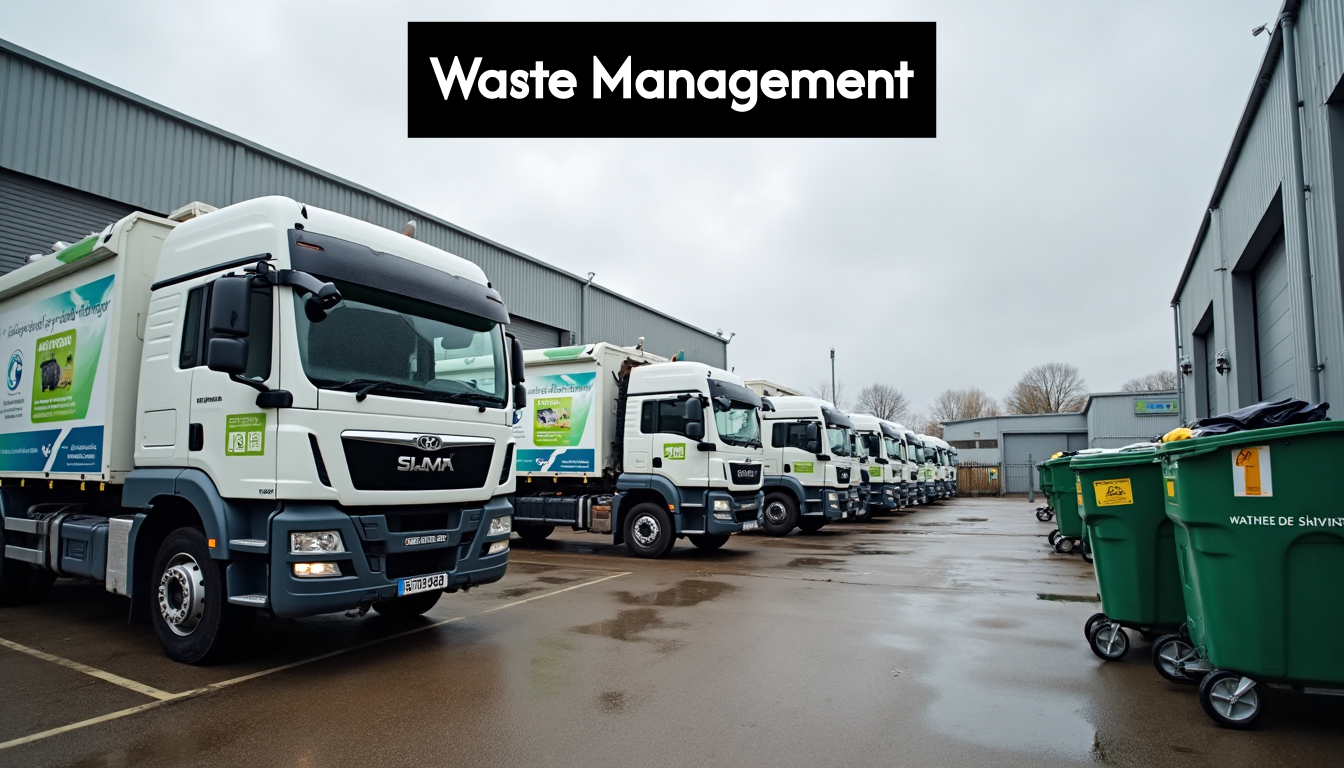
Modern waste management facility with trucks and bins

Waste Management Companies in the North East of England: 2025 Guide for UK Businesses

Modern waste management facility with trucks and bins

Waste management in the North East of England has changed fast, with local authorities reporting that 50 percent increased their recycling rates in 2023/24. Surprising, then, that many businesses still see waste as little more than an unwanted by-product. The real shift is that the most forward-thinking firms are now treating waste management as a strategic advantage—a way to save money, boost compliance, and even outpace competitors. The secret lies in choosing the right local partner who can help you turn today’s rubbish into tomorrow’s resource.

Table of Contents

Quick Summary

Takeaway Explanation
Integrated Waste Management Solutions Are Essential Businesses in the North East require waste management providers that offer comprehensive services, including recycling and responsible disposal, to meet evolving environmental regulations.
Specialised Disposal for Hazardous and Confidential Waste Companies must partner with waste management experts who can handle hazardous materials, confidential documents, and electronic waste with stringent regulatory compliance and security measures.
Selecting a Waste Partner Requires Strategic Consideration Choosing the right waste management partner involves assessing their regulatory knowledge, sustainability practices, and technological capabilities to ensure alignment with operational goals.
Local Companies Provide Unique Advantages Local waste management companies offer tailored solutions that understand regional regulations, enhance sustainability practices, and support the local economy, making them valuable partners for North East businesses.
Infographic overview of waste management companies in North East England

Leading Waste Management Services for North East Businesses

Businesses in the North East of England face increasingly complex waste management challenges that demand sophisticated and environmentally responsible solutions. The region’s waste management landscape has transformed dramatically, with companies now requiring comprehensive services that go beyond traditional disposal methods.

Strategic Waste Management Approaches for Regional Businesses

The North East presents unique waste management requirements driven by its diverse industrial ecosystem. According to government statistics, 50% of local authorities in the region have increased their recycling rates in 2023/24, signaling a significant shift towards sustainable waste practices.

Businesses now expect waste management services that offer more than basic collection. They seek integrated solutions that incorporate recycling, responsible disposal, and compliance with evolving environmental regulations. This shift is reflected in the UK waste management market, which is projected to grow from USD 40.22 billion in 2024 to USD 66.24 billion by 2033, indicating substantial investment and innovation in the sector.

Comprehensive Service Offerings for Diverse Industries

Waste management companies in the North East of England now provide tailored solutions across multiple sectors. From manufacturing and construction to healthcare and retail, businesses require nuanced approaches that address specific waste streams. Our comprehensive general waste collection services are designed to meet these varied industrial needs, ensuring efficient and compliant waste handling.

Key service components typically include:

  • Waste Segregation: Advanced sorting techniques that maximize recycling potential
  • Confidential Document Destruction: Secure disposal for sensitive business materials
  • Hazardous Waste Management: Specialized handling for complex waste types
  • Sustainable Disposal Strategies: Environmentally responsible waste reduction techniques

With the regional waste management sector experiencing a 10.4% increase in service businesses in 2025, companies now have unprecedented access to sophisticated waste management solutions. The emphasis has shifted from mere disposal to creating value through responsible waste handling, circular economy principles, and minimizing environmental impact.

Workers sorting business recycling outdoors

Businesses in the North East seeking waste management services must prioritize providers offering comprehensive, flexible, and technologically advanced solutions that align with both regulatory requirements and sustainability goals. The future of waste management is not just about removing waste but transforming it into a strategic asset for business efficiency and environmental stewardship.

Specialist Disposal Solutions: Hazardous, Confidential, and WEEE

Businesses in the North East of England face complex waste disposal challenges that demand precision, expertise, and strict regulatory compliance. Specialist waste streams such as hazardous materials, confidential documents, and electrical equipment require sophisticated handling to protect both organisational interests and environmental standards.

Hazardous Waste Management: Regulatory Compliance and Safety

Hazardous waste represents a critical challenge for businesses across various sectors. Our comprehensive WEEE waste collection solutions address the intricate requirements of specialized waste disposal. According to the Environment Agency, businesses must meticulously classify, store, and dispose of hazardous materials including chemicals, batteries, and asbestos using licensed carriers and facilities.

Key considerations for hazardous waste management include:

  • Precise Classification: Accurate identification of waste types
  • Secure Storage: Containment protocols preventing environmental contamination
  • Licensed Transportation: Using approved carriers with appropriate certifications
  • Detailed Documentation: Maintaining comprehensive consignment notes

Confidential Waste Destruction: Data Protection and Security

In an era of increasing data protection regulations, businesses must implement rigorous confidential waste destruction protocols. The UK General Data Protection Regulation (GDPR) mandates secure destruction of sensitive documents and electronic data storage devices to prevent potential data breaches.

Effective confidential waste management involves:

  • Secure Collection: Locked containers for sensitive materials
  • Certified Destruction: Industrial shredding and digital data erasure
  • Comprehensive Reporting: Detailed certificates of destruction
  • Chain of Custody: Transparent tracking from collection to final disposal

WEEE Disposal: Electronic Waste Management Strategies

Waste Electrical and Electronic Equipment (WEEE) disposal requires specialized approaches to mitigate environmental risks. UK WEEE Regulations mandate that businesses ensure electronic waste is collected, treated, and recycled by approved authorised treatment facilities.

Comprehensive WEEE management strategies encompass:

  • Component Segregation: Separating recyclable electronic materials
  • Hazardous Material Extraction: Removing potentially harmful substances
  • Responsible Recycling: Maximizing resource recovery
  • Compliance Documentation: Maintaining detailed disposal records

Businesses in the North East must partner with waste management providers demonstrating expertise across these specialized disposal domains. The future of responsible waste management lies not just in disposal, but in creating sustainable, secure, and compliant waste handling ecosystems that protect both organisational interests and environmental integrity.

How to Choose the Right Waste Partner for Your Organisation

Selecting the ideal waste management partner represents a critical strategic decision for businesses in the North East of England. The right partnership can transform waste from a logistical challenge into a sustainable, cost-effective operational asset.

Regulatory Compliance and Operational Expertise

Businesses must prioritize waste management partners demonstrating comprehensive understanding of current regulations. Our comprehensive guide to confidential waste risk management highlights the importance of choosing a provider that stays ahead of evolving legislative requirements.

According to industry research, organisations should evaluate potential waste partners against key criteria:

  • Regulatory Knowledge: Understanding of 2015 Waste Regulations and 2025 Simpler Recycling mandates
  • Certification Verification: Checking appropriate waste handling licenses
  • Compliance Documentation: Ability to provide transparent waste tracking
  • Ongoing Regulatory Updates: Commitment to staying current with legislative changes

Sustainability and Tailored Service Offerings

The most effective waste management partners offer more than standard collection services. They provide holistic solutions that align with an organisation’s specific operational needs and sustainability goals. Landfill minimisation strategies have become increasingly important for businesses seeking to reduce their environmental footprint.

Key considerations when evaluating waste management partnerships include:

  • Waste Stream Analysis: Customised approaches for different waste types
  • Recycling Capabilities: Comprehensive recycling and resource recovery options
  • Environmental Reporting: Transparent documentation of waste management impact
  • Cost-Effectiveness: Competitive pricing without compromising service quality

Comprehensive Evaluation Process

Organisations should approach waste partner selection as a strategic procurement decision. Recommended steps include:

  1. Request detailed site visits from potential providers
  2. Obtain no-obligation quotations
  3. Verify track record and client testimonials
  4. Assess technological capabilities and innovation
  5. Evaluate customer support and responsiveness

The ideal waste management partner serves as more than a service provider—they become a strategic ally in achieving operational efficiency, regulatory compliance, and environmental sustainability. Businesses in the North East must look beyond basic waste collection, seeking partners who offer comprehensive, forward-thinking waste management solutions that adapt to evolving industry challenges.

Ultimately, the right partnership can transform waste management from a necessary expense into a strategic advantage, supporting organisational goals while contributing to broader environmental objectives.

Benefits of Local Waste Management Companies in the North East

Local waste management companies in the North East of England represent a critical strategic resource for businesses seeking efficient, compliant, and sustainable waste disposal solutions. These regional providers offer unique advantages that extend far beyond traditional waste collection services, creating a comprehensive ecosystem of environmental responsibility and operational efficiency.

Regional Expertise and Regulatory Compliance

Local waste management companies possess an intimate understanding of the North East’s specific industrial landscape and regulatory requirements. Our comprehensive cardboard recycling solutions demonstrate how regional providers can help businesses navigate upcoming legislative changes. According to the North East Recycling Forum, regional collaboration enables businesses to adopt more sustainable practices directly supporting the area’s net zero ambitions.

Key advantages of local waste management expertise include:

  • Precise Regulatory Knowledge: Deep understanding of North East-specific waste management regulations
  • Quick Adaptation: Rapid response to changing legislative requirements
  • Localised Compliance Support: Tailored guidance for regional businesses
  • Immediate Accessibility: Faster response times and on-site support

Sustainability and Economic Impact

Local waste management companies play a pivotal role in supporting the region’s environmental and economic objectives. From 31 March 2025, businesses with ten or more employees will be required to segregate cardboard from general waste, making local providers essential partners in achieving compliance and implementing efficient recycling solutions.

Significant benefits of partnering with local waste management companies include:

  • Reduced Carbon Footprint: Minimised transportation distances
  • Local Economic Support: Investing in regional employment and infrastructure
  • Customised Waste Solutions: Tailored approaches for specific industrial sectors
  • Circular Economy Promotion: Supporting local recycling and resource recovery networks

Technological Innovation and Community Engagement

Regional waste management companies in the North East are at the forefront of technological innovation and community-focused waste management strategies. They leverage local knowledge and connections to develop cutting-edge solutions that address both environmental challenges and business efficiency.

Strategic advantages encompass:

  • Advanced Sorting Technologies: Implementing state-of-the-art recycling equipment
  • Community Collaboration: Working closely with local businesses and authorities
  • Continuous Improvement: Ongoing investment in sustainable waste management techniques
  • Knowledge Sharing: Facilitating best practice exchanges within the regional business community

By choosing a local waste management partner, businesses in the North East can transform waste disposal from a mere operational necessity into a strategic opportunity for environmental stewardship, regulatory compliance, and economic contribution. These regional providers offer more than a service—they provide a comprehensive pathway to sustainable business practices deeply rooted in local expertise and innovation.

Frequently Asked Questions

What are the main services offered by waste management companies in the North East of England?

Waste management companies in the North East offer a variety of services, including waste segregation, hazardous waste management, confidential document destruction, and sustainable disposal strategies tailored to different industries.

How can businesses ensure compliance with waste regulations in the North East?

Businesses can ensure compliance by partnering with waste management providers that have a deep understanding of regional regulations, maintain necessary certifications, and provide detailed documentation of waste handling procedures.

Why should a business choose a local waste management provider?

Choosing a local waste management provider offers advantages such as a better understanding of regional regulations, faster response times, and tailored services that effectively address local needs and sustainability goals.

What factors should be considered when selecting a waste management partner?

When selecting a waste management partner, businesses should assess their regulatory compliance knowledge, sustainability practices, service offerings, technological capabilities, and client testimonials to ensure alignment with operational goals.

Turn Waste Challenges in the North East into Business Wins

Struggling to keep up with changing waste regulations, rising recycling demands and the pressure to cut business costs? You are not alone. This guide made it clear: businesses in the North East need partners who provide more than standard collection. They demand regulatory expertise, tailored waste streams and a proven commitment to sustainability. For those concerned about sensitive paperwork, our confidential waste solutions ensure you never risk a breach. If compliance is your top priority, explore our detailed updates and guidance within the regulation resources.

https://venturewaste.co.uk

Why wait to secure a smarter, simpler waste management strategy? Head to Venture Waste now and discover how easy it is to book business waste services that meet every new North East mandate. Embrace legal compliance with confidence and turn your waste management into a real business advantage today.

Secure office with confidential waste bins

Top Confidential Waste Companies North East for Secure Business Disposal 2025

Secure office with confidential waste bins

Confidential waste is piling up as North East businesses handle thousands of sensitive documents and digital files every single week. New rules coming into force from 31 March 2025 will require all companies with 10 or more staff to separate and securely destroy confidential materials or face steep financial penalties. Most expect paper shredders or a few bins to solve the problem. The real disruptor is the evolving wave of compliance standards and data protection laws set to shake up every waste room and office cupboard across the region.

Table of Contents

Quick Summary

Takeaway Explanation
Importance of Confidential Waste Services Confidential waste management is crucial for North East businesses to mitigate legal risks, safeguard corporate intelligence, and maintain professional reputation amidst growing data privacy risks and regulatory requirements.
Types of Confidential Waste Businesses must recognise the various types of confidential waste they produce, including document-based, digital, and specialised sector-specific waste, each requiring tailored disposal strategies for effective management.
Choosing a Reliable Provider When selecting a confidential waste company, businesses should evaluate key criteria such as certified destruction processes, secure transportation, and comprehensive documentation to ensure robust waste management and compliance.
Compliance with 2025 Standards As new regulations come into effect from 31 March 2025, businesses must implement rigorous waste disposal protocols and conduct regular audits to avoid substantial financial penalties and uphold their reputation.
Comprehensive Approach to Information Security A holistic approach to waste disposal is essential, encompassing all stages from collection to destruction, to protect sensitive information and align with evolving compliance and security standards.

Why North East Businesses Need Confidential Waste Services

Confidential waste management has become a critical necessity for businesses across the North East, driven by increasing regulatory requirements and the escalating risks of data breaches. Sensitive information disposal represents more than just a compliance checkbox it is a fundamental protection mechanism for organisational integrity and reputation.

The Growing Landscape of Data Privacy Risks

Businesses in the North East face unprecedented challenges in protecting sensitive information. According to global market research, the secure waste disposal market is projected to reach $5–7 billion by 2025, highlighting the immense significance of proper confidential waste management. This surge underscores the critical need for robust disposal strategies that safeguard against potential data leaks and regulatory penalties.

The risks are multifaceted. From financial records and customer information to strategic documents and employee data, businesses generate vast quantities of sensitive materials daily. A single mishandled document could expose an organisation to significant legal and reputational damage. Cybercriminals and industrial competitors constantly seek opportunities to exploit inadequate waste management practices.

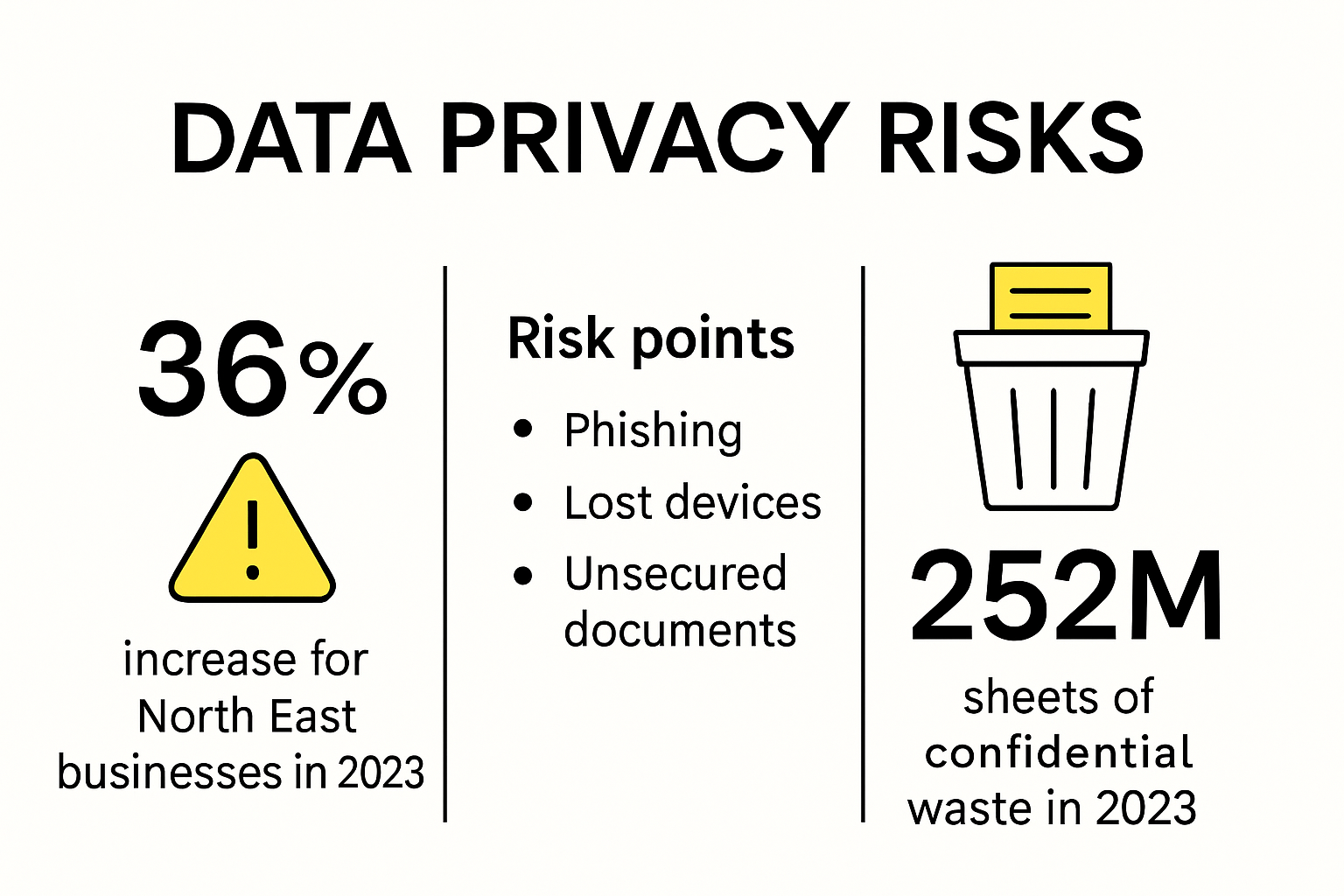
Infographic showing confidential waste risks and stats for North East businesses

Regulatory Compliance and Business Protection

The implementation of new waste management regulations further emphasises the importance of professional confidential waste services. Recent legislative changes effective from 31 March 2025 will require businesses with 10 or more employees to ensure comprehensive collection and secure disposal of core waste streams. Non compliance could result in substantial financial penalties and potential legal consequences.

Businesses in the North East must recognise that confidential waste disposal is not merely an administrative task but a strategic imperative. By partnering with professional confidential waste services, organisations can:

  • Mitigate Legal Risks: Ensure complete compliance with data protection regulations
  • Protect Corporate Intelligence: Prevent potential information leaks
  • Maintain Professional Reputation: Demonstrate commitment to data security

Moreover, professional waste management services offer specialised destruction techniques that go beyond simple paper shredding. From secure document collection to certified destruction processes, these services provide comprehensive solutions tailored to modern business needs.

The digital age has transformed confidential waste management from a peripheral concern to a core business strategy. North East businesses cannot afford to be complacent. The potential consequences of inadequate waste disposal extend far beyond immediate financial risks, potentially compromising an organisations entire operational ecosystem.

Investing in professional confidential waste services is not an expense but a critical investment in organisational security, regulatory compliance, and long term business resilience.

Types of Confidential Waste Handled by Leading Companies

Confidential waste management involves a complex ecosystem of sensitive materials that require specialised disposal strategies. Businesses across various sectors generate unique types of confidential waste that demand precise handling and secure destruction techniques.

Document-Based Confidential Waste

Paper documents represent the most traditional form of confidential waste. According to waste management experts, this category encompasses an extensive range of sensitive materials including financial records, personnel files, client information, business plans, legal documents, and intellectual property. Professional waste companies typically handle documents such as:

  • Financial Documents: Bank statements, tax returns, invoices
  • Personnel Records: Employee contracts, performance reviews
  • Strategic Materials: Business proposals, market research data
  • Legal Paperwork: Contracts, litigation documents

Businesses must understand that these documents contain critical information that could compromise organisational integrity if improperly discarded. Confidential waste risk management strategies ensure complete destruction beyond simple shredding.

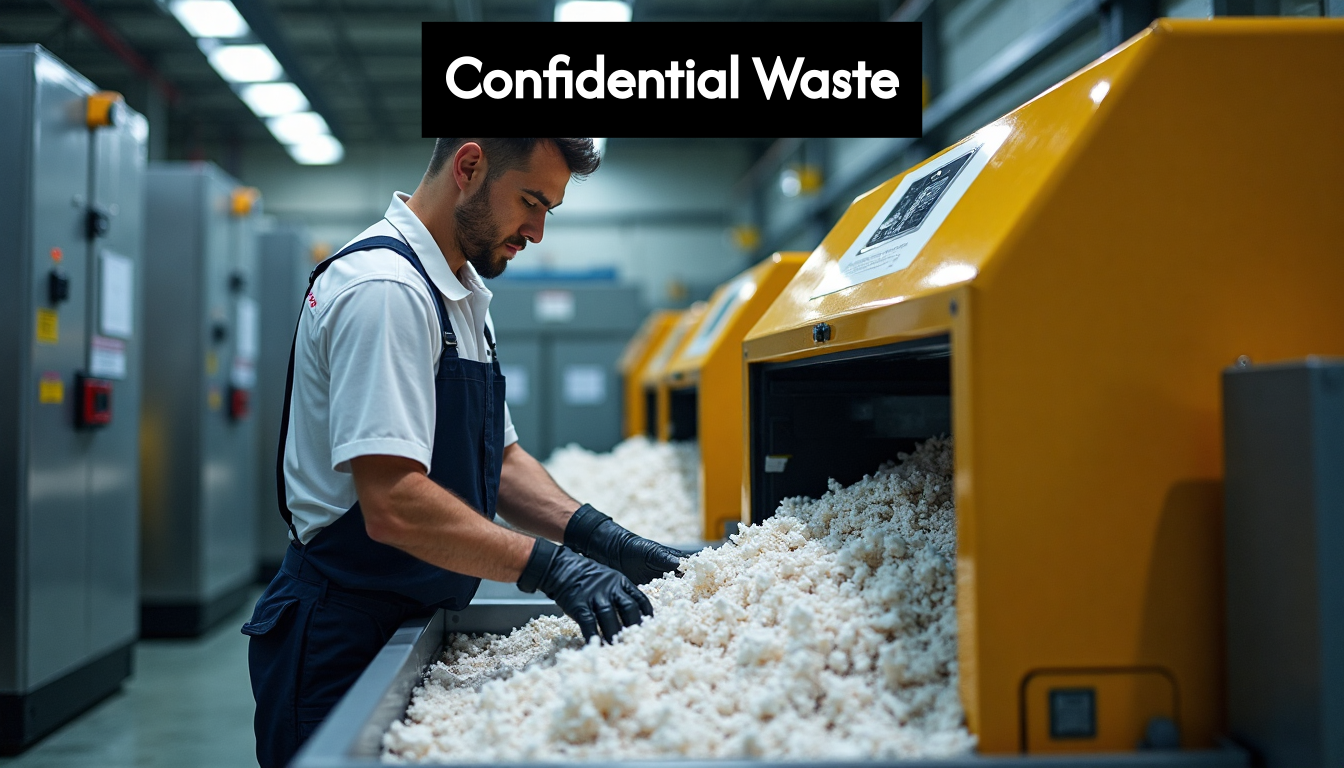
Technician destroying hard drives and documents

Digital and Electronic Confidential Waste

In the digital age, electronic waste represents a growing segment of confidential disposal requirements. From hard drives and USB devices to servers and mobile phones, electronic media often contains highly sensitive data. Secure disposal solutions must address multiple destruction methods:

  • Computer Hardware: Hard drives, motherboards
  • Storage Devices: USB drives, external drives
  • Corporate Electronics: Servers, networking equipment
  • Communication Devices: Mobile phones, tablets

Companies specialising in confidential waste understand that digital destruction requires advanced techniques like degaussing, physical destruction, and secure data wiping to prevent potential information recovery.

Specialised Industrial and Sector-Specific Confidential Waste

Beyond standard documentation, certain industries generate unique confidential waste streams requiring specialised handling. Healthcare providers manage medical records, pharmaceutical companies handle research data, and financial institutions process complex financial documentation. These sectors demand nuanced disposal approaches that comply with stringent regulatory requirements.

With the new Simpler Recycling regulations effective from 31 March 2025, businesses must implement more rigorous waste separation and disposal protocols. This includes distinct collection methods for paper, electronic, and sector-specific confidential materials.

Effective confidential waste management transcends mere document destruction. It represents a comprehensive approach to protecting organisational intelligence, maintaining regulatory compliance, and safeguarding sensitive information from potential security breaches. North East businesses must partner with professional waste management services that offer tailored, secure, and certified destruction processes.

Choosing a Trusted Confidential Waste Company in the North East

Selecting a reliable confidential waste management partner represents a critical decision for businesses across the North East. The right service provider can significantly mitigate data breach risks and ensure comprehensive regulatory compliance.

Key Criteria for Evaluating Confidential Waste Companies

Businesses must conduct thorough assessments when selecting a confidential waste partner. Confidential waste risk management involves several crucial evaluation parameters. Reputable companies should demonstrate:

  • Certified Destruction Processes: Compliance with BS EN 15713 standard
  • Comprehensive Documentation: Provision of destruction certificates
  • Secure Transportation: Tracked and monitored waste collection
  • Transparent Reporting: Detailed waste disposal documentation

According to industry security experts, businesses should prioritise providers offering end-to-end secure waste management solutions. This means tracking materials from collection through complete destruction, ensuring no potential data compromise points exist.

Regional North East Confidential Waste Providers

The North East boasts several distinguished confidential waste management services. Local providers like Venture Waste Management in Spennymoor offer specialised solutions tailored to regional business needs. Companies such as Simply Shredding Ltd and national brands like Shred-it provide comprehensive coverage across Newcastle, Northumberland, and surrounding areas.

Regional businesses should consider providers demonstrating:

  • Local operational knowledge
  • Rapid response capabilities
  • Flexible service packages
  • Competitive pricing structures
  • Proven track record of secure disposal

When evaluating potential partners, request detailed service portfolios, understand their destruction methodologies, and verify their compliance certifications. A trustworthy confidential waste company will transparently communicate their processes and offer comprehensive security guarantees.

Technology and Security Considerations

Modern confidential waste management extends beyond traditional paper shredding. Businesses must select providers equipped with advanced technological capabilities for handling diverse waste streams. This includes secure digital data destruction, physical hardware demolition, and comprehensive tracking systems.

With the new Simpler Recycling regulations effective from 31 March 2025, companies must ensure their waste management partners can adapt to evolving legislative requirements. This means implementing sophisticated separation and disposal protocols across document, electronic, and specialised waste categories.

Ultimately, choosing a confidential waste company is an investment in organisational security. North East businesses should view this decision as a strategic partnership focused on protecting sensitive information, maintaining regulatory compliance, and safeguarding corporate reputation. Thorough research, careful evaluation, and a commitment to comprehensive security will guide businesses towards the most suitable confidential waste management solution.

Compliance and Security Standards for Waste Disposal in 2025

The landscape of confidential waste disposal is undergoing significant transformations in 2025, with increasingly stringent compliance and security standards reshaping how businesses manage sensitive information. North East organisations must navigate a complex regulatory environment that demands meticulous attention to detail and robust waste management protocols.

Confidential waste risk management has become more critical than ever. The Data Protection Act 2018, which incorporates GDPR principles, mandates that businesses implement comprehensive strategies for protecting personal and sensitive information. According to waste management experts, this means ensuring that all confidential waste undergoes secure destruction processes that completely eliminate the risk of data reconstruction or unauthorized access.

Key legal requirements include:

  • Mandatory secure destruction of documents containing personal data
  • Comprehensive documentation of waste disposal processes
  • Implementation of traceable destruction chains
  • Maintaining detailed audit trails for all confidential waste

Technical Standards and Destruction Methodologies

The British Standard BS EN 15713:2009 provides a comprehensive framework for confidential waste disposal. New recycling regulations effective from 31 March 2025 introduce additional complexity, requiring businesses with more than 10 employees to implement sophisticated waste separation and destruction protocols.

Professional waste management services must now demonstrate:

  • Multiple destruction methodologies for different media types
  • Certified digital and physical destruction techniques
  • Advanced tracking and verification systems
  • Compliance with evolving technological security standards

Destruction methods have become increasingly sophisticated. Digital media requires complete data wiping, physical destruction, or degaussing. Paper documents demand industrial-grade shredding that renders reconstruction impossible. Electronic devices need specialised dismantling processes that guarantee complete data elimination.

Compliance Implications and Risk Management

Non-compliance carries substantial risks. Businesses face potential:

  • Significant financial penalties
  • Legal prosecution
  • Reputational damage
  • Loss of customer trust

The cost of inadequate confidential waste management far exceeds the investment in professional disposal services. Companies must view compliance as a strategic imperative, not merely an administrative checkbox. This means developing comprehensive waste management strategies that anticipate regulatory changes and technological advancements.

Businesses in the North East must adopt a proactive approach. This involves:

  • Regular compliance audits
  • Continuous staff training
  • Investment in cutting-edge destruction technologies
  • Partnership with certified waste management providers

The 2025 landscape demands more than basic destruction. It requires a holistic approach to information security that considers every stage of the waste disposal process. From initial collection to final destruction, each step must be meticulously planned, executed, and documented.

Ultimately, compliance and security in confidential waste disposal are about protecting an organisation’s most valuable asset: its information. North East businesses that embrace these evolving standards will not just meet regulatory requirements but will establish themselves as leaders in responsible information management.

Frequently Asked Questions

What is confidential waste and why is it important for businesses?

Confidential waste consists of sensitive documents and digital files that need secure disposal to protect against data breaches and comply with legal regulations. Proper management of confidential waste is crucial for safeguarding corporate reputation and mitigating legal risks.

What are the new regulations for confidential waste disposal in 2025?

Starting from 31 March 2025, all businesses with 10 or more employees must implement secure collection and disposal methods for confidential materials. Non-compliance may result in severe financial penalties and legal repercussions.

How can I choose a reliable confidential waste disposal company in the North East?

When selecting a confidential waste company, look for certified destruction processes, secure transportation, comprehensive documentation, and transparent reporting. Reputable providers should comply with regulatory standards and demonstrate a clear track record of secure handling.

What types of confidential waste do companies need to dispose of?

Companies generate various types of confidential waste, including document-based waste (e.g., financial records, personnel files), digital waste (e.g., hard drives, USB devices), and specialised sector-specific waste (e.g., medical records in healthcare). Each type requires tailored disposal strategies.

Secure Your Confidential Waste Before the 2025 Regulations Take Effect

Are you worried about falling behind on the 2025 waste regulations or risking a data breach in your North East business? The article highlights just how pressing secure document and digital file disposal has become especially with the new laws targeting companies with over 10 staff. Keeping up with strict compliance, protecting confidential information, and avoiding costly penalties are real concerns for every local organisation right now.

Discover how our specialist confidential waste services take away the guesswork and handle every aspect of secure destruction. We follow industry best practices from locked collection to certified disposal so you stay fully compliant and worry-free.

https://venturewaste.co.uk

Now is the time to safeguard your business before the March 2025 deadline. Visit Venture Waste Management and get your confidential waste taken care of in three easy steps. Make compliance easy and protect your company by booking your confidential waste collection today.

Modern office with secured confidential waste bins

Confidential Waste Risk Management: Essential Guide for UK Businesses 2025

Modern office with secured confidential waste bins

Every UK business holds sensitive information that must be destroyed securely, yet many overlook the hidden dangers of improper waste management. Here is something most do not realise. The penalties for mishandling confidential waste can reach an eye-watering £17.5 million, far exceeding the price of a few locked bins or a staff training session. Common solutions like basic shredders or once-in-a-blue-moon collections simply do not cut it anymore. The biggest threat is not the theft of a single file but the silent risk to your entire organisation if just one piece slips through the cracks.

Table of Contents

Quick Summary

Takeaway Explanation
Comprehensive Risk Management is Essential Businesses must adopt a multifaceted approach to manage confidential waste effectively, including secure collection processes, certified destruction methods, and employee training.
Legal and Financial Penalties are Significant Inadequate disposal of confidential waste can lead to severe legal repercussions, including fines up to £17.5 million and potential criminal charges.
Reputation and Operational Risks are High Data breaches not only incur financial costs but also damage stakeholder trust and disrupt business continuity, making effective waste management critical.
Technological Innovations are Transforming Waste Handling Advanced shredding, AI-powered sorting, and digital destruction protocols are revolutionising how organisations approach secure waste disposal in 2025.
Selecting Trusted Providers is Crucial Evaluating potential waste management partners based on certifications, documented processes, and a commitment to security is vital to protect sensitive information.

Understanding Confidential Waste Risk Management

Confidential waste risk management represents a critical strategic approach for businesses to protect sensitive information and maintain regulatory compliance. At its core, this process involves identifying, managing, and securely disposing of documents and materials that could potentially compromise an organisation’s security if improperly handled.

Confidential waste risk management lifecycle diagram

The Fundamental Risks of Inadequate Confidential Waste Management

Businesses face significant potential consequences when confidential waste is not managed effectively. According to research from the Information Commissioner’s Office, data breaches resulting from poor waste management can lead to substantial financial penalties. These risks extend beyond monetary fines and include reputational damage, legal liabilities, and potential loss of customer trust.

The primary risks businesses encounter include:

  • Data Exposure: Improperly discarded documents can reveal sensitive corporate information, client details, or personal employee data
  • Legal Non-Compliance: Failure to adhere to data protection regulations like GDPR can result in significant legal repercussions
  • Security Vulnerabilities: Uncontrolled waste disposal creates opportunities for corporate espionage and information theft

Comprehensive Risk Mitigation Strategies

Effective confidential waste risk management requires a multifaceted approach. Businesses must implement robust protocols that cover the entire lifecycle of sensitive information. Our comprehensive guide on secure waste handling provides deeper insights into developing comprehensive waste management strategies.

Key strategies include:

  1. Implementing secure collection processes
  2. Using certified destruction methods
  3. Maintaining detailed documentation of waste disposal
  4. Training employees on proper information handling
  5. Regular auditing of waste management procedures

Businesses must recognise that confidential waste risk management is not a one-time activity but an ongoing process requiring continuous attention and adaptation. By developing a proactive approach, organisations can significantly reduce their vulnerability to potential information security breaches and maintain compliance with evolving regulatory standards.

The complexity of confidential waste management demands a strategic, comprehensive approach that balances security, legal compliance, and operational efficiency. Organisations that invest in robust waste management systems protect not just their own interests, but those of their clients, employees, and stakeholders.

From physical documents to digital media, every piece of potentially sensitive information requires careful consideration and secure disposal. The stakes are high: a single overlooked document could potentially expose an entire organisation to significant risk.

Key Risks of Improper Confidential Waste Disposal

Businesses operating in the United Kingdom face substantial risks when confidential waste disposal is not handled with precision and strategic care. The consequences of inadequate waste management extend far beyond simple document destruction and can potentially compromise entire organisational infrastructures.

Improper confidential waste disposal exposes businesses to severe legal and financial ramifications. According to research from the Information Commissioner’s Office, organisations can face penalties up to £17.5 million or 4% of annual global turnover for significant data protection breaches. These penalties are not merely theoretical risks but represent real financial threats that can devastate unprepared businesses.

The legal landscape surrounding confidential waste management is complex and unforgiving. Our comprehensive guide on secure waste handling highlights the intricate regulatory environment businesses must navigate. Key legal risks include:

  • Regulatory Fines: Substantial monetary penalties for non-compliance
  • Legal Prosecution: Potential criminal charges for severe data mishandling
  • Civil Litigation: Risk of lawsuits from affected parties

Reputational and Operational Risks

Beyond immediate financial penalties, improper confidential waste disposal can inflict long-lasting damage to an organisation’s reputation. Businesses that experience data breaches often suffer significant trust erosion among clients, partners, and stakeholders. According to research from the Ponemon Institute, the average cost of a data breach in 2022 was £4.35 million, with reputation damage accounting for a substantial portion of this expense.

Operational risks include:

  1. Loss of competitive intelligence
  2. Potential compromise of strategic business information
  3. Disruption of business continuity
  4. Reduced stakeholder confidence

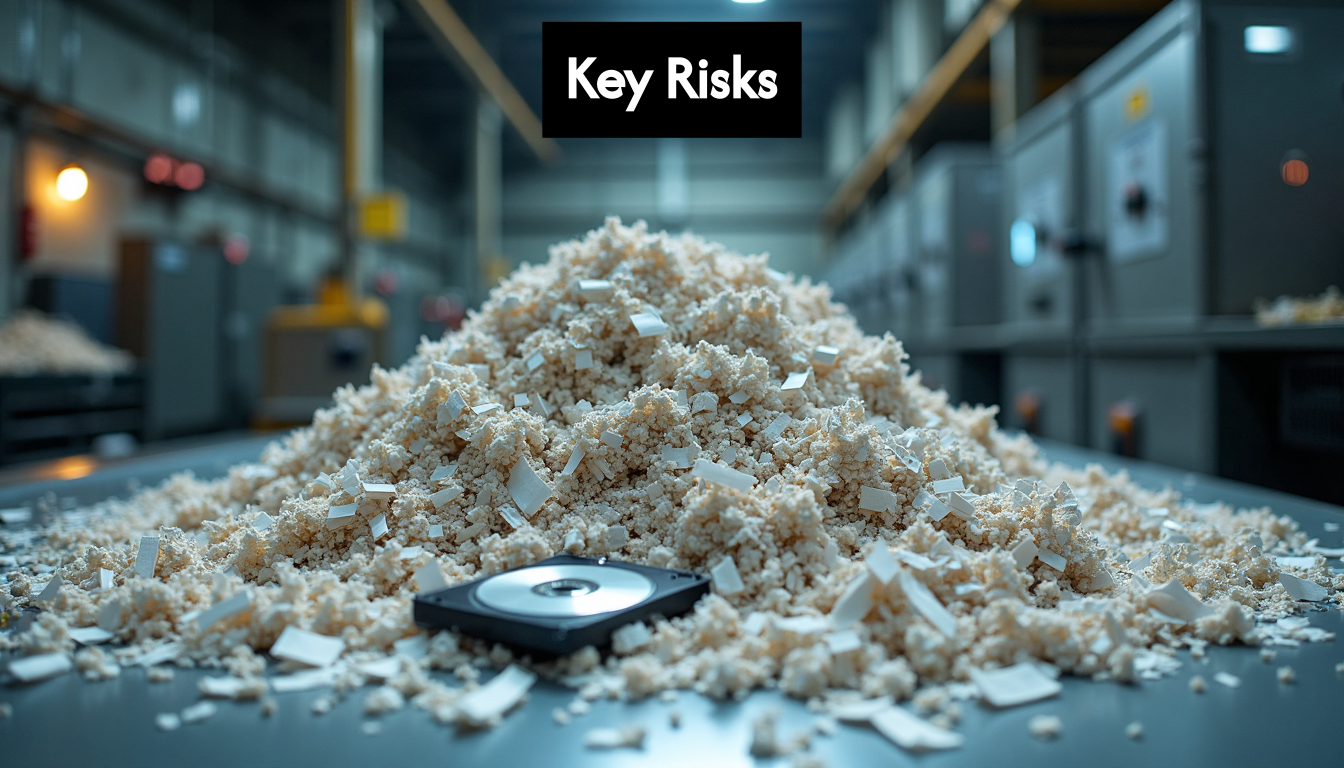
Shredded documents and destroyed devices on table

Cybersecurity and Information Security Vulnerabilities

Confidential waste represents a critical vulnerability in an organisation’s information security ecosystem. Physical documents, digital media, and electronic records that are not securely destroyed can become entry points for corporate espionage, identity theft, and sophisticated cyber attacks.

Modern threat actors understand that discarded documents and improperly destroyed digital media can provide valuable intelligence. Even seemingly innocuous information can be aggregated to create comprehensive profiles that compromise organisational security.

Businesses must recognise that confidential waste disposal is not a peripheral administrative task but a core component of comprehensive risk management. The stakes are high: a single overlooked document or improperly destroyed digital record could potentially expose an entire organisation to significant operational, financial, and reputational risks.

Effective confidential waste management requires a holistic approach that integrates technological solutions, robust processes, and continuous employee training. By understanding and mitigating these risks, businesses can protect their most valuable asset: their information.

Best Practices for Secure Waste Handling in 2025

Secure waste handling in 2025 demands a sophisticated, multifaceted approach that integrates technological innovation, regulatory compliance, and comprehensive organisational strategies. Businesses must evolve beyond traditional disposal methods to create robust, secure waste management systems that protect sensitive information across multiple platforms and formats.

Technological and Procedural Innovations

The landscape of confidential waste management is rapidly transforming. Our comprehensive waste handling guide highlights the critical technological advancements reshaping secure waste disposal. According to research from Gartner, emerging technologies are revolutionising how organisations approach information security.

Key technological innovations include:

  • Advanced Shredding Technologies: Multi-stage destruction methods that guarantee complete document and digital media elimination
  • AI-Powered Sorting Systems: Intelligent waste management platforms that categorise and process sensitive materials with unprecedented precision
  • Digital Destruction Protocols: Comprehensive approaches for securely erasing electronic data across multiple storage platforms

Comprehensive Compliance and Training Frameworks

Effective secure waste handling extends far beyond technological solutions. According to research from the Information Commissioner’s Office, organisations must develop holistic compliance frameworks that integrate technological tools with robust employee training and organisational policies.

Comprehensive best practices include:

  1. Developing clear, documented waste disposal protocols
  2. Implementing regular employee training programmes
  3. Creating multi-stage verification processes for sensitive waste disposal
  4. Maintaining detailed audit trails of disposal activities
  5. Establishing secure chain-of-custody documentation

Risk Mitigation and Strategic Implementation

Businesses must approach confidential waste handling as a strategic risk management function. Modern waste disposal requires a proactive, integrated approach that anticipates potential security vulnerabilities and implements preventative measures.

Strategic implementation involves:

  • Conducting regular risk assessments of current waste management processes
  • Investing in continuous technological and procedural upgrades
  • Developing cross-departmental collaboration for comprehensive waste management
  • Creating flexible frameworks that can adapt to emerging regulatory requirements

The most effective organisations in 2025 will view confidential waste handling not as an administrative task, but as a critical component of their overall information security strategy. This approach demands continuous learning, technological investment, and a commitment to maintaining the highest standards of data protection.

By embracing these best practices, businesses can transform confidential waste handling from a potential vulnerability into a strategic advantage, ensuring robust protection of sensitive information while maintaining operational efficiency and regulatory compliance.

Choosing Trusted Providers for Confidential Waste

Selecting a trusted confidential waste provider represents a critical decision for businesses seeking to protect sensitive information and maintain regulatory compliance. The right provider acts as a strategic partner in safeguarding an organisation’s most vulnerable data assets.

Critical Certification and Compliance Criteria

When evaluating potential confidential waste management providers, businesses must conduct rigorous assessments of their credentials and operational standards. According to research from the National Cyber Security Centre, comprehensive due diligence is paramount in selecting a waste management partner.

Key certification requirements include:

  • ISO 27001 Information Security Management: Demonstrates robust information protection protocols
  • BS 7858 Security Screening: Confirms thorough background checks for staff handling sensitive materials
  • Environment Agency Registration: Ensures legal compliance for waste disposal practices

Our detailed confidential waste services provide comprehensive insights into selecting the most appropriate waste management partner for your specific organisational needs.

Comprehensive Security Assessment Methodology

Businesses should implement a systematic approach to evaluating potential confidential waste providers. According to guidance from the Information Commissioner’s Office, a multi-dimensional assessment is crucial.

Comprehensive evaluation criteria should include:

  1. Documented destruction processes
  2. Chain of custody documentation
  3. Staff training and security protocols
  4. Technology and equipment standards
  5. Environmental disposal credentials
  6. Regular independent auditing mechanisms

Strategic Partner Selection Framework

Choosing a confidential waste provider transcends mere technical capabilities. The ideal partner must align with an organisation’s broader strategic objectives, demonstrating a holistic approach to information security and risk management.

Critical considerations include:

  • Proven track record of secure waste handling
  • Transparent operational processes
  • Adaptability to evolving regulatory requirements
  • Commitment to continuous technological innovation
  • Comprehensive reporting and documentation capabilities

Businesses must recognise that confidential waste management is not a transactional service but a strategic partnership. The right provider becomes an extension of the organisation’s information security infrastructure, offering protection beyond simple document destruction.

In 2025, the most effective confidential waste providers will leverage advanced technologies such as AI-powered sorting systems, blockchain-verified destruction processes, and real-time tracking mechanisms. These innovations transform waste management from a potential vulnerability into a robust security asset.

Ultimately, selecting a trusted confidential waste provider requires a comprehensive, forward-looking approach. By prioritising security, compliance, and strategic alignment, businesses can establish a waste management partnership that protects their most valuable asset: their sensitive information.

Frequently Asked Questions

What is confidential waste risk management?

Confidential waste risk management is the process of identifying, managing, and securely disposing of sensitive documents and materials to protect an organisation’s information and maintain compliance with regulations.

What are the penalties for improper confidential waste disposal in the UK?

Businesses that fail to manage confidential waste appropriately can face severe penalties, including fines up to £17.5 million or 4% of their annual global turnover under data protection laws like GDPR.

How can businesses ensure secure waste handling in 2025?

To ensure secure waste handling, businesses should adopt a multifaceted approach that includes advanced shredding technologies, employee training, and comprehensive compliance frameworks to safeguard sensitive information.

What should I look for in a confidential waste management provider?

When selecting a confidential waste management provider, look for critical certifications such as ISO 27001, experience in secure waste handling, transparent operational processes, and a commitment to continuous technological innovation.

Take Uncertainty Out of Confidential Waste Risk Management

Protecting your business from severe legal fines and reputation loss hinges on more than just in-house shredding. The article above has revealed just how easy it is for one small mistake to cost your company millions, disrupt daily operations or end longstanding client trust. If you’re feeling anxious about gaps in your confidential waste process or unsure about ongoing compliance in 2025, you are not alone. Secure document disposal has become a legal and competitive necessity. Our confidential waste solutions are designed specifically to help UK businesses close these gaps, safeguard sensitive information, and meet all current data protection standards.

https://venturewaste.co.uk

Ready to stop taking unnecessary risks? Book a hassle-free, fully certified confidential waste collection with Venture Waste Management today. Visit https://venturewaste.co.uk to experience our simple three-step booking process or explore our confidential waste services for complete peace of mind. Give your team and your clients the security they deserve. Act now to stay ahead of new regulations and avoid costly mistakes.

Why is recycling IT equipment so important for your business?

Why is recycling IT equipment so important for your business?


Is your business committed to recycling IT equipment? It should be.

Did you know that 98% of your old PC can be recycled and re-used? Did you also know that your business mobile phone contains valuable metals which can be recovered?

As we all attempt to live more sustainably, it’s increasingly important that all businesses should be recycling IT equipment wherever possible.


Here are the 4 best reasons why recycling IT equipment is vital


  • Your business complies with strict WEEE waste rules

The disposal of old IT equipment is covered by the Waste Electric and Electronic Equipment (WEEE) legislation.

This WEEE waste must not be sent to landfill as it can contain such as PCBs, lead, mercury, and coolants which are potentially dangerous to people and the environment.

The regulations set our 14 different categories of WEEE waste. IT and telecommunication equipment form one of the categories.

This includes PCs, laptops, servers, mobile phones, tablets, calculators, printers, and routers.

Each WEEE waste category has its own rules for storage, dis-assembly, and disposal, and it must have the correct paperwork.


  • You reduce your landfill costs

Sending items to landfill is also expensive. You face landfill tax and gate fees. So, anything which reduces the overall volume of waste you send to landfill helps reduce your overall business costs.


  • Your business becomes more sustainable

Many customers now look at how eco-friendly businesses are before they decide to make a purchase.

Your business needs to operate in this environment and proves its credentials on sustainability.

Recycling your old IT equipment helps you do that

Some recycled equipment can also benefit charities here in the UK or projects in the developing world, showing your commitment to your community or supporting communities abroad.


  • You can protect your data

Recycling IT equipment also gives you the chance to ensure the data stored on hard drives is destroyed so that it cannot fall into the wrong hands and cause a data breach.

Simply deleting a file won’t mean someone cannot find it and retrieve it in the future. Shredding the drive, then mixing the metals with other shredded drives and sending that off for recycling is the best way to protect your business.

It also ensures your business is complying with the data protection rules in the General Data Protection Regulation (GDPR).

Failure to do so can result in a substantial fine.

Make sure your waste and recycling company is like Venture Waste with…

  • Experienced, vetted staff
  • GPS-tracked vans for collections
  • Secure hard drive shredding facilities
  • Certificates of destruction 
  • Certificates to show the amount of IT waste recycled
  • Expert waste consultants


Can we help you? Call us on 0333 3600265 or arrange a call back Contact Us. See what services we offer for recycling IT equipment WEEE Collections.

Why it’s important not to let standards slip over confidential data disposal

Why it’s important not to let standards slip over confidential data disposal

Some days, we bring our A-game. Other days, we’re happy to let things slide a little…but that’s a terrible idea when it comes to your confidential data disposal.

One slip, like throwing out a document containing sensitive information without shredding it, could land your business with a massive headache and a large fine. For example, one London pharmacy was fined £275,000 after it left confidential waste in unlocked containers outside its site.

To avoid that, your confidential data disposal processes must be consistent, and your employees must adhere to them strictly.


What is confidential data?

This is data which contains any kind of confidential information which might identify someone – from names and addresses and email addresses to bank details, national insurance numbers, and personnel records.

The General Data Protection Regulation (GDPR) which governs the storage and processing of this data also includes IP addresses in this category.


What does GDPR say about confidential data disposal?

It says this data must be gathered in the correct way, stored securely, and processed and disposed of safely.

In other words, your business needs to have processes in place to ensure data is stored securely online and in physical documents.

A data controller must be appointed to oversee this.

If there is any data breach involving confidential data, this must be reported to the regulator within 72 hours. In the most serious cases, where there could be financial loss or risk to the people whose data was breached, they must also be informed directly by a business.

If the business’s processes fail, causing a serious breach, then it could face a fine of up to 4% of worldwide annual turnover, or two million euros. The fine limit for less serious breaches is 2% of worldwide annual turnover or ten million euros.


How should your business protect itself?

It needs robust cybersecurity to protect your computers and information held online in the cloud.

It also needs to ensure confidential documents and old hard drives are shredded to prevent data from falling into the wrong hands.

Outsourcing your confidential document shredding to a secure shredding company like Venture Waste makes so much sense.

Your staff are freed up to help customers, chase new business, and deliver your goods or services.

You get the peace of mind of shredding to the size of a dust particle, if necessary, by vetted workers at licensed facilities with 24-hour security.

You could also opt for on-site or mobile shredding at your premises, so your sensitive information doesn’t have to leave your site before the documents are destroyed.

Hard drive shredding means no clever hacker is going to be able to retrieve deleted files.

Your business is issued with certificates of destruction for every load which you can show to any regulator like the Information Commissioner as proof of its responsible attitude to confidential data disposal.

The paper and metals produced by the shredding are mixed with other loads and recycled, making your business more sustainable.

Off-site shredding v secure mobile shredding – how does my business choose?


When your business decides it needs to destroy its confidential waste, there is something important you need to weigh up – off-site shredding v secure mobile shredding.

Your business must comply with the General Data Protection Regulation (GDPR) and ensure the data you hold about your clients and suppliers is treated responsibly.

What’s the best way to ensure your shredding regime achieves that goal?

Here’s our guide to off-site shredding v secure mobile shredding…


What is secure mobile shredding?


Often called on-site shredding, this is when a shredding company brings its van to your premises.

The van contains a mobile shredder and your documents are destroyed at your site.

You are issued with an immediate certificate of destruction and we take the shredded material away for recycling.

To ensure we can do our work securely, you’ll need a place at your site which cannot be accessed by the public. 


Why choose it?


Your sensitive documents don’t have to leave your site before they are destroyed, giving you peace of mind that the information included in them cannot be accessed and the data protection rules breached.

You can even watch them being shredded.

This is therefore a good fit for accountants, financial advisors, banks, law firms, dental practices, GP surgeries, opticians, and care providers.

An industrial-sized shredder is used which shreds thousands of document pages in minutes, a far quicker option than getting a member of staff to feed an office shredder by hand.


What is off-site shredding?


Your confidential waste is sent in GPS-tracked vans to secure facilities where vetted staff destroy it.

You are then sent a certificate of destruction and your waste is recycled.

The premises used for shredding are licensed and have 24-hour security. The staff used to transport your waste are vetted too.


Why choose it?


If you don’t produce sensitive waste such as medical records or accounts, this could well be the best fit for your company.

Many businesses find this is a cost-effective option for them as it helps you comply with GDPR and frees up your staff to do other things. Think about how effective your business could be if you had more staff chasing new business or dealing with customer enquiries.

Some businesses also don’t have secure areas where secure mobile vans could carry out shredding, particularly those which are home-based or micro-businesses.


Need help with the off-site shredding v secure mobile shredding decision?


Our experienced waste consultants are happy to advise you on the best fit for your business.

Call us on 0333 3600265

It makes sense for your business to shred everything – and here’s why…

Want to save your business time and money? It’s time to shred everything…

The days of separating your confidential waste should now be over.

The benefits of taking the decision to shred everything are obvious and here are the three main reasons you should do it… 


1. Your staff won’t have to spend hours separating out confidential documents

Forget sorting through bags of documents. Your staff have better things to do! 

Their time is your money.

They could be chasing new business, dealing with your clients, or getting your vital administrative work done such as preparing your books.

It also means they won’t have the burden of deciding what is and isn’t confidential information. 

The risk of human error is reduced.

If all your documents are going for shredding, you can rest easy knowing that all your data is protected.

While you are waiting for them to be shredded, you can store them in lockable cabinets for extra security.


2. You’ll keep your business reputation safe and comply with GDPR

Many data breaches begin with information on a discarded document. 

There is also the threat of someone retrieving deleted information from old hard drives or removable media such as USBs or SIM cards.

When businesses suffer a data breach, there is an inevitable loss of trust which goes alongside that.

Your brand’s reputation could take a major hit if your business is at the centre of a breach involving customers’ bank or card details.

Of course, there are also financial consequences – not least the prospect of a substantial fine under the General Data Protection Regulation (GDPR). The upper limit for serious breaches is 4% of annual turnover or twenty million euros.

Customers and suppliers who suffer a financial loss because of a breach may also decide to take action against you to recoup those funds, too.

Shredding these documents and hard drives allows you to avoid this threat. You also receive a certificate of destruction which proves your business acted responsibly.


 3. You’ll make your business more sustainable

When you send documents for shredding, the waste is mixed with other paper waste, then recycled.

When hard drives are destroyed, the shredded metal is also mixed with other shredded metal waste and sent for reclamation and recycling.

Your business receives notification of how much was recycled from your waste, helping you prove your business is sustainable and helping all of us in the UK reach our recycling targets.

How can you choose the right shredding company?

Look for a business just like Venture Waste with…

  • Vetted and experienced workers
  • Shredding facilities with 24-hour security
  • GPS-tracked vans
  • Certificates of destruction
  • Expert waste consultants
  • Excellent recycling rates

Will your business take the decision to shred everything?

If you need advice on how to implement this policy, send us a message and we will get someone to give you a call.

Take a look at our shredding services here