

Waste Collection Process in the UK for Businesses 2025
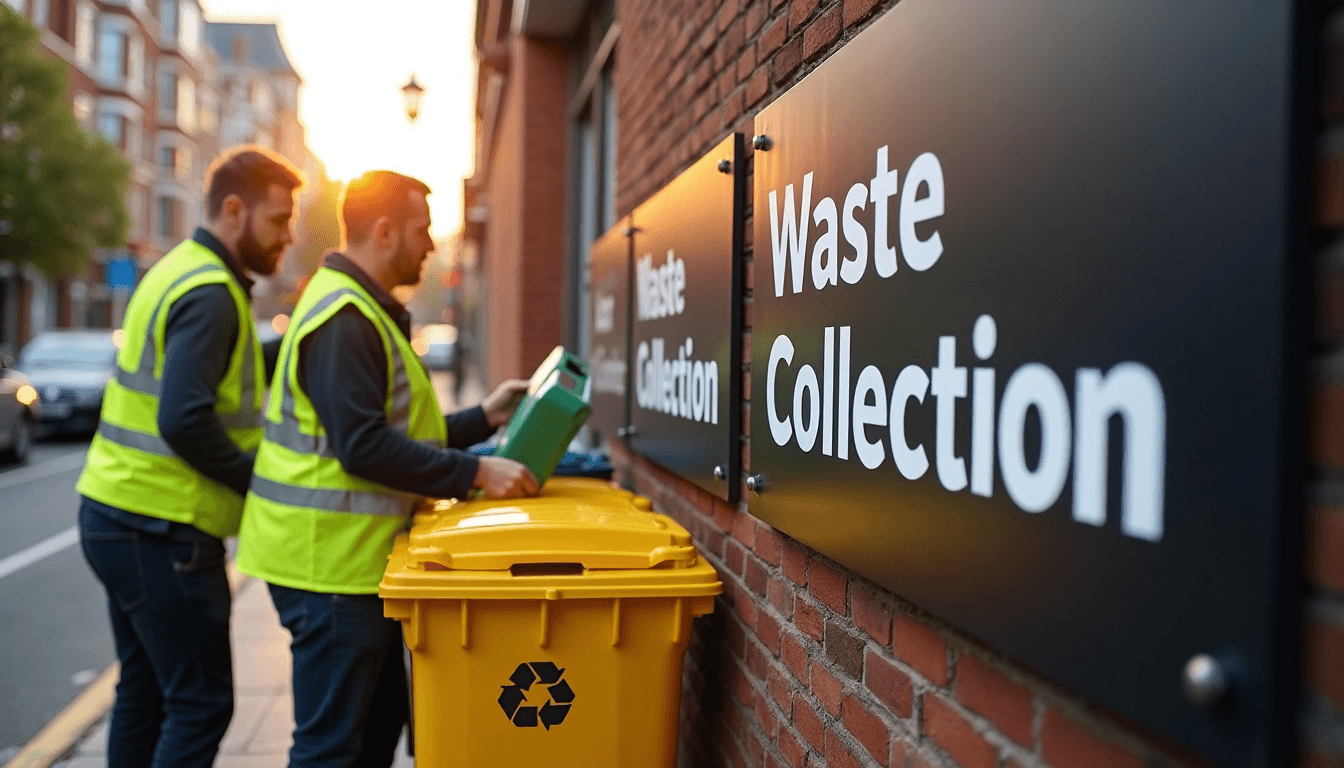
Every business in the UK will soon face new rules for handling their rubbish. From next March, all workplaces with 10 or more staff must separate waste into three categories or risk penalties. That sounds like a headache for managers juggling tight budgets and busy routines. Yet here’s the twist. This isn’t just about new hoops to jump through. Done right, these changes could actually slash your costs and put your company ahead on sustainability.
Table of Contents
- Understanding The Waste Collection Process
- Key Steps For Different Business Types
- Compliance With Uk Waste Regulations
- Best Practices For Secure And Sustainable Disposal
Quick Summary
| Takeaway | Explanation |
|---|---|
| Mandatory Waste Separation | From 31 March 2025, businesses with 10 or more employees must separate their waste into dry recyclable materials, food waste, and non-recyclable waste to comply with UK regulations. |
| Customised Waste Strategies | Different business sectors, such as manufacturing, offices, and hospitality, require tailored waste management plans that consider their unique waste generation patterns and regulatory demands. |
| Comprehensive Compliance and Documentation | Businesses must maintain detailed records of waste disposal processes, including collection dates and disposal methods, to demonstrate compliance with environmental regulations and avoid penalties. |
| Focus on Sustainability and Innovation | Adopting practices like digital document management, advanced waste tracking, and circular economy principles will not only enhance corporate social responsibility but also present cost-saving opportunities. |
| Training and Internal Policies | Regular employee training on waste segregation and clear internal policies are vital for effective waste management, ensuring compliance and fostering a culture of environmental responsibility. |
Understanding the Waste Collection Process
Navigating the waste collection process for businesses in the UK requires a comprehensive understanding of legal requirements, waste categorisation, and responsible disposal strategies. The landscape of waste management is evolving rapidly, with new regulations transforming how organisations handle their waste streams.
Legal Framework and Waste Separation Requirements
Effective from 31 March 2025, businesses in England face significant changes in waste management protocols. Our comprehensive guide on waste compliance highlights the critical legal obligations businesses must now meet. According to UK government regulations, businesses with 10 or more full-time equivalent employees are mandated to separate their waste into three distinct categories:
- Dry Recyclable Materials: Includes plastic, metal, glass, paper, and cardboard
- Food Waste: Dedicated collection for organic waste materials
- Non-Recyclable Waste: Materials that cannot be recycled or reused
Micro-firms with fewer than 10 full-time equivalent employees will have additional time to implement these requirements, with compliance deadline extended to 31 March 2027.
Waste Collection Process Workflow
The waste collection process involves several strategic steps designed to ensure environmental responsibility and regulatory compliance. Businesses must first conduct a comprehensive waste audit to understand their specific waste generation patterns. This audit helps identify the volume and types of waste produced, enabling more precise waste management strategies.

Once waste types are categorised, businesses must engage with licensed waste management providers who can handle different waste streams appropriately. The process typically involves:
- Waste categorisation and segregation at the point of generation
- Secure storage of separated waste materials
- Scheduled collection by certified waste management professionals
- Transportation to appropriate recycling or disposal facilities
- Documented tracking and reporting of waste disposal activities
The UK Wide General Waste Collection service offers businesses a streamlined approach to managing these complex requirements. Businesses must maintain detailed records of their waste disposal, including collection dates, waste types, and disposal methods, to demonstrate compliance with environmental regulations.
Understanding and implementing an effective waste collection process is not just a legal requirement but a critical component of corporate environmental responsibility. By adopting systematic waste management practices, businesses can significantly reduce their environmental footprint, contribute to national recycling goals, and potentially reduce waste disposal costs through more efficient processes.
Businesses that proactively adapt to these new waste collection regulations will position themselves as environmentally conscious organisations, potentially gaining competitive advantages in an increasingly sustainability-focused marketplace.

Key Steps for Different Business Types
The waste collection process is not a one-size-fits-all approach. Different business types require tailored strategies to effectively manage their waste streams and comply with the Simpler Recycling legislation. Understanding the unique waste generation patterns and specific requirements for various industry sectors is crucial for successful waste management.
Manufacturing and Industrial Businesses
Manufacturing facilities generate complex waste streams that demand meticulous segregation and disposal processes. According to UK environmental regulations, these businesses must implement robust waste management systems that address multiple waste categories:
- Production Waste: Segregating materials like metal scraps, plastic offcuts, and packaging materials
- Hazardous Industrial Waste: Proper containment and specialist disposal of chemicals, oils, and contaminated materials
- Recyclable Materials: Comprehensive sorting of metal, plastic, and paper waste for recycling
Industrial businesses should develop comprehensive waste mapping protocols that track waste generation from production lines to final disposal. This approach not only ensures regulatory compliance but also identifies opportunities for waste reduction and potential cost savings.
Office and Commercial Environments
Office environments present unique waste management challenges with predominantly paper-based and electronic waste streams. Our comprehensive guide on waste compliance emphasizes the importance of implementing structured waste separation strategies:
- Digital document management to reduce paper waste
- Dedicated recycling stations for paper, plastics, and electronic equipment
- Secure destruction of confidential documents
- Proper disposal of electronic waste (WEEE regulations)
Commercial businesses must train employees on correct waste segregation techniques and establish clear guidelines for waste disposal. This includes creating designated recycling areas, providing clearly labeled waste bins, and conducting regular waste audits.
Hospitality and Food Service Sectors
Restaurants, cafes, and catering businesses face specific challenges with food waste management. The UK government’s Simpler Recycling initiative mandates specific approaches for food waste handling:
- Separate collection of food waste for composting or anaerobic digestion
- Implementing food waste reduction strategies
- Tracking and measuring food waste generation
- Exploring partnerships with local composting facilities
These businesses must invest in specialised waste collection containers, train staff on proper waste segregation, and develop systems to minimize food waste generation. By adopting proactive waste management strategies, hospitality businesses can reduce their environmental impact and potentially lower waste disposal costs.
Regardless of business type, the key to successful waste collection lies in understanding specific waste streams, implementing targeted separation strategies, and maintaining detailed documentation of waste management processes. Businesses that approach waste collection as a strategic initiative rather than a mere compliance requirement will be better positioned to meet regulatory standards and contribute to broader environmental sustainability goals.
To help clarify the sector-specific requirements, the table below compares waste collection strategies across key business types in the UK.
| Business Type | Main Waste Streams | Key Compliance Measures |
|---|---|---|
| Manufacturing & Industrial | Production, Hazardous, Recyclable Materials | Waste mapping, specialist containment/disposal |
| Office & Commercial | Paper, Electronic (WEEE), Plastics | Digital management, secure destruction, audits |
| Hospitality & Food Service | Food waste, Packaging, General Recycling | Food waste separation, staff training, partnerships |
Compliance with UK Waste Regulations
Navigating the complex landscape of UK waste regulations requires businesses to develop a strategic and comprehensive approach to waste management. The steps to waste compliance have become increasingly sophisticated, with new regulations transforming how organisations handle their waste streams.
Legal Framework and Regulatory Requirements
The Separation of Waste (England) Regulations 2025 introduce significant changes to waste management protocols. According to UK government guidelines, businesses must adhere to strict waste separation and disposal standards. Key regulatory requirements include:
- Mandatory separation of waste streams into distinct categories
- Specific collection protocols for different types of waste
- Detailed record-keeping and documentation of waste disposal processes
- Compliance with environmental protection standards
Businesses must understand that non-compliance can result in substantial financial penalties and potential legal consequences. The regulations apply differently to various business sizes, with larger organisations facing more immediate implementation deadlines.
Waste Separation and Documentation Protocols
Effective compliance goes beyond mere waste sorting. According to research from the UK Environment Agency, businesses must develop comprehensive waste management systems that include:
- Detailed waste auditing processes
- Systematic waste tracking and documentation
- Implementation of waste reduction strategies
- Regular internal compliance reviews
The regulations permit some flexibility in waste collection. For instance, legislation allows certain recyclable materials like metal, glass, and plastic to be collected together under specific conditions. This approach aims to streamline recycling processes while maintaining environmental standards.
Financial and Operational Implications
Compliance with waste regulations is not just a legal requirement but a strategic business opportunity. Our comprehensive guide on waste management highlights the potential benefits of proactive waste management:
- Reduced waste disposal costs
- Improved environmental credentials
- Potential tax incentives and grants
- Enhanced corporate social responsibility
Businesses must invest in staff training, develop robust waste management infrastructure, and create clear internal policies to meet these regulatory requirements. The most successful organisations view waste compliance as a strategic initiative rather than a mere administrative burden.
The evolving regulatory landscape demands continuous adaptation. Businesses that develop flexible, forward-thinking waste management strategies will not only ensure compliance but also position themselves as environmental leaders in their respective industries. Proactive approach to waste regulations can transform a potential challenge into a significant competitive advantage, demonstrating corporate responsibility and environmental stewardship.
To clarify the compliance steps, the table below summarises essential protocols for meeting UK waste regulation requirements.
| Compliance Step | Requirements/Actions |
|---|---|
| Waste Stream Separation | Segregate waste into required categories (recyclable, food, others) |
| Licensed Collection & Record-Keeping | Use certified collectors; document collection dates/types/methods |
| Internal Auditing & Tracking | Regular internal audits and documentation |
| Waste Reduction Strategies | Implement measures for reducing and recycling waste |
| Training & Policy Implementation | Regular staff training and enforcement of internal waste policies |
Best Practices for Secure and Sustainable Disposal
Secure and sustainable waste disposal represents a critical responsibility for businesses across the United Kingdom. The evolving regulatory landscape demands comprehensive strategies that protect sensitive information, minimise environmental impact, and demonstrate corporate social responsibility.
Secure Information Management
Confidential waste risk management has become increasingly sophisticated in 2025. According to the Environmental Protection Act 1990, businesses have a legal duty to prevent potential data breaches and environmental harm during waste disposal. Critical practices include:
- Implementing secure document destruction protocols
- Using cross-cut shredding for sensitive paperwork
- Maintaining comprehensive audit trails for confidential waste
- Encrypting and securely destroying digital storage media
Organisations must develop robust systems that track confidential waste from generation to final destruction, ensuring no sensitive information can be reconstructed or misused.
Environmental Sustainability Strategies
The NHS Clinical Waste Strategy provides an exemplary model for sustainable waste management. Businesses should adopt similar comprehensive approaches that focus on:
- Minimising waste generation through strategic planning
- Maximising recycling and repurposing opportunities
- Implementing circular economy principles
- Reducing carbon emissions associated with waste disposal
Effective sustainable disposal requires a holistic approach that goes beyond simple recycling. This involves carefully analysing waste streams, identifying reduction opportunities, and investing in innovative waste management technologies.
Technological and Operational Innovations
Advanced waste disposal practices in 2025 integrate cutting-edge technologies and sophisticated operational protocols. According to UK government guidelines, businesses should:
- Invest in waste tracking and management software
- Develop comprehensive waste auditing systems
- Train employees in advanced waste segregation techniques
- Partner with certified waste management providers
- Regularly review and update waste management strategies
Businesses that view waste disposal as a strategic opportunity rather than a compliance requirement will gain significant competitive advantages. By demonstrating environmental leadership, organisations can enhance their reputation, reduce operational costs, and contribute to broader sustainability goals.
The most successful approaches combine technological innovation, rigorous process management, and a genuine commitment to environmental stewardship. As regulatory requirements continue to evolve, businesses must remain adaptable, continuously learning and improving their waste management strategies to meet the highest standards of security and sustainability.
Frequently Asked Questions
What changes will businesses in the UK need to make for waste collection by 2025?
From 31 March 2025, businesses with 10 or more employees must separate their waste into three categories: dry recyclable materials, food waste, and non-recyclable waste, or risk penalties.
How can different business types efficiently manage their waste?
Each business type requires a tailored strategy. Manufacturing and industrial sectors need robust waste segregation systems, offices should focus on digital management and secure document disposal, while hospitality businesses must separate food waste for composting.
What are the financial implications of not complying with UK waste regulations?
Non-compliance with waste regulations can result in substantial financial penalties and legal repercussions. Businesses may also miss opportunities for cost savings and improved operational efficiency by not adhering to best waste management practices.
How can businesses ensure secure disposal of sensitive information?
To secure sensitive information during disposal, businesses should implement document destruction protocols, use shredders for paper, and ensure that digital data is securely erased, maintaining an audit trail throughout the process.
Take Control of Your Business Waste Compliance for 2025
Facing the new separation requirements for business waste in the UK can feel overwhelming. If you are concerned about legal compliance, sorting procedures or the risk of penalties, you are not alone. Staying on top of current waste regulation guidance, and ensuring your processes meet the latest standards, is now essential for every growing company.

Make waste compliance simple and secure with Venture Waste. We help businesses meet every obligation covered in the article, from regular audits to compliant waste collection and confidential document destruction. Visit Venture Waste today to discover solutions that match your sector, and ensure you are ready for 2025’s regulations. Take the next step now—book your waste management review and safeguard your business against costly mistakes.
Recommended
- 7 Steps to Waste Compliance for UK Businesses in 2025 – Venture Waste
- steps to waste compliance Archives – Venture Waste
- Bulky Waste Removal Tips for UK Businesses in 2025 – Venture Waste
- bulky waste removal tips Archives – Venture Waste
- How UK Businesses Can Save Money on Waste Management in 2025 – Venture Waste
- how to reduce waste Archives – Venture Waste


Leave a Reply
Want to join the discussion?Feel free to contribute!