

Understanding Waste Permits in the UK
Waste permits might sound like paperwork reserved for large factories, yet they play a vital part in daily business right across the UK. Every year, the Environment Agency issues thousands of these permits to regulate waste and prevent pollution on a national scale. Most think of permits as dull legal hurdles, but the real surprise is how they act as a shield, protecting not just the environment but also your business from hefty fines and damage to your reputation.
Table of Contents
- What Are Waste Permits And Their Purpose?
- Why Waste Permits Matter For Businesses In The UK
- How Waste Permits Work In The Regulatory Framework
- Key Types Of Waste Permits And Their Applications
- Understanding Compliance And Penalties Related To Waste Permits
Quick Summary
| Takeaway | Explanation |
|---|---|
| Obtain waste permits for compliance | Businesses must secure permits before engaging in waste management to meet legal obligations. |
| Non-compliance has serious consequences | Operating without permits can lead to fines, legal actions, and reputational damage. |
| Permits ensure environmental protection | Waste permits help prevent pollution and regulate emissions, benefiting public health and ecosystems. |
| Different permit types cater to needs | Businesses can choose from Standard Rules, Bespoke Permits, or Exempt Registrations based on their activities. |
| Monitoring and compliance are crucial | Continuous assessment and adherence to permit conditions are mandatory to avoid penalties and ensure responsible waste management. |
What are Waste Permits and Their Purpose?
Waste permits are critical regulatory documents that control and manage waste management activities across the United Kingdom, ensuring environmental protection and responsible waste handling. Explore waste management guidelines demonstrate that these permits represent a comprehensive legal framework designed to prevent pollution and regulate industrial and commercial waste disposal practices.
Understanding the Core Definition
A waste permit is an official authorization issued by the Environment Agency that grants businesses permission to handle, treat, store, or dispose of specific types of waste. These permits are not merely bureaucratic documents but sophisticated regulatory tools that set precise conditions for waste management operations. They function as a legal contract between the waste producer and regulatory authorities, outlining strict environmental protection standards.
Key Environmental Protection Mechanisms
Waste permits serve multiple critical functions in protecting the environment and public health:
- Pollution Prevention: Establishes clear guidelines to minimise environmental contamination
- Emissions Control: Sets stringent limits on waste-related air, water, and land emissions
- Compliance Monitoring: Creates a structured approach for tracking and verifying waste management practices
Businesses operating in Newcastle, Sunderland, Durham, and across the North East must obtain these permits before engaging in waste-related activities. The permits ensure that waste management processes adhere to national environmental standards, protecting local ecosystems and communities.
Regulatory Framework and Implications
According to UK Government Environmental Guidelines, operating without a required waste permit can result in significant legal consequences, including substantial fines and potential criminal prosecution. The environmental permitting regime, established in 2007, consolidated previous waste management regulations to create a more streamlined and effective regulatory approach.
For businesses in the UK, understanding and obtaining the appropriate waste permits is not optional but a legal requirement that demonstrates environmental responsibility and commitment to sustainable waste management practices.
Why Waste Permits Matter for Businesses in the UK
Waste permits are not just bureaucratic requirements but essential legal instruments that protect businesses, the environment, and public health. In an era of increasing environmental consciousness, these permits represent a critical mechanism for responsible waste management across various industrial sectors.
Legal and Financial Implications
Businesses operating without appropriate waste permits face significant legal and financial risks. Understand potential business waste penalties reveal that non-compliance can result in substantial fines, potential legal prosecution, and serious reputational damage. The Environment Agency has the power to impose penalties ranging from hundreds to potentially thousands of pounds for violations, making permit compliance a critical financial consideration for businesses.
Environmental and Operational Benefits
Waste permits provide numerous strategic advantages for businesses beyond mere legal compliance:
- Risk Mitigation: Systematically reduces environmental and operational risks
- Regulatory Clarity: Provides clear guidelines for waste management practices
- Operational Efficiency: Streamlines waste handling and disposal processes
Companies in industrial regions like Newcastle, Sunderland, and Durham particularly benefit from these structured approaches, ensuring their waste management practices meet rigorous national standards.
Stakeholder and Reputation Management
According to UK Government Environmental Guidelines, obtaining and maintaining waste permits demonstrates a company’s commitment to environmental responsibility. Modern consumers and corporate partners increasingly evaluate businesses based on their environmental credentials. A valid waste permit signals professional integrity, environmental stewardship, and a proactive approach to sustainable business practices.
Moreover, waste permits help businesses systematically track, manage, and improve their waste reduction strategies, transforming regulatory compliance into a competitive advantage. By embracing these requirements, companies can showcase their dedication to environmental protection while simultaneously optimizing their operational processes.
How Waste Permits Work in the Regulatory Framework
Waste permits operate within a sophisticated regulatory ecosystem designed to ensure comprehensive environmental protection and responsible waste management across various industrial sectors. Explore detailed waste disposal guidelines demonstrates the complex mechanisms that govern these critical regulatory instruments.
Permit Classification and Risk Assessment
The regulatory framework categorizes waste permits based on the potential environmental impact and risk level of different business activities. The Environment Agency employs a tiered system that classifies permits into distinct categories:
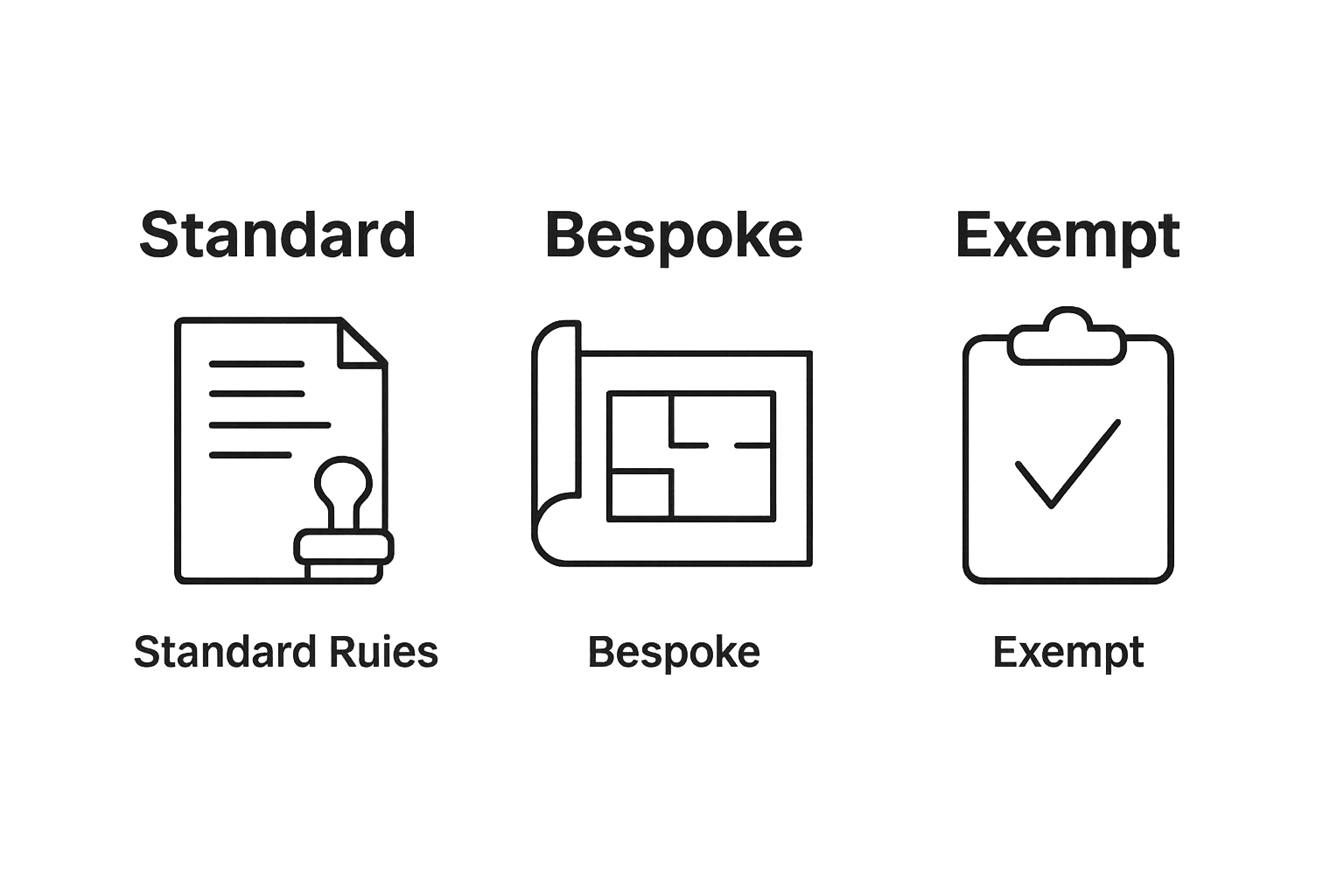
- Standard Rules Permits: Designed for low-risk, common waste management activities with predefined operational conditions
- Bespoke Permits: Customized for complex or high-risk operations requiring detailed, site-specific environmental management strategies
- Exempt Registrations: Low-impact activities that require registration but do not necessitate full permit documentation
Businesses in industrial regions like Newcastle, Durham, and Sunderland must carefully evaluate their specific waste management processes to determine the appropriate permit classification.
Application and Compliance Process
According to UK Government Environmental Guidelines, the waste permit application process involves comprehensive documentation and rigorous assessment. Operators must submit detailed environmental impact assessments, demonstrating their capacity to manage waste while minimizing potential environmental risks. The Environment Agency conducts thorough reviews, evaluating:
- Proposed waste handling procedures
- Potential environmental contamination risks
- Technological and operational safeguards
- Waste treatment and disposal methodologies
Ongoing Monitoring and Enforcement
Waste permits are not static documents but dynamic regulatory instruments requiring continuous compliance. The Environment Agency implements regular inspections and assessments to ensure businesses maintain the prescribed environmental standards. Non-compliance can result in enforcement actions ranging from improvement notices to permit revocation and significant financial penalties.
The regulatory framework thus serves as a proactive mechanism, encouraging businesses to integrate environmental responsibility into their core operational strategies rather than treating it as a mere bureaucratic requirement.
Key Types of Waste Permits and Their Applications
Waste permits represent a nuanced regulatory framework with multiple classifications designed to address the diverse environmental management needs of businesses across different sectors. Learn about waste management strategies illuminates the complexity of these critical environmental compliance instruments.
Standard Rules Permits
Standard Rules Permits are engineered for businesses with predictable, low-risk waste management activities. These permits provide a streamlined approach for organizations operating within well-defined environmental parameters. Characteristics of Standard Rules Permits include:
- Predefined Conditions: Comprehensive set of standardized environmental management requirements
- Quick Processing: Faster application and approval mechanisms
- Lower Complexity: Suitable for routine waste handling operations
Typical industries utilizing Standard Rules Permits include small manufacturing facilities, local recycling centres, and waste transfer stations in regions like Newcastle, Durham, and Sunderland.
Bespoke Permits
Bespoke Permits represent the most comprehensive and customized waste management authorization mechanism. According to UK Government Environmental Guidelines, these permits are essential for complex industrial operations with unique environmental challenges. They require extensive documentation and detailed environmental impact assessments.
Key features of Bespoke Permits include:
- Site-Specific Requirements: Tailored environmental management strategies
- Comprehensive Risk Assessment: Detailed evaluation of potential environmental impacts
- Rigorous Monitoring: Continuous compliance tracking and reporting obligations
Exempt Registrations
Exempt Registrations provide a lightweight regulatory mechanism for low-impact waste management activities. While these registrations do not require full permit documentation, businesses must still comply with basic environmental protection standards. These are typically applicable to:
- Small-scale waste recycling operations
- Minimal waste generation activities
- Community-based waste management initiatives
Businesses must carefully evaluate their specific waste management processes to determine the most appropriate permit classification, ensuring both regulatory compliance and environmental responsibility.
Below is a comparison table outlining the three main types of waste permits available for businesses in the UK, highlighting their core features and typical uses.
| Type of Permit | Main Features | Typical Application |
|---|---|---|
| Standard Rules Permit | Predefined conditions, quick processing, lower complexity | Routine, low-risk activities; small manufacturing, recycling centres |
| Bespoke Permit | Site-specific requirements, detailed risk assessment, rigorous monitoring | Complex or high-risk operations; tailored management for unique sites |
| Exempt Registration | Basic registration, lightweight regulation, no full permit required | Low-impact activities; small-scale or community initiatives |
Understanding Compliance and Penalties Related to Waste Permits
Waste permit compliance represents a critical intersection between environmental responsibility and legal obligation for businesses across the United Kingdom. Learn about avoiding potential business waste penalties underscores the significant financial and operational risks associated with regulatory non-adherence.
Compliance Requirements and Monitoring
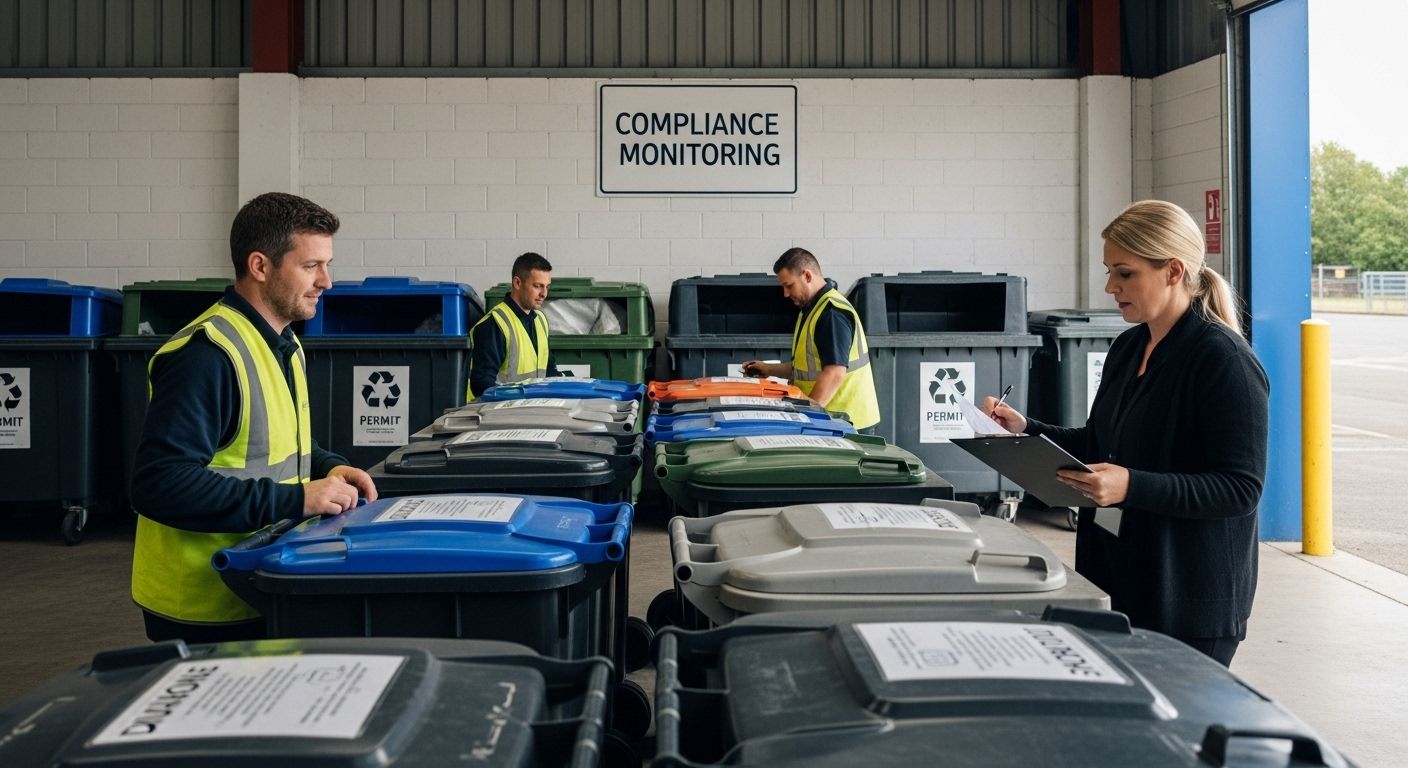
Companies must demonstrate meticulous adherence to their specific waste permit conditions through comprehensive documentation and proactive environmental management. The Environment Agency implements rigorous monitoring mechanisms to ensure businesses maintain prescribed standards:
- Regular Reporting: Detailed documentation of waste handling processes
- Internal Audits: Systematic self-assessment of environmental management practices
- External Inspections: Unannounced assessments by regulatory authorities
Businesses operating in industrial regions like Newcastle, Durham, and Sunderland must maintain exceptionally detailed records demonstrating consistent compliance with permit specifications.
Penalty Structures and Enforcement
According to UK Government Environmental Guidelines, non-compliance with waste permit regulations can trigger escalating enforcement actions. The penalty framework is designed to proportionately address violations based on their severity and potential environmental impact:
- Improvement Notices: Formal directives requiring specific corrective actions
- Financial Penalties: Substantial fines ranging from hundreds to thousands of pounds
- Criminal Prosecution: Potential legal proceedings for significant or repeated violations
Mitigation and Risk Management
Successful waste permit compliance demands a proactive approach to environmental management. Businesses can mitigate risks by:
- Implementing robust internal monitoring systems
- Investing in continuous staff training
- Maintaining transparent communication with regulatory authorities
- Developing comprehensive waste management strategies
The regulatory framework ultimately aims to encourage businesses to view environmental compliance not as a bureaucratic burden, but as an integral component of responsible operational management.
This table summarises the compliance requirements and corresponding enforcement measures relating to waste permits, supporting businesses in understanding potential actions for non-compliance.
| Compliance Requirement | Monitoring Approach | Enforcement Action if Breached |
|---|---|---|
| Detailed waste reporting | Regular documentation submission | Improvement notice issued |
| Internal environmental audits | Scheduled self-assessment | Financial penalties imposed |
| Adherence to permit conditions | Unannounced external inspections | Criminal prosecution for severe/repeated breaches |
 By understanding and anticipating regulatory requirements, companies can transform potential penalties into opportunities for improving their environmental performance and corporate reputation.
Take the Stress Out of Waste Permits and Compliance
Struggling to navigate the complexities of waste permits in the UK? Many businesses feel overwhelmed by confusing regulations, fear costly penalties, and worry about staying compliant as rules evolve. If the idea of missing a crucial environment agency deadline or mismanaging your permit documentation makes you anxious, you are not alone. Our dedicated Waste Collection Process in the UK for Businesses 2025 guide offers step-by-step support to keep your compliance effortless and fully up to date.

Let Venture Waste Management turn permit confusion into peace of mind. With a streamlined three-step booking process, personalised advice, and industry-leading waste disposal, we handle the details so you can focus on what matters. Protect your business from fines and safeguard the environment today. Start by exploring how our collection network supports you or visit Venture Waste Management to book your compliant waste solution now.
Frequently Asked Questions
What is a waste permit in the UK?
A waste permit is an official authorization issued by the Environment Agency that allows businesses to handle, treat, store, or dispose of specific types of waste, ensuring compliance with environmental regulations.
Why do businesses need waste permits?
Businesses need waste permits to comply with legal requirements, prevent pollution, and manage waste responsibly. Operating without a permit can lead to severe financial penalties and legal consequences.
What are the different types of waste permits?
There are three main types of waste permits: Standard Rules Permits for low-risk operations, Bespoke Permits for complex activities requiring tailored management strategies, and Exempt Registrations for low-impact waste management activities that require basic registration.
How does the application process for a waste permit work?
The application process involves submitting detailed documentation, including environmental impact assessments, to the Environment Agency. They review the submission to ensure compliance with environmental standards before issuing a permit.


Leave a Reply
Want to join the discussion?Feel free to contribute!