

Domestic Waste Types in the UK: 2025 Guide for Businesses
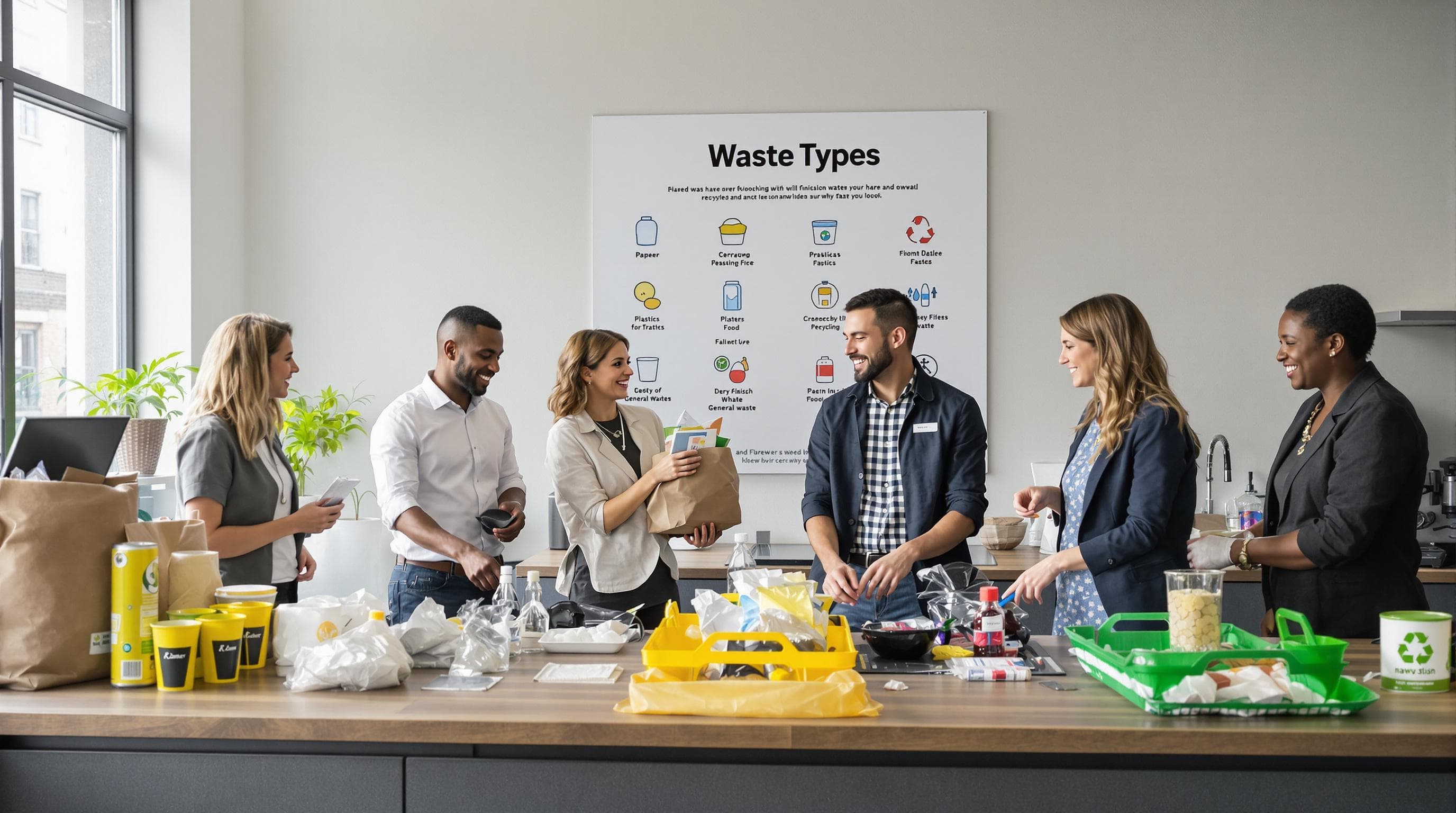
Domestic waste in the UK is more complex than most people realise. Biodegradable waste alone makes up around 45 percent of all household rubbish. You might assume sorting bins is just about ticking a box for the council. The real surprise is that smart waste management can actually save businesses money and help them stand out, all while protecting the environment.
Table of Contents
- Understanding Main Domestic Waste Types
- Special Waste Streams For UK Businesses
- Safe Disposal Of Hazardous And WEEE
- Choosing A Reliable Waste Management Partner
Quick Summary
| Takeaway | Explanation |
|---|---|
| Understanding Waste Types is Crucial | Businesses must comprehend various domestic waste categories, including biodegradable, recyclable, and non-recyclable waste, to develop effective management strategies and reduce environmental impact. |
| Specialized Waste Handling is Necessary | Certain waste streams like hazardous and electronic waste (WEEE) require meticulous management and compliance with specific regulations to ensure safety and environmental protection. |
| Prioritize Compliance and Certification | When selecting a waste management partner, businesses should ensure that potential providers have essential certifications like ISO 14001 and Waste Carrier License to avoid legal and financial repercussions. |
| Invest in Staff Training and Systems | Implementing robust waste segregation systems and regular employee training on waste handling protocols is essential for minimizing environmental risks and enhancing operational efficiency. |
| Economic Benefits of Responsible Management | Efficient waste management can not only fulfil regulatory obligations but also lead to cost savings and improved corporate sustainability, turning waste handling into a competitive advantage. |
Understanding Main Domestic Waste Types
Domestic waste types represent a complex ecosystem of materials generated by households and businesses across the United Kingdom, each requiring specific handling and disposal strategies. Understanding these waste categories is crucial for effective waste management and environmental sustainability.
Categories of Domestic Waste
Domestic waste can be comprehensively classified into several primary categories that reflect the diverse materials produced in residential and commercial settings. According to WRAP UK, these categories typically include:
- Biodegradable Waste: Organic materials that decompose naturally, such as food scraps, garden trimmings, and paper products. Research from the UK’s Office for National Statistics indicates that biodegradable waste constitutes approximately 45% of total household waste.
- Recyclable Materials: Items like plastics, glass, metals, and certain paper products that can be processed and reused. In 2021, the UK generated approximately 6.4 million tonnes of potentially recyclable domestic waste.
- Non-Recyclable Waste: Materials that cannot be recycled and are typically destined for landfill or incineration, including certain plastics, contaminated packaging, and complex composite materials.

Composition and Environmental Impact
The composition of domestic waste reveals significant insights into consumption patterns and environmental challenges. DEFRA statistics demonstrate that UK households produce substantial quantities of waste annually, with food waste being a particularly critical concern. Approximately 9.5 million tonnes of food waste are generated each year, representing both an economic and environmental challenge.
Interestingly, the domestic waste landscape is evolving. Businesses and households are increasingly recognizing the importance of waste segregation and responsible disposal. This shift is driven by stringent environmental regulations, growing environmental consciousness, and the economic potential of recycling and waste management.
For businesses seeking comprehensive waste management solutions, our step-by-step waste management guide provides detailed insights into effective waste handling strategies.
Understanding domestic waste types is not merely an academic exercise but a practical necessity. By comprehending the nature, volume, and potential of different waste categories, businesses can develop more sustainable practices, reduce environmental impact, and potentially generate cost savings through efficient waste management approaches.
Below is a summary table that outlines the main categories of domestic waste, their typical contents, and key statistics mentioned in this section.
| Waste Category | Typical Contents | UK Statistics/Notes |
|---|---|---|
| Biodegradable Waste | Food scraps, garden trimmings, paper products | ~45% of total household waste (ONS); 9.5m tonnes food waste/year |
| Recyclable Materials | Plastics, glass, metals, paper | 6.4 million tonnes (2021) |
| Non-Recyclable Waste | Non-recyclable plastics, contaminated packaging | Sent to landfill or incineration |
Special Waste Streams for UK Businesses
UK businesses encounter numerous specialized waste streams that require meticulous management and distinct disposal protocols. These unique waste categories demand targeted strategies to ensure environmental compliance, workplace safety, and regulatory adherence.
Hazardous Waste Management
Hazardous waste represents a critical challenge for businesses across various sectors. According to Environment Agency regulations, hazardous waste includes materials that pose substantial risks to human health and environmental safety. These typically encompass:
- Chemical Waste: Solvents, industrial chemicals, and reactive substances
- Electronic Waste (WEEE): Computers, electrical equipment, and electronic components
- Medical and Pharmaceutical Waste: Contaminated materials from healthcare settings
The Hazardous Waste (England and Wales) Regulations 2005 mandate strict protocols for businesses generating hazardous waste. Companies must classify, document, and dispose of these materials through specialized waste management channels, with comprehensive tracking from production to final disposal.
Specialized Industrial Waste Streams
Different industries generate unique waste types requiring targeted management approaches. DEFRA guidelines highlight sector-specific waste management requirements. Construction sites produce substantial volumes of inert materials like concrete and metal, while manufacturing facilities generate complex industrial waste streams involving metals, plastics, and chemical residues.
Electrical and electronic equipment waste demands particular attention. The Waste Electrical and Electronic Equipment (WEEE) Regulations require businesses to implement comprehensive recycling and disposal strategies, ensuring responsible management of technological waste.
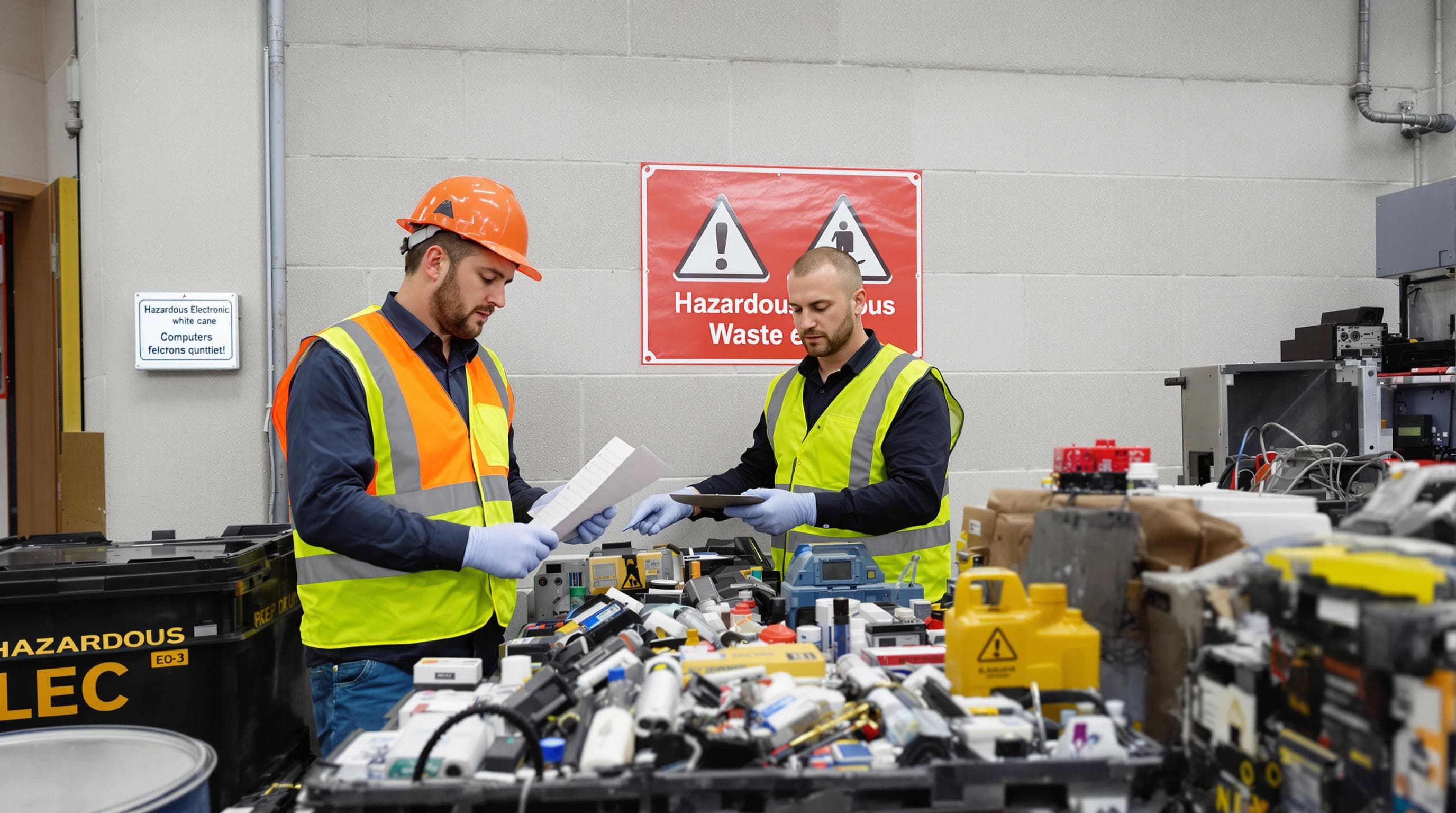
For businesses seeking comprehensive guidance on managing these complex waste streams, our waste management definition resource provides detailed insights into regulatory compliance and best practices.
Navigating these specialized waste streams requires a strategic approach. Businesses must invest in employee training, implement robust waste segregation systems, and partner with certified waste management providers. By understanding and proactively managing these unique waste categories, companies can minimize environmental impact, reduce potential legal risks, and demonstrate commitment to sustainable operational practices.
Safe Disposal of Hazardous and WEEE
Safe disposal of hazardous waste and Waste Electrical and Electronic Equipment (WEEE) represents a critical responsibility for UK businesses, demanding stringent compliance with environmental regulations and workplace safety standards. The complexity of these waste streams requires specialized knowledge and precise handling protocols.
Regulatory Framework for WEEE Disposal
The Waste Electrical and Electronic Equipment (WEEE) Regulations 2013 establish comprehensive guidelines for businesses managing electronic waste. UK government regulations mandate that producers must finance the collection, treatment, and recycling of electronic waste, ensuring environmentally responsible disposal. These regulations cover a wide range of electronic items, including:
- Computing Equipment: Computers, laptops, servers, and peripherals
- Telecommunications Devices: Mobile phones, landline systems
- Office Electronics: Printers, copiers, networking equipment
From 1 January 2025, businesses must adhere to new reporting requirements, using specific waste shipment codes for non-hazardous (Y49) and hazardous (A1181) electronic waste when transporting materials for recovery.
Hazardous Waste Management Protocols
Hazardous waste disposal demands meticulous attention to safety and environmental protection. The Environment Agency outlines strict guidelines for handling materials that pose potential risks to human health and environmental sustainability. The Separation of Waste (England) Regulations 2025 introduce more rigorous waste stream separation requirements, compelling businesses to implement sophisticated waste management systems.
Critical considerations for hazardous waste disposal include:
- Proper classification and documentation
- Specialized containment and storage
- Certified disposal through approved waste management providers
Our comprehensive guide to WEEE waste provides businesses with in-depth insights into navigating these complex regulatory landscapes.
Businesses must recognize that safe disposal is not merely a legal obligation but a critical environmental responsibility. Improper handling of hazardous waste and electronic equipment can lead to significant environmental contamination, potential health risks, and substantial financial penalties. Implementing robust waste management strategies requires a multifaceted approach, including:
- Regular staff training on waste handling protocols
- Investment in specialized waste segregation systems
- Partnerships with certified waste management providers
- Continuous monitoring and documentation of waste streams
By prioritizing safe disposal practices, businesses can mitigate environmental risks, demonstrate corporate social responsibility, and contribute to broader sustainability goals. The evolving regulatory landscape demands proactive approach, continuous education, and a commitment to responsible waste management practices.
Below is a table summarising key requirements and recommendations for the safe disposal of hazardous waste and WEEE for UK businesses.
| Requirement/Practice | Purpose | Reference/Notes |
|---|---|---|
| Proper classification and documentation | Ensures compliance and traceability | Hazardous Waste (England and Wales) Regulations 2005 |
| Use of correct waste shipment codes | For legal reporting and safe transport | Codes: Y49 (non-hazardous), A1181 (hazardous), from 2025 |
| Specialized containment and storage | Prevents environmental contamination | Environment Agency guidelines |
| Certified disposal providers | Guarantees legal and safe final processing | Environment Agency; must have Waste Carrier License |
| Staff training on protocols | Minimises risks, improves compliance | Ongoing training required |
| Regular monitoring and documentation | Tracks compliance and continuous improvement | Best practice |
Choosing a Reliable Waste Management Partner
Selecting the right waste management partner represents a critical strategic decision for UK businesses, with far-reaching implications for environmental compliance, operational efficiency, and corporate sustainability. The complexity of modern waste management demands a thorough and systematic approach to partner selection.
Essential Compliance and Certification Criteria
When evaluating potential waste management providers, businesses must prioritize comprehensive regulatory compliance. The Environment Agency recommends assessing providers based on several key accreditation standards. Critical certifications include:
- ISO 14001: Environmental management system certification
- Waste Carrier License: Mandatory legal requirement for waste transportation
- Duty of Care Certification: Demonstrates commitment to responsible waste handling
According to DEFRA guidelines, businesses must verify a provider’s registration status and ensure they maintain current waste management documentation. Failure to do so can result in significant legal and financial penalties.
Evaluating Service Capabilities and Environmental Commitment
Beyond basic compliance, a reliable waste management partner should demonstrate a comprehensive service approach and genuine environmental commitment. UK waste management research highlights several critical evaluation criteria:
- Comprehensive waste stream handling capabilities
- Transparent reporting and documentation processes
- Proven track record of recycling and landfill reduction
- Innovative waste management technologies
Our guide to waste management solutions provides businesses with detailed insights into selecting the most appropriate waste management partner.
The selection process extends beyond mere technical capabilities. Businesses must consider a provider’s ability to offer tailored solutions that align with their specific operational requirements. This involves assessing factors such as collection frequency, waste volume management, specialized disposal needs for hazardous materials, and the provider’s capacity to adapt to evolving regulatory landscapes.
Economic considerations play a crucial role in partner selection. While cost should not be the sole determining factor, businesses must conduct a comprehensive cost benefit analysis. This involves evaluating not just immediate pricing, but long term value propositions such as potential waste reduction strategies, recycling incentives, and overall operational efficiency improvements.
Ultimately, choosing a reliable waste management partner is about establishing a strategic relationship that supports your business’s environmental responsibilities and operational goals. By conducting thorough due diligence, maintaining open communication, and selecting a provider committed to innovation and compliance, businesses can transform waste management from a regulatory obligation into a competitive advantage.
Frequently Asked Questions
What are the main types of domestic waste in the UK?
Domestic waste in the UK is primarily categorised into three main types: biodegradable waste (organic materials like food scraps), recyclable materials (plastics, glass, and metals), and non-recyclable waste (such as contaminated packaging and certain plastics).
How much of the UK’s domestic waste is biodegradable?
Approximately 45% of total household waste in the UK is biodegradable, including food residues and garden waste, according to recent statistics.
How should hazardous waste be managed in businesses?
Businesses must follow strict regulations for hazardous waste management, including proper classification, documentation, and partnering with certified waste disposal providers, as outlined in the Hazardous Waste (England and Wales) Regulations 2005.
What are the requirements for disposing of Waste Electrical and Electronic Equipment (WEEE)?
Under the WEEE Regulations 2013, businesses must finance the collection, treatment, and recycling of electronic waste, utilising specific waste shipment codes and ensuring responsible disposal to protect the environment.
Ready to Simplify Your Business Waste Management in 2025?
Struggling to keep domestic waste sorted and compliant as regulations tighten? Feeling overwhelmed by the sheer variety of waste streams, from food and recyclables to hazardous materials and WEEE? The article highlighted how the right process can cut costs, unlock value from your waste, and protect your reputation. Now, your next step is easy.
Discover exactly how our waste collection process for UK businesses works.

Cut through the confusion and avoid costly compliance mistakes. With Venture Waste Management, you get:
- A straightforward three-step booking system
- Comprehensive support for all waste types, including confidential and hazardous
- Full coverage and peace of mind knowing you always meet your legal obligations
Secure your business’s future today. Take action before regulations change again. Visit Venture Waste Management to streamline your waste disposal or explore how our UK-wide collection network supports businesses like yours. Your path to easier and safer waste handling starts now.


Leave a Reply
Want to join the discussion?Feel free to contribute!