Office staff disposing confidential waste securely

Why Recycle Confidential Waste: Business Benefits in 2025

Office staff disposing confidential waste securely

Confidential waste might sound like a minor office chore, but it holds far more weight than a trip to the shredder. Imagine this. A single data breach from careless disposal could set your business back by up to £17.5 million or 4 percent of global turnover in fines. Most think of recycling as an environmental gesture, yet the surprising reality is that recycling confidential waste is a serious business advantage. Done properly, it can safeguard reputation, generate savings and edge out competitors who do not see the threat lurking in every discarded file.

Table of Contents

Quick Summary

Takeaway Explanation
Understanding Confidential Waste is Crucial Businesses must identify and secure sensitive information, including physical documents and digital media, to implement effective waste management strategies.
Ignoring Proper Disposal Can Lead to Significant Risks Improper incidents can result in legal penalties, financial consequences, and reputational damage, as businesses can face fines and data breaches.
Recycling Offers Strategic Business Advantages Confidential waste recycling not only supports environmental sustainability but can also generate cost efficiencies and enhance corporate reputation through compliance with regulations.
Implement Best Practices for Security Conduct comprehensive waste assessments, establish secure destruction protocols, and foster an organisational culture that prioritises information security to mitigate risks.

Understanding Confidential Waste in the Workplace

Confidential waste represents a critical challenge for businesses across various sectors, encompassing documents, digital media, and materials containing sensitive information that could compromise organisational security if improperly discarded. Understanding what constitutes confidential waste and its potential risks is fundamental for implementing robust waste management strategies.

Defining Confidential Waste in Modern Workplaces

Confidential waste includes a wide range of materials containing sensitive data that must be securely destroyed. These materials typically involve:

  • Personal Information: Employee records, customer details, medical files
  • Financial Documents: Bank statements, invoices, payroll records
  • Legal Papers: Contracts, legal correspondence, proprietary business agreements
  • Digital Media: Hard drives, USB drives, backup tapes, computer equipment

The scope of confidential waste extends far beyond simple paper documents. Modern workplaces generate multiple forms of sensitive information across physical and digital platforms, requiring comprehensive destruction strategies that protect organisational integrity.

Risks of Improper Confidential Waste Management

Neglecting proper confidential waste disposal exposes businesses to significant legal, financial, and reputational risks. Data protection regulations like the UK General Data Protection Regulation (GDPR) mandate strict protocols for handling sensitive information. Learn more about confidential waste risk management to understand the comprehensive landscape of potential consequences.

Potential risks include:

  • Legal Penalties: Substantial fines for non-compliance with data protection laws
  • Data Breaches: Potential exposure of sensitive corporate or personal information
  • Identity Theft: Criminals can reconstruct identities from improperly discarded documents
  • Corporate Espionage: Competitive intelligence gathering through discarded materials

Businesses must recognize that confidential waste management is not merely an administrative task but a critical component of organisational risk mitigation. Implementing secure disposal processes protects not just the company’s interests but also those of its employees and clients.
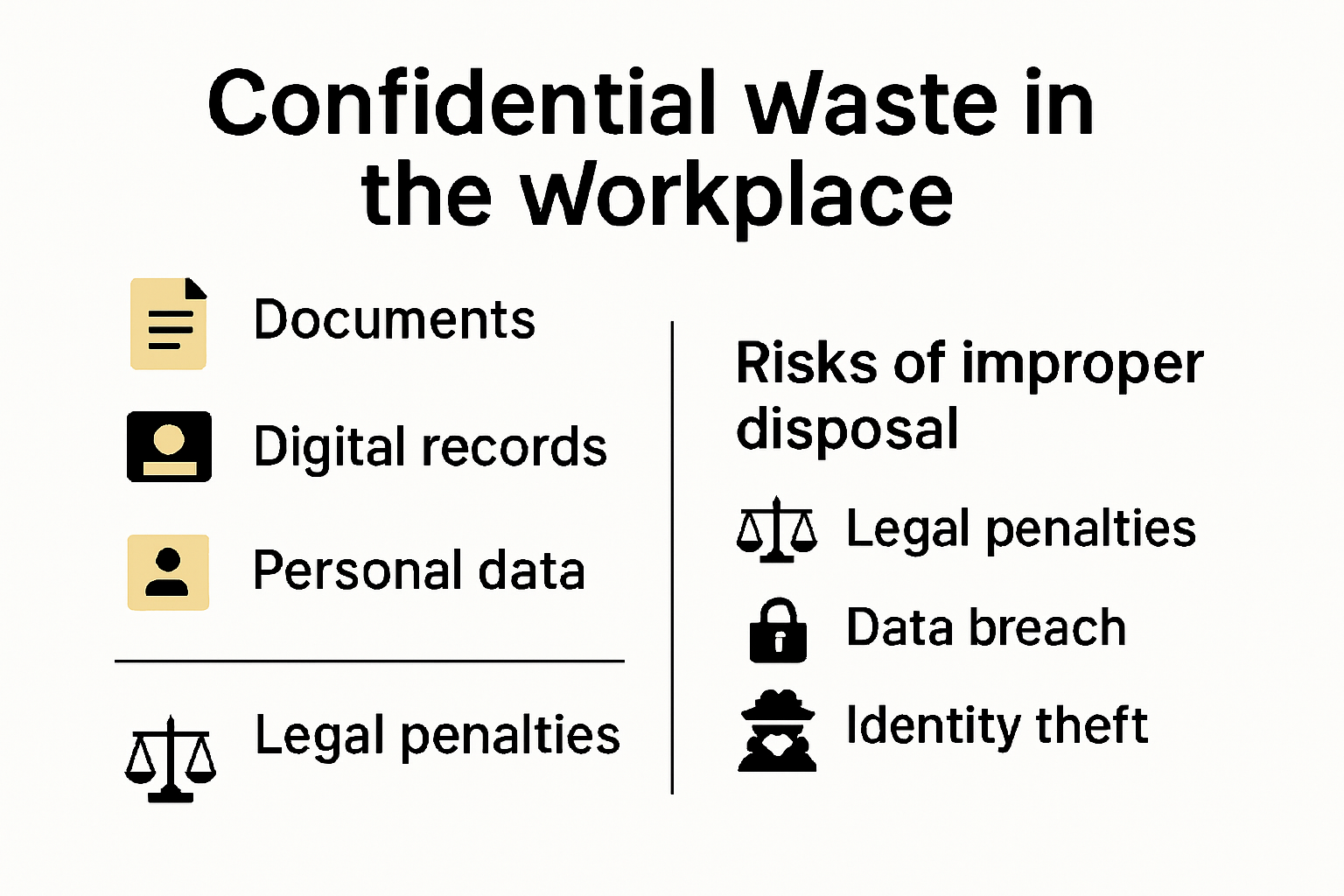
Common types of confidential waste and risks infographic

The complexity of modern confidential waste management requires a strategic approach that combines technological solutions, employee training, and partnerships with specialized waste disposal services. By developing a comprehensive understanding of what constitutes confidential waste and the potential risks associated with its mishandling, organisations can create robust protection mechanisms that safeguard their most valuable asset: information.

Effective confidential waste management is an ongoing process that demands continuous evaluation, adaptation to emerging technologies, and a proactive approach to potential security vulnerabilities. Businesses that invest in understanding and implementing rigorous waste disposal protocols will significantly reduce their exposure to potential data-related risks.

Business Risks of Improper Confidential Waste Disposal

Improper confidential waste disposal represents a minefield of potential business risks that can devastate organisational reputation, financial stability, and legal standing. While many businesses underestimate the consequences of negligent waste management, the reality is that seemingly minor oversights can trigger catastrophic cascading effects.

The financial implications of improper confidential waste disposal are profound and multifaceted. Data protection regulations like the UK General Data Protection Regulation (GDPR) impose strict penalties for non-compliance. Explore our comprehensive guide to risk management to understand the full spectrum of potential legal challenges.

Businesses can face substantial financial penalties that can range from £8,000 to £17.5 million or 4% of annual global turnover, whichever is higher. These fines are not merely punitive but serve as a stark warning about the critical importance of secure information disposal.

Legal risks extend beyond monetary penalties. Organisations may encounter:

  • Regulatory Investigations: Comprehensive audits that can disrupt business operations
  • Potential Litigation: Civil claims from affected individuals or entities
  • Professional Reputation Damage: Long-term credibility erosion in competitive markets

Reputational and Competitive Risks

Beyond immediate financial consequences, improper confidential waste disposal can trigger catastrophic reputational damage. In an era of heightened digital transparency, a single data breach can rapidly escalate into a public relations nightmare that undermines years of carefully built corporate trust.

Competitive intelligence can be inadvertently leaked through poorly managed waste streams. Discarded documents, digital media, or hardware might contain sensitive strategic information that could be exploited by competitors or malicious actors. The potential for corporate espionage increases exponentially when waste management protocols are weak or inconsistent.

Customer and stakeholder confidence can be irreparably damaged. Research indicates that 65% of consumers would potentially cease doing business with an organisation following a data breach, highlighting the profound long-term risks of inadequate confidential waste management.

Operational and Strategic Vulnerabilities

Improper confidential waste disposal creates significant operational vulnerabilities. Sensitive information leakage can compromise ongoing business negotiations, reveal strategic plans, expose employee personal data, and potentially breach contractual confidentiality agreements.

Critical operational risks include:

  • Strategic Plan Exposure: Potential compromise of future business strategies
  • Intellectual Property Risks: Unintended disclosure of proprietary innovations
  • Competitive Intelligence Leakage: Inadvertent sharing of sensitive business information

Businesses must recognize that confidential waste disposal is not a peripheral administrative function but a critical strategic imperative. Implementing robust, comprehensive waste management protocols is no longer optional but a fundamental requirement for organisational resilience and integrity.

The landscape of information security is continuously evolving, demanding proactive, adaptive approaches to waste management. Organisations that invest in sophisticated, secure disposal mechanisms will not only mitigate risks but also demonstrate a commitment to professional excellence and stakeholder protection.

Key Benefits of Recycling Confidential Waste
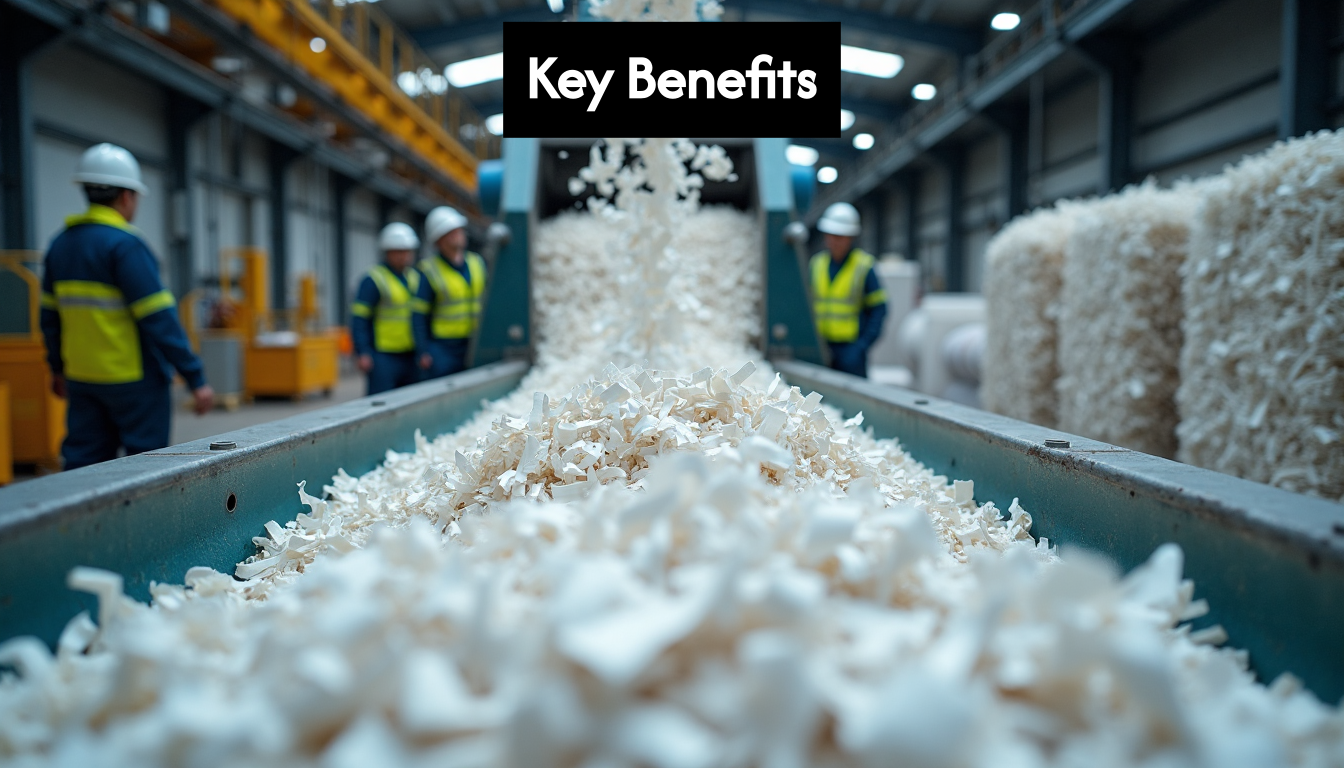
Shredded paper processed at recycling facility

Recycling confidential waste represents a strategic approach that extends far beyond simple disposal, offering businesses comprehensive advantages that align with environmental sustainability, regulatory compliance, and corporate responsibility. By implementing a robust confidential waste recycling strategy, organisations can transform a potentially risky administrative task into a valuable business opportunity.

Environmental and Sustainability Advantages

Confidential waste recycling contributes significantly to environmental conservation efforts. Traditional disposal methods often involve landfill dumping or incineration, which generate substantial carbon emissions and environmental degradation. Discover sustainable waste management solutions that can help your business reduce its ecological footprint.

The environmental benefits of confidential waste recycling include:

  • Carbon Footprint Reduction: Minimising waste sent to landfills
  • Resource Conservation: Enabling material recovery and reuse
  • Circular Economy Contribution: Supporting sustainable waste management practices

Businesses that prioritise recycling demonstrate a commitment to environmental stewardship, which can enhance their corporate image and appeal to environmentally conscious stakeholders and consumers.

Economic and Operational Benefits

Beyond environmental advantages, confidential waste recycling offers substantial economic benefits. By partnering with specialized recycling services, businesses can transform waste management from a cost centre into a potential revenue stream. Secure destruction and material recovery processes can generate value through material resale and reduced disposal costs.

Key economic advantages include:

  • Cost Efficiency: Reducing waste disposal expenses
  • Potential Revenue: Generating income from recycled materials
  • Operational Streamlining: Implementing more efficient waste management processes

Compliance and Corporate Reputation

Confidential waste recycling is not merely an environmental initiative but a critical component of regulatory compliance and corporate reputation management. Modern businesses are increasingly evaluated on their commitment to responsible waste management and data protection.

Compliance and reputational benefits encompass:

  • Regulatory Alignment: Meeting data protection and environmental regulations
  • Enhanced Corporate Image: Demonstrating commitment to sustainability
  • Stakeholder Trust: Building confidence through responsible waste management

Businesses that integrate comprehensive confidential waste recycling strategies position themselves as forward-thinking, responsible organisations. This approach mitigates risks, supports environmental goals, and creates tangible economic value.

The evolving landscape of waste management demands innovative, holistic approaches. Confidential waste recycling represents a sophisticated solution that addresses security, environmental, and economic considerations simultaneously. By viewing waste not as a problem to be eliminated, but as a resource to be managed intelligently, organisations can unlock significant strategic advantages.

Best Practices for Secure Confidential Waste Recycling

Secure confidential waste recycling demands a comprehensive, multilayered approach that integrates technological solutions, organisational protocols, and rigorous employee training. Businesses must develop sophisticated strategies that protect sensitive information throughout the entire disposal process while maintaining environmental responsibility.

Comprehensive Waste Assessment and Classification

Effective confidential waste recycling begins with meticulous waste assessment and classification. Explore our detailed risk management guide to understand the nuanced approach required for secure information disposal.

Organisations should implement a systematic classification process that categorizes waste based on:

  • Sensitivity Level: Stratifying documents and media by confidentiality
  • Material Composition: Identifying recyclable components
  • Destruction Requirements: Determining appropriate destruction methods
  • Regulatory Compliance: Ensuring alignment with data protection standards

This granular approach enables businesses to develop targeted recycling strategies that balance security concerns with environmental objectives.

Secure Destruction and Recycling Protocols

Implementing robust destruction and recycling protocols is crucial for protecting sensitive information. Best practices include:

  • Certified Destruction Services: Partnering with accredited waste management providers
  • Chain of Custody Documentation: Maintaining transparent tracking mechanisms
  • Tamper-Proof Containers: Using secure collection receptacles
  • Witnessed Destruction Processes: Implementing verification procedures
  • Digital Sanitization: Ensuring complete data elimination from electronic media

Businesses must develop comprehensive procedures that cover physical documents, digital storage devices, and other potential information carriers. This approach minimizes the risk of unauthorized information access during the recycling process.

Employee Training and Organisational Culture

Successful confidential waste recycling extends beyond technical solutions. Organisations must cultivate a culture of information security that empowers employees to become active participants in secure waste management.

Key training components should include:

  • Security Awareness: Understanding potential information risks
  • Proper Disposal Techniques: Recognizing appropriate waste handling methods
  • Compliance Requirements: Comprehending legal and regulatory obligations
  • Reporting Mechanisms: Establishing clear protocols for potential security breaches

By creating a holistic approach that combines technological solutions, rigorous protocols, and employee education, businesses can transform confidential waste recycling from a potential vulnerability into a strategic asset. The most successful organisations will view this process not as a compliance requirement, but as an opportunity to demonstrate commitment to security, sustainability, and responsible business practices.

The landscape of information security continues to evolve, demanding adaptive, innovative approaches to waste management. Businesses that invest in comprehensive, forward-thinking confidential waste recycling strategies will position themselves as leaders in responsible corporate governance.

Frequently Asked Questions

What is confidential waste?

Confidential waste refers to any material that contains sensitive information that, if disclosed, could harm an individual or organisation. This includes documents, digital media, and any materials containing personal or proprietary data.

Why is recycling confidential waste important for businesses?

Recycling confidential waste not only supports environmental sustainability but also mitigates risks associated with data breaches. Proper disposal protects a business’s reputation and can lead to financial savings and compliance with legal regulations.

What are the risks of improper confidential waste disposal?

Improper disposal can lead to severe consequences, including substantial legal penalties, data breaches, reputational damage, and operational vulnerabilities. Businesses may face fines, litigation, and loss of stakeholder trust.

How can businesses implement secure confidential waste recycling practices?

Businesses should conduct a comprehensive waste assessment, establish secure destruction and recycling protocols, and invest in employee training. Collaborating with certified waste management providers ensures that sensitivity and compliance are maintained throughout the recycling process.

Protect Your Business and Reputation with Secure Confidential Waste Recycling

Are you worried about data breaches, legal fines or reputational damage from mishandling confidential waste? You are not alone. As highlighted in this article, ignoring secure recycling places your business at serious risk while effective solutions can turn waste management into a strategic advantage. Explore our confidential waste solutions to meet strict data protection standards and safeguard what matters most.
https://venturewaste.co.uk

Every careless disposal is a potential threat to your operations and reputation. Do not wait until a costly mistake forces your hand. Visit Venture Waste Management and see how easy it is to book hassle-free collection, get full legal compliance and embrace sustainability today. Take the next step towards peace of mind and business success.

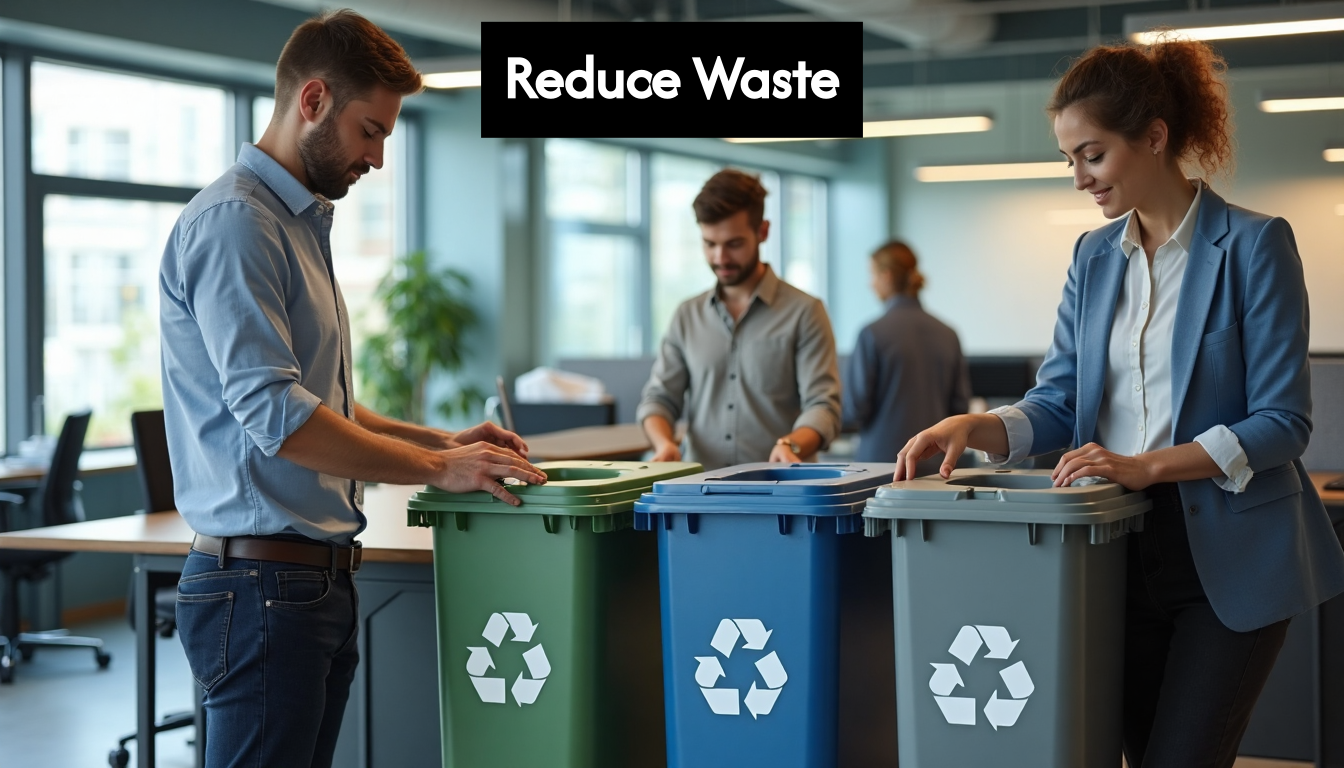
UK office employees recycling at labeled bins

How to Reduce Waste in UK Businesses: Essential Steps for 2025

UK office employees recycling at labeled bins

UK businesses produce a staggering amount of commercial waste every year and by 2025, strict new laws will make proper waste sorting a non-negotiable priority. Here is the surprise. Most firms still rely on outdated methods that lead to recyclable materials being tossed out with general rubbish. The real shift is coming fast because from March 2025, every UK business must implement full waste segregation systems, affecting even the smallest enterprises and bringing in potential fines for non-compliance that could run into thousands of pounds. The new rules are about more than ticking boxes. They set the stage for a smarter, more resourceful approach that could transform rubbish into real savings and seriously cut environmental harm.

Table of Contents

Quick Summary

Takeaway Explanation
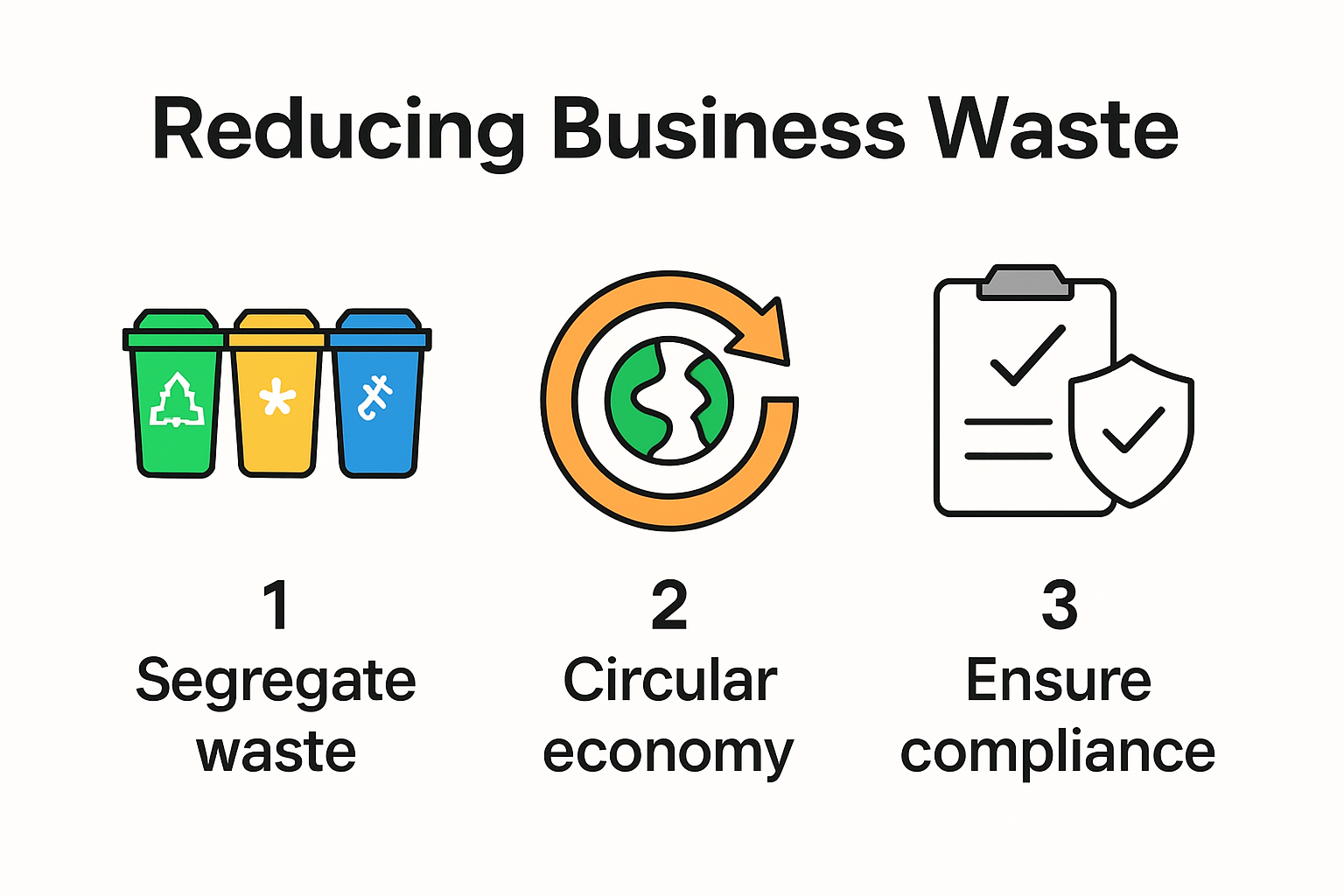
Effective Waste Segregation is Essential Businesses must implement robust on-site segregation systems for different waste materials to comply with new regulations, enhancing recycling and reducing overall waste volumes.
Embrace the Circular Economy Companies are encouraged to adopt circular economy principles, focusing on resource optimization, redesigning products for recycling, and creating closed-loop supply chains to minimise waste generation.
Comply with Regulatory Changes Starting 31 March 2025, all businesses must have comprehensive waste separation systems in place, which necessitate training staff and establishing internal processes to manage waste effectively.
Implement Advanced Technologies Leveraging smart waste monitoring and advanced sorting technologies can significantly improve waste management efficiency, helping businesses track and reduce waste generation.
Prioritize Secure Waste Disposal Secure and compliant waste disposal, especially for hazardous and confidential materials, is vital to mitigate legal risks and protect data security, necessitating rigorous handling protocols.

Five steps for UK business waste reduction

Understanding Business Waste Streams in the UK

Businesses across the United Kingdom generate substantial waste volumes that require strategic management and responsible disposal. By 2025, UK businesses will face significant regulatory changes that demand a comprehensive approach to waste stream identification and management.

The Complexity of Business Waste Categories

Business waste is not a monolithic concept but a complex ecosystem of different materials and disposal requirements. Companies generate multiple waste streams that demand specific handling protocols. According to UK Government Environmental Guidelines, businesses must now categorize their waste into distinct streams:

  • Dry Recyclables: Including plastic, metal, glass, paper, and cardboard
  • Food Waste: Organic materials requiring separate collection
  • Non-Recyclable Waste: Residual materials with no immediate recycling potential
  • Hazardous Waste: Materials requiring specialized disposal methods

The new regulations represent a significant shift in waste management practices. Our guide on waste collection provides detailed insights into navigating these complex requirements.

Regulatory Landscape and Compliance Requirements

From 31 March 2025, businesses in England must implement comprehensive waste separation systems. This mandate applies to organizations of all sizes, with micro-firms (fewer than 10 employees) granted a slightly extended timeline until 31 March 2027 to fully comply.

The implications are substantial. Businesses must develop robust internal processes to:

  • Segregate different waste materials at the point of generation
  • Implement proper storage and collection mechanisms
  • Train staff on correct waste disposal protocols
  • Partner with licensed waste management providers

Non-compliance can result in significant legal penalties, including financial fines and potential operational restrictions. Companies must view waste management not as an administrative burden but as a critical environmental responsibility.

Strategic Waste Reduction Approaches

Effective waste stream management goes beyond mere compliance. Progressive businesses are developing holistic strategies that minimize waste generation and maximize resource efficiency. This approach involves:

  • Conducting comprehensive waste audits
  • Identifying opportunities for waste reduction
  • Implementing circular economy principles
  • Investing in staff training and awareness programs

By understanding the nuanced landscape of business waste streams, UK companies can transform regulatory requirements into opportunities for operational improvement and environmental stewardship. The journey towards sustainable waste management requires commitment, innovation, and a proactive approach to resource conservation.

Practical Ways to Reduce Waste On-Site

Color-coded waste bins for business recycling

Reducing waste on-site requires a strategic and comprehensive approach that goes beyond traditional disposal methods. UK businesses must now implement proactive waste management strategies that align with the new regulatory landscape and environmental sustainability goals.

Implementing Effective Waste Segregation Systems

Successful waste reduction begins with robust on-site segregation protocols. According to UK Government Environmental Guidelines, businesses must separate waste streams with precision. This means creating dedicated collection points for different materials, including:

  • Food waste
  • Paper and cardboard
  • Plastic and metal
  • Glass materials
  • Electronic waste

Explore our comprehensive waste management guide to understand the intricacies of proper waste segregation. Companies should invest in clearly labeled bins, staff training programs, and visual signage that makes waste separation intuitive and straightforward.

Circular Economy and Resource Optimization

Progressive businesses are moving beyond simple waste reduction to embrace circular economy principles. This approach focuses on maximizing resource use and minimizing waste generation. Research from the Waste and Resources Action Programme indicates that businesses can significantly reduce their environmental footprint by:

  • Redesigning products for easier recycling
  • Implementing reuse and repair programs
  • Partnering with suppliers committed to sustainable practices
  • Developing closed-loop supply chain models

The goal is to transform waste from a disposal problem into a resource opportunity. By carefully analyzing waste streams, businesses can identify potential for material recovery, repurposing, and internal recycling.

Technology and Innovation in Waste Reduction

Technological solutions are becoming increasingly important in on-site waste management. Smart waste monitoring systems can help businesses track waste generation, identify reduction opportunities, and optimize collection processes. Key technological interventions include:

  • Digital waste tracking platforms
  • IoT-enabled waste bins with fill-level sensors
  • Data analytics for waste stream analysis
  • Automated sorting technologies

Businesses must view waste reduction as an ongoing process of continuous improvement. Regular waste audits, employee engagement programs, and investment in innovative technologies are crucial for long-term success. The most effective waste reduction strategies combine technical solutions with cultural change, creating an organizational mindset that prioritizes resource efficiency and environmental responsibility.
By adopting these practical approaches, UK businesses can not only comply with new regulations but also demonstrate leadership in sustainable waste management practices.

Secure and Compliant Waste Disposal Solutions

Secure and compliant waste disposal has become a critical responsibility for UK businesses in 2025, requiring sophisticated strategies that address both environmental regulations and data protection concerns. The landscape of waste management demands a comprehensive approach that goes far beyond simple disposal.

Businesses must navigate a complex regulatory environment that mandates precise waste handling protocols. According to UK Government Waste Management Guidelines, companies are required to:

  • Obtain and maintain appropriate waste carrier licenses
  • Generate and maintain accurate waste transfer notes
  • Ensure complete traceability of waste from generation to final disposal
  • Demonstrate compliance through detailed documentation

Learn more about confidential waste risk management to understand the intricate legal landscape surrounding waste disposal. The penalties for non-compliance can be substantial, including significant financial fines and potential legal repercussions.

Data Security and Confidential Waste Handling

In an era of increasing data protection regulations, businesses must treat waste disposal as a critical security function. Research from the Information Commissioner’s Office highlights the importance of secure document destruction and digital waste management. Key considerations include:

  • Implementing secure destruction protocols for sensitive documents
  • Using certified waste management providers
  • Creating audit trails for confidential waste disposal
  • Protecting against potential data breaches through comprehensive waste management strategies

Companies must recognize that waste disposal is not just an operational task but a crucial element of risk management and corporate responsibility.

Technology and Best Practices in Waste Disposal

Modern waste disposal solutions leverage advanced technologies to ensure security and compliance. Innovative approaches include:

  • Digital tracking systems for waste streams
  • Secure on-site destruction technologies
  • Blockchain-enabled waste traceability platforms
  • Advanced sorting and segregation technologies

The most effective waste disposal strategies combine technological innovation with rigorous compliance protocols. Businesses should view waste management as a dynamic process that requires continuous improvement, regular audits, and a proactive approach to emerging regulatory requirements.

By implementing comprehensive secure and compliant waste disposal solutions, UK businesses can protect their operational integrity, meet legal requirements, and demonstrate a commitment to environmental and data security standards. The future of waste management is not just about disposal but about creating a responsible, transparent, and secure approach to resource management.

Innovative Strategies for Special and Hazardous Waste

Special and hazardous waste management represents a critical challenge for UK businesses in 2025, demanding sophisticated approaches that balance environmental safety, regulatory compliance, and operational efficiency. The complexity of these waste streams requires targeted strategies that go beyond traditional disposal methods.

Regulatory Compliance and Risk Management

Navigating the intricate landscape of hazardous waste regulations requires comprehensive understanding and proactive management. According to UK Health and Safety Executive Guidelines, businesses must implement rigorous protocols for identifying, classifying, and managing special waste categories. Key compliance requirements include:

  • Precise waste stream categorization
  • Comprehensive documentation and tracking
  • Specialized storage and transportation protocols
  • Regular staff training on hazardous material handling

Explore our detailed guide on hazardous waste handling to understand the nuanced requirements for different waste types. Businesses must recognize that non-compliance can result in substantial financial penalties and potential legal consequences.

Advanced Treatment and Disposal Technologies

Innovative technologies are transforming the approach to special and hazardous waste management. Research from the Environmental Services Association highlights emerging solutions that prioritize safety and sustainability:

  • Chemical neutralization processes
  • Advanced thermal treatment technologies
  • Plasma gasification techniques
  • Molecular decomposition methods
  • Secure encapsulation technologies

These cutting-edge approaches enable businesses to convert potentially dangerous waste streams into manageable, less harmful materials. The goal is not just disposal but responsible transformation that minimizes environmental impact and reduces long-term risks.

Sustainable Waste Reduction Strategies

Progressive businesses are moving beyond traditional disposal models to implement circular economy principles for special and hazardous waste. This approach focuses on:

  • Waste prevention and minimization
  • Material recovery and reuse
  • Developing closed-loop waste management systems
  • Investing in research for alternative material solutions

By adopting a holistic perspective, companies can transform hazardous waste from a compliance burden into an opportunity for innovation and environmental stewardship. The most successful strategies combine technological innovation, regulatory compliance, and a commitment to continuous improvement.

Ultimately, managing special and hazardous waste requires a multifaceted approach that balances technical expertise, regulatory knowledge, and a forward-thinking environmental commitment. UK businesses that invest in sophisticated waste management strategies will not only meet legal requirements but also position themselves as leaders in sustainable industrial practices.

Frequently Asked Questions

What are the new waste regulations for UK businesses by 2025?

From 31 March 2025, all UK businesses must implement comprehensive waste segregation systems, meaning they need to sort waste into specific categories like dry recyclables, food waste, non-recyclables, and hazardous waste to avoid potential fines.

How can businesses effectively reduce waste on-site?

Businesses can reduce on-site waste by implementing effective waste segregation systems, adopting circular economy principles, and leveraging technology such as smart waste monitoring and automated sorting solutions.

What are the risks of non-compliance with waste regulations in the UK?

Non-compliance with UK waste regulations can result in substantial fines, legal repercussions, and operational restrictions if companies fail to maintain proper waste segregation and disposal practices.

How can a circular economy approach help in waste reduction for businesses?

A circular economy approach encourages businesses to redesign products for recycling, optimise resource use, and establish closed-loop supply chains, transforming waste into valuable resources and significantly reducing overall waste generation.

Ready to Make Business Waste Reduction Simple and Compliant?

Struggling with the demands of the incoming 2025 business waste laws and worried about the risks of non-compliance or sky-high fines? You are not alone. Most UK companies face real challenges with waste segregation, hazardous disposal, and confidential document destruction. If sorting WEEE waste, staying on top of secure handling, or meeting recycling requirements is causing confusion or stress, there is a better way. Discover our WEEE Waste management solutions to take control of complex commercial waste streams with less hassle.

https://venturewaste.co.uk

Businesses that act now enjoy peace of mind knowing they are ahead of the law and helping the environment. Do not wait until penalties hit. Visit Venture Waste Management today to book your reliable waste service and get expert guidance on every step. Let us help you move confidently into 2025 with straightforward compliance and sustainable results.

Busy UK construction site with waste containers

Managing Construction Waste for UK Businesses: Best Practices 2025

Busy UK construction site with waste containers

UK construction sites generate over 60 million tonnes of waste every year, yet most businesses are only just waking up to the scale of the challenge. New rules arriving in 2025 are set to shake up everything, with fines and rigorous annual reporting heading for those who fall behind. Yet surprisingly, waste management is not just about dodging penalties or ticking boxes. Those who adapt fastest will discover that smart waste handling unlocks new savings, efficiency, and even reputational gains nobody expected before. Curious to see how the best are turning regulation into opportunity?

Table of Contents

Quick Summary

Takeaway Explanation
Mandatory Waste Stream Separation Construction businesses must separate key waste streams, such as plastics and metals, at the point of disposal to comply with regulations effective from 31 March 2025.
Annual Compliance Reporting Companies are required to submit detailed annual reports on waste generation, segregation practices, and recycling rates, necessitating meticulous record-keeping.
Proactive Worker Training Creating a culture of environmental responsibility among workers through regular training on waste minimisation and recycling is crucial for effective waste management.
Choosing the Right Waste Management Partner Selecting a waste management partner that complies with legal requirements and showcases sustainability commitments is essential for optimizing waste disposal practices.

Understanding UK Construction Waste Regulations

UK construction businesses face increasingly complex waste management regulations designed to reduce environmental impact and promote sustainable practices. The regulatory landscape is rapidly evolving, with new mandates that require comprehensive and strategic waste management approaches.

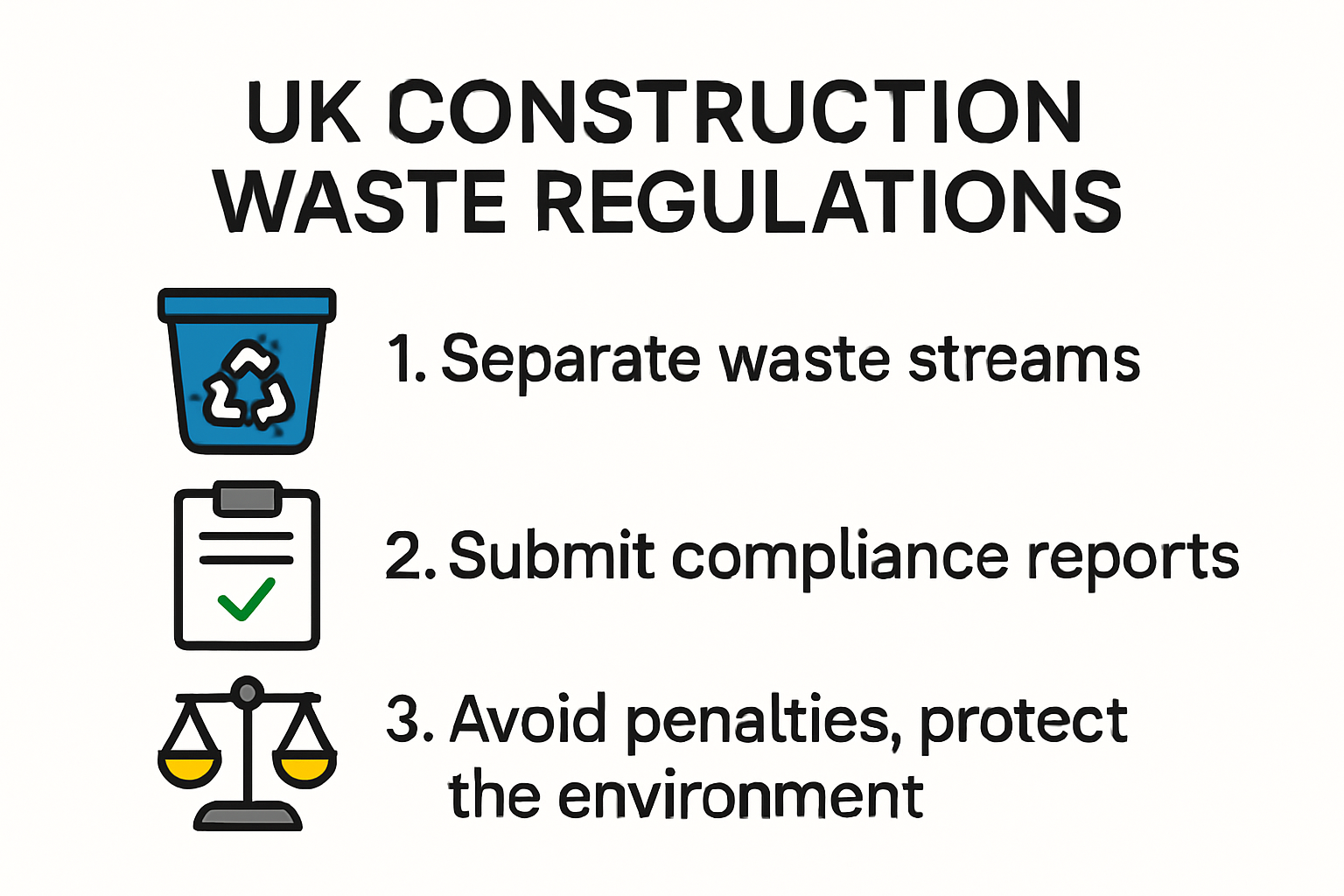
Infographic highlighting UK construction waste regulation requirements

Key Legislative Frameworks Governing Construction Waste

The Environment Act represents a critical turning point in waste management legislation. According to government environmental guidance, this comprehensive legislation empowers authorities to introduce stringent regulations targeting the complete elimination of avoidable waste by 2050. For construction businesses, this means implementing robust waste reduction and recycling strategies that go far beyond traditional disposal methods.

The Separation of Waste (England) Regulations 2025 marks another significant milestone. Effective from 31 March 2025, these regulations mandate that businesses must separate key waste streams at the point of disposal. Specifically, construction companies must now segregate materials such as plastics, metals, paper, and organic waste with unprecedented precision. Non-compliance could result in substantial financial penalties and potential legal repercussions.

Compliance and Reporting Requirements

Construction businesses must now prepare for more rigorous reporting mechanisms. The new regulations require annual compliance submissions detailing waste generation, segregation practices, and recycling rates. This shift demands meticulous record-keeping and a proactive approach to waste management.

The regulatory framework introduces extended producer responsibility, which means construction companies are increasingly accountable for the entire lifecycle of materials they use. This approach encourages businesses to consider waste reduction from the initial design and procurement stages, rather than treating waste management as an afterthought.

For businesses looking to navigate these complex regulations effectively, our comprehensive waste handling guide provides detailed insights into compliance strategies. Understanding these regulations is no longer optional but a critical business imperative.

Key implications for construction businesses include:

  • Mandatory Waste Stream Separation: Complete segregation of different material types
  • Annual Compliance Reporting: Detailed documentation of waste management practices
  • Potential Financial Penalties: Significant fines for non-compliance
  • Environmental Accountability: Increased responsibility for material lifecycles

The transition to these new regulations represents more than a legal requirement. It signals a fundamental shift towards more sustainable and responsible construction practices. Businesses that proactively adapt will not only avoid penalties but also position themselves as leaders in environmental stewardship.

Construction waste management is no longer just about disposal. It is about creating a circular economy where materials are valued, reused, and transformed. The UK’s regulatory approach demonstrates a commitment to reducing environmental impact while driving innovation in waste management technologies and practices.

Effective Strategies for Reducing Site Waste

Reducing waste on construction sites requires a strategic and multifaceted approach that encompasses material management, worker training, and innovative procurement practices. UK construction businesses must move beyond traditional disposal methods and embrace comprehensive waste minimisation strategies.

Precision in Material Procurement and Estimation

Accurate material estimation represents the foundational step in waste reduction. According to lean construction research, adopting just-in-time delivery models and precise material quantification can significantly decrease excess waste generation. Construction managers should implement digital tools and advanced software that enable precise material tracking and minimise over-ordering.

Key strategies for precise procurement include:

  • Digital Inventory Management: Using real-time tracking systems to monitor material usage
  • Modular Design Approaches: Selecting design methodologies that minimise material waste
  • Accurate Quantity Surveying: Employing advanced measurement techniques to reduce material surplus

Comprehensive On-Site Waste Segregation

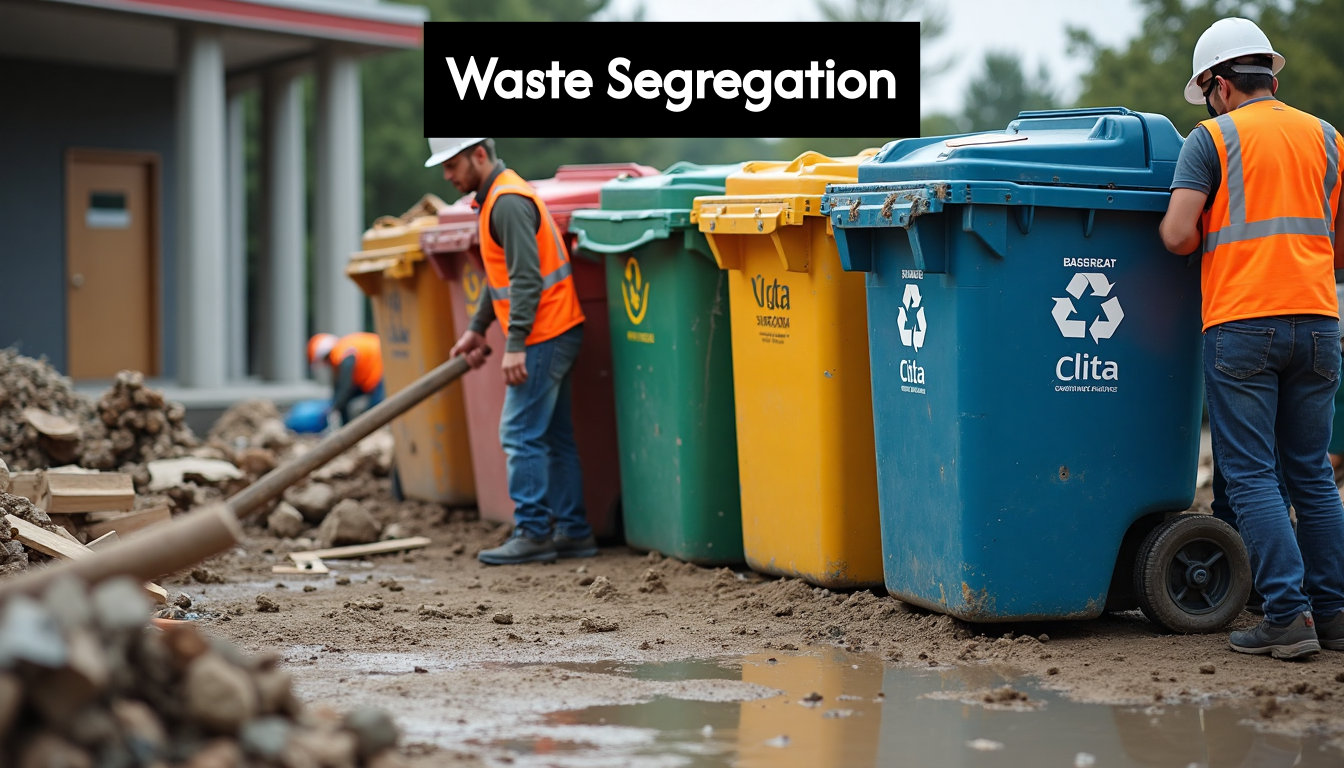
Labeled construction waste bins on site

Effective waste management begins with systematic segregation. Construction waste management experts recommend implementing color-coded, clearly marked containers for different waste streams such as wood, metals, plasterboard, and packaging materials. This approach not only increases recycling rates but also reduces contamination and associated disposal costs.

Implementing a robust segregation strategy requires:

  • Dedicated waste management training for all site personnel
  • Clear signage and guidelines for waste disposal
  • Regular waste stream audits and performance monitoring

Worker Training and Cultural Transformation

Technical solutions alone cannot guarantee waste reduction. Building a culture of environmental responsibility among workers is crucial. Sustainable construction research emphasises the importance of regular training programs that educate workers about waste minimisation techniques, recycling protocols, and the broader environmental impact of construction waste.

For businesses seeking more comprehensive waste management solutions, our specialised waste handling guide offers in-depth insights into effective waste reduction strategies.

Successful waste reduction is not just about compliance but about creating a systemic approach that views waste as a valuable resource. By integrating precise procurement, meticulous segregation, and continuous worker education, construction businesses can transform their waste management practices, reduce environmental impact, and potentially unlock significant cost savings.

The future of construction waste management lies in viewing waste not as an inevitable byproduct but as an opportunity for innovation, efficiency, and sustainable practice.

Safe Disposal of Hazardous and Special Waste

Construction sites generate numerous hazardous materials that require specialized handling and disposal protocols. Understanding and implementing safe waste management practices is not just a legal requirement but a critical responsibility for protecting human health and the environment.

Identifying and Classifying Hazardous Waste Streams

Hazardous waste in construction encompasses a wide range of materials that pose potential risks to health and safety. According to environmental regulation experts, from April 2025, materials containing Persistent Organic Pollutants (POPs) must be strictly separated at the source and cannot be mixed with general waste. These materials include:

  • Asbestos-containing materials
  • Chemical-treated timber
  • Contaminated soils
  • Paint and chemical residues
  • Electronic waste with hazardous components

Proper identification requires comprehensive site assessments and detailed material inventories that categorize potential hazardous waste streams before removal.

Compliance and Transportation Protocols

The Environment Act introduces more stringent regulations for hazardous waste shipments. Construction businesses must now adhere to enhanced tracking and transportation requirements. This means:

  • Obtaining specific waste transfer documentation
  • Using licensed hazardous waste carriers
  • Maintaining detailed records of waste origin, composition, and destination
  • Ensuring specialized containment and transportation methods

For businesses seeking comprehensive guidance, our detailed hazardous waste handling guide provides in-depth insights into compliance strategies.

Safe Disposal and Environmental Protection

Safe disposal goes beyond mere transportation. Hazardous materials must be sent to approved treatment facilities that can neutralize or safely process potentially dangerous substances. Approved methods include high-temperature incineration, chemical treatment, and specialized landfill management for materials that cannot be recycled or repurposed.

Key considerations for safe disposal include:

  • Verifying treatment facility credentials
  • Ensuring complete destruction of hazardous components
  • Minimizing environmental contamination risks
  • Maintaining comprehensive disposal documentation

Construction businesses must recognize that hazardous waste management is a complex, multi-stage process requiring expertise, precision, and unwavering commitment to safety. The financial and legal consequences of improper handling can be substantial, making proactive management crucial.

The evolving regulatory landscape demands that construction companies view hazardous waste not as a logistical challenge, but as a critical aspect of environmental stewardship. By implementing robust identification, transportation, and disposal protocols, businesses can protect workers, communities, and the broader environment while demonstrating responsible corporate citizenship.

Choosing Reliable Waste Management Partners

Selecting the right waste management partner is a critical decision for construction businesses seeking to maintain regulatory compliance, minimize environmental impact, and optimize waste disposal processes. The ideal partner goes beyond mere collection services, offering comprehensive solutions that align with evolving UK waste management regulations.

Under the UK Environmental Protection Act 1990, construction companies bear legal responsibility for ensuring responsible waste management. This means choosing partners who can provide transparent documentation and demonstrate a comprehensive understanding of current waste handling regulations.

Key documentation to request from potential waste management partners includes:

  • Waste carrier license details
  • Environmental permits
  • Comprehensive waste transfer documentation
  • Detailed recycling and disposal route records
  • Proof of compliance with current environmental regulations

Comprehensive Waste Stream Assessment and Management

Construction waste experts recommend conducting a thorough waste audit before selecting a management partner. This assessment helps businesses understand their specific waste generation patterns and ensures potential partners possess the necessary expertise and capacity to handle complex waste streams.

Critical evaluation criteria should include:

  • Ability to manage multiple waste streams
  • Demonstrated recycling and recovery rates
  • Technological capabilities for waste processing
  • Flexibility in handling site-specific waste challenges

For businesses seeking specialized guidance, our waste management resources offer detailed insights into selecting the right partner.

Technological Capabilities and Sustainability Commitment

Modern waste management extends beyond simple collection and disposal. Industry research emphasizes the importance of partners who support on-site waste segregation, provide advanced tracking technologies, and demonstrate a genuine commitment to environmental sustainability.

Advanced partners should offer:

  • Real-time waste tracking systems
  • Detailed reporting and analytics
  • Support for on-site waste segregation
  • Innovative recycling and repurposing solutions
  • Transparent carbon footprint reporting

Constructing a strategic partnership with a waste management provider is about more than transactional service. It represents a collaborative approach to environmental responsibility, where both parties work together to minimize waste, reduce environmental impact, and drive sustainable construction practices.

The most effective waste management partnerships transcend traditional service models. They become integral to a construction business’s operational strategy, providing not just waste removal, but comprehensive solutions that support regulatory compliance, cost efficiency, and environmental stewardship.

By carefully evaluating potential partners across legal, operational, and technological dimensions, construction businesses can establish robust waste management relationships that deliver long-term value and contribute to broader sustainability goals.

Frequently Asked Questions

What are the key regulations for construction waste management in the UK for 2025?

The key regulations include the Environment Act, which mandates comprehensive waste reduction strategies, and the Separation of Waste (England) Regulations 2025, which require construction companies to separate waste streams like plastics and metals at the point of disposal, effective from 31 March 2025.

How can construction businesses effectively reduce waste on-site?

Construction businesses can reduce waste by adopting precision in material procurement, implementing comprehensive on-site waste segregation, and providing regular training to workers about waste minimisation and recycling practices.

What should businesses do to comply with hazardous waste disposal regulations?

Businesses must identify and classify hazardous waste streams properly, ensuring they follow transportation protocols and dispatch waste to approved treatment facilities. Compliance requires meticulous documentation and adherence to safety regulations.

How can I choose the right waste management partner for my construction business?

To choose a reliable waste management partner, evaluate their legal compliance, ensure they can handle your specific waste streams, and look for their technological capabilities and commitment to sustainability. Request documentation that proves their credentials and track record in waste management.

Turn Construction Waste Challenges into Compliance Wins with Venture Waste

Are you feeling the pressure of the new 2025 construction waste regulations? Keeping up with mandatory waste stream separation and annual compliance reporting might seem overwhelming, especially if you are worried about fines or complex paperwork. The good news is, you do not have to navigate these new demands alone. Our specialists understand the intricacies discussed in the latest regulation updates and are ready to help you transform compliance into a business advantage through reliable waste handling and robust documentation.

https://venturewaste.co.uk

Stay ahead of change by partnering with Venture Waste Management. Discover how we make construction site waste segregation simple, ensure full legal compliance, and help your team save both time and money. Visit Venture Waste Management today for practical guidance, or explore our regulation hub for tailored business solutions. Secure your site’s compliance before the deadline arrives and book your waste management assessment now.

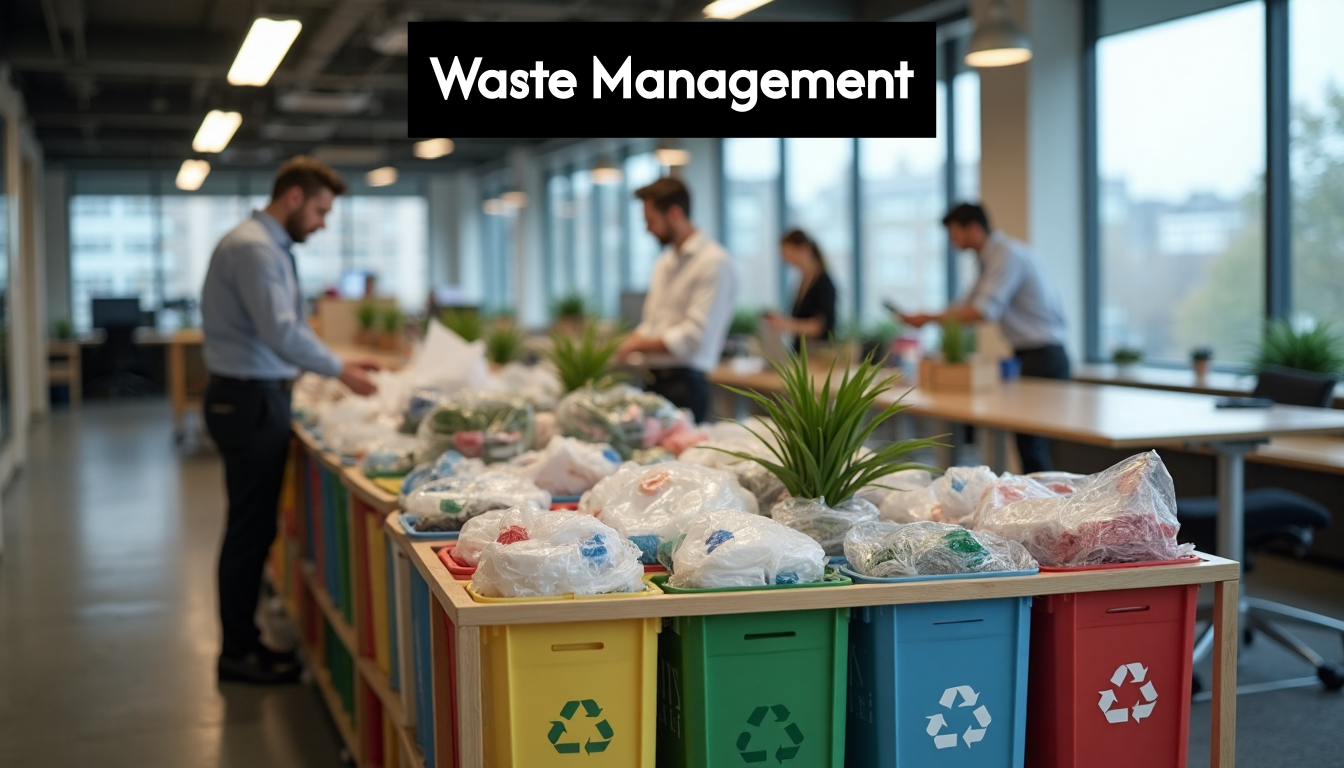
Office workers sorting recycling bins in UK business

How UK Businesses Can Save Money on Waste Management in 2025

Office workers sorting recycling bins in UK business

UK businesses are facing huge changes in waste management in 2025. Here is a statistic that shifts the whole conversation: commercial and industrial sectors now create 23 percent of the nation’s total waste, outpacing household waste at only 15 percent. So, while most managers worry about stricter bins or landfill tax increases, the real surprise is the scale of financial savings hidden in smarter waste handling. When you truly grasp where your business waste comes from and how you process it, cutting costs and gaining a competitive edge gets easier than expected.

Table of Contents

Quick Summary

Takeaway Explanation
Understand your waste streams By categorising waste into core streams (paper, plastic, glass, metal, food), businesses can comply with regulations and reduce disposal costs.
Embrace tailored industry strategies Different sectors should implement specific waste management practices, such as using balers in manufacturing and redesigning packaging in retail, to optimise costs.
Conduct regular waste audits Systematic waste audits enable businesses to track waste generation, identify inefficiencies, and realise significant cost savings through better compliance and operational efficiency.
Choose the right waste management partner Select a partner that understands regulatory requirements, offers transparent pricing, and provides strategic insights to achieve long-term cost reduction and sustainability goals.

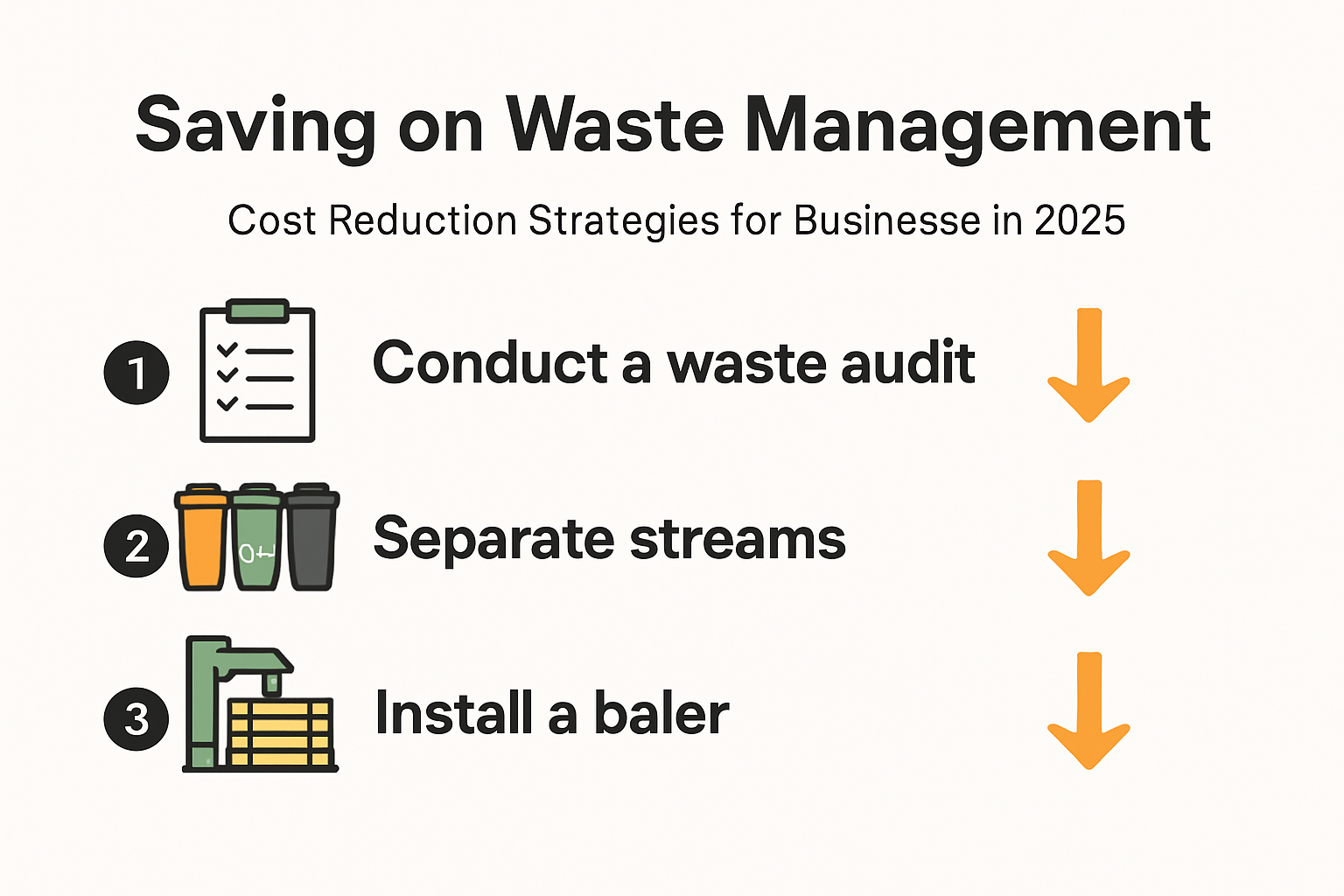
Ways to save money on waste management in 2025


Understanding Your Business Waste Streams

Business waste management is evolving rapidly in the UK, and 2025 marks a critical transition point for companies seeking to optimize their waste disposal strategies. Comprehending the nuanced composition of your business waste streams is no longer optional but a strategic imperative for financial efficiency and regulatory compliance.

Identifying Core Waste Categories

Understanding your waste streams begins with precise categorization. According to Business Waste UK, from 31 March 2025, businesses with 10 or more employees must implement separate collection protocols for core waste streams. These mandatory categories include:

  • Paper and Cardboard: Office documents, packaging materials
  • Plastic: Packaging, disposable items
  • Glass: Bottles, broken glassware
  • Metal: Scrap metal, aluminium containers
  • Food Waste: Cafeteria and kitchen organic waste

This granular approach to waste segregation isn’t just a regulatory requirement. It represents a significant opportunity for businesses to reduce disposal costs and demonstrate environmental responsibility.

Financial Implications of Waste Stream Management

The economic landscape of waste management is transforming. Recycling Inside reports that 50% of UK waste handlers anticipate increased landfill disposal charges by April 2025. This trend underscores the financial urgency for businesses to optimize their waste streams.

Commercial and industrial sectors generate substantial waste volumes. Waste Direct research reveals that commercial and industrial waste comprises 23% of the UK’s total waste output, significantly surpassing household waste at 15%. This statistic highlights the immense potential for cost savings through strategic waste management.

Businesses can achieve substantial financial benefits by implementing systematic waste stream analysis. This involves not just segregation but also:

  • Detailed Waste Auditing: Tracking waste generation patterns
  • Volume Reduction Strategies: Minimizing unnecessary waste production
  • Recycling Optimization: Maximizing recyclable material recovery

For businesses looking to streamline their electronic waste disposal, learn more about secure WEEE waste collection and how it can contribute to your overall waste management strategy.

By embracing a comprehensive approach to understanding and managing waste streams, UK businesses can transform a regulatory requirement into a strategic advantage, reducing costs while contributing to environmental sustainability.

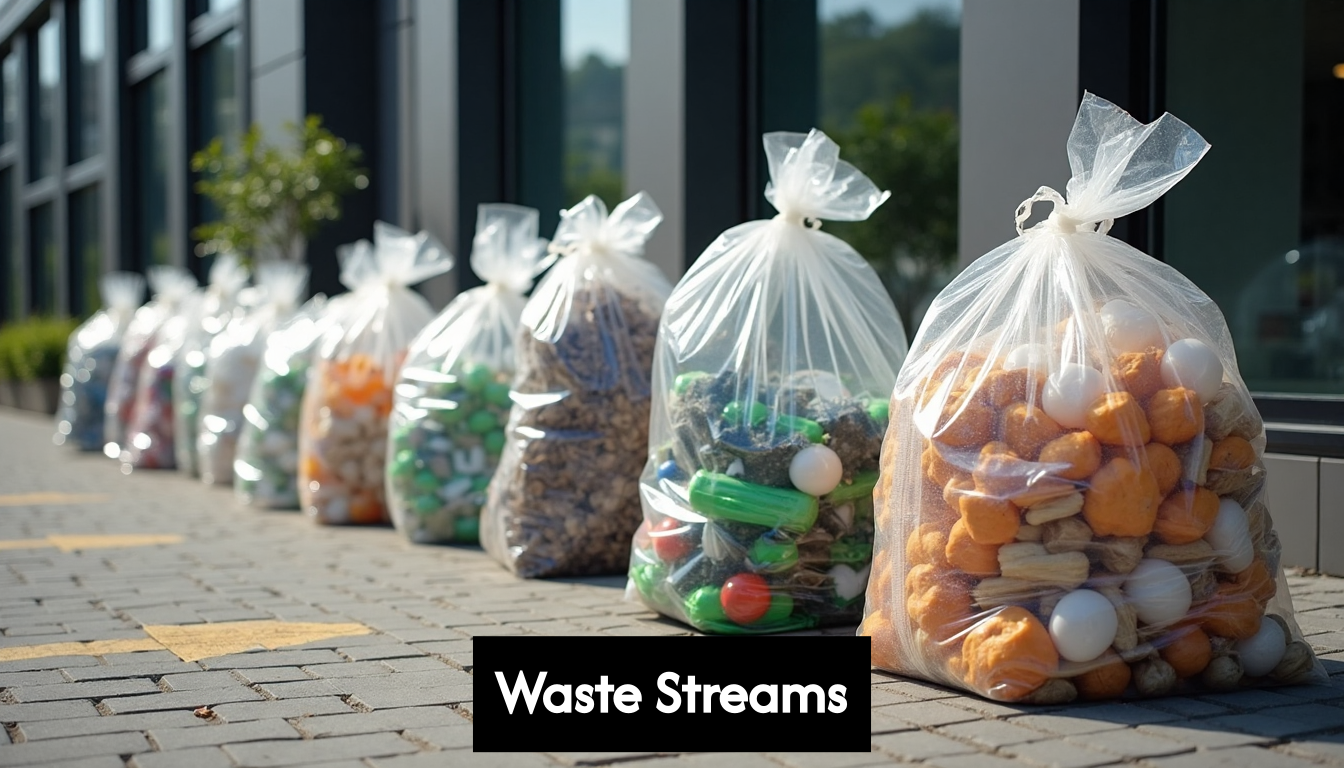
Sorted business waste bags ready for collection

Cost-Effective Solutions for Different Industries

Different industries face unique waste management challenges, requiring tailored strategies to save money and maintain regulatory compliance. As businesses prepare for the 2025 waste management landscape, understanding industry-specific solutions becomes crucial for financial sustainability.

Manufacturing and Industrial Sector Strategies

Manufacturing businesses can dramatically reduce waste management costs through innovative approaches. Byrkley Waste Solutions highlights that investing in balers and compactors can generate annual savings of over £20,000 by reducing waste volume and collection frequency.

Key cost-effective strategies for manufacturing include:

  • Volume Reduction Technology: Implementing balers and compactors to minimize waste footprint
  • Material Recycling: Segregating and repurposing industrial waste materials
  • Waste-to-Energy Conversion: Exploring alternative disposal methods that generate potential revenue streams

Retail and Service Industry Waste Management

Retail and service sectors can optimize waste management through strategic approaches. Flame UK recommends focusing on packaging optimization and waste reduction initiatives.

Cost-saving techniques for retail businesses include:

  • Packaging Redesign: Minimizing unnecessary packaging materials
  • Circular Economy Approaches: Implementing take-back and recycling programs
  • Digital Documentation: Reducing paper waste through digital transformation

Financial Considerations and Landfill Tax Implications

With the UK landfill tax standing at £98.50 per tonne in 2025, businesses across all sectors must prioritize waste reduction. Waste Direct emphasizes that minimizing waste production and maximizing recycling directly lowers disposal costs.

For businesses seeking comprehensive electronic waste solutions, explore secure WEEE waste collection options tailored to your industry’s specific requirements.

By adopting industry-specific waste management strategies, businesses can transform regulatory challenges into opportunities for cost savings, operational efficiency, and environmental responsibility. The key lies in understanding your unique waste streams and implementing targeted solutions that align with both financial and sustainability goals.

Maximising Efficiency with Waste Audits

Waste audits represent a strategic approach for UK businesses to transform their waste management practices, offering a comprehensive method to reduce costs, enhance sustainability, and ensure regulatory compliance in 2025. By systematically examining waste generation, businesses can unlock significant operational and financial efficiencies.

The Strategic Process of Waste Auditing

Conducting a thorough waste audit involves more than merely measuring waste volumes. Budget Waste highlights that effective waste audits help businesses reduce costs, boost recycling rates, and prepare for upcoming legislative changes by identifying precise inefficiencies in waste management processes.

Key components of a comprehensive waste audit include:

  • Waste Composition Analysis: Detailed breakdown of waste types and quantities
  • Collection Process Evaluation: Assessing current waste collection and disposal methods
  • Cost Tracking: Identifying potential financial savings and unnecessary expenditures

Financial and Operational Benefits

Shredall Waste Management emphasizes that regular waste audits enable businesses to customize waste management contracts, eliminate unnecessary disposal fees, and ensure strict regulatory compliance. This approach directly translates to improved operational efficiency and enhanced profitability.

Businesses can expect significant advantages from systematic waste auditing:

  • Contract Optimization: Negotiating more precise waste management agreements
  • Waste Reduction Strategies: Implementing targeted waste minimization techniques
  • Compliance Assurance: Proactively addressing regulatory requirements

Implementing Your Waste Audit Strategy

Successful waste audits require a structured approach. Begin by establishing a baseline of current waste generation, then develop a comprehensive tracking and analysis framework. Consider engaging professional waste management experts who can provide detailed insights and recommendations.

For businesses in the North East looking to refine their waste management approach, explore regional recycling solutions that can complement your waste audit efforts.

The most effective waste audits go beyond mere measurement. They transform data into actionable strategies that reduce environmental impact while simultaneously driving financial savings. By treating waste audits as a continuous improvement process, businesses can create more sustainable, cost-effective waste management systems that adapt to evolving regulatory landscapes.

Remember, a well-executed waste audit is not an expense but an investment in your business’s operational efficiency and environmental responsibility.

Choosing the Right Waste Management Partner

Selecting an appropriate waste management partner represents a critical strategic decision for UK businesses in 2025. The right partnership can transform waste management from a routine operational expense into a strategic opportunity for cost reduction, regulatory compliance, and environmental responsibility.

Evaluating Compliance and Regulatory Expertise

Byrkley Waste Solutions emphasizes the importance of choosing a partner with deep understanding of emerging waste management regulations. With the Simpler Recycling rules mandating that businesses with 10 or more employees separate waste into specific categories, partnering with a knowledgeable provider becomes crucial.

Key compliance considerations include:

  • Regulatory Knowledge: Understanding 2025 waste segregation requirements
  • Certification Verification: Checking for relevant waste management accreditations
  • Adaptability: Ability to adjust services as regulations evolve

Cost Management and Technological Innovation

Waste Direct highlights that strategic waste management partnerships can help businesses mitigate rising costs associated with increased landfill taxes, which stand at £98.50 per tonne in 2025. The right partner should offer more than basic waste collection services.

Critical financial considerations include:

  • Cost Transparency: Clear, itemized pricing structures
  • Waste Reduction Strategies: Proactive approaches to minimizing disposal volumes
  • Technology Investment: Partners utilizing advanced sorting and recycling technologies

Long-Term Strategic Alignment

Industry Insights from Horkan suggest that businesses should view waste management partners as strategic collaborators in achieving environmental and economic goals. This means looking beyond immediate service provisions to long-term sustainability objectives.

Evaluate potential partners based on:

  • Circular Economy Commitment: Dedication to sustainable waste management practices
  • Reporting and Analytics: Comprehensive waste tracking and improvement recommendations
  • Scalability: Ability to support your business as it grows and changes

For businesses in the North East seeking specialized waste management solutions, explore regional waste management expertise tailored to your specific industry needs.

Ultimately, the ideal waste management partner is not just a service provider but a strategic ally. They should offer a holistic approach that balances regulatory compliance, cost efficiency, and environmental responsibility. By carefully selecting a partner aligned with your business goals, you can transform waste management from a necessary expense into a strategic advantage.

Frequently Asked Questions

How can UK businesses understand their waste streams better?

To understand waste streams, businesses should categorise their waste into core categories like paper, plastic, glass, metal, and food waste. This helps in regulatory compliance and identifying opportunities for cost savings.

What are the cost-effective waste management strategies for retail businesses?

Retail businesses can save money by redesigning packaging to reduce waste, implementing take-back and recycling programs, and transitioning to digital documentation to lessen paper usage.

Why are waste audits important for cost savings in waste management?

Waste audits are crucial as they provide insights into waste generation patterns, help identify inefficiencies, and propose strategies for optimising waste disposal, leading to significant financial savings.

What should businesses look for when choosing a waste management partner?

When selecting a waste management partner, businesses should evaluate their compliance expertise, cost transparency, technological innovations, and their alignment with your long-term sustainability goals.

Turn Waste Challenges Into Savings With Venture Waste

Is the mounting pressure of new 2025 waste regulations and soaring landfill tax costs leaving your business concerned about compliance and budgets? Discover how companies like yours are transforming waste headaches into savings through smarter sorting and tailored management, just as you explored in the Baler Archives – Venture Waste section of our site. Whether you handle confidential waste or need to streamline your general rubbish collecting, our dedicated solutions support every waste stream identified in your latest audit.

https://venturewaste.co.uk

Take action now and secure expert guidance in business waste reduction, cost control, and compliance. You can book a service in just three easy steps on Venture Waste, or browse the WEEE Waste Archives – Venture Waste for secure disposal of electronic waste. Let us help you save money—and meet 2025 regulations with confidence. Contact our team now to make waste management your competitive advantage.

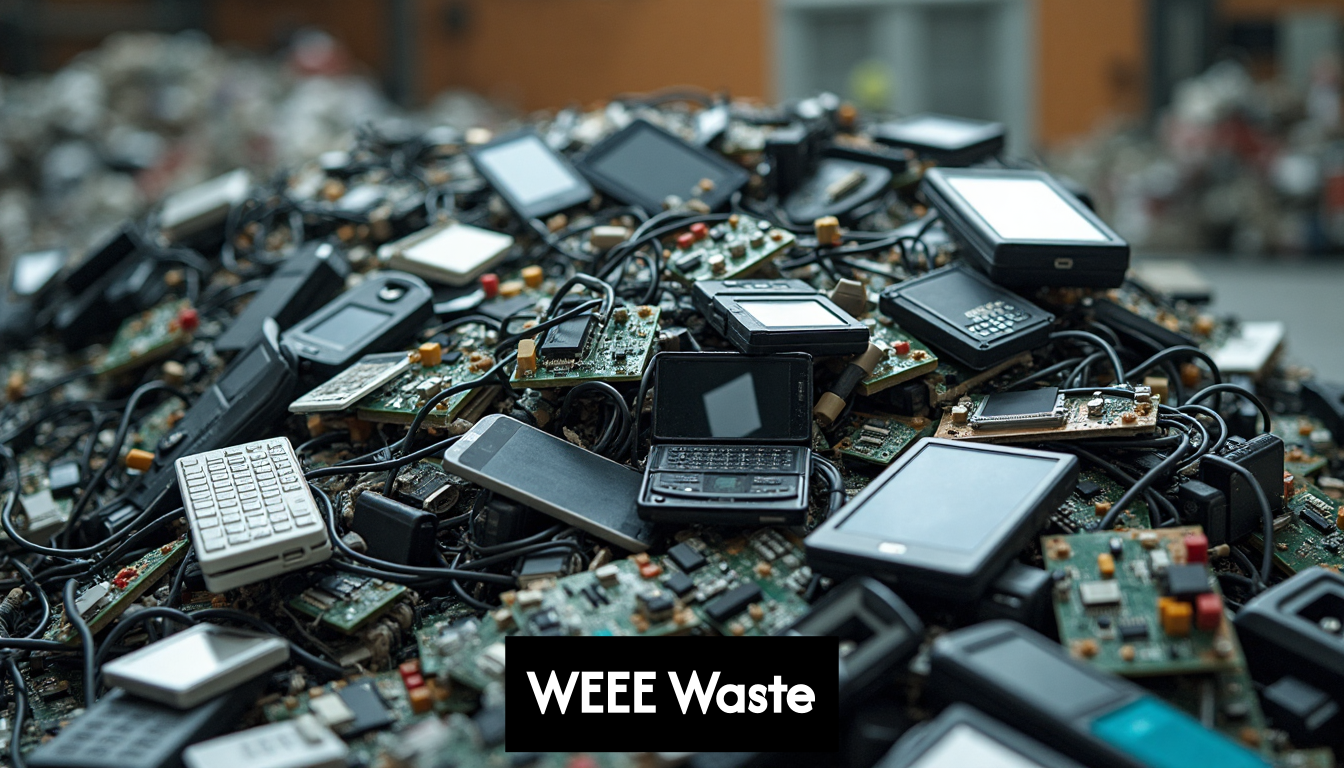
Pile of electronic devices for recycling

What is WEEE Waste? Guide for UK Businesses 2025

Pile of electronic devices for recycling

Companies across the UK face mounting pressure to manage their electrical and electronic waste with care, as WEEE now represents one of the fastest growing waste streams in Europe with over 473,000 metric tons of household WEEE collected in the UK alone in 2023. Think e-waste just means tossing out a broken kettle or a retired laptop? Think again. The rules for 2025 are set to surprise, as even vapes and tiny tech gadgets will need their own careful tracking and recycling, putting new demands on businesses large and small.

Table of Contents

Quick Summary

Takeaway Explanation
WEEE Waste Definition Waste Electrical and Electronic Equipment (WEEE) includes a wide range of electrical items that are no longer usable, requiring proper disposal to prevent environmental contamination.
Producer Responsibilities by 2025 From January 2025, businesses must register as producers of electrical equipment, join compliance schemes, and adhere to strict reporting and financial obligations for waste management.
Segregation and Safe Disposal Effective WEEE disposal involves proper segregation of different electronic devices, utilizing authorised disposal channels, and ensuring compliance with data protection and environmental regulations.
Environmental and Economic Benefits Responsible WEEE disposal conserves resources, reduces landfill costs, and can result in financial savings, demonstrating corporate responsibility while enhancing reputation.
Regulatory Compliance Importance Complying with WEEE regulations mitigates legal risks, enhances data security, and builds stakeholder confidence, transforming waste management into a strategic advantage.


Understanding What is WEEE Waste

When businesses dispose of electrical and electronic equipment, they enter the complex world of Waste Electrical and Electronic Equipment (WEEE) regulations. Understanding what constitutes WEEE waste is crucial for responsible environmental management and legal compliance.

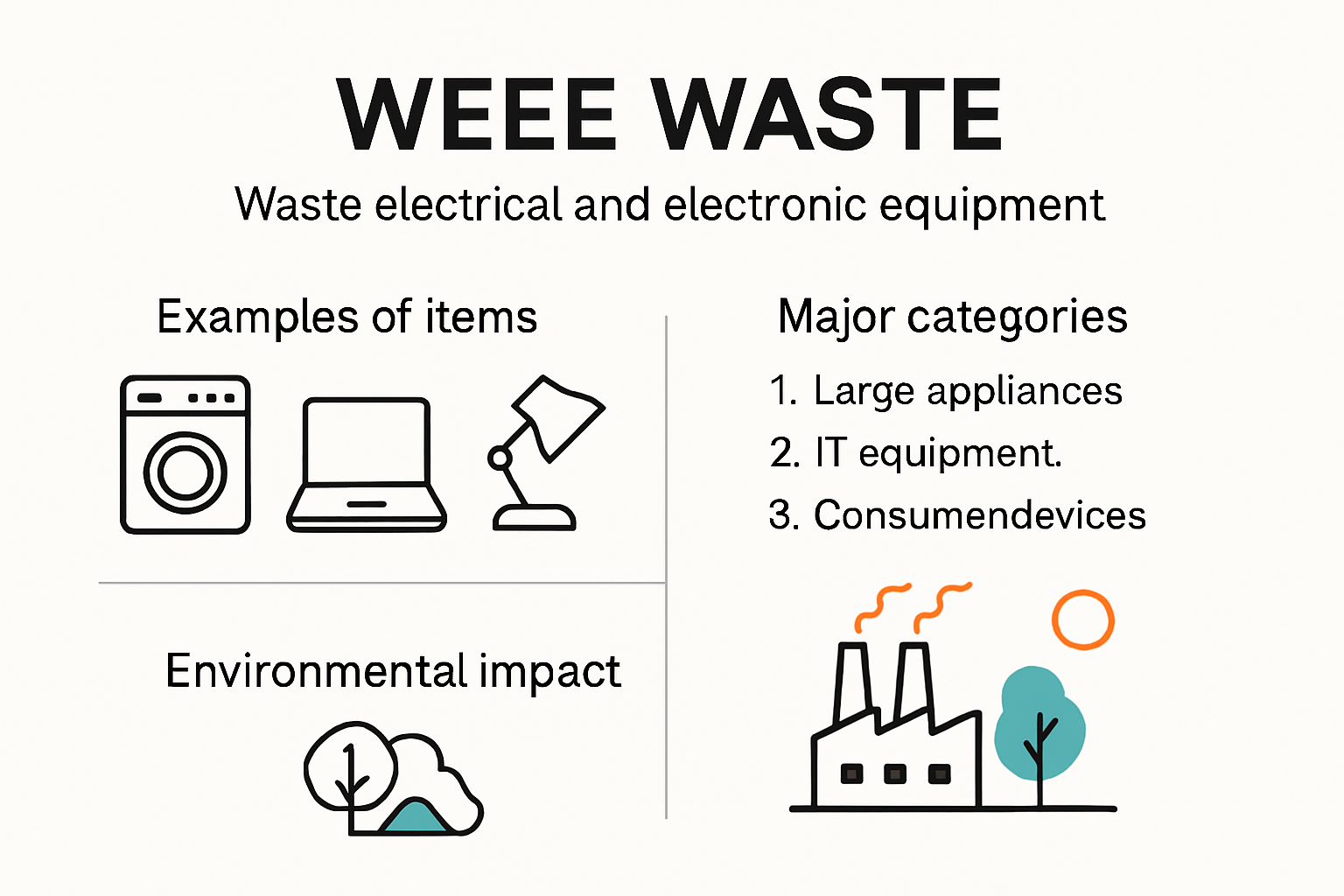
Infographic illustrating what is WEEE waste and its main categories

Definition and Scope of WEEE

WEEE encompasses a broad range of electrical and electronic items that have reached the end of their useful life. According to the UK Government’s official guidance, WEEE includes any equipment that depends on electrical currents or electromagnetic fields to function properly. This definition covers an extensive array of items from various sectors.

The 14 categories of WEEE regulated in the UK span diverse equipment types:

  • Large Household Appliances: Refrigerators, washing machines, dishwashers
  • Small Household Appliances: Vacuum cleaners, toasters, electric kettles
  • IT and Telecommunications Equipment: Computers, printers, telephones
  • Consumer Electronics: Televisions, radios, music systems
  • Lighting Equipment: Fluorescent tubes, LED lights
  • Electrical and Electronic Tools: Drills, sewing machines, gardening equipment
  • Monitoring and Control Instruments: Smoke detectors, thermostats

Environmental Impact and Regulatory Framework

The WEEE waste stream represents a significant environmental challenge. Waste Mission research reveals that in 2023, over 473,000 metric tons of household WEEE were collected in the UK, underscoring the critical need for proper disposal and recycling strategies.

Businesses play a pivotal role in managing these materials responsibly. The WEEE regulations aim to prevent electrical waste from ending up in landfills, which can lead to hazardous chemical leaching and environmental contamination. By implementing proper collection, treatment, and recycling processes, companies can significantly reduce their ecological footprint.

The regulatory framework mandates that businesses producing, importing, or distributing electrical and electronic equipment must take responsibility for their products’ end-of-life management. This includes financing appropriate collection, treatment, and recycling infrastructure.

Complex Composition of WEEE

What makes WEEE particularly challenging is its intricate composition. These items often contain a mix of materials including metals, plastics, circuit boards, and potentially harmful substances like lead, mercury, and cadmium. Proper handling requires specialized knowledge and sophisticated recycling techniques.

Businesses must recognize that WEEE is not simply ‘waste’ but a complex resource with potential for material recovery. Professional WEEE waste collection services can help organizations navigate these intricate disposal requirements while ensuring environmental compliance and potential resource recovery.

By understanding the nuanced world of WEEE waste, businesses can transform their waste management approach from a mere compliance requirement to a strategic environmental responsibility.

WEEE Waste Regulations for UK Businesses

The WEEE waste regulations represent a critical framework for businesses in the UK, establishing comprehensive guidelines for the responsible management of electrical and electronic equipment waste. As environmental standards become increasingly stringent, understanding these regulations is paramount for legal compliance and sustainable business practices.

Producer Responsibilities and Registration

Starting from January 2025, UK businesses will face significant changes in WEEE waste management requirements. According to the UK Government’s official guidance, businesses placing electrical and electronic equipment on the market must now register as producers through the dedicated online WEEE service.

Key producer responsibilities include:

  • Annual Registration: Mandatory registration for businesses producing, importing, or distributing electrical equipment
  • Compliance Scheme Participation: Joining an approved compliance scheme to manage waste collection and recycling
  • Data Reporting: Comprehensive reporting on equipment placed on the market and waste management processes
  • Financial Obligations: Covering the costs of collection, treatment, and recycling of electronic waste

Particularly noteworthy is the new requirement for online marketplaces, which must now join approved compliance schemes and report data on overseas sellers. This represents a significant expansion of regulatory oversight in the digital marketplace.

Specific Waste Categories and Collection Requirements

The 2025 regulations introduce refined categories and collection targets for electronic waste. Research from ERP Recycling highlights a particularly interesting development: a dedicated WEEE category for vapes and vape-related products will be introduced, with specific collection targets set from 2026.

Businesses must now adhere to strict separation and collection protocols:

  • Separate e-waste from other waste streams
  • Arrange for dedicated WEEE collection services
  • Ensure proper documentation of waste disposal
  • Prioritize recycling and reuse over landfill or incineration

Compliance and Potential Consequences

Non-compliance with WEEE regulations can result in significant penalties. Businesses must develop robust waste management strategies that align with these evolving regulations. Our comprehensive guide to WEEE waste collection can help organizations navigate these complex requirements.

The regulations aim to achieve multiple objectives:

  • Reduce environmental impact of electronic waste
  • Promote circular economy principles
  • Encourage responsible product design
  • Minimize hazardous material disposal

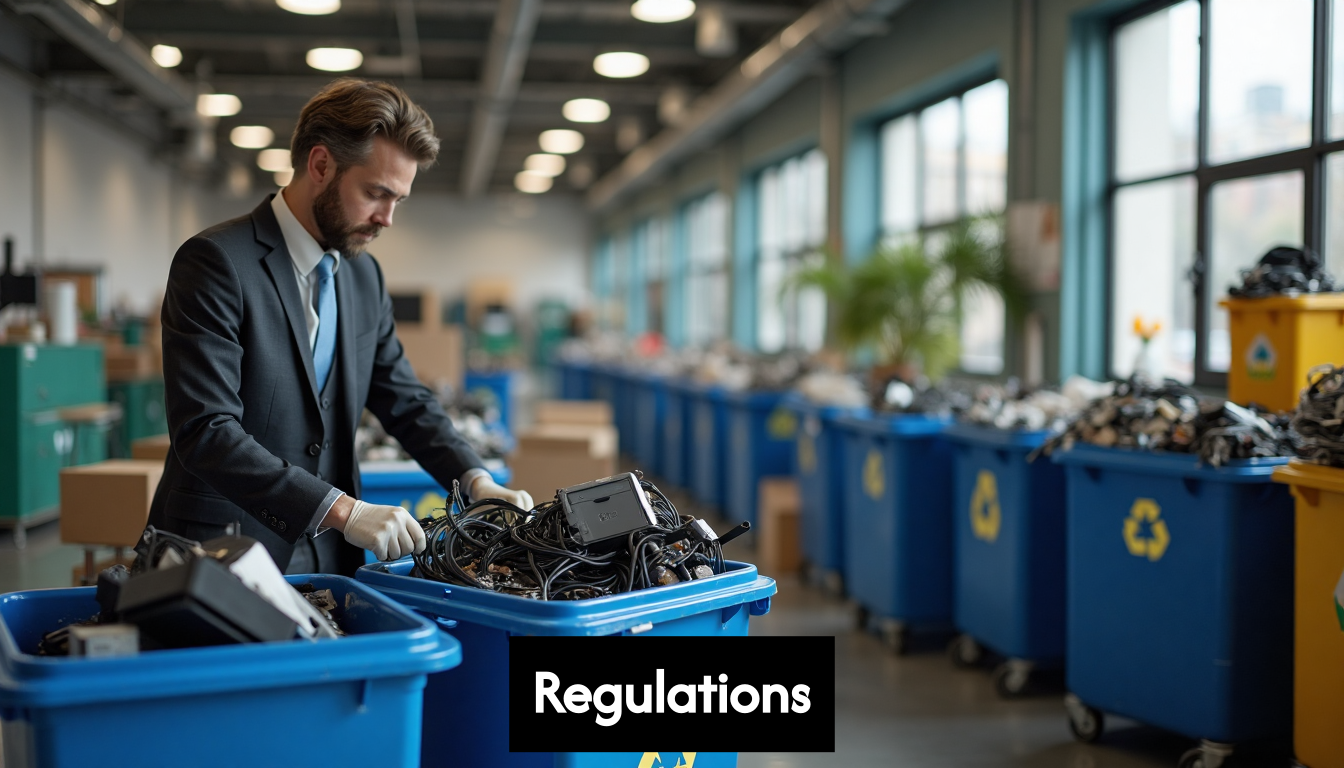
Business professional sorting e-waste bins

By proactively understanding and implementing these regulations, businesses can transform waste management from a compliance burden into a strategic opportunity for environmental stewardship and potential cost savings.

As the regulatory landscape continues to evolve, staying informed and adaptable will be crucial for businesses seeking to meet their legal obligations and contribute to sustainable waste management practices.

How to Dispose of WEEE Waste Safely

Disposing of Waste Electrical and Electronic Equipment (WEEE) requires meticulous attention to safety, environmental protection, and legal compliance. Businesses must implement a structured approach to ensure responsible and secure electronic waste management.

Proper Segregation and Initial Handling

The first critical step in safe WEEE disposal involves comprehensive segregation. According to the UK Environment Agency guidelines, businesses must carefully separate different types of electrical waste to prevent contamination and facilitate effective recycling.

Key segregation principles include:

  • Separate Hazardous Components: Isolate items containing mercury, lead, or other toxic materials
  • Categorize by Equipment Type: Group similar electronic devices together
  • Protect Sensitive Data: Ensure complete data destruction for IT equipment
  • Prevent Physical Damage: Handle fragile electronic components with care

Businesses should establish dedicated storage areas with appropriate containment measures to prevent environmental contamination and potential safety risks.

Authorized Disposal and Transportation

Every piece of WEEE must be transferred through approved channels. Regulatory documentation from the UK Government mandates that all collected electronic waste must be transferred to an Approved Authorised Treatment Facility (AATF).

Critical transportation and disposal requirements include:

  • Completing comprehensive waste transfer notes
  • Using certified waste transportation services
  • Maintaining detailed records of waste movement
  • Ensuring compliance with hazardous waste transportation regulations

Larger retailers with sales areas over 400 square meters must also offer free take-back services for small electronic devices, demonstrating a commitment to accessible recycling infrastructure.

Data Protection and Environmental Compliance

Safe WEEE disposal extends beyond physical handling. Businesses must prioritize data security and environmental protection. Our specialized WEEE waste collection services can help organizations navigate these complex requirements.

Key considerations for comprehensive WEEE disposal include:

  • Implementing secure data destruction protocols
  • Verifying the environmental credentials of disposal partners
  • Understanding potential environmental hazards of different electronic components
  • Maintaining transparency in waste management processes

Businesses should view WEEE disposal not just as a regulatory requirement, but as a critical component of corporate environmental responsibility. By adopting rigorous safety standards and working with certified disposal partners, organizations can minimize environmental impact while protecting sensitive information.

The landscape of electronic waste management continues to evolve, and staying informed about the latest safety protocols and regulatory requirements is essential for responsible business practices.

Benefits of Responsible WEEE Waste Disposal

Responsible WEEE waste disposal transcends mere regulatory compliance. It represents a strategic approach that delivers multifaceted benefits for businesses, the environment, and broader economic ecosystems. Understanding these advantages can transform waste management from a mandatory obligation to a valuable corporate opportunity.

Environmental Conservation and Resource Recovery

The environmental benefits of responsible WEEE disposal are profound. Research from Priority Waste highlights that proper electronic waste recycling conserves critical natural resources by recovering valuable materials from old electronics. This process significantly reduces the demand for raw material extraction, thereby minimizing environmental degradation.

Key environmental advantages include:

  • Material Preservation: Recovering metals, plastics, and rare earth elements
  • Reduced Carbon Footprint: Minimizing energy-intensive raw material extraction
  • Preventing Toxic Contamination: Safely managing hazardous components
  • Supporting Circular Economy: Encouraging product reuse and material regeneration

Businesses that prioritize responsible WEEE disposal actively contribute to global sustainability efforts, demonstrating environmental stewardship beyond mere compliance.

Economic Advantages and Cost Reduction

Contrary to popular perception, responsible WEEE disposal can generate significant economic benefits. Let’s Recycle research suggests that nationwide WEEE collection could potentially save up to £6 billion over the next decade, underscoring the substantial financial potential of strategic waste management.

Economic benefits encompass:

  • Reduced Landfill Taxes: Lower waste disposal costs
  • Material Value Recovery: Generating revenue from recycled materials
  • Enhanced Corporate Reputation: Attracting environmentally conscious clients and investors
  • Potential Tax Incentives: Government rewards for sustainable practices

By viewing electronic waste as a resource rather than a disposal problem, businesses can unlock unexpected financial opportunities.

Regulatory Compliance and Corporate Responsibility

Beyond environmental and economic advantages, responsible WEEE disposal demonstrates robust corporate governance. Our comprehensive WEEE waste collection services can help organizations transform compliance into a strategic advantage.

Compliance benefits include:

  • Legal Risk Mitigation: Avoiding potential penalties
  • Data Security: Ensuring secure destruction of sensitive information
  • Stakeholder Confidence: Building trust with customers and partners
  • Innovation Catalyst: Encouraging sustainable product design

Businesses that proactively embrace responsible WEEE disposal position themselves as industry leaders, distinguishing themselves through commitment to environmental and social responsibility.

As global sustainability standards evolve, responsible WEEE waste disposal will increasingly become a critical differentiator for forward-thinking organizations. By adopting comprehensive waste management strategies, businesses can simultaneously reduce environmental impact, generate economic value, and strengthen their market positioning.

Frequently Asked Questions

What is WEEE waste?

WEEE waste, or Waste Electrical and Electronic Equipment, refers to electrical items that are no longer usable and need to be disposed of properly to prevent environmental contamination.

What are the new regulations for WEEE waste in the UK from January 2025?

From January 2025, businesses will be required to register as producers of electrical equipment, join compliance schemes, and adhere to strict reporting and financial obligations for the management of WEEE waste.

How should businesses dispose of WEEE waste safely?

Businesses should ensure proper segregation of e-waste, utilise authorised disposal channels, and follow data protection and environmental compliance protocols when disposing of WEEE waste.

What are the benefits of responsible WEEE waste disposal for businesses?

Responsible WEEE disposal provides environmental conservation, economic advantages such as cost reductions, and helps ensure regulatory compliance, thus enhancing corporate responsibility.

Struggling with WEEE Waste Compliance? Let Venture Waste Take the Pressure Off

Dealing with the new 2025 WEEE regulations can feel overwhelming. Sorting different types of e-waste, arranging for legal disposal and keeping up with complex reporting requirements are just a few of the pressing concerns UK businesses now face. You want peace of mind that your electrical items will be handled responsibly and your business will stay fully compliant.

Explore our dedicated WEEE solutions to see how easy WEEE waste management can be with expert support.

https://venturewaste.co.uk

Act today to avoid regulatory headaches and costly mistakes. Our team is ready to guide you through each step, from collection to compliant recycling. Head to Venture Waste now and see how straightforward booking and tailored services can protect your business, reputation and the environment.

Office worker disposing confidential waste securely

GDPR Compliant Waste Disposal: 2025 Guide for UK Businesses

Office worker disposing confidential waste securely

GDPR compliant waste disposal is about more than just shredding old papers. UK firms face strict rules for getting rid of any material holding personal data, whether it’s on paper or a hard drive. Yet, here’s where most go wrong. Over £17.5 million in penalties hang over businesses that mishandle sensitive waste every year. It’s not the bins or bags that matter most here. The real test is in the process and meticulous record-keeping—where even a single missed audit trail could see you breached and fined. The details in what follows might surprise you.

Table of Contents

Quick Summary

Takeaway Explanation
GDPR Compliance is Essential Businesses in the UK must adhere to GDPR regulations for waste disposal, ensuring secure destruction of personal data to avoid financial penalties and reputational damage.
Understand Waste Types GDPR regulations cover various waste types beyond paper documents, including digital media and specialized waste from specific industries, necessitating thorough disposal strategies.
Implement Secure Collection Protocols Establishing lockable bins and segregated collection points for confidential materials is crucial for upholding data protection standards in the workplace.
Staff Training is Critical Comprehensive training for employees on handling sensitive information and proper disposal methods reduces human error and strengthens compliance.
Choose Certified Waste Partners Selecting a waste management partner with essential certifications and advanced tracking capabilities helps organisations maintain rigorous GDPR compliance and safeguards against data breaches.
Infographic summarizing GDPR compliant waste disposal essentials

What Is GDPR Compliant Waste Disposal?

GDPR compliant waste disposal represents a critical legal requirement for UK businesses managing sensitive personal data across physical and digital formats. At its core, this process ensures that all documents, records, and materials containing personal information are destroyed securely and systematically, preventing potential data breaches and protecting individual privacy rights.

Understanding Data Protection in Waste Management

Under the General Data Protection Regulation (GDPR), businesses are legally obligated to implement robust waste disposal strategies that completely eliminate the risk of unauthorized data access. This means more than simply throwing documents in a bin. Learn about secure business disposal methods that meet stringent data protection standards.
The regulation mandates comprehensive destruction protocols for any medium containing personal data. This includes paper documents, digital storage devices, hard drives, USB drives, CDs, and other physical media that might contain sensitive information. Businesses must demonstrate a clear audit trail showing how and when data was securely destroyed.

Certification and Compliance Requirements

According to Westminster Clean Streets guidance, GDPR compliant waste disposal requires businesses to obtain a certificate of destruction from an accredited confidential shredding facility. These certificates serve as legal proof that personal data has been irretrievably destroyed in accordance with regulatory standards.

From March 31, 2025, UK businesses with more than 10 employees will face even stricter waste management regulations. The new Simpler Recycling legislation introduces more rigorous requirements for waste segregation and secure document disposal. Companies must prepare for routine compliance checks and potential financial penalties for inadequate data protection practices.

Key elements of GDPR compliant waste disposal include:

  • Secure Destruction: Complete and irreversible elimination of all personal data
  • Audit Trail: Documented evidence of destruction process
  • Professional Certification: Official documentation from authorized waste management providers
  • Comprehensive Coverage: Protection for both physical and digital information formats

Businesses must recognize that GDPR compliant waste disposal is not optional but a legal necessity. The potential consequences of non-compliance include significant financial penalties, reputational damage, and potential legal action. By implementing robust, certified waste disposal processes, organizations can protect sensitive information, maintain regulatory compliance, and demonstrate their commitment to data privacy.

Types of Waste Affected by GDPR Regulations

GDPR regulations encompass a wide range of waste types that contain personal or sensitive information, extending far beyond traditional paper documents. Understanding these categories is crucial for businesses seeking comprehensive data protection and regulatory compliance.

Physical Document Waste

Physical document waste represents a significant category of GDPR-regulated materials. This includes employee records, customer files, financial statements, medical records, contracts, and any printed materials containing identifiable personal data. According to waste management guidance, businesses must implement secure destruction methods like industrial shredding to prevent unauthorized information access.
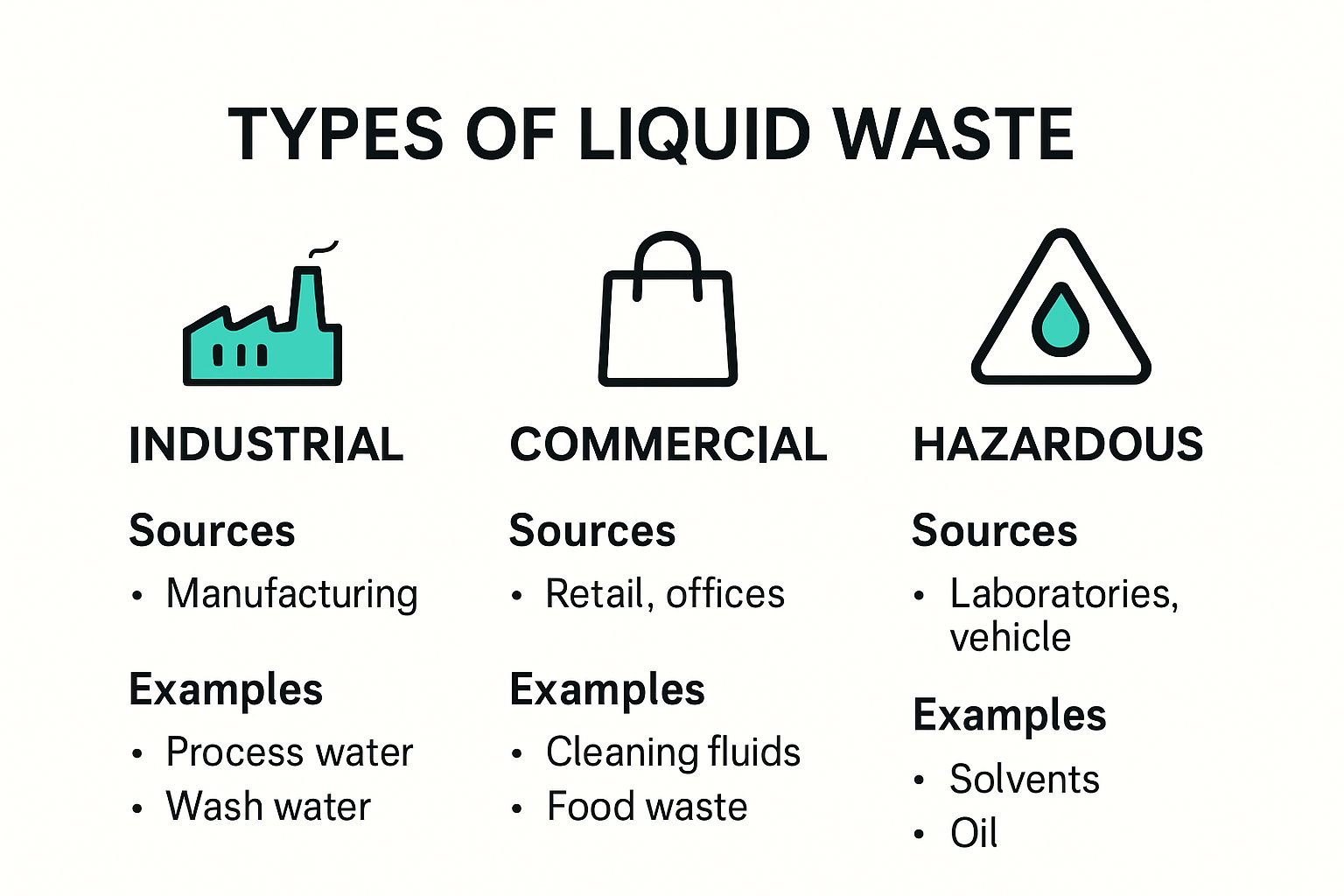
The Environmental Protection Act 1990 reinforces these requirements, imposing a duty of care on organizations to handle and dispose of confidential waste responsibly. Explore our comprehensive guide on confidential waste management to understand the nuanced legal landscape surrounding document disposal.

Digital and Electronic Media

Digital waste represents an increasingly complex category of GDPR-regulated materials. This includes hard drives, USB drives, external storage devices, CDs, DVDs, backup tapes, smartphones, tablets, and computers that store personal information. The UK Data Protection Act 2018 mandates that electronic devices must undergo complete data wiping or physical destruction to ensure no recoverable data remains.

Businesses face significant risks when disposing of electronic media. Research indicates potential financial penalties can reach up to £17.5 million or 4% of annual global turnover for non-compliance. Critical considerations include:

  • Data Sanitization: Complete erasure of stored information
  • Physical Destruction: Rendering electronic media unreadable
  • Certification: Obtaining documented proof of secure disposal
  • Chain of Custody: Maintaining a transparent disposal process

Technicians destroy digital media in secure facility

Specialized and Industry-Specific Waste

Certain industries generate unique waste types requiring specialized GDPR compliance approaches. Healthcare providers manage patient records, financial institutions handle sensitive transaction documents, and research organizations process extensive personal datasets. Each sector must develop tailored waste disposal strategies that meet both data protection regulations and industry-specific compliance requirements.

The breadth of waste affected by GDPR regulations underscores the importance of a comprehensive, systematic approach to information disposal. Businesses must recognize that regulatory compliance extends beyond simple document shredding. It requires a holistic strategy that addresses physical, digital, and specialized waste streams while maintaining rigorous standards of data protection and privacy.

Practical Steps for Secure Office and Industrial Waste Disposal

Implementing GDPR compliant waste disposal requires a systematic and comprehensive approach that addresses both physical security and organizational protocols. Businesses must develop robust strategies that protect sensitive information throughout the entire waste management process.

Establishing Secure Waste Collection Protocols

Effective waste management begins with creating dedicated secure collection points within office and industrial environments. Read our detailed guide on confidential waste management to understand comprehensive protection strategies. Organizations should implement lockable confidential waste bins in strategic locations, ensuring that sensitive documents cannot be accessed by unauthorized personnel.

According to workplace recycling regulations, from 31 March 2025, all UK workplaces must separate waste streams meticulously. This includes creating distinct collection points for:

  • Confidential Paper Waste: Secured lockable containers
  • Electronic Media: Dedicated secure storage for devices
  • General Recyclables: Clearly marked segregation zones
  • Non-Recyclable Materials: Separate designated areas

Staff Training and Awareness

Human error represents a significant risk in data protection. Comprehensive staff training is crucial in maintaining GDPR compliance. Businesses must develop structured training programs that educate employees about proper waste handling procedures, understanding what constitutes sensitive information, and recognizing potential data breach risks.

Key training components should include:

  • Identifying confidential documents
  • Understanding proper disposal methods
  • Recognizing potential security vulnerabilities
  • Following strict chain of custody protocols

Implementing Professional Destruction Processes

Professional waste destruction is the cornerstone of GDPR compliance. Companies must partner with certified waste management providers who can provide comprehensive destruction services and detailed documentation. According to industry guidelines, businesses should insist on receiving certificates of destruction that demonstrate complete and secure information elimination.

Best practices for secure waste disposal include:

  • On-site document shredding
  • Secure digital data wiping
  • Complete physical destruction of electronic media
  • Maintaining detailed audit trails
  • Regular compliance reviews

The practical implementation of GDPR compliant waste disposal requires a holistic approach. Businesses must view waste management not as a peripheral activity but as a critical component of their data protection strategy. By combining technological solutions, staff training, and professional destruction services, organizations can effectively mitigate risks and demonstrate their commitment to protecting sensitive information.

Remember that non-compliance is not an option. The potential consequences extend beyond financial penalties, potentially damaging an organization’s reputation and eroding customer trust. Proactive, comprehensive waste disposal strategies are no longer optional but a fundamental requirement of responsible business operations.

Choosing the Right GDPR Compliant Waste Partner

Selecting an appropriate waste management partner represents a critical decision for businesses seeking to maintain robust GDPR compliance. The right partner will not only ensure secure data destruction but also provide comprehensive protection against potential regulatory breaches and information security risks.

Essential Certification and Compliance Credentials

When evaluating potential waste management partners, businesses must prioritize providers with rigorous certification and compliance credentials. Explore our comprehensive guide on confidential waste management to understand the critical factors in partner selection. According to legal experts, key certifications to look for include:

  • ISO 27001: Information security management standard
  • BS 7858: Security screening of personnel
  • Environment Agency Waste Carrier License: Legal authorization for waste transportation
  • BSIA Approved: British Security Industry Association certification

Technological Capabilities and Tracking Systems

Modern GDPR compliance demands sophisticated technological capabilities. A superior waste management partner should offer advanced tracking systems that provide complete transparency throughout the waste disposal process. This includes:

  • Real-time digital tracking of waste materials
  • Secure chain of custody documentation
  • Detailed audit trails for each disposal event
  • Comprehensive destruction certificates

The technological infrastructure of a waste management partner directly impacts the security and reliability of data protection efforts. Businesses must assess potential partners not just on their current capabilities but on their capacity to adapt to evolving regulatory requirements.

Due Diligence and Ongoing Compliance Monitoring

Choosing a GDPR compliant waste partner extends beyond initial selection. According to workplace recycling regulations, businesses must conduct ongoing due diligence to ensure continuous compliance. This involves:

  • Regular audits of the waste management partner’s processes
  • Verification of destruction methodologies
  • Assessment of staff training and security protocols
  • Monitoring of technological and regulatory updates

Businesses should view their waste management partner as a critical extension of their internal data protection strategy. The right partner will not just dispose of waste but will actively contribute to an organization’s information security ecosystem.

Ultimately, the selection of a GDPR compliant waste partner is a strategic decision that requires careful consideration. By prioritizing certifications, technological capabilities, and a commitment to ongoing compliance, businesses can mitigate risks and demonstrate their dedication to protecting sensitive information. The potential consequences of an inadequate waste management approach extend far beyond financial penalties—they can fundamentally compromise an organization’s reputation and customer trust.

Frequently Asked Questions

What is GDPR compliant waste disposal?

GDPR compliant waste disposal ensures that all materials containing personal data, whether physical or digital, are securely destroyed in accordance with regulatory standards, preventing data breaches and protecting individual privacy rights.

What types of waste are covered by GDPR regulations?

GDPR regulations cover a variety of waste types, including physical document waste (like employee records and customer files), digital and electronic media (such as hard drives and USB drives), and specialized waste from industries like healthcare and finance.

How can businesses implement secure waste disposal protocols?

Businesses can establish secure waste disposal protocols by creating dedicated collection points for confidential materials, providing lockable bins, and training staff on proper disposal methods and recognising sensitive information.

Why is it important to choose a certified waste management partner?

Choosing a certified waste management partner is crucial as they ensure compliance with legal requirements, provide secure destruction services, and help maintain an audit trail, thereby reducing the risk of data breaches and potential fines.

Ready to Achieve Full GDPR Compliance for Your Waste Disposal?

You have just learned the dangers and complexity of managing confidential waste under GDPR. Whether you are worried about missing audit trails, avoiding costly fines, or unsure how to destroy both physical documents and digital media securely, you are not alone. Many UK businesses feel overwhelmed by strict new rules and the risk of non-compliance. If you are uncertain about handling secure document shredding or need help with compliant hard drive destruction, the experts at confidential waste can guide you at every step.

https://venturewaste.co.uk

Take control today to safeguard your business and reputation. Book a GDPR-compliant service with Venture Waste Management right now to guarantee proper destruction, reliable audit trails and fast certification. Do not wait until the new regulations make things even tougher. Let us help you stay compliant, confident and secure. Visit our hard drive destruction page to learn more or get started.

Warehouse staff operating modern cardboard baler

Cardboard Baler Rental North East: UK Business Guide 2025

Warehouse staff operating modern cardboard baler

Cardboard baler rental is catching the attention of North East businesses for one surprising reason. Most would assume the main attraction is avoiding a big upfront purchase. Actually, the game shifts when you see that using a baler can shrink cardboard waste volume by up to 90 percent, freeing space and bringing in extra income from recyclers. This simple step is quietly turning waste headaches into tangible business gains.

Table of Contents

Quick Summary

Takeaway Explanation
Financial Flexibility Renting a cardboard baler allows businesses to avoid high upfront costs, optimise cash flow, and access modern technology with maintenance included.
Operational Efficiency Cardboard baler rental enables businesses to select equipment tailored to their waste volume, reducing storage needs and enhancing productivity.
Regulatory Compliance Using a baler helps meet UK waste management regulations, demonstrating corporate responsibility and aiding in environmental commitments.
Site Assessment Importance Conducting a thorough site survey and waste audit is essential to determine the right baler for your specific operational needs, ensuring optimal performance and compliance.
Ongoing Management Continuous monitoring, staff training, and regular maintenance are critical for maximising the benefits of rented balers and optimising waste management processes.

Infographic of cardboard baler rental benefits for businesses

Why Cardboard Baler Rental Suits North East Businesses

Cardboard waste management represents a critical challenge for businesses across the North East, with companies constantly seeking efficient and cost-effective solutions. Cardboard baler rental emerges as a strategic approach that addresses multiple operational and financial considerations for local enterprises.

Financial Flexibility and Cost Management

Renting a cardboard baler provides North East businesses with remarkable financial advantages. According to waste management experts, companies can optimize cash flow by avoiding substantial upfront equipment investments. The rental model includes maintenance and potential equipment upgrades, allowing businesses to access cutting-edge waste management technology without significant capital expenditure.

The financial benefits extend beyond initial costs. Businesses can generate additional revenue through cardboard recycling. Recycling specialists confirm that many recyclers pay for well-compacted cardboard, potentially creating a revenue stream that can offset rental expenses.

Operational Efficiency and Space Optimization

Space is a premium resource for North East businesses, and cardboard baler rental directly addresses this challenge. Waste management research demonstrates that compacting cardboard can dramatically reduce storage requirements, freeing up valuable workspace for more productive activities.

The rental approach allows businesses to select equipment precisely matched to their waste volume, ensuring optimal efficiency. Small retailers, large warehouses, and manufacturing facilities can all benefit from tailored solutions that adapt to their specific waste management needs. By exploring cardboard recycling solutions for North East businesses, companies can transform waste management from a logistical challenge into a strategic opportunity.

Worker operating vertical baler for cardboard at business

Environmental and Regulatory Compliance

Beyond financial and operational benefits, cardboard baler rental supports businesses in meeting increasingly stringent environmental regulations. Proper waste management demonstrates corporate responsibility and helps companies reduce their carbon footprint. By compacting and recycling cardboard, North East businesses contribute to circular economy principles and showcase their commitment to sustainable practices.

The flexible rental model enables businesses to stay current with evolving waste management technologies and environmental standards. Companies can quickly upgrade equipment or adjust their waste management strategy without long-term equipment commitments, ensuring they remain agile and compliant.

For North East businesses seeking a smart, adaptable approach to cardboard waste management, rental solutions offer a compelling combination of financial prudence, operational efficiency, and environmental responsibility.

Choosing the Right Baler for Your Business Needs

Selecting the appropriate cardboard baler is a critical decision that can significantly impact a business’s waste management efficiency. With various options available in the North East market, understanding the nuanced requirements of your specific operation becomes paramount.

Assessing Your Cardboard Waste Volume

Waste management experts emphasize that baler selection begins with a comprehensive assessment of your cardboard waste volume. Small businesses generating limited cardboard waste might find compact vertical balers ideal, while larger enterprises producing substantial volumes will require more robust horizontal or mill-size balers.

Companies should conduct a thorough waste audit to determine their average daily or weekly cardboard output. This analysis helps prevent under or over-investing in baling equipment. Recycling specialists note that effective balers can reduce cardboard waste volume by up to 90%, transforming waste management from a logistical challenge to a streamlined process.

Compliance and Regulatory Considerations

From 31 March 2025, UK businesses with ten or more employees must implement separate cardboard collections. Regulatory guidance underscores the importance of selecting a baler that not only meets current waste management needs but also ensures future compliance.

Key compliance factors include:

  • Ability to create uniform, compact bales
  • Compatibility with local recycling infrastructure
  • Potential for generating revenue through recyclable material

Businesses must consider balers that produce bales meeting industry standards, ensuring smooth integration with recycling networks and potential financial returns.

Technical Specifications and Space Requirements

Beyond volume and compliance, technical specifications play a crucial role in baler selection. Factors such as electrical requirements, physical dimensions, and operational noise levels can significantly impact a business’s waste management strategy.

Consider these essential technical aspects:

  • Power supply compatibility
  • Floor space availability
  • Bale size and weight capabilities
  • Maintenance requirements
  • Ease of operation

For North East businesses operating in diverse environments—from compact retail spaces to expansive warehouses—matching baler specifications to available infrastructure is fundamental. A misaligned baler can create more logistical challenges than it resolves.

Ultimately, choosing the right cardboard baler is about balancing immediate operational needs with long-term waste management goals. By carefully evaluating waste volume, regulatory requirements, and technical specifications, businesses can transform their cardboard waste management from a necessary expense to a strategic asset.

Safe Disposal of Confidential and Hazardous Waste

Businesses in the North East face increasingly complex challenges in managing confidential and hazardous waste, with legal requirements and environmental responsibilities becoming more stringent. Proper disposal is not just a best practice but a critical legal obligation that protects both organizational integrity and environmental sustainability.

Waste management regulations mandate strict protocols for handling sensitive materials. The UK Data Protection Act 2018, which incorporates GDPR principles, requires businesses to implement secure destruction methods for confidential documents. Compliance experts highlight that from 31 March 2025, businesses with ten or more full-time employees must establish separate waste collection streams, dramatically impacting how confidential and hazardous materials are managed.

Key legal considerations include:

  • Complete destruction of sensitive documents
  • Tracking and documenting waste disposal processes
  • Preventing unauthorized access to confidential materials
  • Maintaining comprehensive disposal records

The Environmental Protection Act 1990 imposes a duty of care on businesses, making waste management a critical operational responsibility. Non-compliance can result in significant financial penalties and potential legal action.

Risk Management and Secure Disposal Strategies

Effective waste disposal extends beyond legal compliance. Risk management professionals recommend a comprehensive approach that addresses both physical and digital confidentiality risks. This involves selecting appropriate destruction methods for different types of materials, from paper documents to electronic media.

Businesses should implement robust strategies that include:

  • Secure on-site document shredding
  • Certified destruction of electronic media
  • Controlled handling of hazardous materials
  • Comprehensive tracking and documentation systems

Environmental and Operational Considerations

Proper disposal of hazardous and confidential waste requires a holistic approach that balances security, legal compliance, and environmental responsibility. Different materials demand specific handling protocols, from chemical waste to sensitive electronic equipment.

Key considerations include:

  • Identifying and categorizing different waste types
  • Selecting appropriate disposal or recycling methods
  • Minimizing environmental impact
  • Ensuring complete destruction of sensitive information

For North East businesses, the challenge lies in creating a comprehensive waste management strategy that protects sensitive information, meets legal requirements, and demonstrates environmental responsibility. By implementing rigorous disposal protocols, companies can transform waste management from a potential risk into a strategic operational advantage.

Ultimately, safe disposal of confidential and hazardous waste is about more than compliance—it’s about protecting your business, your clients, and the environment through careful, considered waste management practices.

How to Arrange Cardboard Baler Hire in the North East

Arranging cardboard baler hire in the North East requires a strategic approach that balances operational needs, financial considerations, and waste management efficiency. Businesses seeking to optimize their waste disposal processes can navigate this process effectively by understanding key steps and considerations.

Initial Assessment and Site Survey

Waste management professionals recommend beginning the baler hire process with a comprehensive site survey. This critical first step involves a free evaluation of your business’s specific waste management requirements. Trained engineers will assess your current waste generation, available space, electrical infrastructure, and operational workflow to recommend the most suitable baler solution.

During the site survey, businesses should prepare to discuss:

  • Current cardboard waste volume
  • Physical space constraints
  • Electrical supply specifications
  • Operational requirements
  • Potential future waste management needs

Recycling experts highlight that rental prices typically range from £25 to £65 per week, depending on baler capacity and specific business requirements. This initial assessment helps companies understand potential costs and select the most appropriate equipment.

Rental Agreement and Equipment Installation

Once the site survey is complete, businesses can proceed with selecting a rental package. Cardboard recycling specialists suggest carefully reviewing rental terms, which usually cover a 2 to 5-year period with fixed costs and comprehensive maintenance support.

Key elements to confirm in the rental agreement include:

  • Contract duration
  • Maintenance and support provisions
  • Equipment replacement options
  • Baled material collection services
  • Potential revenue from recycled materials

Many providers offer additional benefits such as operator training, 24-hour support, and the option to trial equipment before committing to a long-term agreement.

Ongoing Management and Optimization

Successful cardboard baler hire extends beyond initial installation. Businesses must develop a systematic approach to waste management that maximizes the benefits of their rented equipment. This involves regular maintenance, staff training, and continuous process optimization.

Recommended ongoing management strategies include:

  • Regular equipment maintenance checks
  • Periodic staff training on proper baler operation
  • Monitoring waste generation and recycling efficiency
  • Exploring opportunities for waste stream optimization
  • Staying informed about evolving waste management regulations

For North East businesses, cardboard baler hire represents more than a waste management solution—it’s a strategic investment in operational efficiency, environmental responsibility, and potential cost savings. By approaching the hire process methodically and maintaining a proactive management strategy, companies can transform their waste disposal from a logistical challenge into a streamlined, value-adding operational function.

Frequently Asked Questions

What are the benefits of renting a cardboard baler?

Renting a cardboard baler allows businesses to avoid high upfront costs, optimise cash flow, and access modern technology with maintenance included. Additionally, it can reduce cardboard waste volume by up to 90%, freeing up space and potentially generating income from recyclers.

How do I choose the right baler for my business?

Choosing the right baler involves assessing your cardboard waste volume, compliance and regulatory considerations, and technical specifications. Small businesses may need compact vertical balers, while larger operations might require horizontal or mill-size balers.

Under UK regulations, businesses must implement secure disposal methods for confidential and hazardous waste. From 31 March 2025, companies with ten or more employees need to establish separate cardboard waste collection streams to remain compliant.

How can I arrange for cardboard baler hire in the North East?

To hire a cardboard baler, start with a site survey to assess your waste management needs. Review rental agreements that typically last 2 to 5 years and include maintenance support. After installation, ensure ongoing management and optimisation of the equipment for best results.

Turn Cardboard Waste into Value with Venture Waste

Are you frustrated by cardboard clutter taking over your business space? This guide highlighted just how much wasted space and missed opportunity can come from not managing cardboard efficiently. Many North East businesses are already switching to compact, compliant baler solutions to tackle rising storage costs and prepare for stricter regulations next year. If you want to reclaim floor space, improve recycling, and stay on the right side of the law, now is the perfect time to act. Find out more about our tailored business waste management solutions designed specifically for UK companies serious about responsible disposal and operational savings.

https://venturewaste.co.uk

Let Venture Waste take the stress out of cardboard baler rental and regulatory compliance so your team can focus on running a smooth operation. Our experts guide you from first contact through to final confirmation, keeping things simple and fully compliant every step of the way. Book your site survey or learn more at Venture Waste Management. Give your business the clean, sustainable edge it deserves today.

Modern waste management facility with trucks and bins

Waste Management Companies in the North East of England: 2025 Guide for UK Businesses

Modern waste management facility with trucks and bins

Waste management in the North East of England has changed fast, with local authorities reporting that 50 percent increased their recycling rates in 2023/24. Surprising, then, that many businesses still see waste as little more than an unwanted by-product. The real shift is that the most forward-thinking firms are now treating waste management as a strategic advantage—a way to save money, boost compliance, and even outpace competitors. The secret lies in choosing the right local partner who can help you turn today’s rubbish into tomorrow’s resource.

Table of Contents

Quick Summary

Takeaway Explanation
Integrated Waste Management Solutions Are Essential Businesses in the North East require waste management providers that offer comprehensive services, including recycling and responsible disposal, to meet evolving environmental regulations.
Specialised Disposal for Hazardous and Confidential Waste Companies must partner with waste management experts who can handle hazardous materials, confidential documents, and electronic waste with stringent regulatory compliance and security measures.
Selecting a Waste Partner Requires Strategic Consideration Choosing the right waste management partner involves assessing their regulatory knowledge, sustainability practices, and technological capabilities to ensure alignment with operational goals.
Local Companies Provide Unique Advantages Local waste management companies offer tailored solutions that understand regional regulations, enhance sustainability practices, and support the local economy, making them valuable partners for North East businesses.
Infographic overview of waste management companies in North East England

Leading Waste Management Services for North East Businesses

Businesses in the North East of England face increasingly complex waste management challenges that demand sophisticated and environmentally responsible solutions. The region’s waste management landscape has transformed dramatically, with companies now requiring comprehensive services that go beyond traditional disposal methods.

Strategic Waste Management Approaches for Regional Businesses

The North East presents unique waste management requirements driven by its diverse industrial ecosystem. According to government statistics, 50% of local authorities in the region have increased their recycling rates in 2023/24, signaling a significant shift towards sustainable waste practices.

Businesses now expect waste management services that offer more than basic collection. They seek integrated solutions that incorporate recycling, responsible disposal, and compliance with evolving environmental regulations. This shift is reflected in the UK waste management market, which is projected to grow from USD 40.22 billion in 2024 to USD 66.24 billion by 2033, indicating substantial investment and innovation in the sector.

Comprehensive Service Offerings for Diverse Industries

Waste management companies in the North East of England now provide tailored solutions across multiple sectors. From manufacturing and construction to healthcare and retail, businesses require nuanced approaches that address specific waste streams. Our comprehensive general waste collection services are designed to meet these varied industrial needs, ensuring efficient and compliant waste handling.

Key service components typically include:

  • Waste Segregation: Advanced sorting techniques that maximize recycling potential
  • Confidential Document Destruction: Secure disposal for sensitive business materials
  • Hazardous Waste Management: Specialized handling for complex waste types
  • Sustainable Disposal Strategies: Environmentally responsible waste reduction techniques

With the regional waste management sector experiencing a 10.4% increase in service businesses in 2025, companies now have unprecedented access to sophisticated waste management solutions. The emphasis has shifted from mere disposal to creating value through responsible waste handling, circular economy principles, and minimizing environmental impact.

Workers sorting business recycling outdoors

Businesses in the North East seeking waste management services must prioritize providers offering comprehensive, flexible, and technologically advanced solutions that align with both regulatory requirements and sustainability goals. The future of waste management is not just about removing waste but transforming it into a strategic asset for business efficiency and environmental stewardship.

Specialist Disposal Solutions: Hazardous, Confidential, and WEEE

Businesses in the North East of England face complex waste disposal challenges that demand precision, expertise, and strict regulatory compliance. Specialist waste streams such as hazardous materials, confidential documents, and electrical equipment require sophisticated handling to protect both organisational interests and environmental standards.

Hazardous Waste Management: Regulatory Compliance and Safety

Hazardous waste represents a critical challenge for businesses across various sectors. Our comprehensive WEEE waste collection solutions address the intricate requirements of specialized waste disposal. According to the Environment Agency, businesses must meticulously classify, store, and dispose of hazardous materials including chemicals, batteries, and asbestos using licensed carriers and facilities.

Key considerations for hazardous waste management include:

  • Precise Classification: Accurate identification of waste types
  • Secure Storage: Containment protocols preventing environmental contamination
  • Licensed Transportation: Using approved carriers with appropriate certifications
  • Detailed Documentation: Maintaining comprehensive consignment notes

Confidential Waste Destruction: Data Protection and Security

In an era of increasing data protection regulations, businesses must implement rigorous confidential waste destruction protocols. The UK General Data Protection Regulation (GDPR) mandates secure destruction of sensitive documents and electronic data storage devices to prevent potential data breaches.

Effective confidential waste management involves:

  • Secure Collection: Locked containers for sensitive materials
  • Certified Destruction: Industrial shredding and digital data erasure
  • Comprehensive Reporting: Detailed certificates of destruction
  • Chain of Custody: Transparent tracking from collection to final disposal

WEEE Disposal: Electronic Waste Management Strategies

Waste Electrical and Electronic Equipment (WEEE) disposal requires specialized approaches to mitigate environmental risks. UK WEEE Regulations mandate that businesses ensure electronic waste is collected, treated, and recycled by approved authorised treatment facilities.

Comprehensive WEEE management strategies encompass:

  • Component Segregation: Separating recyclable electronic materials
  • Hazardous Material Extraction: Removing potentially harmful substances
  • Responsible Recycling: Maximizing resource recovery
  • Compliance Documentation: Maintaining detailed disposal records

Businesses in the North East must partner with waste management providers demonstrating expertise across these specialized disposal domains. The future of responsible waste management lies not just in disposal, but in creating sustainable, secure, and compliant waste handling ecosystems that protect both organisational interests and environmental integrity.

How to Choose the Right Waste Partner for Your Organisation

Selecting the ideal waste management partner represents a critical strategic decision for businesses in the North East of England. The right partnership can transform waste from a logistical challenge into a sustainable, cost-effective operational asset.

Regulatory Compliance and Operational Expertise

Businesses must prioritize waste management partners demonstrating comprehensive understanding of current regulations. Our comprehensive guide to confidential waste risk management highlights the importance of choosing a provider that stays ahead of evolving legislative requirements.

According to industry research, organisations should evaluate potential waste partners against key criteria:

  • Regulatory Knowledge: Understanding of 2015 Waste Regulations and 2025 Simpler Recycling mandates
  • Certification Verification: Checking appropriate waste handling licenses
  • Compliance Documentation: Ability to provide transparent waste tracking
  • Ongoing Regulatory Updates: Commitment to staying current with legislative changes

Sustainability and Tailored Service Offerings

The most effective waste management partners offer more than standard collection services. They provide holistic solutions that align with an organisation’s specific operational needs and sustainability goals. Landfill minimisation strategies have become increasingly important for businesses seeking to reduce their environmental footprint.

Key considerations when evaluating waste management partnerships include:

  • Waste Stream Analysis: Customised approaches for different waste types
  • Recycling Capabilities: Comprehensive recycling and resource recovery options
  • Environmental Reporting: Transparent documentation of waste management impact
  • Cost-Effectiveness: Competitive pricing without compromising service quality

Comprehensive Evaluation Process

Organisations should approach waste partner selection as a strategic procurement decision. Recommended steps include:

  1. Request detailed site visits from potential providers
  2. Obtain no-obligation quotations
  3. Verify track record and client testimonials
  4. Assess technological capabilities and innovation
  5. Evaluate customer support and responsiveness

The ideal waste management partner serves as more than a service provider—they become a strategic ally in achieving operational efficiency, regulatory compliance, and environmental sustainability. Businesses in the North East must look beyond basic waste collection, seeking partners who offer comprehensive, forward-thinking waste management solutions that adapt to evolving industry challenges.

Ultimately, the right partnership can transform waste management from a necessary expense into a strategic advantage, supporting organisational goals while contributing to broader environmental objectives.

Benefits of Local Waste Management Companies in the North East

Local waste management companies in the North East of England represent a critical strategic resource for businesses seeking efficient, compliant, and sustainable waste disposal solutions. These regional providers offer unique advantages that extend far beyond traditional waste collection services, creating a comprehensive ecosystem of environmental responsibility and operational efficiency.

Regional Expertise and Regulatory Compliance

Local waste management companies possess an intimate understanding of the North East’s specific industrial landscape and regulatory requirements. Our comprehensive cardboard recycling solutions demonstrate how regional providers can help businesses navigate upcoming legislative changes. According to the North East Recycling Forum, regional collaboration enables businesses to adopt more sustainable practices directly supporting the area’s net zero ambitions.

Key advantages of local waste management expertise include:

  • Precise Regulatory Knowledge: Deep understanding of North East-specific waste management regulations
  • Quick Adaptation: Rapid response to changing legislative requirements
  • Localised Compliance Support: Tailored guidance for regional businesses
  • Immediate Accessibility: Faster response times and on-site support

Sustainability and Economic Impact

Local waste management companies play a pivotal role in supporting the region’s environmental and economic objectives. From 31 March 2025, businesses with ten or more employees will be required to segregate cardboard from general waste, making local providers essential partners in achieving compliance and implementing efficient recycling solutions.

Significant benefits of partnering with local waste management companies include:

  • Reduced Carbon Footprint: Minimised transportation distances
  • Local Economic Support: Investing in regional employment and infrastructure
  • Customised Waste Solutions: Tailored approaches for specific industrial sectors
  • Circular Economy Promotion: Supporting local recycling and resource recovery networks

Technological Innovation and Community Engagement

Regional waste management companies in the North East are at the forefront of technological innovation and community-focused waste management strategies. They leverage local knowledge and connections to develop cutting-edge solutions that address both environmental challenges and business efficiency.

Strategic advantages encompass:

  • Advanced Sorting Technologies: Implementing state-of-the-art recycling equipment
  • Community Collaboration: Working closely with local businesses and authorities
  • Continuous Improvement: Ongoing investment in sustainable waste management techniques
  • Knowledge Sharing: Facilitating best practice exchanges within the regional business community

By choosing a local waste management partner, businesses in the North East can transform waste disposal from a mere operational necessity into a strategic opportunity for environmental stewardship, regulatory compliance, and economic contribution. These regional providers offer more than a service—they provide a comprehensive pathway to sustainable business practices deeply rooted in local expertise and innovation.

Frequently Asked Questions

What are the main services offered by waste management companies in the North East of England?

Waste management companies in the North East offer a variety of services, including waste segregation, hazardous waste management, confidential document destruction, and sustainable disposal strategies tailored to different industries.

How can businesses ensure compliance with waste regulations in the North East?

Businesses can ensure compliance by partnering with waste management providers that have a deep understanding of regional regulations, maintain necessary certifications, and provide detailed documentation of waste handling procedures.

Why should a business choose a local waste management provider?

Choosing a local waste management provider offers advantages such as a better understanding of regional regulations, faster response times, and tailored services that effectively address local needs and sustainability goals.

What factors should be considered when selecting a waste management partner?

When selecting a waste management partner, businesses should assess their regulatory compliance knowledge, sustainability practices, service offerings, technological capabilities, and client testimonials to ensure alignment with operational goals.

Turn Waste Challenges in the North East into Business Wins

Struggling to keep up with changing waste regulations, rising recycling demands and the pressure to cut business costs? You are not alone. This guide made it clear: businesses in the North East need partners who provide more than standard collection. They demand regulatory expertise, tailored waste streams and a proven commitment to sustainability. For those concerned about sensitive paperwork, our confidential waste solutions ensure you never risk a breach. If compliance is your top priority, explore our detailed updates and guidance within the regulation resources.

https://venturewaste.co.uk

Why wait to secure a smarter, simpler waste management strategy? Head to Venture Waste now and discover how easy it is to book business waste services that meet every new North East mandate. Embrace legal compliance with confidence and turn your waste management into a real business advantage today.

Office workers recycling electronics responsibly

How to Choose WEEE Waste Disposal Company: 2025 Guide for UK Businesses

Office workers recycling electronics responsibly

Choosing a WEEE waste disposal company can feel daunting when one misstep can lead to unlimited fines for non-compliance, according to official guidance. Plenty assume that every company offering recycling ticks all the regulatory boxes. Not even close. The real difference? Most businesses never check if their provider keeps the detailed records required by law for at least four years. That oversight could cost dearly. Here’s what separates the truly compliant from the rest.

Table of Contents

Quick Summary

Takeaway Explanation
Regulatory compliance is essential Businesses must verify that WEEE waste disposal companies have the necessary certifications and adhere to UK waste management regulations to avoid legal penalties.
Documentation practices are crucial Companies should ensure that their waste disposal partners maintain detailed records of electronic waste disposal, including waste transfer notes and certificates of destruction, for at least four years.
Environmental commitment is key When selecting a WEEE disposal provider, focus on their recycling capabilities and investments in green technologies to support sustainable waste management practices.
Data security must be prioritized Evaluate potential partners based on their data destruction methods and request chain of custody documentation to safeguard sensitive information during disposal.
Ask the right questions Engage potential WEEE waste disposal providers in comprehensive discussions about their compliance status, data security measures, and environmental impact to ensure alignment with business values.

How to choose a WEEE waste disposal company infographic

Understanding WEEE Waste Disposal Regulations in the UK

WEEE waste disposal regulations represent a critical framework for businesses managing electrical and electronic equipment at the end of its lifecycle. These regulations aim to reduce environmental impact and promote responsible waste management across the United Kingdom. Understanding the nuanced requirements is essential for businesses seeking compliance and sustainable practices.

Key Legislative Components of WEEE Regulations

The Waste Electrical and Electronic Equipment (WEEE) Regulations establish comprehensive guidelines for handling electronic waste. Businesses must recognize that these regulations extend beyond simple disposal. They mandate specific collection, treatment, recovery, and environmentally sound recycling processes for all electrical and electronic equipment.

From 2025, significant changes are expected in the regulatory landscape. Our comprehensive guide on secure business disposal provides deeper insights into these evolving requirements. According to government guidance, businesses must now take proactive steps in managing their electronic waste.

Reporting and Compliance Requirements

Businesses are required to meticulously track and report their electrical and electronic equipment. The new regulations introduce more stringent reporting mechanisms, particularly for online marketplaces. As outlined by ERP Recycling UK, online platforms must now:

  • Register with approved WEEE compliance schemes
  • Pay mandatory registration fees
  • Report comprehensive data on equipment placed in the UK market
  • Contribute to collection and treatment costs

Additionally, retailers with electrical and electronic equipment sales areas exceeding 400 square metres must accept small WEEE items (under 25 cm) free of charge from private households. This requirement underscores the government’s commitment to accessible and responsible electronic waste management.

The introduction of dedicated WEEE categories for emerging technologies like vaping products demonstrates the regulatory framework’s adaptability. From 2025, producers of vape-related equipment will be required to cover collection and treatment costs, with new reporting requirements starting that year and collection targets set for 2026.

Businesses must view these regulations not as bureaucratic obstacles but as opportunities to demonstrate environmental responsibility. Proper WEEE waste disposal is no longer optional but a legal and ethical imperative for modern organisations.

Navigating these complex regulations requires strategic planning, comprehensive understanding, and partnership with certified waste management professionals who can guide businesses through the intricate compliance landscape.

Key Factors When Comparing WEEE Waste Disposal Companies

Selecting the right WEEE waste disposal company requires a strategic approach that goes beyond basic pricing considerations. Businesses must conduct comprehensive evaluations to ensure regulatory compliance, environmental responsibility, and operational efficiency.

Regulatory Compliance and Certification

The cornerstone of choosing a reliable WEEE waste disposal partner is verifying their regulatory credentials. Companies must demonstrate full compliance with UK waste management regulations. Our comprehensive waste management guide highlights the critical importance of working with certified providers.

Key compliance indicators include:

  • Approved Authorised Treatment Facility (AATF) certification
  • Membership in accredited Producer Compliance Schemes (PCS)
  • Comprehensive record-keeping practices

According to the Office for Product Safety and Standards, non-compliance can result in significant legal consequences, including unlimited fines and enforcement actions. Businesses must request and verify documentation proving the waste disposal company’s regulatory adherence.

Documentation and Traceability

Transparency in waste management is crucial. The UK government mandates that businesses maintain detailed records of electronic waste disposal for at least four years. When comparing waste disposal companies, evaluate their documentation practices meticulously.

Businesses should request and examine:

  • Detailed waste transfer notes
  • Certificates of destruction
  • Comprehensive recycling and disposal reports
  • Environmental impact assessments

The government guidance emphasizes the importance of maintaining robust documentation to demonstrate responsible waste management and support environmental reporting obligations.

Warehouse storing sorted electronic waste for recycling

Technological Capabilities and Environmental Commitment

Modern WEEE waste disposal goes beyond mere collection and destruction. Progressive companies invest in advanced recycling technologies and demonstrate a genuine commitment to environmental sustainability.

Evaluate potential waste disposal partners based on:

  • Recycling rates and efficiency
  • Investment in green technologies
  • Ability to handle specialized electronic waste
  • Commitment to circular economy principles

Businesses should prioritize waste disposal companies that not only meet regulatory requirements but actively contribute to reducing electronic waste’s environmental impact. This approach transforms waste management from a compliance exercise to a strategic environmental initiative.

Choosing the right WEEE waste disposal company requires careful consideration, thorough research, and a commitment to responsible waste management. By focusing on regulatory compliance, documentation practices, and technological capabilities, businesses can select a partner that supports their operational needs and environmental responsibilities.

Ensuring Secure and Compliant Disposal for Businesses

Secure and compliant WEEE waste disposal represents a critical responsibility for modern businesses. The landscape of electronic waste management is rapidly evolving, with new regulations and technological requirements transforming how organisations approach equipment disposal.

Risk Management and Data Protection

Electronic waste disposal extends far beyond physical destruction. Businesses must implement comprehensive risk management strategies that protect sensitive information and comply with data protection regulations. Our comprehensive risk management guide provides essential insights into protecting your organisation’s critical assets.

Specifically, businesses should focus on:

  • Secure data wiping protocols
  • Physical destruction of storage devices
  • Chain of custody documentation
  • Detailed audit trails

According to The Recycler, from January 2025, UK importers of electrical and electronic equipment will bear full responsibility for WEEE compliance, including precise reporting and recycling requirements.

Regulatory Compliance and Treatment Standards

Navigating the complex landscape of WEEE disposal demands meticulous attention to regulatory requirements. The Environment Agency sets stringent standards for electronic waste treatment, and businesses must ensure their chosen disposal partner meets these exacting specifications.

Key compliance considerations include:

  • Proper equipment categorization
  • Accurate volume reporting
  • Adherence to treatment standards
  • Comprehensive documentation

As outlined by ERP Recycling UK, businesses must maintain rigorous documentation to demonstrate legal and environmental responsibility.

Technological and Environmental Considerations

Modern WEEE disposal transcends mere waste management. Progressive businesses view electronic waste as an opportunity to contribute to circular economy principles and demonstrate environmental leadership.

Consider providers that:

  • Maximize material recovery
  • Minimize environmental impact
  • Invest in advanced recycling technologies
  • Provide transparent reporting

The UK government’s updated guidelines emphasize the growing importance of comprehensive waste management strategies that go beyond basic disposal.

Selecting a WEEE waste disposal partner is a strategic decision that requires careful evaluation of technological capabilities, regulatory compliance, and environmental commitment. Businesses must approach this process with diligence, recognizing that effective electronic waste management is integral to operational excellence and corporate responsibility.

Questions to Ask Your WEEE Waste Disposal Provider

Selecting the right WEEE waste disposal provider requires a strategic approach and thorough due diligence. Businesses must go beyond surface-level assessments and ask probing questions that reveal a provider’s true capabilities, compliance, and commitment to responsible waste management.

Regulatory Compliance and Certification

Before engaging any WEEE waste disposal provider, businesses must thoroughly investigate their regulatory standing. Our comprehensive secure disposal guide recommends asking the following critical questions:

  • Are you registered with the Environment Agency?
  • Can you provide proof of current WEEE handling licenses?
  • What compliance schemes are you registered with?
  • How do you stay updated with changing WEEE regulations?

According to government guidance, providers must demonstrate comprehensive understanding and adherence to current waste management regulations. Businesses should request documented evidence of these credentials and verify their authenticity with official sources.

Data Security and Destruction Protocols

In an era of increasing data protection requirements, understanding a provider’s data destruction capabilities is paramount. Businesses must interrogate potential WEEE waste disposal partners about their security measures.

Key questions to ask include:

  • What data destruction methods do you employ?
  • Can you provide certificates of secure destruction?
  • How do you ensure complete data elimination from electronic devices?
  • What chain of custody documentation will you provide?

As outlined by industry research, robust documentation and transparent processes are essential for protecting sensitive business information during the disposal process.

Environmental Impact and Recycling Capabilities

Progressive businesses view WEEE disposal as more than a compliance requirement. It is an opportunity to demonstrate environmental responsibility and support circular economy principles.

Businesses should explore the following aspects with potential waste disposal providers:

  • What percentage of collected WEEE do you actually recycle?
  • Can you provide detailed environmental impact reports?
  • How do you ensure maximum material recovery?
  • What investments have you made in green recycling technologies?

The UK government’s updated guidelines emphasize the importance of comprehensive waste management strategies that prioritize environmental sustainability.

Selecting a WEEE waste disposal provider is a nuanced decision that requires careful evaluation. By asking targeted questions across regulatory compliance, data security, and environmental responsibility, businesses can identify a partner that not only meets legal requirements but also aligns with their corporate values and sustainability goals.

Remember, the right waste disposal partner is more than a service provider. They are a strategic ally in your organization’s waste management and environmental stewardship journey.

Frequently Asked Questions

What are the WEEE regulations in the UK?

WEEE regulations govern the disposal and recycling of Waste Electrical and Electronic Equipment in the UK, ensuring environmentally sound management and reporting of electronic waste.

How can I ensure my WEEE waste disposal company is compliant?

Verify that the company holds the necessary certifications, such as Approved Authorised Treatment Facility (AATF) status and membership in accredited Producer Compliance Schemes (PCS).

What documentation should I expect from my WEEE waste disposal provider?

You should receive detailed waste transfer notes, certificates of destruction, and comprehensive reports on recycling and disposal practices to ensure traceability and compliance.

Why is data security important in WEEE disposal?

Data security is crucial to protect sensitive information during the disposal process. Ensuring secure data wiping or destruction methods and obtaining chain of custody documentation are essential safeguards.

Guarantee Your WEEE Compliance – Avoid Fines, Protect Your Reputation

Choosing a WEEE waste disposal company is not just about ticking a box. The article above reveals how failing to verify compliance and documentation practices leaves UK businesses exposed to unlimited fines and serious reputational risk. You need a partner who ensures every step matches the exacting demands of the latest WEEE regulations. See how our WEEE Waste solutions make documentation, secure handling and responsible recycling straightforward and stress-free.

https://venturewaste.co.uk

Do not wait until a compliance check disrupts your business. Visit Venture Waste Management today and discover how easy it is to book fully certified, traceable collections. Take the next step in safeguarding your company – schedule your compliant WEEE disposal now.

Industrial facility with liquid waste tanks in UK

Best Liquid Waste Disposal Options for UK Businesses in 2025

Industrial facility with liquid waste tanks in UK

Liquid waste disposal is reshaping the way UK businesses operate. With the UK generating around 190 million tonnes of waste every year, it is no longer just a matter of ticking the compliance box. Here is the twist. The biggest challenge is not the volume itself but finding disposal options that keep businesses legal and future-proof at the same time. The real eye-opener is how advanced treatment technologies and new recycling strategies could see companies turn problem waste into valuable assets. Curious how the smartest firms are staying ahead of the game in 2025?

Table of Contents

Quick Summary

Takeaway Explanation
Understand Liquid Waste Types UK businesses generate diverse liquid waste, including industrial, commercial, and hazardous types, necessitating tailored disposal strategies for compliance and sustainability.
Prioritise Compliance and Documentation Adhering to UK environmental regulations is crucial; businesses must maintain accurate waste classifications, treatment records, and ensure licensed transport for waste disposal.
Choose Advanced Treatment Technologies Utilising modern treatment methods like biological treatment and chemical neutralisation can help businesses transform hazardous waste into safe, reusable materials while minimising environmental impacts.
Focus on Waste Reduction Implementing strategies such as process optimisation and closed-loop systems can significantly reduce waste generation and associated costs, promoting a sustainable operational approach.
Select the Right Disposal Partner Choosing a disposal provider that offers regulatory certification, waste stream specialization, and transparent pricing ensures effective and compliant waste management solutions for businesses.

Types of Liquid Waste UK Businesses Generate

UK businesses generate a complex range of liquid waste that requires specialized disposal techniques. Understanding these waste types is crucial for environmental compliance and responsible waste management. The diversity of liquid waste reflects the varied industrial and commercial landscape of the United Kingdom.

Infographic comparing types of liquid waste generated by UK businesses

Industrial Processing Liquid Waste

Manufacturing and industrial sectors produce significant volumes of liquid waste with intricate chemical compositions. These waste streams often contain hazardous materials that demand rigorous treatment protocols. According to research on industrial waste management, the UK generates approximately 190 million tonnes of waste annually, with a substantial portion originating from industrial processes.

Typical industrial liquid waste categories include:

  • Chemical Effluents: Toxic and corrosive liquids from chemical manufacturing processes
  • Coolant Liquids: Contaminated cooling water from machinery and industrial equipment
  • Process Rinse Waters: Liquids used for cleaning and rinsing production equipment

Commercial and Service Sector Liquid Waste

Commercial establishments generate liquid waste with different characteristics compared to industrial sources. Restaurants, hotels, healthcare facilities, and retail outlets produce unique waste streams that require specialized disposal strategies. Global market analysis indicates the liquid waste management sector is projected to grow at 4.4% CAGR from 2025 to 2032, highlighting the increasing complexity of waste management needs.

Commercial liquid waste typically includes:

  • Food Processing Waste: Oils, grease, and organic liquid residues
  • Cleaning Solution Remnants: Chemical cleaning agents and sanitization liquids
  • Wastewater from Service Operations: Drainage from kitchens, bathrooms, and general facility operations

Hazardous Liquid Waste Management

Some liquid waste streams pose significant environmental and health risks, necessitating specialized hazardous waste handling protocols. These include biochemical waste from laboratories, pharmaceutical residues, and industrial chemical byproducts. Proper identification, segregation, and disposal are critical to prevent environmental contamination and potential legal repercussions.

Businesses must implement comprehensive waste assessment strategies to accurately categorize and manage their liquid waste streams. This approach ensures regulatory compliance, minimizes environmental impact, and supports sustainable waste management practices across diverse commercial and industrial sectors.

UK businesses face increasingly stringent regulations regarding liquid waste disposal, requiring comprehensive and compliant strategies that balance environmental protection with operational efficiency. The legal framework surrounding liquid waste management continues to evolve, making it critical for organizations to stay informed and proactively implement responsible disposal methods.

Regulatory Compliance and Treatment Protocols

Navigating the complex landscape of liquid waste disposal demands a thorough understanding of UK environmental regulations. Businesses must adhere to guidelines set by the Environment Agency, which mandates specific treatment and disposal protocols for different waste categories. Our comprehensive guide on hazardous waste handling provides detailed insights into meeting these regulatory requirements.

Key compliance considerations include:

  • Waste Classification: Accurately identifying and categorizing liquid waste streams
  • Treatment Documentation: Maintaining comprehensive records of waste treatment processes
  • Transportation Permits: Ensuring licensed carriers handle waste transportation

Advanced Liquid Waste Treatment Technologies

Modern liquid waste disposal relies on sophisticated treatment technologies that minimize environmental impact and maximize resource recovery. Emerging techniques focus on transforming potentially harmful waste streams into reusable or safely disposable materials. Advanced treatment methods include:

  • Biological Treatment: Using microorganisms to break down organic waste components
  • Chemical Neutralization: Rendering hazardous chemical waste inert through precise chemical processes
  • Physical Separation: Implementing filtration and separation techniques to isolate contaminants

Machinery processing liquid waste in treatment plant

Sustainable Disposal and Recycling Strategies

Progressively, UK businesses are moving beyond traditional disposal methods towards more sustainable waste management approaches. The circular economy model encourages waste reduction, recycling, and resource recovery. Innovative disposal strategies now prioritize:

  • Water Reclamation: Treating liquid waste for potential reuse in industrial processes
  • Energy Recovery: Converting certain liquid waste streams into alternative energy sources
  • Minimal Landfill Impact: Reducing the volume of liquid waste sent to landfill sites

Businesses must adopt a proactive approach to liquid waste management, recognizing it as a critical aspect of environmental responsibility and legal compliance. By investing in advanced treatment technologies, maintaining rigorous documentation, and embracing sustainable disposal strategies, organizations can effectively manage their liquid waste while minimizing environmental and legal risks.

The future of liquid waste disposal demands continuous adaptation, technological innovation, and a commitment to environmental stewardship. UK businesses that prioritize comprehensive waste management strategies will not only meet regulatory requirements but also contribute to broader sustainability goals.

Choosing the Right Disposal Provider for Your Business

Selecting an appropriate liquid waste disposal provider represents a critical decision for UK businesses in 2025. The right partner ensures environmental compliance, operational efficiency, and minimizes potential legal risks associated with improper waste management.

Comprehensive Compliance Assessment

Businesses must conduct thorough due diligence when evaluating potential waste disposal providers. From April 2025, new waste separation regulations mandate strict requirements for businesses with 10 or more full-time employees. Our guide to waste handling protocols highlights the critical factors businesses should consider during provider selection.

Key evaluation criteria include:

  • Regulatory Certification: Verify providers hold current Environment Agency licensing
  • Waste Stream Specialization: Ensure provider can handle your specific liquid waste types
  • Comprehensive Documentation: Providers must offer detailed waste tracking and disposal certificates

Technology and Treatment Capabilities

Modern liquid waste disposal demands sophisticated technological capabilities. Advanced providers utilize cutting-edge treatment methodologies that transform potentially hazardous waste streams into manageable, environmentally responsible solutions. According to DEFRA waste management guidelines, businesses should prioritize providers demonstrating:

  • Advanced Separation Technologies: Capability to effectively segregate different waste components
  • Recycling and Recovery Options: Providers offering resource recovery and circular economy approaches
  • Minimal Environmental Impact: Proven strategies for reducing waste volume and ecological footprint

Cost-Effectiveness and Long-Term Partnership

Beyond technical capabilities, businesses must evaluate the financial and strategic implications of their waste disposal partnerships. The most effective providers offer transparent pricing, flexible service models, and demonstrate a commitment to continuous improvement in waste management practices.

Considerations for long-term partnership include:

  • Predictable Pricing Structures: Clear, consistent cost models without hidden fees
  • Scalable Service Offerings: Ability to adapt to changing business waste management needs
  • Ongoing Compliance Support: Providers who proactively update clients about regulatory changes

The 2025 waste management landscape demands a strategic approach to provider selection. Businesses must view their waste disposal partner not merely as a service provider, but as a critical ally in achieving environmental sustainability and regulatory compliance.

Ultimately, the right disposal provider will offer more than just waste removal. They will provide a comprehensive solution that aligns with your business’s operational requirements, environmental responsibilities, and long-term sustainability goals. Careful evaluation, thorough research, and a forward-thinking approach will ensure businesses select a partner capable of meeting the complex challenges of liquid waste management in 2025 and beyond.

Best Practices for Managing Liquid Waste in 2025

The landscape of liquid waste management is rapidly evolving, presenting UK businesses with both challenges and opportunities for more sustainable and efficient waste handling strategies. As environmental regulations become increasingly stringent, organizations must adopt proactive and comprehensive approaches to liquid waste management.

Comprehensive Waste Auditing and Characterization

Successful liquid waste management begins with a thorough understanding of an organization’s waste streams. Businesses must implement robust auditing processes that go beyond surface-level assessments. Our comprehensive guide to hazardous waste handling provides critical insights into developing effective waste characterization strategies.

Key auditing practices include:

  • Detailed Waste Mapping: Creating comprehensive inventories of all liquid waste types
  • Chemical Composition Analysis: Conducting in-depth testing of waste stream components
  • Risk Assessment: Identifying potential environmental and health hazards associated with specific waste types

Integrated Waste Reduction and Prevention Strategies

The most effective liquid waste management approach prioritizes waste reduction at the source. Businesses must move beyond traditional disposal methods and implement proactive prevention strategies. This approach not only minimizes environmental impact but also reduces overall waste management costs.

Effective reduction strategies encompass:

  • Process Optimization: Redesigning industrial processes to minimize liquid waste generation
  • Closed-Loop Systems: Implementing recycling and reuse technologies within production cycles
  • Material Substitution: Identifying alternative materials that generate less hazardous waste

Advanced Monitoring and Compliance Technologies

Technology plays a crucial role in modern liquid waste management. Businesses must leverage cutting-edge monitoring systems and digital technologies to ensure compliance and optimize waste handling processes. Advanced tracking and management solutions provide real-time insights into waste streams, enabling more precise and efficient disposal strategies.

Critical technological approaches include:

  • Digital Tracking Systems: Implementing comprehensive waste tracking and documentation platforms
  • Automated Monitoring Technologies: Using sensors and real-time analysis tools to detect waste composition
  • Predictive Analytics: Utilizing data-driven insights to optimize waste management processes

The 2025 liquid waste management landscape demands a holistic and proactive approach. Businesses must view waste management not as a compliance requirement, but as a strategic opportunity to reduce environmental impact, minimize costs, and demonstrate corporate responsibility.

Successful organizations will integrate advanced technologies, comprehensive auditing processes, and innovative reduction strategies. By adopting a forward-thinking approach to liquid waste management, businesses can transform potential environmental challenges into opportunities for operational excellence and sustainable growth.

Ultimately, the most effective liquid waste management strategies will combine technological innovation, rigorous compliance protocols, and a commitment to continuous improvement. As regulations evolve and environmental concerns become increasingly critical, businesses that prioritize sophisticated waste management approaches will gain a significant competitive advantage in the marketplace.

Frequently Asked Questions

What types of liquid waste do UK businesses generate?

UK businesses generate various types of liquid waste, including industrial processing liquids, commercial waste such as food processing residues, and hazardous liquid waste from chemical or pharmaceutical industries.

How can businesses ensure compliance with liquid waste disposal regulations in the UK?

Businesses can ensure compliance by accurately classifying their liquid waste, maintaining treatment documentation, and using licensed carriers for transportation in accordance with Environment Agency guidelines.

What advanced treatment technologies are available for liquid waste disposal?

Advanced treatment technologies include biological treatment methods using microorganisms to decompose organic waste, chemical neutralisation processes to render hazardous waste inert, and physical separation techniques for contaminant removal.

Why is it important to choose the right disposal provider for liquid waste?

Choosing the right disposal provider is crucial for ensuring environmental compliance, operational efficiency, and minimising legal risks. A suitable partner will have the necessary regulatory certifications, expertise in specific waste types, and a commitment to sustainable practices.

Take the Next Step Towards Smarter Liquid Waste Management

Struggling to keep up with liquid waste regulations and advanced treatment requirements in 2025? If the pressure of compliance, safe disposal, and cost-effective solutions feels overwhelming, you are not alone. Many UK businesses are being challenged by stricter laws, the need for meticulous documentation, and the urgency to minimise environmental risks, as explored throughout our liquid waste disposal insights.

https://venturewaste.co.uk

Now is the time to make waste management effortless and reliable. Book your liquid waste collection with Venture Waste and experience a three-step, hassle-free process tailored for your business needs. Whether you deal with hazardous materials or require general commercial waste collection, our proven expertise ensures you stay legal, safe, and confident. Discover the difference with Venture Waste Management, or explore our specialised support for confidential waste disposal. Do not risk your compliance—secure a reliable waste partner today.