

How to Reduce Waste in UK Businesses: Essential Steps for 2025
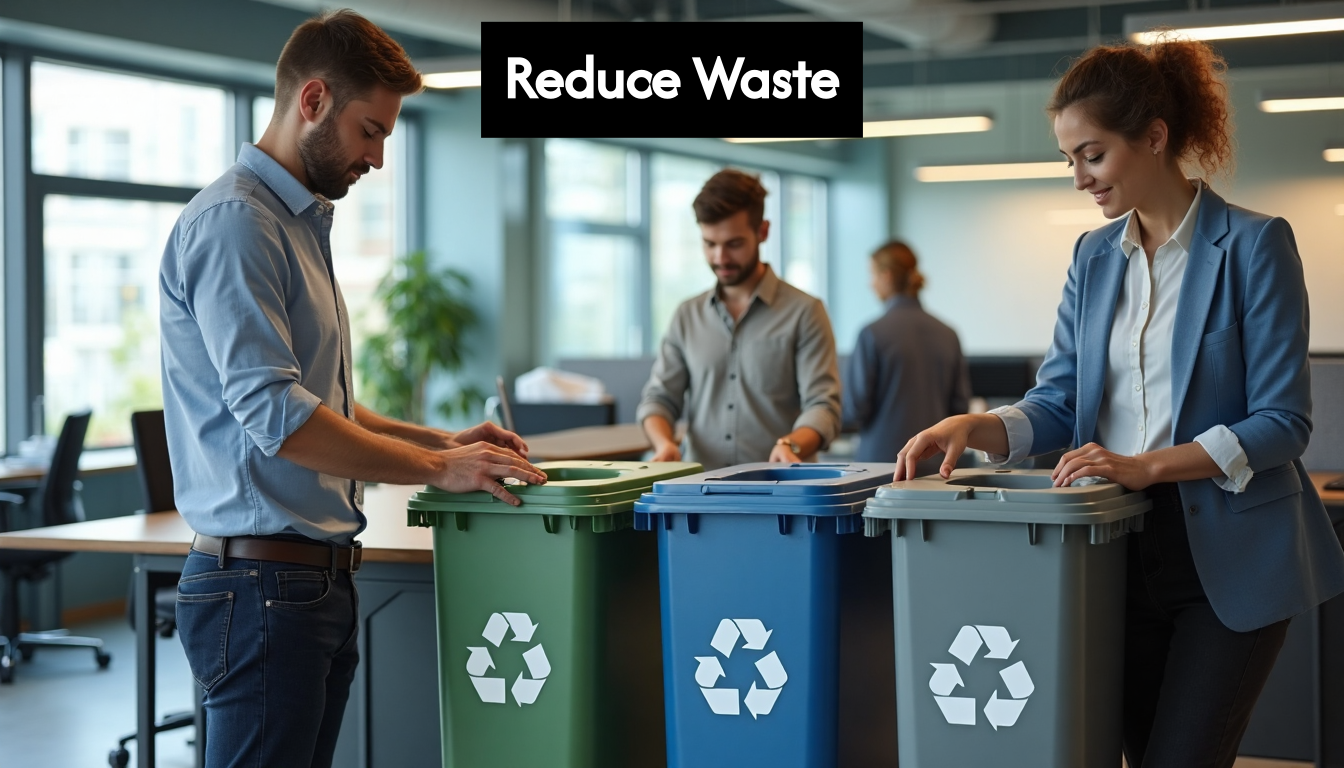
UK businesses produce a staggering amount of commercial waste every year and by 2025, strict new laws will make proper waste sorting a non-negotiable priority. Here is the surprise. Most firms still rely on outdated methods that lead to recyclable materials being tossed out with general rubbish. The real shift is coming fast because from March 2025, every UK business must implement full waste segregation systems, affecting even the smallest enterprises and bringing in potential fines for non-compliance that could run into thousands of pounds. The new rules are about more than ticking boxes. They set the stage for a smarter, more resourceful approach that could transform rubbish into real savings and seriously cut environmental harm.
Table of Contents
- Understanding Business Waste Streams In The UK
- Practical Ways To Reduce Waste On-Site
- Secure And Compliant Waste Disposal Solutions
- Innovative Strategies For Special And Hazardous Waste
Quick Summary
| Takeaway | Explanation |
|---|---|
| Effective Waste Segregation is Essential | Businesses must implement robust on-site segregation systems for different waste materials to comply with new regulations, enhancing recycling and reducing overall waste volumes. |
| Embrace the Circular Economy | Companies are encouraged to adopt circular economy principles, focusing on resource optimization, redesigning products for recycling, and creating closed-loop supply chains to minimise waste generation. |
| Comply with Regulatory Changes | Starting 31 March 2025, all businesses must have comprehensive waste separation systems in place, which necessitate training staff and establishing internal processes to manage waste effectively. |
| Implement Advanced Technologies | Leveraging smart waste monitoring and advanced sorting technologies can significantly improve waste management efficiency, helping businesses track and reduce waste generation. |
| Prioritize Secure Waste Disposal | Secure and compliant waste disposal, especially for hazardous and confidential materials, is vital to mitigate legal risks and protect data security, necessitating rigorous handling protocols. |

Understanding Business Waste Streams in the UK
Businesses across the United Kingdom generate substantial waste volumes that require strategic management and responsible disposal. By 2025, UK businesses will face significant regulatory changes that demand a comprehensive approach to waste stream identification and management.
The Complexity of Business Waste Categories
Business waste is not a monolithic concept but a complex ecosystem of different materials and disposal requirements. Companies generate multiple waste streams that demand specific handling protocols. According to UK Government Environmental Guidelines, businesses must now categorize their waste into distinct streams:
- Dry Recyclables: Including plastic, metal, glass, paper, and cardboard
- Food Waste: Organic materials requiring separate collection
- Non-Recyclable Waste: Residual materials with no immediate recycling potential
- Hazardous Waste: Materials requiring specialized disposal methods
The new regulations represent a significant shift in waste management practices. Our guide on waste collection provides detailed insights into navigating these complex requirements.
Regulatory Landscape and Compliance Requirements
From 31 March 2025, businesses in England must implement comprehensive waste separation systems. This mandate applies to organizations of all sizes, with micro-firms (fewer than 10 employees) granted a slightly extended timeline until 31 March 2027 to fully comply.
The implications are substantial. Businesses must develop robust internal processes to:
- Segregate different waste materials at the point of generation
- Implement proper storage and collection mechanisms
- Train staff on correct waste disposal protocols
- Partner with licensed waste management providers
Non-compliance can result in significant legal penalties, including financial fines and potential operational restrictions. Companies must view waste management not as an administrative burden but as a critical environmental responsibility.
Strategic Waste Reduction Approaches
Effective waste stream management goes beyond mere compliance. Progressive businesses are developing holistic strategies that minimize waste generation and maximize resource efficiency. This approach involves:
- Conducting comprehensive waste audits
- Identifying opportunities for waste reduction
- Implementing circular economy principles
- Investing in staff training and awareness programs
By understanding the nuanced landscape of business waste streams, UK companies can transform regulatory requirements into opportunities for operational improvement and environmental stewardship. The journey towards sustainable waste management requires commitment, innovation, and a proactive approach to resource conservation.
Practical Ways to Reduce Waste On-Site
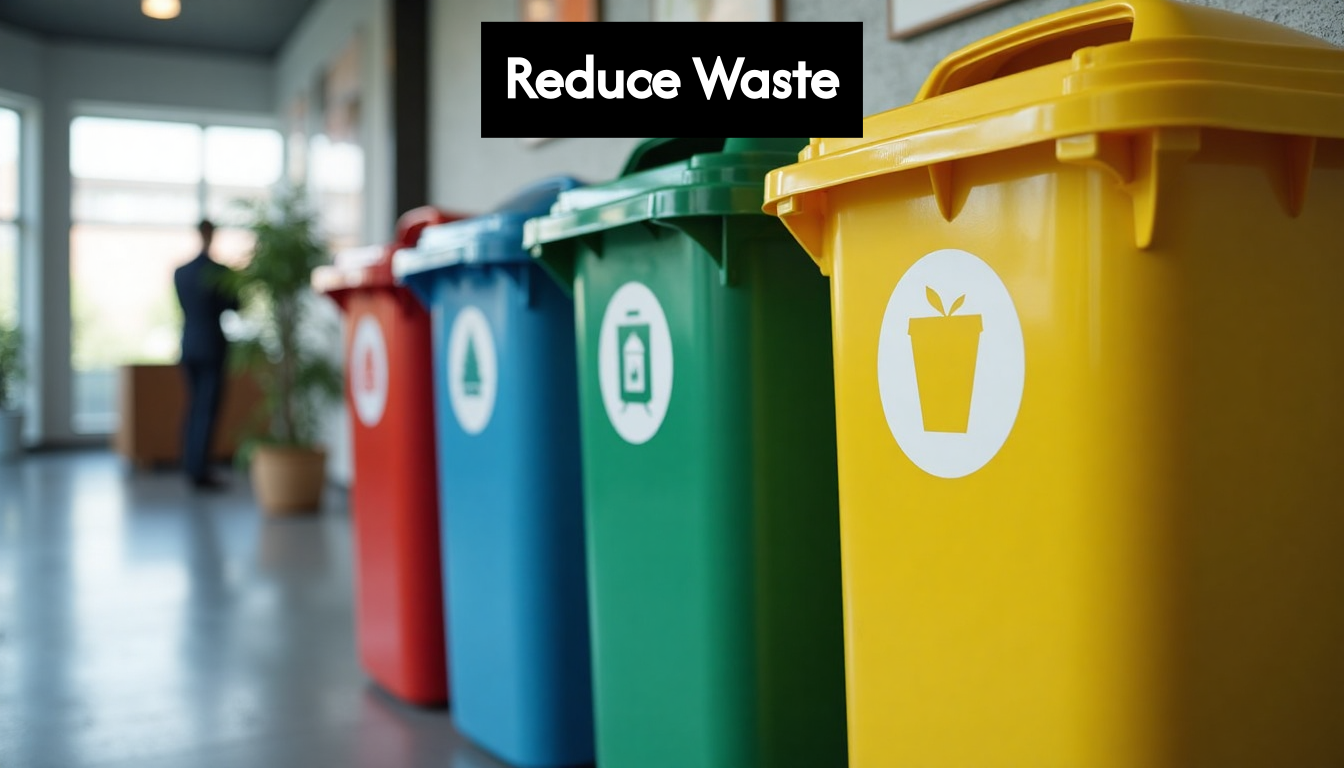
Reducing waste on-site requires a strategic and comprehensive approach that goes beyond traditional disposal methods. UK businesses must now implement proactive waste management strategies that align with the new regulatory landscape and environmental sustainability goals.
Implementing Effective Waste Segregation Systems
Successful waste reduction begins with robust on-site segregation protocols. According to UK Government Environmental Guidelines, businesses must separate waste streams with precision. This means creating dedicated collection points for different materials, including:
- Food waste
- Paper and cardboard
- Plastic and metal
- Glass materials
- Electronic waste
Explore our comprehensive waste management guide to understand the intricacies of proper waste segregation. Companies should invest in clearly labeled bins, staff training programs, and visual signage that makes waste separation intuitive and straightforward.
Circular Economy and Resource Optimization
Progressive businesses are moving beyond simple waste reduction to embrace circular economy principles. This approach focuses on maximizing resource use and minimizing waste generation. Research from the Waste and Resources Action Programme indicates that businesses can significantly reduce their environmental footprint by:
- Redesigning products for easier recycling
- Implementing reuse and repair programs
- Partnering with suppliers committed to sustainable practices
- Developing closed-loop supply chain models
The goal is to transform waste from a disposal problem into a resource opportunity. By carefully analyzing waste streams, businesses can identify potential for material recovery, repurposing, and internal recycling.
Technology and Innovation in Waste Reduction
Technological solutions are becoming increasingly important in on-site waste management. Smart waste monitoring systems can help businesses track waste generation, identify reduction opportunities, and optimize collection processes. Key technological interventions include:
- Digital waste tracking platforms
- IoT-enabled waste bins with fill-level sensors
- Data analytics for waste stream analysis
- Automated sorting technologies
Businesses must view waste reduction as an ongoing process of continuous improvement. Regular waste audits, employee engagement programs, and investment in innovative technologies are crucial for long-term success. The most effective waste reduction strategies combine technical solutions with cultural change, creating an organizational mindset that prioritizes resource efficiency and environmental responsibility.
By adopting these practical approaches, UK businesses can not only comply with new regulations but also demonstrate leadership in sustainable waste management practices.
Secure and Compliant Waste Disposal Solutions
Secure and compliant waste disposal has become a critical responsibility for UK businesses in 2025, requiring sophisticated strategies that address both environmental regulations and data protection concerns. The landscape of waste management demands a comprehensive approach that goes far beyond simple disposal.
Legal Framework and Compliance Requirements
Businesses must navigate a complex regulatory environment that mandates precise waste handling protocols. According to UK Government Waste Management Guidelines, companies are required to:
- Obtain and maintain appropriate waste carrier licenses
- Generate and maintain accurate waste transfer notes
- Ensure complete traceability of waste from generation to final disposal
- Demonstrate compliance through detailed documentation
Learn more about confidential waste risk management to understand the intricate legal landscape surrounding waste disposal. The penalties for non-compliance can be substantial, including significant financial fines and potential legal repercussions.
Data Security and Confidential Waste Handling
In an era of increasing data protection regulations, businesses must treat waste disposal as a critical security function. Research from the Information Commissioner’s Office highlights the importance of secure document destruction and digital waste management. Key considerations include:
- Implementing secure destruction protocols for sensitive documents
- Using certified waste management providers
- Creating audit trails for confidential waste disposal
- Protecting against potential data breaches through comprehensive waste management strategies
Companies must recognize that waste disposal is not just an operational task but a crucial element of risk management and corporate responsibility.
Technology and Best Practices in Waste Disposal
Modern waste disposal solutions leverage advanced technologies to ensure security and compliance. Innovative approaches include:
- Digital tracking systems for waste streams
- Secure on-site destruction technologies
- Blockchain-enabled waste traceability platforms
- Advanced sorting and segregation technologies
The most effective waste disposal strategies combine technological innovation with rigorous compliance protocols. Businesses should view waste management as a dynamic process that requires continuous improvement, regular audits, and a proactive approach to emerging regulatory requirements.
By implementing comprehensive secure and compliant waste disposal solutions, UK businesses can protect their operational integrity, meet legal requirements, and demonstrate a commitment to environmental and data security standards. The future of waste management is not just about disposal but about creating a responsible, transparent, and secure approach to resource management.
Innovative Strategies for Special and Hazardous Waste
Special and hazardous waste management represents a critical challenge for UK businesses in 2025, demanding sophisticated approaches that balance environmental safety, regulatory compliance, and operational efficiency. The complexity of these waste streams requires targeted strategies that go beyond traditional disposal methods.
Regulatory Compliance and Risk Management
Navigating the intricate landscape of hazardous waste regulations requires comprehensive understanding and proactive management. According to UK Health and Safety Executive Guidelines, businesses must implement rigorous protocols for identifying, classifying, and managing special waste categories. Key compliance requirements include:
- Precise waste stream categorization
- Comprehensive documentation and tracking
- Specialized storage and transportation protocols
- Regular staff training on hazardous material handling
Explore our detailed guide on hazardous waste handling to understand the nuanced requirements for different waste types. Businesses must recognize that non-compliance can result in substantial financial penalties and potential legal consequences.
Advanced Treatment and Disposal Technologies
Innovative technologies are transforming the approach to special and hazardous waste management. Research from the Environmental Services Association highlights emerging solutions that prioritize safety and sustainability:
- Chemical neutralization processes
- Advanced thermal treatment technologies
- Plasma gasification techniques
- Molecular decomposition methods
- Secure encapsulation technologies
These cutting-edge approaches enable businesses to convert potentially dangerous waste streams into manageable, less harmful materials. The goal is not just disposal but responsible transformation that minimizes environmental impact and reduces long-term risks.
Sustainable Waste Reduction Strategies
Progressive businesses are moving beyond traditional disposal models to implement circular economy principles for special and hazardous waste. This approach focuses on:
- Waste prevention and minimization
- Material recovery and reuse
- Developing closed-loop waste management systems
- Investing in research for alternative material solutions
By adopting a holistic perspective, companies can transform hazardous waste from a compliance burden into an opportunity for innovation and environmental stewardship. The most successful strategies combine technological innovation, regulatory compliance, and a commitment to continuous improvement.
Ultimately, managing special and hazardous waste requires a multifaceted approach that balances technical expertise, regulatory knowledge, and a forward-thinking environmental commitment. UK businesses that invest in sophisticated waste management strategies will not only meet legal requirements but also position themselves as leaders in sustainable industrial practices.
Frequently Asked Questions
What are the new waste regulations for UK businesses by 2025?
From 31 March 2025, all UK businesses must implement comprehensive waste segregation systems, meaning they need to sort waste into specific categories like dry recyclables, food waste, non-recyclables, and hazardous waste to avoid potential fines.
How can businesses effectively reduce waste on-site?
Businesses can reduce on-site waste by implementing effective waste segregation systems, adopting circular economy principles, and leveraging technology such as smart waste monitoring and automated sorting solutions.
What are the risks of non-compliance with waste regulations in the UK?
Non-compliance with UK waste regulations can result in substantial fines, legal repercussions, and operational restrictions if companies fail to maintain proper waste segregation and disposal practices.
How can a circular economy approach help in waste reduction for businesses?
A circular economy approach encourages businesses to redesign products for recycling, optimise resource use, and establish closed-loop supply chains, transforming waste into valuable resources and significantly reducing overall waste generation.
Ready to Make Business Waste Reduction Simple and Compliant?
Struggling with the demands of the incoming 2025 business waste laws and worried about the risks of non-compliance or sky-high fines? You are not alone. Most UK companies face real challenges with waste segregation, hazardous disposal, and confidential document destruction. If sorting WEEE waste, staying on top of secure handling, or meeting recycling requirements is causing confusion or stress, there is a better way. Discover our WEEE Waste management solutions to take control of complex commercial waste streams with less hassle.

Businesses that act now enjoy peace of mind knowing they are ahead of the law and helping the environment. Do not wait until penalties hit. Visit Venture Waste Management today to book your reliable waste service and get expert guidance on every step. Let us help you move confidently into 2025 with straightforward compliance and sustainable results.


Leave a Reply
Want to join the discussion?Feel free to contribute!