

GDPR Compliant Waste Disposal: 2025 Guide for UK Businesses
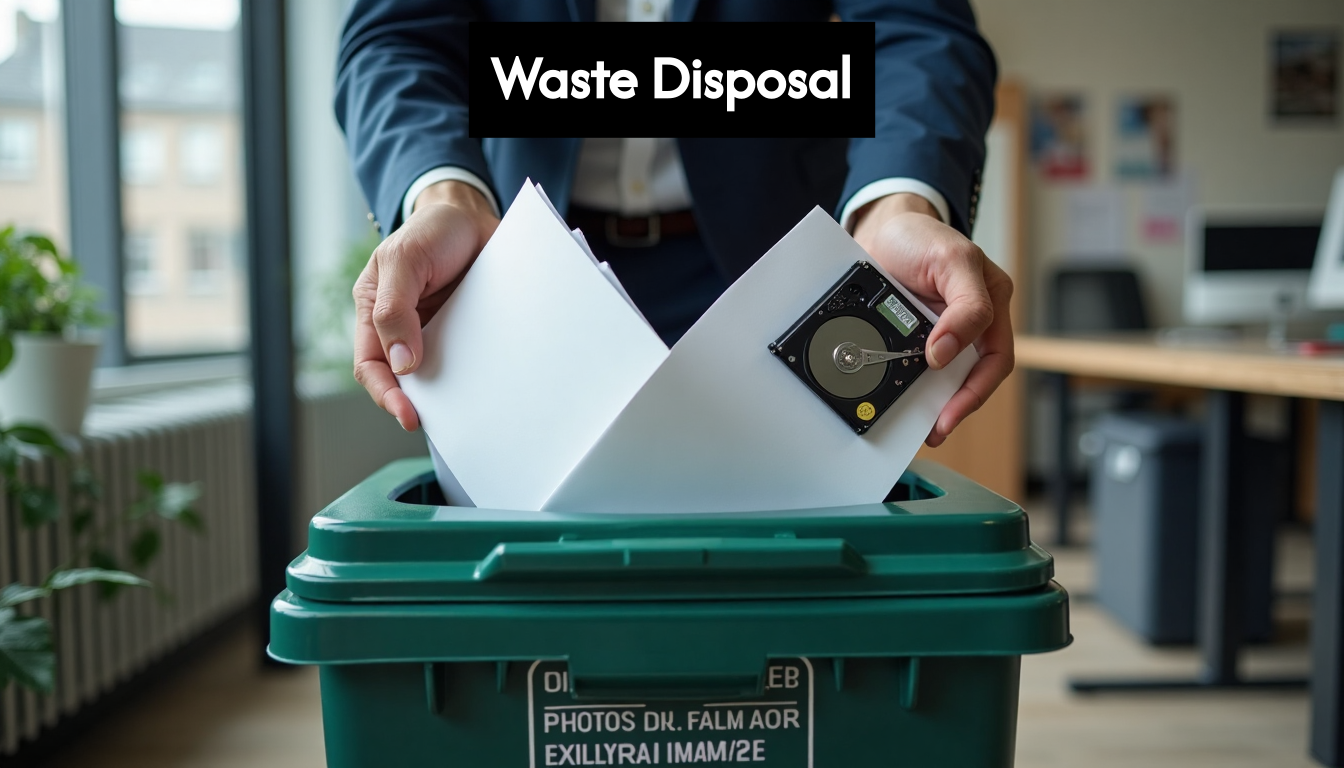
GDPR compliant waste disposal is about more than just shredding old papers. UK firms face strict rules for getting rid of any material holding personal data, whether it’s on paper or a hard drive. Yet, here’s where most go wrong. Over £17.5 million in penalties hang over businesses that mishandle sensitive waste every year. It’s not the bins or bags that matter most here. The real test is in the process and meticulous record-keeping—where even a single missed audit trail could see you breached and fined. The details in what follows might surprise you.
Table of Contents
- What Is Gdpr Compliant Waste Disposal?
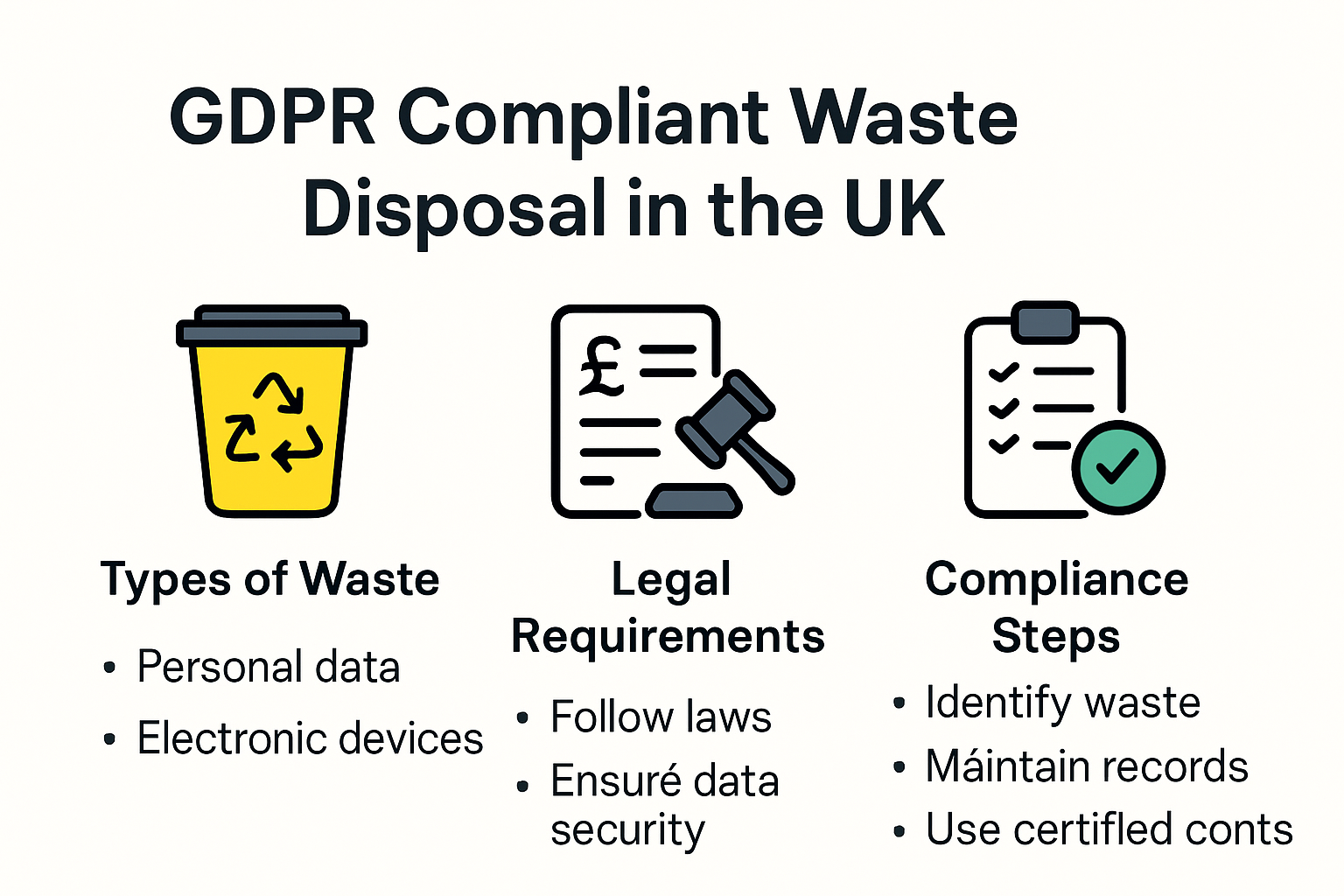
- Types Of Waste Affected By Gdpr Regulations
- Practical Steps For Secure Office And Industrial Waste Disposal
- Choosing The Right Gdpr Compliant Waste Partner
Quick Summary
| Takeaway | Explanation |
|---|---|
| GDPR Compliance is Essential | Businesses in the UK must adhere to GDPR regulations for waste disposal, ensuring secure destruction of personal data to avoid financial penalties and reputational damage. |
| Understand Waste Types | GDPR regulations cover various waste types beyond paper documents, including digital media and specialized waste from specific industries, necessitating thorough disposal strategies. |
| Implement Secure Collection Protocols | Establishing lockable bins and segregated collection points for confidential materials is crucial for upholding data protection standards in the workplace. |
| Staff Training is Critical | Comprehensive training for employees on handling sensitive information and proper disposal methods reduces human error and strengthens compliance. |
| Choose Certified Waste Partners | Selecting a waste management partner with essential certifications and advanced tracking capabilities helps organisations maintain rigorous GDPR compliance and safeguards against data breaches. |
 |
What Is GDPR Compliant Waste Disposal?
GDPR compliant waste disposal represents a critical legal requirement for UK businesses managing sensitive personal data across physical and digital formats. At its core, this process ensures that all documents, records, and materials containing personal information are destroyed securely and systematically, preventing potential data breaches and protecting individual privacy rights.
Understanding Data Protection in Waste Management
Under the General Data Protection Regulation (GDPR), businesses are legally obligated to implement robust waste disposal strategies that completely eliminate the risk of unauthorized data access. This means more than simply throwing documents in a bin. Learn about secure business disposal methods that meet stringent data protection standards.
The regulation mandates comprehensive destruction protocols for any medium containing personal data. This includes paper documents, digital storage devices, hard drives, USB drives, CDs, and other physical media that might contain sensitive information. Businesses must demonstrate a clear audit trail showing how and when data was securely destroyed.
Certification and Compliance Requirements
According to Westminster Clean Streets guidance, GDPR compliant waste disposal requires businesses to obtain a certificate of destruction from an accredited confidential shredding facility. These certificates serve as legal proof that personal data has been irretrievably destroyed in accordance with regulatory standards.
From March 31, 2025, UK businesses with more than 10 employees will face even stricter waste management regulations. The new Simpler Recycling legislation introduces more rigorous requirements for waste segregation and secure document disposal. Companies must prepare for routine compliance checks and potential financial penalties for inadequate data protection practices.
Key elements of GDPR compliant waste disposal include:
- Secure Destruction: Complete and irreversible elimination of all personal data
- Audit Trail: Documented evidence of destruction process
- Professional Certification: Official documentation from authorized waste management providers
- Comprehensive Coverage: Protection for both physical and digital information formats
Businesses must recognize that GDPR compliant waste disposal is not optional but a legal necessity. The potential consequences of non-compliance include significant financial penalties, reputational damage, and potential legal action. By implementing robust, certified waste disposal processes, organizations can protect sensitive information, maintain regulatory compliance, and demonstrate their commitment to data privacy.
Types of Waste Affected by GDPR Regulations
GDPR regulations encompass a wide range of waste types that contain personal or sensitive information, extending far beyond traditional paper documents. Understanding these categories is crucial for businesses seeking comprehensive data protection and regulatory compliance.
Physical Document Waste
Physical document waste represents a significant category of GDPR-regulated materials. This includes employee records, customer files, financial statements, medical records, contracts, and any printed materials containing identifiable personal data. According to waste management guidance, businesses must implement secure destruction methods like industrial shredding to prevent unauthorized information access.
The Environmental Protection Act 1990 reinforces these requirements, imposing a duty of care on organizations to handle and dispose of confidential waste responsibly. Explore our comprehensive guide on confidential waste management to understand the nuanced legal landscape surrounding document disposal.
Digital and Electronic Media
Digital waste represents an increasingly complex category of GDPR-regulated materials. This includes hard drives, USB drives, external storage devices, CDs, DVDs, backup tapes, smartphones, tablets, and computers that store personal information. The UK Data Protection Act 2018 mandates that electronic devices must undergo complete data wiping or physical destruction to ensure no recoverable data remains.
Businesses face significant risks when disposing of electronic media. Research indicates potential financial penalties can reach up to £17.5 million or 4% of annual global turnover for non-compliance. Critical considerations include:
- Data Sanitization: Complete erasure of stored information
- Physical Destruction: Rendering electronic media unreadable
- Certification: Obtaining documented proof of secure disposal
- Chain of Custody: Maintaining a transparent disposal process

Specialized and Industry-Specific Waste
Certain industries generate unique waste types requiring specialized GDPR compliance approaches. Healthcare providers manage patient records, financial institutions handle sensitive transaction documents, and research organizations process extensive personal datasets. Each sector must develop tailored waste disposal strategies that meet both data protection regulations and industry-specific compliance requirements.
The breadth of waste affected by GDPR regulations underscores the importance of a comprehensive, systematic approach to information disposal. Businesses must recognize that regulatory compliance extends beyond simple document shredding. It requires a holistic strategy that addresses physical, digital, and specialized waste streams while maintaining rigorous standards of data protection and privacy.
Practical Steps for Secure Office and Industrial Waste Disposal
Implementing GDPR compliant waste disposal requires a systematic and comprehensive approach that addresses both physical security and organizational protocols. Businesses must develop robust strategies that protect sensitive information throughout the entire waste management process.
Establishing Secure Waste Collection Protocols
Effective waste management begins with creating dedicated secure collection points within office and industrial environments. Read our detailed guide on confidential waste management to understand comprehensive protection strategies. Organizations should implement lockable confidential waste bins in strategic locations, ensuring that sensitive documents cannot be accessed by unauthorized personnel.
According to workplace recycling regulations, from 31 March 2025, all UK workplaces must separate waste streams meticulously. This includes creating distinct collection points for:
- Confidential Paper Waste: Secured lockable containers
- Electronic Media: Dedicated secure storage for devices
- General Recyclables: Clearly marked segregation zones
- Non-Recyclable Materials: Separate designated areas
Staff Training and Awareness
Human error represents a significant risk in data protection. Comprehensive staff training is crucial in maintaining GDPR compliance. Businesses must develop structured training programs that educate employees about proper waste handling procedures, understanding what constitutes sensitive information, and recognizing potential data breach risks.
Key training components should include:
- Identifying confidential documents
- Understanding proper disposal methods
- Recognizing potential security vulnerabilities
- Following strict chain of custody protocols
Implementing Professional Destruction Processes
Professional waste destruction is the cornerstone of GDPR compliance. Companies must partner with certified waste management providers who can provide comprehensive destruction services and detailed documentation. According to industry guidelines, businesses should insist on receiving certificates of destruction that demonstrate complete and secure information elimination.
Best practices for secure waste disposal include:
- On-site document shredding
- Secure digital data wiping
- Complete physical destruction of electronic media
- Maintaining detailed audit trails
- Regular compliance reviews
The practical implementation of GDPR compliant waste disposal requires a holistic approach. Businesses must view waste management not as a peripheral activity but as a critical component of their data protection strategy. By combining technological solutions, staff training, and professional destruction services, organizations can effectively mitigate risks and demonstrate their commitment to protecting sensitive information.
Remember that non-compliance is not an option. The potential consequences extend beyond financial penalties, potentially damaging an organization’s reputation and eroding customer trust. Proactive, comprehensive waste disposal strategies are no longer optional but a fundamental requirement of responsible business operations.
Choosing the Right GDPR Compliant Waste Partner
Selecting an appropriate waste management partner represents a critical decision for businesses seeking to maintain robust GDPR compliance. The right partner will not only ensure secure data destruction but also provide comprehensive protection against potential regulatory breaches and information security risks.
Essential Certification and Compliance Credentials
When evaluating potential waste management partners, businesses must prioritize providers with rigorous certification and compliance credentials. Explore our comprehensive guide on confidential waste management to understand the critical factors in partner selection. According to legal experts, key certifications to look for include:
- ISO 27001: Information security management standard
- BS 7858: Security screening of personnel
- Environment Agency Waste Carrier License: Legal authorization for waste transportation
- BSIA Approved: British Security Industry Association certification
Technological Capabilities and Tracking Systems
Modern GDPR compliance demands sophisticated technological capabilities. A superior waste management partner should offer advanced tracking systems that provide complete transparency throughout the waste disposal process. This includes:
- Real-time digital tracking of waste materials
- Secure chain of custody documentation
- Detailed audit trails for each disposal event
- Comprehensive destruction certificates
The technological infrastructure of a waste management partner directly impacts the security and reliability of data protection efforts. Businesses must assess potential partners not just on their current capabilities but on their capacity to adapt to evolving regulatory requirements.
Due Diligence and Ongoing Compliance Monitoring
Choosing a GDPR compliant waste partner extends beyond initial selection. According to workplace recycling regulations, businesses must conduct ongoing due diligence to ensure continuous compliance. This involves:
- Regular audits of the waste management partner’s processes
- Verification of destruction methodologies
- Assessment of staff training and security protocols
- Monitoring of technological and regulatory updates
Businesses should view their waste management partner as a critical extension of their internal data protection strategy. The right partner will not just dispose of waste but will actively contribute to an organization’s information security ecosystem.
Ultimately, the selection of a GDPR compliant waste partner is a strategic decision that requires careful consideration. By prioritizing certifications, technological capabilities, and a commitment to ongoing compliance, businesses can mitigate risks and demonstrate their dedication to protecting sensitive information. The potential consequences of an inadequate waste management approach extend far beyond financial penalties—they can fundamentally compromise an organization’s reputation and customer trust.
Frequently Asked Questions
What is GDPR compliant waste disposal?
GDPR compliant waste disposal ensures that all materials containing personal data, whether physical or digital, are securely destroyed in accordance with regulatory standards, preventing data breaches and protecting individual privacy rights.
What types of waste are covered by GDPR regulations?
GDPR regulations cover a variety of waste types, including physical document waste (like employee records and customer files), digital and electronic media (such as hard drives and USB drives), and specialized waste from industries like healthcare and finance.
How can businesses implement secure waste disposal protocols?
Businesses can establish secure waste disposal protocols by creating dedicated collection points for confidential materials, providing lockable bins, and training staff on proper disposal methods and recognising sensitive information.
Why is it important to choose a certified waste management partner?
Choosing a certified waste management partner is crucial as they ensure compliance with legal requirements, provide secure destruction services, and help maintain an audit trail, thereby reducing the risk of data breaches and potential fines.
Ready to Achieve Full GDPR Compliance for Your Waste Disposal?
You have just learned the dangers and complexity of managing confidential waste under GDPR. Whether you are worried about missing audit trails, avoiding costly fines, or unsure how to destroy both physical documents and digital media securely, you are not alone. Many UK businesses feel overwhelmed by strict new rules and the risk of non-compliance. If you are uncertain about handling secure document shredding or need help with compliant hard drive destruction, the experts at confidential waste can guide you at every step.

Take control today to safeguard your business and reputation. Book a GDPR-compliant service with Venture Waste Management right now to guarantee proper destruction, reliable audit trails and fast certification. Do not wait until the new regulations make things even tougher. Let us help you stay compliant, confident and secure. Visit our hard drive destruction page to learn more or get started.


Leave a Reply
Want to join the discussion?Feel free to contribute!