

How to Choose WEEE Waste Disposal Company: 2025 Guide for UK Businesses

Choosing a WEEE waste disposal company can feel daunting when one misstep can lead to unlimited fines for non-compliance, according to official guidance. Plenty assume that every company offering recycling ticks all the regulatory boxes. Not even close. The real difference? Most businesses never check if their provider keeps the detailed records required by law for at least four years. That oversight could cost dearly. Here’s what separates the truly compliant from the rest.
Table of Contents
- Understanding WEEE Waste Disposal Regulations In The UK
- Key Factors When Comparing WEEE Waste Disposal Companies
- Ensuring Secure And Compliant Disposal For Businesses
- Questions To Ask Your WEEE Waste Disposal Provider
Quick Summary
| Takeaway | Explanation |
|---|---|
| Regulatory compliance is essential | Businesses must verify that WEEE waste disposal companies have the necessary certifications and adhere to UK waste management regulations to avoid legal penalties. |
| Documentation practices are crucial | Companies should ensure that their waste disposal partners maintain detailed records of electronic waste disposal, including waste transfer notes and certificates of destruction, for at least four years. |
| Environmental commitment is key | When selecting a WEEE disposal provider, focus on their recycling capabilities and investments in green technologies to support sustainable waste management practices. |
| Data security must be prioritized | Evaluate potential partners based on their data destruction methods and request chain of custody documentation to safeguard sensitive information during disposal. |
| Ask the right questions | Engage potential WEEE waste disposal providers in comprehensive discussions about their compliance status, data security measures, and environmental impact to ensure alignment with business values. |

Understanding WEEE Waste Disposal Regulations in the UK
WEEE waste disposal regulations represent a critical framework for businesses managing electrical and electronic equipment at the end of its lifecycle. These regulations aim to reduce environmental impact and promote responsible waste management across the United Kingdom. Understanding the nuanced requirements is essential for businesses seeking compliance and sustainable practices.
Key Legislative Components of WEEE Regulations
The Waste Electrical and Electronic Equipment (WEEE) Regulations establish comprehensive guidelines for handling electronic waste. Businesses must recognize that these regulations extend beyond simple disposal. They mandate specific collection, treatment, recovery, and environmentally sound recycling processes for all electrical and electronic equipment.
From 2025, significant changes are expected in the regulatory landscape. Our comprehensive guide on secure business disposal provides deeper insights into these evolving requirements. According to government guidance, businesses must now take proactive steps in managing their electronic waste.
Reporting and Compliance Requirements
Businesses are required to meticulously track and report their electrical and electronic equipment. The new regulations introduce more stringent reporting mechanisms, particularly for online marketplaces. As outlined by ERP Recycling UK, online platforms must now:
- Register with approved WEEE compliance schemes
- Pay mandatory registration fees
- Report comprehensive data on equipment placed in the UK market
- Contribute to collection and treatment costs
Additionally, retailers with electrical and electronic equipment sales areas exceeding 400 square metres must accept small WEEE items (under 25 cm) free of charge from private households. This requirement underscores the government’s commitment to accessible and responsible electronic waste management.
The introduction of dedicated WEEE categories for emerging technologies like vaping products demonstrates the regulatory framework’s adaptability. From 2025, producers of vape-related equipment will be required to cover collection and treatment costs, with new reporting requirements starting that year and collection targets set for 2026.
Businesses must view these regulations not as bureaucratic obstacles but as opportunities to demonstrate environmental responsibility. Proper WEEE waste disposal is no longer optional but a legal and ethical imperative for modern organisations.
Navigating these complex regulations requires strategic planning, comprehensive understanding, and partnership with certified waste management professionals who can guide businesses through the intricate compliance landscape.
Key Factors When Comparing WEEE Waste Disposal Companies
Selecting the right WEEE waste disposal company requires a strategic approach that goes beyond basic pricing considerations. Businesses must conduct comprehensive evaluations to ensure regulatory compliance, environmental responsibility, and operational efficiency.
Regulatory Compliance and Certification
The cornerstone of choosing a reliable WEEE waste disposal partner is verifying their regulatory credentials. Companies must demonstrate full compliance with UK waste management regulations. Our comprehensive waste management guide highlights the critical importance of working with certified providers.
Key compliance indicators include:
- Approved Authorised Treatment Facility (AATF) certification
- Membership in accredited Producer Compliance Schemes (PCS)
- Comprehensive record-keeping practices
According to the Office for Product Safety and Standards, non-compliance can result in significant legal consequences, including unlimited fines and enforcement actions. Businesses must request and verify documentation proving the waste disposal company’s regulatory adherence.
Documentation and Traceability
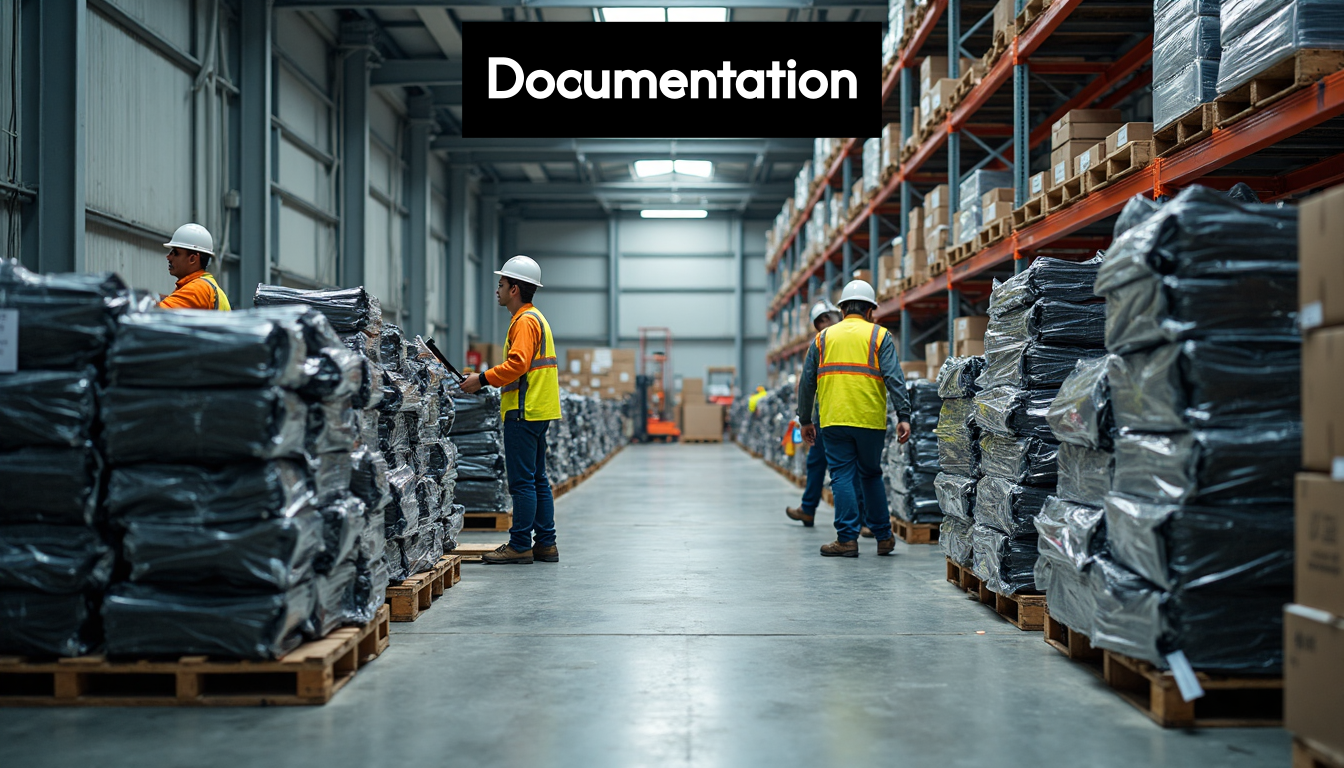
Transparency in waste management is crucial. The UK government mandates that businesses maintain detailed records of electronic waste disposal for at least four years. When comparing waste disposal companies, evaluate their documentation practices meticulously.
Businesses should request and examine:
- Detailed waste transfer notes
- Certificates of destruction
- Comprehensive recycling and disposal reports
- Environmental impact assessments
The government guidance emphasizes the importance of maintaining robust documentation to demonstrate responsible waste management and support environmental reporting obligations.
Technological Capabilities and Environmental Commitment
Modern WEEE waste disposal goes beyond mere collection and destruction. Progressive companies invest in advanced recycling technologies and demonstrate a genuine commitment to environmental sustainability.
Evaluate potential waste disposal partners based on:
- Recycling rates and efficiency
- Investment in green technologies
- Ability to handle specialized electronic waste
- Commitment to circular economy principles
Businesses should prioritize waste disposal companies that not only meet regulatory requirements but actively contribute to reducing electronic waste’s environmental impact. This approach transforms waste management from a compliance exercise to a strategic environmental initiative.
Choosing the right WEEE waste disposal company requires careful consideration, thorough research, and a commitment to responsible waste management. By focusing on regulatory compliance, documentation practices, and technological capabilities, businesses can select a partner that supports their operational needs and environmental responsibilities.
Ensuring Secure and Compliant Disposal for Businesses
Secure and compliant WEEE waste disposal represents a critical responsibility for modern businesses. The landscape of electronic waste management is rapidly evolving, with new regulations and technological requirements transforming how organisations approach equipment disposal.
Risk Management and Data Protection
Electronic waste disposal extends far beyond physical destruction. Businesses must implement comprehensive risk management strategies that protect sensitive information and comply with data protection regulations. Our comprehensive risk management guide provides essential insights into protecting your organisation’s critical assets.
Specifically, businesses should focus on:
- Secure data wiping protocols
- Physical destruction of storage devices
- Chain of custody documentation
- Detailed audit trails
According to The Recycler, from January 2025, UK importers of electrical and electronic equipment will bear full responsibility for WEEE compliance, including precise reporting and recycling requirements.
Regulatory Compliance and Treatment Standards
Navigating the complex landscape of WEEE disposal demands meticulous attention to regulatory requirements. The Environment Agency sets stringent standards for electronic waste treatment, and businesses must ensure their chosen disposal partner meets these exacting specifications.
Key compliance considerations include:
- Proper equipment categorization
- Accurate volume reporting
- Adherence to treatment standards
- Comprehensive documentation
As outlined by ERP Recycling UK, businesses must maintain rigorous documentation to demonstrate legal and environmental responsibility.
Technological and Environmental Considerations
Modern WEEE disposal transcends mere waste management. Progressive businesses view electronic waste as an opportunity to contribute to circular economy principles and demonstrate environmental leadership.
Consider providers that:
- Maximize material recovery
- Minimize environmental impact
- Invest in advanced recycling technologies
- Provide transparent reporting
The UK government’s updated guidelines emphasize the growing importance of comprehensive waste management strategies that go beyond basic disposal.
Selecting a WEEE waste disposal partner is a strategic decision that requires careful evaluation of technological capabilities, regulatory compliance, and environmental commitment. Businesses must approach this process with diligence, recognizing that effective electronic waste management is integral to operational excellence and corporate responsibility.
Questions to Ask Your WEEE Waste Disposal Provider
Selecting the right WEEE waste disposal provider requires a strategic approach and thorough due diligence. Businesses must go beyond surface-level assessments and ask probing questions that reveal a provider’s true capabilities, compliance, and commitment to responsible waste management.
Regulatory Compliance and Certification
Before engaging any WEEE waste disposal provider, businesses must thoroughly investigate their regulatory standing. Our comprehensive secure disposal guide recommends asking the following critical questions:
- Are you registered with the Environment Agency?
- Can you provide proof of current WEEE handling licenses?
- What compliance schemes are you registered with?
- How do you stay updated with changing WEEE regulations?
According to government guidance, providers must demonstrate comprehensive understanding and adherence to current waste management regulations. Businesses should request documented evidence of these credentials and verify their authenticity with official sources.
Data Security and Destruction Protocols
In an era of increasing data protection requirements, understanding a provider’s data destruction capabilities is paramount. Businesses must interrogate potential WEEE waste disposal partners about their security measures.
Key questions to ask include:
- What data destruction methods do you employ?
- Can you provide certificates of secure destruction?
- How do you ensure complete data elimination from electronic devices?
- What chain of custody documentation will you provide?
As outlined by industry research, robust documentation and transparent processes are essential for protecting sensitive business information during the disposal process.
Environmental Impact and Recycling Capabilities
Progressive businesses view WEEE disposal as more than a compliance requirement. It is an opportunity to demonstrate environmental responsibility and support circular economy principles.
Businesses should explore the following aspects with potential waste disposal providers:
- What percentage of collected WEEE do you actually recycle?
- Can you provide detailed environmental impact reports?
- How do you ensure maximum material recovery?
- What investments have you made in green recycling technologies?
The UK government’s updated guidelines emphasize the importance of comprehensive waste management strategies that prioritize environmental sustainability.
Selecting a WEEE waste disposal provider is a nuanced decision that requires careful evaluation. By asking targeted questions across regulatory compliance, data security, and environmental responsibility, businesses can identify a partner that not only meets legal requirements but also aligns with their corporate values and sustainability goals.
Remember, the right waste disposal partner is more than a service provider. They are a strategic ally in your organization’s waste management and environmental stewardship journey.
Frequently Asked Questions
What are the WEEE regulations in the UK?
WEEE regulations govern the disposal and recycling of Waste Electrical and Electronic Equipment in the UK, ensuring environmentally sound management and reporting of electronic waste.
How can I ensure my WEEE waste disposal company is compliant?
Verify that the company holds the necessary certifications, such as Approved Authorised Treatment Facility (AATF) status and membership in accredited Producer Compliance Schemes (PCS).
What documentation should I expect from my WEEE waste disposal provider?
You should receive detailed waste transfer notes, certificates of destruction, and comprehensive reports on recycling and disposal practices to ensure traceability and compliance.
Why is data security important in WEEE disposal?
Data security is crucial to protect sensitive information during the disposal process. Ensuring secure data wiping or destruction methods and obtaining chain of custody documentation are essential safeguards.
Guarantee Your WEEE Compliance – Avoid Fines, Protect Your Reputation
Choosing a WEEE waste disposal company is not just about ticking a box. The article above reveals how failing to verify compliance and documentation practices leaves UK businesses exposed to unlimited fines and serious reputational risk. You need a partner who ensures every step matches the exacting demands of the latest WEEE regulations. See how our WEEE Waste solutions make documentation, secure handling and responsible recycling straightforward and stress-free.

Do not wait until a compliance check disrupts your business. Visit Venture Waste Management today and discover how easy it is to book fully certified, traceable collections. Take the next step in safeguarding your company – schedule your compliant WEEE disposal now.


Leave a Reply
Want to join the discussion?Feel free to contribute!