Business electronic waste prepared for collection

WEEE Collections North East 2025: Secure & Compliant Solutions for UK Businesses
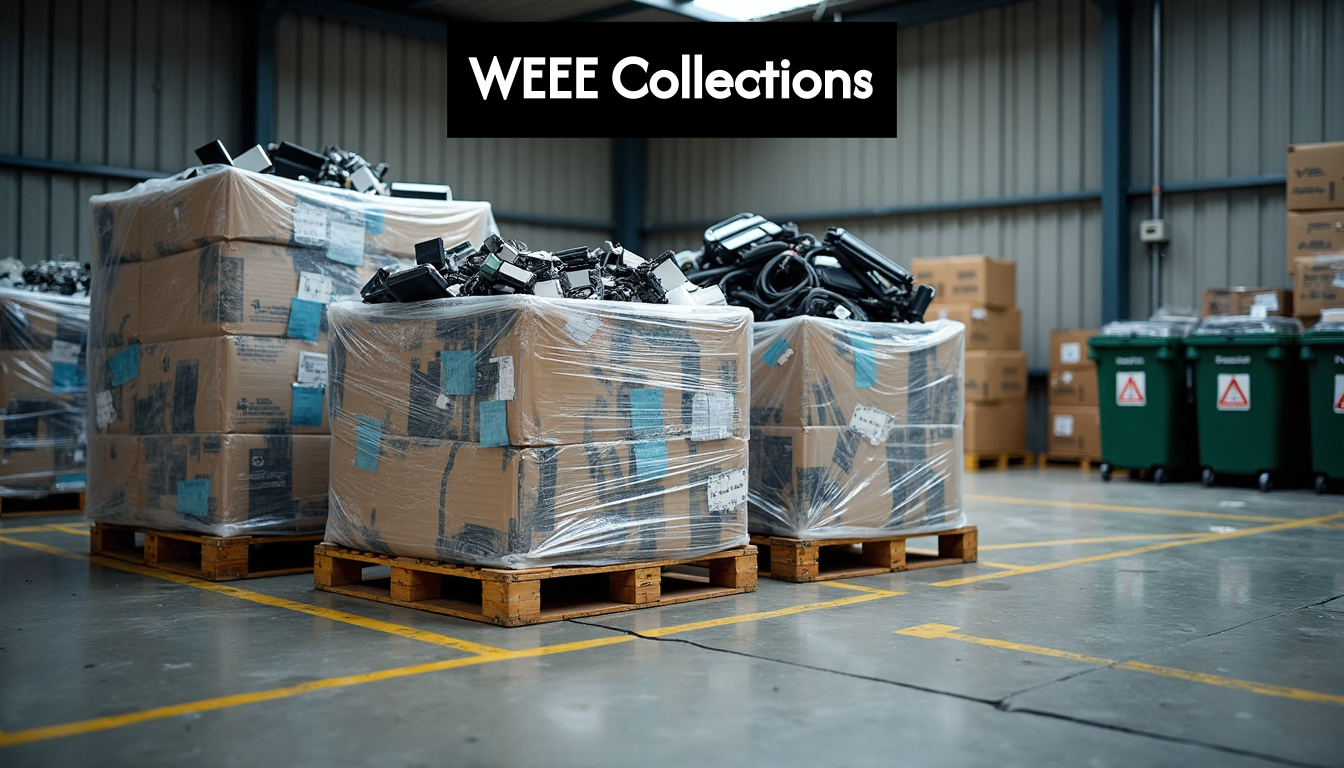
Business electronic waste prepared for collection

Businesses across the North East are facing new realities around electronic waste collection, with WEEE regulations tightening in 2025 and making compliance more crucial than ever. Here is a fact that might surprise you. The UK’s provisional WEEE collection target for 2025 is 512,209 tonnes, up 3.21 percent over the previous period. Many assume that WEEE collections are just a matter of ticking legal boxes. The real advantage comes from adopting a strategic approach that can turn electronic waste into a sustainable business resource while sidestepping significant legal risk.

Table of Contents

Quick Summary

Takeaway Explanation
Regulatory Compliance is Mandatory From January 2025, businesses handling over 5 tonnes of electrical equipment annually must register with a Producer Compliance Scheme to ensure compliance with WEEE regulations.
Strategic Waste Management is Critical Businesses should develop comprehensive waste management plans focusing on inventory management, secure disposal, and recycling optimization to enhance environmental responsibility and legal compliance.
Understanding Sector-specific Obligations Different sectors, including manufacturing, commercial, and specialized industries, have unique WEEE collection requirements that must be adhered to for legal compliance and effective waste management.
Choose Certified Disposal Partners Selecting a WEEE disposal partner with proven regulatory compliance, secure data destruction protocols, and environmentally responsible practices is essential for ensuring proper electronic waste management.
Risk Management is Essential Non-compliance with WEEE regulations can lead to significant legal and financial risks, necessitating proactive compliance audits and continuous staff training on waste management protocols.


Comprehensive WEEE Collection Services Explained

WEEE collection services represent a critical infrastructure for responsible electronic waste management across UK businesses. Understanding these services goes beyond mere disposal – it involves a comprehensive approach to environmental protection, legal compliance, and sustainable resource management.
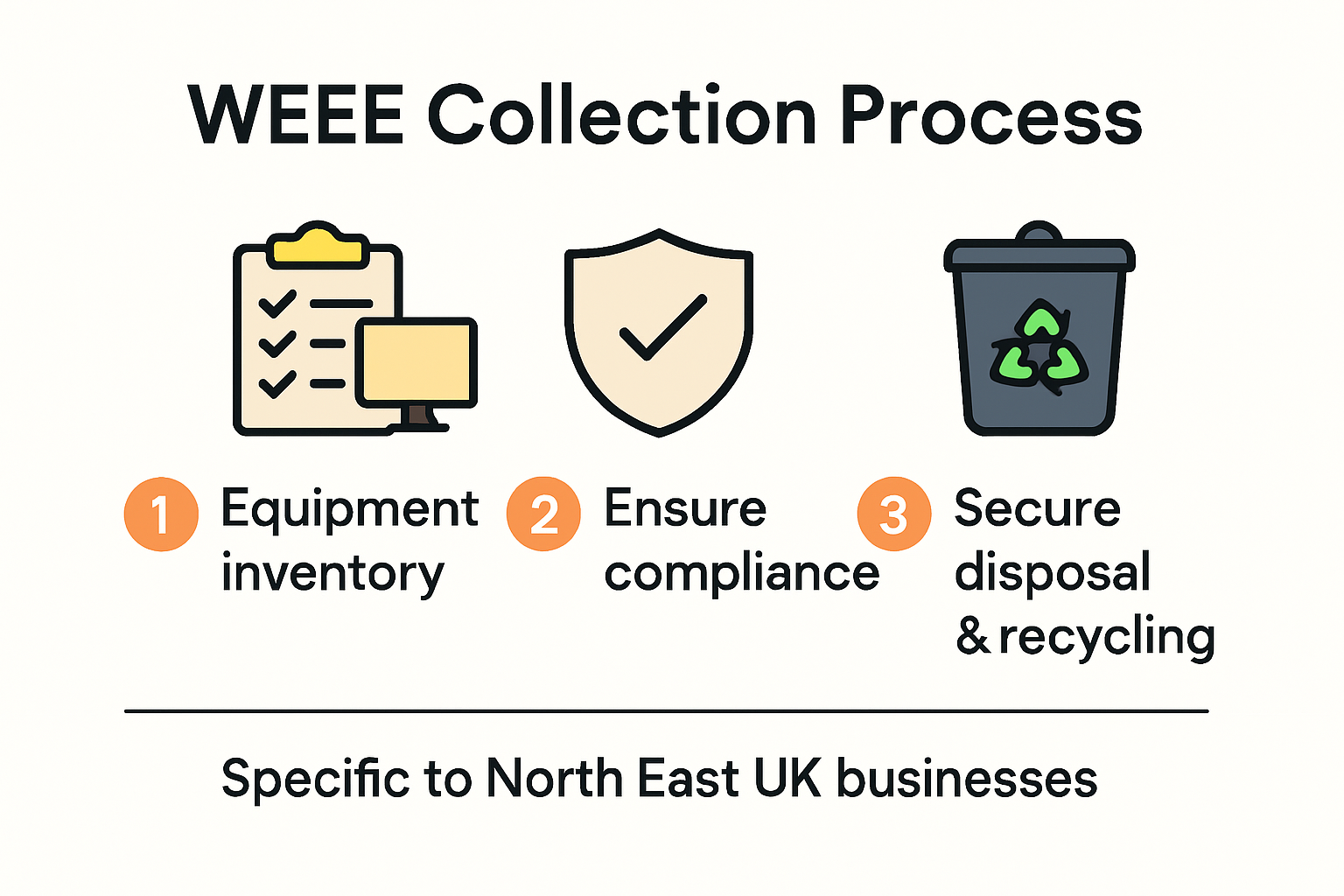
Infographic explaining WEEE collection process for North East businesses

The Core Components of WEEE Collection

Electrical and electronic waste management requires a sophisticated process that begins long before waste reaches collection points. From January 2025, small producers must register through the WEEE online service, signaling a significant shift in how businesses handle electronic waste. This registration process ensures transparent tracking and accountability for electronic equipment throughout its lifecycle.

The collection process typically involves multiple critical stages. First, businesses must segregate different types of electronic waste – separating computing equipment from industrial machinery, medical devices from office electronics. Each category requires specific handling protocols to ensure maximum recycling potential and minimal environmental impact. Specialized containers and designated collection areas become essential for effective waste management.

Regulatory Landscape and Business Responsibilities

The UK’s waste management framework continues to evolve. The Simpler Recycling Scheme implemented in March 2025 represents a pivotal moment for business waste management. This scheme mandates consistent collection processes across households and commercial premises, creating standardized guidelines that simplify compliance.

Businesses must now understand their precise obligations. The provisional UK household WEEE collection target for 2025 stands at 512,209 tonnes – a 3.21% increase from previous reporting periods. This target isn’t just a number but a clear signal of increased environmental accountability. Companies must not only collect their electronic waste but also demonstrate a strategic approach to responsible disposal.

Strategic Waste Management Approach

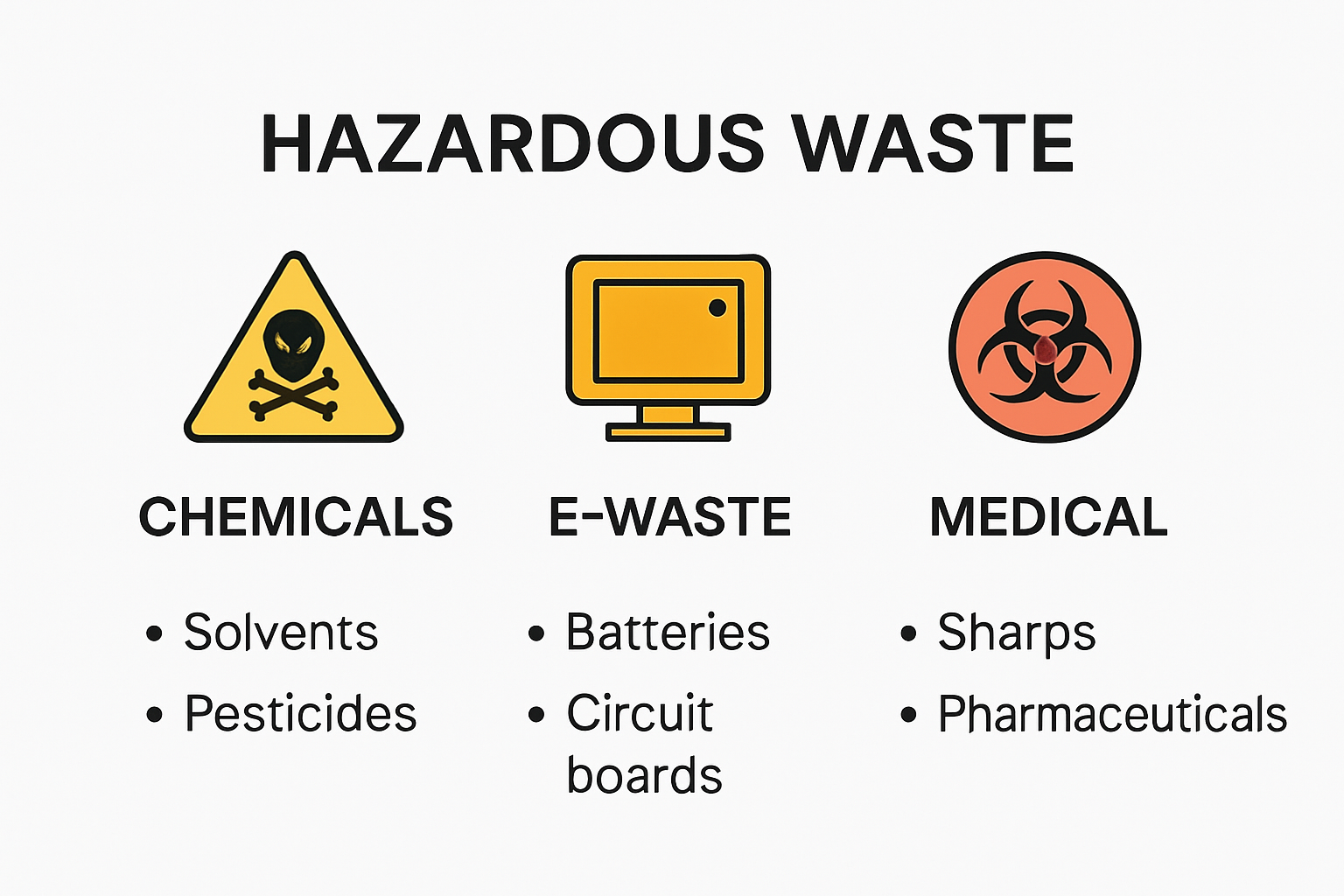
Effective WEEE collection goes beyond mere disposal. It requires a holistic strategy that considers environmental impact, potential resource recovery, and legal compliance. Businesses should develop comprehensive waste management plans that include:

  • Inventory Management: Detailed tracking of electronic equipment from procurement to end-of-life
  • Secure Disposal: Ensuring data protection during electronic waste handling
  • Recycling Optimization: Maximizing resource recovery from discarded electronics

By adopting a proactive approach, businesses can transform electronic waste from a potential environmental liability into a sustainable resource management opportunity. The WEEE waste collection archive provides further insights into evolving best practices in this critical area of environmental responsibility.

Navigating WEEE collection requires more than compliance – it demands a commitment to environmental stewardship, technological innovation, and responsible business practices.

Who Needs WEEE Collections: Business Sectors Served

WEEE collections are not a one-size-fits-all service but a targeted approach designed to meet the unique waste management needs of diverse business sectors. From manufacturing facilities to healthcare institutions, understanding which businesses require electronic waste management is crucial for legal compliance and environmental responsibility.

Workers sorting electronics for recycling

Manufacturing and Industrial Sectors

Manufacturers sit at the forefront of electronic waste generation. Industrial enterprises producing electrical and electronic equipment generate substantial volumes of WEEE through production processes, equipment upgrades, and technological obsolescence. From January 2025, UK importers of electrical equipment will assume full responsibility for WEEE compliance, including registration, reporting, and financing collection and recycling.

Key manufacturing sectors requiring comprehensive WEEE collections include:

  • Electronics manufacturing
  • Automotive component producers
  • Industrial machinery manufacturers
  • Semiconductor and computer hardware producers

These industries must implement rigorous waste tracking systems to monitor electronic equipment throughout its lifecycle, ensuring responsible disposal and potential resource recovery.

Commercial and Service Sector Obligations

Beyond traditional manufacturing, numerous commercial and service sectors have significant WEEE management responsibilities. The Simpler Recycling Scheme mandates consistent electronic waste collection across various business environments.

Businesses requiring specialized WEEE collections include:

  • Retail outlets selling electronic goods
  • Office complexes with extensive computing infrastructure
  • Healthcare facilities with medical electronic equipment
  • Educational institutions with technological resources
  • Hospitality venues with electronic entertainment systems

Particularly noteworthy is the emerging obligation for vape-related businesses. The UK government’s 2025 WEEE reforms introduce a dedicated category for vapes, meaning producers and retailers must now manage the collection and treatment of these items as specialized electronic waste.

Emerging and Specialized Sectors

Some business sectors might not immediately recognize their WEEE collection responsibilities. Emerging technological industries and specialized service providers are increasingly required to develop comprehensive electronic waste management strategies.

This includes:

  • Technology startups
  • Research and development laboratories
  • Telecommunications companies
  • Digital infrastructure providers
  • Renewable energy equipment manufacturers

Businesses can explore comprehensive disposal solutions to ensure they meet regulatory requirements and contribute to sustainable waste management practices.

Effective WEEE collection is more than a legal obligation – it represents a commitment to environmental stewardship, resource conservation, and responsible business practices across all sectors of the UK economy.

Legal compliance in WEEE collections represents a complex and dynamic landscape for UK businesses. The regulatory framework continues to evolve, demanding sophisticated approaches to electronic waste management that go beyond simple disposal and embrace comprehensive environmental responsibility.

Regulatory Registration and Reporting Requirements

From January 2025, businesses face significant new obligations in electronic waste management. Companies handling more than 5 tonnes of Electrical and Electronic Equipment (EEE) annually must join a Producer Compliance Scheme to meet their legal requirements. This mandatory registration ensures transparent tracking of electronic waste throughout its lifecycle.

Key registration requirements include:

  • Detailed documentation of electronic equipment imports
  • Precise volume reporting for each equipment category
  • Comprehensive tracking of waste generation and disposal

The UK government’s approach emphasizes accountability, with online marketplaces now required to join compliance schemes and take responsibility for overseas sellers’ WEEE, creating a more integrated regulatory environment.

Compliance Mechanisms for Business Sectors

Different business sectors face unique compliance challenges. Secure business disposal solutions must address sector-specific nuances while maintaining consistent legal standards. The 2025 regulatory changes introduce specialized requirements for emerging sectors like vape product manufacturers.

Notable compliance mechanisms include:

  • Mandatory labeling of electronic equipment
  • Financing collection and recycling infrastructure
  • Implementing transparent waste tracking systems
  • Developing comprehensive waste management protocols

Specifically, according to UK waste management regulations, importers will now assume full responsibility for WEEE compliance, including registering as producers, reporting volumes, and ensuring proper product labeling.

Non-compliance with WEEE regulations carries significant financial and legal risks. Businesses must develop proactive strategies that not only meet current requirements but anticipate future regulatory developments. This involves:

  • Regular compliance audits
  • Continuous staff training on waste management protocols
  • Investment in advanced tracking and reporting technologies
  • Engagement with specialized waste management professionals

The North East region’s approach to WEEE collections emphasizes a holistic view of legal compliance – transforming regulatory obligations from a potential burden into an opportunity for sustainable business practices.

Effective WEEE collections are no longer just about waste disposal. They represent a critical intersection of environmental responsibility, legal compliance, and corporate governance.

Choosing the Right WEEE Disposal Partner

Selecting an appropriate WEEE disposal partner represents a critical decision for businesses committed to responsible electronic waste management. The right partner not only ensures legal compliance but also contributes to sustainable environmental practices and protects sensitive business information.

Regulatory Compliance and Certification

Businesses must prioritize WEEE disposal partners who demonstrate comprehensive regulatory adherence. According to the UK government’s official Code of Practice, a credible disposal partner should meet several key criteria:

  • Compliance with environmental waste legislation
  • Transparent data reporting mechanisms
  • Prioritisation of whole equipment reuse
  • Meeting expected service level standards

Moreover, businesses should verify that potential WEEE disposal partners have appropriate environmental permits and correct authorisations for WEEE transport and treatment. This ensures not just legal compliance, but also minimizes environmental risks associated with electronic waste disposal.

Comprehensive Disposal and Data Protection Strategies

Beyond regulatory compliance, an ideal WEEE disposal partner offers holistic waste management solutions. Secure business disposal solutions should encompass multiple critical aspects:

  • Secure data destruction protocols
  • Environmentally responsible recycling processes
  • Detailed documentation and tracking
  • Certified downstream waste management

UK business regulations require companies to join an approved Producer Compliance Scheme within 28 days of placing electrical and electronic equipment on the market. Therefore, your chosen disposal partner should demonstrate ability to support these complex compliance requirements.

Evaluating Disposal Partner Capabilities

Selecting the right WEEE disposal partner involves a comprehensive assessment of their operational capabilities and commitment to environmental stewardship. Key evaluation criteria include:

  • Proven track record in electronic waste management
  • Advanced recycling and resource recovery technologies
  • Transparent reporting and audit trails
  • Commitment to circular economy principles
  • Competitive pricing without compromising environmental standards

Businesses should conduct thorough due diligence, including reviewing certifications, requesting case studies, and understanding the partner’s entire waste management ecosystem. The goal extends beyond mere disposal – it’s about creating a sustainable, responsible waste management strategy.

Ultimately, choosing the right WEEE disposal partner is an investment in your business’s environmental responsibility, legal compliance, and long-term sustainability. The decision requires careful consideration, strategic thinking, and a commitment to responsible electronic waste management.

Frequently Asked Questions

What are WEEE collections, and why are they important for businesses?

WEEE (Waste Electrical and Electronic Equipment) collections are services that manage the disposal of electronic waste. They are crucial for businesses due to tightening regulations in 2025 that require compliance to avoid legal and financial risks, while also contributing to environmental sustainability.

Who needs to comply with WEEE regulations in 2025?

From January 2025, businesses that handle over 5 tonnes of electrical and electronic equipment annually must register with a Producer Compliance Scheme. This includes various sectors such as manufacturing, healthcare, retail, and technology.

How can businesses ensure compliance with WEEE regulations?

To ensure compliance, businesses should register with a Producer Compliance Scheme, develop a comprehensive waste management plan, and consider partnering with certified WEEE disposal companies that follow legal requirements and best practices for electronic waste management.

What should businesses look for in a WEEE disposal partner?

When selecting a WEEE disposal partner, businesses should seek those with proven regulatory compliance, secure data destruction protocols, environmentally responsible recycling processes, and transparent documentation to ensure effective waste management and legal adherence.

Ready to Take the Stress Out of WEEE Compliance in the North East?

Businesses across the region are under growing pressure to meet strict 2025 WEEE regulations, as covered in the article. Ensuring secure collection, traceable disposal and full legal compliance can feel overwhelming, especially with ever-changing responsibilities. Non-compliance not only risks heavy fines but can threaten your reputation and sustainability ambitions. If you want peace of mind and a simple way to manage your obligations, Venture Waste Management is here to help. Our regulation solutions keep your business protected under the latest UK rules.
https://venturewaste.co.uk

Why wait for the rush or risk a compliance gap? Make your WEEE collections smooth, safe and transparent today. Visit Venture Waste’s main site to book a collection, explore specialist help or sign up for expert updates. Take control of your electronic waste now and ensure your business stays ahead of WEEE regulations.

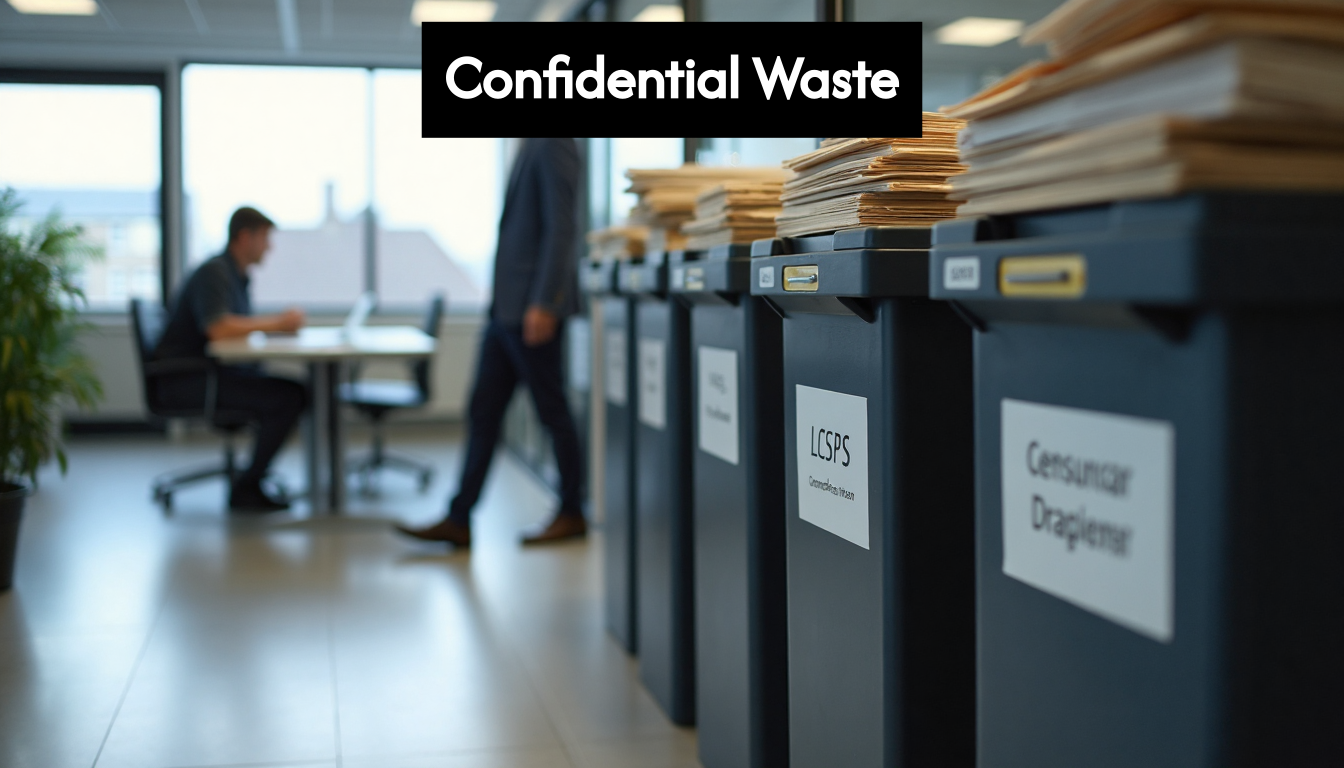
Secure office with confidential waste bins

Top Confidential Waste Companies North East for Secure Business Disposal 2025

Secure office with confidential waste bins

Confidential waste is piling up as North East businesses handle thousands of sensitive documents and digital files every single week. New rules coming into force from 31 March 2025 will require all companies with 10 or more staff to separate and securely destroy confidential materials or face steep financial penalties. Most expect paper shredders or a few bins to solve the problem. The real disruptor is the evolving wave of compliance standards and data protection laws set to shake up every waste room and office cupboard across the region.

Table of Contents

Quick Summary

Takeaway Explanation
Importance of Confidential Waste Services Confidential waste management is crucial for North East businesses to mitigate legal risks, safeguard corporate intelligence, and maintain professional reputation amidst growing data privacy risks and regulatory requirements.
Types of Confidential Waste Businesses must recognise the various types of confidential waste they produce, including document-based, digital, and specialised sector-specific waste, each requiring tailored disposal strategies for effective management.
Choosing a Reliable Provider When selecting a confidential waste company, businesses should evaluate key criteria such as certified destruction processes, secure transportation, and comprehensive documentation to ensure robust waste management and compliance.
Compliance with 2025 Standards As new regulations come into effect from 31 March 2025, businesses must implement rigorous waste disposal protocols and conduct regular audits to avoid substantial financial penalties and uphold their reputation.
Comprehensive Approach to Information Security A holistic approach to waste disposal is essential, encompassing all stages from collection to destruction, to protect sensitive information and align with evolving compliance and security standards.

Why North East Businesses Need Confidential Waste Services

Confidential waste management has become a critical necessity for businesses across the North East, driven by increasing regulatory requirements and the escalating risks of data breaches. Sensitive information disposal represents more than just a compliance checkbox it is a fundamental protection mechanism for organisational integrity and reputation.

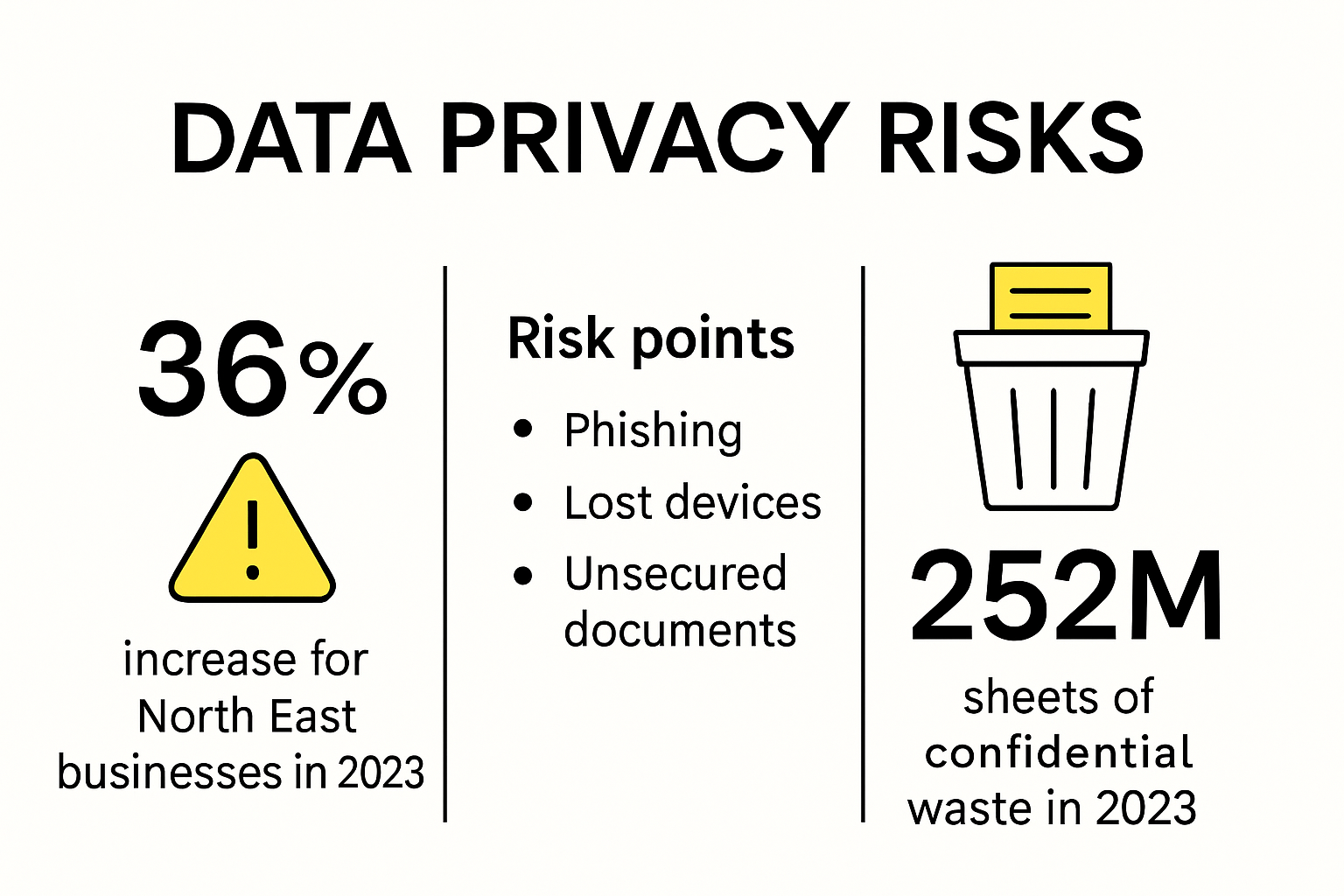
The Growing Landscape of Data Privacy Risks

Businesses in the North East face unprecedented challenges in protecting sensitive information. According to global market research, the secure waste disposal market is projected to reach $5–7 billion by 2025, highlighting the immense significance of proper confidential waste management. This surge underscores the critical need for robust disposal strategies that safeguard against potential data leaks and regulatory penalties.

The risks are multifaceted. From financial records and customer information to strategic documents and employee data, businesses generate vast quantities of sensitive materials daily. A single mishandled document could expose an organisation to significant legal and reputational damage. Cybercriminals and industrial competitors constantly seek opportunities to exploit inadequate waste management practices.

Infographic showing confidential waste risks and stats for North East businesses

Regulatory Compliance and Business Protection

The implementation of new waste management regulations further emphasises the importance of professional confidential waste services. Recent legislative changes effective from 31 March 2025 will require businesses with 10 or more employees to ensure comprehensive collection and secure disposal of core waste streams. Non compliance could result in substantial financial penalties and potential legal consequences.

Businesses in the North East must recognise that confidential waste disposal is not merely an administrative task but a strategic imperative. By partnering with professional confidential waste services, organisations can:

  • Mitigate Legal Risks: Ensure complete compliance with data protection regulations
  • Protect Corporate Intelligence: Prevent potential information leaks
  • Maintain Professional Reputation: Demonstrate commitment to data security

Moreover, professional waste management services offer specialised destruction techniques that go beyond simple paper shredding. From secure document collection to certified destruction processes, these services provide comprehensive solutions tailored to modern business needs.

The digital age has transformed confidential waste management from a peripheral concern to a core business strategy. North East businesses cannot afford to be complacent. The potential consequences of inadequate waste disposal extend far beyond immediate financial risks, potentially compromising an organisations entire operational ecosystem.

Investing in professional confidential waste services is not an expense but a critical investment in organisational security, regulatory compliance, and long term business resilience.

Types of Confidential Waste Handled by Leading Companies

Confidential waste management involves a complex ecosystem of sensitive materials that require specialised disposal strategies. Businesses across various sectors generate unique types of confidential waste that demand precise handling and secure destruction techniques.

Document-Based Confidential Waste

Paper documents represent the most traditional form of confidential waste. According to waste management experts, this category encompasses an extensive range of sensitive materials including financial records, personnel files, client information, business plans, legal documents, and intellectual property. Professional waste companies typically handle documents such as:

  • Financial Documents: Bank statements, tax returns, invoices
  • Personnel Records: Employee contracts, performance reviews
  • Strategic Materials: Business proposals, market research data
  • Legal Paperwork: Contracts, litigation documents

Businesses must understand that these documents contain critical information that could compromise organisational integrity if improperly discarded. Confidential waste risk management strategies ensure complete destruction beyond simple shredding.

Technician destroying hard drives and documents

Digital and Electronic Confidential Waste

In the digital age, electronic waste represents a growing segment of confidential disposal requirements. From hard drives and USB devices to servers and mobile phones, electronic media often contains highly sensitive data. Secure disposal solutions must address multiple destruction methods:

  • Computer Hardware: Hard drives, motherboards
  • Storage Devices: USB drives, external drives
  • Corporate Electronics: Servers, networking equipment
  • Communication Devices: Mobile phones, tablets

Companies specialising in confidential waste understand that digital destruction requires advanced techniques like degaussing, physical destruction, and secure data wiping to prevent potential information recovery.

Specialised Industrial and Sector-Specific Confidential Waste

Beyond standard documentation, certain industries generate unique confidential waste streams requiring specialised handling. Healthcare providers manage medical records, pharmaceutical companies handle research data, and financial institutions process complex financial documentation. These sectors demand nuanced disposal approaches that comply with stringent regulatory requirements.

With the new Simpler Recycling regulations effective from 31 March 2025, businesses must implement more rigorous waste separation and disposal protocols. This includes distinct collection methods for paper, electronic, and sector-specific confidential materials.

Effective confidential waste management transcends mere document destruction. It represents a comprehensive approach to protecting organisational intelligence, maintaining regulatory compliance, and safeguarding sensitive information from potential security breaches. North East businesses must partner with professional waste management services that offer tailored, secure, and certified destruction processes.

Choosing a Trusted Confidential Waste Company in the North East

Selecting a reliable confidential waste management partner represents a critical decision for businesses across the North East. The right service provider can significantly mitigate data breach risks and ensure comprehensive regulatory compliance.

Key Criteria for Evaluating Confidential Waste Companies

Businesses must conduct thorough assessments when selecting a confidential waste partner. Confidential waste risk management involves several crucial evaluation parameters. Reputable companies should demonstrate:

  • Certified Destruction Processes: Compliance with BS EN 15713 standard
  • Comprehensive Documentation: Provision of destruction certificates
  • Secure Transportation: Tracked and monitored waste collection
  • Transparent Reporting: Detailed waste disposal documentation

According to industry security experts, businesses should prioritise providers offering end-to-end secure waste management solutions. This means tracking materials from collection through complete destruction, ensuring no potential data compromise points exist.

Regional North East Confidential Waste Providers

The North East boasts several distinguished confidential waste management services. Local providers like Venture Waste Management in Spennymoor offer specialised solutions tailored to regional business needs. Companies such as Simply Shredding Ltd and national brands like Shred-it provide comprehensive coverage across Newcastle, Northumberland, and surrounding areas.

Regional businesses should consider providers demonstrating:

  • Local operational knowledge
  • Rapid response capabilities
  • Flexible service packages
  • Competitive pricing structures
  • Proven track record of secure disposal

When evaluating potential partners, request detailed service portfolios, understand their destruction methodologies, and verify their compliance certifications. A trustworthy confidential waste company will transparently communicate their processes and offer comprehensive security guarantees.

Technology and Security Considerations

Modern confidential waste management extends beyond traditional paper shredding. Businesses must select providers equipped with advanced technological capabilities for handling diverse waste streams. This includes secure digital data destruction, physical hardware demolition, and comprehensive tracking systems.

With the new Simpler Recycling regulations effective from 31 March 2025, companies must ensure their waste management partners can adapt to evolving legislative requirements. This means implementing sophisticated separation and disposal protocols across document, electronic, and specialised waste categories.

Ultimately, choosing a confidential waste company is an investment in organisational security. North East businesses should view this decision as a strategic partnership focused on protecting sensitive information, maintaining regulatory compliance, and safeguarding corporate reputation. Thorough research, careful evaluation, and a commitment to comprehensive security will guide businesses towards the most suitable confidential waste management solution.

Compliance and Security Standards for Waste Disposal in 2025

The landscape of confidential waste disposal is undergoing significant transformations in 2025, with increasingly stringent compliance and security standards reshaping how businesses manage sensitive information. North East organisations must navigate a complex regulatory environment that demands meticulous attention to detail and robust waste management protocols.

Confidential waste risk management has become more critical than ever. The Data Protection Act 2018, which incorporates GDPR principles, mandates that businesses implement comprehensive strategies for protecting personal and sensitive information. According to waste management experts, this means ensuring that all confidential waste undergoes secure destruction processes that completely eliminate the risk of data reconstruction or unauthorized access.

Key legal requirements include:

  • Mandatory secure destruction of documents containing personal data
  • Comprehensive documentation of waste disposal processes
  • Implementation of traceable destruction chains
  • Maintaining detailed audit trails for all confidential waste

Technical Standards and Destruction Methodologies

The British Standard BS EN 15713:2009 provides a comprehensive framework for confidential waste disposal. New recycling regulations effective from 31 March 2025 introduce additional complexity, requiring businesses with more than 10 employees to implement sophisticated waste separation and destruction protocols.

Professional waste management services must now demonstrate:

  • Multiple destruction methodologies for different media types
  • Certified digital and physical destruction techniques
  • Advanced tracking and verification systems
  • Compliance with evolving technological security standards

Destruction methods have become increasingly sophisticated. Digital media requires complete data wiping, physical destruction, or degaussing. Paper documents demand industrial-grade shredding that renders reconstruction impossible. Electronic devices need specialised dismantling processes that guarantee complete data elimination.

Compliance Implications and Risk Management

Non-compliance carries substantial risks. Businesses face potential:

  • Significant financial penalties
  • Legal prosecution
  • Reputational damage
  • Loss of customer trust

The cost of inadequate confidential waste management far exceeds the investment in professional disposal services. Companies must view compliance as a strategic imperative, not merely an administrative checkbox. This means developing comprehensive waste management strategies that anticipate regulatory changes and technological advancements.

Businesses in the North East must adopt a proactive approach. This involves:

  • Regular compliance audits
  • Continuous staff training
  • Investment in cutting-edge destruction technologies
  • Partnership with certified waste management providers

The 2025 landscape demands more than basic destruction. It requires a holistic approach to information security that considers every stage of the waste disposal process. From initial collection to final destruction, each step must be meticulously planned, executed, and documented.

Ultimately, compliance and security in confidential waste disposal are about protecting an organisation’s most valuable asset: its information. North East businesses that embrace these evolving standards will not just meet regulatory requirements but will establish themselves as leaders in responsible information management.

Frequently Asked Questions

What is confidential waste and why is it important for businesses?

Confidential waste consists of sensitive documents and digital files that need secure disposal to protect against data breaches and comply with legal regulations. Proper management of confidential waste is crucial for safeguarding corporate reputation and mitigating legal risks.

What are the new regulations for confidential waste disposal in 2025?

Starting from 31 March 2025, all businesses with 10 or more employees must implement secure collection and disposal methods for confidential materials. Non-compliance may result in severe financial penalties and legal repercussions.

How can I choose a reliable confidential waste disposal company in the North East?

When selecting a confidential waste company, look for certified destruction processes, secure transportation, comprehensive documentation, and transparent reporting. Reputable providers should comply with regulatory standards and demonstrate a clear track record of secure handling.

What types of confidential waste do companies need to dispose of?

Companies generate various types of confidential waste, including document-based waste (e.g., financial records, personnel files), digital waste (e.g., hard drives, USB devices), and specialised sector-specific waste (e.g., medical records in healthcare). Each type requires tailored disposal strategies.

Secure Your Confidential Waste Before the 2025 Regulations Take Effect

Are you worried about falling behind on the 2025 waste regulations or risking a data breach in your North East business? The article highlights just how pressing secure document and digital file disposal has become especially with the new laws targeting companies with over 10 staff. Keeping up with strict compliance, protecting confidential information, and avoiding costly penalties are real concerns for every local organisation right now.

Discover how our specialist confidential waste services take away the guesswork and handle every aspect of secure destruction. We follow industry best practices from locked collection to certified disposal so you stay fully compliant and worry-free.

https://venturewaste.co.uk

Now is the time to safeguard your business before the March 2025 deadline. Visit Venture Waste Management and get your confidential waste taken care of in three easy steps. Make compliance easy and protect your company by booking your confidential waste collection today.

Cardboard recycling workers at UK facility

Cardboard Recycling North East: Business Solutions for 2025

Cardboard recycling workers at UK facility

Cardboard recycling is about to shift dramatically for businesses in the North East. From March 2025, every company with ten or more staff must segregate cardboard and introduce dedicated collection systems. That is a legal obligation affecting thousands of firms. Many think this will mean extra hassle and rising costs. Here is the surprise: the right approach can slash expenses, unlock new revenue from your waste and give your business a stronger reputation for sustainability. Thin margins and tough regulations do not have to squeeze you. Smart recycling could be your advantage.

Table of Contents

Quick Summary

Takeaway Explanation
Separate Cardboard Recycling Required From 31 March 2025, businesses with ten or more employees must segregate cardboard from general waste and implement dedicated collection systems.
Invest in Waste Management Technology Businesses should adopt digital tracking systems and automated sorting technologies to streamline recycling processes and ensure compliance with new regulations.
Select a Compliant Recycling Partner Choosing a recycling partner with regulatory expertise, technological capabilities, and cost-effective solutions is vital for successful compliance with the 2025 Simpler Recycling mandate.
Capitalize on Financial Savings Implementing effective cardboard recycling strategies can lead to significant cost reductions in waste management and potential revenue from selling recycled materials.
Focus on Staff Training Comprehensive training for employees on new waste sorting protocols is essential to meet the regulations and improve overall recycling efficiency.

Cardboard Recycling Options for North East Businesses

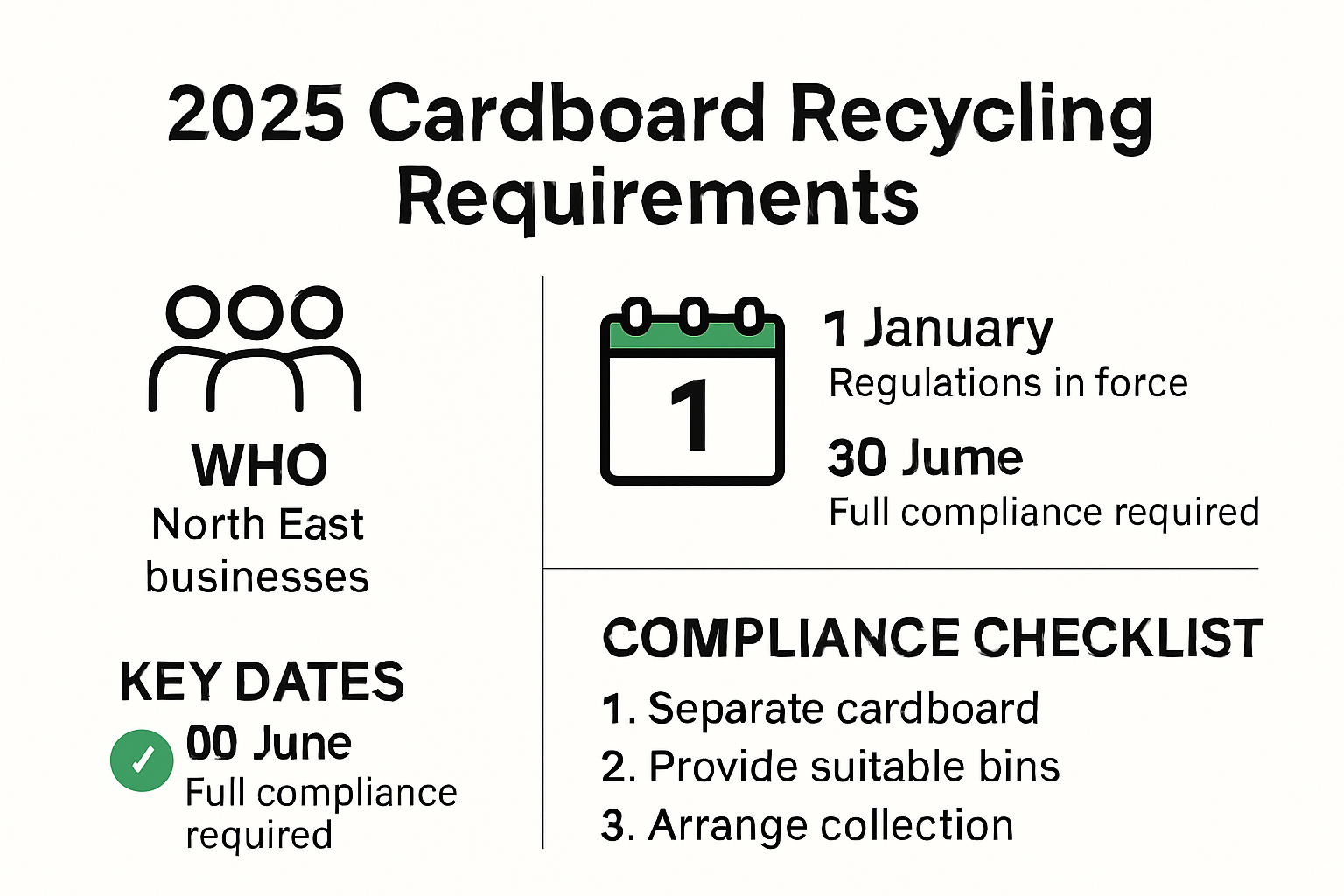
Businesses across the North East face significant changes in cardboard recycling regulations for 2025. The upcoming Simpler Recycling mandate requires companies to transform their waste management strategies, particularly in cardboard disposal and recycling processes.

2025 cardboard recycling rules and compliance steps graphic

Understanding New Recycling Requirements

From 31 March 2025, businesses with ten or more full-time employees must implement separate collections for recyclable materials. According to government waste management guidelines, cardboard will need to be systematically segregated from other waste streams. This means traditional mixed waste approaches are no longer acceptable.

The new regulations demand a more structured approach to cardboard management. Businesses will need to:

  • Segregate cardboard: Remove all cardboard materials from general waste bins
  • Implement dedicated collection systems: Create specific containers for cardboard recycling
  • Train staff: Ensure employees understand new waste sorting protocols

Cost-Effective Cardboard Management Strategies

North East businesses can minimize compliance costs and environmental impact through strategic waste management. Waste reduction experts recommend investing in waste balers as a critical solution. These machines compact cardboard, significantly reducing the number of collection bins required and lowering overall waste management expenses.

Companies can achieve multiple benefits by adopting efficient cardboard recycling practices:

  • Reduce waste collection costs: Compact cardboard reduces bin volume
  • Minimize environmental footprint: Increase recycling efficiency
  • Demonstrate corporate responsibility: Show commitment to sustainable practices

Technology and Compliance Solutions

Technology plays a crucial role in modern cardboard recycling. Modern waste management systems allow businesses to track, measure, and optimize their recycling efforts. By implementing digital tracking and reporting mechanisms, companies can ensure they meet the UK government’s recycling guidelines.

Businesses should consider:

  • Digital waste tracking software
  • Automated sorting technologies
  • Comprehensive staff training programs

Staff operating cardboard baler in warehouse

The transition to more sophisticated cardboard recycling is not just a regulatory requirement but an opportunity for North East businesses to lead in sustainable waste management practices. By proactively adapting to these changes, companies can turn a compliance challenge into a competitive advantage.

How to Manage Confidential and Hazardous Waste

Navigating the complex landscape of confidential and hazardous waste management requires strategic planning and meticulous execution for North East businesses. The 2025 regulatory environment demands comprehensive approaches to waste disposal that protect both sensitive information and environmental safety.

Confidential Waste Disposal Protocols

Businesses must implement rigorous procedures for handling sensitive documents and materials. Our comprehensive guide to hazardous waste handling highlights the critical importance of secure destruction methods. According to waste management experts, proper confidential waste management involves several key steps:

  • Secure Collection: Use locked confidential waste bins
  • Verified Destruction: Implement certificated shredding processes
  • Comprehensive Documentation: Maintain detailed destruction logs

Particularly for sectors handling sensitive information like legal firms, healthcare providers, and financial institutions, these protocols are not just recommended but legally mandatory. The risk of data breaches can result in significant financial penalties and reputational damage.

Hazardous Waste Classification and Handling

Identifying and properly managing hazardous waste requires specialized knowledge. Different waste types demand unique disposal strategies. Research from environmental compliance experts indicates that businesses must categorize their waste carefully:

  • Chemical Waste: Requires specialized containment and neutralization
  • Electronic Waste: Needs specific recycling and breakdown procedures
  • Biological Materials: Demands stringent safety protocols

Micro-enterprises with fewer than ten full-time employees have until 31 March 2027 to fully implement these comprehensive waste management strategies, while most businesses must comply by 31 March 2025.

Technology and Training in Waste Management

Successful waste management extends beyond physical processes. Advanced technological solutions and comprehensive staff training are crucial. Digital tracking systems enable businesses to monitor waste streams, ensuring compliance and identifying potential improvement areas.

Key technological interventions include:

  • Waste Tracking Software: Real-time monitoring of disposal processes
  • Digital Certification Systems: Automated compliance documentation
  • Training Simulation Platforms: Interactive learning for staff

Businesses that proactively invest in these systems will not only meet regulatory requirements but also demonstrate corporate responsibility. The goal is transforming waste management from a compliance challenge into a strategic advantage that protects both informational integrity and environmental sustainability.

Benefits of Cardboard Recycling for Large Organisations

Large organisations across the North East face a transformative opportunity in cardboard recycling. The 2025 regulatory landscape demands more than mere compliance. Strategic cardboard recycling can become a powerful tool for organisational efficiency, financial savings, and environmental responsibility.

Financial and Operational Advantages

Efficient cardboard recycling represents a significant economic opportunity for businesses. Research from waste management experts suggests UK businesses could save an estimated £23 billion annually by implementing sophisticated recycling practices. These savings emerge through multiple channels:

  • Reduced Waste Management Costs: Lower disposal expenses
  • Resource Efficiency: Minimized raw material procurement
  • Potential Revenue Streams: Selling compacted cardboard materials

Large organisations can transform waste management from a cost centre into a potential revenue generator. By investing in advanced sorting and compaction technologies, companies can create more streamlined waste management processes.

Sustainability and Corporate Reputation

Modern consumers and stakeholders increasingly evaluate businesses through their environmental credentials. Industry compliance research indicates that sustainable practices directly influence corporate reputation and market positioning.

Companies implementing comprehensive cardboard recycling strategies can:

  • Demonstrate Environmental Leadership: Show commitment to sustainability
  • Attract Environmentally Conscious Customers: Enhance brand perception
  • Differentiate from Competitors: Create a distinctive market position

Technological Integration and Compliance

The most successful organisations view cardboard recycling not as a regulatory burden but as an opportunity for technological innovation. Advanced waste tracking systems, digital certification processes, and automated sorting technologies can transform recycling from a mundane task into a strategic business function.

Key technological interventions include:

  • Real-time Waste Tracking: Monitor recycling performance
  • Automated Sorting Systems: Improve efficiency
  • Digital Reporting Mechanisms: Ensure regulatory compliance

Businesses that proactively embrace these technological solutions will not only meet the March 2025 regulatory requirements but position themselves as industry leaders in sustainable waste management. The goal extends beyond mere compliance to creating a holistic approach that benefits the organisation, the community, and the environment.

Finding the Right Recycling Partner in the North East

Selecting an appropriate recycling partner is crucial for North East businesses preparing for the 2025 Simpler Recycling regulations. The right waste management partner can transform compliance from a challenging obligation into a strategic advantage.

Compliance and Regulatory Expertise

Businesses must prioritize recycling partners with comprehensive understanding of the latest waste management regulations. According to industry compliance experts, all businesses with 10 or more full-time employees must have compliant recycling services in place by 31 March 2025.

Key factors for selecting a recycling partner include:

  • Regulatory Knowledge: Demonstrates understanding of Simpler Recycling 2025
  • Certification: Holds current waste management accreditations
  • Local Expertise: Understands North East business landscape

A competent recycling partner should provide clear documentation and transparent processes that align with the new regulatory requirements. This includes separate collection mechanisms for different recyclable materials, ensuring businesses meet their legal obligations.

Technological Capabilities and Reporting

Research from waste management specialists indicates that modern recycling partners must offer advanced technological solutions. The ideal partner provides:

  • Digital Tracking Systems: Real-time waste stream monitoring
  • Comprehensive Reporting: Detailed documentation of recycling processes
  • Environmental Impact Analysis: Measurable sustainability metrics

Businesses should seek partners who can demonstrate how they will help organisations transition smoothly to the new recycling regulations. This includes providing clear guidance on waste segregation, offering tailored waste management strategies, and supporting ongoing compliance efforts.

Cost-Effectiveness and Environmental Impact

Beyond compliance, the right recycling partner should offer tangible economic and environmental benefits. Sustainable waste management experts emphasize the importance of viewing recycling as a strategic business opportunity.

Consider partners who can:

  • Reduce Waste Management Costs: Optimize recycling processes
  • Generate Potential Revenue: Create value from recyclable materials
  • Demonstrate Sustainable Practices: Enhance corporate environmental credentials

The selection process requires careful evaluation. North East businesses should conduct thorough due diligence, requesting comprehensive proposals, checking references, and understanding each potential partner’s approach to the 2025 recycling regulations.

Ultimately, the right recycling partner is more than a service provider. They become a strategic ally in navigating the complex landscape of waste management, helping businesses transform regulatory compliance into a competitive advantage that benefits both the bottom line and the environment.

Frequently Asked Questions

What are the new cardboard recycling regulations for businesses in the North East?

From 31 March 2025, all businesses with ten or more employees must implement separate collections for cardboard, ensuring it is not mixed with general waste.

How can businesses effectively manage cardboard disposal under these new regulations?

Companies can adopt cost-effective strategies such as using waste balers to compact cardboard, reducing collection frequency and costs, while also training staff on proper waste sorting methods.

What technology solutions are available for cardboard recycling compliance?

Businesses should consider digital waste tracking software and automated sorting technologies to streamline their recycling efforts and ensure compliance with government regulations.

How can I find a compliant recycling partner for cardboard in the North East?

Look for recycling partners with expertise in regulatory compliance, advanced technological capabilities, and a proven track record of reducing costs and enhancing sustainability in waste management.

Make Cardboard Recycling Easy for Your North East Business

Feeling the pressure of the 2025 recycling regulations and worried about cardboard segregation, compliance, or hidden costs? The article highlights the new requirements to separate cardboard, the need for staff training, and the stress of new legal obligations. These changes can be overwhelming, especially with the threat of penalties and costs stacking up. However, you do not have to face these changes alone.

https://venturewaste.co.uk

Let Venture Waste show you a smarter, simpler way to stay ahead. From cardboard and confidential waste management to hassle-free pickups and compliance guarantees, we deliver tailored solutions so you can focus on running your business. Discover how our expert recycling services and easy three-step booking process can help you meet all legal requirements before the March 2025 deadline. Visit Venture Waste Management now or explore our confidential waste services for total peace of mind. Book today so your business can save money, boost reputation, and stay compliant before time runs out.

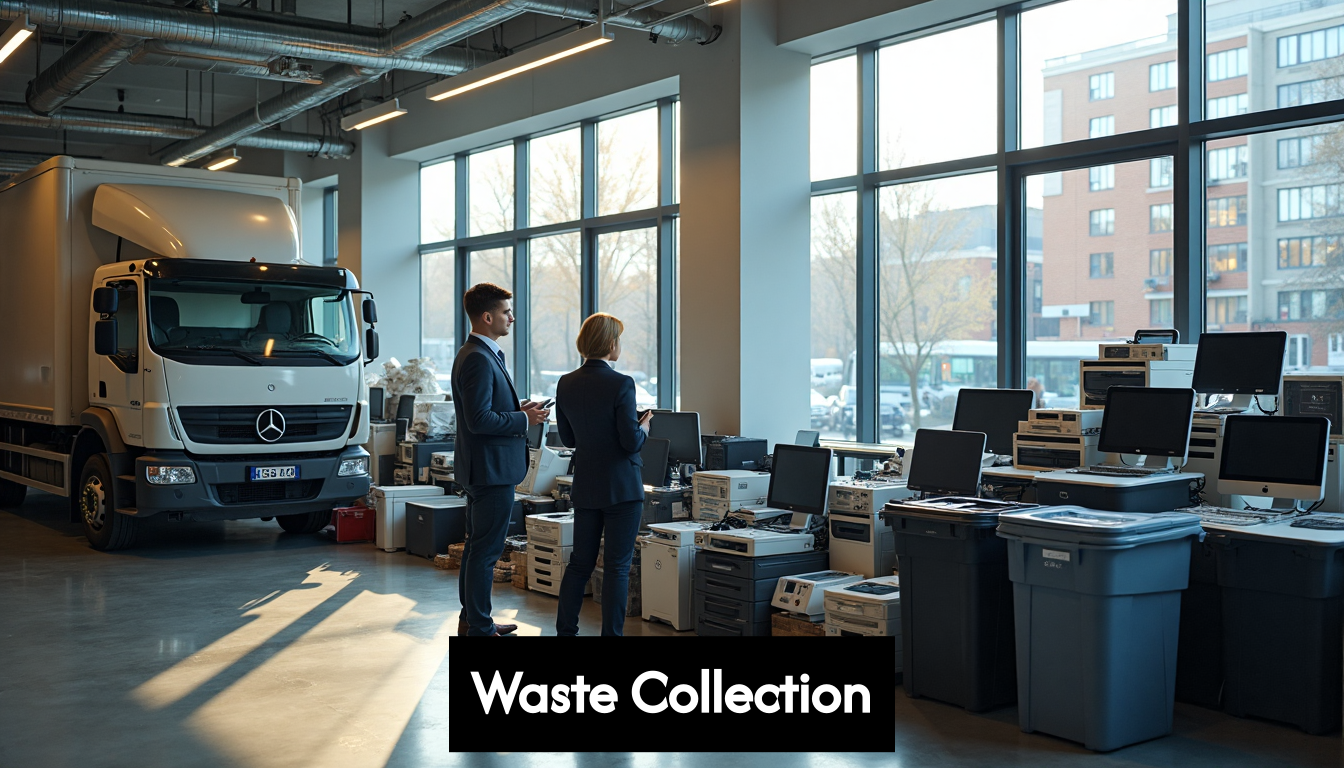
Office staff gathering electronic waste for collection

WEEE Waste Collection: Secure Business Disposal Solutions 2025

Office staff gathering electronic waste for collection

WEEE waste is piling up across the UK, with electronic waste rising three times faster than regular rubbish. Most would expect strict disposal to be all about environmental fines or recycling rates. Yet, the real disruption coming in 2025 is about data security and legal risk. Get this: businesses will soon face not only tighter rules, but also the need to prove that every electronic device, from a broken laptop to an old printer, is handled securely and without exposing confidential information. That shift changes everything for companies managing their electrical and electronic disposals.

Table of Contents

Quick Summary

Takeaway Explanation
Understanding WEEE is Essential Waste Electrical and Electronic Equipment (WEEE) encompasses a wide range of discarded electrical items, and recognising its environmental and regulatory importance is crucial for responsible business management.
Compliance with WEEE Regulations Businesses must adhere to WEEE Regulations to avoid financial penalties and reputational damage, ensuring safe recycling and responsible disposal of electronic waste.
Develop a Comprehensive Waste Management Strategy Effective WEEE collection involves thorough inventory assessments, categorisation of waste, and collaboration with licensed waste management partners to facilitate compliance and secure disposal.
Data Security in Disposal Processes Implement secure data destruction protocols, including certified processes and chain of custody documentation, to protect sensitive information during WEEE disposal.
Anticipate Emerging Regulatory Changes As of January 2025, UK importers will face new responsibilities regarding producer registration and reporting requirements, highlighting the need for proactive compliance measures in waste management.

What Is WEEE Waste and Why Collection Matters

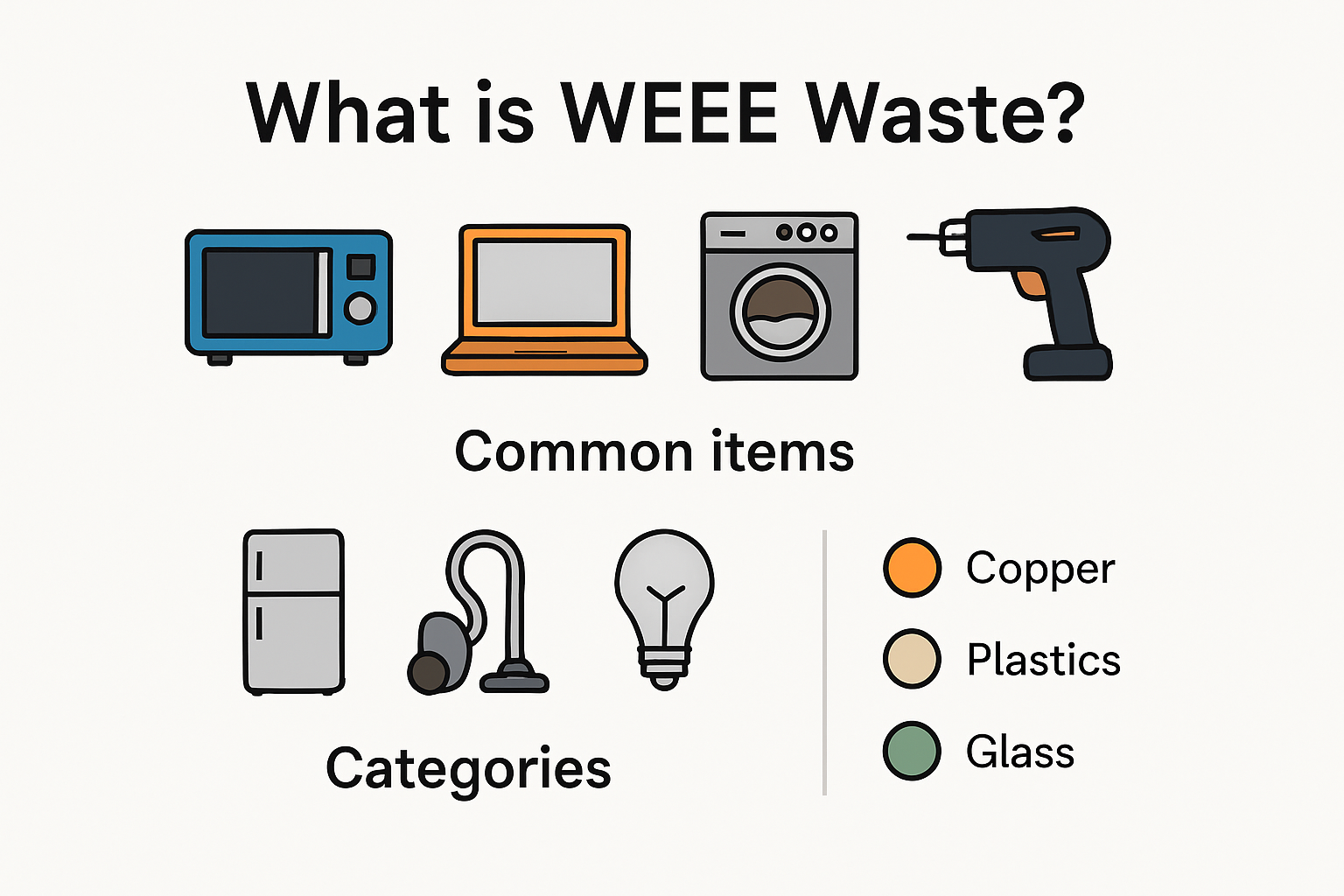
Waste Electrical and Electronic Equipment (WEEE) represents a critical environmental challenge in modern business operations. These discarded electronic and electrical items range from complex industrial machinery to everyday office equipment like computers, printers, and telecommunications systems. Understanding what constitutes WEEE and recognising its significant environmental impact is crucial for responsible business management.

The Comprehensive Definition of WEEE

WEEE encompasses a broad spectrum of electrical and electronic items that have reached the end of their functional life. This includes everything from large industrial equipment to small office peripherals. According to Scottish Environment Protection Agency, WEEE covers devices such as:

  • Large household appliances like refrigerators and washing machines
  • IT and telecommunications equipment
  • Consumer electronics
  • Small electrical tools
  • Medical devices
  • Monitoring and control instruments

The complexity of these items means they contain multiple materials including metals, plastics, and potentially hazardous components that require specialised handling and responsible disposal methods.

Infographic defining and illustrating common WEEE waste items

Environmental and Regulatory Implications

The environmental significance of proper WEEE collection cannot be overstated. Research from the UK Government reveals that WEEE is one of the fastest-growing waste streams, increasing at a rate three times faster than average municipal waste. This rapid growth presents significant challenges for businesses and environmental management.

The WEEE Regulations, implemented in the UK since 2013, mandate that producers and distributors of electrical and electronic equipment must ensure safe recycling, recovery, and treatment of end-of-life products. These regulations aim to:

  • Reduce landfill waste
  • Minimize environmental contamination
  • Promote circular economy principles
  • Encourage responsible resource management

Businesses that fail to comply with these regulations risk substantial financial penalties and potential reputational damage. Moreover, improper disposal can lead to the release of toxic substances like lead, mercury, and cadmium into the environment, posing serious health and ecological risks.

Proper WEEE waste collection is not just a legal requirement but a critical corporate social responsibility. By implementing robust waste management strategies, businesses can contribute to environmental protection, demonstrate their commitment to sustainability, and potentially reduce long-term waste management costs.

The journey towards effective WEEE management begins with understanding its scope, recognising its environmental impact, and committing to responsible disposal practices that align with current regulatory frameworks and environmental best practices.

WEEE Waste Collection Solutions for UK Businesses

Businesses across the United Kingdom face complex challenges when managing their electrical and electronic waste. Developing comprehensive WEEE waste collection solutions requires strategic planning, regulatory compliance, and a commitment to environmental responsibility. Effective disposal strategies not only mitigate legal risks but also contribute to sustainable business practices.

Strategic Approaches to WEEE Management

Successful WEEE waste collection begins with understanding the unique waste streams within an organisation. Comprehensive waste management strategies must address the diverse range of electronic equipment businesses generate. According to Waste Direct, only 31% of electronic waste in the UK is currently recycled, presenting significant opportunities for improvement.

Businesses should implement systematic approaches that include:

  • Inventory Assessment: Conduct thorough audits of existing electrical and electronic equipment
  • Categorisation: Classify items based on potential recyclability and hazardous components
  • Secure Collection: Establish dedicated collection points within organisational premises
  • Certified Disposal: Partner with licensed waste management providers specialising in WEEE disposal

Technicians dismantling electronics in recycling facility

Compliance and Environmental Responsibility

Navigating the complex regulatory landscape of WEEE disposal requires meticulous attention to detail. The UK Government’s waste electrical regulations mandate strict protocols for electronic waste management. Businesses must ensure:

  • Proper documentation of all waste electrical equipment
  • Use of approved treatment facilities
  • Accurate reporting of waste quantities
  • Adherence to environmental protection standards

Statistical data indicates that approximately 120,000 metric tons of electronic waste are collected quarterly in the UK, underscoring the critical importance of robust disposal mechanisms. Non-compliance can result in substantial financial penalties and potential reputational damage.

Modern WEEE waste collection solutions integrate technological tracking, secure destruction processes, and environmentally responsible recycling methods. By adopting a holistic approach, businesses can transform waste management from a regulatory obligation into a strategic opportunity for demonstrating corporate social responsibility and environmental stewardship.

The future of WEEE waste management lies in proactive, innovative approaches that prioritise circular economy principles, minimise environmental impact, and create value from potentially discarded electronic resources.

Compliance, Confidentiality, and Secure Waste Disposal

Secure waste disposal represents a critical intersection of regulatory compliance, data protection, and environmental responsibility for businesses handling electrical and electronic equipment. As regulations evolve and technological complexity increases, organisations must develop sophisticated approaches to WEEE management that protect both sensitive information and environmental standards.

Regulatory Landscape and Emerging Obligations

The WEEE disposal ecosystem is experiencing significant transformations in 2025. Comprehensive hazardous waste handling strategies have become essential as new regulations reshape business responsibilities. According to UK Government guidelines, significant changes are emerging for businesses and online marketplaces.

Key regulatory developments include:

  • Producer Responsibility: From January 2025, UK importers must fully register as producers
  • Reporting Requirements: Mandatory reporting of equipment volumes and types
  • Financial Obligations: Businesses must finance collection and recycling processes
  • Marking Compliance: Specific product marking requirements for electronic items

Data Security and Confidential Disposal Protocols

Confidentiality represents a paramount concern in WEEE waste disposal. Electronic devices often contain sensitive corporate information, customer data, and proprietary business insights. Research from The Recycler highlights the increasing complexity of secure disposal mechanisms.

Businesses must implement rigorous disposal protocols that include:

  • Secure Data Destruction: Complete erasure of digital information before physical disposal
  • Certified Destruction Processes: Working with accredited waste management providers
  • Chain of Custody Documentation: Maintaining transparent records of equipment handling
  • Physical Device Destruction: Guaranteed destruction of storage media

The emerging regulatory framework places unprecedented emphasis on transparency and accountability. Online marketplaces, for instance, will be required to join approved compliance schemes, pay registration fees, and contribute to collection and treatment costs.

Moreover, retailers with electrical and electronic equipment sales areas exceeding 400 square metres must now accept small WEEE items (under 25 cm) from private households free of charge, regardless of new product purchases. This regulation underscores the growing expectation of corporate environmental responsibility.

Effective WEEE disposal is no longer just a technical challenge but a comprehensive business strategy that integrates legal compliance, environmental stewardship, and robust data protection. Organisations that proactively develop holistic waste management approaches will not only mitigate regulatory risks but also demonstrate significant corporate social responsibility.

Steps to Arrange Reliable WEEE Waste Collection

Arranging reliable WEEE waste collection requires a systematic and strategic approach that ensures environmental compliance, data security, and responsible disposal. Businesses must navigate complex regulatory requirements while implementing robust waste management protocols that protect both organisational interests and environmental standards.

Initial Assessment and Preparation

The first critical step in WEEE waste collection involves comprehensive organisational assessment. Comprehensive waste management strategies play a crucial role in establishing effective disposal mechanisms. According to UK Government regulations, businesses must meticulously prepare for WEEE disposal by:

  • Conducting Complete Equipment Inventory: Documenting all electrical and electronic equipment
  • Categorising Waste Types: Identifying potential hazardous components
  • Determining Collection Frequency: Establishing regular waste assessment schedules
  • Identifying Sensitive Information: Mapping devices containing critical corporate data

Selecting Authorised Waste Management Partners

Choosing the right waste management partner represents a pivotal decision in WEEE disposal. Research from ERP Recycling emphasises the importance of working with licensed waste carriers and Approved Authorised Treatment Facilities (AATF).

Key considerations for partner selection include:

  • Certification Verification: Confirming WEEE handling credentials
  • Secure Data Destruction Capabilities: Ensuring complete information erasure
  • Environmental Compliance: Validating adherence to current regulations
  • Transparent Reporting: Demanding comprehensive waste transfer documentation

Businesses must ensure their chosen partner can provide detailed waste transfer notes, track the entire disposal process, and guarantee environmentally responsible treatment of electrical and electronic equipment.

From January 2025, UK importers will face enhanced responsibilities, including mandatory registration as producers, precise equipment volume reporting, and financing collection and recycling processes. These emerging regulations underscore the critical nature of selecting a waste management partner with comprehensive understanding of evolving compliance requirements.

The successful arrangement of WEEE waste collection transcends mere disposal. It represents a sophisticated approach to corporate environmental responsibility, data protection, and regulatory compliance. Organisations that invest time in developing structured, transparent waste management strategies will not only mitigate potential legal risks but also demonstrate significant commitment to sustainable business practices.

Ultimately, reliable WEEE waste collection is about creating a holistic system that balances technological complexity, environmental stewardship, and organisational security. By following systematic steps and partnering with certified waste management professionals, businesses can transform potential waste challenges into opportunities for responsible resource management.

Frequently Asked Questions

What is WEEE waste?

WEEE waste, or Waste Electrical and Electronic Equipment, refers to discarded electrical and electronic devices, ranging from large appliances like washing machines to small items such as mobile phones and computers. Proper disposal is essential for environmental protection and compliance with regulations.

Why is proper WEEE waste collection significant for businesses?

Proper WEEE waste collection is crucial for businesses as it helps avoid financial penalties, mitigates legal risks, and demonstrates corporate social responsibility. Additionally, it ensures compliance with environmental regulations while contributing to sustainable waste management practices.

What are the new regulations for WEEE waste management in 2025?

As of January 2025, UK importers will face new responsibilities including registration as producers, mandatory reporting of equipment volumes, and obligations to finance collection and recycling processes. These changes aim to enhance data security and environmental compliance in waste disposal.

How can businesses ensure data security during WEEE disposal?

To ensure data security during WEEE disposal, businesses should implement secure data destruction protocols, work with accredited waste management providers, maintain chain of custody documentation, and guarantee the physical destruction of storage media. This protects sensitive corporate information from potential breaches.

Ready for Secure WEEE Disposal and Full Compliance?

Struggling to keep up with 2025 WEEE regulations or worried about safeguarding sensitive business data during electronic waste disposal? You are not alone. Recent changes mean that even one missed rule can put your business at risk, and confidential information left on devices is now a bigger liability than ever. If responsible disposal and data security are your top concerns, our expertise in confidential waste is built exactly for this challenge.

https://venturewaste.co.uk

Take the uncertainty out of compliance and protect your business reputation today. Book your secure WEEE waste collection now at Venture Waste Management or learn more about navigating complex environmental rules in our regulation hub. With our trusted three-step service, you are only moments away from peace of mind and airtight legal protection.

Modern office with secured confidential waste bins

Confidential Waste Risk Management: Essential Guide for UK Businesses 2025

Modern office with secured confidential waste bins

Every UK business holds sensitive information that must be destroyed securely, yet many overlook the hidden dangers of improper waste management. Here is something most do not realise. The penalties for mishandling confidential waste can reach an eye-watering £17.5 million, far exceeding the price of a few locked bins or a staff training session. Common solutions like basic shredders or once-in-a-blue-moon collections simply do not cut it anymore. The biggest threat is not the theft of a single file but the silent risk to your entire organisation if just one piece slips through the cracks.

Table of Contents

Quick Summary

Takeaway Explanation
Comprehensive Risk Management is Essential Businesses must adopt a multifaceted approach to manage confidential waste effectively, including secure collection processes, certified destruction methods, and employee training.
Legal and Financial Penalties are Significant Inadequate disposal of confidential waste can lead to severe legal repercussions, including fines up to £17.5 million and potential criminal charges.
Reputation and Operational Risks are High Data breaches not only incur financial costs but also damage stakeholder trust and disrupt business continuity, making effective waste management critical.
Technological Innovations are Transforming Waste Handling Advanced shredding, AI-powered sorting, and digital destruction protocols are revolutionising how organisations approach secure waste disposal in 2025.
Selecting Trusted Providers is Crucial Evaluating potential waste management partners based on certifications, documented processes, and a commitment to security is vital to protect sensitive information.

Understanding Confidential Waste Risk Management

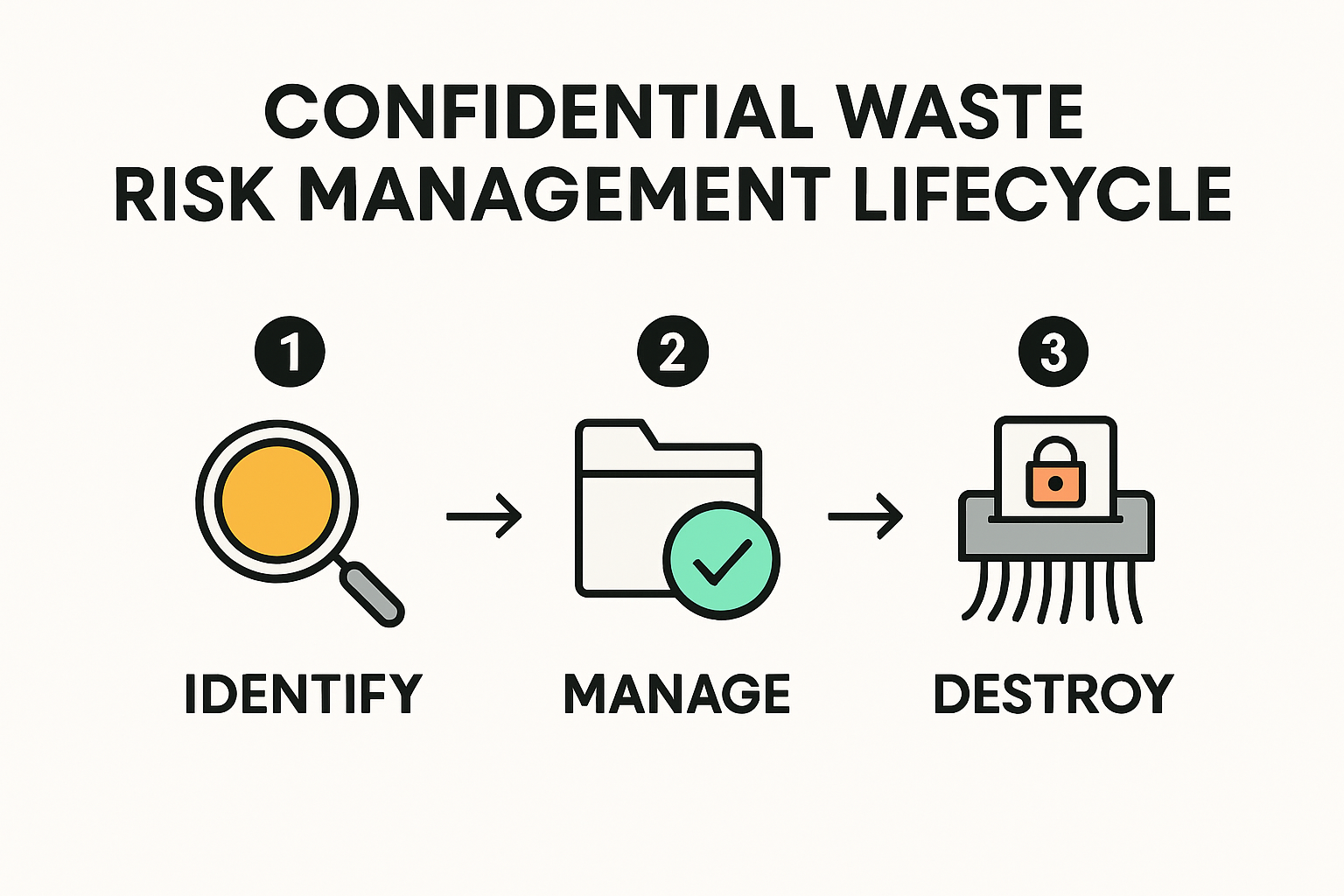
Confidential waste risk management represents a critical strategic approach for businesses to protect sensitive information and maintain regulatory compliance. At its core, this process involves identifying, managing, and securely disposing of documents and materials that could potentially compromise an organisation’s security if improperly handled.

Confidential waste risk management lifecycle diagram

The Fundamental Risks of Inadequate Confidential Waste Management

Businesses face significant potential consequences when confidential waste is not managed effectively. According to research from the Information Commissioner’s Office, data breaches resulting from poor waste management can lead to substantial financial penalties. These risks extend beyond monetary fines and include reputational damage, legal liabilities, and potential loss of customer trust.

The primary risks businesses encounter include:

  • Data Exposure: Improperly discarded documents can reveal sensitive corporate information, client details, or personal employee data
  • Legal Non-Compliance: Failure to adhere to data protection regulations like GDPR can result in significant legal repercussions
  • Security Vulnerabilities: Uncontrolled waste disposal creates opportunities for corporate espionage and information theft

Comprehensive Risk Mitigation Strategies

Effective confidential waste risk management requires a multifaceted approach. Businesses must implement robust protocols that cover the entire lifecycle of sensitive information. Our comprehensive guide on secure waste handling provides deeper insights into developing comprehensive waste management strategies.

Key strategies include:

  1. Implementing secure collection processes
  2. Using certified destruction methods
  3. Maintaining detailed documentation of waste disposal
  4. Training employees on proper information handling
  5. Regular auditing of waste management procedures

Businesses must recognise that confidential waste risk management is not a one-time activity but an ongoing process requiring continuous attention and adaptation. By developing a proactive approach, organisations can significantly reduce their vulnerability to potential information security breaches and maintain compliance with evolving regulatory standards.

The complexity of confidential waste management demands a strategic, comprehensive approach that balances security, legal compliance, and operational efficiency. Organisations that invest in robust waste management systems protect not just their own interests, but those of their clients, employees, and stakeholders.

From physical documents to digital media, every piece of potentially sensitive information requires careful consideration and secure disposal. The stakes are high: a single overlooked document could potentially expose an entire organisation to significant risk.

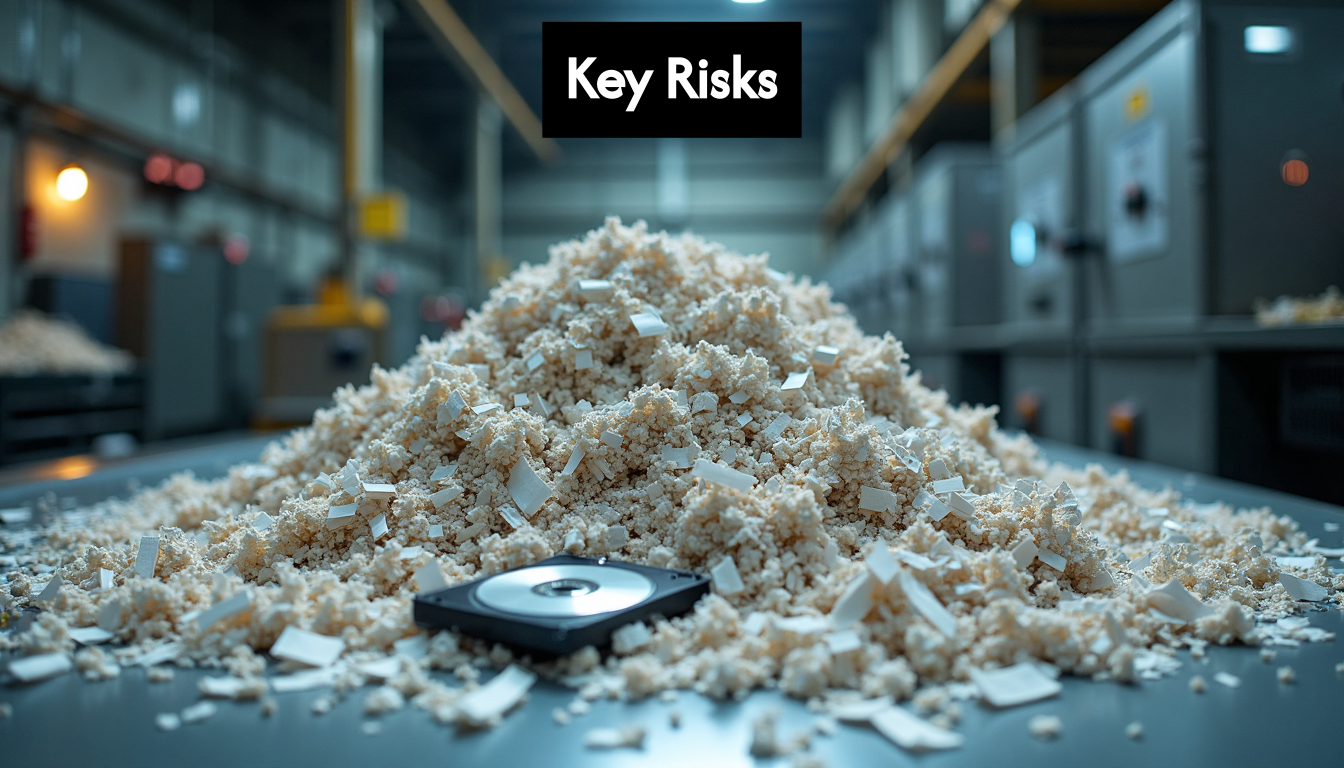
Key Risks of Improper Confidential Waste Disposal

Businesses operating in the United Kingdom face substantial risks when confidential waste disposal is not handled with precision and strategic care. The consequences of inadequate waste management extend far beyond simple document destruction and can potentially compromise entire organisational infrastructures.

Improper confidential waste disposal exposes businesses to severe legal and financial ramifications. According to research from the Information Commissioner’s Office, organisations can face penalties up to £17.5 million or 4% of annual global turnover for significant data protection breaches. These penalties are not merely theoretical risks but represent real financial threats that can devastate unprepared businesses.

The legal landscape surrounding confidential waste management is complex and unforgiving. Our comprehensive guide on secure waste handling highlights the intricate regulatory environment businesses must navigate. Key legal risks include:

  • Regulatory Fines: Substantial monetary penalties for non-compliance
  • Legal Prosecution: Potential criminal charges for severe data mishandling
  • Civil Litigation: Risk of lawsuits from affected parties

Reputational and Operational Risks

Beyond immediate financial penalties, improper confidential waste disposal can inflict long-lasting damage to an organisation’s reputation. Businesses that experience data breaches often suffer significant trust erosion among clients, partners, and stakeholders. According to research from the Ponemon Institute, the average cost of a data breach in 2022 was £4.35 million, with reputation damage accounting for a substantial portion of this expense.

Operational risks include:

  1. Loss of competitive intelligence
  2. Potential compromise of strategic business information
  3. Disruption of business continuity
  4. Reduced stakeholder confidence

Shredded documents and destroyed devices on table

Cybersecurity and Information Security Vulnerabilities

Confidential waste represents a critical vulnerability in an organisation’s information security ecosystem. Physical documents, digital media, and electronic records that are not securely destroyed can become entry points for corporate espionage, identity theft, and sophisticated cyber attacks.

Modern threat actors understand that discarded documents and improperly destroyed digital media can provide valuable intelligence. Even seemingly innocuous information can be aggregated to create comprehensive profiles that compromise organisational security.

Businesses must recognise that confidential waste disposal is not a peripheral administrative task but a core component of comprehensive risk management. The stakes are high: a single overlooked document or improperly destroyed digital record could potentially expose an entire organisation to significant operational, financial, and reputational risks.

Effective confidential waste management requires a holistic approach that integrates technological solutions, robust processes, and continuous employee training. By understanding and mitigating these risks, businesses can protect their most valuable asset: their information.

Best Practices for Secure Waste Handling in 2025

Secure waste handling in 2025 demands a sophisticated, multifaceted approach that integrates technological innovation, regulatory compliance, and comprehensive organisational strategies. Businesses must evolve beyond traditional disposal methods to create robust, secure waste management systems that protect sensitive information across multiple platforms and formats.

Technological and Procedural Innovations

The landscape of confidential waste management is rapidly transforming. Our comprehensive waste handling guide highlights the critical technological advancements reshaping secure waste disposal. According to research from Gartner, emerging technologies are revolutionising how organisations approach information security.

Key technological innovations include:

  • Advanced Shredding Technologies: Multi-stage destruction methods that guarantee complete document and digital media elimination
  • AI-Powered Sorting Systems: Intelligent waste management platforms that categorise and process sensitive materials with unprecedented precision
  • Digital Destruction Protocols: Comprehensive approaches for securely erasing electronic data across multiple storage platforms

Comprehensive Compliance and Training Frameworks

Effective secure waste handling extends far beyond technological solutions. According to research from the Information Commissioner’s Office, organisations must develop holistic compliance frameworks that integrate technological tools with robust employee training and organisational policies.

Comprehensive best practices include:

  1. Developing clear, documented waste disposal protocols
  2. Implementing regular employee training programmes
  3. Creating multi-stage verification processes for sensitive waste disposal
  4. Maintaining detailed audit trails of disposal activities
  5. Establishing secure chain-of-custody documentation

Risk Mitigation and Strategic Implementation

Businesses must approach confidential waste handling as a strategic risk management function. Modern waste disposal requires a proactive, integrated approach that anticipates potential security vulnerabilities and implements preventative measures.

Strategic implementation involves:

  • Conducting regular risk assessments of current waste management processes
  • Investing in continuous technological and procedural upgrades
  • Developing cross-departmental collaboration for comprehensive waste management
  • Creating flexible frameworks that can adapt to emerging regulatory requirements

The most effective organisations in 2025 will view confidential waste handling not as an administrative task, but as a critical component of their overall information security strategy. This approach demands continuous learning, technological investment, and a commitment to maintaining the highest standards of data protection.

By embracing these best practices, businesses can transform confidential waste handling from a potential vulnerability into a strategic advantage, ensuring robust protection of sensitive information while maintaining operational efficiency and regulatory compliance.

Choosing Trusted Providers for Confidential Waste

Selecting a trusted confidential waste provider represents a critical decision for businesses seeking to protect sensitive information and maintain regulatory compliance. The right provider acts as a strategic partner in safeguarding an organisation’s most vulnerable data assets.

Critical Certification and Compliance Criteria

When evaluating potential confidential waste management providers, businesses must conduct rigorous assessments of their credentials and operational standards. According to research from the National Cyber Security Centre, comprehensive due diligence is paramount in selecting a waste management partner.

Key certification requirements include:

  • ISO 27001 Information Security Management: Demonstrates robust information protection protocols
  • BS 7858 Security Screening: Confirms thorough background checks for staff handling sensitive materials
  • Environment Agency Registration: Ensures legal compliance for waste disposal practices

Our detailed confidential waste services provide comprehensive insights into selecting the most appropriate waste management partner for your specific organisational needs.

Comprehensive Security Assessment Methodology

Businesses should implement a systematic approach to evaluating potential confidential waste providers. According to guidance from the Information Commissioner’s Office, a multi-dimensional assessment is crucial.

Comprehensive evaluation criteria should include:

  1. Documented destruction processes
  2. Chain of custody documentation
  3. Staff training and security protocols
  4. Technology and equipment standards
  5. Environmental disposal credentials
  6. Regular independent auditing mechanisms

Strategic Partner Selection Framework

Choosing a confidential waste provider transcends mere technical capabilities. The ideal partner must align with an organisation’s broader strategic objectives, demonstrating a holistic approach to information security and risk management.

Critical considerations include:

  • Proven track record of secure waste handling
  • Transparent operational processes
  • Adaptability to evolving regulatory requirements
  • Commitment to continuous technological innovation
  • Comprehensive reporting and documentation capabilities

Businesses must recognise that confidential waste management is not a transactional service but a strategic partnership. The right provider becomes an extension of the organisation’s information security infrastructure, offering protection beyond simple document destruction.

In 2025, the most effective confidential waste providers will leverage advanced technologies such as AI-powered sorting systems, blockchain-verified destruction processes, and real-time tracking mechanisms. These innovations transform waste management from a potential vulnerability into a robust security asset.

Ultimately, selecting a trusted confidential waste provider requires a comprehensive, forward-looking approach. By prioritising security, compliance, and strategic alignment, businesses can establish a waste management partnership that protects their most valuable asset: their sensitive information.

Frequently Asked Questions

What is confidential waste risk management?

Confidential waste risk management is the process of identifying, managing, and securely disposing of sensitive documents and materials to protect an organisation’s information and maintain compliance with regulations.

What are the penalties for improper confidential waste disposal in the UK?

Businesses that fail to manage confidential waste appropriately can face severe penalties, including fines up to £17.5 million or 4% of their annual global turnover under data protection laws like GDPR.

How can businesses ensure secure waste handling in 2025?

To ensure secure waste handling, businesses should adopt a multifaceted approach that includes advanced shredding technologies, employee training, and comprehensive compliance frameworks to safeguard sensitive information.

What should I look for in a confidential waste management provider?

When selecting a confidential waste management provider, look for critical certifications such as ISO 27001, experience in secure waste handling, transparent operational processes, and a commitment to continuous technological innovation.

Take Uncertainty Out of Confidential Waste Risk Management

Protecting your business from severe legal fines and reputation loss hinges on more than just in-house shredding. The article above has revealed just how easy it is for one small mistake to cost your company millions, disrupt daily operations or end longstanding client trust. If you’re feeling anxious about gaps in your confidential waste process or unsure about ongoing compliance in 2025, you are not alone. Secure document disposal has become a legal and competitive necessity. Our confidential waste solutions are designed specifically to help UK businesses close these gaps, safeguard sensitive information, and meet all current data protection standards.

https://venturewaste.co.uk

Ready to stop taking unnecessary risks? Book a hassle-free, fully certified confidential waste collection with Venture Waste Management today. Visit https://venturewaste.co.uk to experience our simple three-step booking process or explore our confidential waste services for complete peace of mind. Give your team and your clients the security they deserve. Act now to stay ahead of new regulations and avoid costly mistakes.

Hazardous waste storage at UK industrial site

Hazardous Waste Handling for UK Businesses: Complete 2025 Guide

Hazardous waste storage at UK industrial site

Hazardous waste is not just a technical headache for UK businesses. Each year, the country generates over four million tonnes of hazardous waste, much of which carries serious legal consequences if mishandled. Most people assume regulations simply mean a few extra bins or warning signs. In reality, the new 2025 laws demand rigorous waste segregation, meticulous records, and digital tracking that most firms are not ready for yet. Compliance is shifting from a box-ticking exercise to a business-critical responsibility with massive fines for mistakes. Here is what every business needs to know before these changes take full effect.

Table of Contents

Quick Summary

Takeaway Explanation
Understand hazardous waste categories Recognise the key categories of hazardous waste—corrosive, toxic, and reactive—and their associated risks to health and the environment to ensure compliance with waste classification guidelines.
Implement rigorous training and PPE protocols Equip employees with suitable personal protective equipment and provide extensive training on hazardous waste identification, handling, and emergency response to safeguard workplace safety.
Maintain meticulous documentation Keep detailed records of hazardous waste management processes, including transfer notes and training certificates, to fulfil legal obligations and avoid penalties for non-compliance.
Choose certified waste disposal partners Verify the credentials and compliance of hazardous waste disposal partners, ensuring they possess appropriate licenses and a strong record of regulatory adherence.
Adhere to waste segregation requirements Implement rigorous systems for the segregation and tracking of hazardous waste to meet 2025 regulatory standards, thereby minimising environmental risks and legal liabilities.

Infographic on hazardous waste handling responsibilities and steps

Understanding Hazardous Waste Categories and Risks

Hazardous waste represents a complex and critical challenge for UK businesses in 2025. These materials pose significant risks to human health, environmental safety, and legal compliance. Understanding the intricate categories and potential dangers is paramount for responsible waste management.

Chemical and Physical Classification of Hazardous Waste

The UK government provides a comprehensive framework for classifying hazardous waste based on specific characteristics. Learn more about waste management protocols to ensure your business remains compliant. Hazardous waste typically falls into several critical categories:

  • Corrosive Substances: Materials that can destroy living tissue or metal through chemical action. Examples include strong acids, alkaline solutions, and industrial cleaning agents.
  • Toxic Waste: Substances capable of causing severe health risks, including chemical compounds from manufacturing processes, pharmaceutical residues, and heavy metal contaminations.
  • Reactive Waste: Materials that can potentially explode, generate toxic gases, or undergo violent chemical reactions when exposed to water or other environmental conditions.

Businesses must recognize that improper handling of these waste categories can lead to catastrophic environmental and health consequences. According to UK government waste classification guidelines, precise identification and segregation are legal requirements.

Risk Assessment and Management Strategies

Navigating hazardous waste risks requires a comprehensive approach. The primary risks associated with improper hazardous waste management include:

  1. Environmental Contamination: Potential ground and water pollution
  2. Health Hazards: Direct and indirect risks to human health
  3. Legal Penalties: Significant financial and regulatory consequences for non-compliance

Businesses must implement robust risk management strategies that include:

  • Comprehensive waste auditing
  • Staff training on hazardous material identification
  • Proper storage and containment protocols
  • Partnering with certified waste disposal specialists

PPE-clad workers moving hazardous chemical drums

The UK’s 2025 waste management regulations mandate strict segregation of hazardous waste at the source. This means businesses must develop sophisticated systems to distinguish between different waste types, ensuring each category receives appropriate treatment.

Understanding the nuanced risks of hazardous waste is not just a legal obligation but a fundamental responsibility. By recognizing the potential dangers and implementing rigorous management protocols, businesses can protect their employees, surrounding communities, and the broader environment from potentially catastrophic waste-related incidents.

Professional waste management is no longer optional—it is a critical component of responsible business operations in the modern regulatory landscape.

Safe Hazardous Waste Handling Procedures for Workplaces

Ensuring safe hazardous waste handling is a critical responsibility for UK businesses. Workplace safety requires meticulous planning, comprehensive training, and rigorous protocols to protect employees, the environment, and maintain legal compliance.

Personal Protective Equipment and Training Protocols

Proper personal protective equipment (PPE) is the first line of defence in hazardous waste management. Workers must be equipped with specialized protective gear tailored to specific waste categories. Learn about our hazardous waste collection services to understand comprehensive safety requirements.

Essential PPE components include:

  • Chemical-resistant gloves: Preventing direct skin contact with toxic substances
  • Safety goggles or face shields: Protecting eyes from potential chemical splashes
  • Respiratory protection: Filtering harmful vapours and particulate matter
  • Protective clothing: Preventing contamination of skin and personal clothing

According to UK workplace safety regulations, businesses must provide comprehensive training that covers:

  1. Hazardous waste identification techniques
  2. Proper handling and containment procedures
  3. Emergency response protocols
  4. Correct use of personal protective equipment

Containment and Storage Best Practices

Effective hazardous waste management begins with robust containment strategies. The UK’s 2025 waste management regulations mandate strict segregation and storage protocols to minimise environmental and health risks.

Key containment requirements include:

  • Using chemical-resistant, leak-proof containers
  • Clearly labelling all hazardous waste containers
  • Storing different waste types separately to prevent cross-contamination
  • Maintaining secure storage areas with restricted access
  • Implementing temperature and humidity controls

Meticulous documentation is a legal requirement for hazardous waste handling. Businesses must maintain comprehensive records that track waste from generation to final disposal. According to business waste guidelines, companies have a fundamental “duty of care” to ensure proper waste management.

Critical documentation includes:

  • Waste transfer notes
  • Consignment tracking forms
  • Detailed inventory of hazardous materials
  • Staff training certificates
  • Disposal and treatment records

Businesses must work exclusively with licensed waste carriers and ensure all documentation accurately reflects the waste’s nature, quantity, and disposal method. Non-compliance can result in significant financial penalties and potential legal action.

Safe hazardous waste handling is not just a regulatory requirement—it is a fundamental commitment to workplace safety, environmental protection, and responsible business practices. By implementing comprehensive procedures, businesses can mitigate risks and demonstrate their dedication to protecting people and the planet.

Navigating the complex landscape of hazardous waste regulations is a critical responsibility for UK businesses. The legal framework surrounding waste management is designed to protect public health, environmental integrity, and ensure responsible corporate practices.

Duty of Care and Regulatory Compliance

Every UK business that generates, handles, or disposes of hazardous waste must adhere to strict legal obligations. Explore our comprehensive waste collection services to understand the full scope of legal requirements. The fundamental legal principle is the “duty of care” established under the Environmental Protection Act 1990, which mandates businesses to:

  • Prevent waste generation where possible
  • Minimize waste production
  • Ensure safe and responsible waste disposal
  • Maintain comprehensive documentation of waste management processes

According to UK government waste disposal guidelines, businesses must:

  1. Register as a waste carrier if transporting hazardous waste
  2. Obtain necessary permits for waste storage and disposal
  3. Use only licensed waste management companies
  4. Complete and retain waste transfer notes for at least two years

Waste Segregation and Tracking Regulations

The 2025 waste management regulations introduce stringent requirements for waste segregation and tracking. Businesses must implement robust systems to:

  • Separate hazardous waste from other waste streams
  • Label containers with precise waste classification information
  • Maintain digital records of waste movement and disposal
  • Appoint designated waste management officers

Key segregation requirements include:

  • Distinct containment for chemical wastes
  • Separate storage for electronic and electrical equipment waste
  • Specific handling protocols for batteries and pharmaceutical waste
  • Comprehensive tracking of waste from generation to final disposal

Penalties and Enforcement

Non-compliance with hazardous waste regulations can result in significant legal and financial consequences. Research from environmental enforcement agencies indicates potential penalties include:

  • Substantial financial fines (up to £50,000)
  • Criminal prosecution for serious violations
  • Potential business license revocation
  • Mandatory environmental remediation costs

By April 2026, the UK government plans to implement mandatory digital waste tracking systems, further enhancing accountability and transparency in waste management practices. Businesses must proactively adapt to these evolving regulatory requirements, investing in robust waste management infrastructure and training.

Legal compliance is more than a bureaucratic exercise—it represents a fundamental commitment to environmental stewardship, public health protection, and responsible business practices. UK businesses must view hazardous waste management as a critical aspect of their corporate social responsibility, going beyond mere regulatory compliance to demonstrate genuine environmental leadership.

Choosing the Right Hazardous Waste Disposal Partner

Selecting an appropriate hazardous waste disposal partner is a critical decision that directly impacts your business’s legal compliance, environmental responsibility, and operational safety. The right waste management partner can transform a complex regulatory challenge into a streamlined, responsible process.

Credentials and Compliance Verification

Before engaging any waste disposal partner, businesses must conduct thorough due diligence. Explore our specialised hazardous waste collection services to understand the critical credentials needed. According to UK environmental regulations, a reputable hazardous waste disposal partner must possess:

  • Environment Agency waste carrier license
  • Specific permits for hazardous waste handling
  • Documented track record of regulatory compliance
  • Professional indemnity insurance
  • Accredited environmental management certifications

Businesses should request and independently verify:

  1. Current waste carrier registration number
  2. Detailed environmental compliance certificates
  3. Comprehensive waste tracking documentation
  4. Professional references from similar industry sectors

Evaluation of Technical Capabilities

Beyond basic licensing, businesses must assess a potential waste disposal partner’s technical expertise and operational capabilities. Research from waste management experts highlights several critical evaluation criteria:

  • Specialized equipment for different hazardous waste categories
  • Advanced waste segregation and processing technologies
  • Digital waste tracking and reporting systems
  • Robust emergency response protocols
  • Environmentally sustainable disposal methods

Key technical capabilities should include:

  • Capacity to handle multiple hazardous waste streams
  • Precise waste classification and identification skills
  • Comprehensive documentation and reporting processes
  • Transparent waste disposal and recycling methodologies

Cost and Long-Term Partnership Considerations

Choosing a hazardous waste disposal partner extends beyond immediate compliance. Businesses must evaluate the long-term strategic value of their partnership. Factors to consider include:

  • Transparent and competitive pricing structures
  • Flexibility in service delivery
  • Proactive regulatory compliance support
  • Commitment to continuous improvement
  • Alignment with corporate sustainability goals

The most effective partnerships are built on mutual understanding, shared environmental values, and a commitment to responsible waste management. While cost is important, businesses should prioritize partners who demonstrate:

  • Comprehensive understanding of industry-specific challenges
  • Innovative waste reduction strategies
  • Transparent reporting and communication
  • Proven track record of regulatory adherence

Ultimately, selecting the right hazardous waste disposal partner is a strategic decision that requires careful evaluation. By prioritizing compliance, technical expertise, and long-term collaborative potential, businesses can establish a waste management relationship that protects both their operational interests and broader environmental responsibilities.

Frequently Asked Questions

What constitutes hazardous waste in the UK?

Hazardous waste in the UK includes materials that pose significant risks to human health or the environment, such as corrosive substances, toxic waste, and reactive waste. Understanding these categories is crucial for compliance with waste management regulations.

How can businesses ensure compliance with hazardous waste regulations in 2025?

To ensure compliance, businesses must implement rigorous waste segregation systems, maintain meticulous documentation, provide proper training to employees, and choose licensed waste disposal partners. Staying updated on the latest regulations is essential.

What are the penalties for non-compliance with hazardous waste regulations?

Businesses that fail to comply with hazardous waste regulations may face substantial financial penalties (up to £50,000), criminal prosecution for severe violations, and potential revocation of business licenses, along with the obligation to cover environmental remediation costs.

How do I choose a reliable hazardous waste disposal partner?

When selecting a hazardous waste disposal partner, verify their credentials, such as an Environment Agency waste carrier licence, assess their technical capabilities, and consider long-term partnership value. Look for a proven track record of regulatory compliance and environmentally sustainable practices.

Transform Hazardous Waste Challenges into Solutions with Venture Waste Management

Are you struggling to keep up with the UK’s 2025 hazardous waste regulations? Many businesses worry about staying compliant with changing waste segregation rules, digital tracking, and strict documentation. The risk of hefty fines and environmental harm is never far away. With so much at stake, partnering with a reputable expert in hazardous waste management has never been more crucial. Explore how our WEEE Waste Management solutions address the challenges discussed in this guide and give you real peace of mind.

https://venturewaste.co.uk

Take control of your compliance today. Visit Venture Waste Management to discover comprehensive hazardous waste collection and support designed for UK businesses. Our straightforward process and expert team will ensure you are ready for 2025. Don’t wait until a small oversight turns costly—secure your business and the environment by booking your service now.

Hazardous waste bins outside UK workplace

Hazardous Waste Disposal for UK Businesses: A 2025 Guide

Hazardous waste bins outside UK workplace

Hazardous waste is about to take centre stage for UK businesses. From 31st March 2025, strict new waste separation rules will transform how companies handle even the smallest battery or can of paint. Most business owners are bracing for piles of paperwork and costly red tape. The real surprise is just how straightforward compliance can be if you grasp a few key moves from the start.

Table of Contents

Quick Summary

Takeaway Explanation
Understanding Hazardous Waste Businesses must accurately identify and classify hazardous waste, which can include chemicals, e-waste, medical waste, and industrial byproducts to ensure proper management and legal compliance.
New Waste Separation Regulations From 31st March 2025, England will enforce new regulations requiring businesses to implement specific waste separation and handling procedures, including storing hazardous waste separately and maintaining detailed documentation.
Robust Disposal Methods Compliance in hazardous waste disposal requires accurate segregation, licensed transportation, and the use of advanced recycling and treatment techniques to mitigate environmental impact.
Safe Handling of Materials Effective management of chemicals, batteries, and WEEE involves strict safety protocols, including proper storage, employee training, and using certified recycling services.
Choosing a Disposal Service Select a waste disposal provider based on compliance certifications, proven expertise, and commitment to environmental responsibility to ensure legal adherence and mitigate organizational risks.

Understanding Hazardous Waste in the Workplace

Hazardous waste represents a significant challenge for UK businesses across multiple sectors. These materials pose potential risks to human health and the environment, requiring careful management and precise disposal protocols. Understanding what constitutes hazardous waste and how to handle it safely is crucial for legal compliance and workplace safety.

Infographic showing types of hazardous waste in business

Defining Hazardous Waste in Business Contexts

Hazardous waste includes materials that are dangerous or potentially harmful to human health or the environment. These substances typically exhibit one or more characteristics such as toxicity, reactivity, corrosiveness, or ignitability. According to UK Environment Agency regulations, businesses must carefully identify and classify their waste streams to ensure proper management.

Common examples of hazardous waste in workplace settings include:

  • Chemical Waste: Solvents, acids, pesticides, and industrial chemicals
  • Electronic Waste: Computers, batteries, and electrical equipment containing toxic materials
  • Medical Waste: Contaminated materials from healthcare facilities
  • Industrial Byproducts: Oils, paint residues, and manufacturing waste

From 31st March 2025, businesses in England will face new waste separation regulations that mandate specific waste handling procedures. The Hazardous Waste (England and Wales) Regulations 2005 establish clear guidelines for waste disposal. Businesses must:

  1. Correctly classify all hazardous waste materials
  2. Store hazardous waste separately from other waste streams
  3. Ensure collection by licensed waste carriers
  4. Maintain detailed consignment documentation for each waste collection
  5. Prevent environmental contamination during storage and disposal

Workplace Safety and Environmental Responsibility

Effective hazardous waste management goes beyond legal compliance. It represents a critical aspect of corporate social responsibility and workplace safety. Our guide on responsible waste disposal provides comprehensive insights into best practices.

Businesses must implement robust training programmes to educate employees about hazardous waste identification, handling, and disposal. This includes providing appropriate personal protective equipment, establishing clear emergency protocols, and maintaining detailed record-keeping systems.

The environmental implications of improper hazardous waste disposal are significant. Incorrect handling can lead to soil contamination, water pollution, and potential health risks for workers and surrounding communities. By adopting a proactive approach to waste management, businesses can mitigate these risks and demonstrate their commitment to sustainable practices.

Understanding and managing hazardous waste is not just a regulatory requirement but a fundamental responsibility for modern businesses. Comprehensive knowledge, careful planning, and a commitment to safety are essential in navigating the complex landscape of hazardous waste disposal.

Compliant Hazardous Waste Disposal Methods

Complex and stringent regulations govern hazardous waste disposal for UK businesses. Compliance requires a comprehensive approach that balances legal requirements, environmental protection, and operational efficiency. Proper disposal methods are not merely recommendations but critical legal obligations that protect public health and the environment.

Waste Segregation and Classification Protocols

Accurate waste segregation forms the foundation of compliant hazardous waste management. According to UK Waste Regulations 2011, businesses must meticulously separate different types of hazardous waste to ensure appropriate treatment. This process involves:

  • Chemical Waste Sorting: Separating different chemical compositions to prevent dangerous interactions
  • Physical State Categorisation: Distinguishing between solid, liquid, and gaseous hazardous materials
  • Toxicity Level Assessment: Identifying and isolating materials based on their potential environmental and health risks

Businesses must develop robust internal systems that train employees in precise waste identification and segregation techniques. Our comprehensive waste management guide provides detailed insights into effective sorting strategies.

Transportation and Treatment Standards

Hazardous waste transportation requires strict adherence to legal frameworks established by the Environment Agency. According to regulatory guidelines, businesses must:

  1. Use licensed waste carriers certified for hazardous material transportation
  2. Maintain comprehensive documentation for each waste shipment
  3. Ensure proper packaging that prevents leakage or contamination
  4. Use specialized containers designed for specific types of hazardous waste
  5. Follow precise route planning to minimise potential environmental risks

The Duty of Care regulations mandate that businesses remain responsible for their waste from generation to final disposal, requiring meticulous tracking and verification of disposal processes.

Advanced Disposal and Recycling Techniques

Modern hazardous waste disposal extends beyond traditional disposal methods. Emerging technologies and regulatory changes are driving more sophisticated approaches to waste management. From 31st March 2025, new waste separation regulations will require businesses to implement advanced recycling and treatment techniques.

Technicians handle hazardous waste at facility

These advanced methods include:

  • Thermal treatment processes for chemical waste
  • Specialized recycling techniques for electronic and industrial waste
  • Conversion of hazardous materials into less harmful substances
  • Energy recovery from certain types of hazardous waste streams

Businesses must invest in continuous training and technological upgrades to remain compliant with evolving waste management standards. The goal is not just legal adherence but creating sustainable waste management practices that minimise environmental impact.

Successful hazardous waste disposal requires a holistic approach combining legal knowledge, technological innovation, and a commitment to environmental responsibility. By understanding and implementing these comprehensive disposal methods, UK businesses can effectively manage their hazardous waste while protecting public health and the environment.

Safe Handling of Chemicals, Batteries, and WEEE

Safe handling of hazardous materials represents a critical responsibility for UK businesses. Chemicals, batteries, and Waste Electrical and Electronic Equipment (WEEE) require specialized management to protect workplace safety, human health, and environmental integrity. Understanding the unique risks and precise handling protocols for these materials is essential for legal compliance and responsible waste management.

Chemical Waste Management Protocols

Chemical waste demands meticulous handling and disposal strategies. According to UK Government Guidelines, businesses must implement comprehensive safety measures that prevent potential environmental contamination and workplace risks.

Key considerations for chemical waste management include:

  • Storage Requirements: Use chemically resistant containers with secure sealing
  • Segregation Protocols: Separate incompatible chemical substances to prevent dangerous reactions
  • Personal Protective Equipment: Mandate appropriate protective gear during handling
  • Detailed Inventory Management: Maintain accurate records of chemical waste types and quantities

Battery and Electronic Waste Disposal

Batteries and electronic waste pose unique disposal challenges. Our specialized battery disposal guide highlights the critical steps businesses must take to ensure safe and compliant disposal.

Battery and electronic waste handling requires specific attention:

  1. Separate different battery chemistries (lithium, lead-acid, alkaline)
  2. Use designated collection containers for electronic equipment
  3. Prevent potential fire risks through proper storage
  4. Engage certified recycling partners for processing
  5. Document all disposal activities for regulatory compliance

WEEE Management and Sustainability

Waste Electrical and Electronic Equipment (WEEE) represents a growing environmental concern. Research from the Environment Agency indicates that businesses must adopt increasingly sophisticated approaches to electronic waste management.

Effective WEEE management involves:

  • Comprehensive asset tracking for electronic equipment
  • Secure data destruction for devices containing sensitive information
  • Identifying opportunities for equipment refurbishment and reuse
  • Partnering with certified electronic waste recycling providers
  • Implementing circular economy principles in technology procurement

Businesses must recognize that safe handling of hazardous materials extends beyond immediate disposal. It requires a holistic approach that integrates risk management, environmental stewardship, and continuous staff training.

The evolving regulatory landscape demands proactive management strategies. By investing in robust handling protocols, businesses can mitigate risks, ensure legal compliance, and contribute to broader environmental sustainability objectives. Careful management of chemicals, batteries, and electronic waste is not just a regulatory requirement but a fundamental aspect of responsible corporate citizenship.

Choosing a Reliable Hazardous Waste Disposal Service

Selecting an appropriate hazardous waste disposal service is a critical decision for UK businesses, requiring careful evaluation of multiple factors beyond simple cost considerations. The right waste management partner ensures legal compliance, environmental protection, and minimises potential organisational risks associated with hazardous material disposal.

Essential Compliance and Certification Criteria

Businesses must thoroughly assess potential waste disposal services against rigorous compliance standards. According to UK Government Guidelines, several key certifications and credentials are non-negotiable when selecting a hazardous waste disposal provider.

Critical certification requirements include:

  • Environment Agency Registration: Verify the waste carrier’s official registration number
  • Waste Management Licence: Confirm current and valid waste management licensing
  • Professional Accreditations: Look for ISO 14001 environmental management certification
  • Insurance Coverage: Ensure comprehensive liability insurance for waste transportation and disposal

Comprehensive Service Evaluation Methodology

Beyond basic compliance, businesses should conduct a comprehensive evaluation of potential waste disposal partners. Our comprehensive waste collection guide recommends a systematic approach to service selection.

Key evaluation criteria include:

  1. Demonstrated expertise in handling specific types of hazardous waste
  2. Transparent reporting and documentation processes
  3. Proven track record of environmental responsibility
  4. Flexible collection and disposal scheduling
  5. Advanced technological capabilities for waste processing
  6. Competitive pricing with demonstrated value

Risk Management and Environmental Responsibility

Choosing a hazardous waste disposal service extends far beyond transactional considerations. Research from the Environment Agency emphasises the critical role of waste management partners in organisational risk mitigation and environmental stewardship.

Strategic considerations for risk management include:

  • Comprehensive waste stream analysis capabilities
  • Detailed documentation and traceability protocols
  • Commitment to circular economy principles
  • Innovative recycling and waste reduction strategies
  • Transparent reporting on environmental impact

Businesses must recognise that their waste disposal partner becomes an extension of their corporate environmental responsibility. The selection process should prioritise providers who demonstrate a holistic approach to waste management, combining regulatory compliance with innovative environmental solutions.

The 2025 regulatory landscape demands unprecedented levels of accountability. By carefully selecting a waste disposal service that aligns with rigorous compliance standards, technological innovation, and environmental consciousness, businesses can transform waste management from a regulatory obligation into a strategic organisational advantage.

Ultimately, the right hazardous waste disposal service is not just a service provider but a critical partner in achieving sustainable, responsible business operations.

Frequently Asked Questions

What constitutes hazardous waste in a business context?

Hazardous waste includes materials harmful to human health or the environment, such as chemicals, e-waste, medical waste, and industrial byproducts. Businesses must accurately identify and classify these materials to ensure proper management.

What are the new hazardous waste regulations coming into effect in 2025?

From 31st March 2025, new waste separation regulations will require UK businesses to implement specific procedures, including storing hazardous waste separately, maintaining detailed documentation, and using licensed waste carriers for collection.

How should UK businesses properly handle and dispose of hazardous waste?

Businesses must implement waste segregation protocols, ensure licensed transportation, and utilise advanced disposal and recycling techniques. Training staff in safe handling procedures and maintaining accurate records are also essential.

How can I choose a reliable hazardous waste disposal service?

When selecting a waste disposal provider, assess their compliance certifications, expertise in hazardous waste management, transparent documentation processes, and commitment to environmental responsibility. Look for registered carriers and accredited services.

Ready to Make Hazardous Waste Compliance Effortless in 2025?

The new 2025 regulations mean mismanaging hazardous waste can quickly lead to fines, confusion and unnecessary stress for your team. Many businesses are anxious about complicated waste segregation rules, stricter documentation and the risk of missing compliance with batteries, chemicals and electronic equipment. Instead of worrying about complex requirements or accidental non-compliance, you can bring in the experts behind the scenes.

https://venturewaste.co.uk

Discover how Venture Waste Management turns strict hazardous waste disposal into a simple, smooth process for every UK workplace. Whether you need safe handling of WEEE or battery waste, our WEEE Waste services cover advanced recycling and traceability so nothing gets missed. Cut through the paperwork and let our team manage your waste so you can focus on your business. Book your compliant hazardous waste collection today and turn upcoming regulations into real peace of mind.