

Why Manage Chemical Waste – Impact for UK Healthcare
Managing chemical waste in the United Kingdom healthcare sector presents daily challenges that go beyond ticking regulatory boxes. Facilities managers must navigate a web of hazardous substances, from cytotoxic medicines to contaminated sharps, all while safeguarding both human health and the environment. With strict legal duties and the goal of reducing environmental impact, gaining clarity on what constitutes chemical waste in healthcare and how proper management supports operational efficiency is vital for every responsible facility.
Table of Contents
- What Constitutes Chemical Waste in Healthcare
- Categories and Examples of Chemical Waste
- Legal Standards and Compliance Obligations
- Risks of Improper Chemical Waste Management
- Benefits of Effective Chemical Waste Handling
Key Takeaways
| Point | Details |
|---|---|
| Importance of Waste Management | Effective management of chemical waste is essential for protecting public health and the environment. |
| Legal Compliance | Healthcare providers must adhere to strict legal regulations to ensure safe handling and disposal. |
| Risks of Improper Handling | Mishandling chemical waste can lead to serious health risks and environmental contamination. |
| Benefits of Proper Protocols | Robust chemical waste strategies improve operational efficiency and enhance environmental sustainability. |
What Constitutes Chemical Waste in Healthcare
Healthcare chemical waste represents a complex and critically important category of medical byproducts that require meticulous management and disposal. Healthcare waste classifications reveal a sophisticated range of materials that demand specialised handling and treatment.
Chemical waste in healthcare encompasses several distinct categories that pose potential risks to human health and environmental safety. These include:
- Cytotoxic and cytostatic medicines with hazardous properties like toxicity and carcinogenicity
- Contaminated sharps containing medicinal chemical residues
- Chemical substances used in diagnostic and treatment processes
- Pharmaceutical waste from expired or unused medications
- Chemical cleaning and disinfection agents
- Laboratory chemical reagents
The Health and Safety Executive (HSE) emphasises that effective chemical waste management is crucial for preventing infection risks and environmental contamination. Healthcare providers must implement rigorous classification, storage, and transportation protocols to ensure safe disposal.
Chemical waste in healthcare is not just a disposal challenge – it’s a critical public health and environmental protection responsibility.
Specifically, chemical waste includes substances that exhibit one or more hazardous characteristics such as:
- Toxicity
- Carcinogenicity
- Mutagenicity
- Corrosiveness
- Reactivity
Radioactive materials, while technically part of healthcare waste, are subject to separate regulatory frameworks and require distinct management strategies.
Pro tip: Implement a comprehensive chemical waste tracking system to monitor the entire lifecycle of hazardous medical substances from generation to final disposal.
Categories and Examples of Chemical Waste
Healthcare facilities generate a wide range of chemical waste that requires specialised management and careful waste classification. Understanding these categories is crucial for ensuring safe disposal and minimising environmental and health risks.
The primary categories of chemical waste in healthcare settings include:
- Cytotoxic and Cytostatic Medicines
- Pharmaceutical Waste
- Laboratory Chemical Reagents
- Disinfection and Cleaning Agents
- Contaminated Medical Sharps
- Chemical Diagnostic Materials
Each category presents unique challenges and requires specific handling protocols. For instance, cytotoxic medicines used in chemotherapy are particularly dangerous due to their carcinogenic and mutagenic properties. These substances can cause significant harm if not managed correctly.
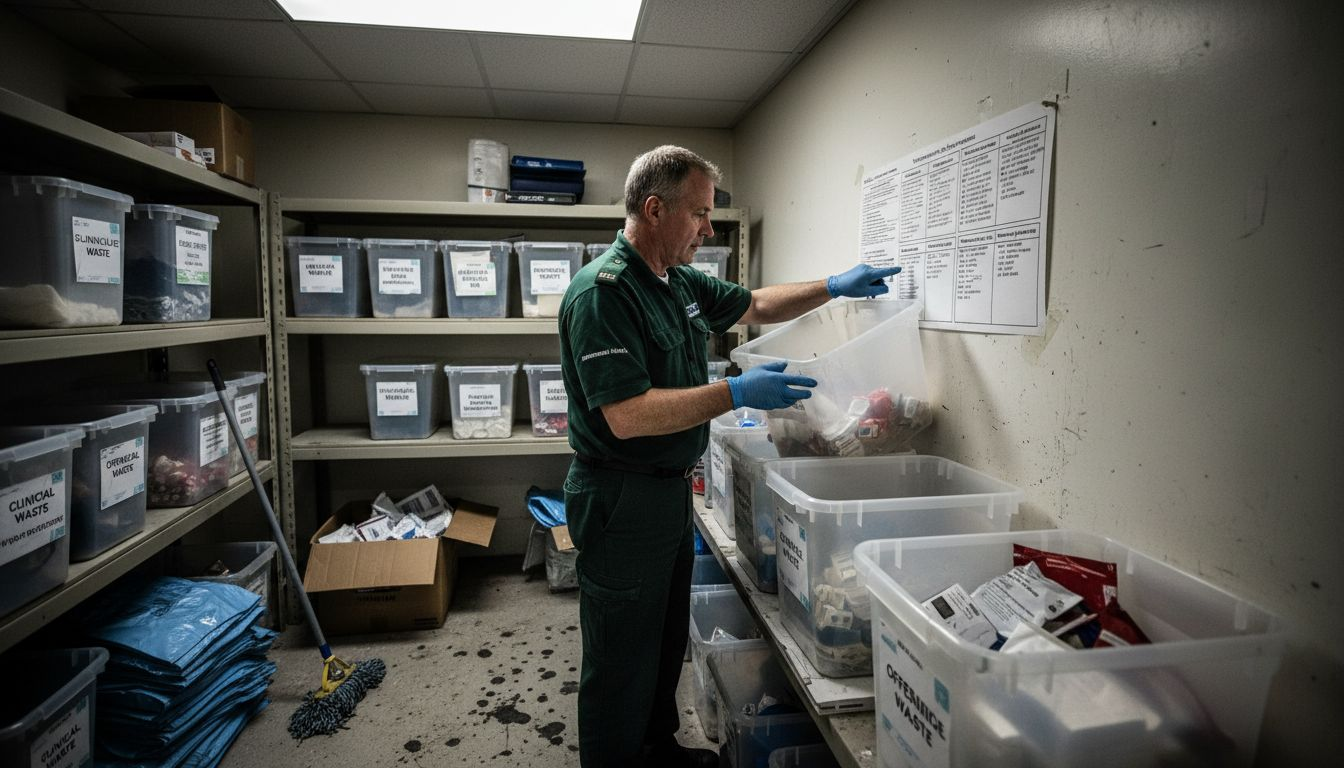
To clarify the differences, here is a comparison of key chemical waste categories in healthcare and their primary risks:
| Waste Category | Typical Examples | Main Risks |
|---|---|---|
| Cytotoxic and Cytostatic Medicines | Chemotherapy drugs | Carcinogenic, mutagenic |
| Pharmaceutical Waste | Expired medicines | Toxic environmental impact |
| Laboratory Chemical Reagents | Diagnostic chemicals | Corrosive, reactive |
| Disinfection and Cleaning Agents | Bleaches, solvents | Skin burns, air pollution |
| Contaminated Sharps | Syringes with drug residues | Injury, toxin exposure |
| Chemical Diagnostic Materials | X-ray developer solutions | Waterway contamination |
Chemical waste in healthcare is not merely a disposal issue – it represents a critical public health and environmental protection responsibility.
Detailed examples of hazardous chemical waste include:
- Chemotherapy drugs containing toxic compounds
- Expired or unused prescription medications
- Mercury-containing medical devices
- Chemical solutions used in medical diagnostics
- Contaminated equipment with chemical residues
The clinical waste regulations mandate precise segregation and colour-coded waste streams to isolate hazardous chemical materials safely. Healthcare providers must implement robust tracking and disposal systems to mitigate potential risks associated with chemical waste exposure.
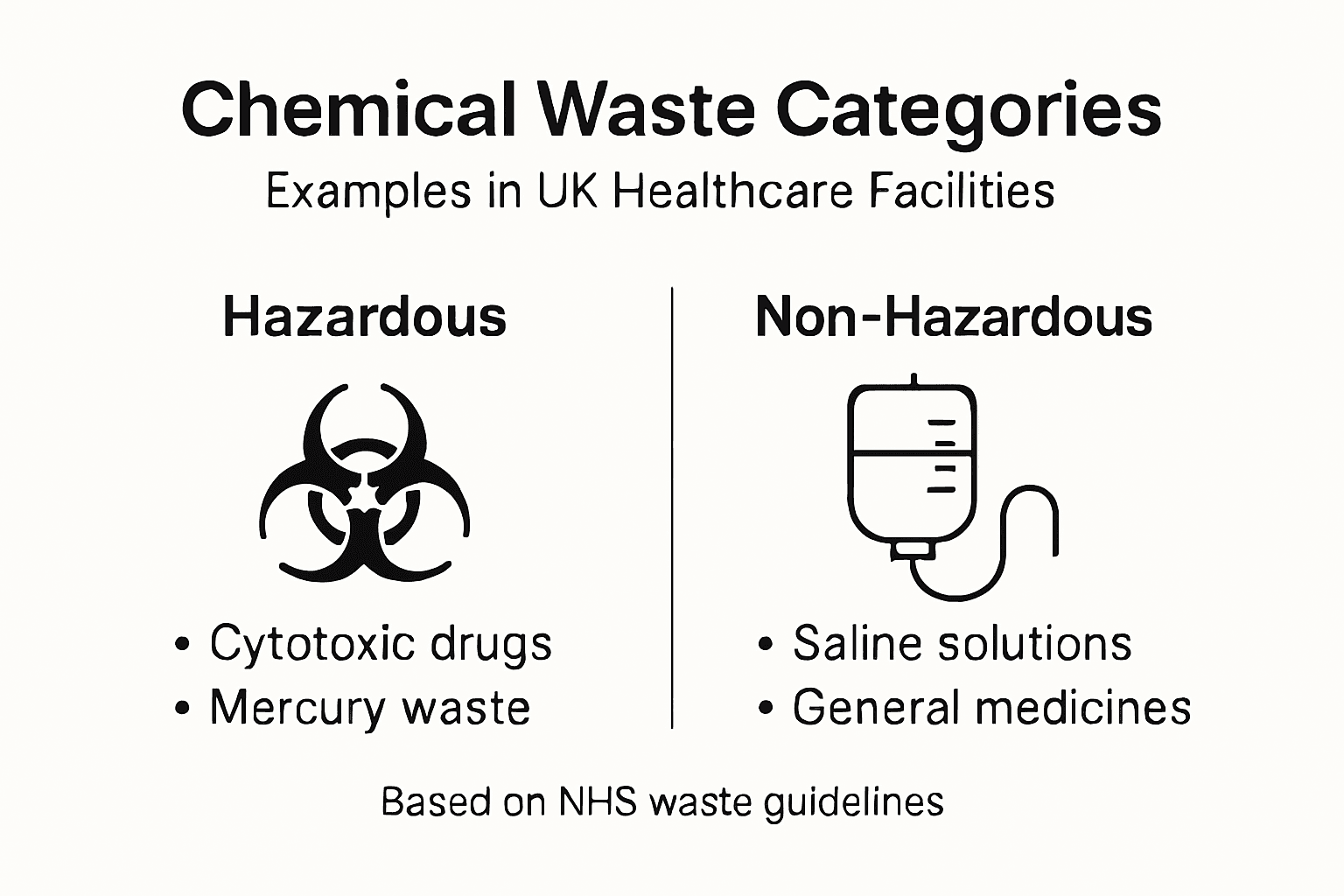
Pro tip: Develop a comprehensive chemical waste inventory system that tracks each hazardous substance from generation through final disposal, ensuring complete traceability and compliance.
Legal Standards and Compliance Obligations
Healthcare organisations in the United Kingdom must navigate a complex landscape of legal requirements governing chemical waste management. NHS clinical waste strategies outline comprehensive frameworks for responsible waste handling that extend beyond mere disposal protocols.
The primary legal foundations for chemical waste management include:
- Environmental Protection Act 1990
- Hazardous Waste Regulations 2005
- Control of Substances Hazardous to Health (COSHH) Regulations
- Health and Safety at Work Act
- Waste (England and Wales) Regulations
These regulations impose a ‘Duty of Care’ on healthcare providers, mandating rigorous processes for waste segregation, packaging, transportation, and final disposal. Each organisation must demonstrate a systematic approach to managing potentially harmful chemical substances.
Compliance is not optional – it represents a fundamental responsibility to protect public health and environmental integrity.
Key legal obligations for healthcare facilities include:
- Proper classification of chemical waste
- Using licensed waste carriers
- Maintaining comprehensive waste transfer documentation
- Implementing safe storage protocols
- Ensuring staff training on waste management procedures
The legal requirements for waste disposal are designed to minimise environmental risks and prevent potential contamination. Non-compliance can result in substantial financial penalties and potential legal prosecution.
Pro tip: Develop a centralised compliance tracking system that documents every stage of chemical waste management, ensuring transparent and verifiable adherence to legal standards.
Risks of Improper Chemical Waste Management
Healthcare facilities face substantial risks when chemical waste management protocols are not rigorously implemented. NHS clinical waste strategies highlight the critical importance of comprehensive waste handling to prevent potential health and environmental hazards.
The primary risks associated with improper chemical waste management include:
- Direct Health Risks
- Exposure to toxic substances
- Potential infectious disease transmission
- Chemical burns and contamination
- Occupational Hazards
- Increased worker injury potential
- Long-term health complications
- Environmental Consequences
- Soil and water contamination
- Ecosystem disruption
- Carbon emission increases
Healthcare workers are particularly vulnerable to immediate and long-term risks from mishandled chemical waste. Contaminated sharps, improperly stored chemical reagents, and inadequately disposed pharmaceutical substances can cause serious injuries and chronic health conditions.
Improper chemical waste management is not merely an administrative failure – it represents a direct threat to human health and environmental sustainability.
The potential consequences of negligent waste management extend beyond immediate health risks:
- Significant financial penalties
- Legal prosecution
- Institutional reputation damage
- Potential loss of healthcare licensing
- Environmental remediation costs
The clinical waste management guidelines emphasise that comprehensive staff training and robust waste segregation protocols are essential to mitigate these substantial risks.
Pro tip: Conduct quarterly comprehensive risk assessments of chemical waste management processes, involving multidisciplinary teams to identify and address potential vulnerabilities.
Benefits of Effective Chemical Waste Handling
Healthcare organisations across the United Kingdom can significantly enhance their operational efficiency and environmental sustainability through comprehensive waste management strategies. Effective chemical waste handling offers a multifaceted approach to organisational improvement and risk mitigation.
The primary benefits of robust chemical waste management include:
- Environmental Protection
- Reduced carbon emissions
- Minimised pollution
- Conservation of natural resources
- Operational Efficiency
- Lower disposal costs
- Streamlined waste processes
- Improved resource allocation
- Regulatory Compliance
- Adherence to health and safety standards
- Reduced legal risks
- Enhanced institutional reputation
Healthcare facilities that implement systematic chemical waste management protocols can achieve substantial operational and environmental advantages. By carefully segregating, storing, and disposing of hazardous substances, organisations demonstrate their commitment to both staff safety and ecological responsibility.
The following table summarises benefits of effective chemical waste handling and the operational outcomes:
| Benefit Area | Organisational Impact | Measurable Outcome |
|---|---|---|
| Environmental | Reduces pollution | Lower hazardous releases |
| Operational Efficiency | Improves workflows | Reduced disposal costs |
| Regulatory Compliance | Avoids legal breaches | Fewer fines, inspections passed |
| Staff Wellbeing | Minimises exposure | Decreased workplace injuries |
| Public Reputation | Demonstrates responsibility | Enhanced patient and community trust |
Effective chemical waste handling transcends mere compliance – it represents a strategic approach to organisational excellence and environmental stewardship.
Specific measurable benefits include:
- Significant reduction in potential workplace injuries
- Decreased environmental contamination risks
- Enhanced staff training and awareness
- Potential cost savings through efficient waste management
- Alignment with national sustainability goals
The healthcare waste management guidelines emphasise that comprehensive waste strategies contribute to healthier workplaces and more sustainable healthcare ecosystems.
Pro tip: Implement a digital tracking system to monitor chemical waste volumes, disposal methods, and associated costs, enabling data-driven improvements in waste management protocols.
Take Control of Your Healthcare Chemical Waste with Expert Solutions
Managing chemical waste in healthcare is a critical responsibility that safeguards public health, meets stringent legal obligations, and protects the environment. If you are facing challenges such as safe segregation, hazardous substance tracking, or regulatory compliance, you are not alone. Chemicals like cytotoxic medicines and contaminated sharps require specialised handling to avoid costly penalties and health risks.
At Venture Waste Management, we understand these pressing demands. Our expert hazardous waste services are designed specifically to help healthcare providers across the United Kingdom navigate complex waste disposal requirements effectively. Explore our hazardous waste services to discover tailored solutions for chemical waste management including safe collection, transport, and disposal that align with the latest regulations.

Act now to protect your staff, patients, and community from the dangers of improper chemical waste handling. Simplify compliance and reduce operational risks with Venture Waste Management. Visit our main website at Venture Waste to book your service in three easy steps or learn more about how we support businesses with our comprehensive waste collection network in the UK. Partner with us and turn chemical waste challenges into safe, sustainable solutions today.
Frequently Asked Questions
What constitutes chemical waste in healthcare?
Chemical waste in healthcare includes cytotoxic and cytostatic medicines, contaminated sharps, pharmaceutical waste, chemical cleaning agents, and laboratory chemical reagents. Each type requires specific handling and disposal methods to prevent risks to health and the environment.
Why is managing chemical waste important for healthcare facilities?
Effective chemical waste management is crucial to prevent health hazards, protect employees from harmful exposure, and reduce environmental contamination. It also ensures compliance with regulatory standards and enhances the institution’s reputation.
What are the risks associated with improper chemical waste management?
Improper management can lead to direct health risks such as exposure to toxic substances, injury from contaminated sharps, and potential environmental consequences like soil and water contamination, which can disrupt ecosystems.
How can healthcare organisations improve their chemical waste handling practices?
Healthcare organisations can improve practices by implementing comprehensive waste tracking systems, providing staff training, ensuring proper waste segregation, and adhering to legal guidelines to minimise risks and enhance operational efficiency.


Leave a Reply
Want to join the discussion?Feel free to contribute!