

Waste Rebates: Identify Valuable Waste Streams for Recyclers
Waste can seem like just an unavoidable cost for any business. Yet plenty of Newcastle and Durham companies have been surprised to discover that metals, electronic waste, and industrial plastics are often the most lucrative waste streams for rebates. What most people miss is that with the right steps, your rubbish could be generating real income and slashing your costs at the same time.
Table of Contents
- Step 1: Assess Your Current Waste Management Practices
- Step 2: Identify Key Waste Streams in Your Operations
- Step 3: Research Market Value of Waste Streams
- Step 4: Engage With Recyclers for Quotes and Services
- Step 5: Implement Changes and Track Waste Streams
- Step 6: Review and Optimize Your Waste Management Strategy
Quick Summary
| Key Point | Explanation |
|---|---|
| 1. Conduct a thorough waste audit | Track and document all waste types and volumes generated to uncover potential rebate opportunities and inefficiencies. |
| 2. Identify high-value recyclable materials | Focus on metals, electronic waste, and industrial plastics as they often yield the highest financial returns in recycling. |
| 3. Research recycling market rates | Investigate current prices for recyclable materials and build relationships with buyers to maximise potential profits. |
| 4. Engage multiple recyclers for quotes | Solicit competitive quotes from various recycling partners to ensure you secure the best pricing and service conditions. |
| 5. Implement and track waste management changes | Establish a robust tracking system to monitor waste streams and assess the impact of new waste management strategies effectively. |
Step 1: Assess Your Current Waste Management Practices
Assessing your current waste management practices is a critical foundation for identifying valuable waste rebates and optimising your recycling potential. This step involves a comprehensive review of how your business currently handles and disposes of different waste streams. By understanding your existing waste generation patterns, you can uncover hidden opportunities for financial recovery and environmental sustainability.
Begin by conducting a thorough waste audit across all departments and operational areas. This means meticulously tracking and documenting the types and volumes of waste your organisation produces. Newcastle and Durham businesses often discover significant waste management inefficiencies during this initial assessment phase. Start by gathering historical waste disposal records, invoices from waste management companies, and internal waste generation logs.
Your audit should categorise waste streams precisely, distinguishing between general waste, recyclable materials, electronic waste, hazardous materials, and potential high-value waste streams. Pay special attention to materials like metals, electronic equipment, industrial plastics, and specialized industrial byproducts. These categories often represent the most lucrative opportunities for waste rebates. Learn more about reducing waste management costs and implementing strategic waste reduction strategies.
To ensure accuracy, consider engaging a professional waste management consultant or using digital tracking tools that can help quantify and analyse your waste generation patterns.
Some businesses in the North East have successfully implemented digital waste tracking systems that provide real-time insights into waste composition and potential rebate opportunities. The goal is not just to measure waste but to understand its economic and environmental value.
Verify the success of your waste assessment by confirming you have:
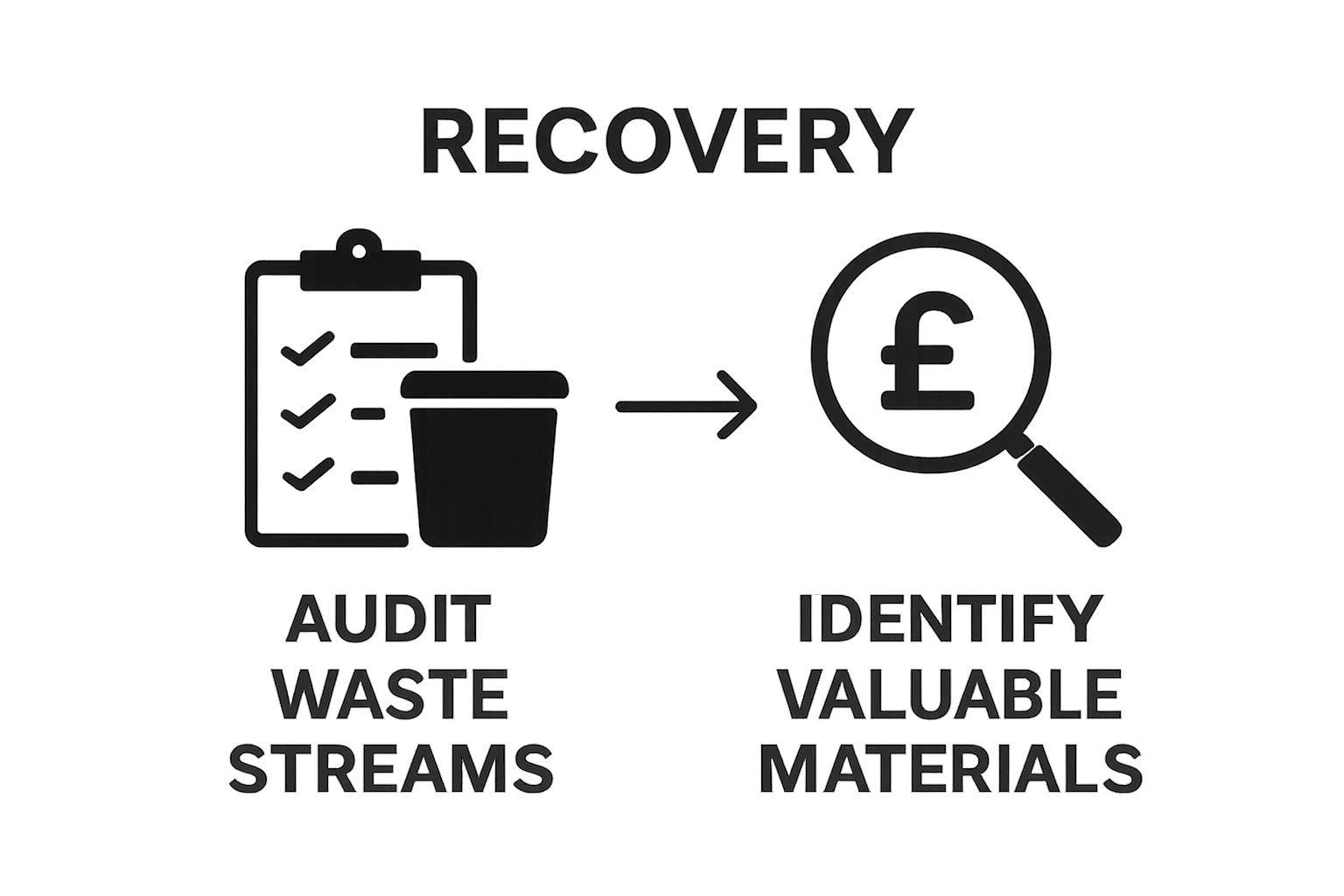
- A comprehensive document detailing all waste streams generated
- Precise measurements of waste volumes for each category
- Identification of potential high-value waste materials
- Initial calculations of potential rebate opportunities
This foundational step sets the stage for strategic waste management and financial optimization, preparing your business to maximize potential rebates and improve overall sustainability practices.
The following checklist table summarises key verification steps to ensure your waste audit is comprehensive and effective.
| Verification Step | Description |
|---|---|
| Document all waste streams | Ensure a record exists for every type of waste generated across all departments or operational areas. |
| Measure volumes precisely | Record accurate measurements for each category of waste to understand scale and potential value. |
| Identify high-value materials | Highlight materials such as metals, electronic waste, and industrial plastics for their rebate potential. |
| Calculate rebate opportunities | Perform initial calculations to estimate possible income from recyclable materials. |
| Gather historical records | Collect previous waste disposal records and invoices to compare past trends and discover inefficiencies. |
| Use digital tracking tools | Implement digital tools or consult professionals to quantify and analyse waste data more accurately. |
Step 2: Identify Key Waste Streams in Your Operations
Identifying key waste streams represents a crucial stage in maximising potential rebate opportunities for your business. This step transforms your general waste audit into a strategic analysis focused on uncovering financially and environmentally valuable materials generated through your operational processes.
Start by categorising your waste streams with precision. Metals, electronic waste, industrial plastics, and specialized manufacturing byproducts often represent the most lucrative recycling opportunities. Manufacturing businesses in Newcastle and Durham frequently discover significant revenue potential in waste materials they previously considered disposable. Explore strategies for waste management efficiency to enhance your understanding of waste stream potential.
Develop a comprehensive waste characterisation matrix that details not just the type of waste, but its potential market value, recycling potential, and current disposal method. This requires collaborative input from operational managers, procurement teams, and sustainability experts within your organisation. Look beyond traditional waste categories and examine each waste stream through the lens of potential economic recovery.
Consider employing specialized waste stream analysis tools or consulting with waste management professionals who can provide expert insights into market rates for different recyclable materials. Some businesses have discovered unexpected value in seemingly mundane waste streams, such as specific grades of industrial cardboard, mixed metal alloys, or electronic component remnants.
Verify the success of your waste stream identification by confirming you have:
- A detailed waste stream inventory with market value estimations
- Identified potential high-value recyclable materials
- Preliminary contact information for potential recycling buyers
- Initial cost-benefit analysis of waste stream processing
This strategic identification process transforms waste from a cost centre into a potential revenue stream, setting the foundation for more sophisticated waste management and rebate optimization strategies.
Step 3: Research Market Value of Waste Streams
Researching the market value of waste streams transforms your waste management approach from a cost centre to a potential revenue generator. This critical step involves deep investigation into current recycling market rates, commodity prices, and potential buyers for your identified waste materials.
Metals, electronic waste, and specialized industrial materials often represent the most financially attractive waste streams. Industrial businesses in Newcastle and Durham have discovered significant economic opportunities by understanding the nuanced pricing dynamics of different recyclable materials. Explore detailed insights into waste disposal cost factors to refine your market research strategy.
Establish connections with local and regional recycling brokers, waste commodity traders, and specialized recycling centres who can provide current market rates. These professionals can offer real-time insights into fluctuating material values and emerging market trends. Consider attending waste management conferences, joining industry networking groups, and subscribing to specialized publications that track recycling commodity markets.
Utilize online resources and digital platforms that track waste commodity prices. Some specialized websites and industry databases provide current pricing information for various recyclable materials. Create a comprehensive spreadsheet tracking market rates for different waste streams, including historical price trends and projected future valuations. This digital tracking allows you to make informed decisions about when and how to sell your recyclable waste materials.
Develop relationships with multiple potential buyers to maximize your negotiation power and ensure competitive pricing.
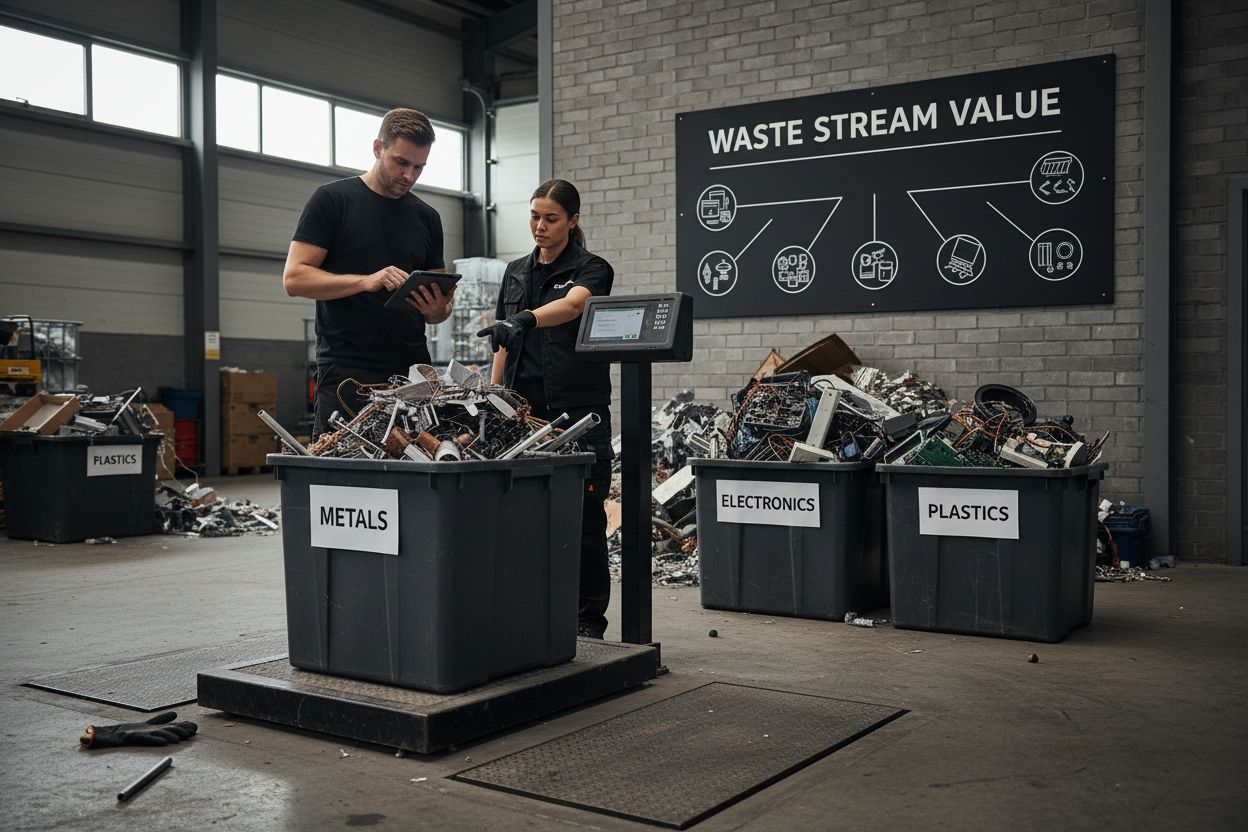 Some businesses find success by creating a competitive bidding environment among recycling partners, which can drive up the value of their waste streams.
Verify the success of your market value research by confirming you have:
- A detailed pricing database for different waste streams
- Contact information for multiple recycling buyers
- Current market rate information for your specific waste materials
- Preliminary pricing strategies for waste stream sales
This strategic approach transforms waste from an operational expense into a potential revenue stream, positioning your business at the forefront of sustainable and economically smart waste management practices.
Step 4: Engage with Recyclers for Quotes and Services
Engaging with recyclers represents a pivotal moment in transforming your waste streams from operational expenses to potential revenue sources. This step involves strategic communication and negotiation with specialized recycling partners who can provide competitive quotes and tailored waste management services.
Preparation is key when approaching potential recycling partners. Compile a comprehensive presentation of your waste stream characteristics, including precise volume measurements, material composition, and current waste management practices. Explore our dry mixed recycling services to understand the range of potential recycling solutions available for your business.
Begin by creating a targeted list of recycling companies that specialize in your specific waste streams. Industrial businesses in Newcastle and Durham have found success by seeking out recyclers with expertise in their particular industry sector. Contact multiple recyclers to create a competitive bidding environment that maximizes your potential rebate value. Prepare a standardized information package that includes detailed waste stream characteristics, estimated volumes, and your specific recycling requirements.
During initial consultations, request comprehensive quotes that break down potential rebate values, processing fees, and additional services. Some recyclers offer additional value through waste collection, sorting, and documentation services that can streamline your waste management processes. Be prepared to negotiate terms and understand that pricing can fluctuate based on market conditions, material quality, and volume.
Develop a systematic approach to evaluating recycling partners, considering factors beyond just financial compensation. Look for partners with robust environmental credentials, transparent reporting mechanisms, and proven track records in responsible waste management. Consider requesting site visits or detailed case studies from potential recycling partners to validate their capabilities.
Verify the success of your recycler engagement by confirming you have:
- Collected multiple competitive quotes from recycling partners
- Documented potential rebate values for different waste streams
- Identified preferred recycling partners
- Established initial communication channels for future waste management collaboration
This strategic engagement transforms waste management from a routine operational task into a potential revenue generation opportunity, positioning your business at the forefront of sustainable and economically smart waste practices.
Step 5: Implement Changes and Track Waste Streams
Implementing changes and establishing robust tracking mechanisms transforms your waste management strategy from theoretical planning to practical execution. This critical step ensures that your identified waste streams generate maximum value while maintaining operational efficiency.
Develop a comprehensive waste tracking system that captures real-time data on waste generation, segregation, and potential rebate opportunities. Explore our steps to waste compliance to understand the regulatory framework supporting effective waste management. Industrial businesses in Newcastle and Durham have found success by integrating digital tracking technologies that provide granular insights into waste stream performance.
Begin by redesigning your internal waste collection and segregation processes. This might involve implementing colour-coded waste containers, training staff on precise waste categorization, and establishing clear protocols for waste handling. Invest in digital tracking tools that can log waste volumes, material types, and potential market values in real-time. Consider implementing barcode or RFID tracking systems that can provide precise documentation for each waste stream.
Create a dedicated waste management team or assign specific responsibilities within existing departments. This team will be responsible for monitoring waste streams, maintaining relationships with recycling partners, and continuously identifying opportunities for optimization. Regular monthly or quarterly reviews can help identify trends, track rebate performance, and make data-driven adjustments to your waste management strategy.
Establish clear key performance indicators (KPIs) that measure the financial and environmental impact of your new waste management approach. These might include total waste rebate revenue, reduction in landfill waste, percentage of recyclable materials recovered, and overall cost savings. Developing a transparent reporting mechanism will help demonstrate the tangible benefits of your waste stream optimization efforts.
Verify the success of your implementation by confirming you have:
- A functional digital waste tracking system
- Clear waste segregation protocols
- Trained staff in new waste management procedures
- Established reporting mechanisms for waste stream performance
- Initial baseline measurements for future comparative analysis
This systematic approach transforms waste management from a passive operational function into a strategic business opportunity, driving both financial returns and environmental sustainability.
Step 6: Review and Optimize Your Waste Management Strategy
Reviewing and optimizing your waste management strategy is a continuous process that transforms initial efforts into a sophisticated, revenue-generating approach. This final step ensures that your waste stream identification and recycling initiatives remain dynamic, responsive, and financially beneficial.
Quarterly comprehensive reviews are crucial for maintaining the effectiveness of your waste management strategy. Explore our step-by-step waste management guide to understand the broader context of strategic waste optimization. Industrial businesses in Newcastle and Durham have discovered that regular, data-driven reviews can uncover hidden opportunities for improvement and financial gain.
Conduct a detailed performance analysis that examines multiple dimensions of your waste management approach. This includes financial metrics such as total rebate revenue, cost savings from reduced waste disposal, and return on investment in new waste tracking technologies. Additionally, evaluate environmental impact metrics like reduced landfill waste, increased recycling rates, and overall carbon footprint reduction. These comprehensive reviews provide a holistic view of your waste management strategy’s effectiveness.
Establish a cross-functional optimization team that brings together perspectives from operations, finance, sustainability, and procurement departments. This collaborative approach ensures that waste management strategies are not developed in isolation but are integrated into broader business objectives. Regular brainstorming sessions can help identify innovative approaches to waste stream management, potential new recycling partnerships, and emerging technologies that could further enhance your waste management efficiency.
Remain adaptable and open to technological innovations in waste management. The recycling and waste management landscape is continuously evolving, with new technologies and market opportunities emerging regularly. Consider attending industry conferences, subscribing to waste management publications, and maintaining open communication channels with recycling partners to stay informed about the latest developments.
Verify the success of your review and optimization process by confirming you have:
- Completed a comprehensive quarterly performance review
- Documented improvements and identified areas for further optimization
- Updated waste management protocols based on review findings
- Maintained ongoing communication with recycling partners
- Developed a forward-looking strategy for continuous improvement
This systematic approach ensures that your waste management strategy remains a dynamic, value-generating component of your business operations, driving both financial returns and environmental sustainability.
The following table provides an overview of each main step in the waste rebate identification process, with their key objective and outcome.
| Step | Key Objective | Main Outcome |
|---|---|---|
| 1. Assess Current Practices | Review and document waste handling processes | Pinpoint inefficiencies and potential rebate streams |
| 2. Identify Key Waste Streams | Categorise waste by type and potential value | List high-value recyclable materials |
| 3. Research Market Value | Investigate prices and connect with buyers | Establish market value database and contacts |
| 4. Engage with Recyclers | Solicit quotes and evaluate recycling partners | Obtain competitive offers for waste streams |
| 5. Implement & Track Changes | Apply new processes and monitor progress | Set up tracking and staff training |
| 6. Review & Optimise Strategy | Regularly analyse results and improve approach | Continuous improvement and increased rebates |
Unlock New Value from Your Business Waste Streams
Are you struggling to identify the true value hidden in your business waste? Maximising rebates and identifying high-value waste streams can feel overwhelming, especially with new market complexities and changing regulations in the UK. Your efforts at comprehensive audits and market research may still fall short if you do not have a reliable partner to help manage waste efficiently and compliantly. Every missed opportunity for waste rebates means lost revenue and unnecessary costs. This is where our expertise becomes invaluable. If you want to dig deeper into how industry networks optimise recycling for business success, look into our guide on How the Waste Collection Network in UK Serves Businesses in 2025.

Now is the time to turn waste into profit and shift your approach from reactive disposal to strategic recovery. Discover practical, proven support through Venture Waste Management. Our simple booking process and industry-leading solutions help you streamline waste flow, secure higher rebates, and stay compliant. Take control of your waste strategy today and set your business ahead in environmental and commercial performance. Visit our home page or learn about our industry-wide waste collection process to get started now.
Frequently Asked Questions
What are waste rebates?
Waste rebates are financial incentives or payments that businesses receive for recycling specific waste materials. They encourage companies to identify and recycle valuable waste streams instead of sending them to landfills.
How can I identify valuable waste streams for recycling?
To identify valuable waste streams, conduct a comprehensive waste audit that categorises waste into types like metals, industrial plastics, and electronic waste. Assess the market value of these materials to uncover potential rebate opportunities.
What steps should I take to research the market value of my waste streams?
Start by gathering information on current recycling market rates, contacting local recyclers for quotes, and using online resources to track the pricing of recyclable materials. Maintain a detailed database of market values to make informed decisions.
How do I engage with recyclers to maximise rebates for my waste materials?
Create a list of potential recyclers, prepare a detailed presentation of your waste characteristics, and request multiple quotes. Engage in negotiations to ensure you receive competitive pricing and explore additional recycling services they may offer.
Recommended
- save money on waste management Archives – Venture Waste
- Rebates for Waste Materials: How Valuable Is the Waste You Produce? If You Have Enough to Bale, You Have Enough to Sell – Venture Waste
- General Waste vs Recycling: Business Guide for 2025 – Venture Waste
- How UK Businesses Can Save Money on Waste Management in 2025 – Venture Waste


Leave a Reply
Want to join the discussion?Feel free to contribute!