

Waste Management Definition for UK Businesses 2025

Waste management rules for UK businesses are about to tighten, with new regulations requiring all companies with 10 or more employees to separate waste by 31 March 2025. That sounds straightforward, right? Here’s the curveball. This shift is not just about dodging fines or ticking compliance boxes. The real story is how these laws will force businesses to rethink their waste entirely, turning what used to be an afterthought into a strategic part of running a responsible company.
Table of Contents
- Understanding Waste Management Definition
- Types Of Business Waste And Risks
- Legal Requirements For UK Waste Disposal
- Choosing The Right Waste Management Partner
Quick Summary
| Takeaway | Explanation |
|---|---|
| Understanding Waste Management is Crucial | Waste management involves handling waste throughout its lifecycle and requires businesses to implement strategic approaches to minimize environmental impact and ensure compliance with legal requirements. |
| Compliance with New Regulations is Mandatory | From 31 March 2025, businesses with 10 or more employees must adhere to waste separation regulations, categorising waste into dry recyclables, food waste, and non-recyclable materials to avoid penalties. |
| Tailored Strategies for Different Waste Types | Each waste stream (hazardous, electronic, healthcare, etc.) demands specific handling protocols and businesses need to develop tailored strategies that comply with regulations and protect public health. |
| Choosing the Right Waste Management Partner | Selecting an effective waste management partner involves assessing their regulatory compliance, technological capabilities, and sustainability practices to ensure alignment with your business’s environmental goals. |
| Continuous Education and Adaptation Required | Businesses must remain informed about evolving waste management regulations and invest in training and infrastructure to enhance their waste management practices and demonstrate corporate social responsibility. |
Understanding Waste Management Definition
Waste management represents a comprehensive approach to handling, collecting, transporting, treating, and disposing of waste materials generated by businesses across various sectors. At its core, the waste management definition encompasses the entire lifecycle of waste from its initial production to its final disposal or recycling.

Legal Framework and Regulatory Context
In the United Kingdom, waste management is governed by stringent legal requirements that businesses must navigate carefully. Explore our comprehensive waste management guidelines to understand the full scope of regulatory compliance. According to the Environment Act 2021, businesses are now required to implement more sophisticated waste management strategies that prioritize environmental protection and resource efficiency.
The definition extends beyond mere disposal, incorporating critical elements such as waste reduction, reuse, recycling, and responsible treatment. As of 31 March 2025, businesses in England must adhere to new waste separation regulations, which mandate the division of waste into specific categories: dry recyclable materials (including plastic, metal, glass, paper, and cardboard), food waste, and non-recyclable waste.
Comprehensive Waste Management Approach
A robust waste management definition for UK businesses in 2025 involves multiple key components. This includes:
- Waste Auditing: Conducting thorough assessments of waste production and potential reduction strategies
- Segregation Protocols: Implementing systematic approaches to separate different types of waste
- Sustainable Disposal: Ensuring environmentally responsible methods of waste treatment and disposal
The NHS Clinical Waste Strategy provides an excellent example of how comprehensive waste management can be implemented across complex organisational structures. This strategy demonstrates the importance of a holistic approach that goes beyond traditional disposal methods.
Businesses must recognize that waste management is no longer just an operational necessity but a critical environmental and legal responsibility. The definition now encompasses a proactive approach to minimizing waste generation, maximizing recycling potential, and reducing overall environmental impact.
Moreover, effective waste management involves understanding the specific requirements of different waste streams. Hazardous materials, electronic waste, organic waste, and general commercial waste each require unique handling and disposal protocols. Companies must develop tailored strategies that comply with current regulations while also demonstrating a commitment to sustainable practices.
The evolving landscape of waste management challenges businesses to think beyond traditional disposal methods. It requires a strategic approach that integrates environmental consciousness, legal compliance, and operational efficiency. By embracing a comprehensive waste management definition, businesses can not only meet regulatory requirements but also contribute to broader environmental sustainability goals.
Ultimately, waste management in 2025 is about creating a circular economy approach that transforms waste from a problematic byproduct into a potential resource. It demands continuous learning, adaptation, and a commitment to innovative solutions that protect both business interests and the environment.
Types of Business Waste and Risks
Businesses across the United Kingdom generate diverse waste streams, each presenting unique environmental and health risks that require careful management and strategic disposal. Understanding these waste types is crucial for developing comprehensive waste management strategies that protect both organisational interests and public health.
Categorisation of Business Waste
The UK Health and Safety Executive identifies multiple business waste categories, each demanding specific handling protocols. These categories include construction and demolition waste, electrical and electronic equipment waste, hazardous waste, healthcare waste, packaging waste, and industrial byproducts.
Construction and demolition waste often contains potentially dangerous materials like asbestos, concrete debris, and metal scraps. Electronic waste represents another critical category, containing complex components that can release toxic substances such as lead, mercury, and cadmium if not processed correctly. Learn more about effective waste reduction strategies to mitigate these environmental risks.
Health and Environmental Risks
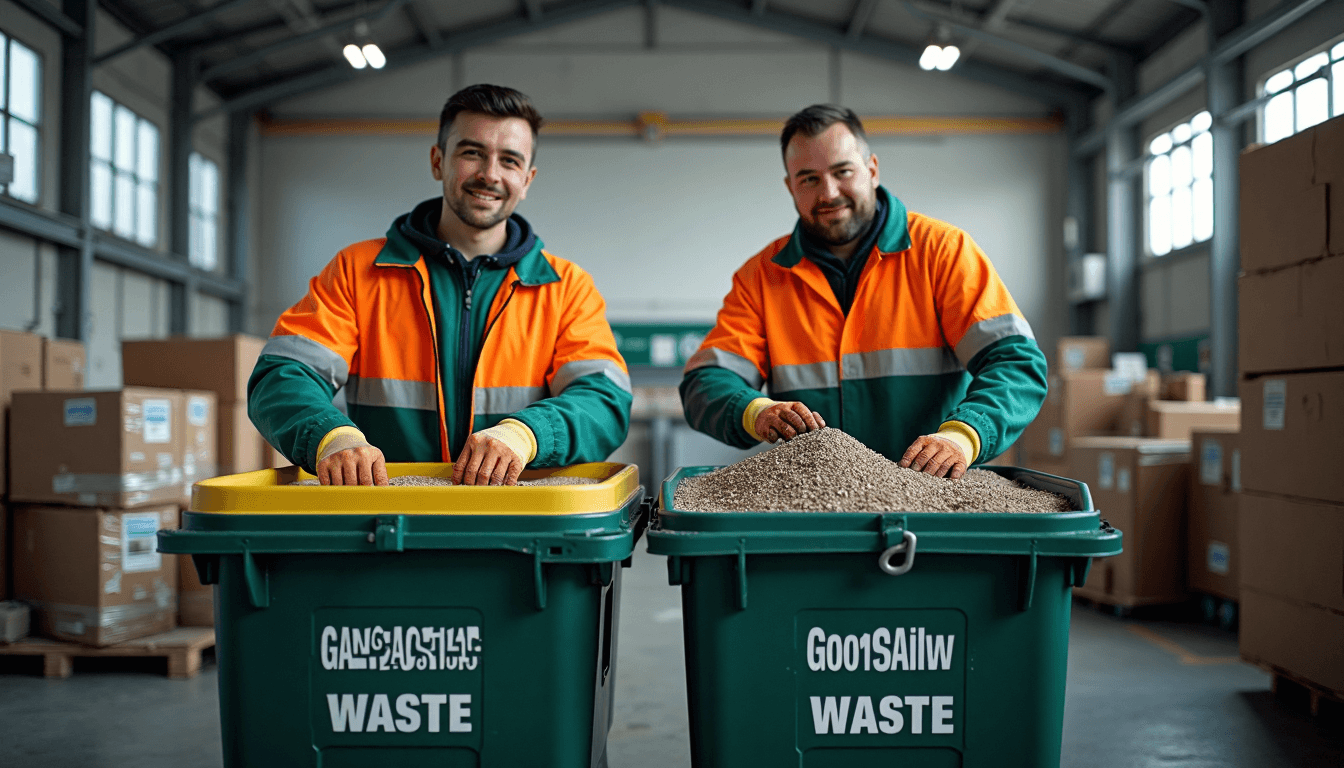
Business waste poses significant risks beyond mere disposal challenges. According to government guidance, different waste types carry specific health hazards:
- Hazardous Waste: Chemicals, solvents, and industrial reagents can cause severe respiratory and dermatological complications
- Healthcare Waste: Potentially infectious materials requiring specialized handling to prevent disease transmission
- Mechanical Treatment Waste: Dust and particulate matter that can lead to respiratory disorders
The Environment Agency emphasizes that improper waste management can result in substantial environmental contamination, potentially leading to long-term ecological damage and significant financial penalties for non-compliant businesses.
Businesses must recognize that waste management extends far beyond simple disposal. It involves comprehensive risk assessment, careful segregation, and implementation of sustainable processing methods. Each waste stream requires a tailored approach that considers its unique chemical composition, potential environmental impact, and regulatory requirements.
Persistent Organic Pollutants (POPs) represent another critical concern. These toxic substances can accumulate in ecosystems, presenting long-term health risks to human populations and wildlife. Proper identification, containment, and specialized disposal of such materials are essential for responsible business practices.
Moreover, businesses must stay informed about evolving waste management regulations. The UK government continues to tighten waste handling standards, pushing organisations towards more environmentally responsible practices. This includes mandatory waste separation, increased recycling targets, and stricter penalties for non-compliance.
Effective waste management is not just a legal obligation but a moral responsibility. By understanding the intricate risks associated with different waste types, businesses can develop robust strategies that protect public health, minimize environmental impact, and demonstrate corporate social responsibility.
Ultimately, comprehensive waste management requires continuous education, investment in proper infrastructure, and a commitment to sustainable practices that go beyond mere regulatory compliance. It is an ongoing process of assessment, adaptation, and improvement.
To help you quickly understand the various categories of business waste, here is a summary table detailing common types and their associated handling requirements.
| Waste Category | Example Materials | Special Handling Requirements |
|---|---|---|
| Construction & Demolition | Asbestos, concrete, metal scraps | Controlled disposal, hazard identification |
| Electronic (WEEE) | Computers, TVs, batteries | Specialist recycling, hazardous component removal |
| Hazardous Waste | Chemicals, solvents, industrial reagents | Licensed disposal, containment, strict documentation |
| Healthcare Waste | Sharps, contaminated dressings | Infection control procedures, incineration or specialist treatment |
| Packaging Waste | Cardboard, plastics, pallets | Segregation for recycling, reduction at source |
| Industrial Byproducts | Sludges, process residues | Waste minimization, permitted treatment/disposal options |
Legal Requirements for UK Waste Disposal
The legal landscape for waste disposal in the United Kingdom has undergone significant transformations, with the Environment Act 2021 establishing a comprehensive framework that fundamentally reshapes how businesses manage and dispose of their waste. These regulations represent a pivotal moment in environmental legislation, mandating stringent compliance and sustainable waste management practices.
Waste Separation and Classification Regulations
As of 31 March 2025, businesses in England face critical new requirements for waste management. All workplaces with 10 or more full-time employees must implement strict waste separation protocols. This means categorizing waste into three distinct streams:
- Dry Recyclable Materials: Includes plastic, metal, glass, paper, and cardboard
- Food Waste: Separate collection and processing of organic waste
- Non-Recyclable Waste: Materials that cannot be recycled or repurposed
Learn more about navigating hazardous waste handling requirements to ensure complete regulatory compliance. Micro-firms with fewer than 10 full-time equivalent employees will have until 31 March 2027 to implement these separation requirements, providing additional time for adaptation.
Below is a summary table outlining the new waste separation regulations becoming effective from 31 March 2025 and the specific requirements for businesses of different sizes.
| Business Size | Compliance Deadline | Mandatory Separation Streams | Key Notes |
|---|---|---|---|
| 10+ employees | 31 March 2025 | Dry recyclables, Food, Non-recyclable | Applies to all England |
| Fewer than 10 employees | 31 March 2027 | Dry recyclables, Food, Non-recyclable | Extra adaptation period |
Compliance and Enforcement Mechanisms
The Health and Safety Executive emphasizes that legal compliance extends beyond mere waste categorization. Businesses must maintain comprehensive documentation, including:
- Accurate waste transfer notes
- Detailed records of waste production and disposal
- Certificates of proper waste handling and treatment
- Evidence of using authorized waste management providers
Failure to comply can result in substantial financial penalties, potential legal action, and reputational damage. The regulatory framework now places unprecedented emphasis on environmental responsibility, treating waste management as a critical business obligation rather than an optional practice.
Businesses must also navigate complex regulations surrounding hazardous waste. Specific materials such as chemicals, electronic equipment, and medical waste require specialized handling protocols. The Environment Agency provides detailed guidance on identifying, classifying, and safely disposing of these high-risk waste streams.
Moreover, the legal requirements extend beyond disposal. Businesses are now expected to demonstrate proactive waste reduction strategies, implement circular economy principles, and continuously monitor and report their waste management practices. This represents a fundamental shift from a disposal-centric approach to a more holistic, environmentally conscious waste management model.
The regulations also introduce more rigorous tracking mechanisms. Digital reporting systems will enable authorities to monitor waste streams more effectively, ensuring transparency and accountability. Businesses will need to invest in sophisticated waste management technologies and training to meet these evolving legal standards.
Ultimately, these legal requirements reflect a broader commitment to environmental sustainability. They challenge businesses to reimagine waste not as a problem to be eliminated, but as a resource to be managed strategically. Compliance is no longer just about avoiding penalties but about contributing to a more sustainable economic and environmental future.
For businesses, this means developing comprehensive waste management strategies that integrate legal compliance, environmental responsibility, and operational efficiency. The 2025 regulations represent more than a legal mandate—they are a call to fundamental transformation in how businesses approach resource management and environmental stewardship.
Choosing the Right Waste Management Partner
Selecting an appropriate waste management partner represents a critical strategic decision for UK businesses in 2025. The complexity of evolving waste disposal regulations and environmental standards demands a comprehensive approach to partnership selection that goes far beyond simple waste collection services.
Evaluating Waste Management Capabilities
Businesses must conduct rigorous assessments of potential waste management partners, focusing on several key criteria. Discover strategies for optimising waste management costs to ensure both compliance and financial efficiency.
The Environment Agency recommends evaluating potential partners based on:
- Regulatory Compliance: Verification of current waste management licenses and certifications
- Technological Capabilities: Advanced sorting and processing technologies
- Environmental Credentials: Proven commitment to sustainable waste management practices
- Reporting and Transparency: Comprehensive waste tracking and documentation systems
Sustainability and Compliance Considerations
With the UK government’s ‘Simpler Recycling’ reforms effective from 31 March 2025, businesses must select partners capable of meeting stringent waste separation requirements. According to the NHS Sustainability Strategy, organisations should prioritize waste management partners who demonstrate:
- Commitment to net zero carbon emissions
- Advanced recycling and circular economy approaches
- Ability to handle complex waste streams
- Comprehensive waste reduction strategies
The legal landscape now demands more than mere waste disposal. A strategic waste management partner becomes an extension of a business’s environmental responsibility, helping organisations navigate increasingly complex regulatory environments.
Technological integration plays a crucial role in modern waste management partnerships. Businesses should seek partners offering digital tracking systems, real-time waste stream analytics, and comprehensive reporting mechanisms. These technological capabilities enable more precise waste management, helping organisations meet their environmental and legal obligations more effectively.
Financial considerations remain paramount. While sustainability is critical, businesses must balance environmental responsibility with economic pragmatism. Explore waste management solutions across different regions to understand regional variations in service quality and pricing.
Moreover, the right waste management partner should offer more than transactional services. They should provide consultative support, helping businesses develop proactive waste reduction strategies, understand emerging regulations, and implement innovative waste management approaches.
Industry-specific expertise is another critical factor. Different sectors generate unique waste streams requiring specialized handling. A waste management partner with deep understanding of your specific industry can provide more nuanced, effective waste management solutions.
The selection process should include comprehensive due diligence. This involves reviewing the partner’s track record, conducting site visits, examining case studies, and speaking with existing clients. Businesses should also assess the partner’s adaptability to future regulatory changes and technological innovations.
Ultimately, choosing the right waste management partner is about establishing a strategic relationship that extends beyond waste collection. It is about finding a collaborator committed to your organisation’s environmental goals, regulatory compliance, and long-term sustainability objectives.
In the rapidly evolving waste management landscape of 2025, the right partnership can transform waste from a compliance challenge into a strategic opportunity for environmental leadership and operational efficiency.
Frequently Asked Questions
What is waste management for UK businesses?
Waste management for UK businesses refers to the comprehensive approach of handling, collecting, transporting, treating, and disposing of waste materials generated by various sectors. It includes strategies for waste reduction, recycling, and responsible disposal to comply with legal requirements and protect the environment.
What are the new waste management regulations for UK businesses in 2025?
As of 31 March 2025, businesses in the UK with 10 or more employees must implement waste separation regulations, categorising waste into three streams: dry recyclables, food waste, and non-recyclable waste, to enhance environmental sustainability and compliance.
What types of business waste are there?
Business waste comprises several categories, including construction and demolition waste, electronic waste, hazardous waste, healthcare waste, packaging waste, and industrial byproducts. Each type has specific handling protocols and associated risks that must be carefully managed.
Why is compliance with waste management regulations important for businesses?
Compliance with waste management regulations is crucial as it helps businesses avoid substantial financial penalties, legal actions, and reputational damage. It also promotes environmental responsibility and supports the transition towards more sustainable waste management practices.
Ready to Meet the 2025 Waste Management Challenge?
Is your business worried about the new waste separation laws coming into effect soon? With rules demanding strict compliance and efficient handling of various waste streams, the pressure is on. Many firms feel uncertainty about categorising waste correctly or managing data-sensitive materials. Streamlining your processes today means less stress and legal risk tomorrow. To ensure you protect your business and the environment, now is the ideal time to adopt reliable and fully compliant solutions. See how trusted confidential waste services can help resolve your compliance headaches, especially if you manage sensitive documents or need proof of secure disposal.

Act whilst you still have time to prepare. Venture Waste gives you seamless, nationwide support and a simple booking approach, whether you seek expert confidential waste support or wider business waste services. Visit Venture Waste Management for details or to schedule a collection. Take control of your waste responsibilities before the legal deadline arrives.
Recommended
- How UK Businesses Can Save Money on Waste Management in 2025 – Venture Waste
- 7 Steps to Waste Compliance for UK Businesses in 2025 – Venture Waste
- steps to waste compliance Archives – Venture Waste
- save money on waste management Archives – Venture Waste
- Bulky Waste Removal Tips for UK Businesses in 2025 – Venture Waste
- bulky waste removal tips Archives – Venture Waste


Leave a Reply
Want to join the discussion?Feel free to contribute!