

Waste Management Career Paths: Complete Guide UK
Over 330 million tonnes of waste are produced in the United Kingdom every year, making effective waste management crucial for every british community. This sector does far more than keep the streets clean; it safeguards public health and shapes the future of environmental sustainability. With opportunities across a range of professional roles, learning about waste management careers helps new and experienced jobseekers find impactful positions at the heart of british life.
Table of Contents
- Understanding Waste Management Careers In The UK
- Common Job Roles And Career Progressions
- Essential Skills And Qualifications Needed
- Legal Compliance And Safety In Waste Careers
- Opportunities For Training And Advancement
Key Takeaways
| Point | Details |
|---|---|
| Career Diversity | Waste management offers various roles in public and private sectors, including waste management officers and environmental consultants. |
| Key Responsibilities | Professionals oversee waste collection, develop recycling programmes, and ensure compliance with environmental regulations. |
| Skills and Qualifications | Successful careers require academic degrees, professional certifications, and strong skills in communication and project management. |
| Legal Compliance | Understanding environmental legislation and safety protocols is essential for maintaining regulatory standards in waste management. |
Understanding Waste Management Careers in the UK
The waste management sector in the United Kingdom offers a dynamic and essential career landscape that supports environmental sustainability and public health. According to Southampton University, with the UK generating over 330 million tonnes of waste annually, professionals in this field play a critical role in managing complex waste collection, disposal, and recycling processes.
Waste management careers encompass diverse roles across multiple professional domains. These include waste management officers, environmental consultants, recycling coordinators, sustainability specialists, and waste transportation managers. Professionals in these positions are responsible for coordinating resources, ensuring regulatory compliance, and developing innovative waste reduction strategies. As UCAS highlights, these roles involve managing waste services while promoting critical environmental initiatives.
Key responsibilities within waste management careers typically involve:
- Overseeing waste collection and transportation logistics
- Developing and implementing recycling programmes
- Ensuring compliance with environmental regulations
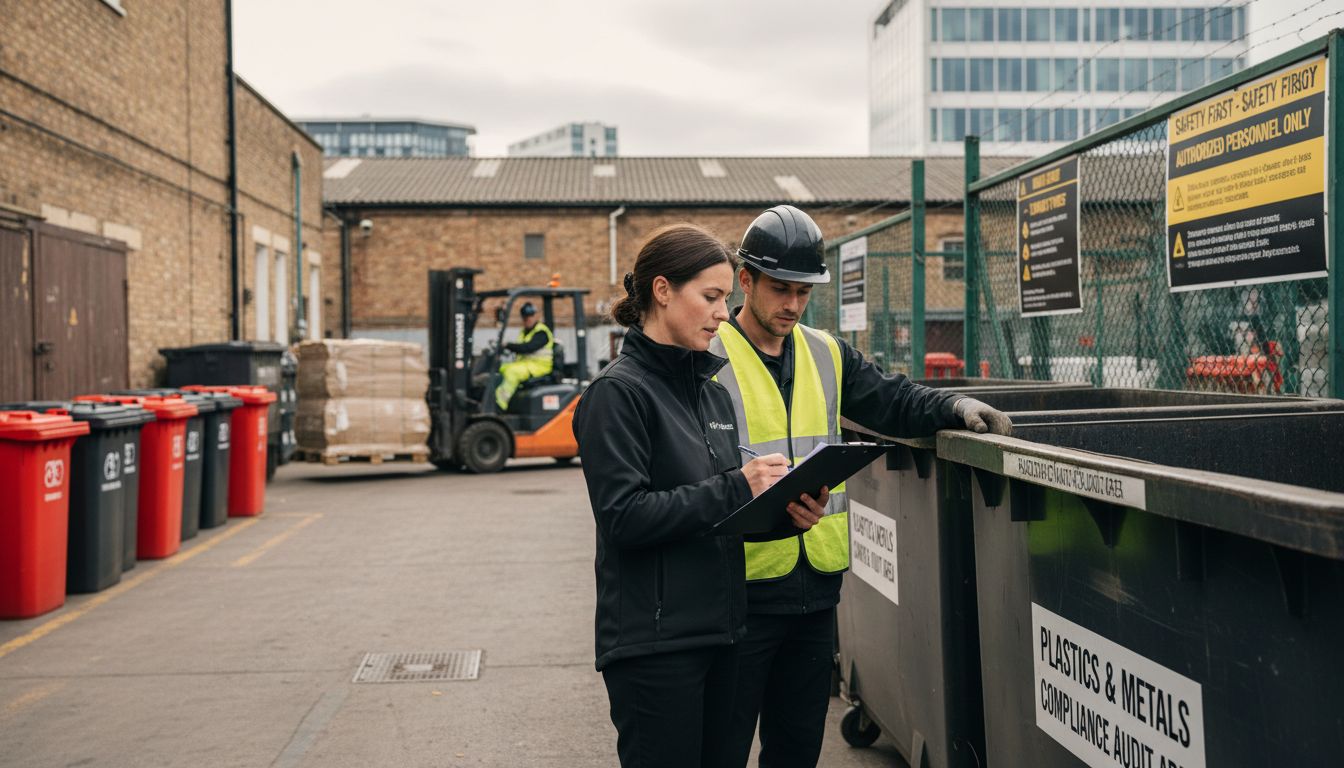
- Conducting waste audits and environmental impact assessments
- Managing waste reduction and sustainability projects
Career progression in waste management often requires a combination of technical knowledge, environmental understanding, and strong project management skills. Many professionals start in entry-level roles such as waste collection operatives or recycling centre workers and advance to senior positions like waste management supervisors, environmental compliance managers, or sustainability directors. Understanding Local Authority Waste Services in the UK provides additional insights into the broader infrastructure supporting these career pathways.
Common Job Roles and Career Progressions
Waste management careers offer a diverse range of professional opportunities across multiple sectors. Prospects highlights that these careers span both public and private sectors, with multiple entry points and progression pathways for professionals interested in environmental sustainability.
Typical job roles in the waste management sector include:
- Waste Management Operative: Entry-level role responsible for waste collection and transportation
- Recycling Coordinator: Manages recycling programmes and develops waste reduction strategies
- Hazardous Waste Technician: Specialises in handling and disposing of complex, dangerous waste materials
- Waste Audit Analyst: Conducts detailed assessments of waste management processes and environmental impact
- Environmental Consultant: Provides strategic advice on waste management and sustainability practices
Career progression in this field is typically structured across several levels. According to Developing Experts, professionals can advance from operational roles to more strategic positions. Entry-level operatives might progress to team leaders, then move into specialist roles such as waste management officers or environmental compliance managers. With significant experience and additional qualifications, individuals can reach senior positions like waste management directors or environmental services managers.
Successful career development in waste management requires a combination of practical experience, technical knowledge, and ongoing professional development. Professionals often enhance their prospects by obtaining relevant certifications, participating in specialised training programmes, and staying current with evolving environmental regulations and technologies. Waste Management Consultation: Complete UK Guide offers further insights into the professional landscape of this dynamic sector.
Essential Skills and Qualifications Needed
Successful careers in waste management demand a comprehensive blend of academic qualifications and professional skills. UBE emphasises that professionals require a robust combination of technical knowledge and interpersonal capabilities to excel in this dynamic field.
Key academic qualifications typically include:
- Undergraduate Degree: Environmental science, environmental management, geography, or related disciplines
- Professional Certifications: Membership with the Chartered Institution of Wastes Management (CIWM)
- Postgraduate Qualifications: Specialised masters in waste management or environmental sustainability
- Vocational Training: Recognised diplomas in waste management and environmental studies
Critical professional skills essential for waste management careers encompass a wide range of competencies. According to Prospects, these skills include strong communication, advanced project management abilities, and sophisticated analytical thinking. Professionals must demonstrate:
- Excellent verbal and written communication skills
- Advanced problem-solving capabilities
- Commercial awareness and strategic thinking
- Ability to build and maintain professional relationships
- Technical proficiency with data analysis and environmental monitoring tools
Beyond formal qualifications, employers increasingly value practical experience and continuous professional development. Candidates who demonstrate adaptability, environmental consciousness, and a commitment to staying updated with evolving waste management technologies and regulations will find themselves most competitive in this rapidly changing sector. Understanding the Waste Management Industry Overview provides additional context for aspiring waste management professionals seeking to understand the broader industry landscape.
Legal Compliance and Safety in Waste Careers
Legal compliance is a fundamental cornerstone of professional practice in waste management. Broxtowe Council emphasises that waste management professionals are primarily responsible for formulating and implementing policies and procedures that meet stringent environmental legislation and safety regulations.
Key legal compliance responsibilities include:
- Environmental Legislation: Understanding and applying current waste management regulations
- Safety Protocols: Developing comprehensive safety procedures for waste handling
- Risk Assessment: Conducting thorough evaluations of potential environmental and workplace hazards
- Documentation: Maintaining accurate records of waste disposal and management processes
- Regulatory Reporting: Preparing detailed reports for environmental regulatory bodies
According to UCAS, professionals must continuously stay updated with evolving legislative frameworks and maintain active communication with regulatory authorities. This involves monitoring waste disposal levels, compiling comprehensive reports, and ensuring that all waste management practices align with current legal standards. Critical areas of focus include proper waste classification, safe transportation, appropriate disposal methods, and minimising environmental impact.
Navigating the complex landscape of waste management regulations requires a proactive approach. Professionals must develop a deep understanding of key legislation such as the Environmental Protection Act, the Waste (England and Wales) Regulations, and sector-specific guidelines. Hazardous Waste Regulations 2025: A Guide for UK Businesses provides essential insights into the evolving regulatory environment that waste management professionals must master.
Opportunities for Training and Advancement
The waste management sector offers a dynamic landscape of professional development opportunities for ambitious professionals. UBE highlights that strategic training pathways are crucial for career progression, with multiple routes available to enhance professional credentials and expertise.
Training opportunities in waste management encompass several key development avenues:
- Academic Qualifications:
- Undergraduate degrees in environmental science
- Postgraduate programmes in waste management
- Specialised diplomas and professional certifications
- Professional Accreditations:
- Chartered Institution of Wastes Management (CIWM) membership
- Recognised industry certifications
- Continuous professional development (CPD) courses
- Skill Enhancement Programmes:
- Online training modules
- Workshops on emerging environmental technologies
- Safety and compliance specialisation courses
According to Prospects, career advancement in waste management is fundamentally driven by a combination of practical experience, professional qualifications, and continuous learning. Professionals can progress from operational roles to strategic management positions by demonstrating expertise, obtaining relevant certifications, and maintaining an adaptable approach to evolving industry standards. The sector offers diverse opportunities in both public and private sectors, ranging from local authority positions to consultancy roles in environmental services.

Strategic career development requires a proactive approach to learning and networking. Engaging with professional bodies, attending industry conferences, and staying informed about technological innovations can significantly enhance career prospects. Understanding the Waste Management Industry Overview provides additional context for professionals seeking to navigate their career trajectory in this dynamic and essential field.
Unlock Your Career Potential in Waste Management with Practical Solutions
Navigating the complex world of waste management careers requires not only knowledge but also access to reliable services that exemplify legal compliance and environmental responsibility. If you are aiming to build expertise in waste handling, recycling, or sustainability projects as highlighted in the guide, understanding how a professional waste collection network operates will empower your career progression. Explore how the Waste Collection Network in UK Serves Businesses in 2025 to gain insights on industry practices that align with your career goals.

Take the next step in your waste management journey by partnering with a trusted provider dedicated to quality and compliance. Visit Venture Waste for tailored commercial and domestic waste solutions that adhere to strict UK regulations. Learn about the Waste Collection Process in the UK for Businesses 2025 to see how professional waste management services operate efficiently in the real world. Start building your expertise today by connecting theory with practice and experience the difference working with industry leaders can make.
Frequently Asked Questions
What types of job roles are available in waste management?
Waste management offers a variety of roles, including waste management operatives, recycling coordinators, hazardous waste technicians, waste audit analysts, and environmental consultants. Each role focuses on different aspects of waste collection, recycling, and compliance with environmental regulations.
What qualifications do I need for a career in waste management?
Typically, a career in waste management requires an undergraduate degree in environmental science or a related field, along with professional certifications such as membership with the Chartered Institution of Wastes Management (CIWM). Postgraduate qualifications and vocational training can further enhance job prospects.
How can I progress in a waste management career?
Career progression in waste management often starts with entry-level roles and can lead to senior positions with experience and additional qualifications. Advancing from operatives to supervisory roles, then to environmental compliance managers or directors is common, along with obtaining certifications and specialised training.
What skills are essential for success in waste management?
Key skills for a successful career in waste management include strong communication, project management abilities, analytical thinking, and problem-solving capabilities. Demonstrating technical proficiency in data analysis and environmental monitoring tools is also important in this field.


Leave a Reply
Want to join the discussion?Feel free to contribute!