

Waste Documentation Requirements for UK Businesses 2025
Businesses across the UK face stricter waste documentation rules than ever before and the clock is ticking towards new 2025 requirements. You might think the real challenge is just storing a few extra documents or filling in more forms. Yet, the real surprise is that non-compliance can land your business with fines running into thousands of pounds and even reputational damage, all for missing a single waste transfer note. The paperwork is only the beginning and digital transformation and strict staff training have now become the difference between compliance and costly mistakes.
Table of Contents
- Understanding UK Waste Documentation Rules
- Essential Records And How To Maintain Them
- Meeting Legal Obligations For Different Waste Types
- Best Practices For Streamlined Waste Management
Quick Summary
| Takeaway | Explanation |
|---|---|
| Understand waste documentation requirements | UK businesses must comply with strict documentation laws governing waste handling and disposal. |
| Maintain accurate waste records | Essential documents like waste transfer notes are required for at least two years to ensure traceability. |
| Implement digital documentation strategies | Utilizing cloud-based systems and automated workflows reduces administrative burden and errors in waste management. |
| Conduct regular waste audits | Periodic reviews identify inefficiencies and opportunities for improving waste management practices. |
| Provide comprehensive staff training | Engaging staff in waste classification and compliance fosters a culture of environmental responsibility. |
Understanding UK Waste Documentation Rules
In the complex landscape of waste management, UK businesses must navigate a stringent framework of documentation requirements to ensure legal compliance and environmental responsibility. These rules are designed to track waste from its point of origin through to final disposal, creating a transparent and accountable system that minimizes environmental risks and supports sustainable practices.
Legal Framework for Waste Documentation
The UK’s waste documentation regulations are primarily governed by the Waste (England and Wales) Regulations 2011, which establish comprehensive guidelines for businesses handling waste. These regulations mandate detailed record-keeping and impose strict obligations on waste producers, carriers, and disposal facilities. Under these rules, businesses must maintain accurate written records of all waste transfers, ensuring traceability and accountability throughout the waste management process.
According to government waste management guidelines, businesses are required to generate and maintain several critical documents. These include waste transfer notes, consignment notes for hazardous waste, and comprehensive waste description documentation. Each document must contain specific details such as the type and quantity of waste, its source, transportation details, and final disposal method. The primary objective is to create a robust audit trail that enables environmental regulators to track waste movements and ensure proper handling.
Key Documentation Requirements for Businesses
Businesses operating in the UK must prepare and retain specific waste documentation for at least two years. The essential documents include:
- Waste Transfer Notes: A mandatory document for every waste transfer, detailing the waste type, quantity, and parties involved in the transfer.
- Hazardous Waste Consignment Notes: Specialized documentation required for tracking potentially dangerous or harmful waste materials.
- Waste Description and Composition Records: Comprehensive documents outlining the precise nature and components of the waste being managed.
The documentation process is not merely a bureaucratic exercise but a critical mechanism for environmental protection. By maintaining meticulous records, businesses contribute to a circular economy approach, enabling better tracking, recycling, and responsible disposal of waste materials. Explore our comprehensive guide on waste management processes to understand how proper documentation supports sustainable business practices.
Non-compliance with these documentation requirements can result in significant legal and financial consequences. Environmental regulators conduct periodic audits and can impose substantial fines for incomplete or inaccurate waste records. Moreover, businesses that fail to maintain proper documentation may face reputational damage and potential restrictions on their waste management activities.
For businesses in cities like Newcastle, Manchester, and Leeds, understanding and implementing these waste documentation rules is not optional but a legal necessity. Each organization must develop robust internal systems to capture, record, and maintain accurate waste management documentation, demonstrating their commitment to environmental stewardship and regulatory compliance.
Essential Records and How to Maintain Them
Maintaining accurate and comprehensive waste documentation is a critical responsibility for UK businesses, requiring systematic record-keeping and meticulous attention to detail. The evolving regulatory landscape demands that organisations develop robust documentation strategies that go beyond mere compliance and contribute to environmental sustainability.
Comprehensive Waste Record Categories
Businesses must maintain several essential categories of waste records to meet legal requirements. According to the UK government’s Sustainability Reporting Guidance, organisations need to document waste by specific destinations and categories. These comprehensive records should include:
- Waste Origin Documentation: Detailed logs identifying the precise source of waste within the organisation, including department, production line, or specific operational area.
- Waste Composition Records: Precise descriptions of waste materials, categorizing them by type such as municipal waste, industrial waste, recyclable materials, and hazardous substances.
- Transportation and Transfer Documentation: Complete records tracking waste movement, including carrier details, transportation routes, and transfer timestamps.
To help organise the types of documentation required, here is a summary table outlining key waste record categories, their purpose, and minimum retention periods:
| Waste Record Category | Purpose | Minimum Retention Period |
|---|---|---|
| Waste Origin Documentation | Identifies source within organisation | 2 years |
| Waste Composition Records | Describes type and components of waste | 2 years |
| Waste Transfer Notes | Tracks each non-hazardous waste transfer | 2 years |
| Hazardous Waste Consignment Notes | Tracks hazardous waste and disposal route | 3 years |
| Transportation Documentation | Tracks carrier details, routes, and timings | 2 years |
| Recycling and Waste Stream Records | Details separation and recycling efforts | 2 years |
Digital Documentation and Compliance Strategies
With the Simpler Recycling reforms effective from 31 March 2025, businesses must adapt their documentation practices to meet stringent new requirements. The Environment Agency mandates specific waste separation and detailed record-keeping for different waste streams, including dry recyclables, food waste, and residual materials.
Effective digital documentation strategies involve:
- Implementing cloud-based waste tracking systems
- Using standardized digital templates for waste transfer notes
- Integrating real-time reporting mechanisms
- Ensuring secure, long-term digital archival of waste records
Explore our comprehensive guide on waste management processes to understand advanced documentation techniques that streamline compliance and environmental reporting.
Record Retention and Audit Preparedness
Businesses must retain waste documentation for a minimum of two years, with some specialized records potentially requiring longer preservation periods. This archival approach supports potential environmental audits, internal reviews, and demonstrates an organisation’s commitment to transparent waste management.
For businesses operating in urban centres like Newcastle, Manchester, and Leeds, developing a systematic approach to waste record maintenance is crucial. This involves creating standardized internal protocols, training staff on documentation requirements, and establishing regular review processes to ensure ongoing compliance.
Non-compliance can result in significant financial penalties and reputational damage. Micro-firms have until 31 March 2027 to fully implement these documentation requirements, providing a transitional period for smaller organisations to adapt their waste management systems.
Ultimately, effective waste documentation is more than a regulatory requirement—it represents a strategic approach to environmental responsibility, resource management, and sustainable business practices. By investing in comprehensive record-keeping systems, UK businesses can transform waste documentation from a bureaucratic necessity into a valuable tool for operational improvement and environmental stewardship.
Meeting Legal Obligations for Different Waste Types
Navigating the complex landscape of waste management requires UK businesses to understand and comply with specific legal obligations for different waste types. The regulatory framework demands meticulous attention to classification, handling, and documentation of various waste streams, each with unique requirements and environmental considerations.
Hazardous Waste Management Regulations
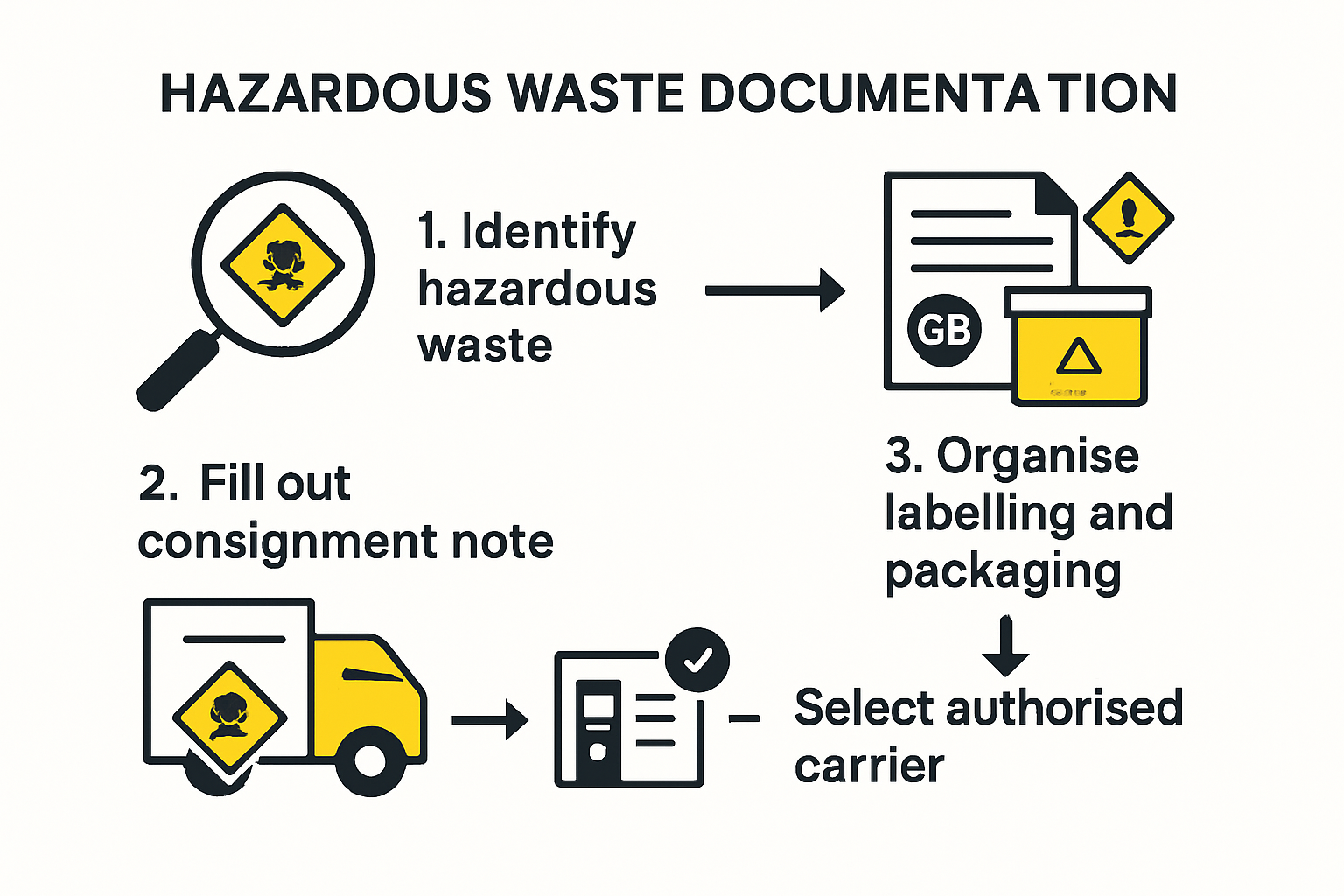
Hazardous waste represents a critical category with stringent documentation and handling requirements. According to the Waste duty of care: code of practice, businesses must follow comprehensive guidelines for consigning and tracking hazardous materials. This includes:
- Detailed consignment notes for every hazardous waste transfer
- Specific packaging and labeling requirements
- Mandatory use of authorized waste carriers
- Comprehensive tracking from point of origin to final disposal
Businesses must maintain extremely precise records for hazardous waste, including chemical composition, potential environmental impacts, and specific disposal methodologies. The legal penalties for improper handling can be substantial, making thorough documentation critical.
Recyclable Waste Separation Requirements
The Separation of Waste (England) Regulations 2025 introduces significant changes to waste management protocols. From 31 March 2025, businesses must implement strict waste separation practices. The key requirements include:
- Separate collection of dry recyclable materials (plastic, metal, glass, paper, and card)
- Mandatory food waste segregation
- Clear documentation of waste stream separation
- Detailed reporting on recycling efforts
Below is a comparison table outlining the main requirements for hazardous waste and recyclable waste to help clarify compliance obligations:
| Waste Type | Key Documentation | Handling & Separation | Compliance Deadline |
|---|---|---|---|
| Hazardous Waste | Consignment Notes | Special packaging, labelled, tracked | Ongoing (current law) |
| Recyclable Waste | Separation Records, Reporting | Separated by material (plastic, card, etc); food waste segregated | 31 March 2025 (2027 for micro-firms) |
Learn more about our comprehensive waste management approach to ensure full compliance with these new regulations. Micro-firms have been granted additional time, with compliance deadlines extended to 31 March 2027, providing smaller businesses with a transitional period to adapt their waste management systems.
Industry-Specific Waste Handling Obligations
Different industries face unique waste management challenges that require specialized approaches. Sectors such as healthcare, manufacturing, and hospitality must develop tailored waste documentation strategies that address their specific waste types. This involves:
- Understanding sector-specific regulatory requirements
- Developing industry-tailored waste management protocols
- Implementing specialized tracking and disposal systems
- Conducting regular internal audits and compliance checks
For businesses in cities like Newcastle, Manchester, and Leeds, understanding potential waste disposal fines becomes crucial. Non-compliance can result in significant financial penalties and reputational damage.
The evolving regulatory landscape demands a proactive approach to waste management. Businesses must view waste documentation not as a bureaucratic burden, but as an opportunity to demonstrate environmental responsibility and operational excellence. By investing in comprehensive waste management systems, organisations can transform their approach from mere compliance to genuine environmental stewardship.
Ultimately, meeting legal obligations for different waste types requires a holistic approach. It demands continuous education, robust internal systems, and a commitment to environmental sustainability that goes beyond basic regulatory requirements.
Best Practices for Streamlined Waste Management
Streamlining waste management has become a critical priority for UK businesses seeking to balance regulatory compliance with operational efficiency. The evolving landscape of environmental regulations demands a proactive and strategic approach that goes beyond mere documentation to create comprehensive, sustainable waste management systems.
Digital Transformation in Waste Documentation
Technology plays a pivotal role in modernizing waste management practices. According to the US Environmental Protection Agency’s Sustainable Materials Management guidelines, businesses should leverage digital solutions to enhance waste tracking and reporting. This involves:
- Implementing cloud-based waste management platforms
- Utilizing real-time tracking and reporting systems
- Developing automated documentation workflows
- Creating integrated digital repositories for waste records
Digital transformation enables businesses to move beyond traditional paper-based systems, reducing administrative burden and minimizing the risk of human error. Advanced software solutions can provide instant insights into waste streams, helping organisations make data-driven decisions about waste reduction and recycling strategies.
Comprehensive Staff Training and Engagement
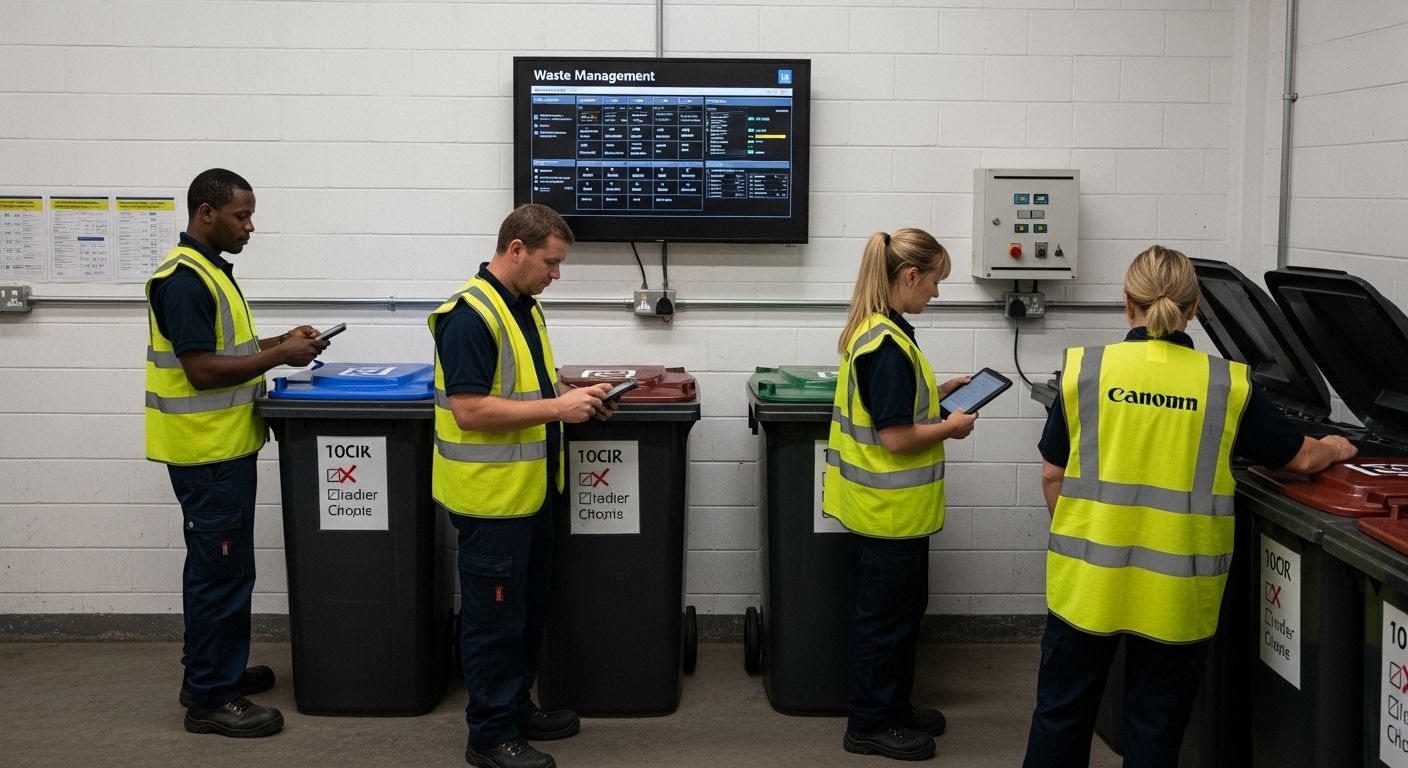
Effective waste management is not solely a technological challenge but also a human one. Developing robust training programmes is essential for ensuring consistent compliance and creating a culture of environmental responsibility. Key training components should include:
- Detailed workshops on waste classification and documentation
- Practical sessions on waste segregation techniques
- Understanding legal obligations and potential consequences of non-compliance
- Developing skills in digital waste management systems
Learn strategies to optimize your waste management approach that can simultaneously reduce costs and improve environmental performance. Engaging staff across all levels creates a collaborative approach to waste management that extends beyond mere regulatory compliance.
Continuous Improvement and Waste Auditing
Regular waste audits represent a critical best practice for businesses seeking to streamline their waste management processes. These comprehensive reviews involve:
- Detailed analysis of current waste generation patterns
- Identification of potential reduction and recycling opportunities
- Assessment of existing documentation and reporting systems
- Benchmarking against industry best practices
Businesses in urban centres like Newcastle, Manchester, and Leeds can benefit significantly from systematic waste auditing. By conducting periodic reviews, organisations can continuously refine their waste management strategies, identifying inefficiencies and implementing targeted improvements.
The most successful waste management approaches view documentation and compliance not as administrative burdens but as strategic opportunities for operational excellence. By integrating advanced technologies, investing in staff training, and maintaining a commitment to continuous improvement, UK businesses can transform their waste management from a regulatory requirement to a competitive advantage.
Ultimately, streamlined waste management requires a holistic approach that balances technological innovation, staff engagement, and a genuine commitment to environmental sustainability. As regulatory landscapes continue to evolve, businesses that proactively adapt their waste management strategies will be best positioned to succeed in an increasingly environmentally conscious business environment.
Frequently Asked Questions
What are the essential waste documentation requirements for UK businesses?
Businesses in the UK must maintain accurate waste transfer notes, hazardous waste consignment notes, and waste description records for at least two years to comply with legal obligations.
What are the consequences of non-compliance with waste documentation regulations?
Non-compliance can result in substantial fines, reputational damage, and potential restrictions on waste management activities for businesses.
How can businesses effectively manage waste documentation?
Businesses can streamline waste documentation by implementing digital systems for tracking, utilizing standardised templates, and conducting regular audits to ensure compliance and operational efficiency.
What specific requirements apply to hazardous waste documentation?
Hazardous waste documentation requires detailed consignment notes, accurate labelling, and tracking from the point of origin to disposal, along with compliance with specific packaging and handling regulations.
Take the Stress Out of Waste Documentation Compliance
Are you worried about meeting the strict waste documentation rules arriving in 2025? Whether you are challenged by tracking endless transfer notes or concerned about costly fines for missing paperwork, you are not alone. The latest requirements put accurate record-keeping and digital compliance at the heart of your business responsibilities. If the thought of audits and new digital practices feels overwhelming, it is time to seek support that simplifies the process.
Discover how our business waste collection process can keep your documentation on track

Let Venture Waste show you exactly how easy compliance can be. Our team manages paperwork, digital records and regulatory requirements across general, hazardous and confidential waste. Get started now with a smooth booking process, reliable service and expert guidance by visiting Venture Waste Management. Secure peace of mind and confidently meet your 2025 documentation obligations today.
Recommended
- Waste Collection Process in the UK for Businesses 2025 – Venture Waste
- Waste Management News UK 2025: What Businesses Need to Know – Venture Waste
- Waste Disposal Legal Requirements UK 2025: What Businesses Must Know – Venture Waste
- Waste Management Challenges UK: Solutions for Businesses 2025 – Venture Waste
- How to Prepare Tender Documents: A 2025 Guide for UK Businesses – BHA Couriers
- Ocean Freight Documentation Guide 2025 for Ecommerce and Brands – ORNER


Leave a Reply
Want to join the discussion?Feel free to contribute!