

Key Waste Disposal Cost Factors for UK Businesses 2025
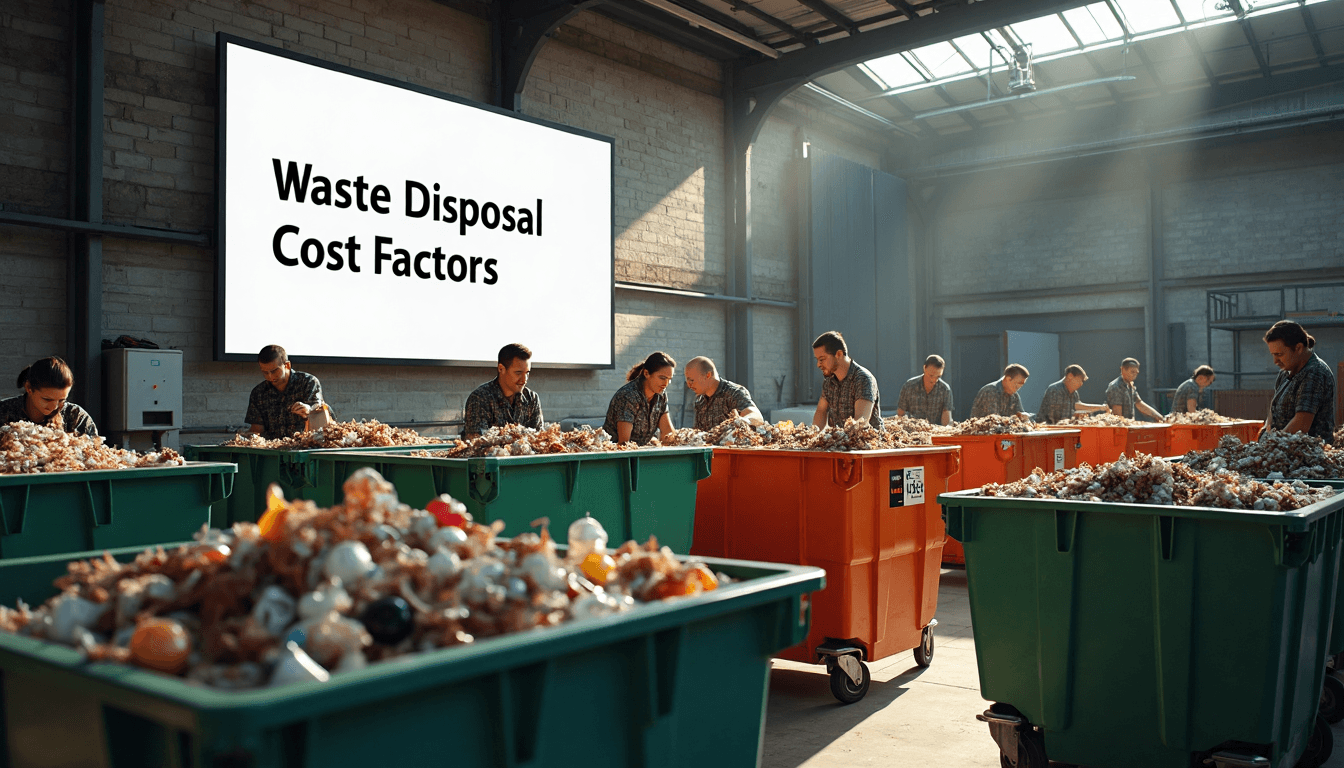
Rising waste disposal costs are keeping UK businesses on edge for 2025. Here is something that will catch you off guard. The UK Landfill Tax is set to leap by over 20 percent, reaching £126.15 per tonne next year. Most would expect recycling targets or stricter regulations to take the biggest toll, but it is actually this single tax hike poised to reshape budgets and planning across every industry.
Table of Contents
- Understanding Waste Disposal Cost Factors
- How Business Type And Waste Stream Impact Prices
- Compliance, Security, And Special Waste Requirements
- Ways To Reduce Waste Disposal Costs In 2025
Quick Summary
| Takeaway | Explanation |
|---|---|
| Landfill Tax Increase | The UK Landfill Tax will rise from £103.70 to £126.15 per tonne in 2025, significantly impacting waste disposal costs for businesses. |
| Extended Producer Responsibility (EPR) | EPR regulations require businesses to cover the lifecycle costs of their packaging, necessitating more sophisticated waste management strategies and potential redesign of packaging processes. |
| Effective Waste Segregation | Implementing robust waste separation protocols can reduce disposal costs by up to 35%, minimising landfill tax expenses and potentially creating revenue streams through recyclable materials. |
| Technological Innovations | Leveraging advanced waste tracking and sorting technologies enables businesses to optimise their disposal strategies and identify waste reduction opportunities, crucial for managing rising costs. |
| Compliance with Regulations | Adhering to stringent waste disposal regulations, including the “Simpler Recycling” legislation, is essential for avoiding hefty fines and ensuring environmental responsibility. |
Understanding Waste Disposal Cost Factors
Waste disposal costs for UK businesses are becoming increasingly complex and financially significant in 2025. Understanding the key factors that drive these expenses is crucial for companies seeking to manage their waste management budgets effectively.

Economic and Regulatory Drivers of Waste Disposal Expenses
The landscape of waste disposal costs is being dramatically reshaped by a combination of economic pressures and regulatory changes. According to research from the Environmental Services Association, businesses are facing unprecedented financial challenges in waste management. The UK Landfill Tax is set to increase from £103.70 per tonne in 2024 to £126.15 per tonne in 2025, representing a substantial 21.65% rise that will directly impact businesses’ waste disposal expenses.
Moreover, the expansion of the UK’s Emissions Trading Scheme (ETS) to include waste incineration is forcing businesses to account for carbon emissions associated with waste disposal. This regulatory shift means companies must now factor in additional costs related to carbon reporting and potential carbon pricing, further complicating the financial landscape of waste management.
Compliance and Extended Producer Responsibility
The introduction of Extended Producer Responsibility (EPR) regulations is another critical cost factor that businesses must navigate. Research from the Waste and Resources Action Programme indicates that businesses are now mandated to cover the entire lifecycle costs of their packaging, including collection, sorting, and recycling. This comprehensive approach means companies must invest in more sophisticated waste management strategies and potentially redesign their packaging and disposal processes.
Businesses looking to optimise their waste management approach will need to consider multiple variables. These include waste volume, type of materials, disposal methods, transportation costs, and the increasing complexity of environmental regulations.
Technological and Infrastructure Considerations
The evolution of waste disposal technologies is also playing a significant role in cost structures. Advanced sorting technologies, recycling innovations, and more efficient waste processing methods are emerging as crucial factors in managing disposal expenses. Companies that invest in these technologies may initially face higher upfront costs but can potentially reduce long-term waste management expenses.
Key cost factors businesses must evaluate include:
- Waste Classification: Different types of waste require different disposal methods, each with unique cost implications.
- Disposal Method: Recycling, incineration, and landfill each have distinct pricing structures.
- Transportation Costs: The distance and method of waste transportation significantly impact overall expenses.
- Regulatory Compliance: Ongoing costs associated with meeting evolving environmental regulations.
By understanding these intricate waste disposal cost factors, UK businesses can develop more strategic and cost-effective waste management approaches in 2025 and beyond.
How Business Type and Waste Stream Impact Prices
Waste disposal pricing in the UK is far from uniform, with significant variations driven by the specific characteristics of different business types and their unique waste streams. Understanding these nuanced factors is crucial for businesses seeking to effectively manage their waste disposal expenses.
Industry-Specific Waste Disposal Challenges
Different industries generate remarkably distinct waste profiles, directly influencing disposal costs. According to research from the Environmental Services Association, manufacturing sectors typically face more complex waste disposal challenges compared to service-based industries. Factories and production facilities generate mixed waste streams including metal scraps, chemical residues, and industrial packaging, each requiring specialized handling and disposal methods.
Healthcare facilities present another unique waste management scenario. Studies from the UK Healthcare Waste Management Association reveal that medical institutions must adhere to stringent disposal regulations for contaminated materials, sharps, and pharmaceutical waste. These strict requirements significantly escalate disposal expenses, often necessitating separate collection and treatment processes.
Waste Stream Composition and Economic Implications
The composition of waste streams plays a pivotal role in determining disposal costs. Businesses generating easily recyclable materials like clean paper, cardboard, and certain plastics can potentially reduce their waste management expenses. Conversely, companies producing hazardous or complex waste streams face substantially higher disposal fees.
Construction and demolition sectors, for instance, generate substantial volumes of mixed materials requiring careful sorting and processing. Research from the Construction Industry Waste Management Council indicates that these businesses can significantly impact their disposal costs through effective waste segregation and recycling strategies.
Geographic and Logistical Cost Factors
Businesses must also consider geographic and logistical factors that influence waste disposal pricing. Urban businesses often encounter higher collection costs due to complex access requirements and municipal regulations. Rural enterprises might face increased transportation expenses related to longer disposal routes.
Companies looking to optimise their waste management strategy should consider several critical factors:
- Waste Volume: Total quantity of waste generated
- Waste Complexity: Degree of material separation required
- Disposal Method: Recycling, incineration, or landfill options
- Transportation Requirements: Distance and accessibility of disposal facilities
By carefully analyzing these factors, businesses can develop more cost-effective waste management approaches tailored to their specific operational needs. The key lies in understanding the unique characteristics of their waste streams and implementing strategic disposal solutions that balance environmental responsibility with economic efficiency.
To provide a clearer understanding of how different industries face unique waste disposal challenges, the following table summarises key difficulties and requirements across major sectors mentioned:
| Industry Sector | Unique Waste Types | Main Disposal Challenge | Special Regulatory Needs |
|---|---|---|---|
| Manufacturing | Metal scraps, chemicals, packaging | Mixed streams need specialised handling | Yes (hazardous waste) |
| Healthcare | Contaminated, sharps, pharmaceuticals | Separate and compliant medical collection | Yes (medical waste regs) |
| Construction/Demolition | Mixed building materials | Careful sorting for recycling/recovery | Sometimes (asbestos, etc.) |
| Service Industries | Paper, packaging, food waste | Managing recyclable waste effectively | Generally less stringent |
Compliance, Security, and Special Waste Requirements
Compliance with waste disposal regulations has become increasingly complex for UK businesses in 2025, with stringent requirements that extend far beyond simple waste collection. Companies must navigate a sophisticated landscape of legal obligations, security protocols, and specialized waste management strategies.
Regulatory Landscape and Legal Obligations
The UK government has implemented rigorous waste management regulations that demand meticulous attention from businesses. According to research from the Environment Agency, businesses must now adhere to comprehensive waste disposal guidelines that go well beyond traditional disposal methods. The “Simpler Recycling” legislation, effective from 31 March 2025, mandates that all businesses (excluding micro-businesses) must recycle specific materials, including aerosols, glass bottles, and plastic containers.
Non-compliance carries severe consequences. Businesses failing to meet these regulations can face substantial penalties, including fines up to £50,000 and potential imprisonment under the Environmental Protection Act 1990. Research from the Waste and Resources Action Programme highlights the increasing financial and legal risks associated with improper waste management.
Special Waste and Hazardous Material Handling
Businesses dealing with hazardous or specialized waste face particularly complex compliance requirements. Guidance from the Health and Safety Executive outlines strict protocols for handling, storing, and disposing of dangerous materials. Companies must register with the Environment Agency, implement rigorous segregation processes, and use only certified waste carriers.
Certain industries face additional challenges. Medical facilities, chemical manufacturers, and industrial producers must maintain extensive documentation, implement specialized containment procedures, and follow precise disposal protocols. These requirements not only ensure environmental safety but also significantly impact waste disposal costs.
Confidential Waste and Security Considerations
For businesses handling sensitive information, waste disposal goes beyond environmental compliance. Learn more about secure waste management strategies to protect critical business information. Industries such as legal services, healthcare, and financial institutions must implement robust destruction protocols for confidential documents and digital media.
Key compliance considerations include:
- Documentation: Maintaining comprehensive waste transfer records
- Segregation: Proper separation of different waste types
- Destruction Methods: Secure disposal of sensitive materials
- Carrier Verification: Using only licensed waste management providers
For a concise overview of critical compliance steps required for businesses, the following checklist summarises key actions to ensure legal and secure waste disposal:
| Compliance Step | Required for All Businesses | Special Note |
|---|---|---|
| Maintain Documentation | ✓ | Waste transfer notes and records |
| Segregate Waste Types | ✓ | Especially for hazardous/special/confidential waste |
| Use Certified Carriers | ✓ | Check licensing/registration |
| Follow Special Protocols | ⨯ | Only if handling hazardous/confidential waste |
| Secure Destruction | ⨯ | Needed for confidential materials |
The Landfill Tax increase to £126.15 per tonne in April 2025 further emphasizes the financial importance of effective waste management. Businesses that proactively develop comprehensive waste compliance strategies can mitigate financial risks while ensuring environmental responsibility.
Ultimately, successful waste management in 2025 requires a holistic approach that balances legal compliance, environmental responsibility, and cost-effectiveness. Companies must invest in understanding and implementing sophisticated waste disposal strategies that meet increasingly complex regulatory requirements.
Ways to Reduce Waste Disposal Costs in 2025
Businesses across the UK are facing mounting pressure to develop strategic approaches for minimizing waste disposal expenses in 2025. With increasingly complex environmental regulations and rising disposal costs, companies must adopt innovative strategies to manage their waste management budgets effectively.
Strategic Waste Segregation and Recycling
Effective waste management begins with comprehensive segregation strategies. According to research from the Waste and Resources Action Programme, businesses can significantly reduce disposal costs by implementing robust waste separation protocols. The “Simpler Recycling” regulations, effective from March 31, 2025, require businesses to separate dry recyclable materials like paper, card, plastic, metal, and glass from food waste and residual waste.
Research from the Environmental Services Association indicates that companies implementing advanced waste segregation can reduce disposal costs by up to 35%. This approach not only minimizes landfill tax expenses but also creates potential revenue streams through recyclable material sales.
Packaging and Procurement Innovations
The Extended Producer Responsibility (EPR) scheme, launching in October 2025, presents both challenges and opportunities for businesses. Guidance from the UK Business Sustainability Council suggests that companies can mitigate EPR costs by fundamentally reimagining their packaging strategies.
Key innovations include:
- Lightweight Packaging: Reducing material volume
- Reusable Packaging: Implementing circular economy principles
- Minimalist Design: Eliminating unnecessary packaging components
Businesses looking to optimise their waste management approach can significantly reduce disposal costs through strategic procurement and design decisions.
Technology and Waste Management Optimization
Technological solutions are transforming waste management cost structures. Advanced waste tracking systems, artificial intelligence-driven sorting technologies, and data analytics platforms enable businesses to gain unprecedented insights into their waste streams.
With the impending landfill tax increase to £126.15 per tonne from April 2025, businesses must leverage technology to minimize disposal expenses. Implementing real-time waste monitoring, predictive analytics, and automated sorting can help companies identify waste reduction opportunities and optimize disposal strategies.
Practical steps for reducing waste disposal costs include:
- Conducting comprehensive waste audits
- Investing in employee training on waste reduction
- Exploring alternative waste treatment technologies
- Negotiating flexible waste management contracts
- Implementing circular economy principles
By adopting a proactive and strategic approach to waste management, UK businesses can transform waste disposal from a financial burden into an opportunity for cost savings and environmental responsibility. The key lies in understanding unique waste streams, leveraging technological innovations, and maintaining flexibility in waste management strategies.
Frequently Asked Questions
What are the main factors driving waste disposal costs for UK businesses in 2025?
Rising waste disposal costs are primarily driven by the increase in the UK Landfill Tax, regulatory changes like Extended Producer Responsibility (EPR), and the need for technological advancements in waste management.
How much will the UK Landfill Tax increase in 2025?
The UK Landfill Tax is expected to rise from £103.70 to £126.15 per tonne in 2025, representing a significant increase that will affect waste disposal budgets for businesses across various sectors.
What is Extended Producer Responsibility (EPR) and how will it impact costs?
Extended Producer Responsibility (EPR) regulations require businesses to manage the entire lifecycle costs of their packaging, leading to additional expenses in waste management and potentially necessitating changes in packaging strategies to reduce overall waste.
How can UK businesses reduce their waste disposal costs effectively?
Businesses can reduce waste disposal costs by implementing effective waste segregation strategies, investing in technological innovations, and rethinking packaging methods, possibly reducing costs by up to 35% through improved recycling and minimising landfill usage.
Simplify Your Waste Disposal Costs and Stay Compliant in 2025
Are you concerned about the rising waste disposal costs and the added pressure of new regulations like the Landfill Tax increase and “Simpler Recycling” rules? Navigating these challenges can feel overwhelming, especially when trying to balance cost control and the need for full legal compliance. If managing complex waste streams, specialised materials and confidential waste feels like a drain on your resources, you are not alone. Our regulation solutions page offers guidance on staying ahead of all the new compliance requirements while helping you avoid costly penalties.

Take action now to protect your budget and reputation. Discover how Venture Waste Management can help your business reduce disposal costs, ensure safe document destruction with our confidential waste services and streamline your waste processes. Visit our site today and experience a simple booking system, expert advice, and reliable nationwide service tailored for UK businesses facing 2025’s toughest waste disposal challenges.
Recommended
- How UK Businesses Can Save Money on Waste Management in 2025 – Venture Waste
- Bulky Waste Removal Tips for UK Businesses in 2025 – Venture Waste
- bulky waste removal tips Archives – Venture Waste
- save money on waste management Archives – Venture Waste
- how to reduce waste Archives – Venture Waste
- How to Reduce Waste in UK Businesses: Essential Steps for 2025 – Venture Waste


Leave a Reply
Want to join the discussion?Feel free to contribute!