

Understanding Waste Management Grants for Businesses
Waste management grants are reshaping how British businesses handle their rubbish and redefine sustainability goals. Most expect these grants to be reserved for massive corporations, yet a Newcastle firm slashed its industrial waste by 67 percent using a government grant in just two years. Smaller companies from Durham to Manchester are finding that these grants do far more than tick environmental boxes. They can spark a complete rethink, turning the tedious job of waste disposal into a real growth opportunity.
Table of Contents
- What Are Waste Management Grants And Their Purpose?
- The Importance Of Waste Management Grants For Businesses
- How Waste Management Grants Function In The UK
- Key Concepts And Terminology In Waste Management Grants
- Real-World Examples Of Waste Management Grants Applications
Quick Summary
| Takeaway | Explanation |
|---|---|
| Waste management grants support sustainability | These grants provide financial resources for businesses to improve waste disposal practices and reduce environmental impact. |
| Grants incentivise innovative waste reduction technologies | Financial support through grants enables businesses to invest in new technologies that promote recycling, reuse, and waste minimization. |
| Eligibility focuses on commitment to waste reduction | Businesses must demonstrate their intent and capacity to implement effective waste management strategies to qualify for grants. |
| Financial benefits include cost savings and incentives | Companies can save on waste management costs and may receive tax incentives when they adopt sustainable practices with grant support. |
| Broader environmental goals are supported | Grants align with national sustainability targets by reducing landfill use and minimising carbon emissions from waste disposal. |
What Are Waste Management Grants and Their Purpose?
Waste management grants represent strategic financial resources designed to support businesses in developing more sustainable and efficient waste disposal practices. These targeted funding mechanisms aim to incentivise organisations across the United Kingdom, particularly in regions like Newcastle, Durham, and Sunderland, to adopt environmentally responsible waste management strategies.
Understanding the Core Purpose
The primary objective of waste management grants is to encourage businesses to reduce, reuse, and recycle waste more effectively. By providing financial support, these grants help companies invest in innovative waste reduction technologies, upgrade existing infrastructure, and implement more sustainable waste handling processes.
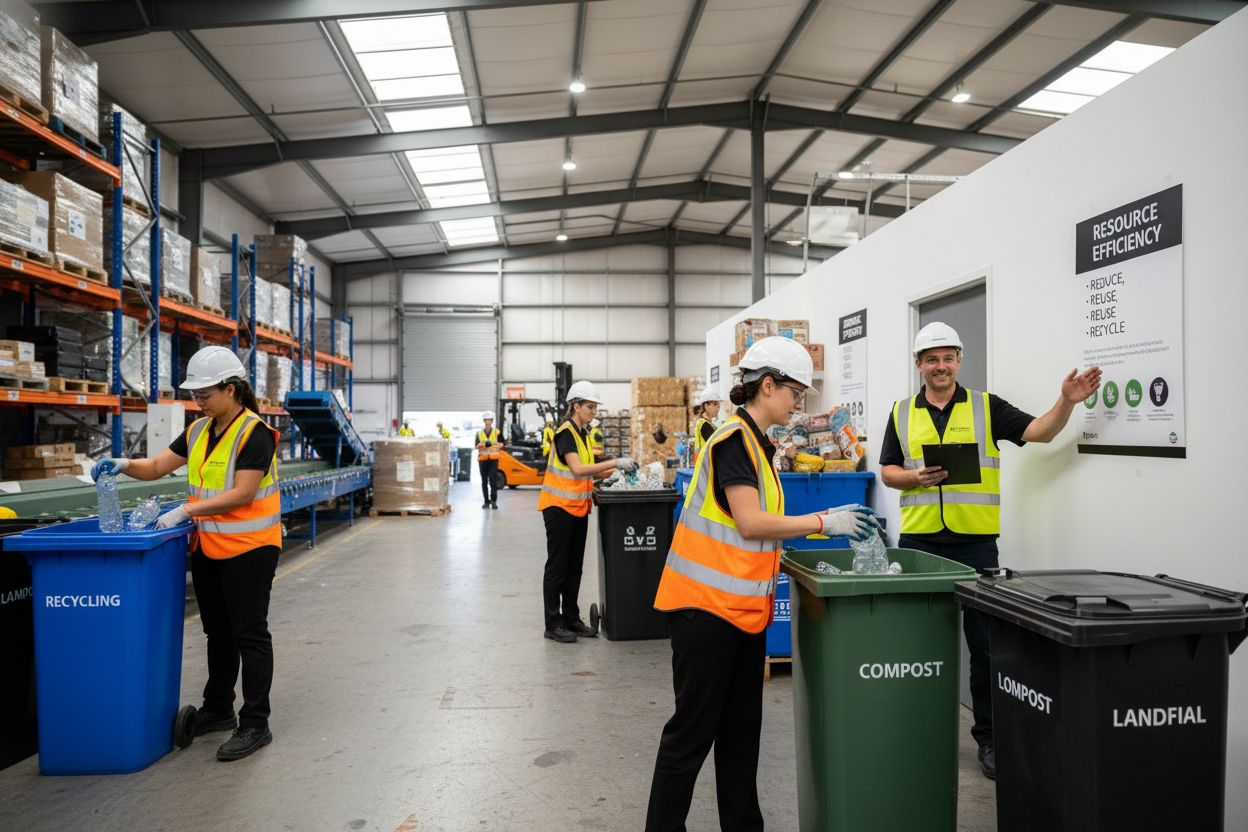 Research from WRAP (Waste and Resources Action Programme) highlights that such grants play a crucial role in driving environmental innovation and supporting the transition towards a circular economy.
Key motivations behind waste management grants include:
- Reducing overall environmental impact of business waste
- Promoting resource efficiency and circular economy principles
- Supporting technological innovations in waste management
- Helping businesses offset the costs of sustainable waste practices
Financial and Environmental Benefits
Waste management grants offer multifaceted advantages for businesses willing to transform their waste disposal approaches. Financial benefits include direct monetary support for infrastructure upgrades, potential tax incentives, and long-term cost savings through more efficient waste management processes. Check out our guide on saving money on waste management to understand how strategic investments can yield significant economic returns.
Environmentally, these grants contribute to broader national and regional sustainability goals by:
- Reducing landfill contributions
- Minimising carbon emissions associated with waste disposal
- Encouraging development of green technologies
- Supporting UK government environmental targets
Businesses across sectors such as manufacturing, healthcare, retail, and hospitality can benefit from these grants, making waste management a strategic opportunity for both financial savings and environmental stewardship.
The Importance of Waste Management Grants for Businesses
Waste management grants represent a critical financial mechanism for businesses seeking to transform their environmental practices and operational efficiency. These strategic funding opportunities provide organisations with the resources necessary to implement sustainable waste management strategies, driving both economic and environmental benefits across various sectors in the United Kingdom.
Strategic Economic Advantages
Financial incentives through waste management grants enable businesses to make substantial investments in green technologies and innovative waste reduction infrastructure. By offsetting initial implementation costs, these grants help companies overcome the financial barriers that often prevent significant environmental upgrades. According to the UK government’s environmental policy, such grants are instrumental in supporting businesses transition towards more sustainable operational models.
Key economic benefits include:
- Reducing long-term waste management expenses
- Accessing advanced waste processing technologies
- Generating potential additional revenue streams through recycling
- Minimising potential regulatory compliance penalties
Environmental Impact and Corporate Responsibility
Waste management grants play a pivotal role in helping businesses demonstrate their commitment to environmental stewardship. By providing financial support for sustainable practices, these grants enable companies to significantly reduce their carbon footprint and contribute to broader national environmental targets. Learn more about how businesses can save money through sustainable waste management and understand the long-term strategic benefits.
Environmental advantages encompass:
- Reducing overall industrial waste generation
- Supporting circular economy principles
- Decreasing greenhouse gas emissions
- Promoting resource conservation and efficiency
Businesses across diverse sectors in cities like Newcastle, Manchester, and Leeds can leverage these grants to transform their waste management approach, positioning themselves as responsible, forward-thinking organisations committed to sustainable development.
How Waste Management Grants Function in the UK
Waste management grants in the United Kingdom operate through a sophisticated ecosystem of government agencies, environmental organisations, and funding bodies that collaborate to support businesses in developing sustainable waste management practices. These grants are structured to provide financial assistance while ensuring strategic environmental objectives are met across various industrial sectors.
Grant Allocation and Eligibility Mechanisms
The process of obtaining waste management grants involves a comprehensive assessment of a business’s current waste management practices, potential for improvement, and alignment with national sustainability goals. Research from the Environment Agency indicates that grant allocation typically considers multiple critical factors such as innovation potential, environmental impact, and scalability of proposed waste management solutions.
Key eligibility criteria generally include:
- Demonstrable commitment to waste reduction
- Clear and measurable environmental improvement plans
- Capacity to implement sustainable waste management technologies
- Alignment with UK environmental policy objectives
Funding Structures and Application Processes
Waste management grants in the UK are delivered through various channels, including national government programmes, regional development agencies, and specialised environmental funds. These grants can take multiple forms, ranging from direct financial support to tax incentives and subsidised infrastructure development. Check out our comprehensive waste collection services to understand how professional waste management can complement grant-funded initiatives.
Typical funding structures encompass:
- Direct grant funding for specific waste reduction projects
- Matched funding arrangements
- Low-interest loans for sustainable infrastructure
- Tax credits for environmentally responsible practices
Businesses across regions like Newcastle, Manchester, and Leeds can leverage these grant mechanisms to transform their waste management approach, turning environmental responsibility into a strategic competitive advantage. The intricate system of waste management grants reflects the UK’s commitment to supporting businesses in their journey towards more sustainable and circular economic models.
Key Concepts and Terminology in Waste Management Grants
Navigating the landscape of waste management grants requires a comprehensive understanding of specialised terminology and key conceptual frameworks. These technical terms and principles form the foundation for businesses seeking to leverage financial support for sustainable waste management practices across the United Kingdom.
Essential Definitional Frameworks
Waste management grants are built upon a complex array of technical and regulatory definitions that shape their implementation. According to the Environment Agency’s guidance, understanding these precise terminological nuances is crucial for businesses seeking grant funding. The conceptual landscape encompasses multiple interconnected domains of waste management terminology.
Key definitional concepts include:
- Circular Economy: A regenerative economic model focused on eliminating waste and maximising resource utilisation
- Environmental Impact Assessment: Systematic evaluation of potential environmental consequences of proposed waste management strategies
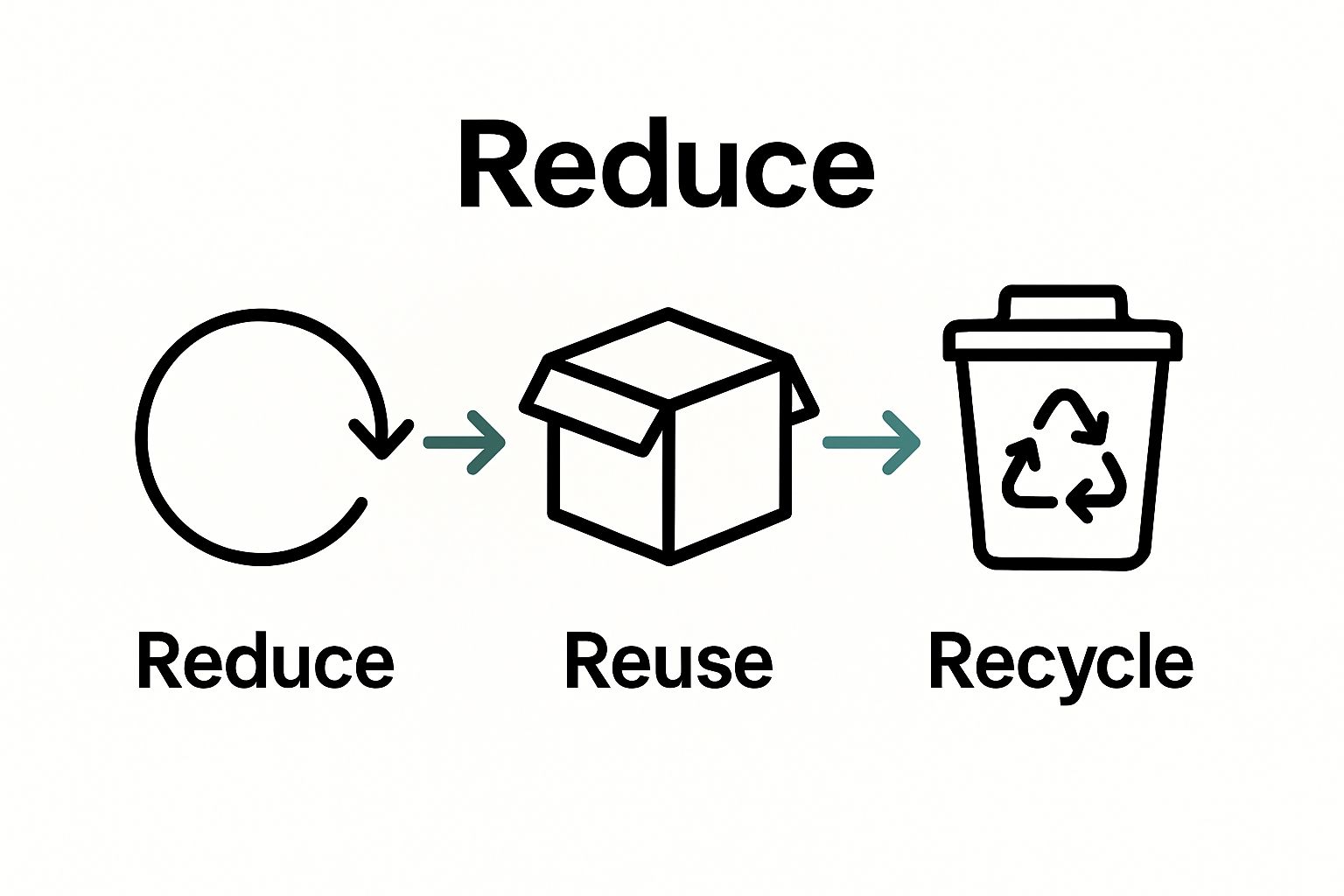
- Resource Efficiency: Optimising the use of resources to minimise waste generation and environmental footprint
- Waste Hierarchy: Prioritised approach to waste management emphasising prevention, reuse, recycling, and disposal
Technical Terminology and Grant Assessment Language
Successful grant applications rely on precise technical language that demonstrates a comprehensive understanding of waste management principles. Businesses must become fluent in the specialised vocabulary used by funding bodies and environmental regulators. Explore our comprehensive waste management guide to understand the intricate terminology that underpins grant applications.
Critical technical terms businesses should understand include:
- Scope 3 Emissions: Indirect greenhouse gas emissions occurring in a company’s value chain
- Material Recovery Facility (MRF): Specialised facility for sorting and processing recyclable materials
- Waste Stream Analysis: Detailed examination of waste composition and potential reduction strategies
- Carbon Neutrality: Achieving net-zero carbon emissions through reduction and offsetting mechanisms
Businesses in urban centres like Manchester, Newcastle, and Leeds can leverage this specialised knowledge to craft compelling grant applications, demonstrating their commitment to innovative and sustainable waste management practices.
The following table summarises key terms and concepts in waste management grants, providing concise definitions to assist with understanding the core framework referred to throughout the article.
| Term | Definition |
|---|---|
| Circular Economy | A regenerative economic model focused on eliminating waste and maximising resource utilisation |
| Environmental Impact Assessment | Systematic evaluation of potential environmental consequences of proposed waste management strategies |
| Resource Efficiency | Optimising the use of resources to minimise waste generation and environmental footprint |
| Waste Hierarchy | Prioritised approach to waste management emphasising prevention, reuse, recycling, and disposal |
| Scope 3 Emissions | Indirect greenhouse gas emissions occurring in a company’s value chain |
| Material Recovery Facility (MRF) | Specialised facility for sorting and processing recyclable materials |
| Waste Stream Analysis | Detailed examination of waste composition and potential reduction strategies |
| Carbon Neutrality | Achieving net-zero carbon emissions through reduction and offsetting mechanisms |
Real-World Examples of Waste Management Grants Applications
Successful waste management grant applications demonstrate how businesses across the United Kingdom can transform environmental challenges into strategic opportunities for innovation, cost reduction, and sustainable development. These practical examples illustrate the tangible impact of targeted financial support in driving meaningful waste management improvements.
Manufacturing Sector Transformation
Manufacturing businesses have been at the forefront of leveraging waste management grants to revolutionise their operational practices. Research from the Manufacturing Technologies Association highlights how strategic grant investments can fundamentally reshape industrial waste management approaches. A notable example involves a precision engineering company in Newcastle that secured grant funding to implement a comprehensive waste reduction programme.
Key transformation elements included:
- Installing advanced recycling technologies
- Developing closed-loop manufacturing processes
- Reducing industrial waste by 67% within two years
- Generating additional revenue through waste stream valorisation
Small and Medium Enterprise (SME) Innovation
Small businesses often face significant barriers in implementing sustainable waste management practices, making grants crucial for driving innovation. Explore waste reduction strategies for SMEs to understand how targeted financial support can create transformative opportunities. A Manchester-based food packaging company exemplifies how strategic grant applications can yield substantial environmental and economic benefits.
Successful SME grant application strategies encompass:
- Detailed waste stream mapping and analysis
- Innovative material substitution technologies
- Investment in energy-efficient waste processing equipment
- Collaborative research with environmental technology partners
Businesses across regions like Durham, Liverpool, and Bristol are increasingly recognising waste management grants as powerful tools for driving sustainable innovation, demonstrating that environmental responsibility can be a significant competitive advantage in the modern economic landscape.
Turn Waste Grant Opportunities Into Real Business Solutions With Venture Waste
Many businesses struggle to access the full benefits of waste management grants because they lack the right support for practical implementation. When you face complicated requirements for compliance, funding applications, or understanding crucial terms like circular economy, it can be overwhelming and delay your sustainability goals. To tackle these challenges and ensure you’re ready to take advantage of grant support, visit our expert advice on the regulation page. Discover how staying up to date with evolving legislation can put you ahead in the application process.

Now is the perfect time to bridge the gap between learning about waste management grants and putting those insights into action. At Venture Waste Management, we offer everything from recycling and secure document destruction to reliable waste transport. Our streamlined three-step booking process removes confusion from your operations while ensuring ongoing compliance. Act today and see how our services can help you maximise your grant investment and drive real change in your business. Ready to get started? Explore our waste collection network or visit our main site to book your service and take the next step towards true sustainability.
Frequently Asked Questions
What are waste management grants?
Waste management grants are financial resources designed to support businesses in implementing sustainable waste disposal practices. To explore available grants, research local funding opportunities that align with your waste management goals.
How can my business qualify for waste management grants?
To qualify for waste management grants, your business must demonstrate a commitment to waste reduction and have measurable improvement plans. Begin by assessing your current waste management practices and documenting potential enhancements that align with grant eligibility criteria.
What specific benefits can my business expect from waste management grants?
By applying for waste management grants, your business can expect benefits such as reduced long-term waste management costs and potential access to advanced waste processing technologies. Calculate the potential savings by estimating how much you could lower your waste management expenses with these grants, which could reach significant reductions, such as 20%.
How do I start the application process for waste management grants?
Start the application process by gathering information on your current waste management strategy and identifying areas for improvement. Prepare a detailed proposal that outlines your plans and demonstrates compliance with grant eligibility criteria, then submit this to the appropriate grant administering body.
What types of projects can waste management grants fund?
Waste management grants can fund a variety of projects like infrastructure upgrades, technology investments for improved waste processing, and innovative waste reduction programs. List potential projects within your business that could benefit from funding and evaluate their alignment with sustainability goals to strengthen your application.
How long does it take to receive funding after applying for waste management grants?
The time it takes to receive funding after applying for waste management grants can vary, typically ranging from several weeks to a few months. Monitor your application status regularly to ensure you are prepared for any follow-up requirements that may arise during the review process.


Leave a Reply
Want to join the discussion?Feel free to contribute!