

Understanding Hazardous Waste Disposal in Newcastle: What Businesses Must Know
Hazardous waste is a growing concern for businesses across Newcastle and the UK, as it puts both people and the environment at serious risk. Most firms know these materials can be dangerous but few realise the penalties for mismanagement can be severe. Fines can reach as high as £50,000 for serious violations and some directors even risk personal prosecution. What surprises many is just how much these rules affect everyday business operations and how closely every waste movement is tracked from start to finish.
Table of Contents
- What Is Hazardous Waste And Its Categories?
- Why Accurate Disposal Of Hazardous Waste Matters
- How Hazardous Waste Disposal Processes Work In Newcastle
- Key Legislation And Regulations Affecting Businesses
- Best Practices For Managing Hazardous Waste Disposal
Quick Summary
| Takeaway | Explanation |
|---|---|
| Understand hazardous waste categories | Recognise types like chemical, electronic, and medical waste for proper management. |
| Implement rigorous waste management practices | Adopt proper identification, segregation, and disposal processes to comply with regulations. |
| Prioritise environmental protection | Prevent contamination through accurate hazardous waste disposal to safeguard ecosystems. |
| Recognise legal consequences of non-compliance | Understand that mishandling waste can lead to financial, legal, and reputational risks. |
| Establish comprehensive documentation systems | Maintain precise records of hazardous waste to ensure accountability and transparency throughout disposal. |
What is Hazardous Waste and Its Categories?
Hazardous waste represents a critical environmental and safety challenge for businesses across Newcastle and the broader UK. These materials pose significant risks to human health and the natural environment, requiring specialised handling and disposal procedures. Our comprehensive guide on hazardous waste identification provides deeper insights into this complex topic.
Understanding Hazardous Waste Definitions
According to UK government regulations, hazardous waste is defined as any waste that contains substances or exhibits properties that could be harmful to human health or the environment. These materials are characterised by specific dangerous properties that require careful management.
Key characteristics of hazardous waste include:
- Toxicity that can cause significant health risks
- Potential for chemical reactivity or instability
- Ability to corrode or cause damage to materials
- Potential for causing environmental contamination
Common Categories of Hazardous Waste
Businesses in Newcastle and the North East must understand the primary categories of hazardous waste to ensure proper disposal and compliance. These categories typically include:
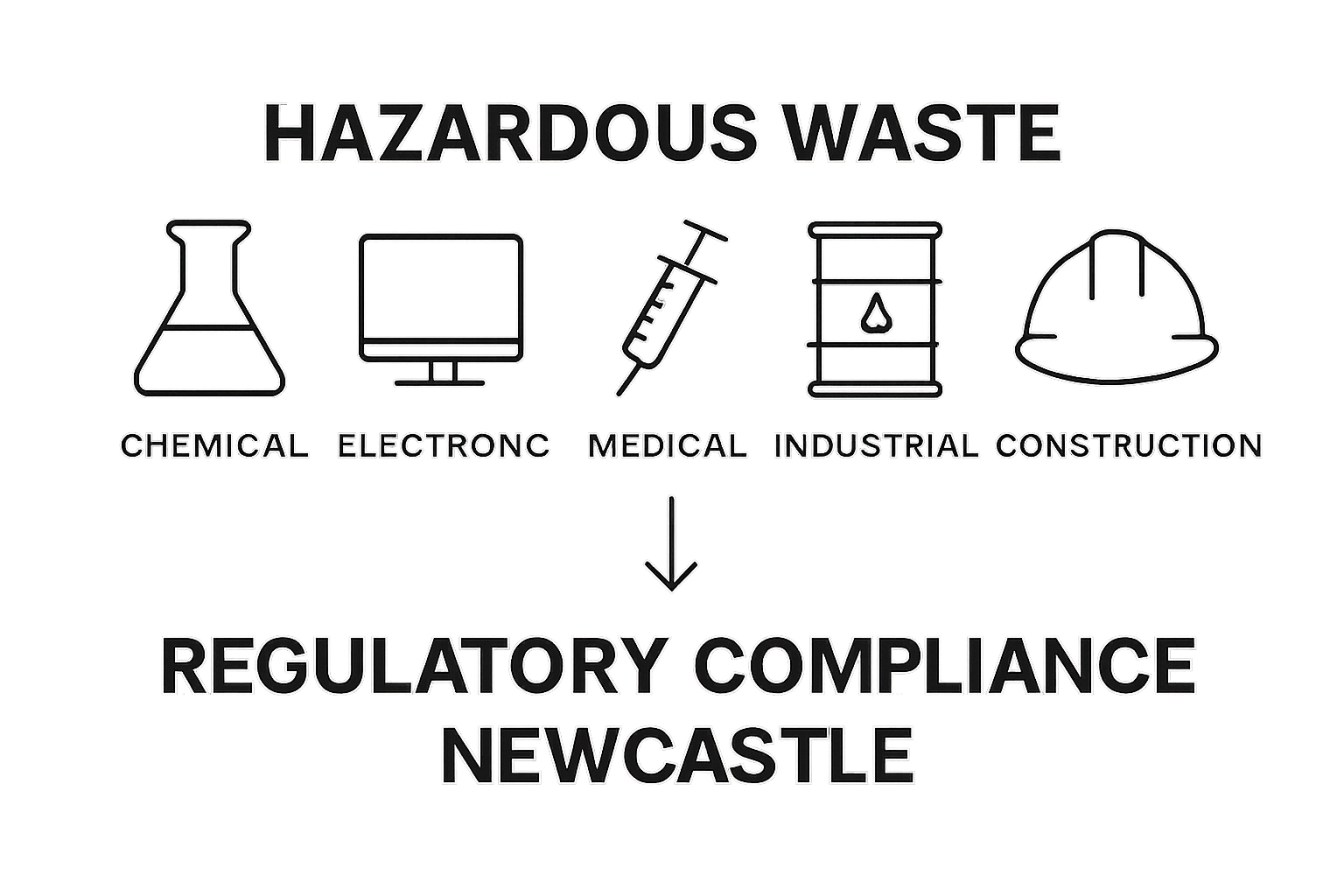
- Chemical Waste: Solvents, industrial chemicals, pesticides, and laboratory reagents
- Electronic Waste (WEEE): Computers, monitors, televisions, and other electronic equipment containing toxic components
- Medical and Pharmaceutical Waste: Used syringes, contaminated medical equipment, expired pharmaceuticals
- Industrial Waste: Oils, paint residues, asbestos, metal processing chemicals
- Construction Waste: Materials containing lead, mercury, or other hazardous substances
Every business generating hazardous waste must adopt a responsible approach to waste management. This involves identifying, classifying, storing, and disposing of these materials in compliance with local and national environmental regulations. Proper management not only protects public health but also prevents potential legal and financial penalties associated with improper waste disposal.
The table below summarises the main categories of hazardous waste relevant to businesses in Newcastle, offering examples for each and outlining the associated risks for efficient reference.
| Category | Typical Examples | Associated Risks |
|---|---|---|
| Chemical Waste | Solvents, industrial chemicals, pesticides, lab reagents | Toxicity, environmental contamination |
| Electronic Waste (WEEE) | Computers, monitors, televisions, electronic equipment | Release of toxic components, pollution |
| Medical and Pharmaceutical Waste | Used syringes, contaminated equipment, expired medicines | Infectious risk, chemical hazards |
| Industrial Waste | Oils, paint residues, asbestos, metal chemicals | Health hazards, pollution, workplace dangers |
| Construction Waste | Lead, mercury-containing materials | Toxicity, soil and water contamination |
Why Accurate Disposal of Hazardous Waste Matters
Accurate hazardous waste disposal transcends mere regulatory compliance. It represents a fundamental responsibility that directly impacts environmental sustainability, public safety, and organisational reputation. Our comprehensive disposal guide offers detailed insights into this critical process.
Environmental Protection and Ecological Impact
Improper hazardous waste management can lead to devastating environmental consequences. According to UK government environmental guidelines, these materials can contaminate soil, water systems, and air quality, causing long-term ecological damage that extends far beyond immediate disposal sites.
Key environmental risks include:
- Groundwater contamination affecting drinking water sources
- Soil degradation reducing agricultural productivity
- Potential disruption of local ecosystem biodiversity
- Release of toxic substances into natural habitats
Legal and Financial Consequences
Businesses in Newcastle and across the UK face significant legal and financial risks when mishandling hazardous waste. Non-compliance with waste disposal regulations can result in substantial penalties, including:
- Substantial Financial Fines: Penalties ranging from £5,000 to £50,000 for serious violations
- Potential Criminal Prosecution: Directors may face personal legal accountability
- Revocation of Operational Licenses: Businesses could lose permission to operate
- Reputational Damage: Loss of customer trust and potential market exclusion
Moreover, accurate disposal demonstrates corporate social responsibility, showcasing a commitment to environmental stewardship and community well-being. By implementing rigorous waste management protocols, businesses protect not just themselves, but contribute to broader environmental conservation efforts in the North East region and beyond.
How Hazardous Waste Disposal Processes Work in Newcastle
Hazardous waste disposal in Newcastle involves a comprehensive and strictly regulated system designed to protect public health and the environment. Learn more about safe waste storage practices to understand the initial stages of this critical process.
Waste Classification and Initial Assessment
Before disposal, businesses must accurately classify their hazardous waste. According to Environment Agency guidelines, this process involves:
- Identifying the specific type and properties of the waste
- Determining potential environmental and health risks
- Assigning a precise waste code for tracking and management
- Documenting the waste’s origin and composition
Transportation and Treatment Protocols
Newcastle’s hazardous waste disposal process follows stringent transportation and treatment protocols. Specialised waste management companies must:
- Use Certified Vehicles: Specially designed trucks with containment features
- Implement Strict Safety Measures: Protective equipment and containment procedures
- Follow Regulated Transportation Routes: Predetermined paths to minimise environmental exposure
- Maintain Comprehensive Documentation: Tracking waste from collection to final disposal
The disposal process typically involves multiple treatment methods, including chemical neutralisation, thermal treatment, and secure landfill containment. Each method is carefully selected based on the specific characteristics of the hazardous waste, ensuring maximum safety and minimal environmental impact for businesses across Newcastle and the North East region.
Key Legislation and Regulations Affecting Businesses
Navigating the complex landscape of hazardous waste disposal requires a comprehensive understanding of UK legislative frameworks. Learn about waste disposal legal requirements to ensure your business remains compliant and responsible.
Primary Legislative Framework
Businesses in Newcastle must adhere to multiple legislative instruments governing hazardous waste management. According to UK government guidelines, the key regulations include:
- Environmental Protection Act 1990: Establishes fundamental waste management principles
- Hazardous Waste Regulations 2005: Defines specific handling and disposal requirements
- Waste (England and Wales) Regulations 2011: Provides detailed waste classification protocols
- Control of Pollution Act 1974: Regulates waste transportation and environmental contamination
Compliance and Reporting Obligations
Businesses generating hazardous waste face stringent reporting and documentation requirements. These obligations are designed to track waste from production through to final disposal, ensuring transparency and environmental protection.
Key compliance elements include:
- Waste Transfer Notes: Mandatory documentation for every waste movement
- Detailed Waste Classification: Precise categorisation of all hazardous materials
- Annual Hazardous Waste Returns: Comprehensive reporting to environmental authorities
- Strict Segregation Protocols: Preventing mixing of different hazardous waste types
Non-compliance can result in significant financial penalties, potential legal action, and reputational damage. Businesses must therefore maintain meticulous records and implement robust waste management systems that meet or exceed regulatory standards.
This table presents key UK legislations governing hazardous waste, providing business owners with a clear reference to ensure compliance and understand each regulation’s focus.
| Legislation | Main Focus | Year Introduced |
|---|---|---|
| Environmental Protection Act | Fundamental waste management principles | 1990 |
| Hazardous Waste Regulations | Specific requirements for hazardous waste handling | 2005 |
| Waste (England and Wales) Regulations | Detailed waste classification and management protocols | 2011 |
| Control of Pollution Act | Waste transportation and environmental contamination | 1974 |
Best Practices for Managing Hazardous Waste Disposal
Effective hazardous waste management requires a strategic and systematic approach that prioritises safety, compliance, and environmental responsibility. Explore our comprehensive hazardous waste disposal guide to develop robust waste management strategies for your business.
Waste Identification and Segregation
According to UK government guidelines, businesses must implement rigorous waste identification and segregation protocols to ensure safe and legal disposal. This process involves:
- Comprehensive Waste Auditing: Detailed mapping of all waste streams within the organisation
- Precise Categorisation: Identifying specific hazardous waste types and their potential risks
- Strict Segregation Protocols: Preventing cross-contamination between different waste categories
- Clear Labelling Systems: Ensuring all hazardous waste containers are correctly identified
Storage and Handling Procedures
Proper storage and handling are critical components of hazardous waste management. Businesses in Newcastle must adhere to stringent guidelines that protect both workplace safety and environmental integrity:
- Secure Containment: Using appropriate containers that prevent leakage or chemical reactions
- Temperature and Environment Control: Maintaining stable storage conditions
- Limited Access Zones: Restricting hazardous waste storage areas to authorised personnel
- Regular Inspection Protocols: Conducting frequent checks for potential containment issues
By implementing these best practices, businesses can mitigate risks, ensure regulatory compliance, and demonstrate a commitment to responsible waste management. The goal extends beyond mere legal adherence, focusing on creating a comprehensive approach that protects human health, workplace safety, and the broader environmental ecosystem of Newcastle and the North East region.
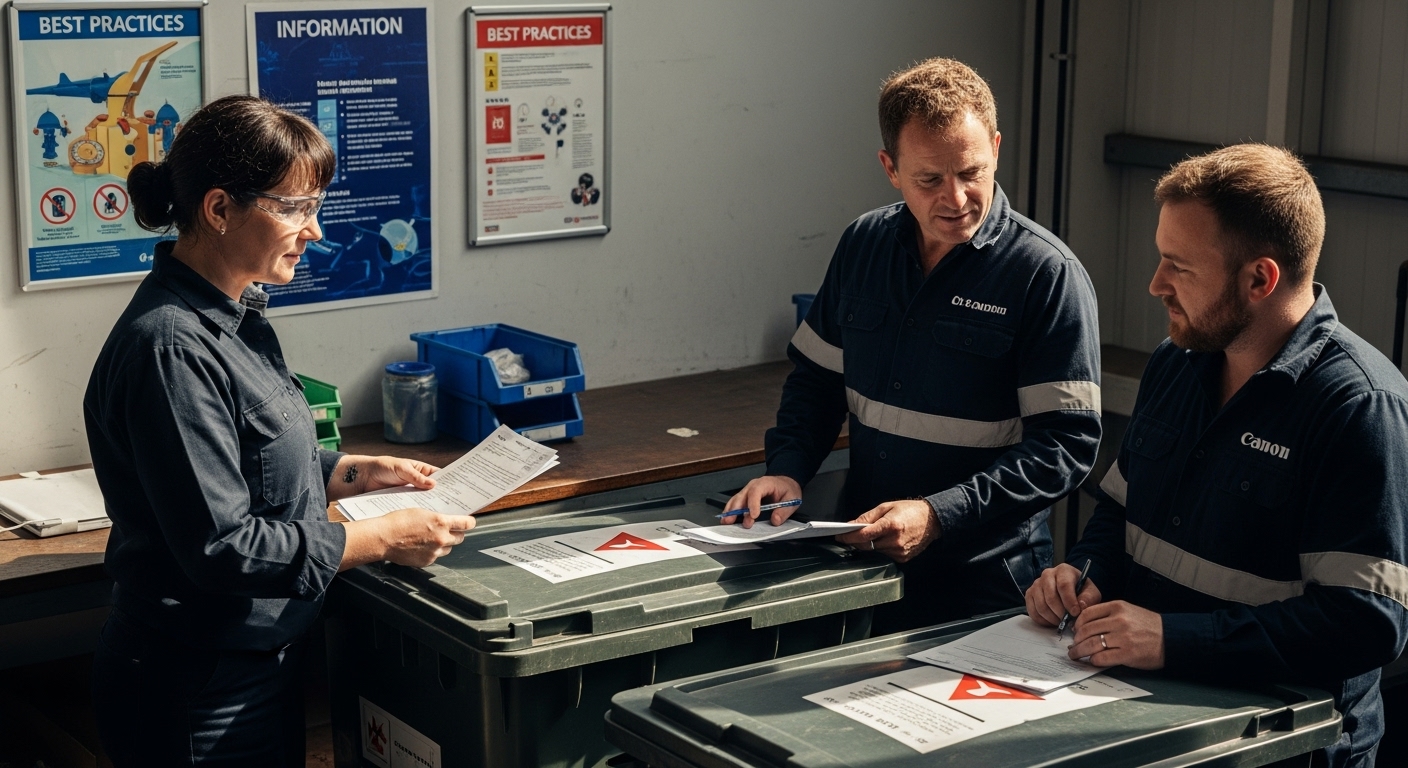
Take the Stress Out of Hazardous Waste Disposal in Newcastle
Are you feeling overwhelmed by the complex regulations and risk of penalties highlighted in our guide? Navigating hazardous waste laws, ensuring safe handling, and maintaining compliance can feel like a minefield. With so many responsibilities—from accurate waste identification to safe storage and avoiding legal trouble—local businesses need a reliable partner that understands the specific challenges of hazardous waste in Newcastle. Get clarity and regain peace of mind by exploring our hazardous waste solutions, where you will find practical advice and services tailored to the hazardous waste requirements discussed in the article.

Dont let confusion or compliance gaps jeopardise your operations. Join other successful businesses that trust Venture Waste Management for responsible waste handling and expert guidance. Visit our regulation hub to make sure your procedures are up to standard and book your service in just three simple steps. Act now to protect your business, your staff, and the environment—your waste management solution is only a click away.
Frequently Asked Questions
What qualifies as hazardous waste?
Hazardous waste is any waste that contains substances or exhibits properties harmful to human health or the environment. This includes materials that are toxic, reactive, corrosive, or can cause environmental contamination.
Why is proper hazardous waste disposal important for businesses?
Proper disposal of hazardous waste is crucial to prevent environmental contamination, public health risks, and potential legal and financial penalties. It demonstrates corporate social responsibility and commitment to environmental stewardship.
What are the main categories of hazardous waste?
The main categories of hazardous waste include chemical waste (such as solvents and pesticides), electronic waste (like computers and TVs), medical waste (used syringes and contaminated equipment), industrial waste (oils and paint residues), and construction waste (materials containing hazardous substances like lead).
What regulations must businesses follow regarding hazardous waste disposal?
Businesses must adhere to regulations such as the Environmental Protection Act 1990, Hazardous Waste Regulations 2005, and Waste (England and Wales) Regulations 2011. Compliance includes proper waste classification, maintaining waste transfer documents, and submitting annual hazardous waste returns.


Leave a Reply
Want to join the discussion?Feel free to contribute!