

Understanding Efficiency in Waste Collection Practices
Waste collection is often seen as a routine, unremarkable part of keeping cities like Newcastle and Durham clean. Yet studies reveal that smart routing can cut fuel usage by up to 30 percent, completely reshaping what efficient waste management really means. The real surprise is that focusing on these hidden efficiency gains does more than just save money—it unlocks genuine environmental benefits and a sharper competitive edge for businesses.
Table of Contents
- What Is Efficiency In Waste Collection?
- Why Efficiency In Waste Collection Matters For Businesses
- How Efficiency In Waste Collection Works In Practice
- Key Concepts Of Effective Waste Management
- Real-World Examples Of Efficient Waste Collection Systems
Quick Summary
| Takeaway | Explanation |
|---|---|
| Efficiency reduces waste collection costs | Streamlining operations minimises expenses on fuel and maintenance for vehicles. |
| Implement advanced technology for routing | Using smart algorithms and GPS can optimise collection routes, saving time and costs. |
| Measure performance continuously | Regularly track metrics like waste collected per vehicle to refine strategies and improve efficiency. |
| Stay compliant to avoid penalties | Efficient waste management prevents regulatory issues and reduces the risk of financial fines. |
| Prioritise recycling for revenue | Effective waste sorting increases the potential income from recyclable materials, benefiting businesses financially. |
What is Efficiency in Waste Collection?
Efficiency in waste collection represents a strategic approach to managing municipal and commercial waste disposal processes with maximum productivity and minimal resource expenditure. According to research from the OECD, this concept involves optimising the entire waste management cycle to reduce operational costs while maintaining high-quality service delivery.
Understanding Core Components
Waste collection efficiency encompasses several critical dimensions that organisations must consider. These include:
- Resource Utilisation: Minimising fuel consumption and vehicle operating expenses
- Route Optimisation: Planning collection routes that reduce travel distances and time
- Labor Management: Ensuring workforce productivity and effective task allocation
In regions like Newcastle and Durham, where urban waste management challenges are complex, these efficiency strategies become particularly crucial. Local authorities and waste management companies must continuously adapt their approaches to handle increasing waste volumes while maintaining environmental standards.
Performance Measurement Techniques
Measuring waste collection efficiency involves comprehensive analytical approaches.
 Research evaluating municipal waste systems suggests organisations should track multiple performance indicators such as:
- Total waste collected per vehicle
- Operational costs per tonne of waste
- Time spent on collection routes
- Fuel consumption rates
- Percentage of waste successfully recycled
By implementing sophisticated tracking mechanisms, waste management services like our UK wide general waste collection can continuously improve operational effectiveness.
The following table summarises key performance indicators used to measure waste collection efficiency, providing a concise overview of each metric and its focus.
| Performance Indicator | Description |
|---|---|
| Total waste collected per vehicle | Measures productivity, assessing collection efficiency |
| Operational costs per tonne of waste | Examines cost-effectiveness of collection and transport |
| Time spent on collection routes | Evaluates route planning and workforce efficiency |
| Fuel consumption rates | Tracks resource usage and environmental impact |
| Percentage of waste successfully recycled | Assesses effectiveness of sorting and sustainability efforts |
| This approach not only reduces environmental impact but also provides significant economic advantages for businesses and municipalities seeking streamlined waste management solutions. |
Why Efficiency in Waste Collection Matters for Businesses
Business waste management is not merely an operational necessity but a strategic opportunity for organisational improvement and financial optimization. Research from McKinsey & Company highlights that efficient waste collection represents a critical pathway for businesses to reduce operational costs and enhance environmental sustainability.
Financial Implications of Waste Management
Inefficient waste collection directly impacts a company’s bottom line. Businesses that fail to streamline their waste management processes can experience significant financial drawbacks:
- Unnecessary Transportation Costs: Poorly planned collection routes increase fuel consumption and vehicle maintenance expenses
- Regulatory Non-Compliance Penalties: Ineffective waste management can result in substantial legal fines
- Missed Recycling Opportunities: Lack of efficient sorting and collection reduces potential revenue from recyclable materials
In industrial regions like Newcastle and Durham, where manufacturing and logistics sectors are prominent, waste collection efficiency becomes even more critical for maintaining competitive economic advantages.
Environmental and Reputational Benefits
Modern consumers and stakeholders increasingly evaluate businesses based on their environmental responsibility. Environmental Protection UK research indicates that companies demonstrating robust waste management practices can significantly enhance their corporate reputation.
Businesses that prioritize efficient waste collection not only reduce their carbon footprint but also signal a commitment to sustainable practices. This approach can lead to:
- Improved brand perception
- Potential tax incentives for green initiatives
By understanding how UK businesses can save money on waste management, organisations can transform waste collection from a mundane operational task into a strategic advantage that delivers tangible economic and environmental benefits.
How Efficiency in Waste Collection Works in Practice
Practical waste collection efficiency transforms theoretical concepts into tangible operational strategies that businesses can implement immediately. According to research from the Waste and Resources Action Programme, successful implementation requires a multifaceted approach combining technological innovation, strategic planning, and continuous performance monitoring.
Technological Integration and Route Optimization
Modern waste collection efficiency relies heavily on advanced technological solutions.
Smart routing algorithms and GPS tracking systems enable waste management companies to:
- Minimise fuel consumption by calculating shortest collection routes
- Reduce vehicle wear and tear through precise navigation
- Real-time track and adjust collection schedules dynamically
In regions like Newcastle and Durham, where urban landscapes present complex logistical challenges, these technological interventions become particularly crucial. Local waste management services can dramatically improve operational performance by leveraging data-driven insights and intelligent route planning.
Performance Monitoring and Continuous Improvement
Implementing efficiency in waste collection is not a one-time event but a continuous process of measurement and refinement. Key performance indicators help organisations understand and improve their waste management strategies:
- Waste-to-Vehicle Ratio: Measuring total waste collected per vehicle
- Collection Time Efficiency: Tracking time spent on collection routes
- Operational Cost Analysis: Evaluating expenses against waste management outcomes
Businesses seeking comprehensive waste management solutions can explore how the UK waste collection network serves businesses, understanding that efficiency is about creating sustainable, adaptable systems that evolve with technological and environmental requirements. By embracing these advanced approaches, organisations can transform waste collection from a routine operational task into a strategic advantage that delivers both economic and environmental benefits.
Key Concepts of Effective Waste Management
Effective waste management transcends simple disposal, representing a comprehensive approach to resource utilisation and environmental stewardship. According to the Department for Environment, Food & Rural Affairs (DEFRA), successful waste management requires a strategic framework that addresses collection, processing, and sustainable disposal.
Waste Hierarchy and Resource Prioritisation
The fundamental principle of modern waste management is the waste hierarchy, which establishes a priority sequence for managing waste materials:
- Prevention: Reducing waste generation at the source
- Reuse: Finding alternative uses for materials before disposal
- Recycling: Converting waste into new products
- Recovery: Extracting energy from non-recyclable waste
- Disposal: Final waste management option when no other alternatives exist
In industrial areas like Newcastle and Durham, where manufacturing and logistics generate significant waste streams, understanding and implementing this hierarchy becomes crucial for sustainable operations.
This table outlines the main stages of the waste hierarchy, highlighting the definition and primary aim of each stage within the modern waste management framework.
| Stage | Definition | Primary Aim |
|---|---|---|
| Prevention | Reducing waste generation at the source | Minimise the amount of waste created |
| Reuse | Finding alternative uses for materials before disposal | Extend product lifespan and reduce waste |
| Recycling | Converting waste into new products | Recover materials for further use |
| Recovery | Extracting energy from non-recyclable waste | Harness value before final disposal |
| Disposal | Final management when no other alternatives exist | Safely eliminate unusable waste |
Integrated Waste Management Systems
Modern waste management requires holistic, integrated approaches that combine technological innovation with strategic planning. Key components of these systems include:
- Advanced sorting technologies
- Real-time waste tracking systems
- Data-driven decision-making processes
- Collaborative partnerships between businesses, local authorities, and waste management providers
For businesses seeking comprehensive waste management strategies, understanding these integrated systems is paramount. By adopting a proactive, systematic approach, organisations can transform waste from a potential environmental liability into a resource with potential economic and ecological value.
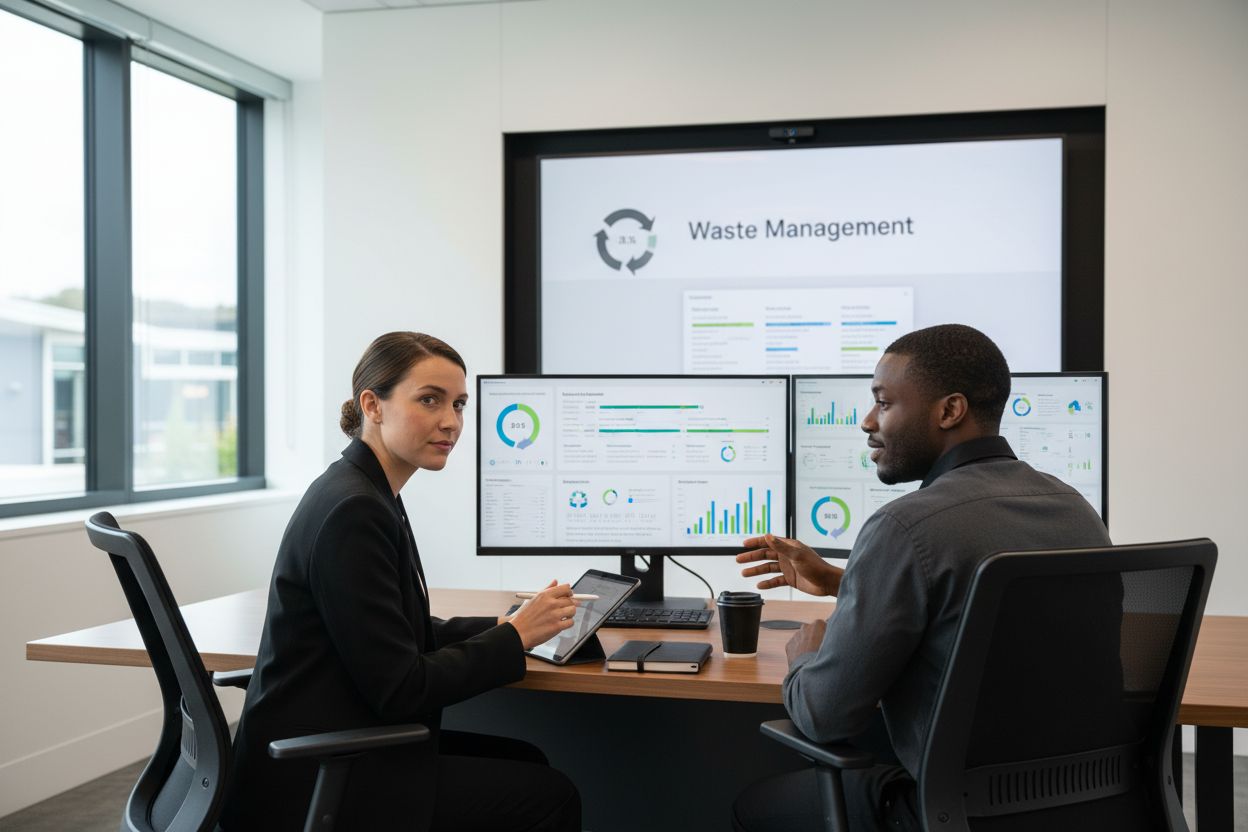
Real-World Examples of Efficient Waste Collection Systems
Efficient waste collection systems represent sophisticated approaches that transform traditional waste management practices across various sectors. Research from the Chartered Institution of Wastes Management demonstrates how innovative strategies can dramatically improve operational performance and environmental sustainability.
Municipal Waste Management Innovations
Several UK cities have developed groundbreaking waste collection models that serve as benchmarks for efficiency. In regions like Newcastle and Durham, local authorities have implemented advanced strategies:
- Smart Bin Technology: Sensors that monitor waste levels and optimize collection routes
- Automated Sorting Systems: Reducing manual labour and increasing recycling accuracy
- Geospatial Tracking: Real-time monitoring of waste collection vehicles
These technological interventions enable municipalities to reduce operational costs while improving environmental outcomes, demonstrating how data-driven approaches can revolutionize waste management practices.
Industrial Sector Waste Collection Strategies
Manufacturing and industrial sectors have developed sophisticated waste management systems that prioritize both economic and environmental considerations. Key approaches include:
- Integrated waste stream analysis
- Circular economy principles
- Collaboration between waste producers and recycling facilities
- Advanced material recovery techniques
Understanding the differences between general waste and recycling becomes crucial for businesses seeking to implement these advanced waste collection systems. By adopting comprehensive, technology-enabled approaches, organisations can transform waste from a cost centre into a potential resource, driving both economic efficiency and environmental responsibility.
Unlock Real Efficiency in Your Waste Collection
Are you searching for ways to cut unnecessary costs and streamline your waste management processes? The article you just read highlights the critical importance of route optimisation, labour management, and technology-driven solutions. Inefficiency in these areas results in higher operational expenses, environmental impact, and lost recycling opportunities. With How the Waste Collection Network in UK Serves Businesses in 2025, Venture Waste tackles these challenges directly, offering a network-driven approach to smarter, more sustainable waste management for both businesses and households.

Transform complex waste collection into a seamless experience. Book your waste collection in three simple steps and join organisations already improving efficiency, compliance, and sustainability. Act today by visiting Venture Waste Management’s website or explore the full Waste Collection Process for UK Businesses. Make waste collection work for you now.
Frequently Asked Questions
What does efficiency in waste collection mean?
Efficiency in waste collection refers to optimising waste management processes to improve productivity and reduce resource expenditure, ensuring high-quality service delivery while minimising costs.
How can businesses measure waste collection efficiency?
Businesses can measure waste collection efficiency by tracking performance indicators such as total waste collected per vehicle, operational costs per tonne, time spent on collection routes, fuel consumption rates, and recycling rates.
What are the financial implications of inefficient waste management?
Inefficient waste management can lead to unnecessary transportation costs, regulatory fines, and missed opportunities for recycling revenue, which can negatively impact a company’s bottom line.
What are some practical strategies for improving waste collection efficiency?
Practical strategies for improving waste collection efficiency include using smart routing algorithms, integrating GPS tracking systems, establishing key performance indicators, and continuously monitoring operational performance.


Leave a Reply
Want to join the discussion?Feel free to contribute!