

Understanding Confidential Waste Disposal in Sunderland: GDPR and Business Compliance
Every business in Sunderland deals with paperwork and digital files packed with sensitive details. Ignore the warning signs and you might be shocked to learn that failing to handle confidential waste properly could trigger fines of up to £17.5 million or 4 percent of your global turnover under GDPR. Most assume a quick bin toss or basic shredder does the job but the truth is, the real danger comes from the everyday habits that leave your information exposed and your entire reputation at risk.
Table of Contents
- What Is Confidential Waste And Why Is It Important?
- The Role Of GDPR In Waste Management Practices
- Understanding The Legal Framework For Confidential Waste Disposal
- Best Practices For Ensuring Business Compliance
- Real-World Implications Of Mishandling Confidential Waste
Quick Summary
| Takeaway | Explanation |
|---|---|
| Confidential waste includes sensitive materials | Businesses must identify personal info, financial records, and healthcare documents as confidential waste that requires protection. |
| Implement secure disposal protocols | Employ certified methods for secure disposal and maintain a clear chain of custody to ensure compliance with regulations. |
| Know legal implications of mishandling | Non-compliance can lead to fines up to £17.5 million, legal actions, and damage to reputation. |
| Training staff in data protection is essential | Regular training on GDPR guidelines helps ensure all employees understand their role in managing confidential waste properly. |
| Conduct risk assessments regularly | Systematic evaluations of disposal practices can help identify vulnerabilities and improve waste management strategies. |
What is Confidential Waste and Why is it Important?
Confidential waste represents a critical category of sensitive documentation and materials that require secure handling and destruction to prevent potential data breaches or unauthorized information disclosure. In the modern business landscape of Sunderland and across the United Kingdom, understanding what constitutes confidential waste is fundamental to maintaining legal compliance and protecting organisational integrity.
Defining Confidential Waste
Confidential waste encompasses a wide range of materials containing sensitive, private, or privileged information that could compromise individual or organisational privacy if improperly discarded. This includes documents, digital media, and physical records that contain:
- Personal identification details
- Financial records and statements
- Medical and healthcare documentation
- Employee personnel files
- Business strategy documents
- Client contract information
- Intellectual property records
Businesses in areas like Newcastle, Durham, and Sunderland must recognise that confidential waste extends beyond traditional paper documents to include electronic devices, hard drives, USB drives, and even printed materials with sensitive information.
Legal and Regulatory Implications
The importance of proper confidential waste management cannot be overstated. According to the UK Government’s Data Protection Guidelines, organisations have a legal obligation to ensure the secure disposal of sensitive information. Learn more about confidential waste management for comprehensive insights into best practices.
Failing to implement robust confidential waste disposal protocols can result in significant consequences, including:
- Substantial financial penalties under GDPR regulations
- Potential legal action from affected individuals
- Reputational damage and loss of client trust
- Increased vulnerability to corporate espionage and data theft
For businesses in Sunderland and the broader North East region, understanding and implementing comprehensive confidential waste disposal strategies is not just a recommended practice but a critical legal requirement. Proper management ensures compliance, protects sensitive information, and demonstrates a commitment to professional data handling standards.
The Role of GDPR in Waste Management Practices
The General Data Protection Regulation (GDPR) represents a comprehensive framework that fundamentally transforms how organisations manage, protect, and dispose of sensitive information across the United Kingdom. In the context of waste management, GDPR introduces stringent requirements that extend far beyond traditional data protection approaches, compelling businesses in Sunderland and beyond to reimagine their confidential waste disposal strategies.
Understanding GDPR’s Waste Management Scope
GDPR’s principles of data protection are not confined to digital environments but encompass physical documentation and materials containing personal or sensitive information.
This means that every piece of waste potentially containing identifiable data must be managed with the same level of scrutiny and security as digital records.
Key aspects of GDPR that directly impact waste management include:
- Comprehensive data protection across all formats
- Mandatory secure destruction protocols
- Explicit consent and accountability mechanisms
- Robust documentation of waste disposal processes
- Stringent penalties for non-compliance
Legal and Operational Implications
For businesses operating in Sunderland and the North East region, GDPR compliance in waste management is not optional but a critical legal requirement. According to Information Commissioner’s Office Guidelines, organisations must demonstrate proactive measures in protecting personal data throughout its entire lifecycle, including disposal. Explore our comprehensive guide to GDPR compliant waste disposal to understand the intricate requirements.
Businesses must implement a systematic approach that includes:
- Categorising waste based on sensitivity levels
- Establishing secure chain of custody during disposal
- Using certified destruction methods
- Maintaining detailed audit trails
- Training staff on GDPR waste management protocols
The financial and reputational risks of non-compliance are significant. Potential consequences include substantial fines up to £17.5 million or 4% of annual global turnover, legal actions, and permanent damage to organisational reputation.
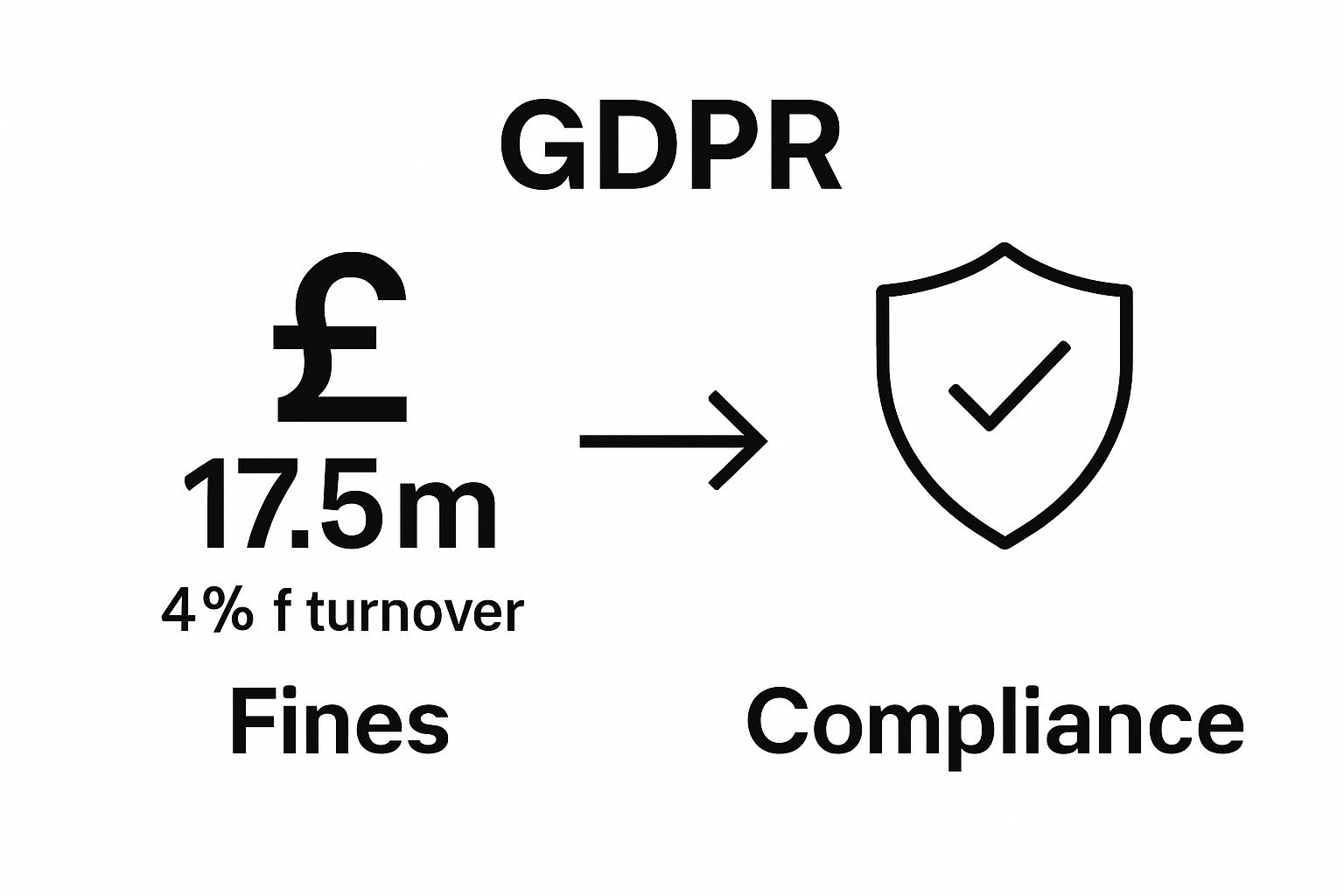 By integrating GDPR principles into waste management practices, businesses can transform regulatory compliance from a challenge into a strategic advantage.
Understanding the Legal Framework for Confidential Waste Disposal
The legal landscape surrounding confidential waste disposal in the United Kingdom is complex and multifaceted, requiring businesses to navigate a sophisticated framework of regulations designed to protect sensitive information and maintain individual privacy. For organisations in Sunderland and across the North East, understanding these legal requirements is not merely a recommended practice but a fundamental obligation.
Key Legislative Components
The legal framework for confidential waste disposal is primarily underpinned by several critical pieces of legislation that work in concert to establish comprehensive protection standards. These legislative instruments include:
- Data Protection Act 2018
- General Data Protection Regulation (GDPR)
- Environmental Protection Act 1990
- Information Commissioner’s Office (ICO) Guidelines
- Privacy and Electronic Communications Regulations (PECR)
Each of these regulations contributes unique provisions that collectively create a robust system for managing and protecting sensitive information throughout its entire lifecycle, from creation to ultimate destruction.
To clarify the complex legal obligations for confidential waste disposal, the following table summarises the major legislative components, their primary focus, and what each regulation means for businesses in Sunderland and the UK.
| Legislation / Regulation | Primary Focus | Key Compliance Requirement |
|---|---|---|
| Data Protection Act 2018 | Protection of personal data | Secure handling and destruction of sensitive data |
| General Data Protection Regulation (GDPR) | Data privacy and security | Documentation, consent, fines for non-compliance |
| Environmental Protection Act 1990 | Environmental impact of waste | Proper waste management and disposal procedures |
| Information Commissioner’s Office (ICO) | Regulatory guidance and enforcement | Adherence to data protection protocols |
| Privacy and Electronic Communications (PECR) | Privacy in communications and data transfer | Ensuring privacy in electronic communications |
Compliance Requirements and Implications
Businesses must adopt a proactive approach to confidential waste management that goes beyond mere destruction. According to the UK Government’s Data Protection Guidelines, organisations are legally obligated to implement comprehensive waste disposal strategies that demonstrate intentional and systematic protection of personal data. Learn more about confidential disposal strategies to ensure complete regulatory alignment.
Key compliance obligations include:
- Documenting all waste disposal processes
- Maintaining secure chain of custody for confidential materials
- Implementing certified destruction methodologies
- Conducting regular staff training on data protection protocols
- Creating and maintaining detailed audit trails
The consequences of non-compliance are substantial. Organisations can face significant financial penalties up to £17.5 million or 4% of global annual turnover, potential legal actions, and irreparable reputational damage. By understanding and meticulously implementing the legal framework, businesses in Sunderland can transform regulatory compliance from a complex challenge into a strategic organisational strength.
Best Practices for Ensuring Business Compliance
Navigating the complex landscape of confidential waste disposal requires a strategic and comprehensive approach that goes beyond basic regulatory requirements. For businesses in Sunderland and across the North East, developing a robust compliance framework is essential to protecting sensitive information and maintaining organisational integrity.
Risk Assessment and Strategic Planning
Effective compliance begins with a thorough and systematic risk assessment that identifies potential vulnerabilities in an organisation’s waste management processes. This proactive approach involves:
- Comprehensive mapping of information flows
- Identifying all potential sources of confidential waste
- Evaluating current disposal methodologies
- Assessing potential data breach risks
- Determining sensitivity levels of different document types
Businesses must develop a holistic waste management strategy that addresses every stage of information lifecycle management, from creation to secure destruction. This requires ongoing commitment and regular review of existing protocols.
Implementation of Secure Disposal Protocols
Developing and implementing robust disposal protocols is critical for maintaining regulatory compliance. According to UK Government’s Data Protection Guidelines, organisations must demonstrate intentional and systematic protection of personal data. Explore our detailed guide on confidential document shredding to understand comprehensive disposal strategies.
Key implementation practices include:
- Utilizing certified secure destruction methods
- Maintaining comprehensive chain of custody documentation
- Implementing strict access controls for confidential waste
- Regular staff training and awareness programmes
- Conducting periodic internal and external compliance audits
By adopting these best practices, organisations can transform compliance from a regulatory burden into a strategic advantage. Effective confidential waste management not only mitigates legal risks but also demonstrates a commitment to professional data protection standards, ultimately enhancing organisational reputation and client trust.

Real-World Implications of Mishandling Confidential Waste
Confidential waste mismanagement represents a significant risk landscape for businesses in Sunderland and across the United Kingdom, with potential consequences that extend far beyond mere regulatory penalties. The repercussions of inadequate waste disposal practices can fundamentally compromise an organisation’s operational integrity, financial stability, and public reputation.
Financial and Legal Consequences
The financial ramifications of confidential waste mishandling are substantial and multifaceted. Under current GDPR regulations, organisations can face catastrophic financial penalties that could potentially devastate business operations:
- Fines up to £17.5 million or 4% of global annual turnover
- Mandatory compensation payments to affected individuals
- Significant legal prosecution costs
- Potential long-term litigation expenses
- Extended regulatory investigations
These financial risks transform confidential waste management from an administrative task into a critical strategic priority for businesses across the North East region.
Reputational and Operational Risks
Beyond immediate financial implications, mishandling confidential waste can inflict profound and potentially irreparable damage to an organisation’s reputation. According to Information Commissioner’s Office Guidelines, businesses that fail to protect sensitive information risk losing client trust and market credibility. Discover more about the critical aspects of confidential waste management to understand the comprehensive implications.
Key reputational risks include:
- Permanent loss of client confidence
- Negative media coverage
- Potential public relations nightmares
- Reduced competitive positioning
- Long-term brand reputation erosion
For businesses in Sunderland and surrounding areas, understanding these implications is not merely an academic exercise but a fundamental business survival strategy. The potential for data breaches through improper waste disposal represents a critical vulnerability that can unravel years of carefully built organisational trust in moments of regulatory non-compliance.
The following table outlines the main financial and reputational consequences businesses may face if they mishandle confidential waste, highlighting the respective impacts for easy reference.
| Category | Consequence | Potential Impact |
|---|---|---|
| Financial | Fines up to £17.5 million or 4% of global annual turnover | Severe monetary losses and business instability |
| Financial | Legal prosecution costs and litigation expenses | Increased operational costs |
| Financial | Compensation payments to affected individuals | Direct financial burdens |
| Financial | Extended regulatory investigations | Disruption and resource diversion |
| Reputational | Permanent loss of client confidence | Damage to customer relationships |
| Reputational | Negative media coverage and PR crises | Harmed public image and brand erosion |
| Reputational | Reduced competitive positioning | Loss of trust and decreased market share |
Take Control of Confidential Waste and GDPR Compliance in Sunderland
Are you concerned about meeting GDPR obligations and protecting your business from costly data breaches? Many Sunderland businesses struggle to ensure secure disposal of sensitive information, risking financial penalties and loss of client trust. Your organisation cannot afford gaps in compliance with confidential waste handling—a single mistake could lead to severe legal problems and permanent reputational damage. See the latest updates, tips, and practical solutions in our confidential waste category to stay fully informed and compliant.

Now is the time to act. Venture Waste Management offers clear, compliant, and reliable confidential waste solutions for businesses of all sizes. With straightforward booking, certified document destruction, and experienced support, we take the worry out of waste compliance. Visit Venture Waste Management today and learn how easy it is to protect your business, reputation, and legal standing. Need more regulatory guidance? Explore our regulation insights for practical help on maintaining UK business compliance.
Frequently Asked Questions
What is confidential waste?
Confidential waste refers to materials that contain sensitive information, such as personal identification details, financial records, medical documentation, and business strategies that require secure handling and destruction to prevent data breaches.
Why is proper confidential waste disposal important for businesses?
Proper confidential waste disposal is essential for compliance with legal regulations, such as the GDPR. Failing to manage confidential waste can lead to financial penalties, legal actions, and damage to an organisation’s reputation.
What are the legal requirements for confidential waste disposal in the UK?
Businesses must comply with regulations including the Data Protection Act 2018 and GDPR, which mandate secure destruction methods, documentation of disposal processes, and maintaining a chain of custody for all sensitive information.
How can businesses ensure compliance with GDPR in waste management?
Businesses can ensure GDPR compliance by implementing secure disposal protocols, conducting regular staff training on data protection, maintaining detailed audit trails, and using certified destruction methods for confidential materials.


Leave a Reply
Want to join the discussion?Feel free to contribute!