

Understanding Batteries, Waste Batteries and Their Hazards
Batteries power everything from your morning alarm to giant factory machines and they come in more varieties than you might expect. Most people toss away used batteries without a second thought. Yet over 3 billion batteries are thrown out each year in the UK alone. That sounds convenient but it hides a dangerous reality about toxic waste and lost resources you would not want to ignore.
Table of Contents
- What Are The Different Types Of Batteries And Their Uses?
- Understanding The Hazards Associated With Each Battery Type
- The Importance Of Recycling Waste Batteries For The Environment
- What Can Be Recycled From Waste Batteries And How It Works
- Key Concepts In Battery Disposal And Recycling Practices
Quick Summary
| Takeaway | Explanation |
|---|---|
| Understand battery types for informed use | Knowledge of battery types aids in choosing the right one for specific applications and ensuring responsible disposal. |
| Prioritise rechargeable batteries for sustainability | Opting for rechargeable batteries reduces environmental pollution and waste, offering a cost-effective energy solution. |
| Proper battery disposal prevents contamination | Following safe disposal methods avoids toxic metals leaching into soil and water, protecting the environment. |
| Engage in battery recycling to conserve resources | Recycling batteries allows recovery of valuable materials, reducing the need for new resource extraction and promoting sustainability. |
| Be aware of battery hazards and safety | Understanding the risks associated with battery types helps in implementing safe handling, storage, and disposal practices. |
What Are the Different Types of Batteries and Their Uses?
Batteries are essential energy storage devices that power countless electronic devices and machines across various sectors. Understanding the different battery types helps businesses and individuals make informed decisions about energy consumption, waste management, and environmental responsibility.
Primary Batteries: Single Use and Disposable
Primary batteries, commonly known as single-use batteries, are designed for one-time use and cannot be recharged. These batteries are prevalent in numerous household and industrial applications. According to the United States Environmental Protection Agency, primary batteries include several key types:
- Alkaline Batteries: Standard batteries used in remote controls, toys, and small electronic devices
- Zinc-Carbon Batteries: Economical options for low-drain devices like wall clocks and basic electronic equipment
- Button Cell Batteries: Specialised batteries used in watches, hearing aids, and medical devices
These batteries typically contain metals like zinc, manganese dioxide, and carbon, which generate electrical energy through chemical reactions. While convenient, they pose significant environmental challenges when disposed of improperly.
Rechargeable Batteries: Sustainable Energy Storage
Rechargeable batteries offer a more sustainable alternative to single-use options. These batteries can be charged and reused multiple times, reducing waste and providing cost-effective energy solutions. Common rechargeable battery types include:
- Lithium-Ion Batteries: Used in smartphones, laptops, electric vehicles, and power tools
- Nickel-Metal Hydride (NiMH): Commonly found in digital cameras, cordless phones, and renewable energy storage systems
- Nickel-Cadmium (NiCd): Traditionally used in power tools and emergency lighting
Rechargeable batteries represent a more environmentally conscious approach to energy storage, allowing multiple charge cycles before requiring replacement.
Specialized Battery Technologies
Beyond standard consumer batteries, specialized battery technologies serve critical industrial and technological needs. These include lead-acid batteries in automotive systems, gel cell batteries in medical equipment, and advanced lithium polymer batteries in aerospace applications.
Understanding battery types is crucial for effective waste management, energy efficiency, and environmental protection. Each battery type presents unique characteristics, performance capabilities, and disposal requirements that businesses and individuals must consider carefully.
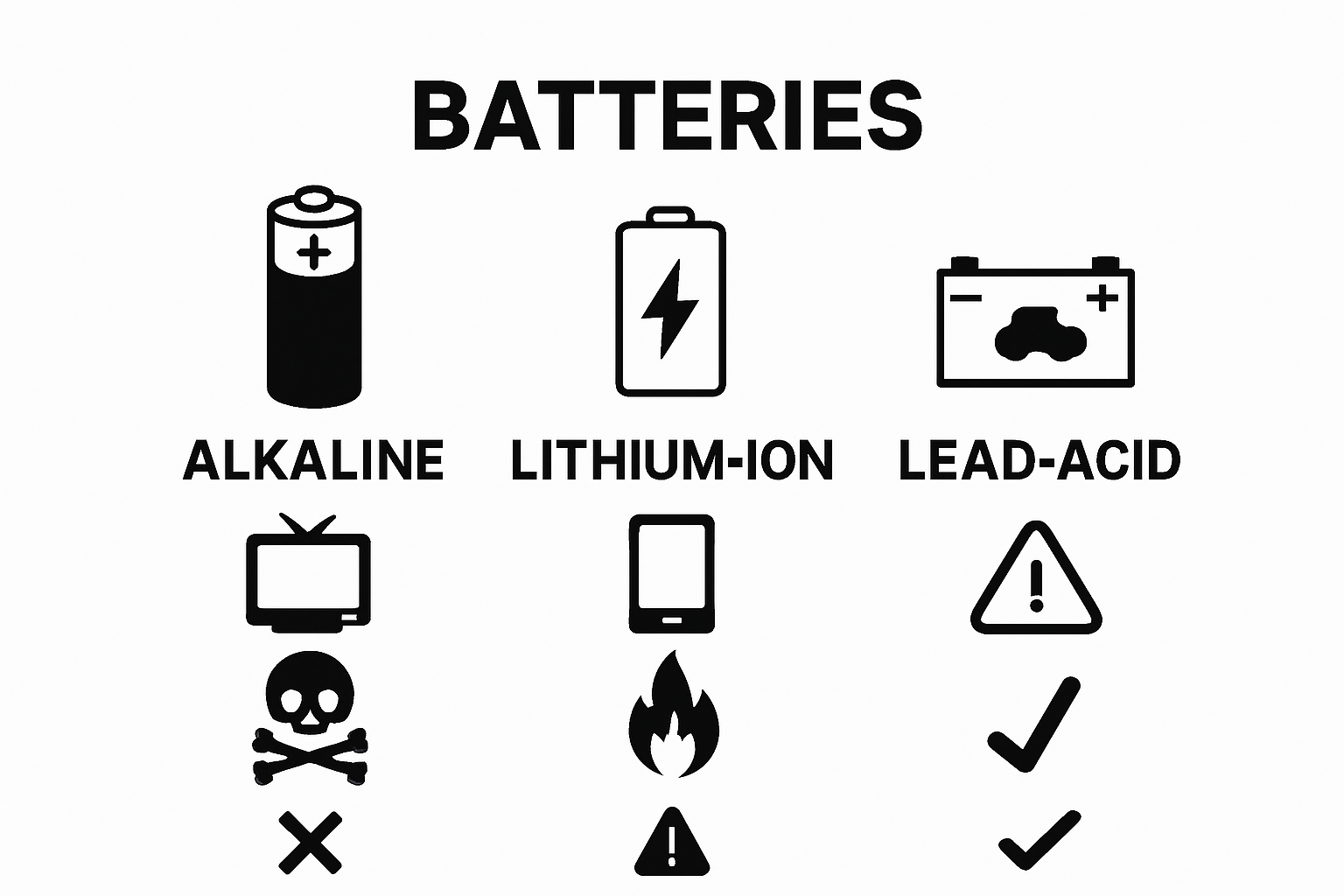
The following table compares primary, rechargeable, and specialised battery types, highlighting their main uses, chemical composition, and typical hazards for easy reference and comparison.
| Battery Type | Common Uses | Main Chemical Composition | Key Hazards |
|---|---|---|---|
| Alkaline (Primary) | Remote controls, toys, clocks | Zinc, manganese dioxide, carbon | Mercury/heavy metals contamination |
| Zinc-Carbon (Primary) | Wall clocks, basic electronics | Zinc, carbon, manganese dioxide | Environmental pollution |
| Button Cell (Primary) | Watches, hearing aids, medical devices | Lithium, silver oxide, other metals | Toxicity if swallowed |
| Lithium-Ion (Rechargeable) | Smartphones, laptops, electric vehicles | Lithium, cobalt, nickel, manganese | Fire risk, chemical burns |
| Nickel-Metal Hydride (Recharge) | Digital cameras, cordless phones, energy storage | Nickel, metal hydride | Chemical risks, less severe than NiCd |
| Nickel-Cadmium (Rechargeable) | Power tools, emergency lighting | Nickel, cadmium | Cadmium toxicity, carcinogenic |
| Lead-Acid (Specialised) | Automotive, back-up power systems | Lead, sulphuric acid | Lead toxicity, acid burns |
Understanding the Hazards Associated with Each Battery Type
Batteries, while essential in modern technology, present significant environmental and health risks that demand careful management and understanding. Each battery type carries unique hazards related to chemical composition, potential environmental impact, and safety considerations.
Chemical Composition and Toxicity Risks
Different battery types contain various toxic metals and chemicals that can pose substantial environmental and health risks. According to the Occupational Safety and Health Administration, exposure to these materials can lead to serious health complications:
- Lead Batteries: Contain inorganic lead dust that can cause neurological damage, anemia, and reproductive health issues
- Lithium-Ion Batteries: Contain volatile electrolytes that may cause chemical burns and potential fire hazards
- Nickel-Cadmium Batteries: Include cadmium, a known carcinogenic metal that can cause significant kidney and bone damage
Understanding these chemical risks is crucial for implementing proper handling, storage, and disposal protocols. Learn more about managing hazardous waste risks to protect both human health and the environment.
Environmental Impact and Contamination Potential
Improper battery disposal can lead to severe environmental contamination. When batteries are discarded in standard waste streams, toxic metals can leach into soil and groundwater, causing long-term ecological damage. Different battery types present varying levels of environmental risk:
- Alkaline Batteries: Contain mercury and other heavy metals that can contaminate water systems
- Lithium Batteries: Risk spontaneous combustion and chemical leakage when damaged
- Lead-Acid Batteries: Potential for significant soil and water pollution if not recycled correctly
Safety and Handling Considerations
Beyond chemical risks, batteries present physical safety challenges. Improper storage, charging, or handling can result in fires, explosions, and personal injury. Electric vehicle and hybrid car batteries, for instance, require specialized handling to prevent high-voltage shock hazards and potential thermal runaway events.
Businesses and individuals must prioritize proper battery management, including safe storage, regulated charging practices, and professional disposal services. Understanding these hazards is the first step towards responsible battery usage and environmental stewardship.
The Importance of Recycling Waste Batteries for the Environment
Battery recycling is a critical environmental strategy that reduces waste, conserves natural resources, and minimises potential ecological harm. By implementing comprehensive recycling processes, businesses and individuals can significantly mitigate the environmental impact of battery disposal.
Resource Conservation and Material Recovery
Recycling batteries enables the recovery of valuable metals and materials that would otherwise be lost in landfill waste. According to the United States Environmental Protection Agency, battery recycling helps prevent the release of hazardous substances while simultaneously conserving critical raw materials:
- Metal Extraction: Recovering metals like lithium, cobalt, and nickel from used batteries
- Reduced Mining Impact: Decreasing the need for new mineral extraction
- Energy Conservation: Lower energy consumption compared to primary metal production
Learn more about our battery disposal solutions to support sustainable waste management practices.
Environmental Protection and Pollution Prevention
Improper battery disposal poses significant environmental risks. When batteries are discarded in standard waste streams, they can release toxic chemicals and heavy metals that contaminate soil and water systems. Effective recycling prevents these potential environmental hazards:
- Groundwater Protection: Preventing lead, mercury, and cadmium from leaching into water sources
- Soil Preservation: Reducing heavy metal contamination in agricultural and natural landscapes
- Ecosystem Safety: Minimising risks to plant and animal life through responsible waste management
Economic and Circular Economy Benefits
Battery recycling extends beyond environmental advantages, contributing to broader economic and industrial sustainability. The process supports a circular economy model by transforming waste into valuable resources. Recycled battery materials can be reused in manufacturing new electronic components, reducing the demand for virgin materials and creating economic opportunities in the recycling sector.
Businesses and individuals play a crucial role in this environmental stewardship by choosing responsible battery disposal methods and supporting comprehensive recycling programmes. Each recycled battery represents a step towards a more sustainable and resource-efficient future.
What Can Be Recycled from Waste Batteries and How It Works
Battery recycling represents a sophisticated process of material recovery and environmental preservation, transforming potentially hazardous waste into valuable resources. Understanding the intricate methods of battery recycling is crucial for businesses and individuals committed to sustainable waste management practices.
Material Recovery and Extraction Techniques
According to the United States Environmental Protection Agency, battery recycling involves complex processes designed to extract and recover valuable materials. Different battery types require specific recycling methodologies:
- Lithium-Ion Batteries: Recover lithium, cobalt, nickel, and manganese
- Lead-Acid Batteries: Extract lead, plastic casings, and sulfuric acid
- Nickel-Cadmium Batteries: Reclaim nickel, cadmium, and steel components
Learn more about our specialised battery disposal solutions to understand comprehensive recycling strategies.
Recycling Methodologies
Three primary recycling techniques are employed in battery material recovery:
- Mechanical Processing: Involves shredding batteries, separating materials through physical sorting techniques
- Pyrometallurgical Methods: Uses high-temperature processes to extract metals through thermal treatment
- Hydrometallurgical Techniques: Employs chemical solutions to dissolve and separate metallic components
Each method targets specific battery compositions, ensuring maximum material recovery while minimising environmental impact.
This table summarises the major battery recycling methodologies discussed, including the key processes involved and their typical applications.
| Recycling Method | Key Process Description | Typical Battery Types |
|---|---|---|
| Mechanical Processing | Shredding and physically sorting materials | Most household batteries |
| Pyrometallurgical Methods | High-temperature thermal metal extraction | Lead-acid, some lithium-ion |
| Hydrometallurgical Techniques | Chemical dissolution to separate metal components | Lithium-ion, nickel-cadmium |
Environmental and Economic Implications
Battery recycling transcends waste management, representing a critical component of the circular economy. By recovering rare metals and reducing the demand for virgin material extraction, recycling processes contribute significantly to resource conservation. The recovered materials find applications in manufacturing new batteries, electronics, and industrial components, creating a sustainable loop of material utilisation.
Businesses engaging in comprehensive battery recycling not only mitigate environmental risks but also contribute to a more sustainable industrial ecosystem, transforming potential waste into valuable economic resources.
Key Concepts in Battery Disposal and Recycling Practices
Effective battery disposal and recycling require comprehensive understanding of complex environmental and regulatory frameworks. Businesses and organisations must navigate intricate processes to ensure responsible waste management and minimise potential ecological harm.
Regulatory Compliance and Waste Classification
According to the United States Environmental Protection Agency, battery disposal involves critical regulatory considerations:
- Hazardous Waste Categorisation: Different battery types require specific handling protocols
- Legal Reporting Requirements: Documentation of waste streams and disposal methods
- Transportation Restrictions: Special handling for batteries containing toxic materials
Discover more about electronic waste regulations to ensure comprehensive compliance.
Collection and Segregation Strategies
Successful battery recycling depends on robust collection and segregation practices. Organisations must implement systematic approaches to separate different battery chemistries:
- Colour-Coded Collection Containers: Distinguishing battery types for precise recycling
- Staff Training Programmes: Educating personnel on proper waste identification
- Dedicated Storage Areas: Preventing cross-contamination during temporary storage
Environmental Risk Mitigation
Battery disposal extends beyond mere waste management, representing a critical environmental protection strategy. Proper practices prevent potential contamination of soil, water systems, and broader ecological networks. Advanced recycling techniques transform potential environmental hazards into valuable resource recovery opportunities.
Businesses must view battery disposal not as an administrative burden, but as a fundamental responsibility towards environmental sustainability. By implementing rigorous disposal practices, organisations contribute to a circular economy model that minimises waste and maximises resource efficiency.

Make Battery Waste Management Simple, Safe and Responsible
Are you worried about the safety and environmental hazards of storing or disposing of used batteries? This article has shown how improper battery disposal can release hazardous chemicals, threaten water supplies and harm your compliance standards. The risks are real but you are not alone in facing them. Take the guesswork out of hazardous battery management with our support. Learn more about different battery types and safe disposal with our detailed Batteries Archives.

Act now to protect your business and the environment. With Venture Waste Management you get tailored battery collection and responsible recycling solutions, all in line with UK regulations. Discover our fast and easy waste collection process and experience peace of mind when it comes to handling, transporting and recycling your batteries. Book your service today and keep your organisation compliant and your local community safe.
Frequently Asked Questions
What are the different types of batteries and their common uses?
Batteries are classified into primary (single-use) and rechargeable types. Primary batteries include alkaline batteries for household items, zinc-carbon batteries for low-drain devices, and button cells for watches. Rechargeable batteries, like lithium-ion and nickel-metal hydride, are used in smartphones, laptops, and electric vehicles.
What hazards are associated with different battery types?
Different batteries pose various hazards. Lead-acid batteries can release toxic lead, lithium-ion batteries may cause chemical burns or fires, and nickel-cadmium batteries contain cadmium, a known carcinogen. Proper handling and disposal of these batteries are essential to mitigate health risks.
Why is recycling batteries important for the environment?
Recycling batteries conserves natural resources by recovering valuable metals and materials, reduces pollution by preventing hazardous materials from contaminating soil and water, and supports a circular economy by reintroducing these materials back into use, thereby decreasing the need for virgin material extraction.
What recycling methods are used for waste batteries?
Common recycling methods include mechanical processing, which shreds batteries and sorts materials; pyrometallurgical methods, which use high temperatures to extract metals; and hydrometallurgical techniques, which employ chemical solutions to separate metallic components. Each method is tailored to maximise material recovery while minimising environmental impact.


Leave a Reply
Want to join the discussion?Feel free to contribute!