

UK Waste Management Grants: Reducing Costs for Facilities
Waste disposal costs keep rising for British healthcare facilities and educational institutions, but securing the right funding can change everything. With access to specialised waste management grants, facilities managers can dramatically improve compliance while implementing more sustainable practices. This guide reveals how to identify, apply for, and maximise the value of critical financial resources, helping organisations reduce expenses and meet national waste reduction targets across the United Kingdom.
Table of Contents
- Waste Management Grants Explained
- Types Of Grants For Facilities Management
- Key Eligibility Criteria And Application Process
- Legal Compliance For Grant-Funded Projects
- Financial And Operational Benefits For Institutions
- Common Mistakes And How To Avoid Them
Key Takeaways
| Point | Details |
|---|---|
| Waste Management Grants | Grants provide financial support for upgrading waste management infrastructure, focusing on environmentally responsible practices. |
| Application Process | A structured application process is required, including detailed project proposals and evidence of alignment with national targets. |
| Legal Compliance | Adherence to legal frameworks and regulations is crucial for maintaining funding eligibility and successful project implementation. |
| Common Mistakes | Avoiding pitfalls such as incomplete documentation and missed deadlines is essential for securing grant funding. |
Waste management grants explained
Waste management grants represent strategic financial resources designed to help UK facilities reduce disposal costs while promoting environmentally responsible practices. These grants, offered by governmental and regional bodies, provide crucial funding mechanisms for organisations seeking to upgrade waste management infrastructure and implement sustainable disposal strategies.
Under the government grants service, businesses can access targeted funding opportunities specifically tailored to waste management improvements. These grants typically cover expenses related to equipment upgrades, recycling infrastructure development, and implementing more efficient waste reduction technologies. Key focus areas include supporting healthcare facilities, educational institutions, and commercial enterprises in Newcastle, Durham, and other North East regions in transitioning towards more sustainable waste management practices.
The application process for waste management grants involves several critical steps. Organisations must demonstrate clear environmental impact, potential cost savings, and alignment with national waste reduction targets. Typical requirements include detailed project proposals, comprehensive financial assessments, and evidence of existing waste management challenges. Grants may cover partial or full funding for initiatives such as:
- Purchasing energy-efficient waste sorting equipment
- Developing on-site recycling facilities
- Implementing digital waste tracking systems
- Conducting waste management efficiency audits
Pro tip: Before applying, consult local waste management experts who can help refine your grant application and increase your chances of successful funding.
Types of grants for facilities management
Facilities management professionals can access various grant types designed to support environmental sustainability, infrastructure improvement, and waste reduction strategies across the United Kingdom. These financial resources are specifically tailored to help organisations modernise their waste management approaches and achieve more efficient operational practices.
One significant funding avenue is the Landfill Communities Fund, which offers targeted grants for projects located near landfill sites. This fund supports initiatives that improve public amenities, conserve biodiversity, and enhance environmental infrastructure. Facilities in regions like Newcastle, Durham, and other North East locations can particularly benefit from these grants, especially when proposing projects within 10 miles of existing landfill sites.
Additionally, specific grant programmes target different aspects of waste management and facility improvements. These include:
- Infrastructure Development Grants: Supporting major facility upgrades
- Recycling Technology Grants: Funding advanced waste sorting and processing equipment
- Environmental Sustainability Grants: Supporting circular economy initiatives
- Energy Efficiency Grants: Helping facilities reduce carbon footprint
Regional variations also exist, such as the Recycling Improvement Fund in Scotland, which provides grants up to £150,000 for local authorities seeking to enhance waste collection and management systems. These programmes typically require detailed project proposals demonstrating clear environmental benefits and alignment with national waste reduction strategies.
Pro tip: Consult local waste management authorities and review multiple grant programmes to maximise your funding potential and identify the most suitable financial support for your specific facility needs.
The following table offers a quick comparison between main waste management grant types and their primary objectives:
| Grant Type | Main Objective | Typical Beneficiaries |
|---|---|---|
| Infrastructure Development | Major facility upgrades | Hospitals, universities |
| Recycling Technology | Advanced waste processing | Commercial enterprises |
| Environmental Sustainability | Circular economy initiatives | Local authorities |
| Energy Efficiency | Reduce energy consumption | Schools, healthcare trusts |
| Landfill Communities Fund | Improve public amenities near landfills | Community groups |
Key eligibility criteria and application process
The path to securing waste management grants requires careful navigation through specific eligibility requirements and a structured application process. Organisations must demonstrate a comprehensive understanding of grant-specific criteria and prepare meticulously documented proposals that align with national environmental objectives.
Under the Food Waste Collection Grants, local authorities must meet stringent compliance standards. Typical eligibility criteria encompass several critical dimensions, including:
- Proven track record of waste management effectiveness
- Clear strategic alignment with national recycling targets
- Detailed project proposals demonstrating environmental impact
- Financial sustainability and operational feasibility
- Compliance with government branding and reporting requirements
The application process typically involves multiple stages of evaluation. Applicants must prepare comprehensive documentation, including:
- Detailed project proposal
- Comprehensive financial projections
- Environmental impact assessment
- Evidence of organisational capacity
- Strategic alignment with regional and national waste management goals
Regional variations exist, with programmes like the Recycling Improvement Fund in Scotland requiring additional consultation with recycling partners and assessment by a panel of government representatives. Successful applications demonstrate not just technical compliance, but a genuine commitment to innovative waste management solutions.
Pro tip: Engage with local waste management authorities early in the application process to gain insider insights and refine your proposal’s strategic alignment.
Legal compliance for grant-funded projects
Legal compliance represents a critical cornerstone for organisations seeking waste management grants, requiring meticulous attention to regulatory frameworks and stringent documentation standards. Facilities must navigate a complex landscape of national and local environmental regulations to ensure successful project implementation and sustained funding eligibility.
Under the grant determination guidelines, recipients must adhere to specific legal requirements outlined in the Local Government Act. These requirements encompass multiple dimensions of compliance, including:
- Transparent financial reporting
- Adherence to government branding guidelines
- Precise documentation of fund utilisation
- Strict procurement protocol compliance
- Comprehensive health and safety standards
Key legal considerations for grant-funded waste management projects include comprehensive documentation, rigorous audit trails, and demonstrable alignment with environmental regulations. Organisations must develop robust internal systems that can withstand potential governmental scrutiny, ensuring every aspect of the project meets prescribed legal standards.

Regional variations exist across different UK jurisdictions, with specific requirements in England, Scotland, Wales, and Northern Ireland. These variations demand a nuanced approach to legal compliance, requiring organisations to remain adaptable and well-informed about local regulatory landscapes. Successful projects demonstrate not just technical excellence, but a profound commitment to legal and ethical project management.
Pro tip: Engage a specialist legal consultant with waste management expertise to review your grant compliance strategy and identify potential regulatory risks before submission.
Financial and operational benefits for institutions
Waste management grants offer transformative opportunities for institutions to enhance their operational efficiency, reduce environmental impact, and achieve significant financial savings. By strategically leveraging these funding mechanisms, organisations can implement cutting-edge waste management technologies and sustainable practices that deliver both economic and environmental advantages.
Waste management systems enable institutions to streamline operational processes, reduce carbon footprints, and generate substantial long-term cost savings. The financial benefits extend beyond immediate grant funding, encompassing multiple dimensions of institutional performance:
- Reduced Waste Disposal Costs: Implementing advanced sorting and recycling technologies
- Energy Efficiency Improvements: Lowering utility expenditures through sustainable practices
- Compliance Cost Mitigation: Avoiding potential regulatory penalties
- Infrastructure Modernisation: Upgrading facilities with minimal capital investment
- Reputation Enhancement: Demonstrating environmental leadership
Institutions in regions like Newcastle, Durham, and across the North East can particularly benefit from these grants by developing comprehensive waste management strategies. The operational advantages include improved resource allocation, enhanced environmental performance, and the ability to create more resilient, future-focused organisational frameworks.
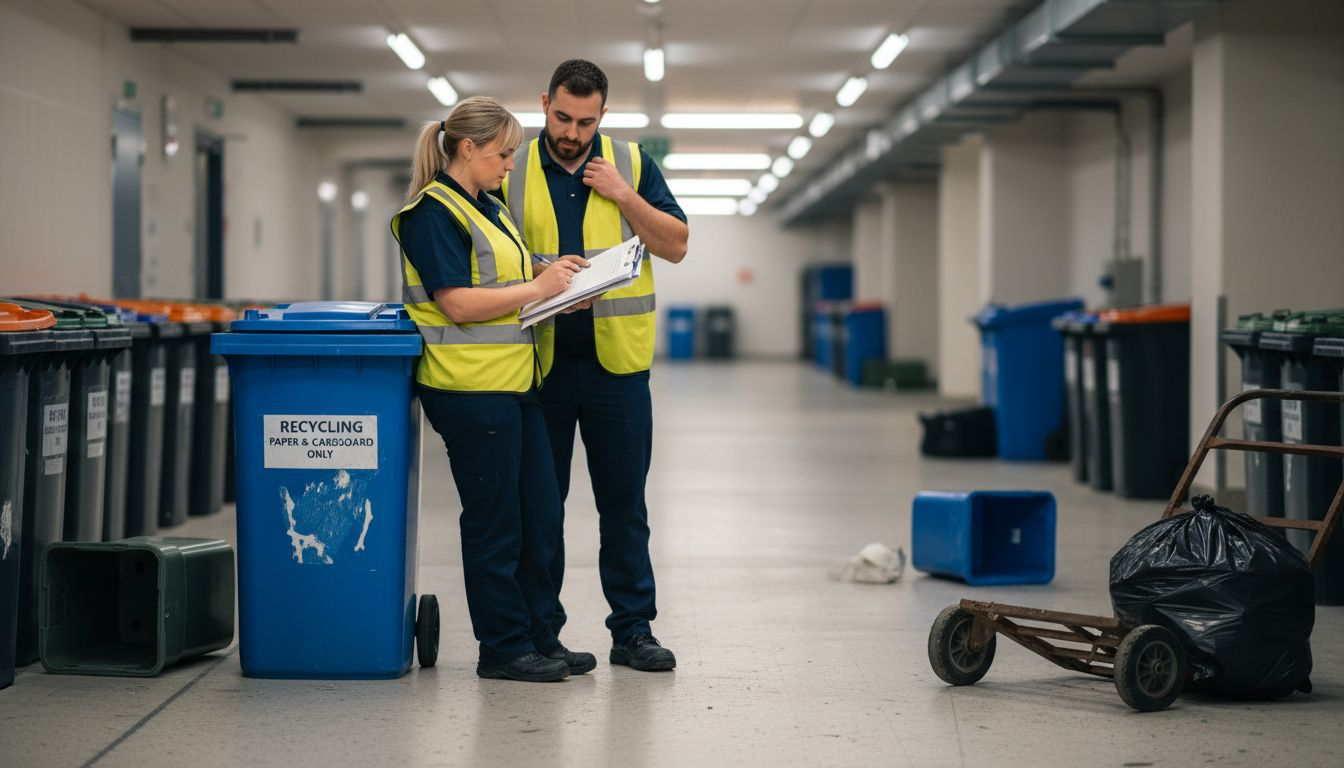
By investing in innovative waste management approaches, institutions can transform traditional cost centres into strategic assets. This approach not only addresses immediate financial constraints but also positions organisations as proactive contributors to national sustainability objectives, creating a compelling narrative of environmental responsibility and economic pragmatism.
Pro tip: Conduct a comprehensive waste audit before applying for grants to identify specific areas where technological investments can generate maximum financial and operational returns.
Common mistakes and how to avoid them
Navigating the complex landscape of waste management grants requires strategic preparation and meticulous attention to detail. Organisations frequently encounter pitfalls that can compromise their funding opportunities, making it crucial to understand and proactively address potential application challenges.
Common grant application mistakes can significantly undermine an organisation’s chances of securing funding. The most prevalent errors include:
- Missing critical application deadlines
- Failing to meet specific eligibility criteria
- Submitting incomplete or disorganised documentation
- Lacking a clear, strategic project implementation plan
- Insufficient evidence of environmental impact
Successful applicants in regions like Newcastle, Durham, and across the North East recognise that grant applications demand comprehensive preparation. This involves developing a robust strategy that addresses potential weaknesses, demonstrates clear environmental benefits, and aligns precisely with funding body requirements. Organisations must go beyond merely meeting minimum criteria, instead crafting compelling narratives that showcase their commitment to sustainable waste management practices.
Strategic preparation involves multiple critical steps: conducting thorough research, seeking expert guidance, maintaining meticulous records, and developing a compelling, evidence-driven project proposal. Collaboration with local waste management authorities and engaging independent consultants can provide invaluable insights into navigating the complex grant application landscape.
Below is a summary of common grant application mistakes and recommended avoidance strategies:
| Common Mistake | How to Avoid | Resulting Benefit |
|---|---|---|
| Missing application deadlines | Set calendar reminders far in advance | Maintains eligibility |
| Incomplete documentation | Prepare a checklist and review with experts | Prevents application rejection |
| Weak evidence of environmental impact | Conduct precise pre-application audits | Strengthens justification |
| Lacking strategic implementation plan | Draft detailed timelines and milestones | Demonstrates readiness |
Pro tip: Create a comprehensive checklist of grant requirements at least three months before the application deadline, allowing ample time for thorough preparation and expert review.
Unlock Cost Savings with Expert Waste Management Support
Reducing waste management costs while staying fully compliant and environmentally responsible is a challenge many UK facilities face. If you are navigating complex grant-funding options to upgrade your waste systems or looking to implement efficient waste disposal strategies, Venture Waste Management offers tailored solutions designed to help you meet these goals. Our services cover everything from general and hazardous waste collection to recycling and skip hire, all structured to simplify your operational needs and ensure legal compliance.

Discover how partnering with Venture Waste can transform your waste management strategy today. Visit our Waste Collection Process in the UK for Businesses 2025 – Venture Waste page to learn about streamlined collection services aligned with current regulatory standards. Stay updated on compliance requirements by exploring our regulation Archives – Venture Waste. Ready to reduce costs and improve sustainability now? Take the next step at Venture Waste and start your journey towards smarter waste management.
Frequently Asked Questions
What types of projects do waste management grants typically fund?
Waste management grants generally fund projects related to upgrading equipment, developing recycling infrastructure, implementing waste reduction technologies, and enhancing overall waste management practices.
What are the eligibility criteria for applying for waste management grants?
Eligibility criteria often include demonstrating a proven track record in waste management, alignment with national recycling targets, and providing detailed project proposals that outline environmental impact and financial sustainability.
How can organisations improve their chances of securing waste management grants?
Organisations can enhance their grant application success by preparing comprehensive proposals, consulting local waste management experts, and ensuring that their projects align closely with national waste reduction goals and criteria outlined by the funding body.
What are the common mistakes made in waste management grant applications?
Common mistakes include missing application deadlines, submitting incomplete documentation, failing to provide sufficient evidence of environmental impact, and lacking a clear strategic project implementation plan.
Recommended
- Understanding Waste Management Grants for Businesses – Venture Waste
- Waste Reduction for SMEs: Practical UK Strategies for 2025 – Venture Waste
- How UK Businesses Can Save Money on Waste Management in 2025 – Venture Waste
- Understanding Cost Effective Waste Management Solutions – Venture Waste
- Sustainable Home Practices: Complete Guide for 2025


Leave a Reply
Want to join the discussion?Feel free to contribute!