

Transporting Baled Waste: Challenges for Operators
Baled waste has become the backbone of efficient waste management, with some bales reaching densities over 10 pounds per cubic foot and dramatically cutting down on transport costs. Most people think packing waste into neat cubes solves every logistical headache. Strange as it sounds, those tightly packed bales often create more headaches than loose rubbish ever did, introducing hidden risks and unforeseen challenges for anyone moving them.
Table of Contents
- Understanding Baled Waste And Its Transport Needs
- The Challenges Faced By Standard Transport Operators
- Impact Of Waiting Times On Waste Transport Efficiency
- Consequences Of Messy Materials In Transport Logistics
- How Our Solutions Improve Baled Waste Transport
Quick Summary
| Takeaway | Explanation |
|---|---|
| Baled waste improves transport efficiency | Baled waste reduces volume and enhances logistics, making transportation easier and more cost-effective. |
| Proper securement is essential | Ensuring that baled waste is secured during transport prevents spillage and maintains compliance with safety regulations. |
| Weight distribution is critical | Correctly managing weight distribution across vehicle axles is necessary to meet transport regulations and avoid penalties. |
| Waiting times impact operational costs | Extended waiting periods at facilities increase fuel and labour costs, affecting overall transport efficiency. |
| Messy materials pose safety risks | Improperly secured waste materials can lead to accidents and environmental contamination, necessitating strict containment practices. |
Understanding Baled Waste and its Transport Needs
Baled waste represents a crucial component in modern waste management strategies, transforming loose, unmanageable materials into compact, transportable units. These compressed blocks simplify handling, reduce transportation costs, and improve overall waste management efficiency across various industries.
What Exactly is Baled Waste?
Baled waste consists of materials compressed and tightly bound into rectangular or cuboid shapes using specialised machinery called balers. These machines apply significant pressure to consolidate waste materials like cardboard, plastics, paper, textiles, and certain industrial materials into dense, uniform packages. The primary objective is to create manageable units that can be easily stored, transported, and processed for recycling or disposal.
Key characteristics of baled waste include:
- Standardised dimensions for efficient stacking and transportation
- Reduced volume compared to loose waste materials
- Enhanced potential for recycling and material recovery
- Improved logistics and storage management
Transport Challenges for Waste Operators
Transporting baled waste presents unique challenges that require careful planning and execution. Selecting the right transportation method becomes critical in ensuring safe, compliant, and cost-effective waste movement.
According to the Federal Motor Carrier Safety Administration, operators must ensure baled waste is firmly secured during transportation. This involves using appropriate tiedowns, preventing material spillage, and maintaining the structural integrity of the bales throughout transit. Failure to comply with these regulations can result in significant penalties and potential environmental contamination.
The complexity of transporting baled waste lies not just in physical transportation but in understanding the nuanced requirements of different waste types, regulatory compliance, and environmental considerations. Waste management professionals must continuously adapt their strategies to address these multifaceted challenges effectively.
The Challenges Faced by Standard Transport Operators
Transporting baled waste presents a complex landscape of operational challenges that extend far beyond simple material movement. Standard transport operators encounter multiple intricate hurdles when managing these compressed waste packages, requiring sophisticated logistics and compliance strategies.
Weight Distribution and Vehicle Constraints
One of the primary challenges involves precise weight management and vehicle configuration. Understanding transport regulations becomes crucial in navigating these constraints. According to the Federal Highway Administration, transport operators must meticulously balance payload weights across vehicle axles to comply with strict interstate trucking regulations.
Key weight management considerations include:
- Maximum gross vehicle weight limitations
- Single and tandem axle weight restrictions
- Precise cargo weight distribution requirements
- Vehicle structural load-bearing capacities
Cargo Securement and Material Integrity
Ensuring baled waste remains stable during transportation represents another significant operational challenge. Operators must implement robust securement techniques that prevent material shifting, potential spillage, and structural compromise. The Federal Motor Carrier Safety Administration mandates stringent cargo immobilization standards, requiring transport professionals to use appropriate tiedowns and containment methods.
Specific securement challenges encompass:
- Preventing lateral and vertical cargo movement
- Maintaining bale structural integrity during transit
- Mitigating potential environmental contamination risks
- Complying with complex regulatory frameworks
These multifaceted challenges demand transport operators possess comprehensive technical knowledge, meticulous planning capabilities, and adaptable logistical strategies. Success requires continuous training, investment in specialized equipment, and a proactive approach to understanding evolving waste management regulations.
Below is a table comparing the key challenges faced by standard transport operators when transporting baled waste. This summary helps clarify how operational complexity extends beyond basic logistics.
| Challenge | Description | Regulatory/Operational Requirement |
|---|---|---|
| Weight Distribution | Ensuring even, legal weight spread across axles | Comply with gross vehicle/axle weight limitations |
| Vehicle Constraints | Operating within vehicle structural load capacities | Avoid exceeding manufacturer and legal limits |
| Cargo Securement | Preventing movement, spillage, and bale damage during transit | Appropriate tiedowns and immobilisation standards |
| Material Integrity | Maintaining the structure of compressed bales throughout handling and transport | Mitigate environmental and injury risks |
| Regulatory Compliance | Navigating complex, sometimes overlapping legal frameworks | Fulfil safety and transport laws |
| Specialised Equipment and Training | Requiring investment in both advanced kit and ongoing staff education | Sustain long-term compliance and safety |
Impact of Waiting Times on Waste Transport Efficiency
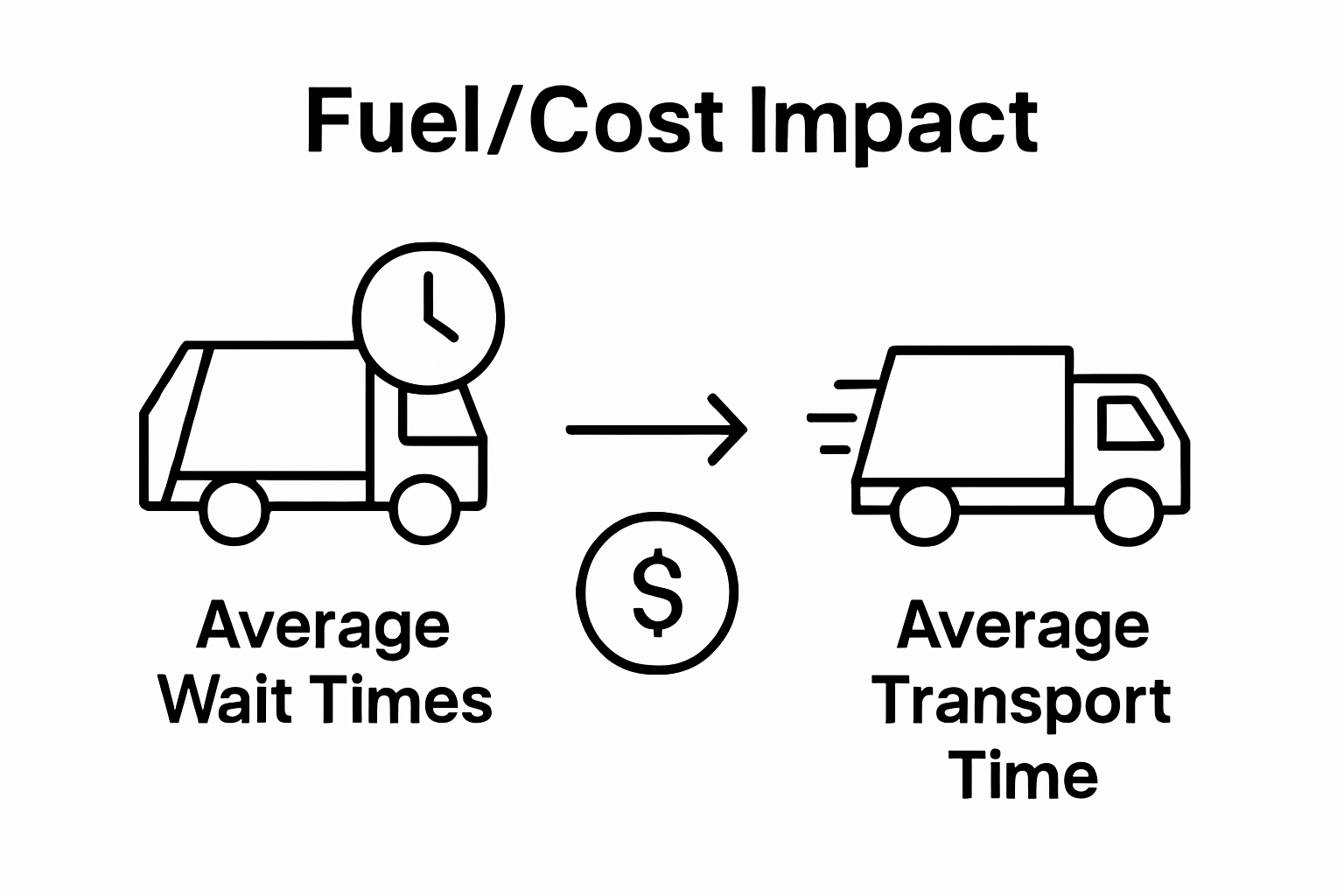
Waiting times represent a critical yet often overlooked factor in waste transport logistics, dramatically influencing operational costs, environmental sustainability, and overall transportation efficiency. These seemingly minor delays can compound into significant economic and operational challenges for waste management professionals.
Economic and Operational Implications
Optimising transport logistics becomes paramount when understanding the cascading effects of prolonged waiting periods. According to research published in waste management journals, the average waste collection vehicle spends substantial time queuing at transfer facilities, with visit durations ranging from 2 to 111 minutes and an average of 16.4 minutes per facility.
Key economic impacts of extended waiting times include:
- Increased fuel consumption during idle periods
- Higher labour costs due to extended operational hours
- Reduced vehicle utilisation and productivity
- Increased maintenance expenses from prolonged engine running
Systemic Challenges in Waste Transfer Facilities
Waiting times are not merely a logistical inconvenience but symptomatic of broader systemic challenges within waste management infrastructure. Multi-stage processes such as weighing, documentation, and material sorting contribute to these delays, creating bottlenecks that impede efficient waste transportation.
Primary systemic challenges encompass:
- Complex administrative procedures
- Inadequate facility infrastructure
- Limited simultaneous processing capabilities
- Inconsistent waste stream management protocols
These waiting times represent more than lost minutes; they symbolise inefficiencies that ripple through the entire waste management ecosystem.
The following table summarises the economic and operational impacts of waiting times at waste transfer facilities. This overview supports understanding of how even minor delays can accumulate significant costs and inefficiencies.
| Impact Area | Description | Example/Result |
|---|---|---|
| Fuel Consumption | Increased due to idling during queueing periods | Higher fuel costs, greater emissions |
| Labour Costs | Extra driver hours required for prolonged waits | Increased operational expenditure |
| Vehicle Utilisation | Vehicles unavailable for other tasks while waiting | Reduced fleet productivity |
| Maintenance Expenses | Engine and equipment wear from extended idling | Increased maintenance and repair costs |
| Environmental Impact | More emissions from idling and extended operating times | Negative effect on sustainability targets |
Transport operators must continuously innovate, leveraging technology and strategic planning to minimise these operational friction points and enhance overall transportation efficiency.
Consequences of Messy Materials in Transport Logistics
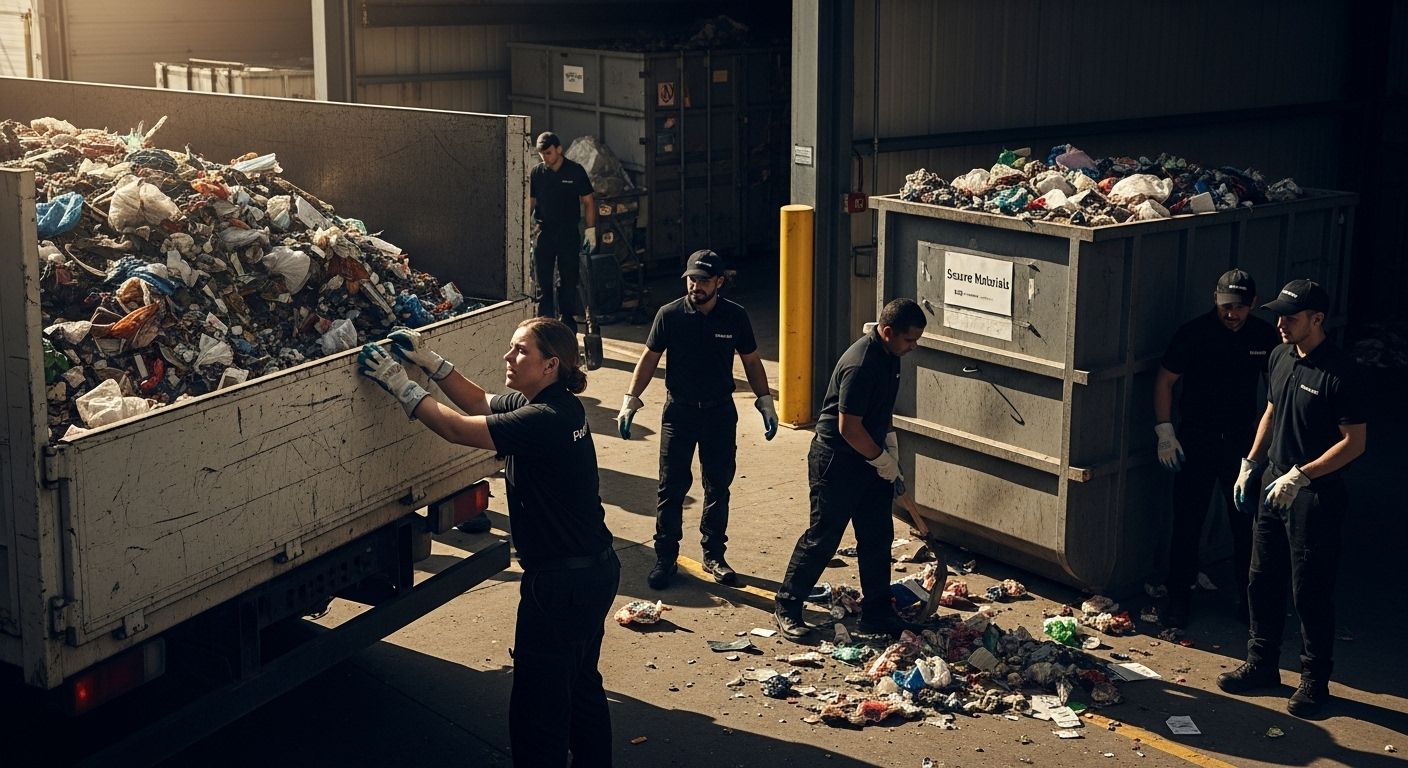
Messy and improperly secured waste materials represent a significant risk factor in transportation logistics, potentially causing catastrophic operational, safety, and environmental challenges. These seemingly minor logistical oversights can escalate into complex problems with far-reaching implications for waste management professionals.
Safety Risks and Potential Hazards
Ensuring proper waste containment becomes critically important when understanding potential transportation risks. According to research from the Washington State Fatality Assessment and Control Evaluation, unstable material transportation can lead to fatal accidents, with documented cases of truck drivers being crushed by falling bales during unloading processes.
Key safety risks associated with messy materials include:
- Potential for sudden material displacement during transit
- Increased risk of worker injury during loading and unloading
- Compromised vehicle stability and handling
- Higher likelihood of road debris incidents
Environmental and Regulatory Implications
Beyond immediate safety concerns, messy and uncontrolled waste materials pose significant environmental risks. Loose or improperly secured materials can create substantial contamination risks, potentially leading to spillage, pollution, and violations of transportation regulations.
Primary environmental and regulatory challenges encompass:
- Potential soil and water contamination from material spillage
- Risk of introducing hazardous substances into ecosystems
- Non-compliance with waste transportation regulations
- Increased environmental cleanup and remediation costs
These consequences underscore the critical importance of meticulous waste management practices. Transport operators must invest in robust containment strategies, continuous staff training, and advanced material handling technologies to mitigate the multifaceted risks associated with messy and uncontrolled waste materials.
How Our Solutions Improve Baled Waste Transport
Effective waste transport solutions represent a critical junction between operational efficiency, safety compliance, and environmental responsibility. By implementing strategic approaches, waste management professionals can transform complex logistical challenges into streamlined, reliable processes.
Advanced Bale Preparation Techniques
Optimising waste material handling starts with precision bale creation. According to industry specifications from the Institute of Scrap Recycling Industries, maintaining a minimum bale density of 10 lb/ft³ significantly enhances transportation efficiency and material integrity.
Key bale preparation strategies include:
- Ensuring consistent material compression
- Maintaining uniform bale dimensions
- Implementing rigorous quality control checks
- Utilising advanced compaction technologies
Comprehensive Cargo Securement Solutions
Transport safety hinges on robust cargo management protocols. The Federal Motor Carrier Safety Administration mandates stringent securement requirements, necessitating comprehensive strategies that go beyond basic containment.
Critical securement considerations encompass:
- Developing custom tiedown configurations
- Implementing edge protection mechanisms
- Creating stability frameworks for different waste types
- Designing load distribution methodologies
These solutions transcend traditional transportation approaches, offering waste management operators a holistic strategy that addresses safety, regulatory compliance, and operational efficiency. By integrating advanced technologies and strategic planning, we transform the challenging landscape of baled waste transport into a predictable, manageable process.
Overcome Baled Waste Transport Barriers with Venture Waste
Struggling with unpredictable waiting times, weight distribution challenges, and the risk of messy materials disrupting your baled waste transport? You are not alone. As highlighted in our article, operators must juggle strict regulations, securement issues, and safety hazards every single day. It takes more than basic planning to stay compliant and efficient. Explore our comprehensive guidance and solutions within our Baler Archives for proven strategies on handling and transporting baled materials the right way.

Why settle for uncertainty when you can partner with specialists who understand every detail of baled waste movement? Let Venture Waste simplify your next collection. Our user-friendly platform at Venture Waste Management offers fully compliant, cost-effective transport across the UK. Ready to avoid delays, secure your loads, and protect your operation? Visit our site now or discover how the waste collection network serves businesses like yours. Act now for tailored support and reliable results.
Frequently Asked Questions
What is baled waste and why is it important in waste management?
Baled waste consists of materials compressed into compact, transportable units, making them easier to handle, store, and transport. This process enhances recycling and material recovery while improving overall waste management efficiency.
What challenges do operators face when transporting baled waste?
Operators encounter several challenges including weight distribution and vehicle constraints, cargo securement and maintaining material integrity, and compliance with various regulatory requirements during transit.
How can waiting times affect the efficiency of waste transport?
Waiting times can lead to increased fuel consumption, higher labour costs, and reduced vehicle utilisation. These delays result in significant economic impacts and can hinder overall operational efficiency in waste management.
What safety risks are associated with transporting baled waste?
Transporting baled waste poses safety risks such as the potential for material displacement during transit, increased likelihood of worker injury during loading and unloading, and potential environmental contamination due to improperly secured materials.


Leave a Reply
Want to join the discussion?Feel free to contribute!