

When to Use Hazardous Waste Services: A Guide for UK Businesses (2025)
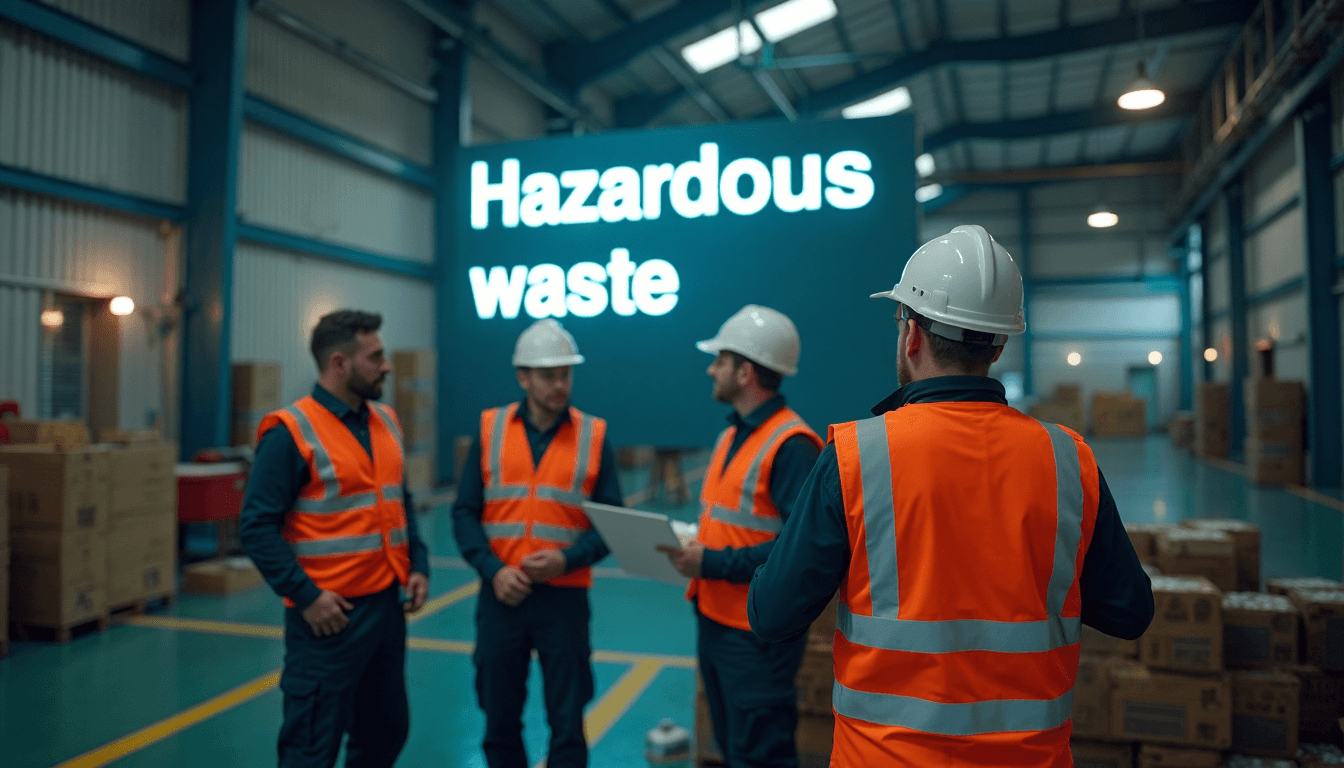
Hazardous waste handling is a reality for thousands of UK businesses every year, with over 400,000 tonnes of dangerous waste managed annually across the country. Most companies assume that simply binning unwanted chemicals or electronics covers their responsibility. Not quite. The true risk often lies in what you overlook, because even a single misstep with hazardous waste can lead to hefty fines or even prosecution. Here’s what every business should know before trouble strikes.
Table of Contents
- Key Signs Your Business Needs Hazardous Waste Services
- Types Of Hazardous Waste And Legal Obligations
- Benefits Of Professional Disposal For UK Businesses
- Industry-Specific Scenarios Requiring Specialist Waste Services
Quick Summary
| Takeaway | Explanation |
|---|---|
| Recognise hazardous materials | Identifying hazardous waste, such as chemical, electronic, and medical waste, is crucial for compliance and environmental safety. |
| Understand legal obligations | UK businesses must comply with strict waste management laws, including risk assessments and detailed documentation to avoid severe penalties. |
| Utilise professional disposal services | Engaging specialists ensures proper waste management, minimises environmental impact, and mitigates operational risks, transforming waste disposal into a strategic asset. |
| Industry-specific needs | Different sectors like manufacturing, healthcare, and emerging tech require tailored hazardous waste management solutions to meet their unique challenges and regulatory requirements. |

Key Signs Your Business Needs Hazardous Waste Services
Understanding when your business requires professional hazardous waste services is crucial for legal compliance and environmental responsibility. Hazardous waste management goes beyond simple disposal—it involves complex regulations and specific handling requirements that can significantly impact your business operations.
Identifying Hazardous Materials in Your Workplace
Recognising hazardous waste is the first critical step for UK businesses. Detailed hazardous waste guidelines reveal that hazardous materials are not always obvious. According to government regulations, typical hazardous waste categories include:
- Chemical Waste: Solvents, industrial chemicals, print toner, brake fluids
- Electronic Equipment: Devices containing ozone-depleting substances
- Battery Waste: Lithium, lead-acid, and other potentially toxic battery types
- Contaminated Materials: Oils, pesticide containers, asbestos-related materials
Businesses across various sectors—from manufacturing and healthcare to retail and construction—frequently generate these materials without realizing their hazardous classification.

Legal Compliance and Risk Management
The Health and Safety Executive emphasizes that improper hazardous waste management can result in severe consequences. Businesses must recognize key indicators necessitating professional waste services:
- Your business produces waste containing potentially harmful chemicals
- You generate electronic or electrical equipment with complex disposal requirements
- Your waste could pose environmental or health risks if improperly handled
- You lack internal expertise for safe waste classification and disposal
Non-compliance can lead to substantial financial penalties. The legal framework surrounding hazardous waste is stringent, with potential fines ranging from thousands to tens of thousands of pounds. Moreover, businesses risk prosecution and potential imprisonment for serious violations.
Environmental and Operational Implications
Beyond legal requirements, professional hazardous waste services offer significant operational benefits. Specialized waste management ensures:
- Proper waste segregation and handling
- Minimized environmental impact
- Reduced risk of workplace accidents
- Comprehensive documentation for regulatory compliance
- Potential cost savings through efficient waste management strategies
Recognizing when to engage professional hazardous waste services protects your business, employees, and the broader environment. Regular waste audits, understanding your industry’s specific waste profile, and partnering with certified waste management professionals are essential steps in responsible waste management.
Remember: Early identification and proactive management of hazardous waste are key to maintaining legal compliance and operational excellence.
Types of Hazardous Waste and Legal Obligations
Navigating the complex landscape of hazardous waste management requires a comprehensive understanding of different waste types and the strict legal framework governing their disposal. UK businesses must be acutely aware of their responsibilities to ensure environmental safety and regulatory compliance.
Categories of Hazardous Waste
Hazardous waste encompasses a wide range of materials that pose potential risks to human health and the environment. Learn more about comprehensive waste management strategies to understand the nuanced classifications. According to government regulations, key categories include:
- Chemical Waste: Solvents, industrial chemicals, pesticides, print toners
- Electronic Waste (WEEE): Computers, smartphones, electrical equipment containing toxic components
- Medical and Pharmaceutical Waste: Contaminated materials, expired medications, sharps
- Industrial Byproducts: Oils, paint residues, contaminated packaging
- Construction Materials: Asbestos, treated wood, chemicals from construction processes
The Health and Safety Executive emphasizes that proper identification is crucial. Each waste type requires specific handling protocols to mitigate potential environmental and health risks.
Legal Compliance and Regulatory Framework
UK businesses must adhere to stringent legal obligations when managing hazardous waste. The Control of Substances Hazardous to Health (COSHH) Regulations 2002 mandate comprehensive risk management approaches. Key legal requirements include:
- Conducting thorough risk assessments for hazardous materials
- Implementing robust control measures to minimize exposure
- Providing appropriate personal protective equipment
- Maintaining detailed documentation of waste management processes
- Ensuring proper training for employees handling hazardous substances
Non-compliance can result in severe consequences. Businesses may face substantial financial penalties, potential prosecution, and legal action. The “duty of care” regulations require businesses to:
- Correctly classify and separate hazardous waste
- Use only authorized waste carriers
- Complete and retain consignment notes
- Maintain comprehensive waste management records for a minimum of three years
Practical Implications for Businesses
Effective hazardous waste management extends beyond mere legal compliance. It represents a critical aspect of corporate social responsibility and environmental stewardship. Businesses must develop comprehensive waste management strategies that:
- Minimize waste generation
- Implement safe storage and transportation protocols
- Prioritize environmentally responsible disposal methods
- Regularly update waste management procedures
- Invest in employee training and awareness
By understanding the intricate details of hazardous waste types and legal obligations, businesses can protect themselves, their employees, and the broader environment. Proactive management and continuous education are key to navigating the complex world of hazardous waste disposal.
Remember: Knowledge and preparation are your best defence against potential legal and environmental challenges.
To clarify the main types of hazardous waste UK businesses may encounter and their examples, here is a summary table:
| Waste Category | Typical Examples |
|---|---|
| Chemical Waste | Solvents, industrial chemicals, pesticides, toners |
| Electronic Waste (WEEE) | Computers, smartphones, electrical equipment |
| Medical and Pharmaceutical Waste | Contaminated materials, expired medicines, sharps |
| Industrial Byproducts | Oils, paint residues, contaminated packaging |
| Construction Materials | Asbestos, treated wood, construction chemicals |
Benefits of Professional Disposal for UK Businesses
Professional hazardous waste disposal services offer UK businesses far more than simple waste management. These specialized services provide comprehensive solutions that address legal, environmental, and operational challenges faced by modern organizations.
Comprehensive Regulatory Compliance
Navigating the complex landscape of waste management regulations requires expertise. Explore advanced waste management strategies to understand the intricate compliance requirements. According to government environmental guidelines, professional disposal services ensure businesses meet stringent legal obligations by:
- Maintaining accurate waste classification documentation
- Implementing proper segregation and handling protocols
- Providing certified waste transportation and disposal
- Generating comprehensive waste management reports
- Ensuring adherence to Environmental Protection Act standards
The Health and Safety Executive emphasizes that professional services significantly reduce the risk of regulatory violations and potential legal consequences.
Environmental and Operational Advantages
Beyond legal compliance, professional hazardous waste disposal offers substantial environmental and operational benefits. Research from waste management experts indicates that specialized services provide:
- Minimized environmental contamination risks
- Reduced workplace safety hazards
- Enhanced corporate sustainability credentials
- Streamlined waste management processes
- Potential cost savings through efficient disposal strategies
Businesses that partner with professional waste disposal services demonstrate a commitment to responsible environmental stewardship and workplace safety.
To summarise the main benefits of using professional hazardous waste disposal services, see the table below:
| Benefit | Description |
|---|---|
| Regulatory Compliance | Meet complex legal requirements and reduce penalty risks |
| Environmental Protection | Minimise contamination and support sustainability |
| Operational Efficiency | Streamline waste processes and save on long-term costs |
| Risk Reduction | Lower the risks of workplace hazards and legal prosecution |
| Reputation Enhancement | Demonstrate responsibility and boost corporate image |
| Access to Expertise | Leverage specialist knowledge and best-practice solutions |
Strategic Business Benefits
Professional hazardous waste disposal transcends mere compliance. It represents a strategic approach to waste management that delivers measurable business advantages. Key strategic benefits include:
- Risk Mitigation: Professional services dramatically reduce legal and environmental risks
- Cost Management: Efficient waste handling can lead to significant long-term financial savings
- Reputation Enhancement: Demonstrating environmental responsibility improves corporate image
- Operational Efficiency: Specialized services free internal resources for core business activities
- Expert Knowledge: Access to specialized expertise in complex waste management scenarios
By investing in professional hazardous waste disposal, UK businesses protect themselves from potential financial penalties, environmental damage, and reputational risks. The comprehensive approach ensures that waste management becomes a strategic asset rather than a compliance burden.
Remember: Professional waste disposal is not an expense but a strategic investment in your business’s future.
Industry-Specific Scenarios Requiring Specialist Waste Services
Different industries generate unique hazardous waste challenges that demand specialized disposal expertise. Understanding these sector-specific requirements is crucial for maintaining safety, legal compliance, and environmental responsibility.
Manufacturing and Industrial Sectors
Explore comprehensive waste management strategies for industrial waste complexities. Manufacturing businesses frequently encounter hazardous waste scenarios that require professional intervention. According to the Health and Safety Executive, critical waste management challenges include:
- Chemical Processing: Handling complex solvent mixtures and industrial chemical residues
- Metal Fabrication: Managing contaminated oils, metal shavings, and surface treatment chemicals
- Electronic Manufacturing: Disposing of circuit board materials and electronic component waste
- Automotive Production: Handling brake fluids, engine oils, and paint residues
The UK Environment Agency emphasizes the importance of precise waste classification and specialized handling protocols for industrial waste streams.
Healthcare and Pharmaceutical Industries
Healthcare facilities generate some of the most complex and dangerous hazardous waste types. Specialized disposal services are critical for managing:
- Infectious medical waste
- Pharmaceutical chemical residues
- Radioactive medical materials
- Contaminated medical equipment
- Sharps and biological hazards
Professional waste services ensure compliance with stringent medical waste regulations, protecting public health and preventing potential contamination risks.
Emerging Industries and Technological Waste
Modern technological sectors present unique waste management challenges that require sophisticated disposal approaches. Key scenarios include:
- Renewable Energy: Disposing of solar panel components and battery storage materials
- Technology Manufacturing: Managing electronic waste from cutting-edge electronics
- Research and Development: Handling experimental chemical and biological materials
- Data Centre Operations: Securely destroying sensitive electronic storage devices
The National Occupational Standards highlight the critical competencies required for managing specialized waste streams in emerging technological sectors.
Each industry presents unique challenges that demand expert knowledge, specialized equipment, and comprehensive understanding of waste management regulations. Professional hazardous waste services provide the technical expertise and regulatory compliance necessary to navigate these complex disposal requirements.
Remember: Specialized waste management is not a one-size-fits-all solution but a tailored approach to protecting your business, employees, and the environment.
Frequently Asked Questions
What is hazardous waste?
Hazardous waste refers to materials that pose substantial or potential threats to public health or the environment. This includes chemical, electronic, medical waste, and contaminated materials.
How can I identify hazardous materials in my workplace?
Businesses can identify hazardous materials by conducting regular waste audits and reviewing guidelines provided by the UK government, which classify hazardous waste types such as chemical waste, electronic equipment, and battery waste.
What are the legal obligations for managing hazardous waste in the UK?
UK businesses must comply with strict regulations including conducting risk assessments, maintaining detailed documentation, properly classifying hazardous waste, using authorized carriers for disposal, and providing necessary training for employees.
What are the benefits of using professional hazardous waste disposal services?
Utilising professional disposal services ensures regulatory compliance, mitigates environmental impact, enhances workplace safety, and may lead to cost savings through efficient waste management practices.
Gain Confidence in Hazardous Waste Management for Your Business
If managing hazardous materials feels overwhelming, you are not alone. The risks of non-compliance, regulatory changes, and hidden liabilities highlighted in our guide underscore the vital importance of safe waste handling. Whether you are unsure how to classify chemical waste or lack the resources for compliant electronic or confidential material disposal, ignoring these challenges can leave your business exposed to unnecessary fines and operational disruption. Protect your workplace, your reputation, and your bottom line by partnering with a provider who understands the demands of UK hazardous waste regulations. Learn how our confidential waste services deliver peace of mind with certified destruction and secure disposal.

Ready to protect your business from hazardous waste pitfalls? Take action today by exploring our straightforward booking system at Venture Waste Management. Do not wait for fines or compliance headaches to threaten your business. Contact our team for tailored advice and swift waste solutions that meet the toughest UK standards.
Recommended
- Hazardous Waste Disposal Guide 2025 for UK Businesses – Venture Waste
- hazardous waste disposal guide Archives – Venture Waste
- hazardous waste handling Archives – Venture Waste
- Hazardous Waste Handling for UK Businesses: Complete 2025 Guide – Venture Waste
- Blog Archives – Venture Waste
- Recycling Hazardous Materials: Safe Disposal for UK Businesses 2025 – Venture Waste


