

What is WEEE Waste? Guide for UK Businesses 2025
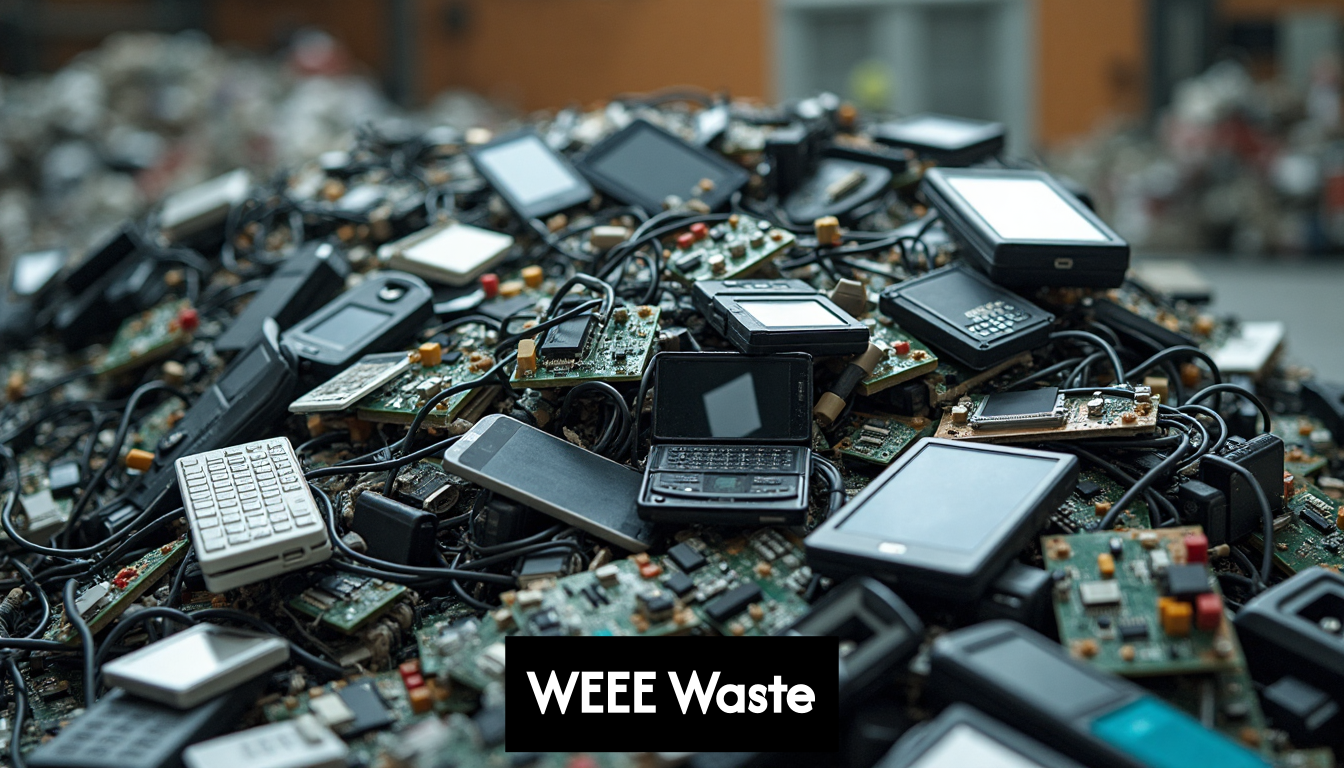
Companies across the UK face mounting pressure to manage their electrical and electronic waste with care, as WEEE now represents one of the fastest growing waste streams in Europe with over 473,000 metric tons of household WEEE collected in the UK alone in 2023. Think e-waste just means tossing out a broken kettle or a retired laptop? Think again. The rules for 2025 are set to surprise, as even vapes and tiny tech gadgets will need their own careful tracking and recycling, putting new demands on businesses large and small.
Table of Contents
- Understanding What Is WEEE Waste
- WEEE Waste Regulations For UK Businesses
- How To Dispose Of WEEE Waste Safely
- Benefits Of Responsible WEEE Waste Disposal
Quick Summary
| Takeaway | Explanation |
|---|---|
| WEEE Waste Definition | Waste Electrical and Electronic Equipment (WEEE) includes a wide range of electrical items that are no longer usable, requiring proper disposal to prevent environmental contamination. |
| Producer Responsibilities by 2025 | From January 2025, businesses must register as producers of electrical equipment, join compliance schemes, and adhere to strict reporting and financial obligations for waste management. |
| Segregation and Safe Disposal | Effective WEEE disposal involves proper segregation of different electronic devices, utilizing authorised disposal channels, and ensuring compliance with data protection and environmental regulations. |
| Environmental and Economic Benefits | Responsible WEEE disposal conserves resources, reduces landfill costs, and can result in financial savings, demonstrating corporate responsibility while enhancing reputation. |
| Regulatory Compliance Importance | Complying with WEEE regulations mitigates legal risks, enhances data security, and builds stakeholder confidence, transforming waste management into a strategic advantage. |
Understanding What is WEEE Waste
When businesses dispose of electrical and electronic equipment, they enter the complex world of Waste Electrical and Electronic Equipment (WEEE) regulations. Understanding what constitutes WEEE waste is crucial for responsible environmental management and legal compliance.
Definition and Scope of WEEE
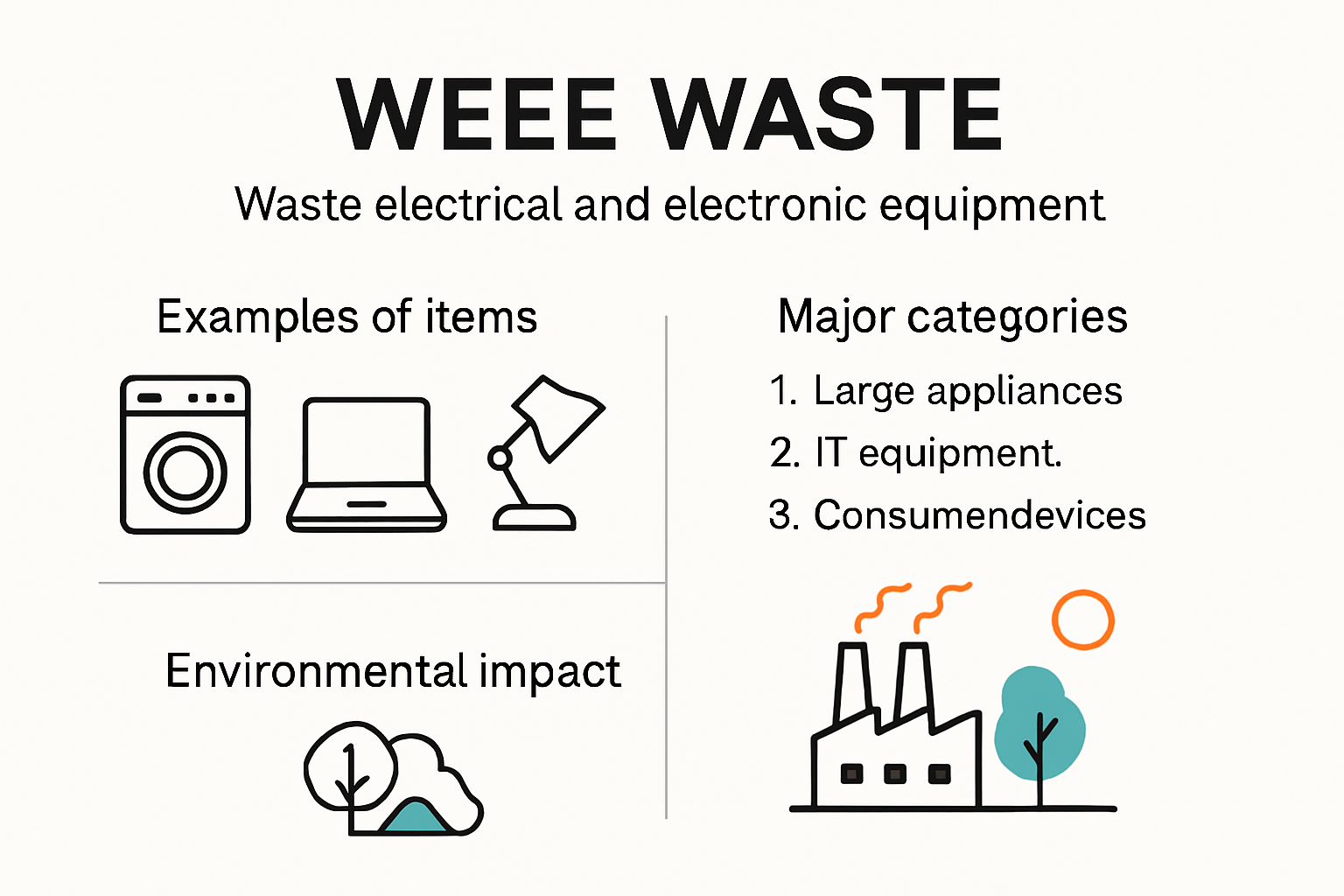
WEEE encompasses a broad range of electrical and electronic items that have reached the end of their useful life. According to the UK Government’s official guidance, WEEE includes any equipment that depends on electrical currents or electromagnetic fields to function properly. This definition covers an extensive array of items from various sectors.
The 14 categories of WEEE regulated in the UK span diverse equipment types:
- Large Household Appliances: Refrigerators, washing machines, dishwashers
- Small Household Appliances: Vacuum cleaners, toasters, electric kettles
- IT and Telecommunications Equipment: Computers, printers, telephones
- Consumer Electronics: Televisions, radios, music systems
- Lighting Equipment: Fluorescent tubes, LED lights
- Electrical and Electronic Tools: Drills, sewing machines, gardening equipment
- Monitoring and Control Instruments: Smoke detectors, thermostats
Environmental Impact and Regulatory Framework
The WEEE waste stream represents a significant environmental challenge. Waste Mission research reveals that in 2023, over 473,000 metric tons of household WEEE were collected in the UK, underscoring the critical need for proper disposal and recycling strategies.
Businesses play a pivotal role in managing these materials responsibly. The WEEE regulations aim to prevent electrical waste from ending up in landfills, which can lead to hazardous chemical leaching and environmental contamination. By implementing proper collection, treatment, and recycling processes, companies can significantly reduce their ecological footprint.
The regulatory framework mandates that businesses producing, importing, or distributing electrical and electronic equipment must take responsibility for their products’ end-of-life management. This includes financing appropriate collection, treatment, and recycling infrastructure.
Complex Composition of WEEE
What makes WEEE particularly challenging is its intricate composition. These items often contain a mix of materials including metals, plastics, circuit boards, and potentially harmful substances like lead, mercury, and cadmium. Proper handling requires specialized knowledge and sophisticated recycling techniques.
Businesses must recognize that WEEE is not simply ‘waste’ but a complex resource with potential for material recovery. Professional WEEE waste collection services can help organizations navigate these intricate disposal requirements while ensuring environmental compliance and potential resource recovery.
By understanding the nuanced world of WEEE waste, businesses can transform their waste management approach from a mere compliance requirement to a strategic environmental responsibility.
WEEE Waste Regulations for UK Businesses
The WEEE waste regulations represent a critical framework for businesses in the UK, establishing comprehensive guidelines for the responsible management of electrical and electronic equipment waste. As environmental standards become increasingly stringent, understanding these regulations is paramount for legal compliance and sustainable business practices.
Producer Responsibilities and Registration
Starting from January 2025, UK businesses will face significant changes in WEEE waste management requirements. According to the UK Government’s official guidance, businesses placing electrical and electronic equipment on the market must now register as producers through the dedicated online WEEE service.
Key producer responsibilities include:
- Annual Registration: Mandatory registration for businesses producing, importing, or distributing electrical equipment
- Compliance Scheme Participation: Joining an approved compliance scheme to manage waste collection and recycling
- Data Reporting: Comprehensive reporting on equipment placed on the market and waste management processes
- Financial Obligations: Covering the costs of collection, treatment, and recycling of electronic waste
Particularly noteworthy is the new requirement for online marketplaces, which must now join approved compliance schemes and report data on overseas sellers. This represents a significant expansion of regulatory oversight in the digital marketplace.
Specific Waste Categories and Collection Requirements
The 2025 regulations introduce refined categories and collection targets for electronic waste. Research from ERP Recycling highlights a particularly interesting development: a dedicated WEEE category for vapes and vape-related products will be introduced, with specific collection targets set from 2026.
Businesses must now adhere to strict separation and collection protocols:
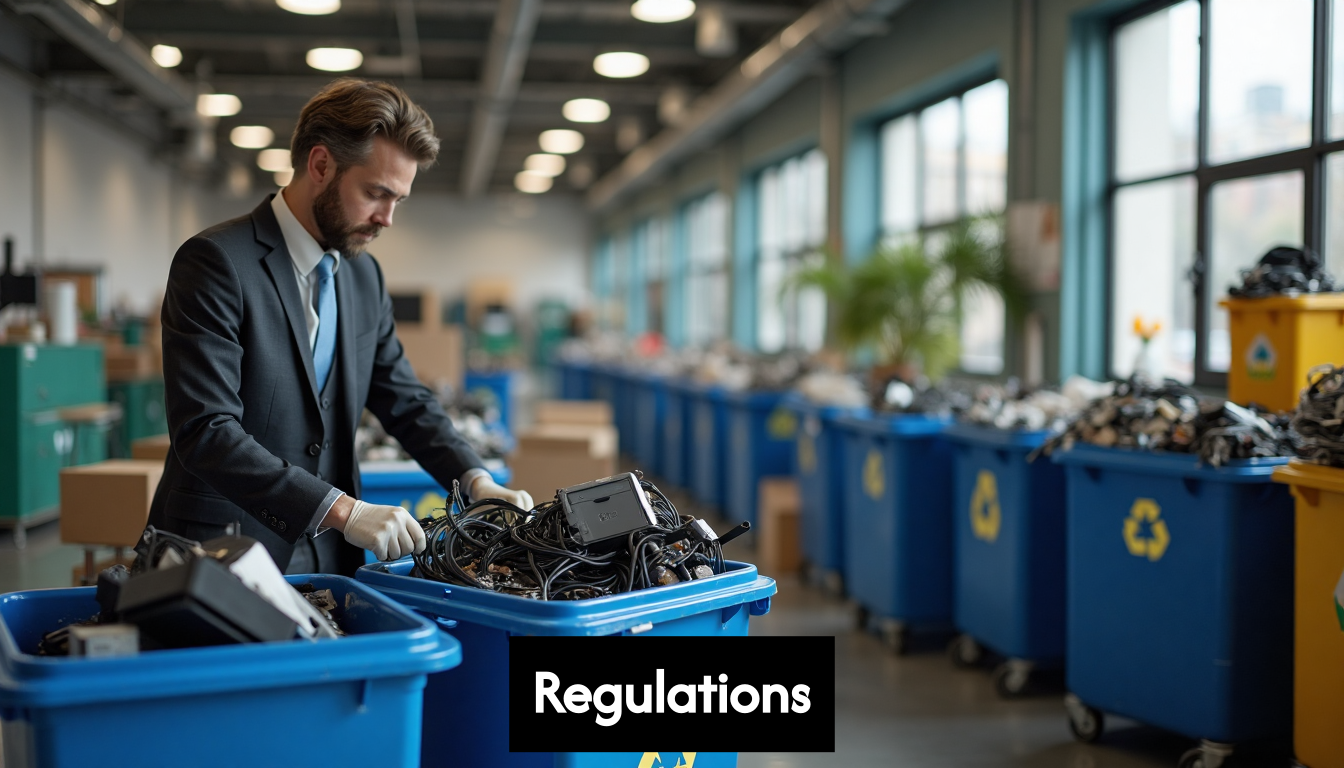
- Separate e-waste from other waste streams
- Arrange for dedicated WEEE collection services
- Ensure proper documentation of waste disposal
- Prioritize recycling and reuse over landfill or incineration
Compliance and Potential Consequences
Non-compliance with WEEE regulations can result in significant penalties. Businesses must develop robust waste management strategies that align with these evolving regulations. Our comprehensive guide to WEEE waste collection can help organizations navigate these complex requirements.
The regulations aim to achieve multiple objectives:
- Reduce environmental impact of electronic waste
- Promote circular economy principles
- Encourage responsible product design
- Minimize hazardous material disposal
By proactively understanding and implementing these regulations, businesses can transform waste management from a compliance burden into a strategic opportunity for environmental stewardship and potential cost savings.
As the regulatory landscape continues to evolve, staying informed and adaptable will be crucial for businesses seeking to meet their legal obligations and contribute to sustainable waste management practices.
How to Dispose of WEEE Waste Safely
Disposing of Waste Electrical and Electronic Equipment (WEEE) requires meticulous attention to safety, environmental protection, and legal compliance. Businesses must implement a structured approach to ensure responsible and secure electronic waste management.
Proper Segregation and Initial Handling
The first critical step in safe WEEE disposal involves comprehensive segregation. According to the UK Environment Agency guidelines, businesses must carefully separate different types of electrical waste to prevent contamination and facilitate effective recycling.
Key segregation principles include:
- Separate Hazardous Components: Isolate items containing mercury, lead, or other toxic materials
- Categorize by Equipment Type: Group similar electronic devices together
- Protect Sensitive Data: Ensure complete data destruction for IT equipment
- Prevent Physical Damage: Handle fragile electronic components with care
Businesses should establish dedicated storage areas with appropriate containment measures to prevent environmental contamination and potential safety risks.
Authorized Disposal and Transportation
Every piece of WEEE must be transferred through approved channels. Regulatory documentation from the UK Government mandates that all collected electronic waste must be transferred to an Approved Authorised Treatment Facility (AATF).
Critical transportation and disposal requirements include:
- Completing comprehensive waste transfer notes
- Using certified waste transportation services
- Maintaining detailed records of waste movement
- Ensuring compliance with hazardous waste transportation regulations
Larger retailers with sales areas over 400 square meters must also offer free take-back services for small electronic devices, demonstrating a commitment to accessible recycling infrastructure.
Data Protection and Environmental Compliance
Safe WEEE disposal extends beyond physical handling. Businesses must prioritize data security and environmental protection. Our specialized WEEE waste collection services can help organizations navigate these complex requirements.
Key considerations for comprehensive WEEE disposal include:
- Implementing secure data destruction protocols
- Verifying the environmental credentials of disposal partners
- Understanding potential environmental hazards of different electronic components
- Maintaining transparency in waste management processes
Businesses should view WEEE disposal not just as a regulatory requirement, but as a critical component of corporate environmental responsibility. By adopting rigorous safety standards and working with certified disposal partners, organizations can minimize environmental impact while protecting sensitive information.
The landscape of electronic waste management continues to evolve, and staying informed about the latest safety protocols and regulatory requirements is essential for responsible business practices.
Benefits of Responsible WEEE Waste Disposal
Responsible WEEE waste disposal transcends mere regulatory compliance. It represents a strategic approach that delivers multifaceted benefits for businesses, the environment, and broader economic ecosystems. Understanding these advantages can transform waste management from a mandatory obligation to a valuable corporate opportunity.
Environmental Conservation and Resource Recovery
The environmental benefits of responsible WEEE disposal are profound. Research from Priority Waste highlights that proper electronic waste recycling conserves critical natural resources by recovering valuable materials from old electronics. This process significantly reduces the demand for raw material extraction, thereby minimizing environmental degradation.
Key environmental advantages include:
- Material Preservation: Recovering metals, plastics, and rare earth elements
- Reduced Carbon Footprint: Minimizing energy-intensive raw material extraction
- Preventing Toxic Contamination: Safely managing hazardous components
- Supporting Circular Economy: Encouraging product reuse and material regeneration
Businesses that prioritize responsible WEEE disposal actively contribute to global sustainability efforts, demonstrating environmental stewardship beyond mere compliance.
Economic Advantages and Cost Reduction
Contrary to popular perception, responsible WEEE disposal can generate significant economic benefits. Let’s Recycle research suggests that nationwide WEEE collection could potentially save up to £6 billion over the next decade, underscoring the substantial financial potential of strategic waste management.
Economic benefits encompass:
- Reduced Landfill Taxes: Lower waste disposal costs
- Material Value Recovery: Generating revenue from recycled materials
- Enhanced Corporate Reputation: Attracting environmentally conscious clients and investors
- Potential Tax Incentives: Government rewards for sustainable practices
By viewing electronic waste as a resource rather than a disposal problem, businesses can unlock unexpected financial opportunities.
Regulatory Compliance and Corporate Responsibility
Beyond environmental and economic advantages, responsible WEEE disposal demonstrates robust corporate governance. Our comprehensive WEEE waste collection services can help organizations transform compliance into a strategic advantage.
Compliance benefits include:
- Legal Risk Mitigation: Avoiding potential penalties
- Data Security: Ensuring secure destruction of sensitive information
- Stakeholder Confidence: Building trust with customers and partners
- Innovation Catalyst: Encouraging sustainable product design
Businesses that proactively embrace responsible WEEE disposal position themselves as industry leaders, distinguishing themselves through commitment to environmental and social responsibility.
As global sustainability standards evolve, responsible WEEE waste disposal will increasingly become a critical differentiator for forward-thinking organizations. By adopting comprehensive waste management strategies, businesses can simultaneously reduce environmental impact, generate economic value, and strengthen their market positioning.
Frequently Asked Questions
What is WEEE waste?
WEEE waste, or Waste Electrical and Electronic Equipment, refers to electrical items that are no longer usable and need to be disposed of properly to prevent environmental contamination.
What are the new regulations for WEEE waste in the UK from January 2025?
From January 2025, businesses will be required to register as producers of electrical equipment, join compliance schemes, and adhere to strict reporting and financial obligations for the management of WEEE waste.
How should businesses dispose of WEEE waste safely?
Businesses should ensure proper segregation of e-waste, utilise authorised disposal channels, and follow data protection and environmental compliance protocols when disposing of WEEE waste.
What are the benefits of responsible WEEE waste disposal for businesses?
Responsible WEEE disposal provides environmental conservation, economic advantages such as cost reductions, and helps ensure regulatory compliance, thus enhancing corporate responsibility.
Struggling with WEEE Waste Compliance? Let Venture Waste Take the Pressure Off
Dealing with the new 2025 WEEE regulations can feel overwhelming. Sorting different types of e-waste, arranging for legal disposal and keeping up with complex reporting requirements are just a few of the pressing concerns UK businesses now face. You want peace of mind that your electrical items will be handled responsibly and your business will stay fully compliant.
Explore our dedicated WEEE solutions to see how easy WEEE waste management can be with expert support.

Act today to avoid regulatory headaches and costly mistakes. Our team is ready to guide you through each step, from collection to compliant recycling. Head to Venture Waste now and see how straightforward booking and tailored services can protect your business, reputation and the environment.


