

WEEE Collections North East 2025: Secure & Compliant Solutions for UK Businesses
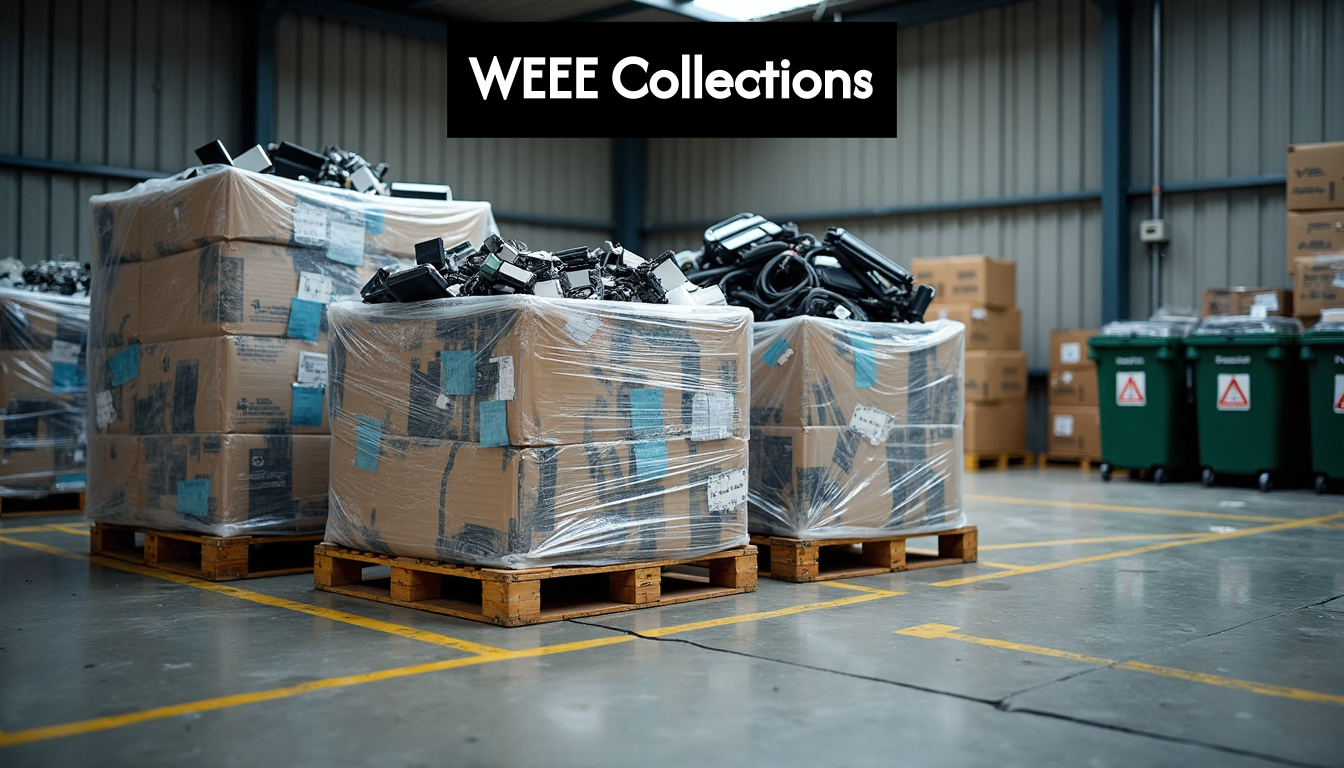
Businesses across the North East are facing new realities around electronic waste collection, with WEEE regulations tightening in 2025 and making compliance more crucial than ever. Here is a fact that might surprise you. The UK’s provisional WEEE collection target for 2025 is 512,209 tonnes, up 3.21 percent over the previous period. Many assume that WEEE collections are just a matter of ticking legal boxes. The real advantage comes from adopting a strategic approach that can turn electronic waste into a sustainable business resource while sidestepping significant legal risk.
Table of Contents
- Comprehensive WEEE Collection Services Explained
- Who Needs WEEE Collections: Business Sectors Served
- How WEEE Collections North East Ensure Legal Compliance
- Choosing The Right WEEE Disposal Partner
Quick Summary
| Takeaway | Explanation |
|---|---|
| Regulatory Compliance is Mandatory | From January 2025, businesses handling over 5 tonnes of electrical equipment annually must register with a Producer Compliance Scheme to ensure compliance with WEEE regulations. |
| Strategic Waste Management is Critical | Businesses should develop comprehensive waste management plans focusing on inventory management, secure disposal, and recycling optimization to enhance environmental responsibility and legal compliance. |
| Understanding Sector-specific Obligations | Different sectors, including manufacturing, commercial, and specialized industries, have unique WEEE collection requirements that must be adhered to for legal compliance and effective waste management. |
| Choose Certified Disposal Partners | Selecting a WEEE disposal partner with proven regulatory compliance, secure data destruction protocols, and environmentally responsible practices is essential for ensuring proper electronic waste management. |
| Risk Management is Essential | Non-compliance with WEEE regulations can lead to significant legal and financial risks, necessitating proactive compliance audits and continuous staff training on waste management protocols. |
Comprehensive WEEE Collection Services Explained
WEEE collection services represent a critical infrastructure for responsible electronic waste management across UK businesses. Understanding these services goes beyond mere disposal – it involves a comprehensive approach to environmental protection, legal compliance, and sustainable resource management.
The Core Components of WEEE Collection
Electrical and electronic waste management requires a sophisticated process that begins long before waste reaches collection points. From January 2025, small producers must register through the WEEE online service, signaling a significant shift in how businesses handle electronic waste. This registration process ensures transparent tracking and accountability for electronic equipment throughout its lifecycle.
The collection process typically involves multiple critical stages. First, businesses must segregate different types of electronic waste – separating computing equipment from industrial machinery, medical devices from office electronics. Each category requires specific handling protocols to ensure maximum recycling potential and minimal environmental impact. Specialized containers and designated collection areas become essential for effective waste management.
Regulatory Landscape and Business Responsibilities
The UK’s waste management framework continues to evolve. The Simpler Recycling Scheme implemented in March 2025 represents a pivotal moment for business waste management. This scheme mandates consistent collection processes across households and commercial premises, creating standardized guidelines that simplify compliance.
Businesses must now understand their precise obligations. The provisional UK household WEEE collection target for 2025 stands at 512,209 tonnes – a 3.21% increase from previous reporting periods. This target isn’t just a number but a clear signal of increased environmental accountability. Companies must not only collect their electronic waste but also demonstrate a strategic approach to responsible disposal.
Strategic Waste Management Approach
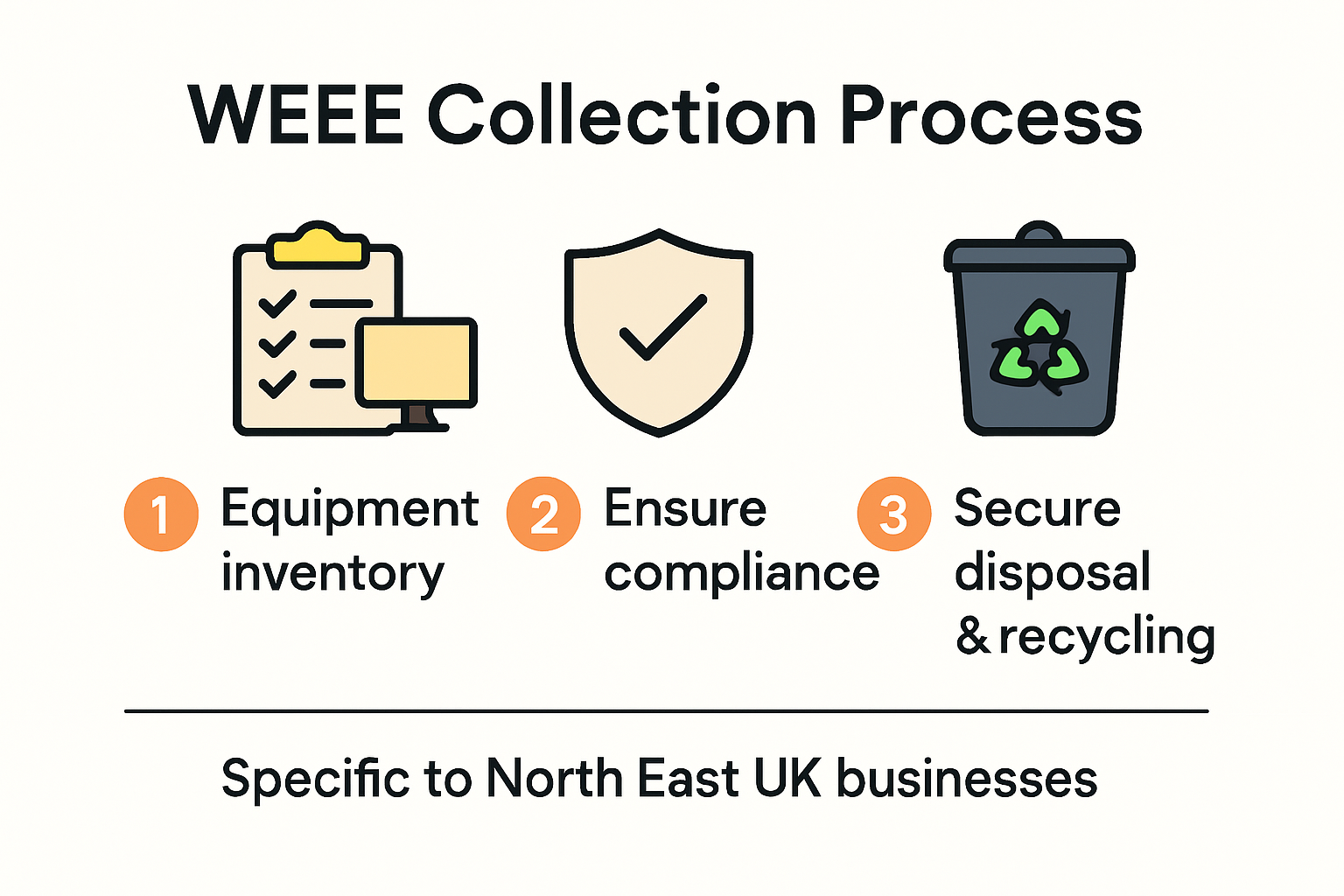
Effective WEEE collection goes beyond mere disposal. It requires a holistic strategy that considers environmental impact, potential resource recovery, and legal compliance. Businesses should develop comprehensive waste management plans that include:
- Inventory Management: Detailed tracking of electronic equipment from procurement to end-of-life
- Secure Disposal: Ensuring data protection during electronic waste handling
- Recycling Optimization: Maximizing resource recovery from discarded electronics
By adopting a proactive approach, businesses can transform electronic waste from a potential environmental liability into a sustainable resource management opportunity. The WEEE waste collection archive provides further insights into evolving best practices in this critical area of environmental responsibility.
Navigating WEEE collection requires more than compliance – it demands a commitment to environmental stewardship, technological innovation, and responsible business practices.
Who Needs WEEE Collections: Business Sectors Served
WEEE collections are not a one-size-fits-all service but a targeted approach designed to meet the unique waste management needs of diverse business sectors. From manufacturing facilities to healthcare institutions, understanding which businesses require electronic waste management is crucial for legal compliance and environmental responsibility.

Manufacturing and Industrial Sectors
Manufacturers sit at the forefront of electronic waste generation. Industrial enterprises producing electrical and electronic equipment generate substantial volumes of WEEE through production processes, equipment upgrades, and technological obsolescence. From January 2025, UK importers of electrical equipment will assume full responsibility for WEEE compliance, including registration, reporting, and financing collection and recycling.
Key manufacturing sectors requiring comprehensive WEEE collections include:
- Electronics manufacturing
- Automotive component producers
- Industrial machinery manufacturers
- Semiconductor and computer hardware producers
These industries must implement rigorous waste tracking systems to monitor electronic equipment throughout its lifecycle, ensuring responsible disposal and potential resource recovery.
Commercial and Service Sector Obligations
Beyond traditional manufacturing, numerous commercial and service sectors have significant WEEE management responsibilities. The Simpler Recycling Scheme mandates consistent electronic waste collection across various business environments.
Businesses requiring specialized WEEE collections include:
- Retail outlets selling electronic goods
- Office complexes with extensive computing infrastructure
- Healthcare facilities with medical electronic equipment
- Educational institutions with technological resources
- Hospitality venues with electronic entertainment systems
Particularly noteworthy is the emerging obligation for vape-related businesses. The UK government’s 2025 WEEE reforms introduce a dedicated category for vapes, meaning producers and retailers must now manage the collection and treatment of these items as specialized electronic waste.
Emerging and Specialized Sectors
Some business sectors might not immediately recognize their WEEE collection responsibilities. Emerging technological industries and specialized service providers are increasingly required to develop comprehensive electronic waste management strategies.
This includes:
- Technology startups
- Research and development laboratories
- Telecommunications companies
- Digital infrastructure providers
- Renewable energy equipment manufacturers
Businesses can explore comprehensive disposal solutions to ensure they meet regulatory requirements and contribute to sustainable waste management practices.
Effective WEEE collection is more than a legal obligation – it represents a commitment to environmental stewardship, resource conservation, and responsible business practices across all sectors of the UK economy.
How WEEE Collections North East Ensure Legal Compliance
Legal compliance in WEEE collections represents a complex and dynamic landscape for UK businesses. The regulatory framework continues to evolve, demanding sophisticated approaches to electronic waste management that go beyond simple disposal and embrace comprehensive environmental responsibility.
Regulatory Registration and Reporting Requirements
From January 2025, businesses face significant new obligations in electronic waste management. Companies handling more than 5 tonnes of Electrical and Electronic Equipment (EEE) annually must join a Producer Compliance Scheme to meet their legal requirements. This mandatory registration ensures transparent tracking of electronic waste throughout its lifecycle.
Key registration requirements include:
- Detailed documentation of electronic equipment imports
- Precise volume reporting for each equipment category
- Comprehensive tracking of waste generation and disposal
The UK government’s approach emphasizes accountability, with online marketplaces now required to join compliance schemes and take responsibility for overseas sellers’ WEEE, creating a more integrated regulatory environment.
Compliance Mechanisms for Business Sectors
Different business sectors face unique compliance challenges. Secure business disposal solutions must address sector-specific nuances while maintaining consistent legal standards. The 2025 regulatory changes introduce specialized requirements for emerging sectors like vape product manufacturers.
Notable compliance mechanisms include:
- Mandatory labeling of electronic equipment
- Financing collection and recycling infrastructure
- Implementing transparent waste tracking systems
- Developing comprehensive waste management protocols
Specifically, according to UK waste management regulations, importers will now assume full responsibility for WEEE compliance, including registering as producers, reporting volumes, and ensuring proper product labeling.
Risk Management and Legal Implications
Non-compliance with WEEE regulations carries significant financial and legal risks. Businesses must develop proactive strategies that not only meet current requirements but anticipate future regulatory developments. This involves:
- Regular compliance audits
- Continuous staff training on waste management protocols
- Investment in advanced tracking and reporting technologies
- Engagement with specialized waste management professionals
The North East region’s approach to WEEE collections emphasizes a holistic view of legal compliance – transforming regulatory obligations from a potential burden into an opportunity for sustainable business practices.
Effective WEEE collections are no longer just about waste disposal. They represent a critical intersection of environmental responsibility, legal compliance, and corporate governance.
Choosing the Right WEEE Disposal Partner
Selecting an appropriate WEEE disposal partner represents a critical decision for businesses committed to responsible electronic waste management. The right partner not only ensures legal compliance but also contributes to sustainable environmental practices and protects sensitive business information.
Regulatory Compliance and Certification
Businesses must prioritize WEEE disposal partners who demonstrate comprehensive regulatory adherence. According to the UK government’s official Code of Practice, a credible disposal partner should meet several key criteria:
- Compliance with environmental waste legislation
- Transparent data reporting mechanisms
- Prioritisation of whole equipment reuse
- Meeting expected service level standards
Moreover, businesses should verify that potential WEEE disposal partners have appropriate environmental permits and correct authorisations for WEEE transport and treatment. This ensures not just legal compliance, but also minimizes environmental risks associated with electronic waste disposal.
Comprehensive Disposal and Data Protection Strategies
Beyond regulatory compliance, an ideal WEEE disposal partner offers holistic waste management solutions. Secure business disposal solutions should encompass multiple critical aspects:
- Secure data destruction protocols
- Environmentally responsible recycling processes
- Detailed documentation and tracking
- Certified downstream waste management
UK business regulations require companies to join an approved Producer Compliance Scheme within 28 days of placing electrical and electronic equipment on the market. Therefore, your chosen disposal partner should demonstrate ability to support these complex compliance requirements.
Evaluating Disposal Partner Capabilities
Selecting the right WEEE disposal partner involves a comprehensive assessment of their operational capabilities and commitment to environmental stewardship. Key evaluation criteria include:
- Proven track record in electronic waste management
- Advanced recycling and resource recovery technologies
- Transparent reporting and audit trails
- Commitment to circular economy principles
- Competitive pricing without compromising environmental standards
Businesses should conduct thorough due diligence, including reviewing certifications, requesting case studies, and understanding the partner’s entire waste management ecosystem. The goal extends beyond mere disposal – it’s about creating a sustainable, responsible waste management strategy.
Ultimately, choosing the right WEEE disposal partner is an investment in your business’s environmental responsibility, legal compliance, and long-term sustainability. The decision requires careful consideration, strategic thinking, and a commitment to responsible electronic waste management.
Frequently Asked Questions
What are WEEE collections, and why are they important for businesses?
WEEE (Waste Electrical and Electronic Equipment) collections are services that manage the disposal of electronic waste. They are crucial for businesses due to tightening regulations in 2025 that require compliance to avoid legal and financial risks, while also contributing to environmental sustainability.
Who needs to comply with WEEE regulations in 2025?
From January 2025, businesses that handle over 5 tonnes of electrical and electronic equipment annually must register with a Producer Compliance Scheme. This includes various sectors such as manufacturing, healthcare, retail, and technology.
How can businesses ensure compliance with WEEE regulations?
To ensure compliance, businesses should register with a Producer Compliance Scheme, develop a comprehensive waste management plan, and consider partnering with certified WEEE disposal companies that follow legal requirements and best practices for electronic waste management.
What should businesses look for in a WEEE disposal partner?
When selecting a WEEE disposal partner, businesses should seek those with proven regulatory compliance, secure data destruction protocols, environmentally responsible recycling processes, and transparent documentation to ensure effective waste management and legal adherence.
Ready to Take the Stress Out of WEEE Compliance in the North East?
Businesses across the region are under growing pressure to meet strict 2025 WEEE regulations, as covered in the article. Ensuring secure collection, traceable disposal and full legal compliance can feel overwhelming, especially with ever-changing responsibilities. Non-compliance not only risks heavy fines but can threaten your reputation and sustainability ambitions. If you want peace of mind and a simple way to manage your obligations, Venture Waste Management is here to help. Our regulation solutions keep your business protected under the latest UK rules.

Why wait for the rush or risk a compliance gap? Make your WEEE collections smooth, safe and transparent today. Visit Venture Waste’s main site to book a collection, explore specialist help or sign up for expert updates. Take control of your electronic waste now and ensure your business stays ahead of WEEE regulations.


