

How UK Businesses Can Save Money on Waste Management in 2025
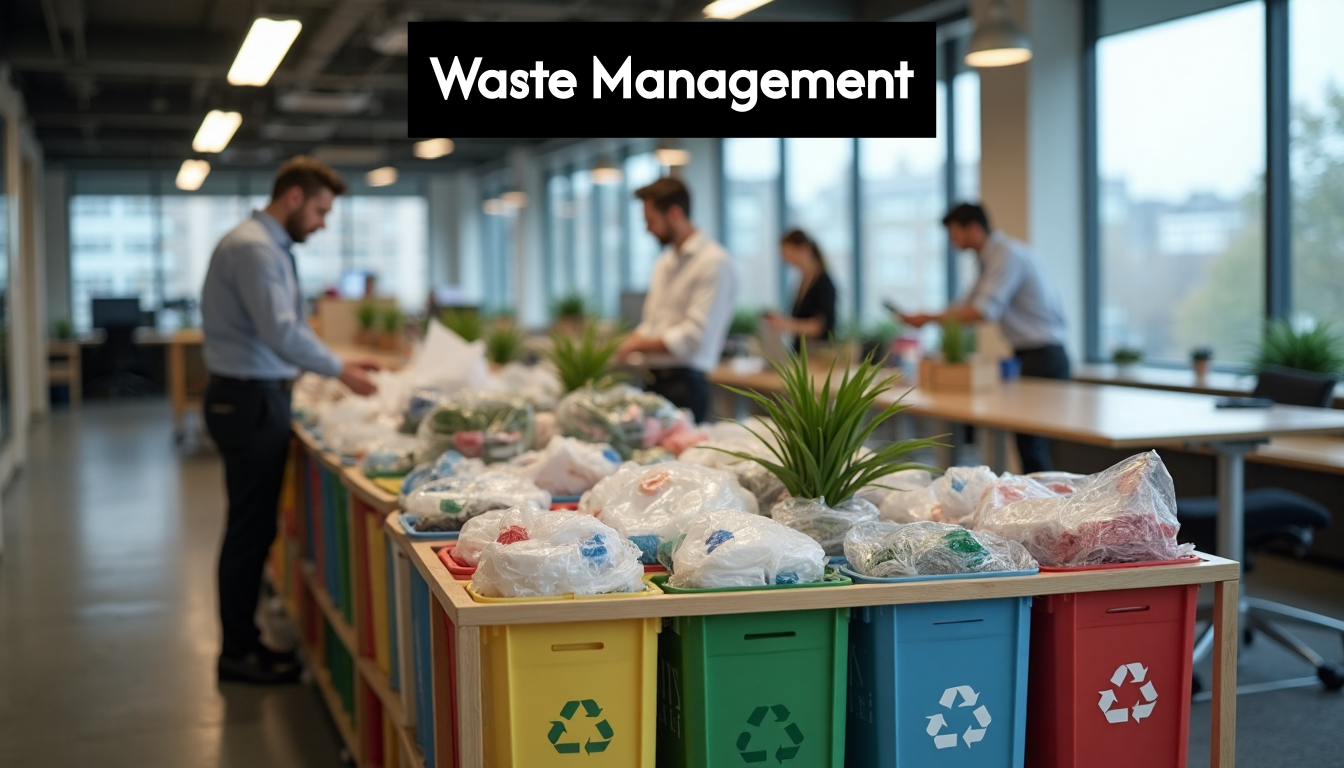
UK businesses are facing huge changes in waste management in 2025. Here is a statistic that shifts the whole conversation: commercial and industrial sectors now create 23 percent of the nation’s total waste, outpacing household waste at only 15 percent. So, while most managers worry about stricter bins or landfill tax increases, the real surprise is the scale of financial savings hidden in smarter waste handling. When you truly grasp where your business waste comes from and how you process it, cutting costs and gaining a competitive edge gets easier than expected.
Table of Contents
- Understanding Your Business Waste Streams
- Cost-Effective Solutions For Different Industries
- Maximising Efficiency With Waste Audits
- Choosing The Right Waste Management Partner
Quick Summary
| Takeaway | Explanation |
|---|---|
| Understand your waste streams | By categorising waste into core streams (paper, plastic, glass, metal, food), businesses can comply with regulations and reduce disposal costs. |
| Embrace tailored industry strategies | Different sectors should implement specific waste management practices, such as using balers in manufacturing and redesigning packaging in retail, to optimise costs. |
| Conduct regular waste audits | Systematic waste audits enable businesses to track waste generation, identify inefficiencies, and realise significant cost savings through better compliance and operational efficiency. |
| Choose the right waste management partner | Select a partner that understands regulatory requirements, offers transparent pricing, and provides strategic insights to achieve long-term cost reduction and sustainability goals. |
Understanding Your Business Waste Streams
Business waste management is evolving rapidly in the UK, and 2025 marks a critical transition point for companies seeking to optimize their waste disposal strategies. Comprehending the nuanced composition of your business waste streams is no longer optional but a strategic imperative for financial efficiency and regulatory compliance.
Identifying Core Waste Categories
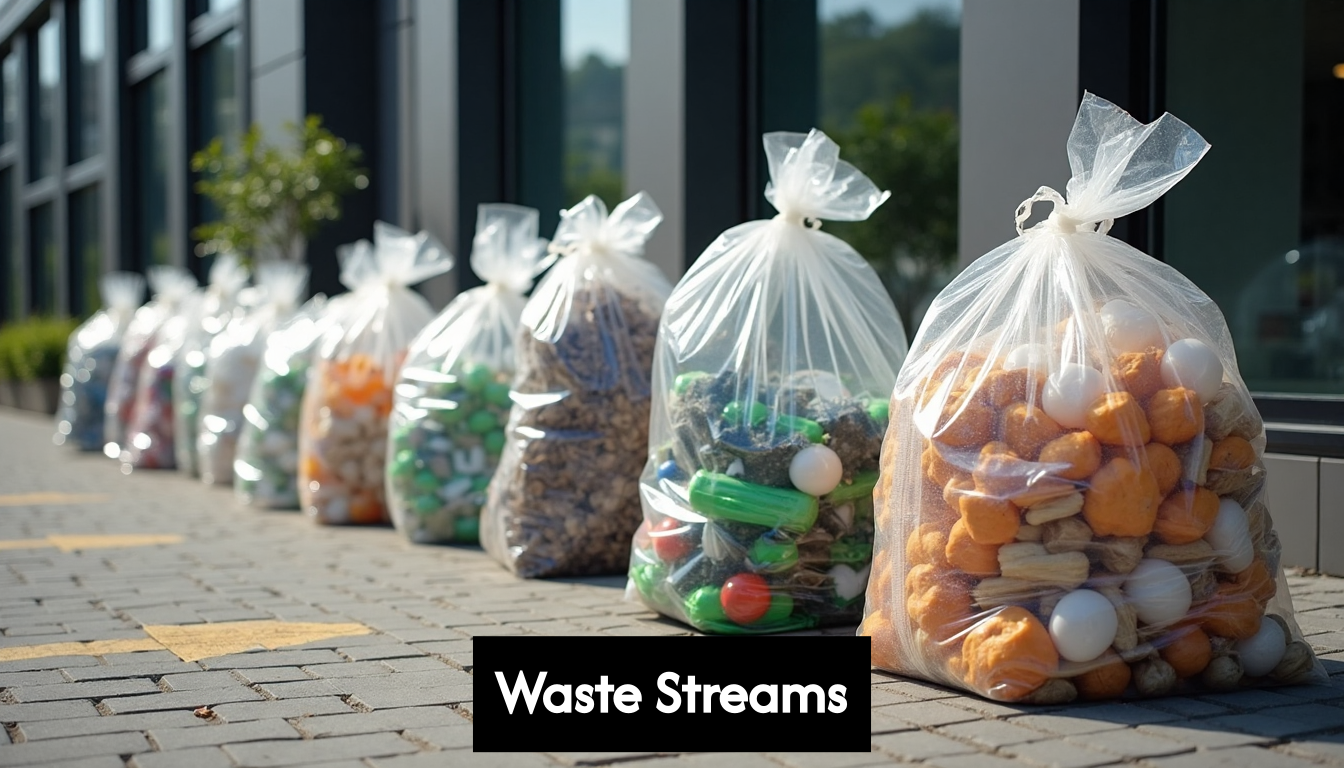
Understanding your waste streams begins with precise categorization. According to Business Waste UK, from 31 March 2025, businesses with 10 or more employees must implement separate collection protocols for core waste streams. These mandatory categories include:
- Paper and Cardboard: Office documents, packaging materials
- Plastic: Packaging, disposable items
- Glass: Bottles, broken glassware
- Metal: Scrap metal, aluminium containers
- Food Waste: Cafeteria and kitchen organic waste
This granular approach to waste segregation isn’t just a regulatory requirement. It represents a significant opportunity for businesses to reduce disposal costs and demonstrate environmental responsibility.
Financial Implications of Waste Stream Management
The economic landscape of waste management is transforming. Recycling Inside reports that 50% of UK waste handlers anticipate increased landfill disposal charges by April 2025. This trend underscores the financial urgency for businesses to optimize their waste streams.
Commercial and industrial sectors generate substantial waste volumes. Waste Direct research reveals that commercial and industrial waste comprises 23% of the UK’s total waste output, significantly surpassing household waste at 15%. This statistic highlights the immense potential for cost savings through strategic waste management.
Businesses can achieve substantial financial benefits by implementing systematic waste stream analysis. This involves not just segregation but also:
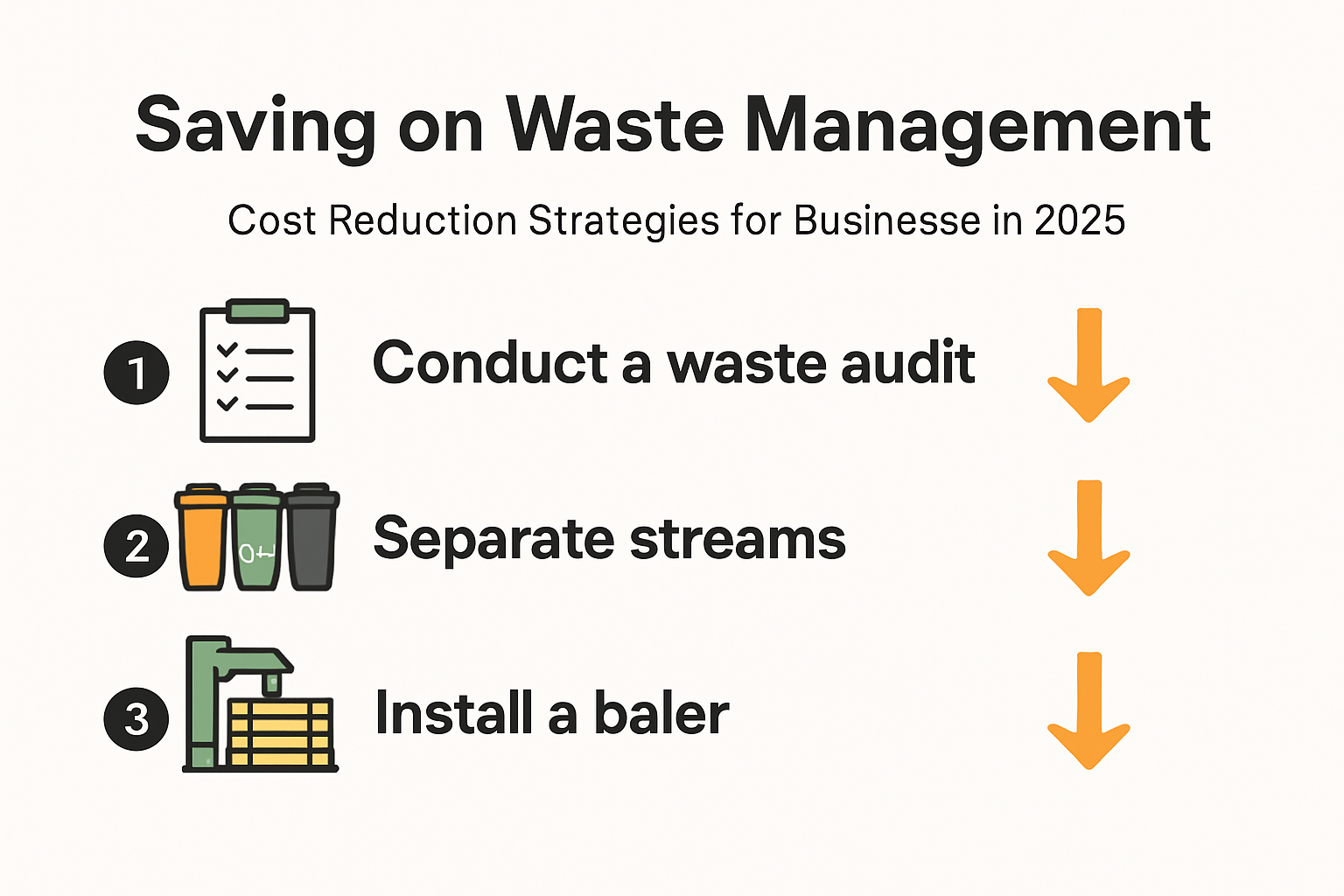
- Detailed Waste Auditing: Tracking waste generation patterns
- Volume Reduction Strategies: Minimizing unnecessary waste production
- Recycling Optimization: Maximizing recyclable material recovery
For businesses looking to streamline their electronic waste disposal, learn more about secure WEEE waste collection and how it can contribute to your overall waste management strategy.
By embracing a comprehensive approach to understanding and managing waste streams, UK businesses can transform a regulatory requirement into a strategic advantage, reducing costs while contributing to environmental sustainability.
Cost-Effective Solutions for Different Industries
Different industries face unique waste management challenges, requiring tailored strategies to save money and maintain regulatory compliance. As businesses prepare for the 2025 waste management landscape, understanding industry-specific solutions becomes crucial for financial sustainability.
Manufacturing and Industrial Sector Strategies
Manufacturing businesses can dramatically reduce waste management costs through innovative approaches. Byrkley Waste Solutions highlights that investing in balers and compactors can generate annual savings of over £20,000 by reducing waste volume and collection frequency.
Key cost-effective strategies for manufacturing include:
- Volume Reduction Technology: Implementing balers and compactors to minimize waste footprint
- Material Recycling: Segregating and repurposing industrial waste materials
- Waste-to-Energy Conversion: Exploring alternative disposal methods that generate potential revenue streams
Retail and Service Industry Waste Management
Retail and service sectors can optimize waste management through strategic approaches. Flame UK recommends focusing on packaging optimization and waste reduction initiatives.
Cost-saving techniques for retail businesses include:
- Packaging Redesign: Minimizing unnecessary packaging materials
- Circular Economy Approaches: Implementing take-back and recycling programs
- Digital Documentation: Reducing paper waste through digital transformation
Financial Considerations and Landfill Tax Implications
With the UK landfill tax standing at £98.50 per tonne in 2025, businesses across all sectors must prioritize waste reduction. Waste Direct emphasizes that minimizing waste production and maximizing recycling directly lowers disposal costs.
For businesses seeking comprehensive electronic waste solutions, explore secure WEEE waste collection options tailored to your industry’s specific requirements.
By adopting industry-specific waste management strategies, businesses can transform regulatory challenges into opportunities for cost savings, operational efficiency, and environmental responsibility. The key lies in understanding your unique waste streams and implementing targeted solutions that align with both financial and sustainability goals.
Maximising Efficiency with Waste Audits
Waste audits represent a strategic approach for UK businesses to transform their waste management practices, offering a comprehensive method to reduce costs, enhance sustainability, and ensure regulatory compliance in 2025. By systematically examining waste generation, businesses can unlock significant operational and financial efficiencies.
The Strategic Process of Waste Auditing
Conducting a thorough waste audit involves more than merely measuring waste volumes. Budget Waste highlights that effective waste audits help businesses reduce costs, boost recycling rates, and prepare for upcoming legislative changes by identifying precise inefficiencies in waste management processes.
Key components of a comprehensive waste audit include:
- Waste Composition Analysis: Detailed breakdown of waste types and quantities
- Collection Process Evaluation: Assessing current waste collection and disposal methods
- Cost Tracking: Identifying potential financial savings and unnecessary expenditures
Financial and Operational Benefits
Shredall Waste Management emphasizes that regular waste audits enable businesses to customize waste management contracts, eliminate unnecessary disposal fees, and ensure strict regulatory compliance. This approach directly translates to improved operational efficiency and enhanced profitability.
Businesses can expect significant advantages from systematic waste auditing:
- Contract Optimization: Negotiating more precise waste management agreements
- Waste Reduction Strategies: Implementing targeted waste minimization techniques
- Compliance Assurance: Proactively addressing regulatory requirements
Implementing Your Waste Audit Strategy
Successful waste audits require a structured approach. Begin by establishing a baseline of current waste generation, then develop a comprehensive tracking and analysis framework. Consider engaging professional waste management experts who can provide detailed insights and recommendations.
For businesses in the North East looking to refine their waste management approach, explore regional recycling solutions that can complement your waste audit efforts.
The most effective waste audits go beyond mere measurement. They transform data into actionable strategies that reduce environmental impact while simultaneously driving financial savings. By treating waste audits as a continuous improvement process, businesses can create more sustainable, cost-effective waste management systems that adapt to evolving regulatory landscapes.
Remember, a well-executed waste audit is not an expense but an investment in your business’s operational efficiency and environmental responsibility.
Choosing the Right Waste Management Partner
Selecting an appropriate waste management partner represents a critical strategic decision for UK businesses in 2025. The right partnership can transform waste management from a routine operational expense into a strategic opportunity for cost reduction, regulatory compliance, and environmental responsibility.
Evaluating Compliance and Regulatory Expertise
Byrkley Waste Solutions emphasizes the importance of choosing a partner with deep understanding of emerging waste management regulations. With the Simpler Recycling rules mandating that businesses with 10 or more employees separate waste into specific categories, partnering with a knowledgeable provider becomes crucial.
Key compliance considerations include:
- Regulatory Knowledge: Understanding 2025 waste segregation requirements
- Certification Verification: Checking for relevant waste management accreditations
- Adaptability: Ability to adjust services as regulations evolve
Cost Management and Technological Innovation
Waste Direct highlights that strategic waste management partnerships can help businesses mitigate rising costs associated with increased landfill taxes, which stand at £98.50 per tonne in 2025. The right partner should offer more than basic waste collection services.
Critical financial considerations include:
- Cost Transparency: Clear, itemized pricing structures
- Waste Reduction Strategies: Proactive approaches to minimizing disposal volumes
- Technology Investment: Partners utilizing advanced sorting and recycling technologies
Long-Term Strategic Alignment
Industry Insights from Horkan suggest that businesses should view waste management partners as strategic collaborators in achieving environmental and economic goals. This means looking beyond immediate service provisions to long-term sustainability objectives.
Evaluate potential partners based on:
- Circular Economy Commitment: Dedication to sustainable waste management practices
- Reporting and Analytics: Comprehensive waste tracking and improvement recommendations
- Scalability: Ability to support your business as it grows and changes
For businesses in the North East seeking specialized waste management solutions, explore regional waste management expertise tailored to your specific industry needs.
Ultimately, the ideal waste management partner is not just a service provider but a strategic ally. They should offer a holistic approach that balances regulatory compliance, cost efficiency, and environmental responsibility. By carefully selecting a partner aligned with your business goals, you can transform waste management from a necessary expense into a strategic advantage.
Frequently Asked Questions
How can UK businesses understand their waste streams better?
To understand waste streams, businesses should categorise their waste into core categories like paper, plastic, glass, metal, and food waste. This helps in regulatory compliance and identifying opportunities for cost savings.
What are the cost-effective waste management strategies for retail businesses?
Retail businesses can save money by redesigning packaging to reduce waste, implementing take-back and recycling programs, and transitioning to digital documentation to lessen paper usage.
Why are waste audits important for cost savings in waste management?
Waste audits are crucial as they provide insights into waste generation patterns, help identify inefficiencies, and propose strategies for optimising waste disposal, leading to significant financial savings.
What should businesses look for when choosing a waste management partner?
When selecting a waste management partner, businesses should evaluate their compliance expertise, cost transparency, technological innovations, and their alignment with your long-term sustainability goals.
Turn Waste Challenges Into Savings With Venture Waste
Is the mounting pressure of new 2025 waste regulations and soaring landfill tax costs leaving your business concerned about compliance and budgets? Discover how companies like yours are transforming waste headaches into savings through smarter sorting and tailored management, just as you explored in the Baler Archives – Venture Waste section of our site. Whether you handle confidential waste or need to streamline your general rubbish collecting, our dedicated solutions support every waste stream identified in your latest audit.

Take action now and secure expert guidance in business waste reduction, cost control, and compliance. You can book a service in just three easy steps on Venture Waste, or browse the WEEE Waste Archives – Venture Waste for secure disposal of electronic waste. Let us help you save money—and meet 2025 regulations with confidence. Contact our team now to make waste management your competitive advantage.


