hazardous waste disposal guide

Posts

Secured hazardous waste containers in UK facility

Hazardous Waste Disposal Guide 2025 for UK Businesses
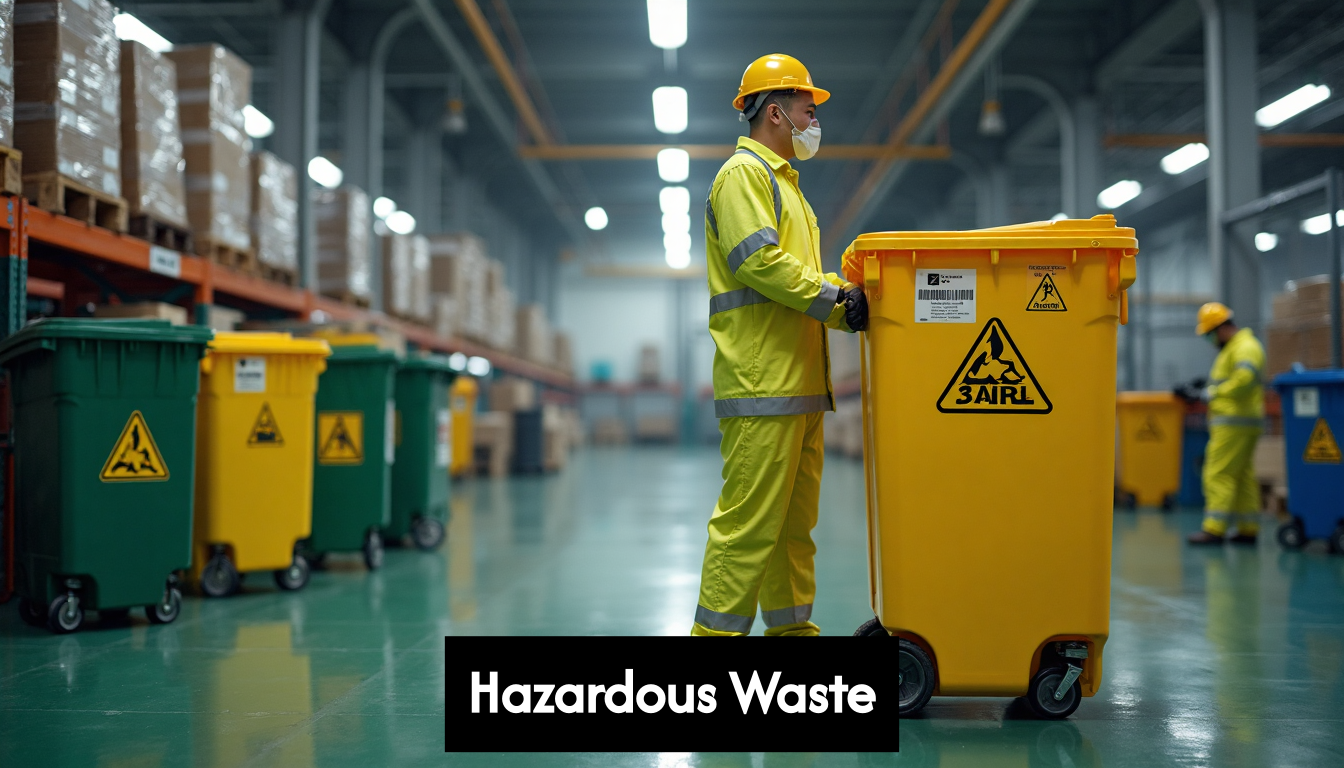
Secured hazardous waste containers in UK facility

Hazardous waste sounds technical but it touches every business from small shops to sprawling factories. UK firms generate over 330 thousand tonnes of hazardous waste every single year. You might assume all it takes is a few hazard labels and careful storage, but that barely scratches the surface. The real challenge lies in strict legal responsibilities and the constant risk of financial penalties, which means most companies are never quite as safe or compliant as they think.

Table of Contents

Quick Summary

Takeaway Explanation
Understanding Hazardous Waste Types UK businesses must accurately identify hazardous waste, which includes chemical, electronic, and biological categories, to ensure proper handling and disposal.
Legal Compliance and Duty of Care Businesses have a legal responsibility to manage waste safely, including maintaining detailed documentation and a transparent audit trail to comply with the Duty of Care requirement.
Best Practices for Storage and Handling Effective hazardous waste management involves using compliant containers, implementing strict segregation strategies, and ensuring staff are trained in correct handling protocols.
Choosing a Specialist Disposal Partner Selecting a competent hazardous waste disposal partner is essential; firms should verify their licensing, technical expertise, and commitment to environmental sustainability to mitigate risks.

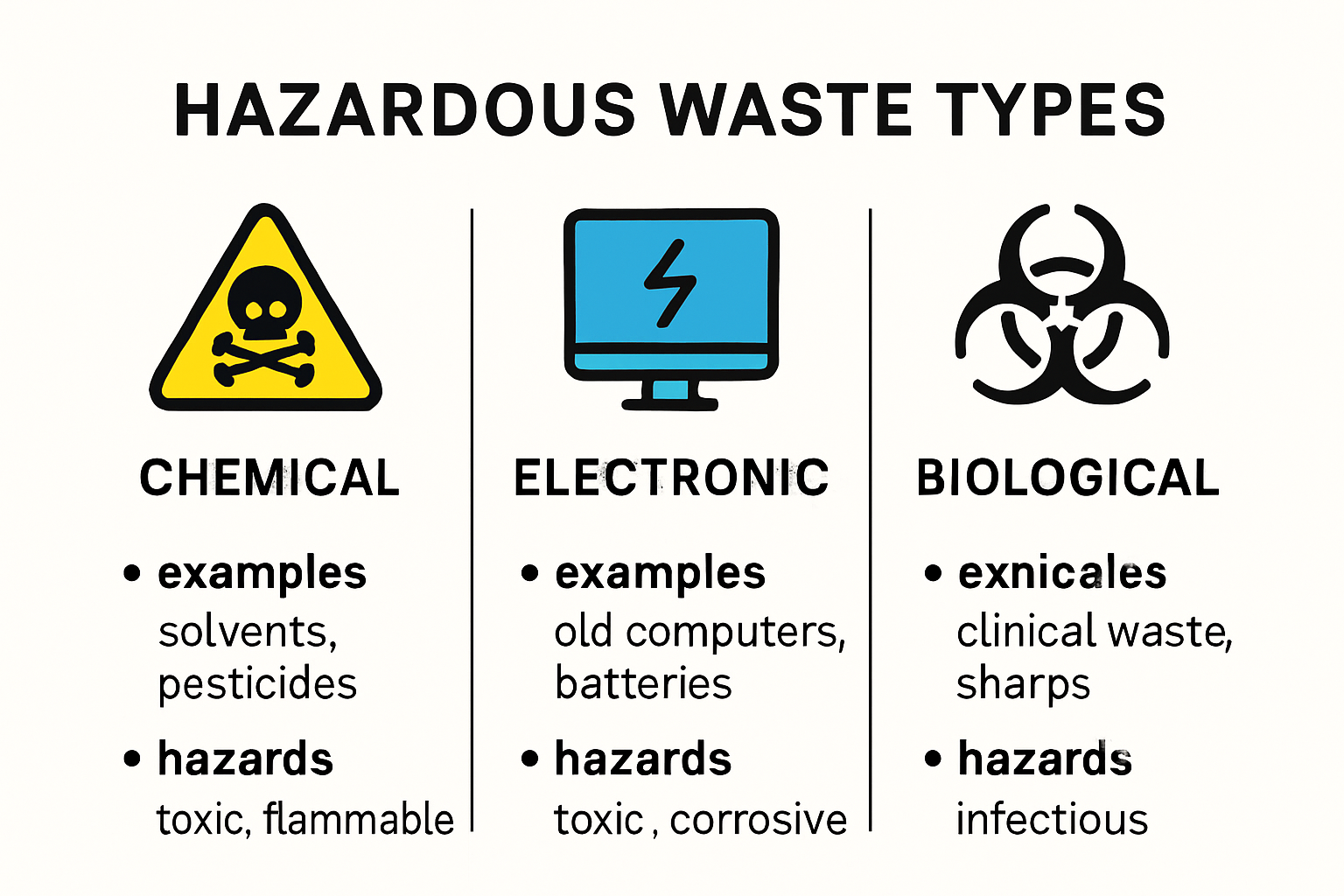
Infographic showing common hazardous waste types and examples in the UK

Understanding Hazardous Waste Types in the UK

Hazardous waste represents a complex and critical challenge for UK businesses across multiple sectors. Proper identification and management of these materials are essential to protect environmental and human health. According to University College London’s safety guidelines, hazardous waste encompasses a wide range of materials that pose potential risks to safety and require specialised handling and disposal procedures.

Chemical and Industrial Hazardous Waste

Chemical and industrial waste forms a significant portion of hazardous materials generated by businesses. These substances include solvents, paints, pesticides, acids, and other potentially harmful chemicals. The UK government mandates strict classification using European Waste Catalogue (EWC) codes, which help businesses accurately identify and manage their waste streams. Government guidance emphasises the importance of understanding persistent organic pollutants (POPs) and other hazardous properties that require specialized treatment.

Typical examples of chemical hazardous waste include:

  • Industrial solvents used in manufacturing processes
  • Chemical residues from production lines
  • Paint and coating waste containing toxic compounds
  • Pesticide containers and unused chemical treatments

Electronic and Biological Hazardous Waste

Two critical categories of hazardous waste demand particular attention from UK businesses. Electronic waste (WEEE) contains heavy metals and toxic components that can cause significant environmental damage if not properly managed. Waste Management Experts highlight that electronic devices often include substances like lead, mercury, and cadmium that require specialized disposal techniques.

Biological hazardous waste presents another complex challenge, particularly for healthcare, research, and industrial facilities. This category includes:

  • Medical sharps such as needles and surgical instruments
  • Contaminated laboratory materials
  • Biological research waste
  • Infectious medical equipment

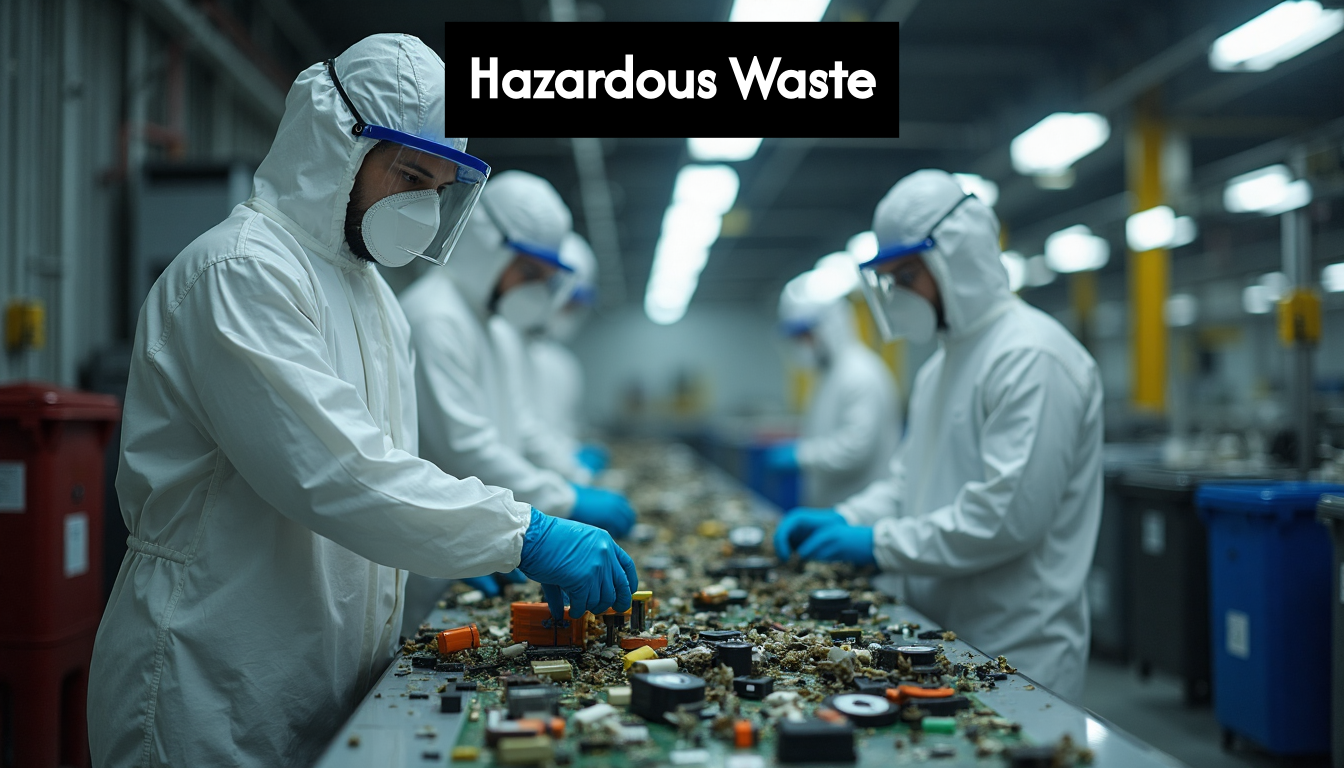
Protected staff managing hazardous waste types

Businesses must implement rigorous protocols to ensure safe collection, transportation, and disposal of these sensitive materials. Read our comprehensive guide on hazardous waste handling for detailed insights into managing these challenging waste streams.

Understanding the nuanced landscape of hazardous waste requires continuous education and adherence to evolving regulatory standards. UK businesses must remain proactive in identifying, classifying, and responsibly disposing of these materials to mitigate environmental risks and ensure legal compliance. Regular staff training, comprehensive waste audits, and partnerships with certified waste management professionals are crucial steps in developing a robust hazardous waste management strategy.

UK businesses face stringent legal obligations when managing hazardous waste. These regulations are designed to protect human health and the environment while ensuring responsible waste management practices. According to Business Waste UK, companies must adhere to comprehensive legal frameworks that govern every aspect of hazardous waste handling.

Duty of Care and Documentation

The cornerstone of legal compliance is the Duty of Care requirement, which mandates businesses take all reasonable steps to manage waste safely. This involves several critical documentation and tracking processes. Northwest Environmental Experts highlight that each hazardous waste transfer must be accompanied by a detailed consignment note. These documents must be retained by both the waste producer and the licensed waste carrier, creating a transparent audit trail that enables regulatory oversight.

Key documentation requirements include:

  • Waste transfer notes detailing the exact nature and quantity of waste
  • Consignment notes for tracking hazardous waste movements
  • Storage and disposal records demonstrating compliance with regulations
  • Carrier licensing verification confirming waste transport credentials

Regulatory Compliance and Storage Standards

The Hazardous Waste (England and Wales) Regulations 2005 establish strict guidelines for waste management. These regulations require businesses to ensure waste is recovered or disposed of without endangering human health or causing environmental harm. The Environment Agency and Health and Safety Executive provide rigorous oversight to enforce these standards.

Storage of hazardous waste demands exceptional care. Businesses must:

  • **Segregate different types of hazardous waste
  • **Use appropriate containment methods
  • **Implement secure storage locations
  • **Prevent potential contamination or environmental exposure

Explore our comprehensive guide to hazardous waste handling for in-depth insights into meeting these complex regulatory requirements.

Non-compliance carries significant risks. Businesses may face substantial financial penalties, legal prosecution, and reputational damage for failing to meet these stringent waste management standards. Professional waste management partners can provide crucial support in navigating these complex regulatory landscapes, ensuring businesses remain fully compliant while minimizing potential environmental and legal risks.

The evolving nature of waste management regulations demands continuous education and proactive approach. UK businesses must stay informed about the latest legislative changes, invest in staff training, and maintain robust waste management systems that prioritize safety, environmental protection, and legal compliance.

Best Practices for Handling and Storing Hazardous Waste

Effective management of hazardous waste requires meticulous attention to detail and stringent safety protocols. Northwest Environmental Experts emphasize that proper handling and storage are critical to preventing environmental contamination and protecting workplace safety.

Containment and Labelling Protocols

Proper containment is the first line of defence in hazardous waste management. Businesses must use specialized containers designed to prevent leaks, spills, and chemical interactions. According to Business Waste UK, each container must be:

  • Chemically compatible with the waste it contains
  • Sealed securely to prevent accidental release
  • Clearly labelled with precise waste classification
  • Resistant to corrosion and potential chemical reactions

Labelling requirements are exceptionally strict. Each container must display comprehensive information including waste type, potential hazards, handling instructions, and emergency contact details. Colour-coded systems and internationally recognized hazard symbols provide additional layers of safety communication.

Storage and Segregation Strategies

Effective storage goes beyond simple containment. The Hazardous Waste (England and Wales) Regulations mandate strict segregation to prevent potentially dangerous chemical interactions. Different types of hazardous waste must be stored separately, with dedicated areas that:

  • Prevent cross-contamination
  • Provide secure, restricted access
  • Maintain appropriate environmental conditions
  • Include spill containment infrastructure

Environmental control is crucial. Storage areas must have appropriate temperature regulation, ventilation, and protection from external environmental factors. Businesses must implement robust monitoring systems to detect potential leaks or structural issues immediately.

Explore our comprehensive guide to hazardous waste management for advanced strategies in waste handling and storage.

Personnel training represents another critical component of best practices. Staff must receive comprehensive training in:

  • Correct handling procedures
  • Emergency response protocols
  • Personal protective equipment usage
  • Waste identification and classification

Regular risk assessments and continuous staff education ensure that hazardous waste management remains adaptive and responsive to evolving regulatory requirements. By implementing these rigorous practices, UK businesses can minimize environmental risks, protect workplace safety, and demonstrate responsible corporate stewardship in hazardous waste management.

Choosing a Specialist Hazardous Waste Disposal Partner

Selecting the right hazardous waste disposal partner is a critical decision that directly impacts a business’s legal compliance, environmental responsibility, and operational safety. Government Waste Disposal Guidelines emphasize that businesses remain legally accountable for their waste throughout its entire disposal journey, making the selection of a specialist partner paramount.

Licensing and Regulatory Compliance

The first and most crucial criterion in choosing a hazardous waste disposal partner is verifying their official licensing and regulatory credentials. According to Northwest Environmental Experts, businesses must conduct thorough due diligence to ensure their chosen partner meets stringent Environment Agency and Health and Safety Executive standards.

Key licensing verification steps include:

  • Environment Agency registration confirmation
  • Detailed waste carrier license verification
  • Comprehensive compliance documentation review
  • Verifiable track record of legal waste management

Businesses should request and independently verify:

  • Current waste carrier license numbers
  • Proof of environmental permits
  • Insurance documentation
  • Recent compliance audit reports

Technical Expertise and Disposal Capabilities

Beyond licensing, a specialist hazardous waste disposal partner must demonstrate sophisticated technical expertise specific to different waste categories. This involves sophisticated understanding of chemical interactions, treatment technologies, and safe transportation protocols.

Critical evaluation criteria should include:

  • Specialized handling equipment
  • Advanced treatment technologies
  • Sector-specific waste management experience
  • Documented safe disposal methodologies

Explore our comprehensive waste management solutions to understand the depth of expertise required in hazardous waste management.

Additionally, businesses should assess a potential partner’s commitment to environmental sustainability. This includes evaluating their recycling processes, carbon footprint reduction strategies, and investment in innovative waste treatment technologies.

Transparency represents another critical selection factor. The ideal hazardous waste disposal partner provides complete documentation, including detailed consignment notes, tracking information, and comprehensive disposal certificates. Businesses must receive clear, auditable evidence of proper waste management at every stage.

Financial stability and long-term reliability are equally important considerations. A reputable waste disposal partner should demonstrate:

  • Consistent operational history
  • Strong financial health
  • Investment in ongoing staff training
  • Commitment to technological innovation

Ultimately, choosing a hazardous waste disposal partner is about mitigating risk. By conducting thorough due diligence, businesses can protect themselves from potential legal, environmental, and financial consequences associated with improper waste management. The right partner serves not just as a service provider, but as a critical compliance and environmental protection ally.

Frequently Asked Questions

What constitutes hazardous waste in the UK?

Hazardous waste in the UK includes materials that pose potential risks to health or the environment, such as chemical, electronic, and biological wastes. Proper identification and classification are essential for safe handling and disposal.

UK businesses must comply with the Duty of Care regulations, which require detailed documentation and transparency in waste management. This includes maintaining waste transfer notes and consignment notes, ensuring all hazardous waste is disposed of safely and responsibly.

How should hazardous waste be stored?

Hazardous waste should be stored securely in appropriate containers that are chemically compatible with the waste. Businesses must implement strict segregation strategies to prevent cross-contamination and ensure that storage areas meet environmental control standards.

How do I choose a specialist hazardous waste disposal partner?

When selecting a hazardous waste disposal partner, verify their official licensing, regulatory compliance, and technical expertise. It’s crucial to assess their commitment to environmental sustainability and ensure they provide thorough documentation for waste management.

Transform Your Hazardous Waste Challenge Into Simple Compliance

Struggling to keep up with changing hazardous waste laws or anxious about unexpected fines? This article outlines just how complex hazardous waste disposal can be for UK businesses—between strict legal standards, detailed consignment notes, and constantly evolving regulations, it is easy to feel overwhelmed. If you are handling chemical, biological or electronic waste, proper classification, secure storage and transparent documentation can make or break your compliance record. See exactly how hazardous waste issues like yours are solved in our WEEE Waste management hub.

https://venturewaste.co.uk

Do not risk your business’s reputation or safety. Let Venture Waste turn legal obligations into peace of mind with our end-to-end hazardous waste services. From one quick booking on Venture Waste Management, you access professional collection, full documentation, and compliant disposal. Act now to stay ahead of the 2025 regulations and unlock the safest way to manage your hazardous waste today.

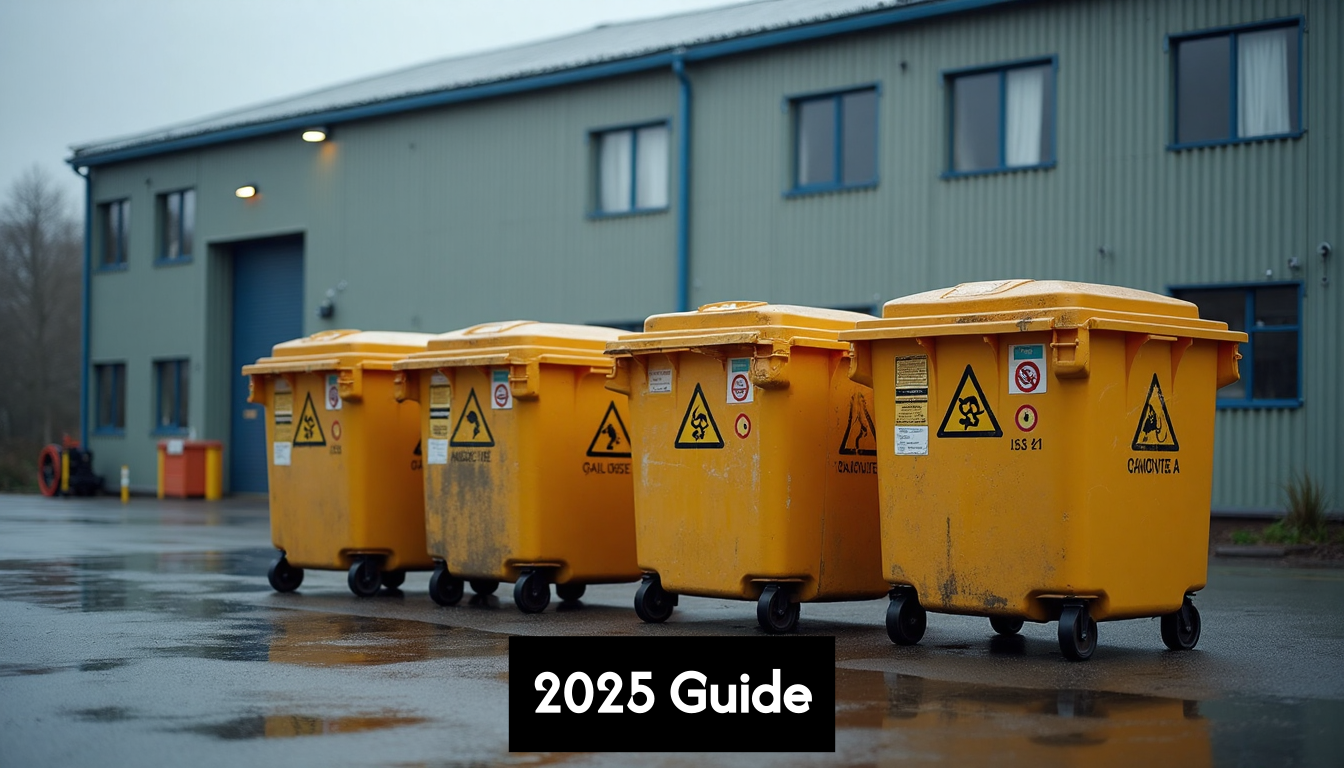
Hazardous waste bins outside UK workplace

Hazardous Waste Disposal for UK Businesses: A 2025 Guide

Hazardous waste bins outside UK workplace

Hazardous waste is about to take centre stage for UK businesses. From 31st March 2025, strict new waste separation rules will transform how companies handle even the smallest battery or can of paint. Most business owners are bracing for piles of paperwork and costly red tape. The real surprise is just how straightforward compliance can be if you grasp a few key moves from the start.

Table of Contents

Quick Summary

Takeaway Explanation
Understanding Hazardous Waste Businesses must accurately identify and classify hazardous waste, which can include chemicals, e-waste, medical waste, and industrial byproducts to ensure proper management and legal compliance.
New Waste Separation Regulations From 31st March 2025, England will enforce new regulations requiring businesses to implement specific waste separation and handling procedures, including storing hazardous waste separately and maintaining detailed documentation.
Robust Disposal Methods Compliance in hazardous waste disposal requires accurate segregation, licensed transportation, and the use of advanced recycling and treatment techniques to mitigate environmental impact.
Safe Handling of Materials Effective management of chemicals, batteries, and WEEE involves strict safety protocols, including proper storage, employee training, and using certified recycling services.
Choosing a Disposal Service Select a waste disposal provider based on compliance certifications, proven expertise, and commitment to environmental responsibility to ensure legal adherence and mitigate organizational risks.

Understanding Hazardous Waste in the Workplace

Hazardous waste represents a significant challenge for UK businesses across multiple sectors. These materials pose potential risks to human health and the environment, requiring careful management and precise disposal protocols. Understanding what constitutes hazardous waste and how to handle it safely is crucial for legal compliance and workplace safety.

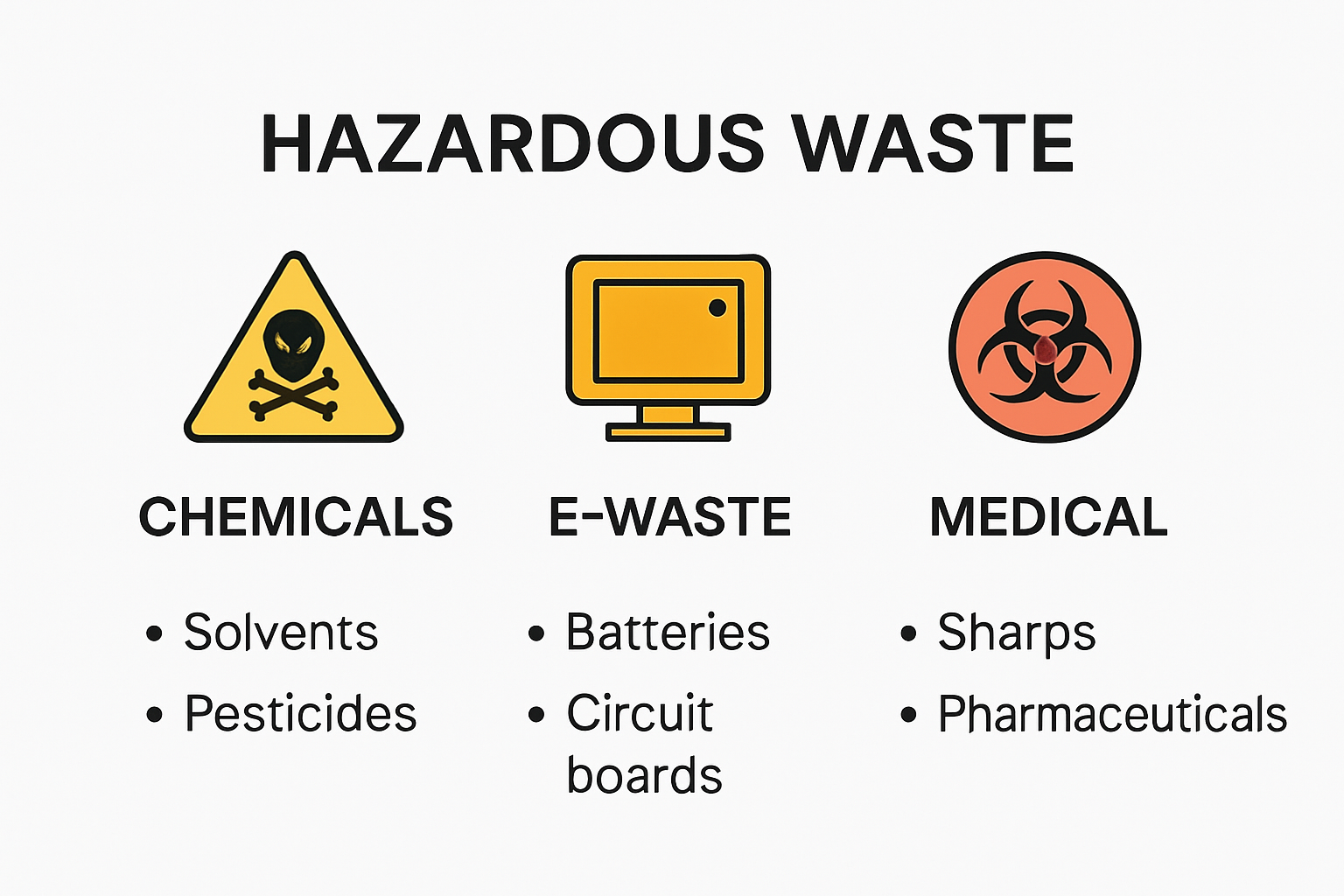
Infographic showing types of hazardous waste in business

Defining Hazardous Waste in Business Contexts

Hazardous waste includes materials that are dangerous or potentially harmful to human health or the environment. These substances typically exhibit one or more characteristics such as toxicity, reactivity, corrosiveness, or ignitability. According to UK Environment Agency regulations, businesses must carefully identify and classify their waste streams to ensure proper management.

Common examples of hazardous waste in workplace settings include:

  • Chemical Waste: Solvents, acids, pesticides, and industrial chemicals
  • Electronic Waste: Computers, batteries, and electrical equipment containing toxic materials
  • Medical Waste: Contaminated materials from healthcare facilities
  • Industrial Byproducts: Oils, paint residues, and manufacturing waste

From 31st March 2025, businesses in England will face new waste separation regulations that mandate specific waste handling procedures. The Hazardous Waste (England and Wales) Regulations 2005 establish clear guidelines for waste disposal. Businesses must:

  1. Correctly classify all hazardous waste materials
  2. Store hazardous waste separately from other waste streams
  3. Ensure collection by licensed waste carriers
  4. Maintain detailed consignment documentation for each waste collection
  5. Prevent environmental contamination during storage and disposal

Workplace Safety and Environmental Responsibility

Effective hazardous waste management goes beyond legal compliance. It represents a critical aspect of corporate social responsibility and workplace safety. Our guide on responsible waste disposal provides comprehensive insights into best practices.

Businesses must implement robust training programmes to educate employees about hazardous waste identification, handling, and disposal. This includes providing appropriate personal protective equipment, establishing clear emergency protocols, and maintaining detailed record-keeping systems.

The environmental implications of improper hazardous waste disposal are significant. Incorrect handling can lead to soil contamination, water pollution, and potential health risks for workers and surrounding communities. By adopting a proactive approach to waste management, businesses can mitigate these risks and demonstrate their commitment to sustainable practices.

Understanding and managing hazardous waste is not just a regulatory requirement but a fundamental responsibility for modern businesses. Comprehensive knowledge, careful planning, and a commitment to safety are essential in navigating the complex landscape of hazardous waste disposal.

Compliant Hazardous Waste Disposal Methods

Complex and stringent regulations govern hazardous waste disposal for UK businesses. Compliance requires a comprehensive approach that balances legal requirements, environmental protection, and operational efficiency. Proper disposal methods are not merely recommendations but critical legal obligations that protect public health and the environment.

Waste Segregation and Classification Protocols

Accurate waste segregation forms the foundation of compliant hazardous waste management. According to UK Waste Regulations 2011, businesses must meticulously separate different types of hazardous waste to ensure appropriate treatment. This process involves:

  • Chemical Waste Sorting: Separating different chemical compositions to prevent dangerous interactions
  • Physical State Categorisation: Distinguishing between solid, liquid, and gaseous hazardous materials
  • Toxicity Level Assessment: Identifying and isolating materials based on their potential environmental and health risks

Businesses must develop robust internal systems that train employees in precise waste identification and segregation techniques. Our comprehensive waste management guide provides detailed insights into effective sorting strategies.

Transportation and Treatment Standards

Hazardous waste transportation requires strict adherence to legal frameworks established by the Environment Agency. According to regulatory guidelines, businesses must:

  1. Use licensed waste carriers certified for hazardous material transportation
  2. Maintain comprehensive documentation for each waste shipment
  3. Ensure proper packaging that prevents leakage or contamination
  4. Use specialized containers designed for specific types of hazardous waste
  5. Follow precise route planning to minimise potential environmental risks

The Duty of Care regulations mandate that businesses remain responsible for their waste from generation to final disposal, requiring meticulous tracking and verification of disposal processes.

Advanced Disposal and Recycling Techniques

Modern hazardous waste disposal extends beyond traditional disposal methods. Emerging technologies and regulatory changes are driving more sophisticated approaches to waste management. From 31st March 2025, new waste separation regulations will require businesses to implement advanced recycling and treatment techniques.

Technicians handle hazardous waste at facility

These advanced methods include:

  • Thermal treatment processes for chemical waste
  • Specialized recycling techniques for electronic and industrial waste
  • Conversion of hazardous materials into less harmful substances
  • Energy recovery from certain types of hazardous waste streams

Businesses must invest in continuous training and technological upgrades to remain compliant with evolving waste management standards. The goal is not just legal adherence but creating sustainable waste management practices that minimise environmental impact.

Successful hazardous waste disposal requires a holistic approach combining legal knowledge, technological innovation, and a commitment to environmental responsibility. By understanding and implementing these comprehensive disposal methods, UK businesses can effectively manage their hazardous waste while protecting public health and the environment.

Safe Handling of Chemicals, Batteries, and WEEE

Safe handling of hazardous materials represents a critical responsibility for UK businesses. Chemicals, batteries, and Waste Electrical and Electronic Equipment (WEEE) require specialized management to protect workplace safety, human health, and environmental integrity. Understanding the unique risks and precise handling protocols for these materials is essential for legal compliance and responsible waste management.

Chemical Waste Management Protocols

Chemical waste demands meticulous handling and disposal strategies. According to UK Government Guidelines, businesses must implement comprehensive safety measures that prevent potential environmental contamination and workplace risks.

Key considerations for chemical waste management include:

  • Storage Requirements: Use chemically resistant containers with secure sealing
  • Segregation Protocols: Separate incompatible chemical substances to prevent dangerous reactions
  • Personal Protective Equipment: Mandate appropriate protective gear during handling
  • Detailed Inventory Management: Maintain accurate records of chemical waste types and quantities

Battery and Electronic Waste Disposal

Batteries and electronic waste pose unique disposal challenges. Our specialized battery disposal guide highlights the critical steps businesses must take to ensure safe and compliant disposal.

Battery and electronic waste handling requires specific attention:

  1. Separate different battery chemistries (lithium, lead-acid, alkaline)
  2. Use designated collection containers for electronic equipment
  3. Prevent potential fire risks through proper storage
  4. Engage certified recycling partners for processing
  5. Document all disposal activities for regulatory compliance

WEEE Management and Sustainability

Waste Electrical and Electronic Equipment (WEEE) represents a growing environmental concern. Research from the Environment Agency indicates that businesses must adopt increasingly sophisticated approaches to electronic waste management.

Effective WEEE management involves:

  • Comprehensive asset tracking for electronic equipment
  • Secure data destruction for devices containing sensitive information
  • Identifying opportunities for equipment refurbishment and reuse
  • Partnering with certified electronic waste recycling providers
  • Implementing circular economy principles in technology procurement

Businesses must recognize that safe handling of hazardous materials extends beyond immediate disposal. It requires a holistic approach that integrates risk management, environmental stewardship, and continuous staff training.

The evolving regulatory landscape demands proactive management strategies. By investing in robust handling protocols, businesses can mitigate risks, ensure legal compliance, and contribute to broader environmental sustainability objectives. Careful management of chemicals, batteries, and electronic waste is not just a regulatory requirement but a fundamental aspect of responsible corporate citizenship.

Choosing a Reliable Hazardous Waste Disposal Service

Selecting an appropriate hazardous waste disposal service is a critical decision for UK businesses, requiring careful evaluation of multiple factors beyond simple cost considerations. The right waste management partner ensures legal compliance, environmental protection, and minimises potential organisational risks associated with hazardous material disposal.

Essential Compliance and Certification Criteria

Businesses must thoroughly assess potential waste disposal services against rigorous compliance standards. According to UK Government Guidelines, several key certifications and credentials are non-negotiable when selecting a hazardous waste disposal provider.

Critical certification requirements include:

  • Environment Agency Registration: Verify the waste carrier’s official registration number
  • Waste Management Licence: Confirm current and valid waste management licensing
  • Professional Accreditations: Look for ISO 14001 environmental management certification
  • Insurance Coverage: Ensure comprehensive liability insurance for waste transportation and disposal

Comprehensive Service Evaluation Methodology

Beyond basic compliance, businesses should conduct a comprehensive evaluation of potential waste disposal partners. Our comprehensive waste collection guide recommends a systematic approach to service selection.

Key evaluation criteria include:

  1. Demonstrated expertise in handling specific types of hazardous waste
  2. Transparent reporting and documentation processes
  3. Proven track record of environmental responsibility
  4. Flexible collection and disposal scheduling
  5. Advanced technological capabilities for waste processing
  6. Competitive pricing with demonstrated value

Risk Management and Environmental Responsibility

Choosing a hazardous waste disposal service extends far beyond transactional considerations. Research from the Environment Agency emphasises the critical role of waste management partners in organisational risk mitigation and environmental stewardship.

Strategic considerations for risk management include:

  • Comprehensive waste stream analysis capabilities
  • Detailed documentation and traceability protocols
  • Commitment to circular economy principles
  • Innovative recycling and waste reduction strategies
  • Transparent reporting on environmental impact

Businesses must recognise that their waste disposal partner becomes an extension of their corporate environmental responsibility. The selection process should prioritise providers who demonstrate a holistic approach to waste management, combining regulatory compliance with innovative environmental solutions.

The 2025 regulatory landscape demands unprecedented levels of accountability. By carefully selecting a waste disposal service that aligns with rigorous compliance standards, technological innovation, and environmental consciousness, businesses can transform waste management from a regulatory obligation into a strategic organisational advantage.

Ultimately, the right hazardous waste disposal service is not just a service provider but a critical partner in achieving sustainable, responsible business operations.

Frequently Asked Questions

What constitutes hazardous waste in a business context?

Hazardous waste includes materials harmful to human health or the environment, such as chemicals, e-waste, medical waste, and industrial byproducts. Businesses must accurately identify and classify these materials to ensure proper management.

What are the new hazardous waste regulations coming into effect in 2025?

From 31st March 2025, new waste separation regulations will require UK businesses to implement specific procedures, including storing hazardous waste separately, maintaining detailed documentation, and using licensed waste carriers for collection.

How should UK businesses properly handle and dispose of hazardous waste?

Businesses must implement waste segregation protocols, ensure licensed transportation, and utilise advanced disposal and recycling techniques. Training staff in safe handling procedures and maintaining accurate records are also essential.

How can I choose a reliable hazardous waste disposal service?

When selecting a waste disposal provider, assess their compliance certifications, expertise in hazardous waste management, transparent documentation processes, and commitment to environmental responsibility. Look for registered carriers and accredited services.

Ready to Make Hazardous Waste Compliance Effortless in 2025?

The new 2025 regulations mean mismanaging hazardous waste can quickly lead to fines, confusion and unnecessary stress for your team. Many businesses are anxious about complicated waste segregation rules, stricter documentation and the risk of missing compliance with batteries, chemicals and electronic equipment. Instead of worrying about complex requirements or accidental non-compliance, you can bring in the experts behind the scenes.

https://venturewaste.co.uk

Discover how Venture Waste Management turns strict hazardous waste disposal into a simple, smooth process for every UK workplace. Whether you need safe handling of WEEE or battery waste, our WEEE Waste services cover advanced recycling and traceability so nothing gets missed. Cut through the paperwork and let our team manage your waste so you can focus on your business. Book your compliant hazardous waste collection today and turn upcoming regulations into real peace of mind.