

Sustainable Waste Transport: Complete UK Guide
Over 60 percent of British waste still travels by traditional road vehicles, a figure that raises serious environmental questions for every business. With growing regulatory demands and climate commitments in the United Kingdom, companies face mounting pressure to rethink how waste moves from point A to B. Discover what sets sustainable waste transport apart, why it matters for British industries, and how the latest solutions can dramatically reduce carbon emissions while improving long-term efficiency.
Table of Contents
- Defining Sustainable Waste Transport In The UK
- Types Of Waste And Transport Methods
- UK Legal Requirements And Compliance
- Environmental Impacts And Carbon Reduction Strategies
- Cost Considerations And Efficiency Improvements
Key Takeaways
| Point | Details |
|---|---|
| Sustainable Waste Transport | Emphasises reducing carbon emissions and fossil fuel dependency through efficient waste management practices across the UK. |
| Legal Compliance | Businesses must adhere to strict regulations on waste transport to ensure environmental protection and avoid severe penalties. |
| Carbon Reduction Strategies | Adopting advanced technologies and practices, such as electric vehicles and route optimisation, can significantly lower the environmental impact of waste transport. |
| Cost Efficiency Improvements | Strategic planning and technological innovation can transform waste transport into a cost-effective and environmentally responsible operation. |
Defining Sustainable Waste Transport in the UK
Sustainable waste transport represents a critical approach to reducing environmental impact while efficiently managing waste movement across the United Kingdom. This concept goes beyond traditional waste logistics by prioritising methods that minimise carbon emissions and support broader environmental protection strategies.
At its core, sustainable waste transport involves implementing transportation methods that significantly reduce greenhouse gas emissions and fossil fuel dependency. These strategies include utilising low or zero-emission vehicles, optimising transportation routes, and integrating advanced technologies that support more efficient waste management processes. The goal is not just moving waste from one location to another, but doing so in a manner that minimises ecological disruption and supports broader climate action objectives.
The environmental implications of sustainable waste transport are substantial. Urban freight systems, which play a significant role in waste management, contribute considerably to carbon emissions. By adopting innovative approaches like electric vehicles, route optimisation software, and consolidated transportation methods, businesses can dramatically reduce their carbon footprint. This approach not only supports regulatory compliance but also demonstrates corporate responsibility towards environmental stewardship.
Key characteristics of sustainable waste transport include:
- Utilisation of electric or hybrid waste collection vehicles
- Route optimisation to reduce unnecessary mileage
- Integration of digital tracking and management systems
- Prioritising low-emission transportation technologies
- Implementing circular economy principles in waste logistics
By embracing these principles, UK businesses can transform waste transport from a necessary operational function into a strategic environmental opportunity.
Types of Waste and Transport Methods
Waste management in the United Kingdom involves a complex ecosystem of diverse waste types and sophisticated transportation methods. Comprehensive waste classification is crucial for developing effective sustainable transport strategies that minimise environmental impact and ensure regulatory compliance.
The UK government recognises multiple categories of waste that require specialised transportation approaches. These include construction and demolition waste, electrical and electronic equipment, hazardous materials, healthcare waste, packaging waste, and vehicle-related waste. Each waste type demands unique handling protocols and transportation methods to ensure safe and environmentally responsible movement. Transportation options range from traditional road-based refuse collection vehicles to more advanced rail and water transport systems, which can significantly reduce carbon emissions and improve overall waste logistics efficiency.
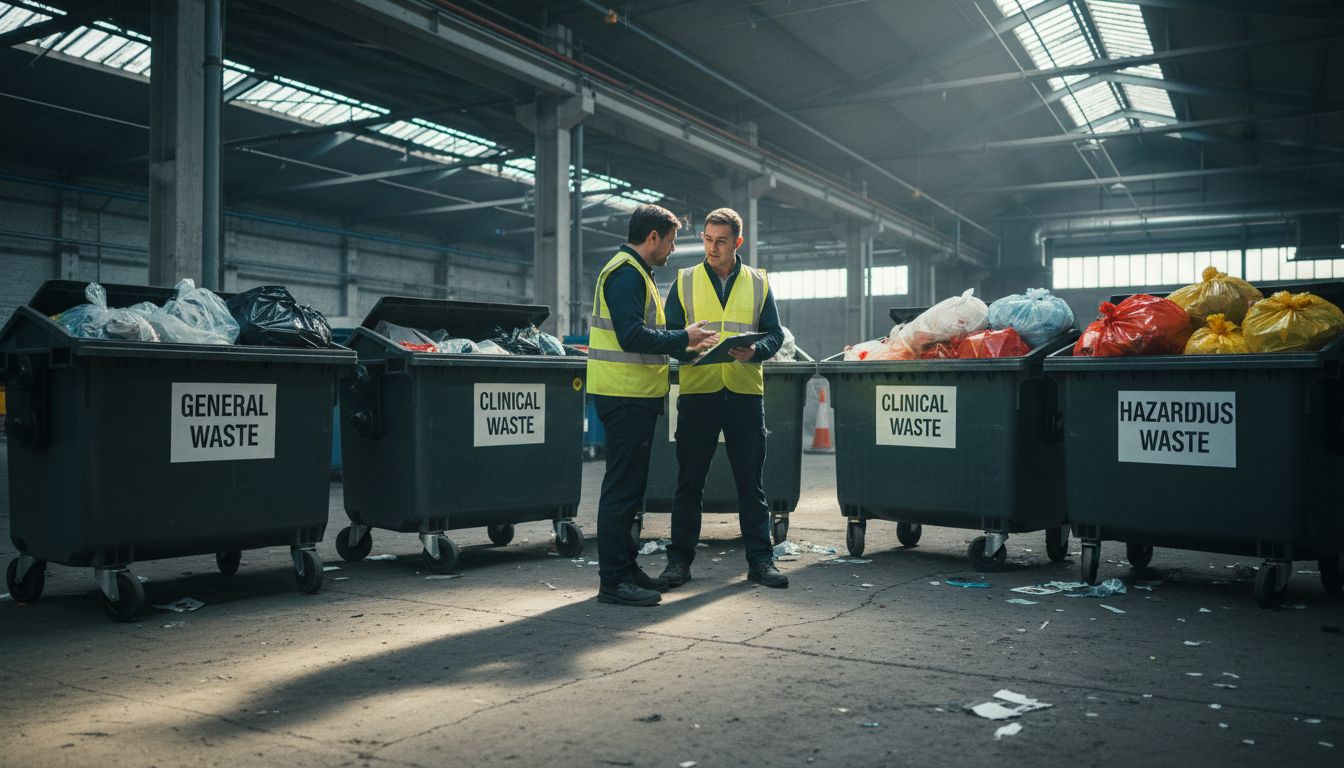
Waste transport methods in the United Kingdom are strategically designed to address environmental challenges while maintaining operational effectiveness. Road transport remains the primary method, utilising specialised refuse collection vehicles equipped with advanced emission control technologies. However, alternative transportation modes are gaining prominence. Rail transport, using ISO containers, offers a more sustainable solution for long-distance waste movement, while inland barges and cargo ships provide environmentally friendly options for transporting larger waste volumes across waterways.
Key waste transportation strategies include:
- Utilising low-emission vehicles for waste collection
- Implementing route optimisation technologies
- Segregating waste types during transportation
- Adopting multimodal transportation approaches
- Investing in advanced tracking and monitoring systems
By embracing these sophisticated waste transport methods, UK businesses can significantly reduce their environmental footprint while maintaining efficient waste management practices.
UK Legal Requirements and Compliance
Navigating the complex landscape of waste transport regulations requires a thorough understanding of the UK’s stringent legal framework. Waste disposal legal requirements are designed to ensure environmental protection, public safety, and responsible waste management practices across all business sectors.
The Environment Act 2021 represents a pivotal piece of legislation that establishes comprehensive provisions for improving waste management and resource efficiency. Businesses must adhere to strict controls when transporting waste, including obtaining necessary permits, maintaining detailed documentation, and ensuring proper waste classification. Failure to comply can result in significant financial penalties, potential legal prosecution, and even imprisonment for serious violations.
Waste shipment controls are particularly rigorous, with the UK government implementing robust mechanisms to track and regulate waste movement. Businesses must navigate complex requirements surrounding waste categorisation, transportation protocols, and disposal methods. This includes specific regulations for different waste types, such as hazardous materials, electronic waste, and industrial byproducts. The legal framework demands meticulous record-keeping, environmental impact assessments, and adherence to stringent transportation guidelines.
Key legal compliance requirements include:
- Obtaining appropriate waste transport licenses
- Maintaining comprehensive waste transfer documentation
- Implementing proper waste segregation protocols
- Conducting regular environmental impact assessments
- Ensuring full traceability of waste movement
- Complying with specific transportation regulations for different waste categories
By understanding and proactively addressing these legal requirements, businesses can mitigate risks, avoid potential fines, and contribute to more sustainable waste management practices across the United Kingdom.
Environmental Impacts and Carbon Reduction Strategies
Sustainable waste transport demands a comprehensive approach to minimising environmental footprints and implementing innovative carbon reduction techniques. Waste reduction strategies are critical for businesses seeking to address the significant environmental challenges associated with waste movement and disposal.
Life cycle assessment methods provide crucial insights into the environmental implications of transport infrastructure, highlighting the need for integrated planning and technological innovation. Researchers have demonstrated that comprehensive environmental impact evaluations can reveal opportunities for reducing carbon emissions throughout waste transportation processes. These assessments examine every stage of waste movement, from collection and transportation to final disposal, identifying potential areas for efficiency improvements and emissions reduction.
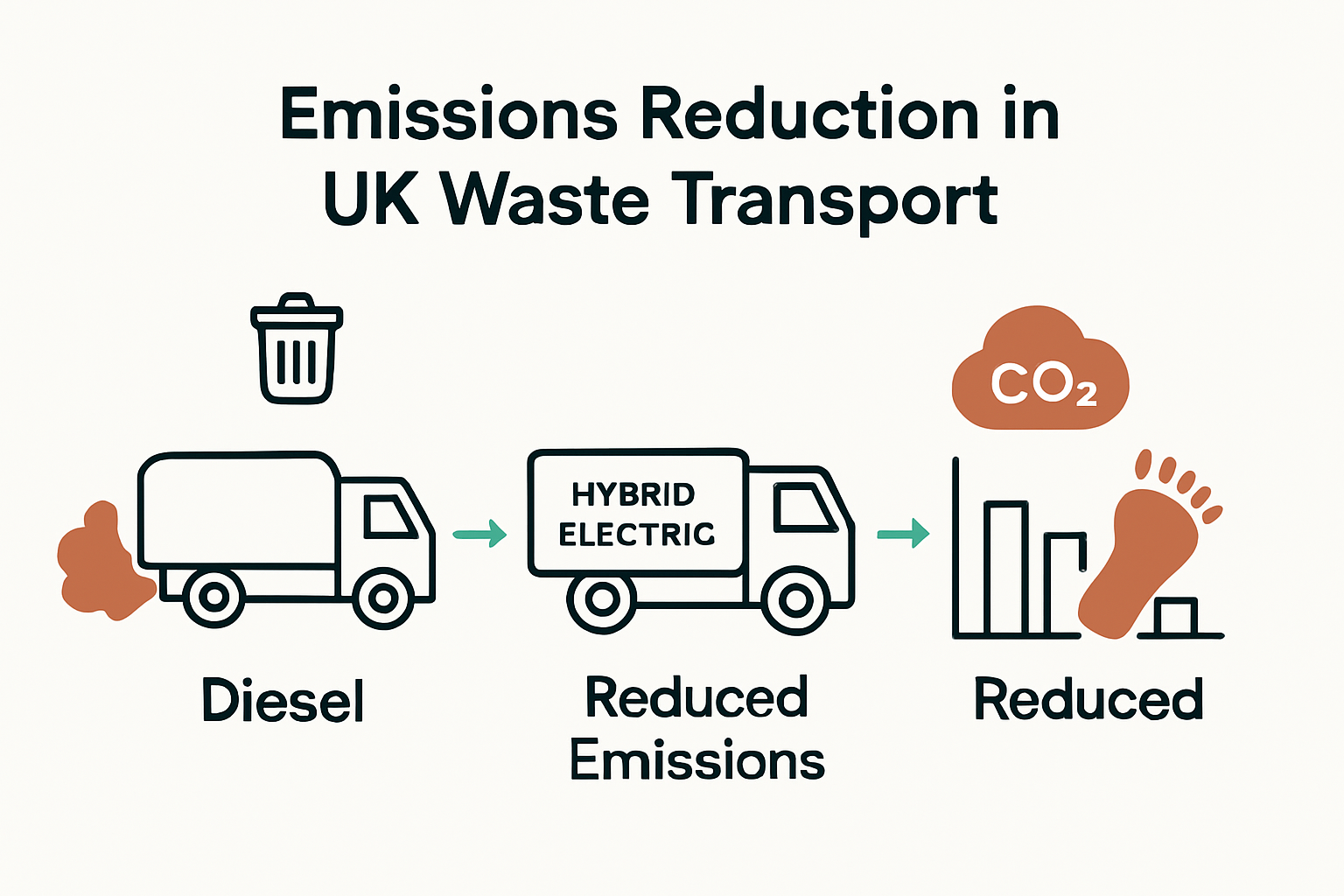
Advanced technologies are emerging as powerful tools for carbon reduction in waste transport. Innovative approaches such as blockchain technology offer promising mechanisms for tracking and optimising waste transportation systems. These technologies enable more precise monitoring of waste movement, helping businesses implement more sustainable practices and reduce their overall environmental impact. The integration of digital tracking, route optimisation, and emissions monitoring can significantly contribute to reducing the carbon footprint of waste transport operations.
Key carbon reduction strategies include:
- Implementing electric and hybrid waste transport vehicles
- Utilising advanced route optimisation technologies
- Adopting digital tracking and monitoring systems
- Investing in low-emission transportation infrastructure
- Developing circular economy approaches to waste management
- Conducting regular environmental impact assessments
By embracing these comprehensive strategies, UK businesses can transform waste transport from an environmental challenge into an opportunity for sustainable innovation and carbon reduction.
Cost Considerations and Efficiency Improvements
Managing waste transport costs requires strategic planning and innovative approaches that balance financial constraints with environmental responsibilities. Key waste disposal cost factors play a critical role in helping businesses optimise their waste management expenditure while maintaining operational effectiveness.
Advanced planning tools have emerged as powerful resources for organisations seeking to improve transportation efficiency. Strategic modelling techniques, such as the Propensity to Cycle Tool, demonstrate how data-driven insights can help businesses make more cost-effective infrastructure investment decisions. These sophisticated analytical approaches enable companies to identify potential efficiency improvements, reduce unnecessary expenditure, and develop more sustainable waste transport strategies.
Comprehensive waste management practices increasingly focus on holistic efficiency improvements that address both environmental and financial considerations. By critically analyzing current transportation methods, businesses can uncover opportunities for reducing operational costs while simultaneously minimising environmental impact. This approach involves evaluating route optimisation, vehicle efficiency, load consolidation, and technological innovations that can streamline waste transport processes and reduce overall expenses.
Key strategies for improving cost efficiency include:
- Implementing advanced route planning software
- Investing in fuel-efficient or electric waste transport vehicles
- Consolidating waste collection routes
- Adopting digital tracking and monitoring systems
- Conducting regular operational efficiency audits
- Exploring collaborative waste transport partnerships
By embracing these sophisticated approaches, UK businesses can transform waste transport from a pure cost centre into a strategic opportunity for financial and environmental optimisation.
Take Control of Your Sustainable Waste Transport Today
Navigating the complexities of sustainable waste transport in the UK presents challenges like reducing carbon emissions, complying with strict legal requirements, and optimising cost efficiency. If you aim to transform your waste logistics into a greener, more compliant, and cost-effective operation, Venture Waste Management offers tailored solutions that address these critical issues. Discover how integrating low-emission vehicles, route optimisation, and responsible waste handling can make a tangible difference for your business.

Explore our expert insights on how the waste collection network in UK serves businesses in 2025 to understand the evolving landscape of waste transport. Need specialist solutions for specific waste types like batteries? Venture Waste provides comprehensive, legally compliant services designed for your unique challenges. Take the first step now by visiting https://venturewaste.co.uk and simplify your journey toward sustainable waste management with us.
Frequently Asked Questions
What is sustainable waste transport?
Sustainable waste transport refers to methods of moving waste that prioritise reducing environmental impact, such as minimising carbon emissions and utilising low or zero-emission vehicles.
Why is sustainable waste transport important for businesses?
Sustainable waste transport helps businesses reduce their carbon footprint, demonstrate corporate responsibility, and comply with environmental regulations, ultimately contributing to broader climate action objectives.
What are the main characteristics of sustainable waste transportation?
Key characteristics include the use of electric or hybrid vehicles, route optimisation to reduce mileage, integration of digital tracking, and adherence to circular economy principles.
How can businesses ensure compliance with waste transport regulations?
Businesses can ensure compliance by obtaining necessary transport licenses, maintaining detailed documentation, implementing waste segregation protocols, and staying informed about specific transportation regulations for different waste categories.
Recommended
- Waste Transport Regulations: Complete UK Guide – Venture Waste
- Waste Management Consultation: Complete UK Guide – Venture Waste
- The Essential Guide to Sustainable Waste Management – Venture Waste
- Complete Guide to Responsible Waste Disposal UK – Venture Waste
- Understanding Sustainable Event Planning: The How and Why|CS
- Sustainable Fragrance Production: The Future of UK Scents


Leave a Reply
Want to join the discussion?Feel free to contribute!