

Skip Hire Options for UK Businesses: Best Choices 2025
Business waste across the UK has soared, with companies now producing over 43.9 million tonnes of commercial and industrial waste each year. Most assume picking any skip will solve the problem and keep things tidy. But the real challenge lies in choosing a skip hire solution that balances strict regulations, sustainability targets and day-to-day operational demands, otherwise the wrong choice can cost far more than just money.
Table of Contents
- Different Types Of Skip Hire For Businesses
- Choosing The Right Skip Hire For Your Waste
- Specialist Skip Hire: Hazardous And Confidential Waste
- Eco-Friendly And Legal Considerations For Facilities
Quick Summary
| Takeaway | Explanation |
|---|---|
| Select the right skip type for your waste | Understanding your waste type ensures compliance and efficiency in disposal efforts. Choose between general, hazardous, or construction skips based on your needs. |
| Conduct a waste audit prior to hire | Assess waste volume and composition to select the appropriate skip size, reducing costs and avoiding service interruptions through informed choices. |
| Prioritise regulatory compliance and sustainability | Adhere to environmental regulations and implement sustainable practices by separating recyclables and minimizing waste to enhance corporate responsibility. |
| Leverage technology for efficient waste management | Use advanced tracking and sorting technologies to optimise waste collection processes, improving operational efficiency and reducing environmental impact. |
| Ensure specialized handling for hazardous waste | Engage professional services for hazardous materials to meet safety standards and legal requirements while protecting the environment and public health. |
Different Types of Skip Hire for Businesses
Businesses across the UK face diverse waste management challenges that require specialised skip hire solutions. Understanding the various skip types is crucial for efficient and compliant waste disposal. Each skip category serves specific industrial and commercial needs, ensuring businesses can manage their waste streams effectively.
Commercial General Waste Skips
General waste skips represent the most common skip hire option for businesses. These versatile containers accommodate mixed non-hazardous waste from office clearances, construction sites, retail renovations, and general commercial operations. According to Waste Management Journal, businesses generate approximately 43.9 million tonnes of commercial and industrial waste annually in the UK, making flexible waste collection solutions essential.
Typically available in sizes ranging from 2 to 40 cubic yards, these skips can handle various materials including:
- Packaging materials: Cardboard, plastic wrapping, and non-contaminated packaging
- Office furniture: Desks, chairs, and non-electronic equipment
- Construction debris: Inert materials like concrete, bricks, and non-hazardous rubble
Companies must carefully segregate waste to maximise recycling potential and minimise environmental impact. Resource Management Association recommends implementing clear waste separation protocols to enhance recycling efficiency.
Specialized Industrial and Hazardous Waste Skips
Industrial sectors with complex waste streams require more specialised skip hire options. These tailored solutions address specific waste management challenges in manufacturing, chemical processing, healthcare, and other high-risk environments. Hazardous waste skips are designed with robust containment features to safely manage potentially dangerous materials.
Key characteristics of specialized industrial skips include:
- Sealed containers: Prevent leakage and contamination
- Chemical resistance: Constructed from materials capable of handling corrosive substances
- Enhanced safety features: Lockable lids and specialized markings for different waste categories
Businesses dealing with chemicals, medical waste, or industrial byproducts must adhere to stringent UK regulations governing waste disposal. Proper skip selection becomes critical in maintaining legal compliance and environmental safety.
Construction and Demolition Waste Skips
Construction sites generate substantial volumes of complex waste materials requiring robust skip hire solutions. These skips are engineered to withstand heavy loads and accommodate diverse construction debris. From small renovation projects to large-scale infrastructure developments, construction skips provide essential waste management infrastructure.
Construction waste skips typically support the disposal of:
- Inert materials: Concrete, bricks, stones, and ceramics
- Wood and timber: Offcuts, pallets, and structural remnants
- Metal scraps: Reinforcement bars, piping, and structural elements
By selecting appropriate skip sizes and types, construction businesses can optimise waste removal processes, reduce transportation costs, and improve overall project efficiency. Construction Industry Research Centre emphasises the importance of strategic waste management in reducing environmental impact.
Choosing the right skip hire option requires careful consideration of your business’s specific waste generation patterns, regulatory requirements, and sustainability goals. read more about skip hire guidelines to ensure you select the most appropriate waste management solution for your organisation.
To help you compare the types of skip hire available for UK businesses, the following table summarises their key features and suitable waste types.
| Skip Type | Key Features | Suitable For | Typical Waste Examples |
|---|---|---|---|
| General Waste Skip | Various sizes, versatile use | Offices, retail, commercial units | Packaging, office furniture, inert debris |
| Specialized Industrial/Hazardous Waste Skip | Sealed, chemical-resistant, safety locks | Manufacturing, healthcare, chemical industries | Chemicals, medical waste, hazardous byproducts |
| Construction/Demolition Waste Skip | Heavy-duty, supports bulky/heavy materials | Construction sites, renovations, infrastructure | Concrete, bricks, timber, metal scraps |
Choosing the Right Skip Hire for Your Waste
Selecting the appropriate skip hire solution requires a strategic approach that balances operational efficiency, legal compliance, and environmental responsibility. Businesses must navigate complex waste management challenges by carefully evaluating their specific waste generation patterns and disposal requirements.
Assessing Waste Volume and Composition
Accurate waste assessment forms the foundation of effective skip hire selection. UK Health and Safety Executive emphasizes the importance of conducting a comprehensive waste audit before choosing a skip hire service. This evaluation involves systematically cataloguing waste types, estimating weekly or monthly volumes, and understanding the unique characteristics of your business’s waste stream.
Key considerations for waste assessment include:
- Waste density: Different materials have varying weights and compaction rates
- Seasonal variations: Waste generation can fluctuate based on business cycles
- Regulatory requirements: Specific waste types may demand specialized disposal methods
Businesses should develop a detailed waste profile that captures the nuanced aspects of their waste generation. This approach ensures selecting a skip size and type that maximizes efficiency and minimizes unnecessary costs.
Compliance and Environmental Considerations
Waste management extends far beyond simple disposal. UK Government Waste Collection Guidance highlights the critical importance of adhering to environmental regulations and sustainability principles. Companies must consider their waste disposal strategy as an integral part of their corporate social responsibility.
Critical compliance factors include:
- Waste segregation: Separating recyclable materials from general waste
- Legal documentation: Maintaining accurate waste transfer notes
- Environmental impact: Minimizing carbon footprint through efficient waste management
Professional skip hire services can provide guidance on navigating complex regulatory landscapes, ensuring businesses remain compliant while supporting environmental conservation efforts.
Logistics and Operational Efficiency
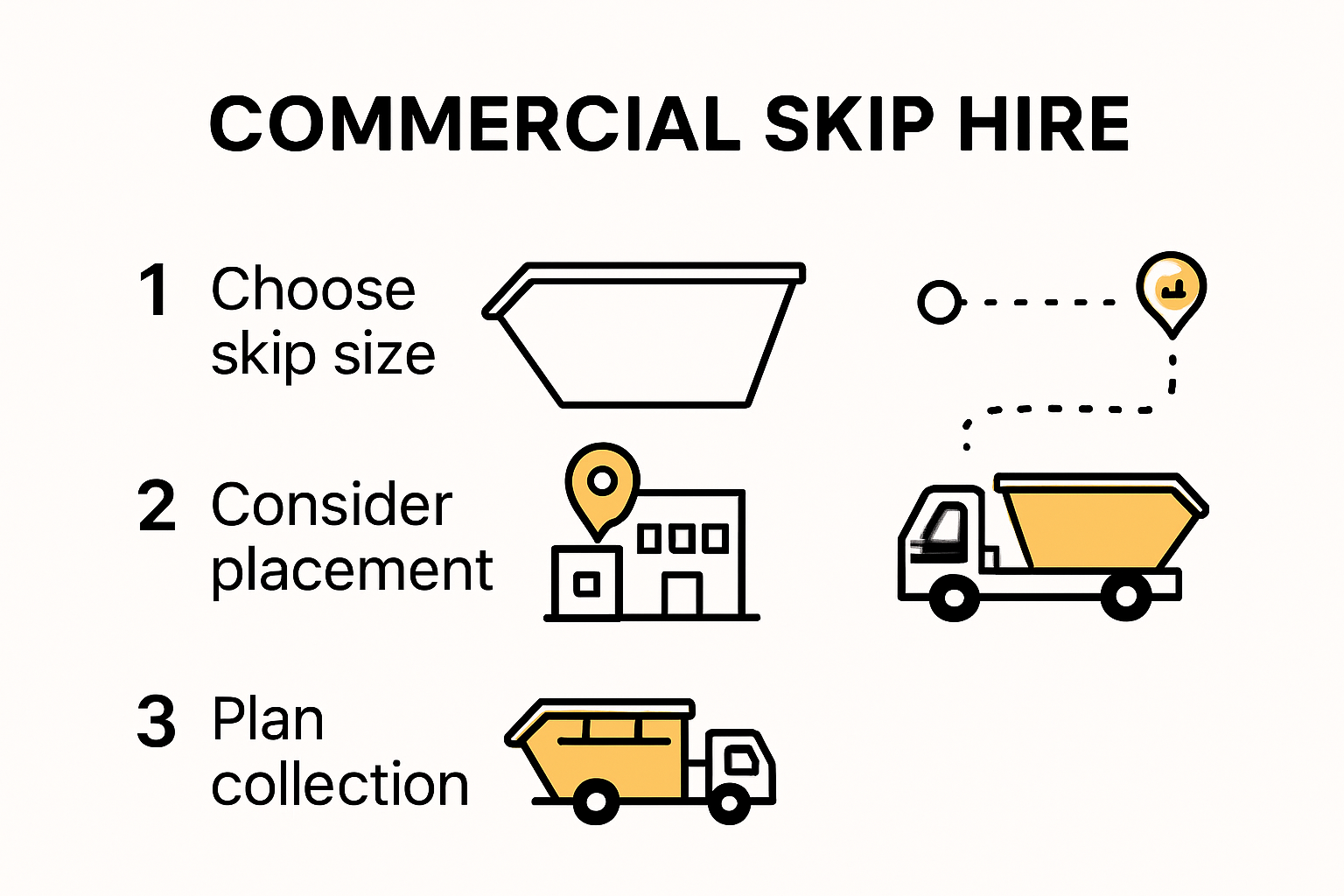
Optimizing waste collection logistics represents a significant opportunity for businesses to reduce costs and improve operational effectiveness. Research demonstrates that strategic route planning and waste management can lead to substantial efficiency gains. Logistics Research Study indicates that advanced geographic information systems can dramatically reduce transportation time and environmental impact.
Strategic considerations for skip hire logistics include:
- Placement accessibility: Ensuring easy skip delivery and collection
- Site constraints: Evaluating physical space and loading requirements
- Frequency of collection: Matching skip hire frequency to waste generation patterns
Businesses should work closely with waste management providers to develop a tailored solution that addresses their unique operational needs. discover comprehensive skip hire strategies to streamline your waste management approach and enhance overall business efficiency.
By carefully evaluating waste composition, maintaining regulatory compliance, and optimizing logistical considerations, businesses can develop a robust skip hire strategy that supports both operational excellence and environmental responsibility.
Specialist Skip Hire: Hazardous and Confidential Waste
Businesses operating in sectors with complex waste streams require specialized skip hire solutions that address the unique challenges of hazardous and confidential waste disposal. Navigating the intricate regulatory landscape demands expert knowledge, stringent safety protocols, and a comprehensive understanding of legal requirements.
Hazardous Waste Management Protocols
Hazardous waste management represents a critical responsibility for businesses across various industries. UK Government Hazardous Waste Guidelines outline the comprehensive framework for safe and legal disposal of potentially dangerous materials. The Environment Agency emphasizes the importance of implementing rigorous waste management strategies that protect both human health and the environment.
Key considerations for hazardous waste skip hire include:
- Chemical compatibility: Ensuring proper segregation of different chemical waste types
- Containment standards: Using specialized containers that prevent leakage and contamination
- Safety documentation: Maintaining detailed waste transfer and tracking records
The Hazardous Waste Regulations impose strict requirements on businesses, mandating precise documentation and tracking of hazardous waste from production to final disposal. Companies must demonstrate a clear chain of custody and ensure that all waste is handled by licensed waste management professionals.
Confidential Waste Disposal Strategies
Businesses handling sensitive information face unique challenges in waste disposal. Legal firms, healthcare providers, financial institutions, and government contractors must implement robust confidential waste management protocols that guarantee complete information destruction. The skip hire process for confidential waste goes beyond physical disposal, requiring comprehensive security measures that protect sensitive data.
Essential elements of confidential waste skip hire include:
- Secure containment: Locked skips with restricted access
- Chain of custody: Detailed tracking of waste from collection to destruction
- Compliance certifications: Adherence to data protection regulations
Professional waste management services provide specialized solutions that address the complex needs of businesses dealing with sensitive information. These services ensure complete destruction of confidential documents, electronic media, and other potentially compromising materials.
Industry-Specific Waste Disposal Challenges
Different sectors present unique waste management requirements that demand tailored skip hire solutions. The Environment Agency’s Sector Guidance Note S5.06 provides comprehensive guidance for industries ranging from pharmaceutical manufacturing to healthcare and chemical processing.
Industry-specific considerations include:
- Healthcare: Specialized disposal of medical waste and pharmaceutical products
- Manufacturing: Management of chemical byproducts and industrial residues
- Technology: Secure destruction of electronic waste and sensitive data storage devices
Businesses must work closely with waste management experts to develop comprehensive disposal strategies that meet both regulatory requirements and industry-specific challenges. explore our detailed hazardous waste disposal guide to gain deeper insights into effective waste management practices.
Successful hazardous and confidential waste management requires a proactive approach that combines technical expertise, regulatory compliance, and a commitment to environmental and data protection standards. By selecting specialized skip hire services, businesses can mitigate risks and demonstrate their dedication to responsible waste disposal.
The following table summarises key protocols and considerations for managing hazardous and confidential waste, helping businesses ensure safety, compliance, and data protection.
| Waste Type | Key Protocols | Compliance/Regulatory Focus |
|---|---|---|
| Hazardous Waste | Chemical compatibility, sealed containers, safety documentation | Hazardous Waste Regulations, Environment Agency guidelines |
| Confidential Waste | Locked skips, chain of custody, data protection certifications | Data Protection laws, compliance certifications |
| Industry-Specific Waste | Special handling for sector (e.g., medical or electronic materials) | Sector-specific regulations (Healthcare, Manufacturing, Technology) |
Eco-Friendly and Legal Considerations for Facilities
Facilities management represents a critical intersection of environmental responsibility, legal compliance, and operational efficiency. Modern businesses must navigate increasingly complex waste management regulations while simultaneously demonstrating commitment to sustainable practices. The evolving landscape of environmental legislation demands a proactive and strategic approach to skip hire and waste disposal.
Regulatory Compliance and Environmental Standards
UK environmental regulations have become progressively stringent, requiring businesses to implement comprehensive waste management strategies. Environment Agency Guidelines outline detailed requirements for waste segregation, transportation, and disposal. Facilities must maintain meticulous documentation and demonstrate a clear commitment to reducing environmental impact.
Key regulatory considerations include:
- Waste Transfer Notes: Legally mandated documentation for all waste movements
- Recycling Quotas: Minimum recycling percentages for different waste categories
- Carbon Footprint Reporting: Mandatory emissions tracking for larger businesses
The legal framework surrounding waste management continues to evolve, with increasing penalties for non-compliance. Businesses must stay informed about current regulations and anticipate future legislative changes that could impact their waste disposal practices.
Sustainable Waste Management Strategies
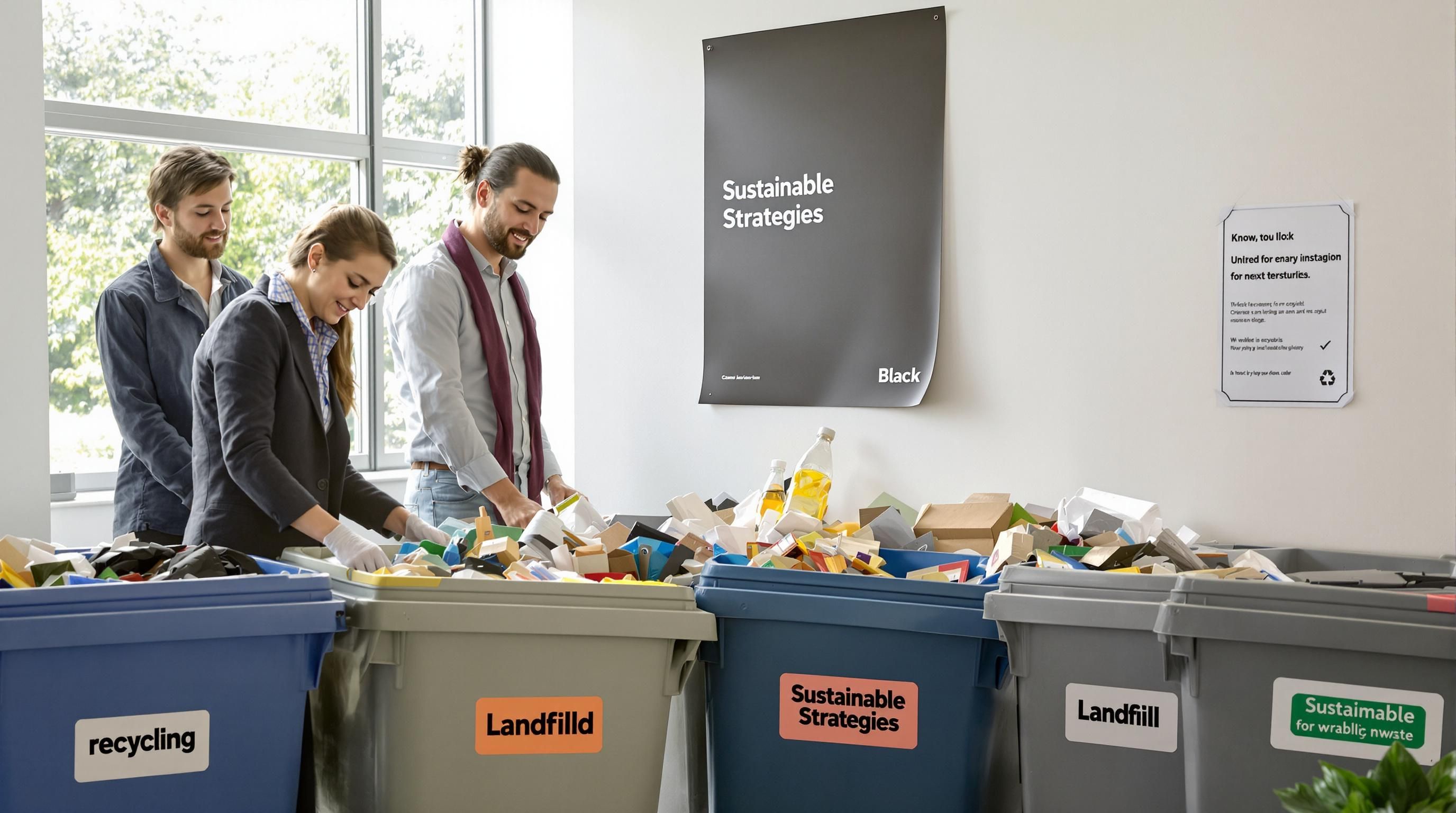
Environmental sustainability has transitioned from a optional consideration to a critical business imperative. UK Waste Management Research indicates that businesses can significantly reduce their environmental impact through strategic waste management approaches. This involves more than simply disposing of waste correctly it requires a holistic approach to resource management.
Effective sustainable waste management strategies include:
- Waste Reduction: Implementing processes to minimize waste generation
- Circular Economy Principles: Prioritizing reuse and recycling over disposal
- Energy Recovery: Exploring alternative waste processing methods
Businesses must view waste management as an opportunity for innovation and cost reduction, rather than a mere compliance requirement. This approach can lead to significant operational and environmental benefits.
Technology and Innovation in Waste Management
Technological advancements are revolutionizing facility waste management practices. Advanced tracking systems, AI-powered waste sorting technologies, and comprehensive waste management platforms are enabling more sophisticated and efficient approaches to skip hire and waste disposal.
Cutting-edge waste management technologies offer:
- Real-time Waste Tracking: Comprehensive monitoring of waste streams
- Predictive Analytics: Forecasting waste generation and optimizing collection
- Automated Sorting Systems: Improving recycling efficiency
Facilities can leverage these technological innovations to improve their environmental performance and operational efficiency. explore sustainable waste management solutions to understand how technology can transform your waste management approach.
The intersection of legal compliance, environmental responsibility, and technological innovation presents both challenges and opportunities for UK businesses. By adopting a proactive and strategic approach to skip hire and waste management, facilities can reduce their environmental impact, minimize legal risks, and potentially generate cost savings through more efficient waste handling practices.
Frequently Asked Questions
What types of skip hire options are available for UK businesses?
Businesses can choose from general waste skips, specialized industrial and hazardous waste skips, and construction and demolition waste skips, each designed for specific types of waste.
How do I assess the right skip size for my business’s waste?
Conduct a waste audit to evaluate the volume and composition of your waste. Understanding your waste generation patterns helps you select the appropriate skip size, minimizing costs and operational disruptions.
What are the environmental regulations regarding skip hire in the UK?
UK businesses must comply with strict environmental regulations that include waste segregation, legal documentation for waste transfer, and adherence to recycling quotas, as outlined by the Environment Agency.
How can technology aid in effective waste management for businesses?
Innovative technologies such as real-time waste tracking, predictive analytics, and automated sorting systems can enhance efficiency, optimise waste collection processes, and improve recycling rates.
Choose Smarter Skip Hire for Your Business Waste Needs
Are you struggling to balance the complexities of skip hire with tight regulations, sustainability targets, and everyday pressures? The challenges outlined above — from selecting the right skip type for industrial, general, or hazardous waste, to meeting legal and operational requirements — are exactly what many UK businesses are facing today. Searching for a service that protects your reputation, keeps your site compliant, and helps you reach your environmental goals? Explore our confidential waste solutions designed for secure and responsible waste handling.

The stakes are high and waiting could mean higher costs or even compliance issues. Venture Waste Management provides a simple three-step booking process, nationwide coverage, and tailored advice so you always get the most effective service for your waste stream. Take the next step now by visiting Venture Waste Management or browse more about our business waste solutions to experience fast, compliant, and environmentally responsible skip hire. Act today to protect your business and the environment.


Leave a Reply
Want to join the discussion?Feel free to contribute!