

Secure Shredding for Companies: A Step-by-Step Guide
Every business handles sensitive documents, but a single data breach can cost companies an average of £3.4 million in the UK. Secure shredding is much more than just tossing old papers in a bin. Proper destruction protects your reputation and ensures compliance with strict data protection laws. This guide breaks down key steps to help you confidently manage confidential information, from identifying what needs shredding to verifying every stage of the process.
Table of Contents
- Step 1: Assess Your Shredding Needs
- Step 2: Choose A Certified Shredding Provider
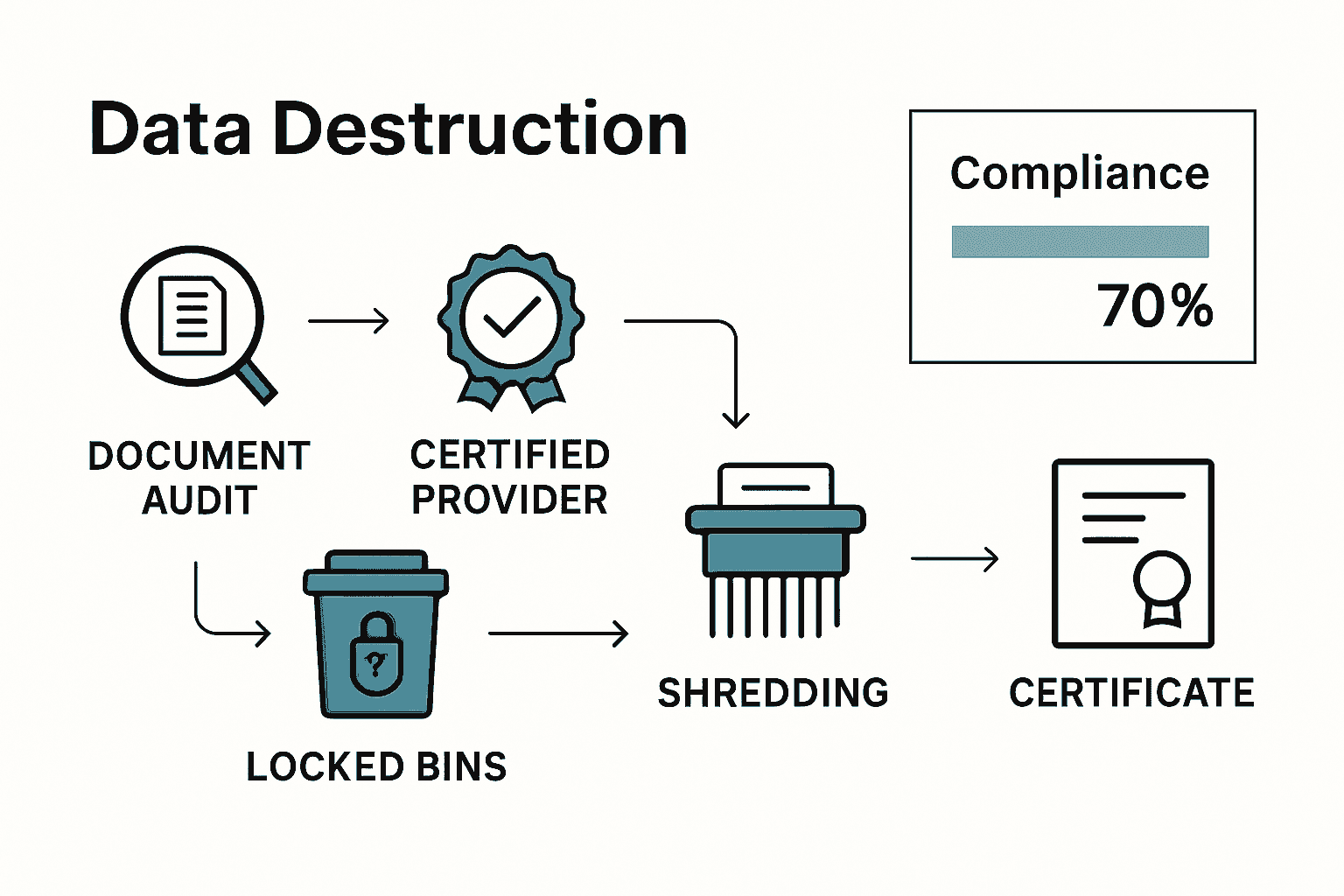
- Step 3: Set Up Secure Collection Procedures
- Step 4: Monitor Shredding Execution Onsite Or Offsite
- Step 5: Verify Destruction And Obtain Certification
Quick Summary
| Key Point | Explanation |
|---|---|
| 1. Assess document shredding needs first | Conduct a thorough audit of your documents to identify what needs secure destruction based on sensitivity and data protection regulations. |
| 2. Choose a certified shredding provider | Select a shredding service with industry certifications ensuring compliance with data protection standards for secure document destruction. |
| 3. Implement secure collection procedures | Use locked, tamper-evident bins for confidential documents and train employees on proper handling procedures to prevent data breaches. |
| 4. Monitor shredding execution diligently | Whether onsite or offsite, maintain oversight through contracts, audit checks, and obtain documentation to confirm complete destruction. |
| 5. Verify destruction and keep records | After shredding, obtain a destruction certificate and keep it filed for a minimum of two years as proof of compliance and secure disposal. |
Step 1: Assess your shredding needs
Understanding exactly what documents your business needs to securely destroy is the first critical step in developing an effective shredding strategy. As recommended by the Information Commissioner’s Office, creating a comprehensive retention schedule helps prevent unnecessary storage of sensitive personal information and determines the precise volume of documents requiring secure destruction.
To effectively assess your shredding needs, start by conducting a thorough audit of your current document management practices. Walk through each department and identify the types of documents generated such as financial records, employee files, client contracts, marketing materials, and internal correspondence. Pay special attention to documents containing personal or confidential information that could pose a data protection risk if not properly disposed of. The National Archives suggests using systematic assessment tools to evaluate your information management practices, which can help pinpoint exactly what needs secure shredding.
Pro tip: Create a document classification matrix that categorizes papers by sensitivity level, retention period, and required destruction method. This will streamline your shredding process and ensure you are meeting legal compliance standards for data protection.
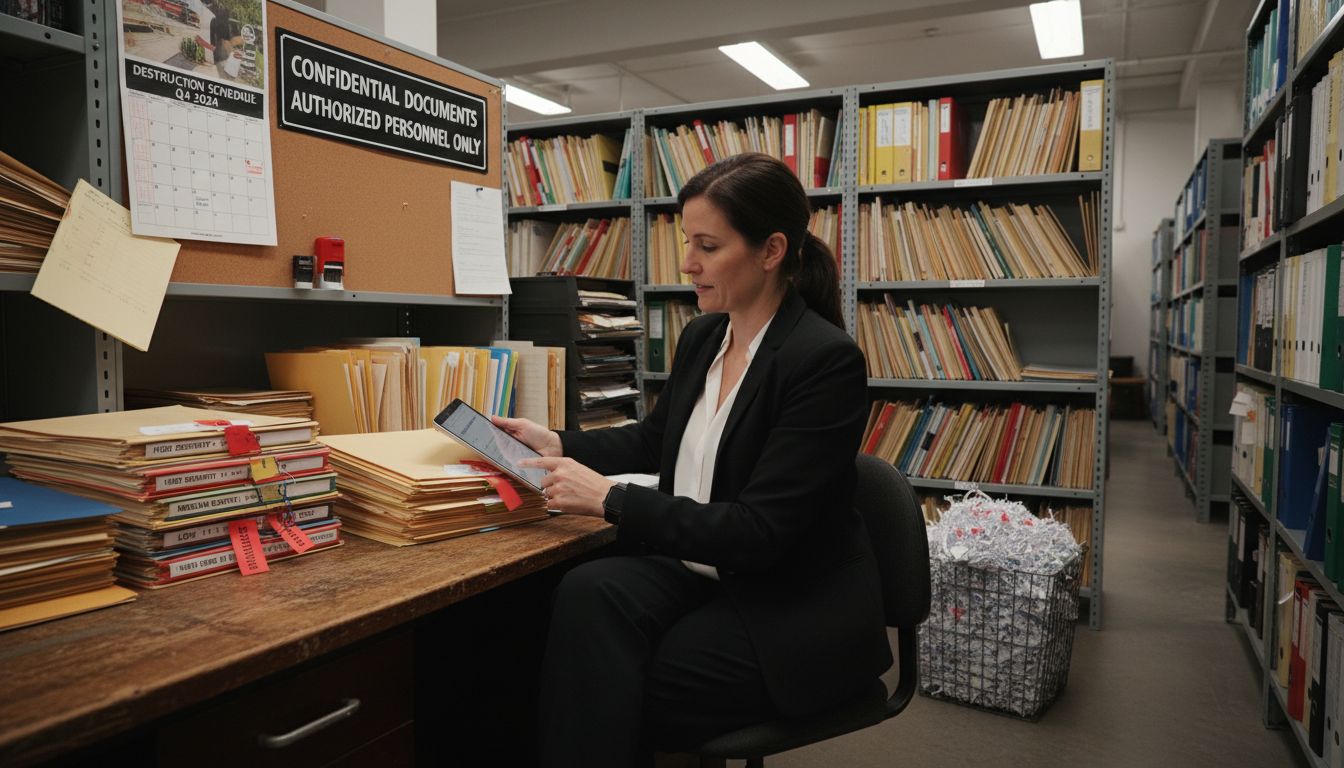 Once you have a clear understanding of your document landscape, you will be ready to move forward with selecting the most appropriate secure shredding solution for your business.
Step 2: Choose a certified shredding provider
Selecting the right certified shredding provider is crucial for ensuring the secure destruction of your sensitive business documents. When searching for a reliable partner, look for providers with robust industry certifications that demonstrate their commitment to data protection and security standards.
Carefully evaluate potential shredding providers based on key criteria. According to the National Physical Security Association, reputable providers like Shred Station hold multiple industry certifications that validate their secure destruction practices. Key factors to consider include ISO certifications, membership in professional organizations, and a transparent destruction process. You will want to request documentation of their certification levels, ask about their secure chain of custody procedures, and understand exactly how they handle and destroy confidential materials.
Pro tip: When choosing a shredding provider, request a detailed walkthrough of their destruction process and ask for references from businesses similar to yours. Off-site shredding versus secure mobile shredding can offer different advantages, so consider which option best meets your specific security and logistical requirements. Your goal is to find a provider that not only meets legal compliance standards but also gives you complete confidence in the secure handling of your sensitive business documents.
Step 3: Set up secure collection procedures
Establishing robust secure collection procedures is essential for protecting your company’s sensitive documents throughout the disposal process. This critical step ensures that confidential information remains secure from the moment it is identified for destruction until it is completely eliminated.
According to the Information Commissioner’s Office, implementing secure collection protocols begins with using locked waste bins specifically designed for records containing personal information. Each department should have dedicated secure collection containers that are tamper evident and restrict unauthorized access. These containers should be strategically placed in controlled areas, with clear guidelines about what types of documents can be deposited. How to store confidential waste safely requires careful planning to prevent potential data breaches and ensure compliance with data protection regulations.
Pro tip: Train all employees on proper document disposal procedures. Create a comprehensive policy that outlines exactly how sensitive materials should be handled, including guidelines for immediate secure storage of documents marked for destruction. This approach not only protects your business from potential data leaks but also demonstrates your commitment to maintaining the highest standards of information security.
Your next step will involve scheduling regular secure document collection to ensure sensitive materials do not accumulate unnecessarily in your workplace.
Step 4: Monitor shredding execution onsite or offsite
Monitoring the shredding process is a critical step in ensuring the complete and secure destruction of your sensitive business documents. Whether you choose onsite or offsite shredding, maintaining vigilance throughout the destruction process protects your company from potential data breaches and compliance risks.
According to the Information Commissioner’s Office, businesses must have appropriate contracts with third party disposal providers that include rigorous audit checks and destruction certificates. When monitoring shredding execution, request comprehensive documentation that confirms the complete destruction of your materials. On-site versus off-site shredding offers different levels of direct oversight, so choose a method that provides the most transparency and comfort for your organization. For onsite shredding, you can physically witness the destruction process, while offsite shredding requires meticulous documentation and chain of custody tracking.
Pro tip: Always request and retain a certificate of destruction after each shredding session. This document serves as legal proof that your confidential materials were securely and completely destroyed, protecting your business from potential future disputes or compliance challenges. By implementing these monitoring procedures, you create a robust system of accountability that demonstrates your commitment to data protection and regulatory compliance.
Step 5: Verify destruction and obtain certification
The final stage of secure document disposal involves thoroughly verifying the destruction process and obtaining official certification. This critical step provides your business with legal documentation and peace of mind that your sensitive materials have been completely and securely eliminated.
According to the Information Commissioner’s Office, businesses must maintain a comprehensive log of all confidential waste sent for destruction. When verifying the shredding process, request a detailed destruction certificate that includes specific information such as the date of destruction, volume of documents processed, method of destruction, and a unique reference number. Confidential document shredding processes can vary, so ensure your chosen provider offers transparent documentation that meets legal compliance standards.
Pro tip: Create a dedicated file to store all destruction certificates for a minimum of two years. This documentation serves as crucial evidence of your commitment to data protection, potentially protecting your business during audits or legal inquiries. By meticulously tracking and verifying the destruction of confidential materials, you demonstrate a proactive approach to information security and regulatory compliance.
Secure Your Business Data with Expert Shredding Solutions
Protecting your company’s sensitive information is a challenge every business must face. The risks of data breaches or compliance failures can feel overwhelming when it comes to confidential document disposal. This article has laid out the essential steps businesses should take, from assessing shredding needs to verifying destruction with certification. At Venture Waste, we understand these concerns and offer comprehensive services tailored to your exact shredding requirements.

Take control of your information security today by partnering with a certified provider that ensures secure handling, locked collections, and transparent destruction processes. Discover how our confidential waste solutions can simplify your compliance and protect your data. Visit Venture Waste now to learn more or explore our specialised hard drive destruction services for complete digital security. Don’t wait until risk turns into regret—secure your business with trusted shredding services designed for peace of mind.
Frequently Asked Questions
What steps should I take to assess my shredding needs for my company?
To assess your shredding needs, conduct a thorough audit of your document management practices. Identify types of documents across departments that require secure destruction, focusing on those with personal or confidential information.
How can I choose a certified shredding provider for my business?
Select a certified shredding provider by checking for industry certifications and asking for documentation related to their secure destruction practices. Request a detailed walkthrough of their shredding process to ensure they meet your security standards.
What secure collection procedures should I implement for sensitive documents?
Establish secure collection procedures by using locked bins for documents marked for destruction. Train employees on proper disposal habits to minimize risks associated with data breaches, ensuring these procedures are clearly outlined in a company policy.
How do I monitor the shredding execution to ensure compliance?
Monitor shredding execution by maintaining rigorous documentation and requesting destruction certificates from your provider. This verification ensures that your sensitive documents are securely destroyed and provides legal protection in case of future compliance checks.
What information should be included in the destruction certificate?
A destruction certificate should include the date of destruction, volume of documents processed, method of destruction, and a unique reference number. Retain this certificate as evidence of compliance and commitment to data protection for at least two years.
Recommended
- Confidential Document Shredding Process for UK Businesses 2025 – Venture Waste
- It makes sense for your business to shred everything – and here’s why…
- Understanding Secure Document Disposal: Why It Matters –
- How to Recycle Old Electronics: A Step-by-Step Guide – buy2fix


Leave a Reply
Want to join the discussion?Feel free to contribute!