

Recycling vs Landfill – How New UK Law Affects Schools
Facilities teams in schools across the United Kingdom face growing pressure to separate waste correctly and reduce what ends up in landfill. With the UK Government’s Simpler Recycling policy now defining recycling and landfill more clearly, schools must rethink old habits to meet new expectations. This guide helps facilities managers understand the crucial differences between recycling and landfill disposal while offering practical solutions for compliance, cost control and environmental leadership.
Table of Contents
- Recycling And Landfill Defined Clearly
- Types Of Recycling And Landfill Sites
- Environmental And Health Impacts Explained
- Legal Obligations For Uk Institutions In 2026
- Cost Implications And Process Challenges
- Choosing Recycling: Practical Solutions For Schools
Key Takeaways
| Point | Details |
|---|---|
| Recycling vs Landfill | Schools must prioritise recycling over landfill to minimise environmental impact and adhere to UK regulations. |
| Legal Obligations | By 2026, educational institutions will face mandatory separate waste collections and specific waste management protocols. |
| Cost and Process Challenges | Implementing new recycling regulations entails financial investments and operational restructuring that require strategic planning. |
| Educational Role | Schools can integrate recycling education into their curriculum, fostering a culture of sustainability among students and staff. |
Recycling and landfill defined clearly
Understanding the fundamental differences between recycling and landfill disposal is essential for schools navigating the evolving waste management landscape in the United Kingdom. Government recycling policies have clarified these definitions, providing crucial guidance for educational institutions.
Recycling represents a proactive approach to waste management, involving the systematic collection and processing of specific materials for reuse. According to recent UK regulations, recyclable materials typically include:
- Paper and cardboard
- Plastic containers
- Metal packaging
- Glass bottles and jars
- Food waste (collected separately)
In contrast, landfill disposal represents the final destination for non-recyclable waste materials that cannot be repurposed or transformed. Recycling rates in the United Kingdom demonstrate a growing commitment to reducing landfill dependency, with households achieving approximately 44% recycling rates in 2022.
To clarify the differences, here’s a comparison of recycling and landfill impacts for UK schools:
| Aspect | Recycling | Landfill |
|---|---|---|
| Environmental Effect | Reduces resource demand | Increases pollution risk |
| Long-term Cost | Lower disposal fees over time | Higher remediation expenses |
| Regulatory Trend | Increasing requirements | Strict limitations being enforced |
| Educational Value | Teaches sustainability | Missed learning opportunity |
The UK Government’s Simpler Recycling policy introduces a standardised approach, recommending four primary waste collection containers to simplify waste segregation across households and institutions. Schools play a critical role in this environmental strategy by implementing robust waste management practices that prioritise recycling over landfill disposal.
Pro tip: Develop a comprehensive waste sorting system in your school that clearly labels recycling bins and educates students about proper waste segregation techniques.
Types of recycling and landfill sites
The United Kingdom’s waste management infrastructure encompasses diverse recycling and landfill site types, each designed to address specific environmental and waste processing challenges. UK recycling collections now mandate comprehensive waste segregation strategies that distinguish between different material categories.
Recycling sites are typically categorised into several specialised processing facilities:
- Material Recovery Facilities (MRFs) for sorting recyclable materials
- Organic waste processing centres for food and garden waste
- Specialist electronic waste recycling units
- Glass and metal recycling centres
- Plastic reprocessing plants
Landfill sites in the United Kingdom represent a more complex waste management solution, with multiple classifications based on environmental impact and waste composition. Modern landfill technologies have evolved to minimise environmental damage through advanced engineering techniques.
These landfill sites are strategically designed with sophisticated environmental protection mechanisms, including:
- Impermeable ground liners
- Leachate collection systems
- Methane gas capture infrastructure
- Comprehensive groundwater monitoring
- Engineered containment structures
By 2027, the UK’s waste management landscape will further transform, with new regulations mandating separate collection of plastic film packaging and enhanced recycling infrastructure across local authorities.
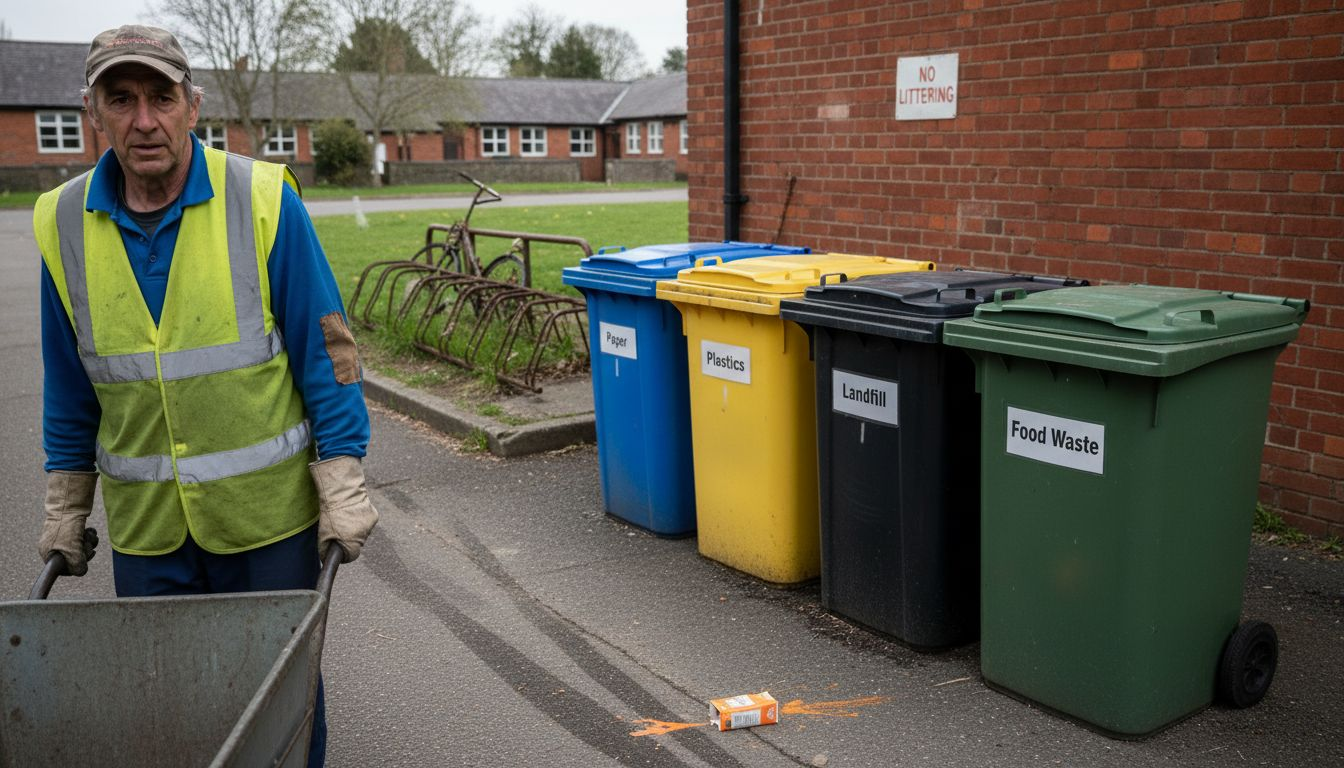
Pro tip: Conduct a comprehensive waste audit in your school to identify opportunities for more effective material segregation and recycling.
Environmental and health impacts explained
The environmental consequences of waste management extend far beyond simple disposal, with profound implications for public health and ecosystem sustainability. Government waste reforms highlight the critical need to address the long-term impacts of landfill and recycling practices.
Landfill waste presents several significant environmental challenges:
- Methane generation contributing to greenhouse gas emissions
- Soil contamination from chemical leaching
- Groundwater pollution through toxic waste infiltration
- Biodiversity disruption in surrounding ecosystems
- Air quality degradation from decomposition processes
Local government waste strategies emphasise the importance of understanding how waste management directly impacts environmental and human health. The accumulation of non-recycled materials creates a cascading effect of environmental damage, threatening both local and global ecological systems.
The health implications are equally profound. Toxic substances from improperly managed waste can enter food chains, water systems, and atmospheric cycles, potentially causing long-term health risks including:
- Respiratory diseases from air pollution
- Potential carcinogenic exposures
- Water-borne illnesses
- Compromised immune system functioning
- Increased risk of environmental-related chronic conditions
By prioritising recycling and implementing stringent waste management protocols, schools can play a crucial role in mitigating these environmental and health risks, contributing to broader sustainability efforts and protecting community well-being.
Pro tip: Implement a comprehensive environmental education programme that demonstrates the direct connection between waste management practices and community health.
Legal obligations for UK institutions in 2026
From 2026, UK educational institutions will face significant waste management regulatory changes that fundamentally transform their waste handling responsibilities. These new regulations represent a comprehensive approach to standardising recycling practices across schools and other public sector organisations.
Key legal requirements for institutions include:
- Mandatory separate waste collections
- Specific bin configurations for different waste types
- Digital waste tracking protocols
- Accurate waste segregation procedures
- Comprehensive reporting mechanisms
Government waste management regulations stipulate precise obligations for institutions, with critical deadlines and compliance expectations. Larger educational establishments with more than 10 employees will need to implement these changes earlier, starting from 2025.
The regulatory framework introduces several critical compliance mechanisms:
- Separate collection of food waste
- Segregation of dry recyclable materials
- Distinct glass waste streams
- Clear labelling of waste containers
- Documented waste management procedures
Non-compliance could result in substantial financial penalties and potential legal consequences, making it imperative for schools to proactively adapt their waste management infrastructure and staff training programmes.
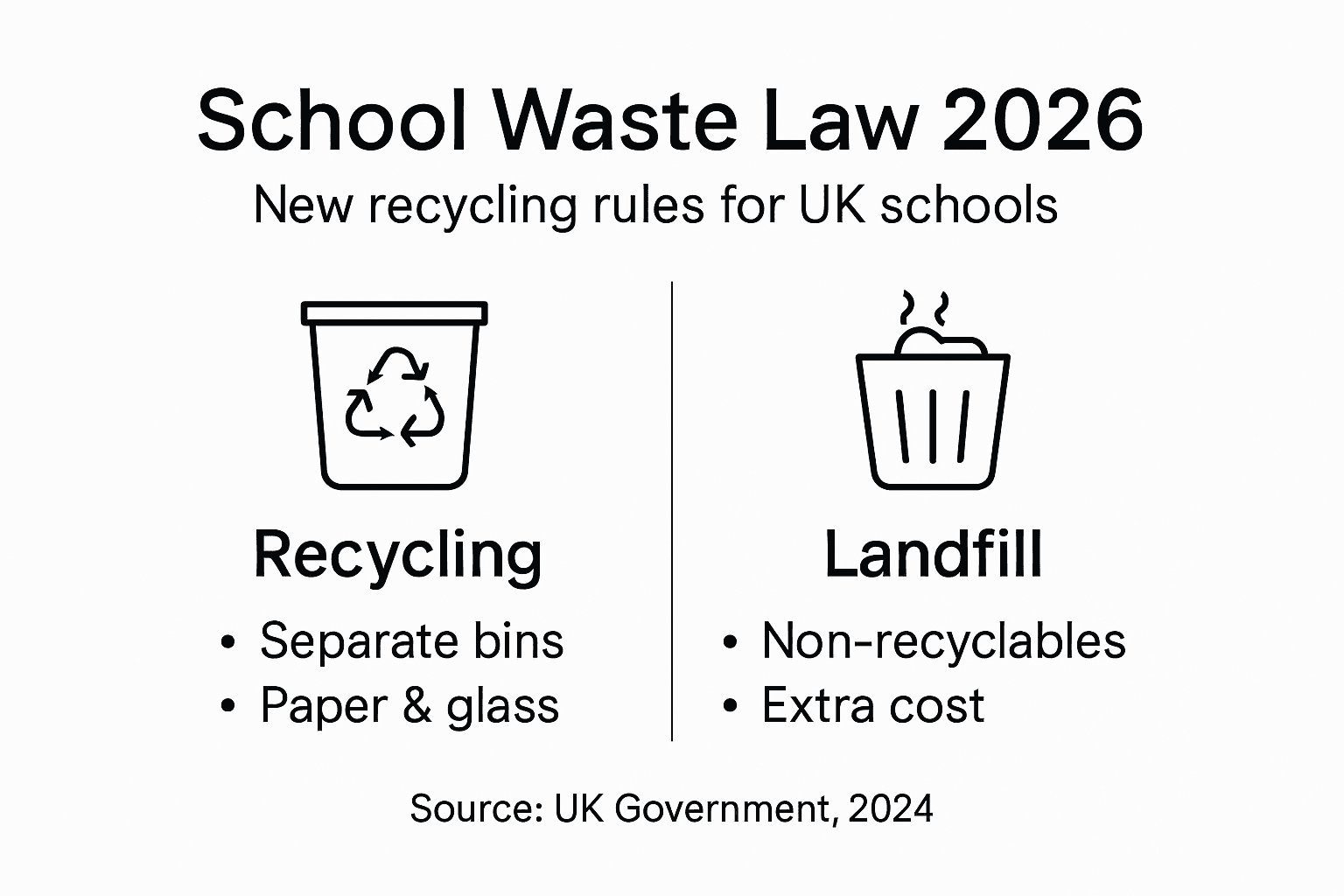
Pro tip: Conduct a comprehensive institutional waste audit now to identify and address potential compliance gaps before the 2026 regulations take effect.
Cost implications and process challenges
Schools across the United Kingdom face substantial financial and operational challenges with the implementation of new recycling regulations. These transformative waste management requirements demand significant investment and strategic planning from educational institutions.
Key financial challenges include:
- Infrastructure upgrade costs
- New waste collection bin investments
- Staff training expenses
- Potential revenue stream disruptions
- Compliance monitoring overheads
Simpler Recycling policy updates introduce complex implementation challenges that extend beyond mere financial considerations. Institutions must navigate intricate operational transitions while maintaining educational continuity and budgetary constraints.
The process challenges are multifaceted, requiring comprehensive strategies:
- Redesigning existing waste management protocols
- Educating staff and students about new segregation requirements
- Developing robust tracking and reporting mechanisms
- Adapting procurement and supply chain practices
- Implementing digital waste management technologies
Moreover, schools must balance these regulatory requirements with limited financial resources, potentially necessitating creative funding solutions and phased implementation approaches to manage the transition effectively.
Here is a summary of common process and cost challenges facing schools during recycling transitions:
| Challenge Type | Example | Potential Solution |
|---|---|---|
| Financial | New container investments | Seek local council grants |
| Operational | Retraining staff | Implement phased training sessions |
| Technological | Digital tracking adoption | Partner with IT providers |
| Logistical | Reporting compliance | Integrate reporting software |
Pro tip: Develop a multi-year financial and operational transition plan that anticipates potential implementation challenges and allocates resources strategically.
Choosing recycling: practical solutions for schools
Navigating the new recycling landscape requires strategic planning and comprehensive implementation across educational institutions. Simpler Recycling guidance provides a clear framework for schools to transform their waste management approaches effectively.
Practical strategies for successful recycling implementation include:
- Conducting comprehensive waste audits
- Creating dedicated recycling stations
- Developing clear visual signage
- Implementing student training programmes
- Establishing waste monitoring systems
Sustainability blogs recommend integrating recycling education directly into the curriculum, transforming waste management from a procedural requirement into a learning opportunity for students.
Schools can adopt a systematic approach to recycling by:
- Installing colour-coded waste collection points
- Creating student-led sustainability committees
- Tracking and reporting waste segregation metrics
- Engaging waste management providers collaboratively
- Implementing digital tracking technologies
Successful recycling programmes require ongoing commitment, cultural change, and a whole-school approach that empowers students and staff to become active environmental stewards.
Pro tip: Develop an engaging, interactive recycling education programme that transforms waste management from a compliance requirement into an exciting learning experience.
Take Control of Your School’s Waste Management with Venture Waste
Schools across the United Kingdom face real challenges adapting to the new recycling regulations coming into force in 2026. From mandatory separate collections to strict compliance monitoring, the shift away from landfill disposal means you need reliable waste management partners who understand your unique needs. Venture Waste offers comprehensive solutions designed to simplify this transition while ensuring full legal compliance and environmental care.

Act now to streamline your school’s waste processes by choosing services that cover both recycling and general waste collection. Explore how our waste collection network in UK businesses adapts to evolving policies and discover practical tools like balers to improve recycling efficiency in our Baler Archives. Visit Venture Waste today to start your easy three-step booking process and ensure your school meets the new standards confidently and responsibly.
Frequently Asked Questions
What are the key differences between recycling and landfill disposal for schools?
Recycling involves the collection and processing of materials for reuse, reducing environmental impact and costs over time. In contrast, landfill disposal is the final destination for non-recyclable waste, contributing to pollution and higher long-term costs.
What types of materials are recyclable in UK schools?
Recyclable materials typically include paper, cardboard, plastic containers, metal packaging, glass bottles, jars, and food waste, which should be collected separately to promote effective waste management.
What new legal obligations will schools face regarding waste management?
From 2026, schools will be required to implement mandatory separate waste collections, specific bin configurations, and digital waste tracking protocols, all aimed at improving recycling practices and compliance.
How can schools effectively implement recycling practices?
Schools can effectively implement recycling by conducting waste audits, creating dedicated recycling stations, developing clear signage, training students, and establishing waste monitoring systems to promote sustainability and compliance.
Recommended
- Waste Collection Process in the UK for Businesses 2025 – Venture Waste
- How Schools Can Manage Broken Electrical Equipment Without Breaking the Rules – Venture Waste
- Waste Management News UK 2025: What Businesses Need to Know – Venture Waste
- Waste Disposal Fines UK 2025: What Every Business Must Know – Venture Waste
- Ekologické upratovanie kancelárií: Trend alebo biznis nutnosť?
- 7 Smart Ways to Use Eco Friendly Pet Food Packaging – Ultimate Pet Foods


Leave a Reply
Want to join the discussion?Feel free to contribute!