

Recycling Hazardous Materials: Safe Disposal for UK Businesses 2025

Recycling hazardous materials is set to become a serious test for UK businesses in 2025. New regulations demand that every business correctly classifies and documents its hazardous waste, and from March, compliance failures could result in fines that dwarf previous years. Here is where things get interesting. Over 80 percent of UK businesses still do not have comprehensive hazardous waste management protocols in place. Most believe regular bin collection and a few warning stickers are enough. In reality, what separates the companies that thrive from those that face costly penalties is not just ticking paperwork boxes. It is building smart systems and staff training that make hazardous waste a strategic advantage — not a regulatory headache.
Table of Contents
- Understanding Hazardous Waste In Your Business
- Safe Collection And Storage Best Practices
- Expert Solutions For Recycling Hazardous Materials
- Legal Duties And Compliance For UK Organisations
Quick Summary
| Takeaway | Explanation |
|---|---|
| Proper classification of hazardous waste is essential | Businesses must accurately identify and classify hazardous waste to ensure its safe and compliant disposal, as per government guidelines. |
| Improved documentation and traceability are required | Detailed documentation, including consignment notes and waste transfer records, is crucial for regulatory compliance and demonstrates commitment to responsible waste handling. |
| Implement robust storage and safety protocols | Adequate storage solutions must protect against environmental exposure and theft, while ensuring staff are trained on emergency response and safe handling procedures. |
| Comply with new regulations by 2025 | UK businesses must adhere to stringent waste management regulations coming into effect from 31 March 2025, focusing on sustainable disposal practices and increased recycling rates. |
| Invest in staff training and expert solutions | Comprehensive staff education on waste management processes is vital, along with utilisation of advanced recycling technologies to meet legal requirements and enhance environmental stewardship. |
Understanding Hazardous Waste in Your Business
Businesses across the United Kingdom generate various types of waste that require specialised handling and disposal. Hazardous waste represents a critical category of materials that pose potential risks to human health and the environment if not managed correctly.
Defining Hazardous Waste
Hazardous waste encompasses materials containing substances that can be harmful, dangerous, or potentially toxic. These materials require careful identification, segregation, and disposal to prevent environmental contamination and protect public safety. According to government waste management guidelines, businesses must accurately classify their waste streams to ensure proper treatment.
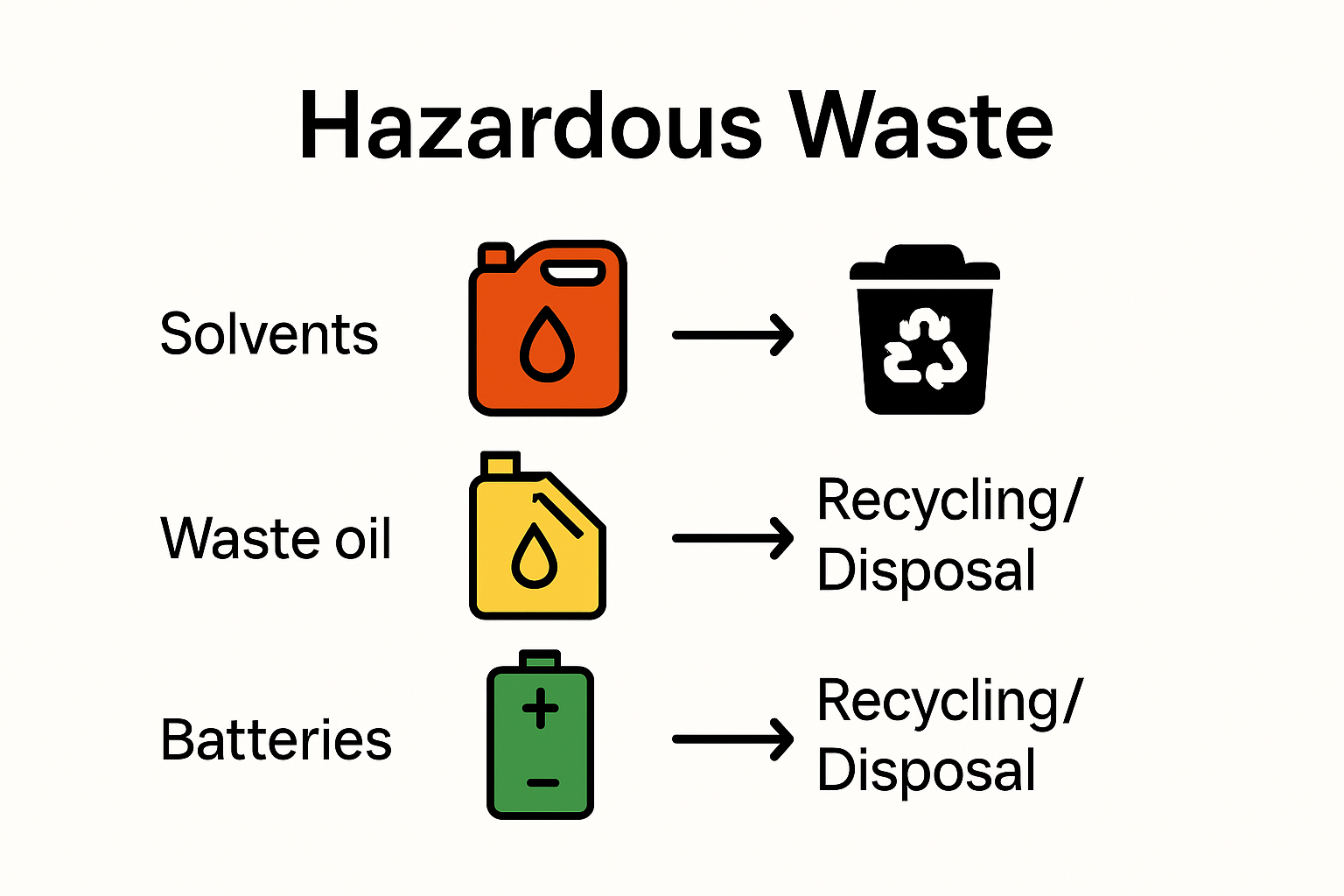
Typical examples of hazardous waste include:
- Chemical waste: Solvents, pesticides, and industrial cleaning agents
- Electronic waste: Computers, batteries, and electrical equipment containing toxic components
- Medical waste: Contaminated sharps, pharmaceutical residues, and infectious materials
- Automotive waste: Used oils, brake fluids, and automotive batteries
Legal Requirements for Hazardous Waste Management
From 31 March 2025, UK businesses will face more stringent regulations surrounding hazardous waste management. New commercial waste management rules will emphasise sustainable disposal practices, requiring organisations to improve recycling rates and minimise landfill contributions.
Businesses must now adhere to several critical legal obligations:
- Accurate waste classification and documentation
- Using only authorised waste carriers
- Maintaining detailed waste transfer records
- Implementing proper storage and handling procedures
Risk Assessment and Responsible Management
Effective hazardous waste management begins with comprehensive risk assessment. Companies must systematically evaluate their waste streams, identifying potential environmental and health risks associated with different materials. This process involves detailed documentation, staff training, and implementing robust waste segregation protocols.
To support businesses in this complex landscape, our comprehensive hazardous waste disposal guide provides in-depth insights into navigating these regulatory requirements. Understanding these obligations is not just about legal compliance but represents a fundamental commitment to environmental stewardship and workplace safety.
The financial and reputational consequences of improper hazardous waste management can be substantial. Businesses failing to comply with regulations may face significant fines, potential legal action, and damage to their corporate reputation. Proactive, responsible waste management is therefore not just an regulatory requirement but a strategic business imperative.
Safe Collection and Storage Best Practices
Managing hazardous waste requires meticulous attention to collection and storage protocols. UK businesses must implement rigorous systems to protect human health, environmental safety, and maintain legal compliance.
Proper Container Selection and Segregation
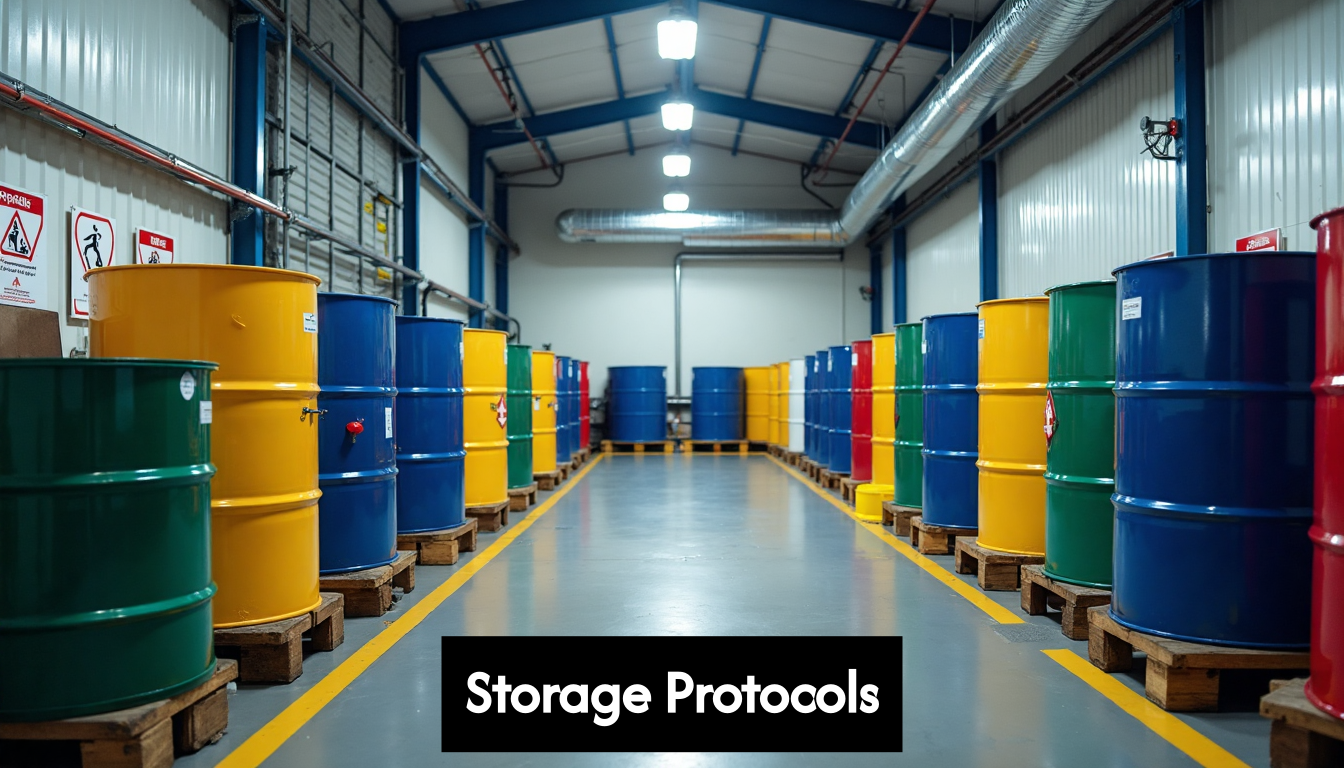
Selecting appropriate containers is the first critical step in hazardous waste management. According to UK waste management regulations, businesses must use specialised containers that are:
- Chemical resistant: Preventing potential reactions or material degradation
- Leak proof: Stopping potential contamination
- Clearly labelled: Indicating specific waste type and associated risks
- Colour coded: Enabling quick identification of different waste streams
Segregation remains paramount. Different hazardous waste types must never be mixed, as this can create dangerous chemical reactions or compromise potential recycling processes. Dedicated storage areas with restricted access help minimise cross-contamination risks.
Documentation and Traceability
Comprehensive documentation forms the backbone of safe hazardous waste management. Every waste collection requires precise record-keeping. Business waste experts recommend maintaining detailed consignment notes that track:
- Exact waste type and quantity
- Collection date
- Waste carrier details
- Disposal or recycling destination
These records serve multiple purposes beyond regulatory compliance. They provide a transparent audit trail, support internal risk management, and demonstrate your organisation’s commitment to responsible waste handling.
Safe Storage Protocols
Storage represents a critical control point in hazardous waste management. Businesses must establish secure storage areas that protect against environmental exposure, potential theft, and accidental spillage. Industry guidelines recommend implementing storage solutions that:
- Provide adequate ventilation
- Maintain appropriate temperature controls
- Include spill containment mechanisms
- Restrict unauthorized personnel access
When storage duration extends beyond immediate collection, regular inspections become crucial. Staff training on emergency response procedures and potential containment strategies helps mitigate potential risks.
Our comprehensive waste management guide offers deeper insights into developing robust hazardous waste management strategies. By prioritising safe collection and storage practices, businesses not only comply with regulations but also demonstrate environmental responsibility and protect workplace safety.
Expert Solutions for Recycling Hazardous Materials
Navigating the complex landscape of hazardous waste recycling requires strategic expertise and a comprehensive approach. UK businesses must now adopt sophisticated solutions that balance regulatory compliance with environmental responsibility.
Waste Auditing and Material Identification
Successful hazardous materials recycling begins with thorough waste auditing. Environment Act 2021 guidelines emphasise the critical importance of systematic waste stream analysis. Businesses must conduct detailed assessments to:
- Identify specific hazardous materials in their waste stream
- Categorise recyclable components
- Determine appropriate treatment methods
- Evaluate potential circular economy opportunities
Professional waste auditors can help organisations develop targeted recycling strategies that minimise environmental impact and reduce disposal costs. This process involves comprehensive mapping of waste generation points and potential material recovery pathways.
Specialised Recycling Technologies
Advanced recycling technologies have transformed hazardous waste management. According to industry waste regulation experts, emerging solutions now enable more sophisticated material recovery. These technologies include:
- Chemical decomposition processes
- High-temperature material separation
- Molecular reconstitution techniques
- Advanced filtration and extraction methods
These innovative approaches allow businesses to extract valuable materials from complex waste streams while ensuring environmental safety and regulatory compliance.
Staff Training and Organisational Compliance
Implementing effective hazardous waste recycling extends beyond technological solutions. Workplace recycling regulations mandate comprehensive staff education and robust internal processes. Key training components include:
- Understanding waste classification
- Proper segregation techniques
- Safe handling protocols
- Reporting and documentation requirements
Our comprehensive waste management guide provides in-depth insights into developing effective organisational strategies. By investing in staff knowledge and implementing systematic approaches, businesses can transform hazardous waste management from a compliance obligation into a strategic environmental opportunity.
The future of hazardous waste management lies in holistic approaches that integrate technological innovation, regulatory compliance, and organisational commitment to sustainable practices. Businesses that proactively develop sophisticated recycling solutions will not only meet legal requirements but also contribute to broader environmental conservation efforts.
Legal Duties and Compliance for UK Organisations
Navigating the complex landscape of hazardous waste regulations requires UK organisations to implement robust compliance strategies. The legal framework governing waste management continues to evolve, placing increasing responsibilities on businesses to manage their environmental impact effectively.
Duty of Care Responsibilities
UK government regulations establish a comprehensive “duty of care” for businesses handling hazardous materials. This legal obligation extends beyond mere disposal and encompasses the entire lifecycle of hazardous waste. Organisations must demonstrate proactive management by:
- Accurately identifying and classifying hazardous waste
- Preventing potential environmental contamination
- Ensuring safe and legal transportation
- Maintaining detailed documentation
- Selecting authorised waste carriers
Failure to meet these requirements can result in significant financial penalties and potential legal prosecution. The responsibility begins from the moment waste is generated and continues until its final, environmentally responsible disposal.
Regulatory Oversight and Reporting
Strict regulatory frameworks require businesses to work closely with official bodies. Waste management experts highlight the critical role of agencies like the Environment Agency and Health and Safety Executive (HSE) in monitoring compliance. Key reporting requirements include:
- Completing comprehensive consignment notes
- Maintaining accurate waste transfer records
- Providing detailed waste classification documentation
- Regular reporting of waste streams and disposal methods
Organisations must develop systematic approaches to track and report their hazardous waste management processes, ensuring transparency and accountability.
Compliance Strategies and Risk Management
Effective legal compliance goes beyond mere documentation. Workplace waste regulations mandate a holistic approach to waste management that integrates legal, environmental, and operational considerations. Businesses should:
- Conduct regular internal audits
- Implement comprehensive staff training programmes
- Develop clear waste management protocols
- Invest in technological solutions for tracking and managing waste
Our comprehensive compliance guide offers in-depth insights into navigating these complex regulatory requirements. By adopting a proactive approach, organisations can transform legal compliance from a challenging obligation into a strategic opportunity for environmental stewardship.
The landscape of hazardous waste management continues to evolve, with increasingly stringent regulations reflecting a growing commitment to environmental protection. Businesses that anticipate and exceed these legal requirements will not only avoid potential penalties but also position themselves as responsible corporate citizens committed to sustainable practices.
Frequently Asked Questions
What are hazardous materials in the UK?
Hazardous materials in the UK refer to waste substances that can pose risks to human health and the environment, including chemicals, electronic waste, medical waste, and automotive waste. Proper classification and management are essential for safe disposal.
What are the legal requirements for hazardous waste management in the UK?
From 31 March 2025, UK businesses must adhere to regulations that require accurate classification of hazardous waste, appropriate documentation, the use of authorised waste carriers, and proper storage and handling procedures to ensure compliance and environmental safety.
How should hazardous waste be stored safely?
Hazardous waste should be stored in suitable, chemical-resistant containers that are leak-proof and clearly labelled. Storage areas must be ventilated, temperature-controlled, and restrict access to unauthorized personnel to prevent contamination and accidents.
Why is staff training important for hazardous waste management?
Staff training is crucial for ensuring employees understand proper waste classification, segregation techniques, and safe handling protocols. Comprehensive education fosters compliance with regulations and enhances workplace safety, thereby minimising the risk of accidents and legal penalties.
Make Hazardous Waste Compliance Easy for 2025
The countdown to new hazardous waste regulations is on, and your business cannot afford to fall behind. With stricter rules, tougher fines, and more complex documentation requirements, many UK companies are worried about avoiding legal pitfalls and keeping their staff safe. If you struggle to keep up with safe storage protocols, official paperwork, or responsible recycling, you are not alone. One missing record or improper container could put your business at serious risk. For those handling electronics and toxic equipment, see how our WEEE Waste Recycling Solutions offer hassle-free, fully compliant management for electrical and hazardous materials.

Join the businesses that are already turning regulatory challenges into a strategic win. Whether you need professional advice, secure transport, or reliable collection, Venture Waste Management is ready to guide you through every step. Book with us today to guarantee compliance and protect your reputation before the March 2025 deadline. Take control of your hazardous waste now—your peace of mind starts here.


Leave a Reply
Want to join the discussion?Feel free to contribute!