

Rebates for Waste Materials: How Valuable Is the Waste You Produce? If You Have Enough to Bale, You Have Enough to Sell
Every year British businesses throw away tonnes of what they call waste without a second thought. Then comes a surprise. Recycling and reuse of materials created 681000 jobs and £30 billion in wages and tax revenue in just one year according to the EPA. But the real shock is most companies never realise that if you produce enough to fill a bale you likely have enough to sell and turn what was once rubbish into real profit.
Table of Contents
- Understanding Waste Value And Rebates
- Which Types Of Waste Can Be Sold?
- How Baling Maximises Your Waste Profits
- Steps To Claim Rebates For Your Business
Quick Summary
| Takeaway | Explanation |
|---|---|
| Understanding waste value can increase profit. | Proper management and recycling of waste can turn costs into revenue streams for businesses. |
| High-value recyclable materials are key assets. | Focus on metals, clean paper, and electronics since they command better prices in the recycling market. |
| Baling enhances financial returns on waste. | Compressing waste materials into bales makes them easier to handle and increases their market value. |
| Document and sort materials meticulously. | Accurate sorting and cleaning of waste materials ensures maximised rebate potential and higher sales prices. |
| Regularly assess market conditions for waste. | Understanding recycling market trends helps businesses negotiate better deals and optimise revenue from waste materials. |
Understanding Waste Value and Rebates
Waste materials are no longer just discarded items but potential revenue streams for businesses across the North East. From Newcastle to Durham, companies are discovering that their waste can generate significant financial returns when properly managed and processed.
The Economic Potential of Recyclable Waste
Understanding waste value reveals a compelling economic opportunity for businesses. According to the EPA, millions of tons of recyclable materials like paper, metals, and plastics are recovered annually, creating substantial economic value. The key to maximising this potential lies in proper sorting and baling.
Baled materials command higher prices in the recycling market. When businesses compress and package their waste materials consistently and cleanly, they transform potential landfill content into valuable commodities. The National Renewable Energy Laboratory’s 2020 report highlights that sorted and baled recyclables particularly metals and paper maintain significantly higher market value, making them attractive for direct sale or rebate programmes.
Calculating Waste Material Value
Determining the value of waste materials involves several critical factors. Volume is paramount businesses generating substantial quantities of consistent recyclable materials are best positioned to benefit. Metals like aluminium and copper typically fetch the highest prices, followed by clean paper products and certain plastics.
Factors influencing waste material value include:
- Material Purity: Cleaner, less contaminated materials command higher prices
- Market Demand: Current recycling market trends impact material values
- Processing Requirements: Materials needing minimal processing are more valuable
- Quantity: Larger volumes generally translate to better rebate rates
Businesses in industrial areas like Sunderland and Middlesbrough can particularly benefit from understanding these dynamics. By implementing strategic waste management practices, organisations can transform waste from a cost centre into a potential revenue stream.
The economics of waste rebates are clear: if you generate enough material to bale, you likely have enough to sell. Partnering with professional waste management services can help businesses navigate this complex but potentially lucrative landscape of waste material monetisation.
Which Types of Waste Can Be Sold?
Not all waste is created equal, and understanding which materials hold economic value is crucial for businesses looking to transform their waste management strategy. By identifying the right types of waste, organisations can turn potential landfill content into profitable resources.
High-Value Recyclable Materials
Certain waste materials consistently demonstrate significant market value. According to the EPA, common recyclable materials that can generate revenue include:
To help businesses understand the comparative market values and requirements for different types of waste materials, the following table summarises key recyclable waste types, their typical value, and preparation requirements:
| Waste Material Type | Typical Market Value | Preparation Requirement |
|---|---|---|
| Metals (Aluminium, Copper, Steel, Brass) | High | Clean, sorted, free from contaminants |
| Paper Products (Cardboard, Office Paper, Newspaper) | Moderate | Clean, dry, uncontaminated |
| Plastics (HDPE, PET, Clean Industrials) | Moderate to High | Sorted by type, free from residue |
| Electronic Waste (Computers, Circuit Boards) | High | Remove hazardous components, sort |
| Industrial Chemical Waste | Variable | Sorted, comply with hazardous guidelines |
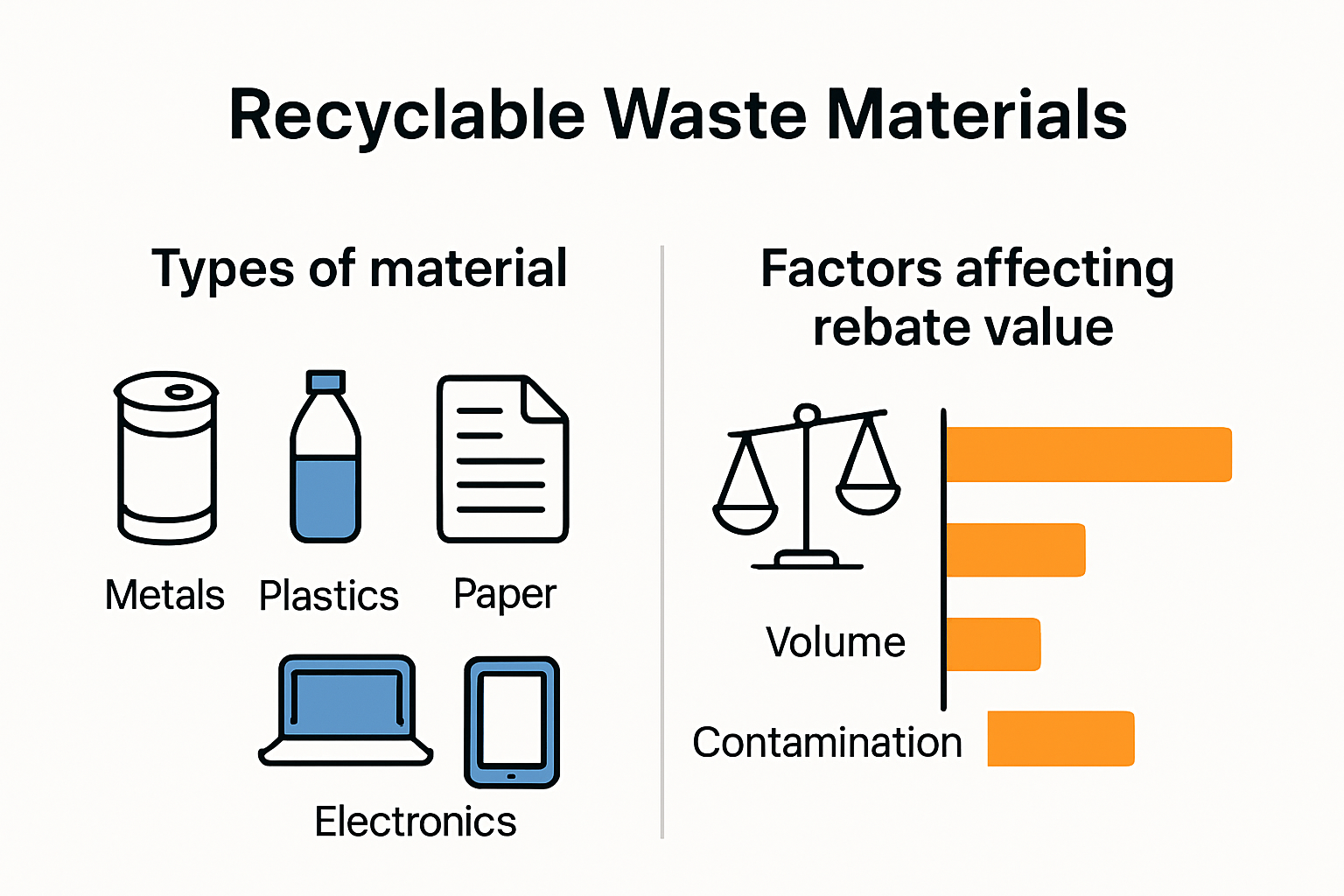
- Metals: Aluminium, copper, steel, and brass are among the most valuable recyclable materials
- Paper Products: Clean cardboard, office paper, and newspaper can be sold to recycling facilities
- Plastics: High-density polyethylene (HDPE), polyethylene terephthalate (PET), and clean industrial plastics
- Electronic Waste: Computers, servers, circuit boards, and other electronic components containing recoverable metals
Specialised and Industrial Waste Streams
Industrial sectors in the North East, from manufacturing in Sunderland to logistics in Newcastle, generate unique waste streams with potential economic value. Exploring waste management options reveals opportunities in specialised waste categories.
The EPA’s guidelines on hazardous waste recycling indicate that certain hazardous materials can be recycled when they provide a useful contribution to the recycling process. These might include:
- Industrial chemical waste
- Batteries
- Specific industrial solvents
- Metal-containing waste streams
Considerations for Waste Selling
Successful waste monetisation requires careful attention to several key factors. Material purity is paramount businesses must ensure waste streams are clean, sorted, and free from contamination. Volume matters significantly larger quantities of consistent, high-quality materials attract better pricing and more interested buyers.
Local recycling markets in the North East vary, so businesses should research current demand and pricing. Partnering with professional waste management services can help navigate these complexities, ensuring maximum economic return while maintaining environmental responsibility.
Remember that the value of waste materials fluctuates with market conditions. Regular assessment of your waste streams, understanding current recycling market trends, and maintaining high-quality sorting practices are essential for turning waste from a cost centre into a potential revenue stream.
How Baling Maximises Your Waste Profits
Baling represents a transformative strategy for businesses seeking to convert waste from a financial burden into a potential revenue stream. By compressing and packaging recyclable materials, organisations can significantly enhance their waste management economics and environmental sustainability.
The Economic Impact of Baling
According to the EPA’s Recycling Economic Information Report, recycling activities generate substantial economic benefits. In 2012, recycling and reuse created 681,000 jobs, $37.8 billion in wages, and $5.5 billion in tax revenues. Exploring baling techniques reveals how strategic waste compression can contribute to these economic opportunities.
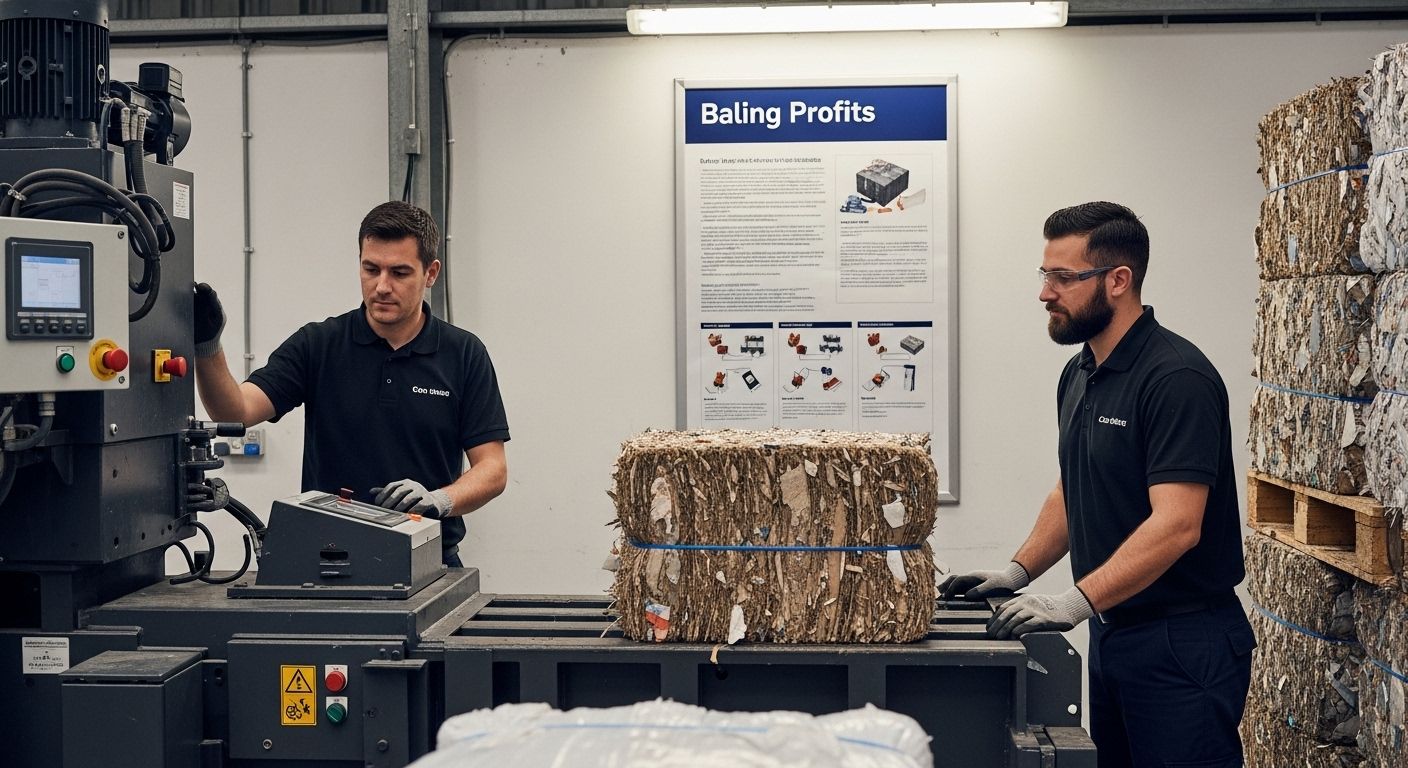
Baling offers multiple financial advantages. Compressed materials occupy less storage space, reducing transportation costs. Recycling facilities prefer baled materials because they are easier to handle, sort, and process. This preference translates directly into higher prices for businesses that invest in proper waste preparation.
Technical Advantages of Material Baling
The technical benefits of baling extend beyond immediate financial gains. Compressed waste materials maintain higher purity levels, reducing contamination risks. Clean, consistent bales command premium prices in recycling markets. Metals like aluminium and steel, when baled correctly, can fetch significantly higher rates compared to loose, unsorted materials.
Businesses in industrial regions like Newcastle, Sunderland, and Durham can particularly benefit from implementing baling strategies. By investing in baling equipment, organisations transform waste management from an expense into a potential profit centre.
Maximising Waste Profit Strategies
Successful waste monetisation through baling requires strategic approaches. The Texas Commission on Environmental Quality demonstrated that effective recycling can generate substantial economic value. Their research showed recycling activities can support local job markets and generate significant economic impact.
Key strategies for maximising waste profits through baling include:
- Material Segregation: Separate different waste types before baling
- Consistent Bale Size: Maintain uniform bale dimensions for easier processing
- Regular Equipment Maintenance: Ensure baling machines operate at peak efficiency
- Market Research: Stay informed about current recyclable material pricing
Businesses should view baling not just as a waste management technique, but as a strategic economic opportunity. By understanding market dynamics, investing in proper equipment, and maintaining high-quality waste streams, organisations can transform their waste from a cost centre into a potential revenue generator.
Remember, the key principle remains consistent: if you generate enough waste to bale, you likely have enough to sell. Professional waste management partners can provide invaluable guidance in navigating this complex but potentially lucrative landscape.
Steps to Claim Rebates for Your Business
Navigating the process of claiming waste material rebates requires strategic planning and a thorough understanding of local recycling market dynamics. Businesses across the North East can transform their waste management approach by following a systematic approach to securing financial returns from recyclable materials.
Preparing Your Waste Stream
Before approaching potential buyers or recycling facilities, businesses must meticulously prepare their waste materials. Learn more about waste management strategies to ensure maximum rebate potential. The preparation process involves several critical steps:
Below is a table outlining the essential steps for preparing your business’s waste stream to maximise rebate potential, along with the purpose of each step:
| Step | Purpose |
|---|---|
| Comprehensive Sorting | Separate waste into categories for easier processing |
| Quality Control | Ensure waste is clean and free from contaminants |
| Consistent Baling | Create uniform, manageable bales for sale |
| Documentation | Keep accurate records for traceability and rebates |
- Comprehensive Sorting: Separate materials into distinct categories such as metals, paper, plastics, and electronics
- Quality Control: Ensure materials are clean, dry, and free from contaminants
- Consistent Baling: Compress materials into uniform, manageable bales that meet industry standards
- Documentation: Maintain accurate records of waste volumes and material types
Identifying Potential Rebate Opportunities
Research is crucial in maximising rebate potential. According to the EPA’s Responsible Appliance Disposal program, various recycling initiatives offer financial incentives for proper waste management. Businesses should:
- Contact local recycling centres and waste management companies
- Investigate industry-specific recycling programmes
- Explore municipal and regional waste management incentive schemes
- Attend local business networking events focused on sustainability
Negotiating and Claiming Rebates
Successful rebate claiming requires a strategic approach. The Hennepin County waste prevention grants model demonstrates how businesses can access financial support for sustainable waste management practices.
Key negotiation strategies include:
- Volume Matters: Larger, consistent waste streams attract better rebate rates
- Market Research: Stay informed about current recyclable material pricing
- Long-term Partnerships: Develop ongoing relationships with recycling facilities
- Professional Representation: Consider working with waste management consultants
Businesses in industrial areas like Newcastle, Sunderland, and Durham can particularly benefit from a proactive approach. By treating waste as a potential revenue stream, organisations can offset waste management costs and contribute to environmental sustainability.
Remember that rebate values fluctuate with market conditions. Regular assessment of your waste streams, understanding current recycling market trends, and maintaining high-quality sorting practices are essential for maximising financial returns.
Ultimately, successful rebate claiming is about more than just financial gain. It represents a commitment to responsible waste management, environmental stewardship, and innovative business practices that can set your organisation apart in an increasingly sustainability-focused marketplace.
Frequently Asked Questions
What types of waste materials can be sold for rebates?
Businesses can sell high-value recyclable materials such as metals (like aluminium, copper, and steel), clean paper products, plastics (such as HDPE and PET), and electronic waste. Proper sorting and cleaning are crucial to maximise value.
How does baling waste increase its profit potential?
Baling compresses waste materials into manageable sizes, making them easier to transport and process at recycling facilities. This often results in higher prices for the baled materials compared to loose, unsorted waste.
What factors determine the market value of recyclable waste?
The market value of recyclable waste is influenced by factors such as material purity (level of contamination), current market demand, processing requirements, and the quantity of materials available. Higher quality and larger volumes generally attract better pricing.
How can businesses prepare their waste stream to claim rebates?
To maximise rebate potential, businesses should sort their waste into categories, ensure it is clean and free from contaminants, create uniform bales, and maintain accurate documentation of materials and volumes.
Unlock the Hidden Value in Your Waste with Professional Baling Solutions
Are you worried that your recyclables are ending up as a missed opportunity instead of generating real profit? The article highlighted a common frustration: valuable waste materials too often get thrown away, when baling could turn that waste into income. If your business collects enough material to fill a bale, you are likely missing out on an easy way to claim rebates and improve your bottom line. By optimising your process and using the right tools, you can transform waste from an expense into a revenue stream.

Baling is not just about compacting waste. It is about proving your waste has worth. Visit the Baler solutions page to see how proper baling setup helps control quality and opens doors to significant rebates. Ready to stop losing money on disposal and start earning from your recyclables? Book a service now at Venture Waste Management and convert every bale into real business value. Take this step today and position your organisation ahead in the drive for more sustainable, profitable waste management.


Leave a Reply
Want to join the discussion?Feel free to contribute!