

Industrial Waste Management Trends – Impact on UK Business
Over 60 percent of British manufacturing sites generate some form of industrial waste every year. With growing scrutiny on environmental impact, understanding what actually counts as industrial waste in the United Kingdom is more important than ever for businesses aiming to stay compliant and sustainable. This guide breaks down the true scope of industrial waste in the British context, offering practical clarity for both established firms and new enterprises navigating modern waste regulations.
Table of Contents
- What Counts As Industrial Waste In The UK
- Key Types And Sources Of Industrial Waste
- Emerging Technologies In Waste Treatment
- Regulations Shaping Industrial Waste Management
- Business Compliance And Common Pitfalls
Key Takeaways
| Point | Details |
|---|---|
| Understanding Industrial Waste | Industrial waste encompasses materials generated in various sectors, requiring adherence to specific regulations for proper management. |
| Hazardous Waste Identification | Distinguishing between hazardous and non-hazardous waste is crucial for compliance and environmental safety. |
| Emerging Treatment Technologies | Innovative technologies like gasification and pyrolysis provide more sustainable solutions for industrial waste management. |
| Compliance and Best Practices | Businesses must prioritise regulatory compliance to avoid penalties and transform waste management into a strategic advantage. |
What Counts As Industrial Waste In The UK
Industrial waste represents a complex category of materials generated during manufacturing, processing, and industrial production across the United Kingdom. When businesses generate waste that cannot be directly reused or recycled within their operational processes, it falls under the industrial waste classification. According to government waste identification guidelines, a material becomes waste when the producer or holder discards it, intends to discard it, or is legally required to discard it.
The spectrum of industrial waste is remarkably broad, encompassing numerous materials from different sectors. Typical industrial waste categories include:
- Manufacturing Waste: Scrap metal, plastic remnants, chemical byproducts
- Construction Waste: Concrete, timber, ceramics, insulation materials
- Processing Waste: Chemical residues, packaging materials, contaminated equipment
- Energy Production Waste: Ash, slag, spent catalysts from power generation facilities
Crucial to understanding industrial waste is recognising the distinction between general and hazardous waste. Hazardous industrial waste requires specialised handling and disposal processes due to potential environmental and health risks. Waste Management Definition for UK Businesses highlights that industrial waste can include substances like chemical solvents, heavy metal contaminated materials, oils, and electronic equipment containing toxic components.
Businesses generating industrial waste must adhere to stringent UK regulations, which mandate proper identification, segregation, and disposal of waste materials. This involves conducting comprehensive waste assessments, maintaining detailed documentation, and partnering with licensed waste management providers who can ensure environmentally responsible and legally compliant waste treatment strategies.
Key Types And Sources Of Industrial Waste
Industrial waste emerges from a diverse range of manufacturing, processing, and production activities across various British industrial sectors. Understanding the key types and sources helps businesses develop more effective waste management strategies. Types of Hazardous Waste: Business Waste Guide UK highlights the complexity of waste classification and the critical importance of proper identification.
Industrial waste sources can be categorised into several primary sectors:
- Manufacturing Sector: Produces waste from metal fabrication, chemical processing, textile production
- Construction Industry: Generates debris from building sites, demolition work, infrastructure projects
- Energy Production: Creates waste from power generation, including coal ash, nuclear residues
- Chemical Processing: Generates spent catalysts, contaminated solvents, chemical byproducts
- Food Processing: Produces organic waste, packaging materials, processing residues
The complexity of industrial waste extends beyond simple categorisation. Hazardous industrial waste represents a particularly challenging subset, requiring specialised handling and disposal protocols. These materials often contain toxic substances, heavy metals, or potentially dangerous chemical compounds that pose significant environmental and health risks. Common examples include chemical solvents, contaminated equipment, electronic waste with toxic components, and industrial oils that cannot be safely recycled.
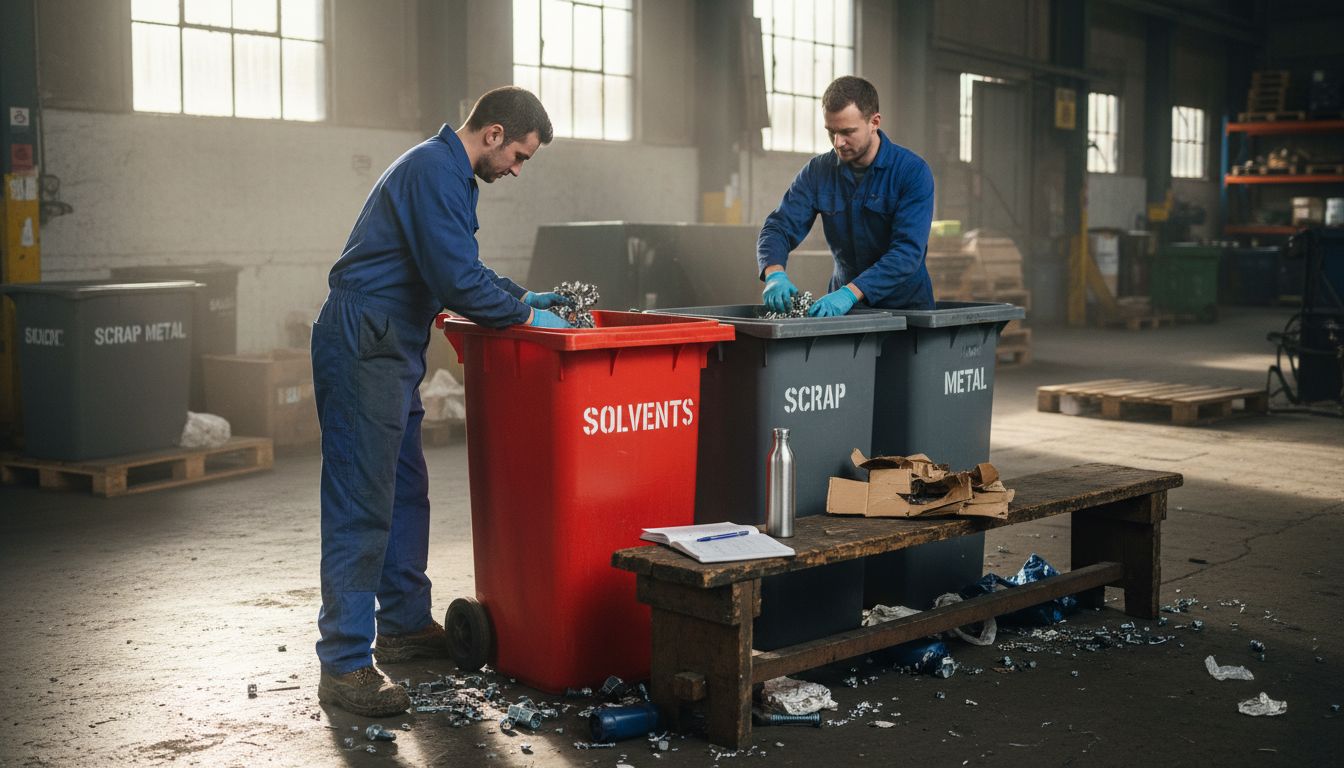
Effective waste management demands a comprehensive approach that goes beyond mere disposal. Businesses must implement robust waste assessment protocols, develop strategic waste reduction initiatives, and partner with licensed waste management providers who understand the nuanced requirements of different industrial waste streams. This approach not only ensures regulatory compliance but also supports broader environmental sustainability goals by minimising waste generation and promoting circular economy principles.
Emerging Technologies In Waste Treatment
The landscape of industrial waste treatment is rapidly evolving, with innovative technologies transforming how businesses approach waste management. Emerging waste technologies are pushing the boundaries of traditional disposal methods, offering more sustainable and efficient solutions for complex waste streams. Advanced thermal treatment methods like gasification and pyrolysis represent significant breakthroughs, enabling businesses to convert waste materials into valuable energy resources and secondary products.
Key emerging waste treatment technologies include:
- Thermal Conversion Technologies:
- Gasification: Converting waste into syngas for energy production
- Pyrolysis: Breaking down materials at high temperatures without oxygen
- Biological Treatment Methods:
- Anaerobic digestion for organic waste
- Microbial fuel cell technologies
- Chemical Transformation Processes:
- Catalytic conversion of waste into chemical feedstocks
- Advanced chemical recycling techniques
The most promising technological developments focus on circular economy principles, transforming waste from a disposal challenge into a potential resource. Innovative processes now enable businesses to reprocess materials that would previously have been considered unrecyclable, dramatically reducing environmental impact. Government guidance emphasises developing waste treatment technologies that align with normal industrial practices, minimising waste generation and maximising resource efficiency.
Implementing these emerging technologies requires significant investment and strategic planning. Businesses must carefully assess their specific waste streams, infrastructure capabilities, and long-term sustainability goals. Collaboration between technology providers, waste management experts, and industrial sectors will be crucial in scaling these innovative solutions, ultimately driving a more sustainable approach to industrial waste management across the United Kingdom.
Regulations Shaping Industrial Waste Management
Industrial waste management in the United Kingdom is governed by a complex framework of regulations designed to protect environmental and human health. Hazardous Waste Regulations UK 2025 provide a comprehensive guide to the legal requirements that businesses must navigate when managing their waste streams. These regulations define precise obligations for waste producers, emphasising responsible disposal and minimising environmental impact.
Key regulatory requirements for industrial waste management include:
- Waste Classification:
- Proper identification and categorisation of waste types
- Distinguishing between general and hazardous waste materials
- Segregation Protocols:
- Mandatory separation of different waste streams
- Specific handling requirements for hazardous materials
- Disposal Compliance:
- Adherence to licensed waste treatment and disposal methods
- Documentation and tracking of waste movements
- Environmental Protection Standards:
- Limiting potential contamination risks
- Implementing waste reduction strategies
The regulatory landscape continues to evolve, with increasing emphasis on circular economy principles. Government guidance mandates that businesses must demonstrate they are taking proactive steps to minimise waste generation, with strict requirements for waste segregation and responsible disposal. This approach goes beyond mere compliance, challenging organisations to view waste as a potential resource rather than a disposal problem.
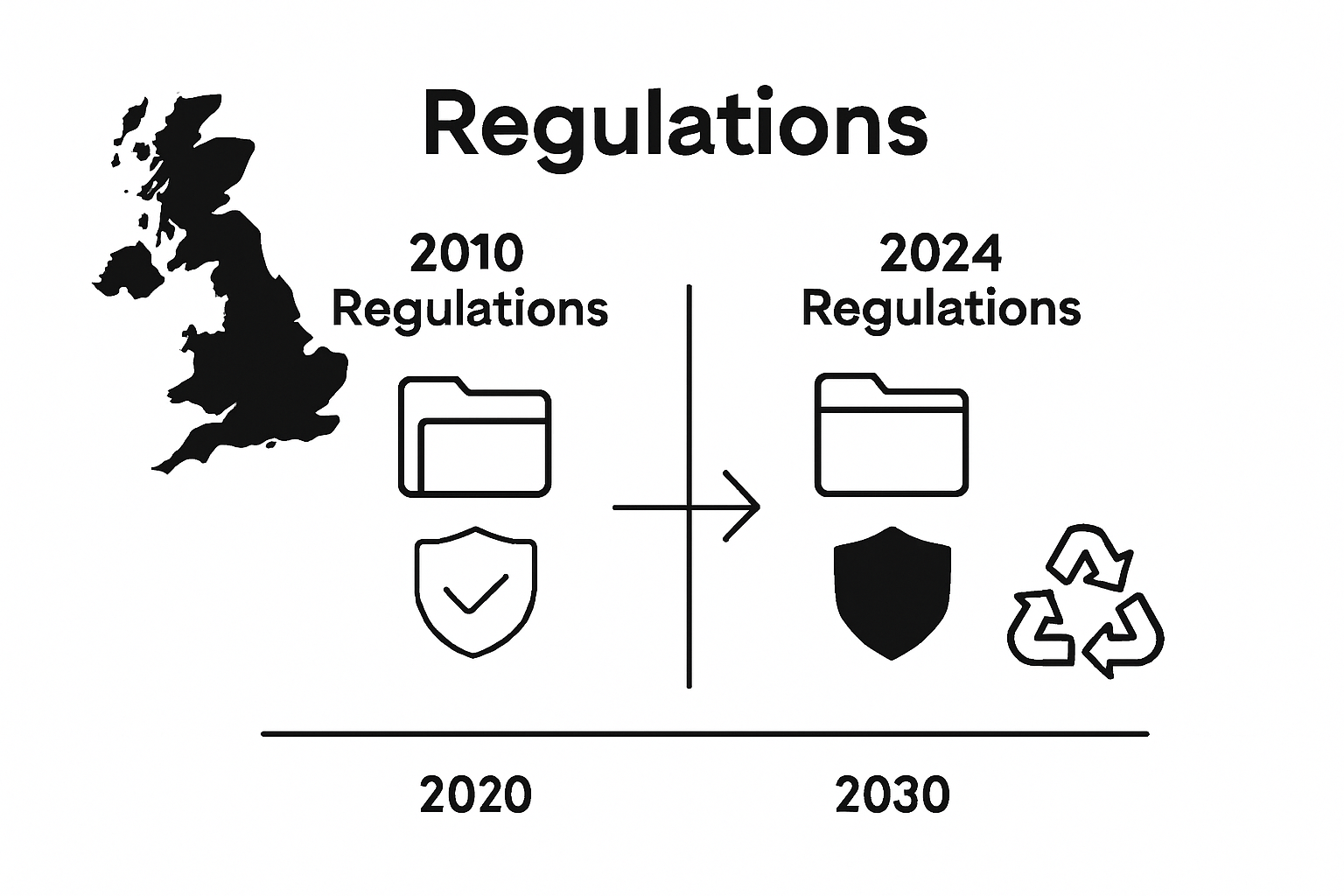
Navigating these complex regulations requires a strategic approach. Businesses must invest in comprehensive staff training, develop robust internal waste management systems, and maintain meticulous documentation of their waste streams. Failure to comply can result in significant financial penalties and potential legal consequences. Successful implementation demands a holistic approach that integrates regulatory compliance with broader sustainability goals, transforming waste management from a regulatory burden into a strategic opportunity for environmental and economic innovation.
Business Compliance And Common Pitfalls
Navigating industrial waste management requires businesses to understand and mitigate potential compliance risks. Business Waste Penalties UK highlight the significant financial and legal consequences of improper waste handling. Businesses must develop robust strategies to avoid common pitfalls that can lead to substantial penalties and reputational damage.
The most prevalent compliance challenges include:
- Waste Classification Errors:
- Misidentifying hazardous versus non-hazardous waste
- Incorrect waste stream categorisation
- Documentation Weaknesses:
- Inadequate waste tracking records
- Incomplete waste transfer documentation
- Carrier Selection Mistakes:
- Using unlicensed waste transportation providers
- Failing to verify waste carrier credentials
- Disposal Protocol Violations:
- Improper segregation of waste materials
- Non-compliance with environmental protection standards
Successful waste management compliance demands meticulous attention to detail. Businesses must invest in comprehensive staff training, develop rigorous internal audit processes, and maintain up-to-date knowledge of evolving regulatory requirements. The most effective organisations treat waste management as a strategic priority, implementing systematic approaches that go beyond mere regulatory compliance.
Ultimately, proactive management is key to avoiding potential pitfalls. Companies should conduct regular internal reviews, stay informed about regulatory changes, and establish clear communication channels with licensed waste management providers. By treating waste management as a critical business function rather than an administrative burden, organisations can transform compliance from a potential risk into a strategic opportunity for environmental and operational excellence.
Stay Ahead in Industrial Waste Management with Venture Waste
Managing industrial waste effectively is a pressing challenge for UK businesses today. With complex regulations, the rise of hazardous waste concerns, and the push for sustainable solutions, staying compliant while reducing environmental impact requires expert support. This article highlights issues like accurate waste classification, safe hazardous waste handling, and embracing emerging waste treatment technologies — all critical to your company’s success.

Take control of your waste management now by partnering with Venture Waste. Our streamlined Waste Collection Process in the UK for Businesses 2025 ensures lawful and responsible disposal tailored to your needs. Discover how How the Waste Collection Network in UK Serves Businesses in 2025 can help you navigate the complexities with ease. Visit Venture Waste Management today to simplify waste handling, mitigate risks, and align with the latest industrial waste management trends. Act now for compliance and sustainability made simple.
Frequently Asked Questions
What is considered industrial waste?
Industrial waste includes materials generated during manufacturing, processing, and industrial production that cannot be reused or recycled. This may encompass scrap metal, plastic remnants, chemical byproducts, and more.
How do businesses classify hazardous and non-hazardous waste?
Businesses classify waste based on its properties. Hazardous waste includes materials that pose risks to health or the environment, such as chemical solvents and heavy metals, while non-hazardous waste involves materials that can be disposed of with standard procedures.
What are the key regulations governing industrial waste management in the UK?
Key regulations include waste classification, mandatory waste segregation protocols, proper disposal compliance, and adherence to environmental protection standards, which collectively ensure responsible waste management practices.
How can businesses avoid common pitfalls in waste management compliance?
To avoid pitfalls, businesses should ensure proper waste classification, maintain comprehensive documentation, choose licensed waste carriers, and adhere to correct disposal protocols. Regular training and internal audits can significantly enhance compliance efforts.
Recommended
- Waste Management Challenges UK: Solutions for Businesses 2025 – Venture Waste
- Waste Management Definition for UK Businesses 2025 – Venture Waste
- Waste Management News UK 2025: What Businesses Need to Know – Venture Waste
- Domestic Waste Types in the UK: 2025 Guide for Businesses – Venture Waste
- Diesel Engine Emission Standards 2025: What Technicians Need to Know – My WordPress


Leave a Reply
Want to join the discussion?Feel free to contribute!