

How Schools Can Manage Broken Electrical Equipment Without Breaking the Rules
Nearly 45 percent of schools struggle to meet the latest safety standards when disposing of damaged electrical equipment. With stricter regulations and increased audits, one overlooked cord or forgotten laptop can put students and staff at risk. Learning how to assess, document, and properly dispose of faulty electronics is not just about compliance, it is about creating a safer environment and avoiding fines. Discover the steps needed to protect your school while handling electrical waste the right way.
Table of Contents
- Step 1: Assess Damaged Equipment For Compliance
- Step 2: Document And Segregate Electrical Waste Safely
- Step 3: Engage Licensed Waste Collection Services
- Step 4: Verify Proper Recycling And Disposal Procedures
- Step 5: Maintain Records For Legal And Environmental Audits
Quick Summary
| Key Point | Explanation |
|---|---|
| 1. Conduct thorough inspections of equipment | Regularly check for visible damages like frayed cords or cracks to maintain safety and compliance. |
| 2. Maintain detailed documentation of waste | Keep accurate records of damaged equipment for tracking and regulatory compliance, preserving them for at least seven years. |
| 3. Engage licensed waste disposal services | Partner with certified professionals for safe disposal of electrical equipment to ensure adherence to regulations. |
| 4. Verify recycling procedures are followed | Confirm that your waste management service complies with environmental regulations and provides proper documentation for audits. |
| 5. Implement effective record-keeping systems | Establish a systematic approach for organizing documents related to disposal, ensuring accessibility and protection against scrutiny. |
Step 1: Assess Damaged Equipment for Compliance
In this crucial step, you will learn how to effectively evaluate electrical equipment for potential safety risks and regulatory compliance. As recommended by the Health and Safety Executive, a thorough initial assessment is critical for maintaining workplace safety.
Start by conducting a meticulous visual inspection of each piece of electrical equipment. Look for visible signs of damage such as frayed cords, cracked casings, exposed wiring, burn marks, or unusual discoloration. According to National Alliance of School Premises Management, annual Portable Appliance Testing (PAT) is considered best practice for identifying faulty electrical items like laptops, projectors, kettles, and extension leads.
Pay special attention to the overall condition and functionality of each item. If an electrical device shows any sign of potential malfunction or damage, immediately remove it from service. Document your findings thoroughly and flag items that require professional assessment or replacement. A systematic approach ensures you catch potential hazards before they become serious safety risks.
Pro Tip: When in doubt about an item’s safety, always consult a qualified electrical technician for a comprehensive evaluation.
The next step will involve properly documenting and categorizing your equipment assessment findings.
Step 2: Document and Segregate Electrical Waste Safely
In this critical stage, you will learn how to create systematic documentation and properly segregate electrical waste to ensure regulatory compliance and safety. As recommended by the Public Utilities Commission of Sri Lanka, maintaining detailed records of damaged equipment is essential for ongoing management and potential future inspections.
Begin by creating a comprehensive electrical waste register that includes specific details for each damaged item such as equipment type, date of identification, condition description, and recommended action. Organize your electrical waste into clear categories like repairable, recyclable, and non salvageable. Use separate designated containers or storage areas for different types of electrical equipment to prevent potential cross contamination or environmental hazards.
When documenting electrical waste, be meticulous and precise. Note the serial number, model, and specific damage for each item. According to regulatory guidelines, you should maintain hard copies of these records for at least seven years. This documentation not only helps with tracking but also provides a clear audit trail for potential future investigations or compliance checks.
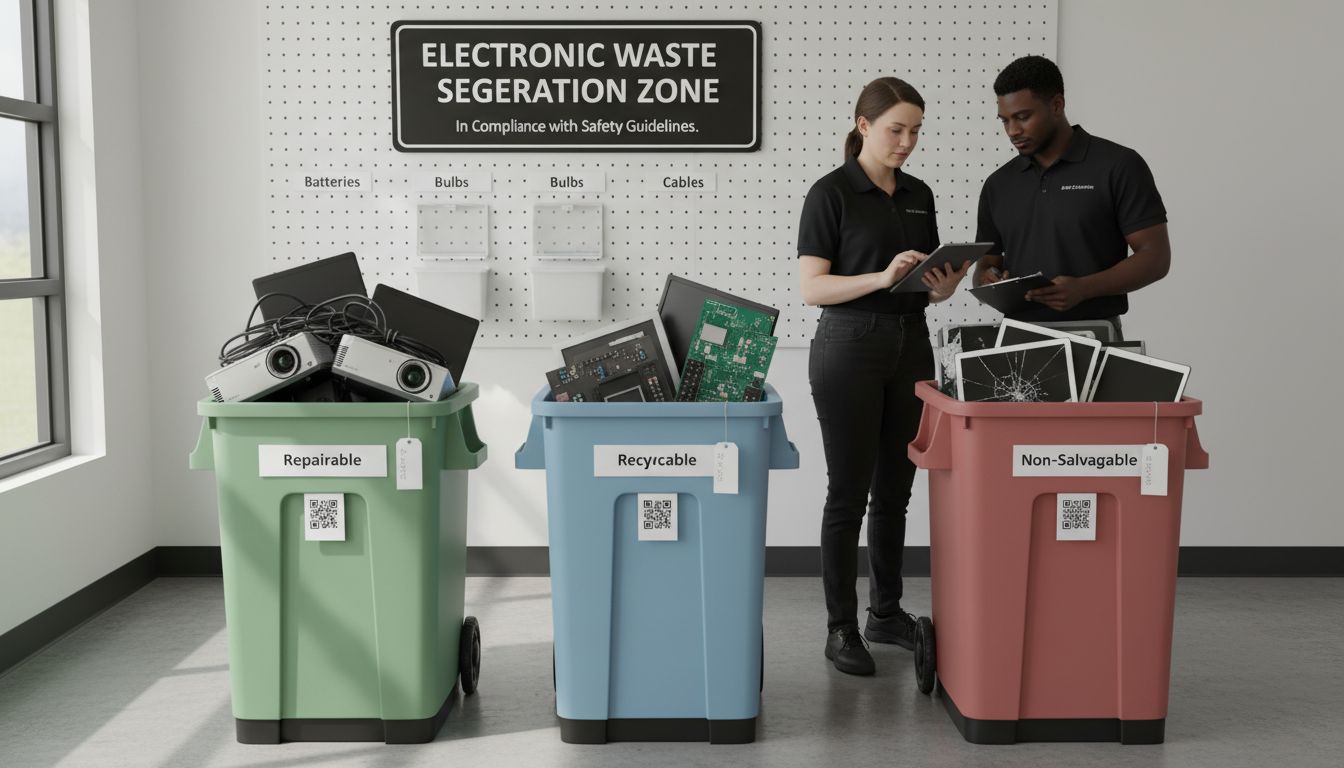
Pro Tip: Colour code your waste containers and create clear labelling systems to make segregation more efficient and reduce the risk of mistakes.
The next step will involve preparing these documented items for proper disposal through approved waste management channels.
Step 3: Engage Licensed Waste Collection Services
In this crucial step, you will learn how to professionally and safely dispose of damaged electrical equipment by partnering with licensed waste management professionals. As recommended by the Health and Safety Executive, engaging competent professionals is essential when electrical equipment raises safety concerns.
Research and select a licensed waste collection service specializing in Waste Electrical and Electronic Equipment (WEEE) disposal. Look for providers with appropriate certifications and a proven track record in handling electrical waste responsibly. According to the National Alliance of School Premises Management, schools must act promptly and professionally when addressing electrical equipment maintenance and disposal.
Before scheduling collection, prepare a detailed inventory of the electrical items to be disposed of. This should include equipment type, quantity, and any specific handling requirements. Request a formal quote and ensure the waste collection service provides a certificate of disposal as proof of proper waste management.
This documentation is crucial for maintaining compliance with environmental regulations and demonstrating your commitment to responsible waste handling.
Pro Tip: Always verify the waste collection service’s licensing and environmental credentials before finalizing any disposal arrangements.
The final step will involve reviewing your waste management process and updating your school’s electrical safety protocols accordingly.
Step 4: Verify Proper Recycling and Disposal Procedures
In this crucial stage, you will learn how to systematically confirm that your electrical waste is being recycled and disposed of in full compliance with environmental regulations. As recommended by the Health and Safety Executive, verifying the safety and proper handling of electrical equipment extends beyond initial assessment to include responsible disposal.
Carefully review the waste collection service’s recycling processes and environmental credentials. Request detailed documentation that outlines their specific recycling methods for different types of electrical equipment. According to the National Alliance of School Premises Management, schools must take a proactive approach in ensuring that electrical systems and equipment are managed responsibly throughout their entire lifecycle.
Confirm that the waste management provider follows the Waste Electrical and Electronic Equipment (WEEE) Regulations. This includes verifying they have appropriate certification for handling different categories of electrical waste such as large household appliances, IT equipment, and electronic tools. Cross reference their disposal certificates with official environmental agency records and maintain copies of all disposal documentation for your own compliance records.
Pro Tip: Request a comprehensive waste transfer note that details the exact quantities and types of electrical equipment being recycled.
The final step will involve conducting a comprehensive review of your entire electrical waste management process to identify potential improvements for future procedures.
Step 5: Maintain Records for Legal and Environmental Audits
In this final stage, you will learn how to create and manage comprehensive documentation that ensures your school remains fully compliant with waste management regulations. As recommended by the Public Utilities Commission of Sri Lanka, maintaining meticulous records is crucial for potential legal and environmental audits.
Establish a systematic record keeping system that includes detailed documentation for every piece of electrical equipment disposed of. Your documentation should include specific details such as equipment type, serial number, date of disposal, waste collection service used, and certification of proper recycling. Create both digital and physical backup systems to ensure that you have multiple layers of record preservation. Each record should be comprehensive enough to withstand potential scrutiny during environmental compliance reviews.
Implement a robust filing protocol that organizes documents chronologically and categorically.
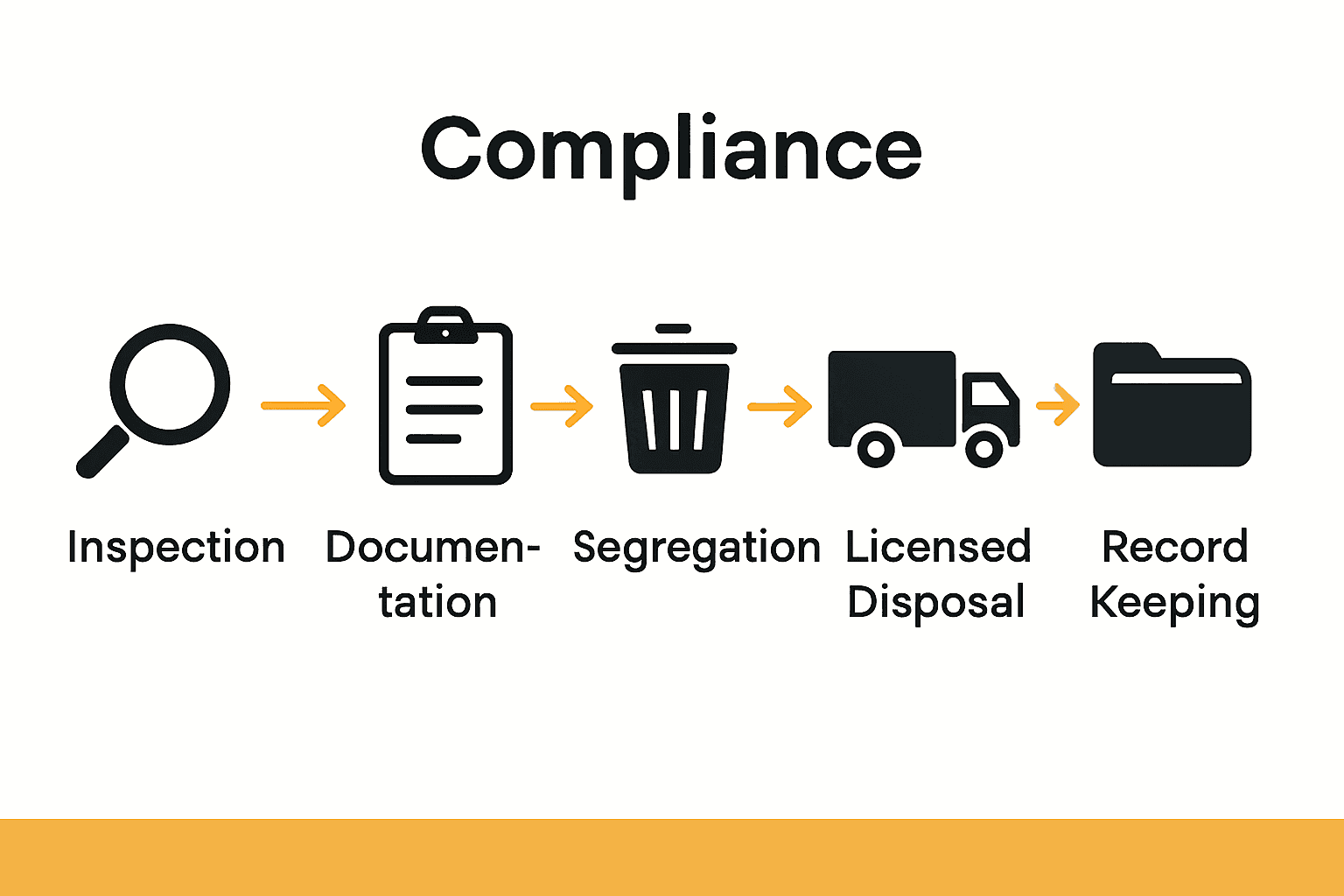 Ensure that all disposal certificates, waste transfer notes, and recycling verification documents are stored securely and remain easily accessible. According to best practices, maintain these records for a minimum of seven years to demonstrate ongoing commitment to responsible waste management and environmental stewardship.
Pro Tip: Use a dedicated digital filing system with cloud backup to prevent accidental loss of critical documentation.
By following these record maintenance procedures, your school will be well prepared for any future environmental or legal assessments related to electrical waste disposal.
Simplify Your School’s Electrical Waste Management While Staying Compliant
Managing broken electrical equipment in schools can feel overwhelming. The worry about following strict regulations and ensuring environmental safety adds extra pressure on already busy staff. This article highlights the importance of assessing, documenting, and disposing of electrical waste responsibly to avoid risks and legal trouble.
At Venture Waste, we understand these challenges and provide tailored solutions to help schools manage their Waste Electrical and Electronic Equipment (WEEE) easily and in full compliance. Our licensed waste collection services ensure your damaged electrical items are handled safely, recycled properly, and documented thoroughly. Learn more about our specialised WEEE Waste services that align perfectly with the steps outlined in the article.

Take control of your school’s electrical equipment disposal today. Visit Venture Waste to discover how simple it is to book professional, compliant waste management services that protect both your school community and the environment. Find peace of mind by partnering with experts committed to responsible recycling and legal adherence.
Explore our comprehensive solutions on WEEE Waste Archives – Venture Waste and learn how we support schools like yours every step of the way.
Frequently Asked Questions
How can schools assess damaged electrical equipment for safety compliance?
To assess damaged electrical equipment, conduct a thorough visual inspection for signs of damage such as frayed cords or burn marks. Remove any items showing potential safety risks from service immediately to ensure the safety of all users.
What steps should schools take to document broken electrical equipment?
Create a comprehensive electrical waste register that details each damaged item, including its type, condition, and recommended action. Organize this information clearly and maintain hard copies for at least seven years to comply with regulatory requirements.
How should schools properly segregate electrical waste?
Establish separate containers or storage areas for different types of electrical waste, categorizing them as repairable, recyclable, or non-salvageable. Use a color-coded labeling system to enhance clarity and efficiency in waste management procedures.
What qualifications should schools look for in waste collection services for electrical equipment?
When selecting a waste collection service, ensure they are licensed and have a proven track record in handling Waste Electrical and Electronic Equipment (WEEE). Request their certification details to confirm compliance with environmental regulations.
How can schools verify the recycling and disposal methods of waste collection services?
Review the waste collection service’s recycling processes and ask for documentation that outlines their methods for disposing of different types of electrical equipment. This verification helps ensure that the disposal meets environmental compliance standards.
What kind of records should schools maintain for legal and environmental audits?
Establish a detailed record-keeping system that includes disposal details for each piece of electrical equipment, such as the type, serial number, and certification of recycling. Keep these records organized and accessible for at least seven years to facilitate audits and compliance reviews.


Leave a Reply
Want to join the discussion?Feel free to contribute!