

How Often Should Waste Be Collected in the UK?
Over half of all british households receive their waste collected either weekly or every two weeks, yet few realize just how much this varies from one local area to the next. Choosing the right waste collection schedule affects everything from local cleanliness to recycling success. With approaches ranging from bustling London to rural Scottish towns, understanding the reasons behind these differences can help both residents and businesses keep their environments healthier and more efficient.
Table of Contents
- Understanding Waste Collection Frequencies UK-Wide
- Types of Waste and Collection Needs
- Legal Standards and Compliance Requirements
- Risks of Infrequent or Improper Waste Collection
- Optimising Waste Collection for Businesses
Key Takeaways
| Point | Details |
|---|---|
| Waste Collection Frequencies Vary | Waste collection schedules in the UK differ significantly based on local authorities, with urban areas typically enjoying more frequent services than rural regions. |
| Types of Waste and Specialised Needs | Different waste types require distinct handling and collection protocols to ensure effective management and recycling, particularly for commercial enterprises. |
| Legal Compliance is Crucial | Businesses must adhere to stringent legal standards for waste management, with non-compliance resulting in heavy penalties and reputational damage. |
| Optimisation Strategies are Essential | Companies should conduct regular waste audits and invest in advanced technologies to streamline waste segregation and collection processes in line with evolving regulations. |
Understanding Waste Collection Frequencies UK-Wide
Waste collection frequencies across the United Kingdom vary significantly depending on local authority guidelines and regional infrastructure. Different municipalities have distinct approaches to managing household and commercial waste, with collection schedules designed to balance efficiency, environmental considerations, and community needs. The UK government provides comprehensive guidance for waste collection authorities, emphasising the importance of tailoring services to specific local requirements.
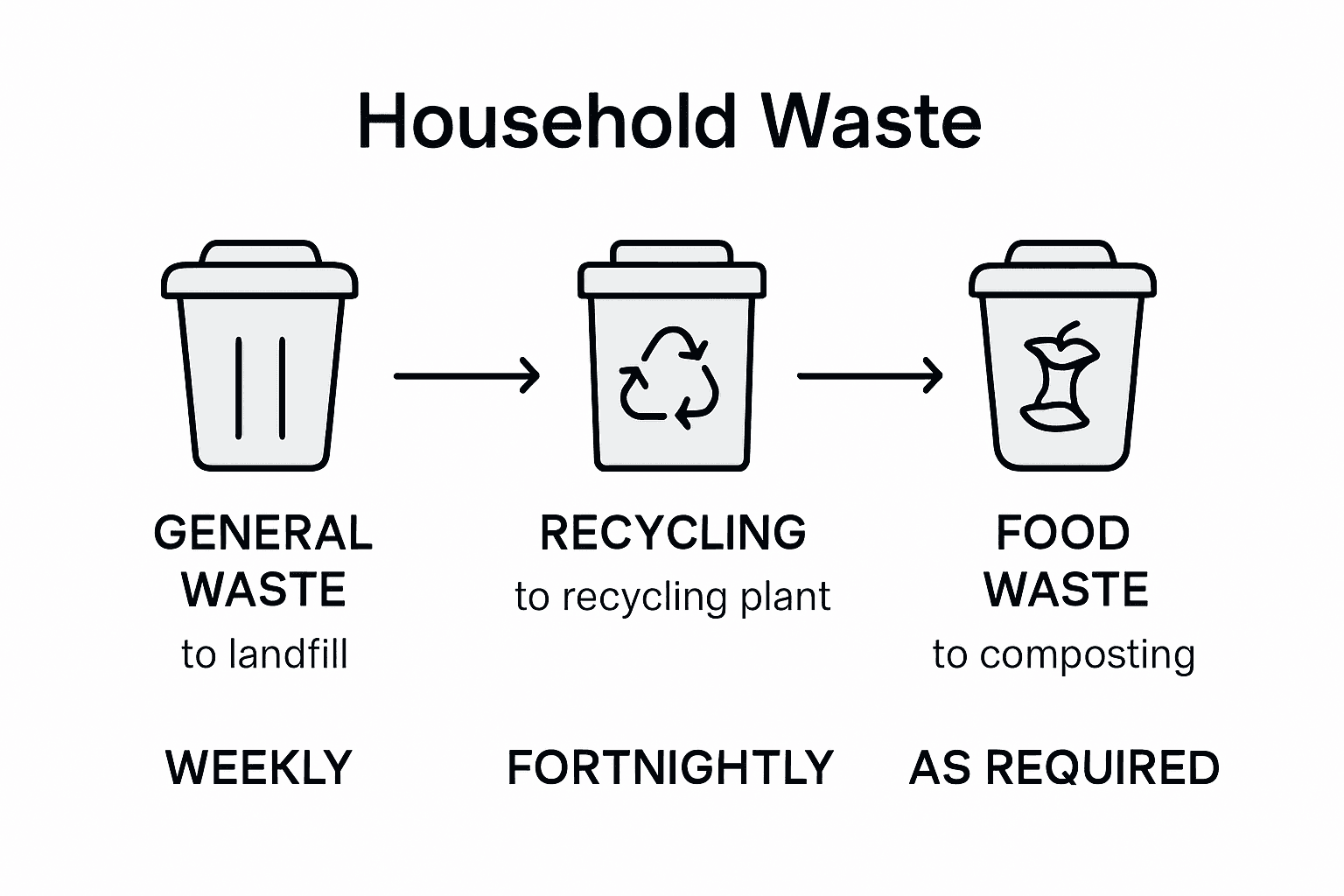
Typically, most local councils in the UK offer weekly or fortnightly waste collection services for general refuse and recycling. Urban areas like Newcastle, Manchester, and Birmingham often have more frequent collections compared to rural regions in Yorkshire or Cornwall. Factors influencing collection frequency include population density, property types, bin sizes, and the number of household occupants. Some authorities have implemented alternative collection strategies, such as mixed recycling collections or separated waste streams to improve recycling rates and reduce landfill usage.
Commercial waste collection frequencies differ substantially from residential services. Businesses in sectors like hospitality, retail, and manufacturing might require daily or multiple-weekly collections depending on waste volume and type. For instance, restaurants and food processing facilities often need more frequent waste removal due to hygiene regulations and perishable waste management. Industrial sites might negotiate custom collection schedules based on their specific waste production patterns, ensuring efficient and compliant disposal.
To clarify service differences, here is a comparison of waste collection approaches for residential and commercial properties:
| Collection Aspect | Residential Properties | Commercial Properties |
|---|---|---|
| Common Frequency | Weekly or fortnightly | Daily to multiple weekly |
| Influencing Factors | Household size, area type | Industry sector, waste type |
| Waste Types Handled | General, recycling, organic | General, food waste, hazardous |
| Regulatory Focus | Local efficiency and recycling | Compliance and tailored removal |
Pro Waste Management Tip: Always confirm your specific local authority’s waste collection schedule, as frequencies can change seasonally or with local infrastructure updates. Contact your municipal waste management department or check their official website for the most up-to-date collection information.
Types of Waste and Collection Needs
Waste management in the United Kingdom involves complex categorisation and specialised collection strategies for different waste types. The UK government’s Simpler Recycling guidance mandates specific requirements for waste collection, ensuring a standardised approach across different regions. These guidelines outline distinct collection protocols for various waste streams, including general refuse, recyclable materials, organic waste, and specialised industrial waste.
Residential waste typically encompasses several key categories. General household waste includes non-recyclable items, while recyclable materials are further divided into paper, cardboard, glass, metals, and plastics. Organic waste, such as food scraps and garden refuse, requires separate collection to support composting and reduce landfill impact. Commercial establishments face more nuanced waste management challenges, with requirements varying significantly based on industry sector, waste volume, and environmental regulations. Restaurants, manufacturing facilities, and healthcare providers each have unique waste disposal needs that demand tailored collection strategies.
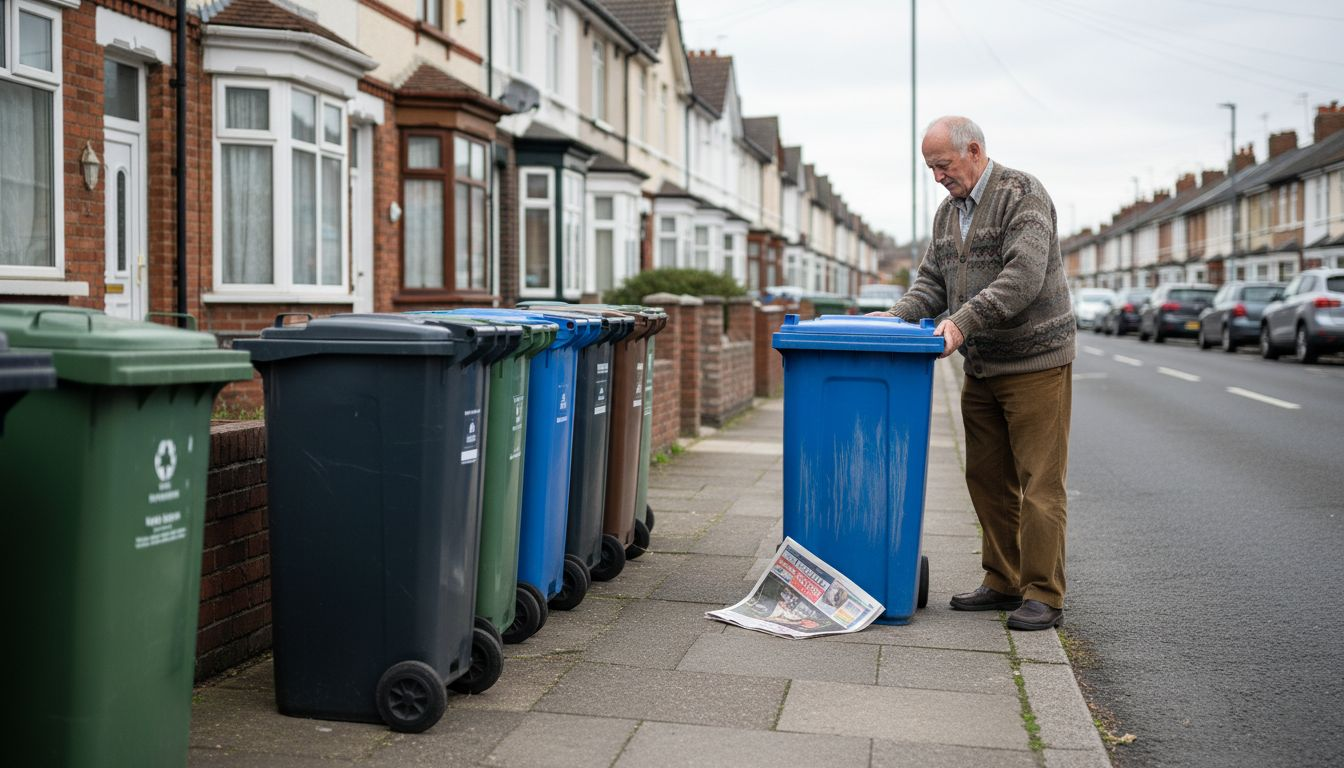
The Environment Agency has established rigorous guidelines for waste segregation and collection. Separate collection requirements mandate that waste collectors must provide distinct collection streams for paper, plastic, metal, and glass materials. These regulations aim to enhance recycling efficiency and reduce contamination of recyclable resources. Businesses must implement comprehensive waste sorting systems, ensuring that different waste types are collected and processed according to specific environmental standards.
Below is a summary of key UK waste types and their typical collection requirements:
| Waste Type | Collection Requirement | Processing Aim |
|---|---|---|
| General Refuse | Separate, regular removal | Minimising landfill impact |
| Mixed Recycling | Dedicated stream collection | Maximising resource recovery |
| Organic (Food/Garden) | Collected separately | Composting or energy generation |
| Hazardous/Industrial | Special handling & documentation | Safe, legal, compliant disposal |
Pro Waste Management Tip: Develop a comprehensive waste audit for your organisation, mapping out all waste streams and identifying opportunities for reduction, recycling, and more efficient collection strategies.
Legal Standards and Compliance Requirements
Waste management in the United Kingdom is governed by a comprehensive framework of legal standards that businesses must meticulously follow. Waste disposal legal requirements are designed to ensure environmental protection, public health safety, and sustainable waste management practices. These regulations encompass a wide range of requirements, from proper waste segregation and documentation to appropriate disposal methods for different waste categories.
Key legislative frameworks such as the Environmental Protection Act 1990 and the Waste (England and Wales) Regulations 2011 establish critical compliance standards for organisations. Businesses are legally obligated to implement robust waste management systems that prioritise waste reduction, recycling, and responsible disposal. This includes maintaining detailed waste transfer notes, ensuring waste is transported by licensed carriers, and demonstrating a clear audit trail for all waste produced. Small enterprises through to large industrial operations must register as waste producers and maintain comprehensive records of their waste management practices.
Different industry sectors face unique compliance challenges. Manufacturing, healthcare, construction, and hospitality sectors have specific regulatory requirements that demand tailored waste management approaches. Hazardous waste, in particular, requires stringent handling protocols, with additional documentation and specialised disposal methods. Non-compliance can result in significant financial penalties, potentially including fines up to £50,000 and potential criminal prosecution for serious environmental breaches. Compliance strategies must be proactively developed and regularly reviewed to ensure ongoing adherence to evolving legislative standards.
Pro Legal Compliance Tip: Conduct an annual comprehensive waste management audit, reviewing your current practices against the latest regulatory requirements and identifying potential areas of improvement or risk mitigation.
Risks of Infrequent or Improper Waste Collection
Ensuring good waste collection services is critical for maintaining public health, environmental safety, and community well-being. Infrequent or improper waste collection can trigger a cascade of significant risks that extend far beyond mere inconvenience. These risks encompass environmental, health, legal, and economic dimensions, potentially affecting businesses, residential communities, and local ecosystems across the United Kingdom.
Public health represents the most immediate concern with inadequate waste management. Accumulated waste becomes a breeding ground for harmful bacteria, rodents, and disease-carrying insects. Decomposing organic materials release toxic gases and create ideal conditions for pathogen proliferation. Urban areas like Manchester, Birmingham, and London are particularly vulnerable, where dense populations and limited waste management infrastructure can rapidly amplify these risks. Hazardous waste poses even greater threats, with potential contamination of soil, groundwater, and air quality if not handled professionally and removed at appropriate intervals.
The economic and legal ramifications of poor waste collection can be substantial. Businesses failing to maintain proper waste management protocols risk significant financial penalties, potential legal action, and reputational damage. Hazardous waste risks extend beyond immediate health concerns, potentially triggering environmental violations, hefty fines, and mandatory remediation expenses. Local authorities may impose substantial charges for improper waste disposal, and repeated non-compliance can lead to more severe sanctions, including potential business licence revocations.
Pro Risk Management Tip: Develop a comprehensive waste management schedule that includes regular waste audits, precise collection frequencies, and contingency plans for unexpected waste accumulation.
Optimising Waste Collection for Businesses
New recycling regulations for businesses are transforming waste management strategies across the United Kingdom. From March 2025, organisations must adopt more sophisticated approaches to waste collection, focusing on efficiency, compliance, and environmental responsibility. Effective waste collection optimization requires a comprehensive understanding of regulatory requirements, technological innovations, and industry-specific challenges.
Businesses must implement strategic waste segregation practices that align with emerging governmental guidelines. For enterprises with more than 10 employees, this means developing robust systems that separate recyclable materials at the source and maintain distinct waste streams throughout the collection process. Waste classification becomes crucial, with different materials requiring unique handling protocols. Industries ranging from manufacturing and healthcare to retail and hospitality must adapt their internal waste management infrastructure to meet increasingly stringent regulatory standards.
Workplace recycling regulations are driving significant changes in how businesses approach waste collection. Organisations must now present materials like paper, glass, metal, plastic, and food waste in separate collection streams. This necessitates investment in specialised waste management technologies, staff training, and potentially redesigning existing waste handling facilities. Advanced waste sorting technologies, digital tracking systems, and comprehensive employee education programmes are becoming essential tools for businesses seeking to optimize their waste collection strategies.
Pro Optimization Tip: Conduct a comprehensive waste audit annually, mapping your current waste streams, identifying potential reduction opportunities, and aligning your collection strategies with the latest regulatory requirements.
Optimise Your Waste Collection Schedule for Compliance and Efficiency
Managing how often waste is collected can be a complex challenge for both businesses and residents across the United Kingdom. As the article highlights, understanding local council collection frequencies and adhering to legal standards are essential to avoid health risks, fines, and environmental damage. If you want to ensure your waste collection is reliable, compliant, and tailored to your waste streams this is the moment to take control

Discover how Venture Waste Management’s streamlined services can help you navigate new regulations and optimise your collection schedule. With expert guidance on adapting to changing requirements and a simple three-step booking process, you can protect your business or home against costly penalties and improve environmental outcomes. Explore our detailed insights on How the Waste Collection Network in UK Serves Businesses in 2025 and learn more about the Waste Collection Process in the UK for Businesses 2025. Start simplifying your waste management journey today at Venture Waste. Act now to keep your waste collection on schedule and compliant with UK standards.
Frequently Asked Questions
How often is waste collected in the UK for residential properties?
Most local councils in the UK offer weekly or fortnightly waste collection services for general refuse and recycling, depending on local authority guidelines.
What factors influence waste collection frequency in the UK?
Collection frequency can vary based on factors such as population density, property types, bin sizes, and the number of occupants in a household.
Is commercial waste collection frequency different from residential collection?
Yes, commercial waste collection frequencies differ significantly, with many businesses requiring daily or multiple-weekly collections based on their waste volume and type.
What types of waste require special collection procedures?
Types of waste that require special collection procedures include hazardous waste, organic waste, and specific commercial waste, each requiring distinct management strategies.
Recommended
- Waste Collection Process in the UK for Businesses 2025 – Venture Waste
- Uk Wide General Waste Collection – Get Quote Today
- How the Waste Collection Network in UK Serves Businesses in 2025 – Venture Waste
- Understanding Local Authority Waste Services in the UK – Venture Waste
- The Ultimate Guide to Dust Control Mats: Essential for UK Business Hyg – Mats4U


Leave a Reply
Want to join the discussion?Feel free to contribute!