

Hazardous Waste Regulations 2025: A Guide for UK Businesses

Hazardous waste rules in the UK are getting stricter for 2025, and businesses face a maze of new checks, reporting rules, and disposal standards. You might expect the hassle is only about keeping paperwork in order. But the real shock is that non-compliance can carry financial penalties reaching into the tens of thousands and even risk criminal charges. Keeping your business on the right side of the law now demands more than a tick-box audit, and many miss the hidden steps that matter most.
Table of Contents
- Understanding Hazardous Waste Regulations In 2025
- Key Compliance Steps For UK Businesses
- Safe Disposal Methods For Hazardous Materials
- Choosing A Licensed Hazardous Waste Contractor
Quick Summary
| Takeaway | Explanation |
|---|---|
| Understand Hazardous Waste Classification | Businesses must accurately identify and classify waste streams according to specific criteria such as toxicity and chemical reactivity to comply with regulations. |
| Prioritise Documentation and Reporting | Maintaining detailed records of waste generation, transportation, and disposal is essential to meet reporting requirements and avoid penalties. |
| Invest in Staff Training | Comprehensive training programmes for employees on hazardous material handling and regulatory compliance are crucial for fostering a culture of environmental responsibility. |
| Choose Qualified Contractors | When selecting a hazardous waste contractor, ensure they meet key qualifications and demonstrate a commitment to environmental stewardship and regulatory compliance. |
| Adopt Advanced Disposal Technologies | Implementing modern treatment methodologies can enhance environmental protection and transform hazardous waste management into a strategic initiative. |
Understanding Hazardous Waste Regulations in 2025
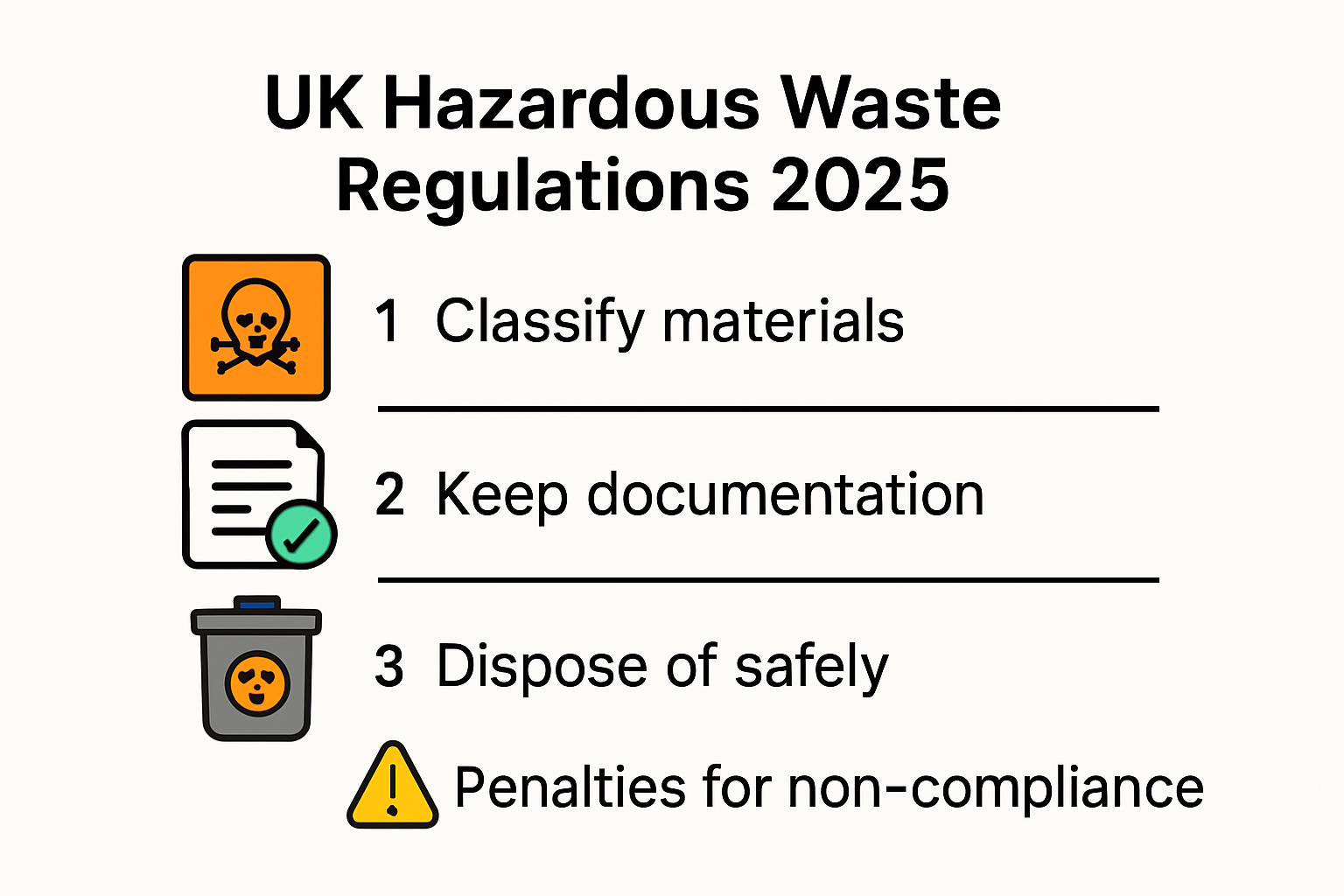
Hazardous waste regulations continue to evolve, presenting complex challenges for UK businesses in 2025. These regulations represent a critical framework designed to protect public health and the environment by establishing strict guidelines for managing potentially dangerous materials.
Key Definitions and Scope of Hazardous Waste
Hazardous waste encompasses materials that pose substantial risks to human health or environmental safety. According to the United States Environmental Protection Agency, these materials are characterized by specific properties including ignitability, corrosivity, reactivity, and toxicity. In the UK context, businesses must carefully identify and categorize waste streams that fall under these regulatory definitions.
The classification process involves detailed assessment of waste composition, potential environmental impact, and specific industrial context. Businesses must understand that seemingly innocuous materials can be classified as hazardous based on complex regulatory criteria. For instance, electronic waste, chemical residues, batteries, and certain industrial byproducts often require specialized handling and disposal protocols.
Regulatory Compliance and Reporting Requirements
Comprehensive regulatory compliance demands meticulous documentation and transparent reporting. Legislative updates from recent federal discussions indicate an increasing emphasis on precise waste tracking and comprehensive reporting mechanisms. Businesses must maintain detailed records documenting waste generation, transportation, treatment, and final disposal.
Key reporting requirements include:
- Precise waste quantity measurements
- Detailed material composition analysis
- Transportation and disposal documentation
- Environmental impact assessments
Non-compliance can result in significant financial penalties and potential legal consequences. Organizations must invest in robust waste management systems that facilitate accurate tracking and timely reporting.
Emerging Trends in Hazardous Waste Management
The 2025 regulatory landscape reflects a growing emphasis on sustainable and environmentally responsible waste management strategies. Businesses are increasingly expected to demonstrate proactive approaches to waste reduction, recycling, and minimizing environmental impact. This shift requires organizations to view hazardous waste management not merely as a compliance requirement but as a critical component of corporate environmental responsibility.
Technological advancements and innovative treatment methodologies are reshaping how businesses approach hazardous waste. From advanced filtration techniques to more sophisticated recycling processes, organizations have unprecedented opportunities to transform waste management from a regulatory burden into a strategic environmental initiative.
For businesses seeking deeper insights into navigating these complex regulations, our comprehensive guide on hazardous waste handling provides essential strategies and practical recommendations for ensuring full regulatory compliance in 2025.
Understanding and implementing these hazardous waste regulations requires a multifaceted approach combining legal knowledge, technical expertise, and a commitment to environmental stewardship. Businesses that proactively engage with these regulations will not only mitigate risks but also contribute to broader environmental protection efforts.
Key Compliance Steps for UK Businesses
Navigating hazardous waste regulations requires a strategic and comprehensive approach for UK businesses in 2025. Compliance is not merely about avoiding penalties but about establishing responsible waste management practices that protect both the environment and organizational interests.
Waste Identification and Classification Process
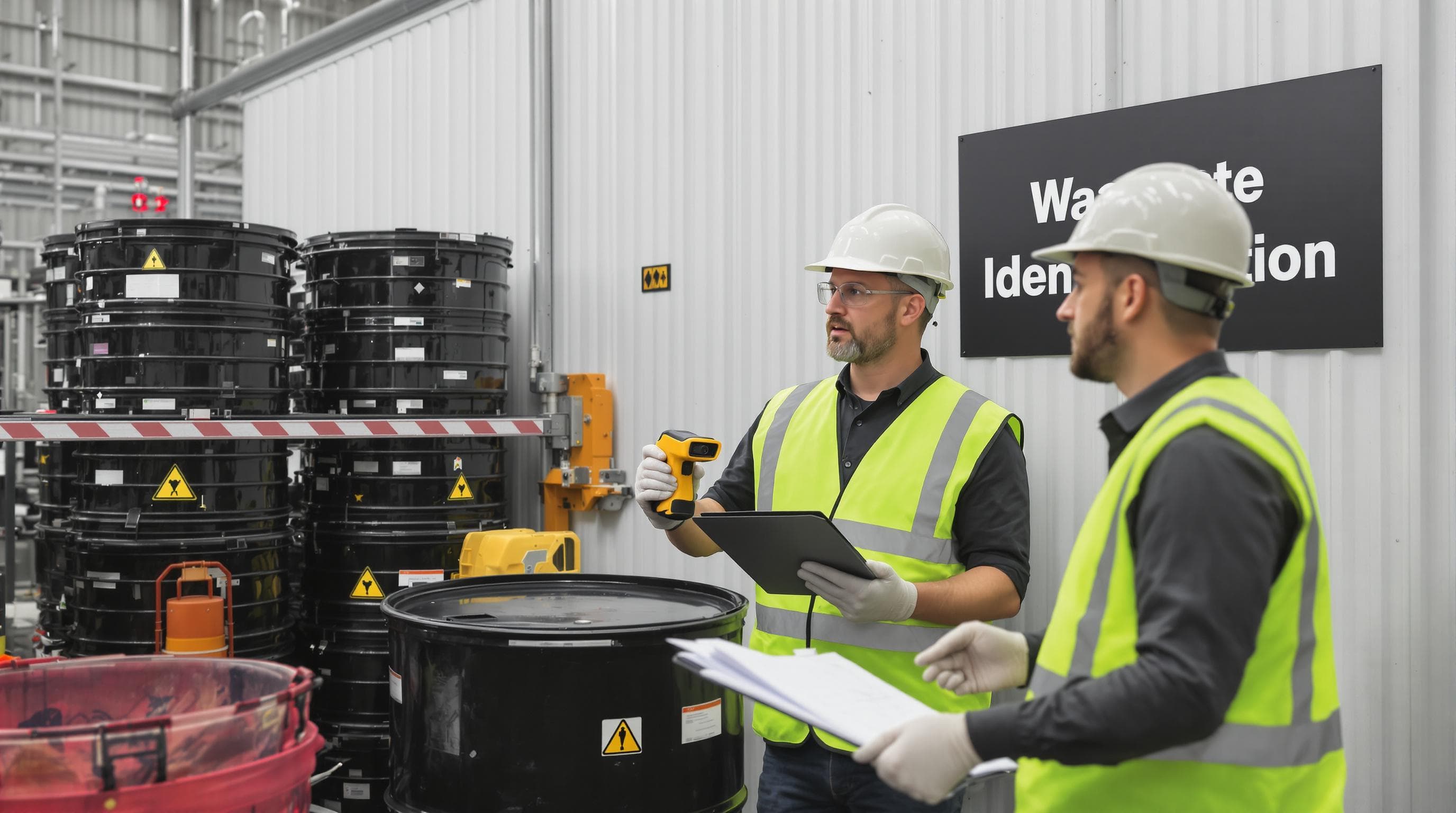
The first critical step in hazardous waste compliance involves precise identification and classification of waste streams. According to the Environmental Protection Agency, businesses must conduct thorough assessments to determine whether their waste materials meet hazardous waste criteria. This process demands rigorous material analysis, considering factors such as chemical composition, potential environmental impact, and specific industrial context.
Key classification considerations include:
- Chemical reactivity
- Toxicity levels
- Potential environmental contamination risks
- Industry-specific waste generation patterns
Businesses must develop robust internal protocols for systematically evaluating and documenting waste characteristics. This requires investment in technical expertise and potentially specialized testing equipment to ensure accurate classification.
Documentation and Reporting Requirements
Comprehensive documentation represents a fundamental compliance requirement. The National Conference of State Legislatures emphasizes the critical nature of maintaining precise records throughout the waste management lifecycle. Businesses must implement systematic documentation processes that track waste from generation through transportation and final disposal.
Essential documentation elements include:
- Detailed waste inventory logs
- Transportation manifests
- Disposal certificates
- Environmental impact assessments
Digital record-keeping systems can significantly streamline compliance efforts, providing real-time tracking and simplified reporting mechanisms. For businesses seeking additional guidance on managing confidential documentation related to waste management, our comprehensive documentation guide offers practical strategies.
Training and Organizational Preparedness
Effective hazardous waste compliance extends beyond technical processes to encompass comprehensive organizational training. Businesses must develop structured training programmes that educate employees about regulatory requirements, safety protocols, and proper handling procedures.
Key training focus areas include:
- Hazardous material identification
- Safe handling techniques
- Emergency response protocols
- Regulatory update awareness
Successful compliance requires a cultural commitment to environmental responsibility. Organizations must foster an organizational mindset that views hazardous waste management as a critical operational priority rather than a mere regulatory obligation.
By implementing these strategic compliance steps, UK businesses can transform hazardous waste management from a potential liability into an opportunity for demonstrating environmental stewardship and operational excellence. Proactive engagement with regulatory requirements not only mitigates legal risks but also contributes to broader sustainability objectives.
To help clarify the core compliance actions, the following table summarises the main steps UK businesses need to follow for hazardous waste regulatory compliance in 2025:
| Compliance Step | Description |
|---|---|
| Waste Identification & Classification | Systematically identifying and classifying all waste streams |
| Documentation & Reporting | Maintaining records from generation to disposal and submitting required reports |
| Staff Training | Educating employees on handling, safety, and regulations |
| Use of Qualified Contractors | Ensuring contractors are licensed and compliant |
| Implementation of Safe Disposal | Applying appropriate containment, treatment, and certified disposal methods |
Safe Disposal Methods for Hazardous Materials
Safe disposal of hazardous materials represents a critical responsibility for UK businesses, requiring meticulous planning, specialized techniques, and stringent adherence to regulatory standards. The complexity of managing potentially dangerous waste demands comprehensive strategies that protect both environmental and human health.
Containment and Preliminary Treatment Protocols
Before disposal, businesses must implement robust containment strategies. According to the Occupational Safety and Health Administration, preliminary treatment involves neutralizing or deactivating chemical components to reduce potential environmental risks. This process requires specialized knowledge and equipment to ensure complete neutralization.
Key preliminary treatment considerations include:
- Chemical stabilization
- Neutralization of reactive compounds
- Segregation of incompatible materials
- Reduction of hazardous material concentrations
Professional assessment of waste characteristics is crucial. Different materials require unique neutralization approaches, making expert consultation essential for effective preliminary treatment.
Certified Disposal and Transportation Procedures
The Environmental Protection Agency emphasizes the critical importance of using licensed hazardous waste contractors for proper disposal. Businesses must engage certified waste management professionals who understand complex regulatory requirements and possess specialized transportation infrastructure.
Critical transportation and disposal requirements include:
- Sealed containment systems
- Detailed transportation manifests
- GPS tracking of hazardous material shipments
- Compliance with transportation safety regulations
For businesses seeking comprehensive guidance on navigating these complex disposal processes, our detailed hazardous waste disposal guide provides essential insights and practical recommendations.
To offer a clear view of available hazardous waste treatment and disposal methods, the table below compares key approaches discussed in this section:
| Disposal Method | Key Features |
|---|---|
| Containment & Preliminary Treatment | Chemical neutralisation, stabilisation, segregation |
| Certified Disposal & Transport | Licensed contractor, sealed systems, legal manifests |
| Advanced Treatment Technologies | Thermal destruction, filtration, chemical decomposition |
Advanced Treatment and Environmental Protection
Modern hazardous waste disposal extends beyond simple removal, incorporating advanced treatment methodologies that prioritize environmental protection. Cutting-edge technologies enable more sustainable approaches to managing potentially dangerous materials.
Advanced treatment strategies include:
- Thermal destruction processes
- Chemical decomposition techniques
- Advanced filtration systems
- Molecular transformation technologies
These sophisticated approaches transform hazardous waste from a potential environmental threat into a manageable resource. Organizations must invest in continuous technological upgrades and staff training to implement these advanced disposal methodologies effectively.
Successful hazardous waste disposal requires a holistic approach that combines regulatory compliance, technological innovation, and a fundamental commitment to environmental stewardship. By implementing comprehensive disposal strategies, UK businesses can mitigate potential risks while demonstrating responsible environmental management practices.
Choosing a Licensed Hazardous Waste Contractor
Selecting an appropriate licensed hazardous waste contractor represents a critical decision for UK businesses in 2025. This process extends far beyond a simple service procurement and involves comprehensive risk management, regulatory compliance, and environmental responsibility.
Essential Contractor Qualifications
Businesses must conduct thorough due diligence when evaluating potential hazardous waste contractors. According to the Environmental Protection Agency, organizations remain responsible for their waste from ‘cradle to grave,’ making contractor selection a paramount consideration.
Key qualification criteria include:
- Current and valid environmental licensing
- Proven track record of regulatory compliance
- Comprehensive insurance coverage
- Specialized technical expertise
- Robust safety management systems
Professional certification and accreditation serve as fundamental indicators of a contractor’s capability. Businesses should request and independently verify all relevant documentation, ensuring the contractor meets stringent industry standards.
Evaluation and Selection Methodology
The Journal of Chemical Health & Safety recommends a multifaceted approach to contractor assessment. This involves examining not just compliance credentials, but also evaluating operational capabilities, technological infrastructure, and environmental commitment.
Critical evaluation parameters include:
- Disposal technique sophistication
- Environmental impact mitigation strategies
- Technological capabilities
- Cost-effectiveness
- Responsiveness and communication protocols
For businesses seeking structured guidance through this complex selection process, our comprehensive disposal guide offers detailed insights and practical recommendations.
Long-Term Partnership Considerations
Successful hazardous waste management transcends transactional relationships. Organizations should view contractor selection as establishing a strategic partnership focused on environmental stewardship and regulatory compliance.
Long-term partnership factors include:
- Continuous improvement commitment
- Transparency in waste tracking
- Proactive regulatory adaptation
- Collaborative risk management
- Shared sustainability objectives
Businesses must prioritize contractors demonstrating not just technical competence, but a genuine commitment to environmental protection. This approach transforms hazardous waste management from a regulatory requirement into a collaborative environmental strategy.
The selection of a licensed hazardous waste contractor represents a nuanced decision requiring comprehensive evaluation. By implementing a rigorous, multidimensional selection process, UK businesses can ensure regulatory compliance, minimize environmental risks, and contribute to broader sustainability objectives.
Frequently Asked Questions
What are the key changes to hazardous waste regulations in 2025?
The hazardous waste regulations in the UK are becoming stricter in 2025, introducing more rigorous checks, reporting rules, and disposal standards to ensure businesses manage hazardous materials responsibly and protect public health and the environment.
How can businesses ensure compliance with hazardous waste regulations?
To ensure compliance, businesses must accurately classify their waste, maintain detailed documentation, provide staff training on hazardous materials, and choose certified contractors for disposal. Implementing robust internal processes helps mitigate the risk of penalties and legal issues.
What penalties can businesses face for non-compliance with hazardous waste regulations?
Non-compliance can result in financial penalties reaching tens of thousands of pounds, as well as potential legal action, which may include criminal charges depending on the severity of the violation.
What are the safe disposal methods for hazardous materials?
Safe disposal methods include containment and preliminary treatment to neutralise harmful substances, using certified disposal contractors for proper and legal disposal, and implementing advanced treatment technologies that prioritise environmental protection.
Transform Your Hazardous Waste Compliance Into a Competitive Advantage
Struggling to keep up with the strict 2025 hazardous waste regulations and feeling the pressure of heavy penalties for even a small documentation slip? The latest rules demand far more than simply ticking a box. They require you to stay on top of accurate waste classification, transparent reporting, and the safe handling of every hazardous material your business produces. If the thought of getting something wrong keeps you up at night, you are not alone.
Managing these demands does not need to add chaos to your daily operations. At Venture Waste, we help keep your business fully protected and prepared. Find out how our waste collection network for UK businesses in 2025 can simplify your compliance journey. Our tailored solutions mean you can hand over the burden of documentation, collection, and lawful disposal so you always stay ahead of the rules.

Why wait and risk costly fines or legal trouble? Visit Venture Waste Management and see how simply booking our services can solve your hazardous waste challenges. Book now to make compliance easier and give your business the confidence it deserves.
Recommended
- Hazardous Waste Handling for UK Businesses: Complete 2025 Guide – Venture Waste
- Blog Archives – Venture Waste
- hazardous waste handling Archives – Venture Waste
- Hazardous Waste Regulations UK 2025: Essential Guide for Businesses – Venture Waste
- Safety Training Requirements Employers Need to Know | 2025 Guide – Peuneo
- Retail Signage Compliance Guide 2025 for London Businesses – PromoSigns.co.uk


Leave a Reply
Want to join the discussion?Feel free to contribute!