

Facility Manager Waste Duties – Ensuring Legal Compliance
Most British facility managers do not realize just how far their legal responsibilities extend when handling commercial and hazardous waste. With UK organisations facing fines that can reach hundreds of thousands of pounds for improper disposal, these duties go well beyond basic rubbish removal. Understanding what the law demands at every stage, from waste creation to final disposal, can mean the difference between compliance and costly mistakes. This guide makes sense of crucial legal duties so British facility managers can avoid risks and manage waste with confidence.
Table of Contents
- Facility Manager Waste Duties Defined Clearly
- Recognising Commercial and Hazardous Waste Types
- UK Waste Regulations and Duty of Care Laws
- Documenting and Tracking Waste Streams Effectively
- Key Responsibilities and Risk Avoidance for Managers
Key Takeaways
| Point | Details |
|---|---|
| Understanding Waste Responsibilities | Facility managers have a legal duty of care for managing waste, requiring detailed compliance with regulations and protocols to avoid severe penalties. |
| Effective Waste Classification | Distinguishing between commercial and hazardous waste is crucial for proper management and compliance with environmental standards. |
| Meticulous Documentation | Comprehensive tracking and documentation of waste streams are essential for demonstrating compliance and should be retained for at least two years. |
| Proactive Risk Management | Implementing robust training and waste management systems is vital for mitigating legal risks and ensuring responsible waste handling across organisations. |
Facility Manager Waste Duties Defined Clearly
Facility managers play a critical role in ensuring responsible waste management across organisations, with legal obligations that extend far beyond simple rubbish disposal. Waste duty of care regulations impose specific responsibilities that require meticulous attention to detail and comprehensive understanding of environmental compliance standards.
The core waste management duties for facility managers encompass several key legal requirements. These include preventing unauthorized disposal, ensuring waste is transferred exclusively to licensed waste carriers, maintaining accurate documentation, and implementing robust waste tracking systems. Specific obligations mandate that facility managers must:
- Verify the credentials of waste disposal contractors
- Maintain detailed waste transfer records for a minimum of two years
- Implement secure waste storage protocols
- Conduct regular waste management audits
- Ensure all staff receive appropriate waste handling training
Under UK waste management regulations, facility managers are legally responsible for every stage of waste handling. This comprehensive duty means tracking waste from initial generation through to final disposal, with a legal requirement to demonstrate that all waste has been managed responsibly and in compliance with environmental protection standards. Failure to meet these obligations can result in significant financial penalties and potential legal prosecution, making proactive waste management an essential strategic priority for organisational risk management.
The complexity of waste management demands a systematic approach. Facility managers must develop integrated waste strategies that balance legal compliance, environmental responsibility, and operational efficiency. By understanding and implementing rigorous waste management protocols, organisations can transform potential regulatory challenges into opportunities for sustainable practice and corporate responsibility.
Recognising Commercial and Hazardous Waste Types
Facility managers must develop a sophisticated understanding of waste classification to ensure proper management and legal compliance. Commercial waste regulations define commercial waste as any refuse generated from business premises, including locations used for trade, sport, recreation, and entertainment. This broad definition encompasses a wide range of waste streams that require specialised handling and disposal strategies.
Understanding the critical distinction between commercial and hazardous waste is paramount for effective waste management. Commercial waste typically includes:
- Office paper and documentation
- Packaging materials
- Non-contaminated cleaning supplies
- General workplace refuse
- Broken furniture and equipment
Hazardous waste, by contrast, presents significantly more complex management challenges. Hazardous waste identification requires careful assessment of materials that pose substantial risks to public health or environmental safety. These materials might include:
- Chemical residues
- Batteries
- Electronic equipment containing toxic components
- Medical waste
- Oils and solvents
- Asbestos-containing materials
The legal requirements for managing these waste types differ dramatically. Hazardous waste demands rigorous tracking, specialised containment, and certified disposal processes that go beyond standard waste management protocols. Facility managers must implement comprehensive waste assessment procedures, ensuring that every waste stream is correctly identified, segregated, and processed according to its specific risk profile.
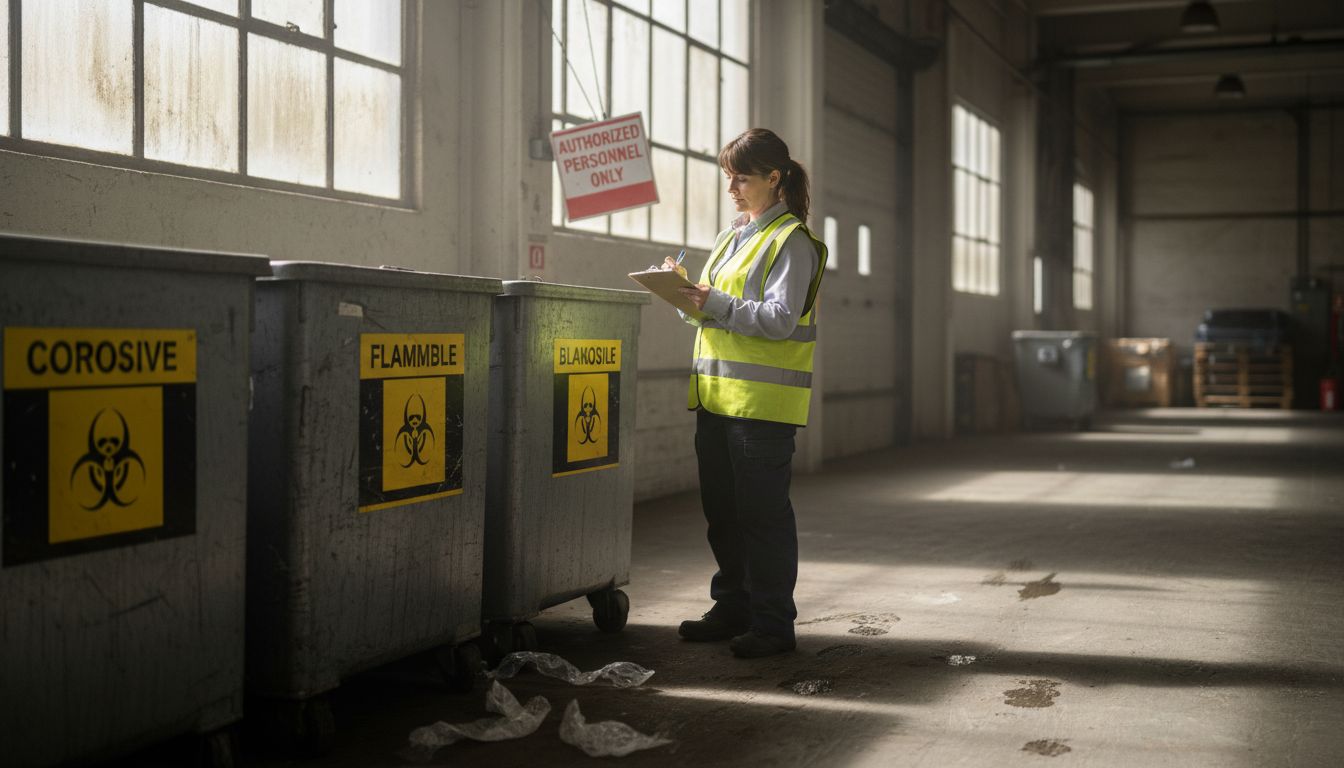
Navigating the intricate landscape of waste classification requires ongoing education and proactive management. Successful facility managers develop robust waste management systems that not only comply with current regulations but also anticipate potential environmental and legal risks. By understanding the nuanced characteristics of commercial and hazardous waste, organisations can transform waste management from a regulatory burden into a strategic opportunity for environmental stewardship and corporate responsibility.
UK Waste Regulations and Duty of Care Laws
Waste disposal legal requirements form a complex regulatory landscape that demands meticulous attention from facility managers across the United Kingdom. The Environmental Protection Act 1990 establishes the fundamental legal framework for waste management, imposing stringent responsibilities on organisations to prevent environmental harm and ensure responsible waste handling.
The core principles of the UK’s waste duty of care encompass several critical obligations:
- Preventing waste from being disposed of illegally
- Ensuring waste is transferred only to authorised waste carriers
- Maintaining comprehensive documentation of waste movements
- Taking all reasonable measures to minimise environmental risks
- Implementing robust waste management and tracking systems
Waste duty of care guidance requires organisations to demonstrate proactive management of their waste streams. This means facility managers must develop systematic approaches that go beyond mere compliance, integrating comprehensive waste assessment, segregation, and disposal protocols. Each waste transfer must be accompanied by a detailed transfer note, recording the precise nature of the waste, its origin, and its intended destination.
The legal implications of non-compliance are significant. Organisations failing to meet waste duty of care requirements can face substantial financial penalties, potential prosecution, and reputational damage. Facility managers must therefore adopt a holistic approach to waste management, viewing regulatory compliance not as a bureaucratic burden but as a critical component of responsible business practice. By implementing rigorous waste tracking, investing in staff training, and maintaining meticulous records, organisations can transform their waste management from a potential legal liability into a strategic opportunity for environmental stewardship and operational excellence.
Documenting and Tracking Waste Streams Effectively
Waste stream documentation represents a critical compliance mechanism for facility managers, requiring meticulous attention to detail and systematic record-keeping. The waste transfer note serves as the primary legal document capturing the intricate journey of waste from its point of origin through to final disposal, creating an auditable trail that demonstrates responsible waste management practices.
Effective waste stream tracking demands comprehensive documentation that includes:
- Precise waste type classification
- Exact quantity and weight measurements
- Specific waste collection and transfer dates
- Detailed carrier and disposal site information
- Unique waste transfer note reference numbers
- Signatures from both waste producer and carrier
NetRegs guidance emphasises the legal requirement to retain waste transfer documentation for a minimum of two years. This retention period enables organisations to demonstrate compliance, support potential environmental investigations, and maintain transparency in their waste management processes. Digital documentation systems can significantly enhance this process, providing searchable, secure records that streamline regulatory reporting and internal auditing.
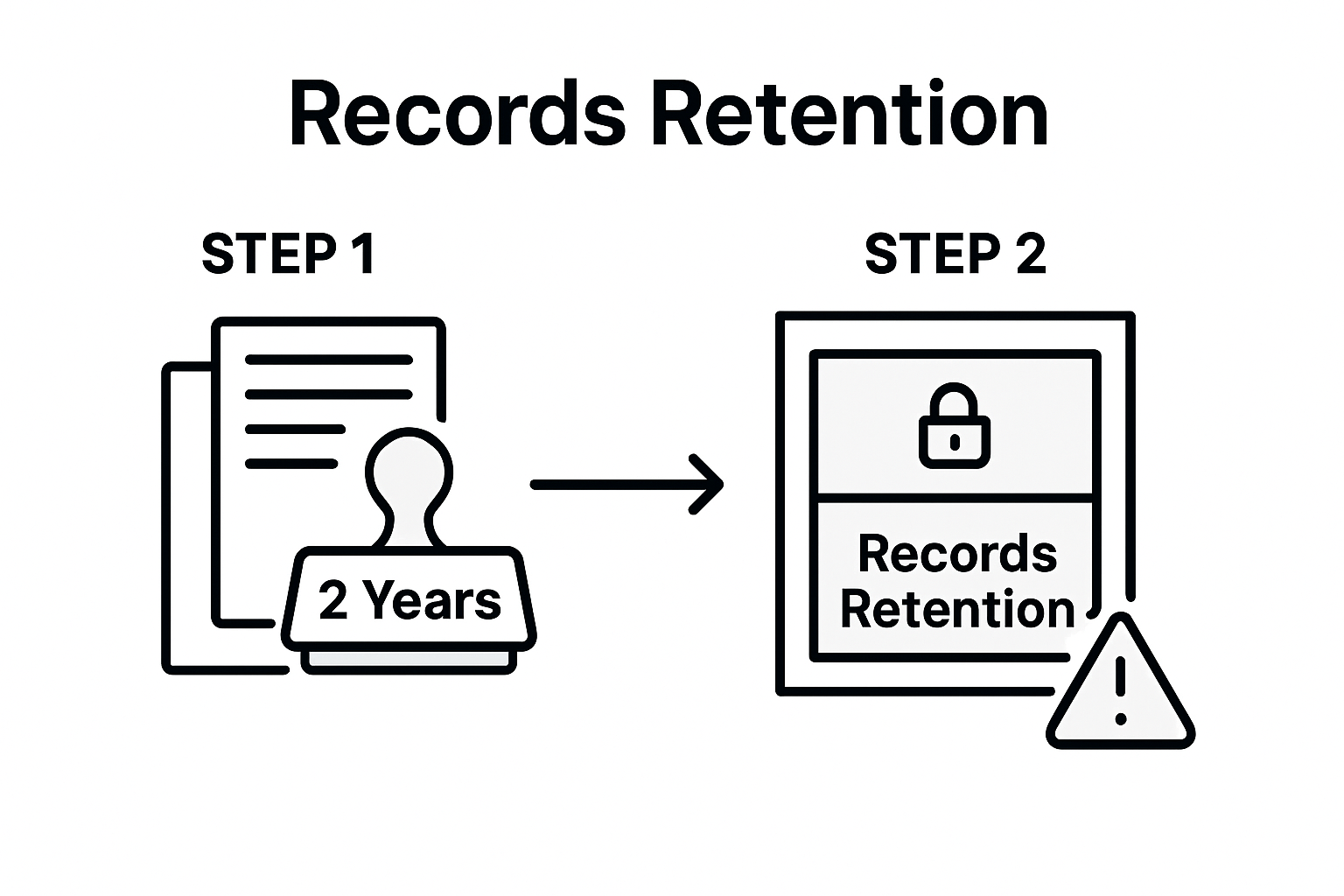
Successful waste stream management transcends mere paperwork. Facility managers must develop robust internal systems that integrate accurate documentation with proactive waste reduction strategies. By implementing comprehensive tracking mechanisms, organisations can transform waste documentation from a regulatory requirement into a strategic tool for environmental performance improvement, cost management, and sustainable business practices.
Key Responsibilities and Risk Avoidance for Managers
Waste management responsibilities represent a complex legal landscape that demands proactive strategic oversight from facility managers. The duty of care framework requires managers to implement comprehensive systems that prevent environmental harm, mitigate legal risks, and ensure responsible waste handling across their entire organisational ecosystem.
Key risk mitigation strategies for facility managers include:
- Conducting thorough waste contractor compliance assessments
- Implementing robust internal waste tracking protocols
- Developing comprehensive staff training programmes
- Establishing clear waste management accountability structures
- Creating detailed emergency response plans for potential waste incidents
- Maintaining up-to-date documentation of all waste movements
Hull City Council guidance emphasises the critical importance of taking all reasonable steps to manage waste responsibly. This means facility managers must go beyond minimal compliance, developing holistic approaches that integrate legal requirements with organisational sustainability goals. Proactive risk management involves continuous staff education, regular compliance audits, and maintaining transparent, detailed records of waste handling processes.
Ultimately, effective risk avoidance requires a cultural shift within organisations. Facility managers must position waste management as a strategic priority, not merely an administrative burden. By embedding robust governance frameworks, investing in staff training, and maintaining rigorous documentation, managers can transform potential legal vulnerabilities into opportunities for demonstrating environmental leadership and operational excellence.
Take Control of Your Facility’s Waste Compliance with Expert Support
Managing the complex legal responsibilities of waste duty of care can be a daunting challenge for facility managers. From verifying licensed waste carriers to maintaining detailed transfer notes, these critical tasks require precise execution to avoid costly penalties and protect the environment. If you are striving to transform your waste management system into a robust, compliant process, why not explore proven solutions designed to ease these burdens? Venture Waste offers tailored commercial waste services that ensure your waste streams are handled responsibly and documented accurately.

Discover how our comprehensive approach aligns with the latest waste collection processes in the UK for businesses and supports the evolving waste collection network in the UK for businesses. With Venture Waste, you gain a partner committed to simplifying compliance through reliable services and clear-cut procedures. Take the first step today by visiting our website at Venture Waste and secure a fully compliant, efficient waste management solution for your organisation.
Frequently Asked Questions
What are the main duties of a facility manager in waste management?
Facility managers are responsible for ensuring compliance with waste duty of care regulations, which include preventing illegal disposal, verifying waste carrier credentials, maintaining documentation, and implementing waste tracking systems.
How long should waste transfer records be kept?
Waste transfer records must be retained for a minimum of two years to demonstrate compliance and support potential investigations.
What distinguishes commercial waste from hazardous waste?
Commercial waste includes general refuse generated from business operations, while hazardous waste consists of materials that pose significant risks, such as chemical residues, batteries, and medical waste, requiring specialised management protocols.
What are the legal consequences of failing to comply with waste management regulations?
Failure to comply with waste management regulations can result in substantial financial penalties, legal prosecution, and reputational damage for the organisation.
Recommended
- Waste Management Step by Step: A Guide for UK Businesses 2025 – Venture Waste
- Waste Disposal Legal Requirements UK 2025: What Businesses Must Know – Venture Waste
- 7 Steps to Waste Compliance for UK Businesses in 2025 – Venture Waste
- Hazardous Waste Regulations UK 2025: Essential Guide for Businesses – Venture Waste
- Diesel Particulate Filter Maintenance for Professionals – My WordPress
- Who Regulates HVAC in Kentucky? 2025 Guide for Property Owners – HVAC Service and Repair | Louisville, KY | Project Heating & Cooling
- Data Retention Policies What Businesses Must Know | TECHTRON


Leave a Reply
Want to join the discussion?Feel free to contribute!