

Efficient Construction Waste Removal: Step-by-Step Guide
Construction waste can pile up quickly on project sites across Newcastle and the North East. A single large building job can generate several tonnes of mixed debris before anyone even realises. Most people think managing all that waste is just about hiring a skip and letting someone else handle the mess. Actually, the hardest part is working through strict local rules and getting the waste properly sorted right from day one.
Table of Contents
- Step 1: Assess Your Construction Waste Needs
- Step 2: Identify Local Waste Disposal Regulations
- Step 3: Choose A Reliable Waste Removal Company
- Step 4: Schedule Waste Collection And Removal
- Step 5: Verify Compliance And Final Disposal
Quick Summary
| Key Point | Explanation |
|---|---|
| 1. Conduct a thorough waste assessment | Assess your project’s waste types and volumes to strategise efficient removal and recycling opportunities. |
| 2. Understand local disposal regulations | Familiarise yourself with local guidelines for waste management to avoid penalties and legal issues. |
| 3. Choose a reputable waste removal partner | Selecting a qualified waste removal company ensures compliance and effective management of construction debris. |
| 4. Schedule waste collection strategically | Develop a flexible schedule for waste pickups to maintain site efficiency and prevent disruptions. |
| 5. Verify compliance and documentation | Keep detailed records of waste disposal processes to prove compliance and uphold environmental responsibility. |
Step 1: Assess Your Construction Waste Needs
Effective construction waste removal begins with a thorough assessment of your specific project’s waste management requirements. In Newcastle and across the North East, construction sites generate substantial volumes of waste materials that demand strategic planning and careful evaluation. Understanding the precise composition and quantity of waste is crucial for developing an efficient removal strategy.
Your initial assessment should encompass a comprehensive survey of all potential waste streams generated during your construction project. This involves systematically identifying different material types such as concrete, timber, metal, plastics, and mixed debris. Contractors working in urban areas like Durham or Sunderland often encounter complex waste profiles that require detailed categorisation. Professional waste audits can help determine exact volumes and characteristics, enabling more precise waste management planning.
Learn more about construction waste assessment techniques and develop a strategic approach tailored to your project’s unique requirements. Consider creating a detailed waste inventory that documents expected materials, estimated quantities, and potential recycling or repurposing opportunities. Key factors to evaluate include:
- Total anticipated waste volume
- Material diversity and segregation potential
- Potential for on-site material reuse
- Recycling and disposal requirements
Engaging with professional waste management specialists early in your project timeline allows for more accurate waste predictions and more sustainable disposal strategies. They can provide expert guidance on waste classification, segregation methods, and compliance with local environmental regulations. By investing time in a meticulous waste assessment, construction teams can significantly reduce disposal costs, minimise environmental impact, and streamline their overall waste management process.
Step 2: Identify Local Waste Disposal Regulations
Navigating the complex landscape of construction waste disposal regulations requires meticulous attention to detail and a comprehensive understanding of local and national guidelines. In the North East, regions like Newcastle, Durham, and Sunderland each have specific waste management protocols that construction projects must strictly adhere to. Failing to comply with these regulations can result in significant financial penalties and potential legal complications.
The initial step in identifying appropriate waste disposal regulations involves contacting your local council’s environmental health department. Each local authority in the UK has distinct requirements for waste segregation, transportation, and disposal. Learn about critical waste compliance steps to ensure your construction project meets all necessary legal standards. Construction managers must obtain detailed documentation outlining permissible waste streams, mandatory recycling quotas, and specific disposal methods for different material types.
Careful documentation is paramount when managing construction waste regulations. Your waste management strategy should include comprehensive records of waste generation, tracking, and disposal. These records serve multiple purposes: demonstrating regulatory compliance, enabling potential waste reduction strategies, and providing evidence of responsible environmental management. Contractors must maintain detailed logs that specify the type and volume of waste produced, transportation details, and final disposal destinations.
Key verification criteria for successful regulatory compliance include:
- Obtaining valid waste carrier licenses
- Maintaining accurate waste transfer documentation
- Demonstrating proper waste segregation practices
- Providing evidence of responsible disposal methods
Consultation with professional waste management experts can provide invaluable guidance through this complex regulatory environment. They can help interpret local council requirements, recommend appropriate disposal strategies, and ensure your construction project remains fully compliant with current environmental regulations. By proactively understanding and implementing these guidelines, construction teams can effectively manage their waste while minimising potential legal and financial risks.
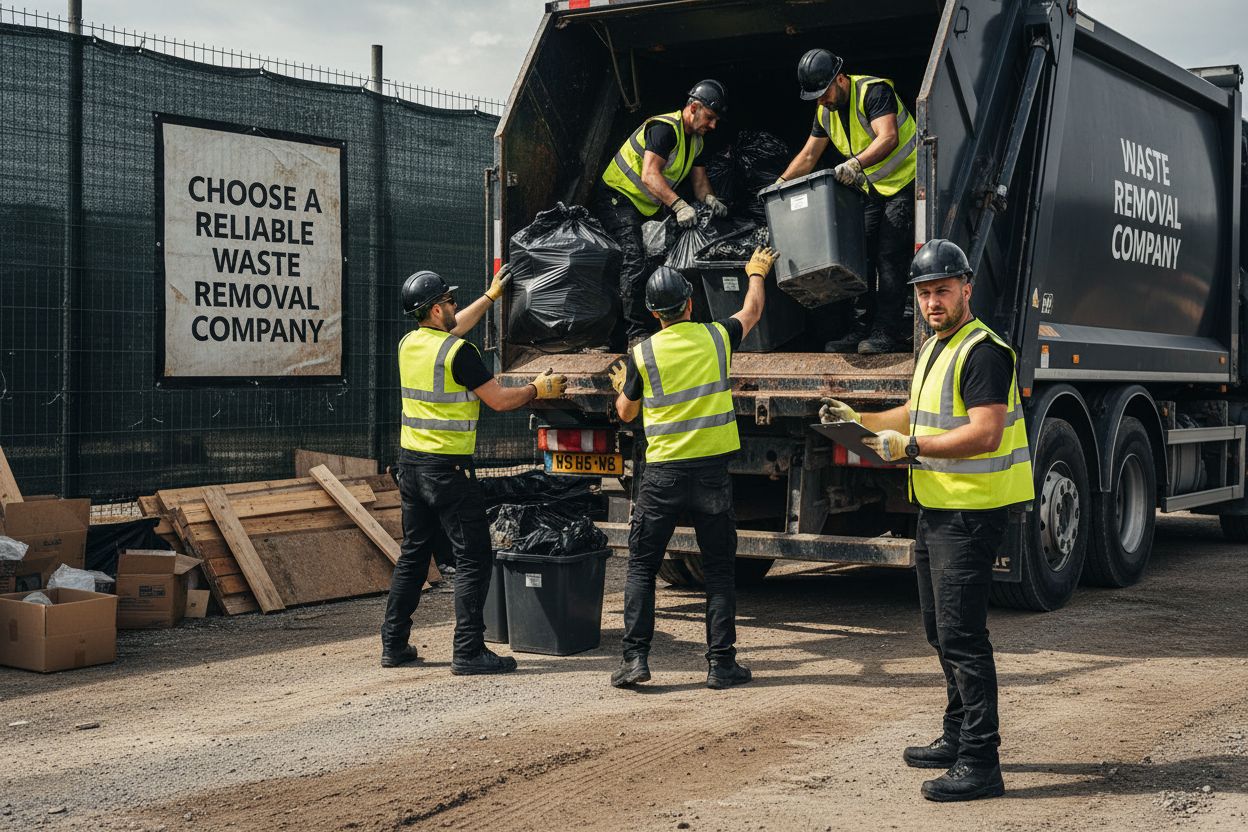
Step 3: Choose a Reliable Waste Removal Company
Selecting the right waste removal company is a critical decision that can significantly impact your construction project’s efficiency, cost-effectiveness, and environmental responsibility. In the North East, where construction activities are robust across cities like Newcastle, Durham, and Sunderland, finding a waste management partner that understands local regulations and environmental standards is paramount. The ideal waste removal company should offer comprehensive services that align with your specific project requirements.
Explore waste management solutions for North East businesses to understand the key factors in selecting a reliable partner. When evaluating potential waste removal companies, contractors must conduct thorough due diligence. This involves examining the company’s waste carrier license, checking their environmental credentials, and reviewing their track record of handling construction waste in similar project scales and contexts. Professional waste management firms should provide transparent documentation demonstrating their compliance with local and national waste disposal regulations.
Your selection process should include comprehensive discussions with potential waste removal partners about their specific capabilities. This means drilling down into their expertise with construction waste streams, understanding their recycling rates, and confirming their ability to handle the diverse materials your project will generate. Advanced waste management companies offer more than simple collection services; they provide strategic advice on waste reduction, material segregation, and potential recycling opportunities that can lower your overall disposal costs.
Key verification criteria for selecting a waste removal company include:
- Valid waste carrier license and environmental credentials
- Proven experience in construction waste management
- Comprehensive waste tracking and reporting systems
- Demonstrated commitment to recycling and sustainable disposal practices
Beyond technical capabilities, consider the company’s communication style and responsiveness. A reliable waste removal partner will be proactive in providing updates, offering recommendations, and adapting to your project’s evolving waste management needs. By investing time in selecting the right waste removal company, construction teams can ensure smoother project execution, reduce potential compliance risks, and contribute to more sustainable waste management practices.
Step 4: Schedule Waste Collection and Removal
Scheduling construction waste collection and removal requires strategic planning and precise coordination to ensure smooth project operations. In bustling construction sites across the North East, from Newcastle to Sunderland, effective waste management timing can significantly impact project efficiency and cost-effectiveness. Timely waste removal prevents site congestion, maintains safety standards, and supports continuous workflow.
Discover efficient waste collection scheduling techniques to optimise your construction waste management strategy. Contractors must develop a comprehensive waste collection schedule that aligns with project milestones and anticipated waste generation. This involves communicating clearly with your chosen waste removal company about expected waste volumes, specific material types, and potential fluctuations in waste production throughout different project phases.
Professional waste management requires proactive communication and detailed planning. Construction managers should establish a flexible collection schedule that can adapt to project dynamics. This might involve weekly collections for consistent waste streams and on-demand services for sudden large-volume waste generation periods. Advanced planning helps prevent unexpected site disruptions and ensures continuous waste management without compromising project timelines.
Key considerations when scheduling waste collection include:
- Identifying peak waste generation periods
- Matching collection frequencies with project construction stages
- Allowing buffer time for unexpected waste volume increases
- Maintaining clear communication channels with waste removal providers
Successful waste collection scheduling involves more than simply arranging pickups. It requires a holistic approach that considers site logistics, material segregation requirements, and potential environmental constraints. By developing a robust, flexible waste removal strategy, construction teams can minimise site disruption, reduce potential safety risks, and maintain an organised, efficient working environment. Regular reviews and adjustments to the waste collection schedule ensure ongoing alignment with project progression and waste management objectives.
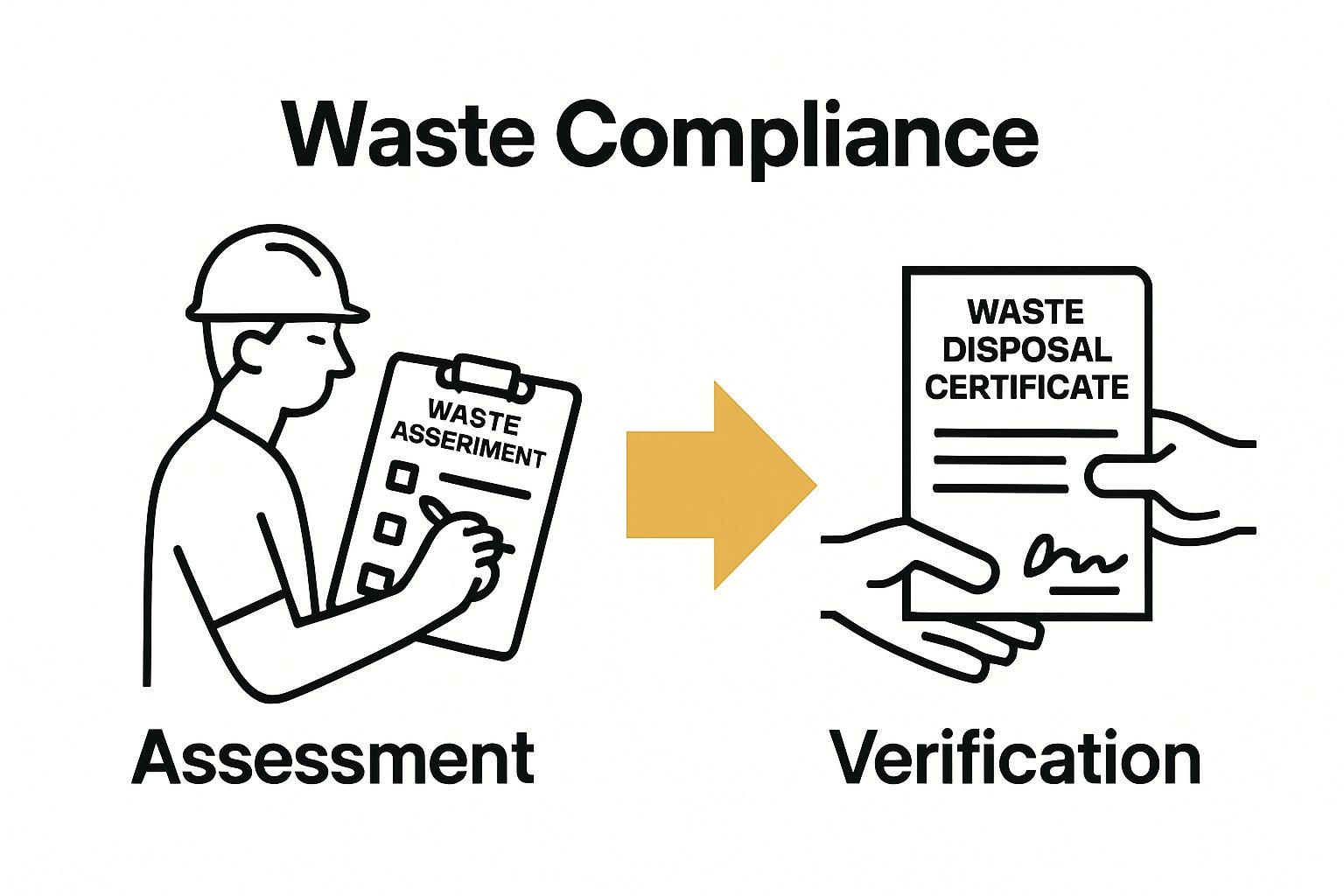
Step 5: Verify Compliance and Final Disposal
The final stage of construction waste removal involves rigorous verification and documentation to ensure legal compliance and environmental responsibility. In the North East, from Newcastle to Sunderstone, construction projects must demonstrate meticulous waste management practices that meet stringent regulatory standards. Comprehensive documentation serves as your project’s legal shield and environmental commitment.
Explore essential steps to waste compliance to understand the critical elements of proper waste verification. Contractors must carefully review all waste transfer documentation, ensuring each load is accompanied by a detailed waste transfer note that comprehensively records the type, quantity, and final destination of construction waste. These documents are not merely paperwork but legal records that prove responsible waste management and protect your business from potential environmental infractions.
Careful verification extends beyond paperwork to physical inspection and tracking. Construction managers should conduct thorough reviews of waste disposal receipts, cross-referencing them with initial waste assessment documents from earlier project stages. This process involves confirming that waste has been processed through approved facilities, with a particular focus on recycling rates and proper handling of potentially hazardous materials. Professional waste management teams typically provide detailed reports that outline the entire waste journey, from collection to final disposal or recycling.
Key verification criteria for final waste disposal include:
- Complete and accurate waste transfer documentation
- Confirmation of disposal at licensed waste management facilities
- Verification of recycling percentages and waste stream processing
- Alignment with initial waste assessment and project environmental goals
Successful compliance verification requires a proactive and systematic approach. Construction teams should maintain a comprehensive archive of all waste management documentation, creating a transparent record of their environmental responsibility. By implementing these rigorous verification processes, contractors not only meet legal requirements but also demonstrate a commitment to sustainable construction practices that go beyond mere regulatory compliance.
Below is a checklist table to help ensure that all verification steps for compliance and final waste disposal are thoroughly covered at the end of your construction project.
| Verification Item | Description | Completion Status |
|---|---|---|
| Waste transfer documentation | Ensure all waste deliveries have detailed, accurate transfer notes | [ ] |
| Licensed facility confirmation | Confirm that waste is disposed of at authorised facilities | [ ] |
| Recycling percentage verification | Check and record reported recycling rates for collected waste | [ ] |
| Documentation archive | Maintain an organised archive of all compliance records and waste receipts | [ ] |
| Alignment with initial assessment | Cross-check final disposal against the original waste assessment plan | [ ] |
Ready for Hassle-Free Construction Waste Removal in the North East?
Managing construction waste is more complicated than ever. The step-by-step guide showed how crucial it is to assess your specific waste streams, adhere to strict local regulations, and keep detailed records to stay legally compliant. If you are struggling with unpredictable waste volumes, unsure about correct documentation, or worried about unnecessary project delays, you are not alone. Reliable support and local expertise mean fewer headaches and regulatory risks for your project. For those needing answers on specific waste challenges, our Batteries waste solutions page tackles specialised issues that many sites overlook.

Take control of your construction site today by choosing a partner committed to transparent compliance and smooth removal services. Visit Venture Waste Management to book trustworthy waste collection or browse our tailored construction waste management services for fast, responsible results. Your efficient and fully compliant site is just a click away—secure your solution now before delays cause unnecessary costs or legal complications.
Frequently Asked Questions
What steps should I take to assess my construction waste needs?
Effective assessment involves a thorough survey of potential waste streams, identifying types of materials (like concrete, timber, or metals), and estimating their quantities for efficient waste management planning.
How can I ensure compliance with local waste disposal regulations?
Engage with your local council’s environmental health department to understand specific waste segregation and disposal requirements. Maintain accurate records of waste generation, tracking, and disposal to demonstrate compliance.
What criteria should I consider when selecting a waste removal company?
Key factors include verifying the company’s waste carrier license, their experience in handling construction waste, their recycling rates, and their commitment to sustainable practices and regulatory compliance.
How do I effectively schedule waste collection during a construction project?
Develop a comprehensive schedule aligned with project milestones, establish flexible collection timings to adapt to changing waste volumes, and maintain regular communication with your waste removal provider to avoid disruptions.


Leave a Reply
Want to join the discussion?Feel free to contribute!