

Disposal of Electronics: Step-by-Step Guide for UK Businesses
Over 50 million tonnes of electronic waste are generated globally each year, yet many British businesses overlook secure disposal. Mishandling outdated devices can expose sensitive company data and harm the environment. Knowing how to properly identify, handle, and document electronic waste is vital for British organisations that want to stay compliant and avoid costly data breaches. This guide highlights each critical step to keep your business protected and responsibly manage electronic equipment disposal.
Table of Contents
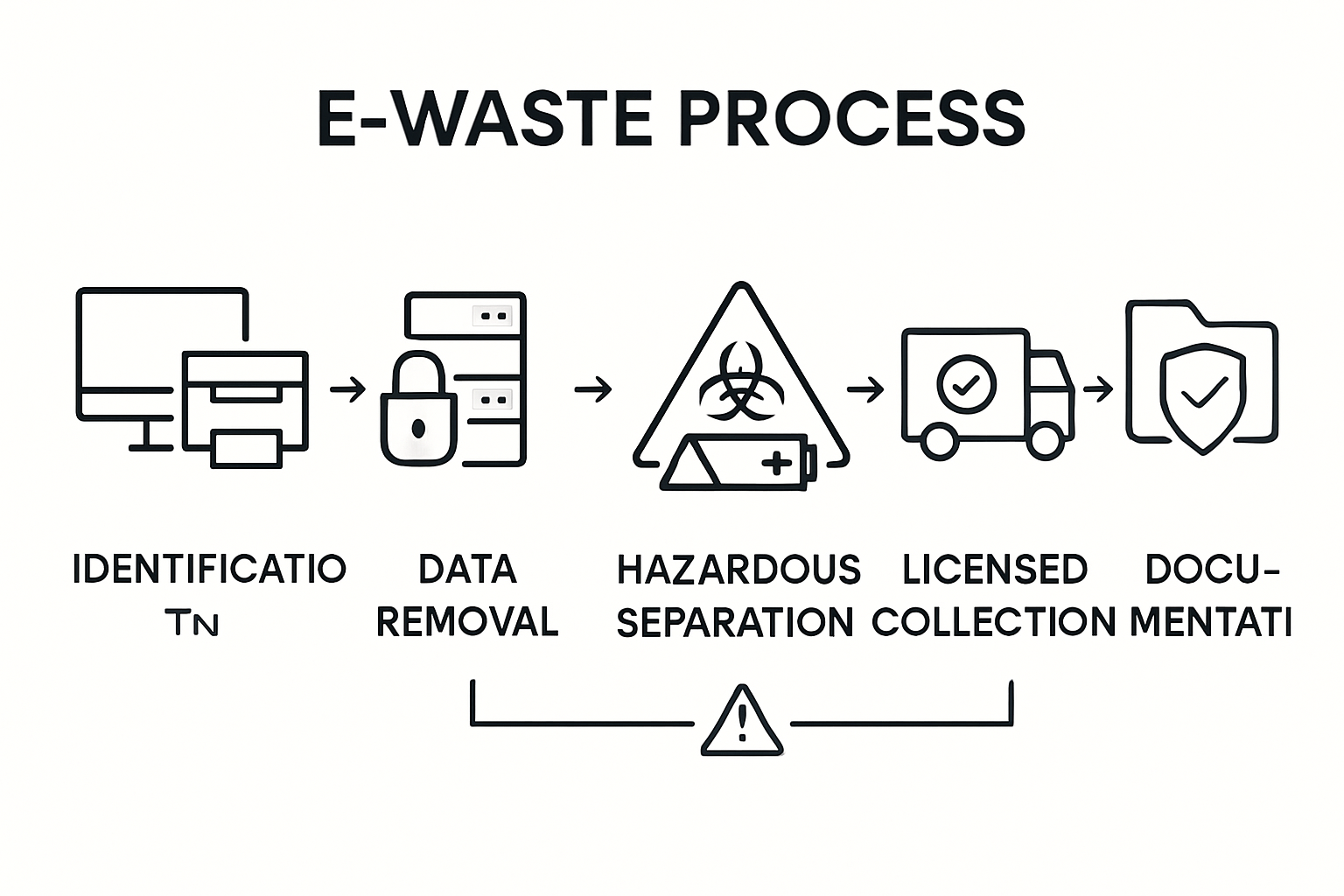
- Step 1: Identify Electronic Waste For Secure Disposal
- Step 2: Backup And Remove Sensitive Business Data
- Step 3: Classify And Separate Hazardous Electronic Items
- Step 4: Arrange Compliant Collection With A Licensed Provider
- Step 5: Verify Completion And Retain Compliance Documentation
Quick Summary
| Key Message | Explanation |
|---|---|
| 1. Identify all electronic waste | Conduct a thorough inventory of your devices, including those with sensitive data, to ensure proper disposal and compliance with regulations. |
| 2. Backup sensitive data securely | Create encrypted backups of important business data before deleting to prevent data loss and avoid potential breaches. |
| 3. Separate hazardous materials | Classify and keep hazardous electronic items such as batteries and circuit boards separate to ensure safety and legal compliance. |
| 4. Use licensed waste providers | Choose a reputable electronic waste management company that holds the necessary licenses and can provide documentation of secure disposal. |
| 5. Maintain compliance documentation | Keep accurate records of the disposal process, including destruction certificates and transfer notes, to protect your business legally. |
Step 1: Identify electronic waste for secure disposal
Identifying electronic waste requires methodical assessment of your business equipment to ensure secure and responsible disposal. Understanding what constitutes electronic waste is crucial for maintaining data protection and environmental compliance.
Start by conducting a comprehensive inventory of all electronic devices in your organisation. This includes computers, laptops, servers, mobile phones, tablets, networking equipment, printers, scanners, and peripherals. Pay special attention to devices that may contain sensitive data storage components. The National Cyber Security Centre recommends careful identification of storage media before disposal to prevent potential data breaches.
Categorise your electronic waste according to UK regulatory standards. The government guidance on waste electrical and electronic equipment provides specific waste codes for different types of electronic items. Focus on classifying items like:
- IT equipment with internal hard drives
- Smartphones and tablets
- Networking switches and routers
- Printers and multifunction devices
- Dated server hardware
Be particularly vigilant with devices that might contain confidential business data. Any equipment that has been used for financial records, customer information, or sensitive corporate communications requires extra scrutiny during the identification process.
Warning: Never discard electronic devices without first confirming they have been thoroughly checked and prepared for secure disposal. This helps protect your business from potential data security risks and ensures compliance with environmental regulations.
Step 2: Backup and remove sensitive business data
Securing and removing sensitive business data is a critical step in electronic waste disposal that protects your organisation from potential data breaches and ensures compliance with data protection regulations. This process requires careful planning and systematic execution.
Begin by creating comprehensive backups of all critical business data before initiating the deletion process. The Information Commissioner’s Office recommends thorough data management practices to ensure secure information handling. Use encrypted external hard drives or secure cloud storage platforms to store these backups, ensuring multiple copies exist across different storage mediums.
When removing data from electronic devices, employ robust data sanitisation techniques. This means completely erasing all information beyond simple file deletion. Use specialised data destruction software that overwrites storage drives multiple times, making data recovery impossible. For devices containing highly sensitive information such as financial records or customer databases, consider physical destruction of storage media as an additional security measure.
Key steps for data removal include:
- Disconnect devices from network systems
- Use professional data erasure tools
- Verify complete data destruction
- Document the destruction process for compliance records
Warning: Never assume standard deletion methods are sufficient. Sophisticated data recovery techniques can potentially retrieve seemingly erased information, putting your business at significant risk of data exposure.
Once data sanitisation is complete, your electronic devices are ready for the next stages of secure disposal. Proper backup and removal procedures protect your business from potential legal and reputational risks associated with data breaches.
Step 3: Classify and separate hazardous electronic items
Classifying and separating hazardous electronic items is a crucial process that ensures environmental safety and legal compliance for businesses disposing of electronic waste. This step requires careful identification and strategic handling of potentially dangerous components within your electronic equipment.
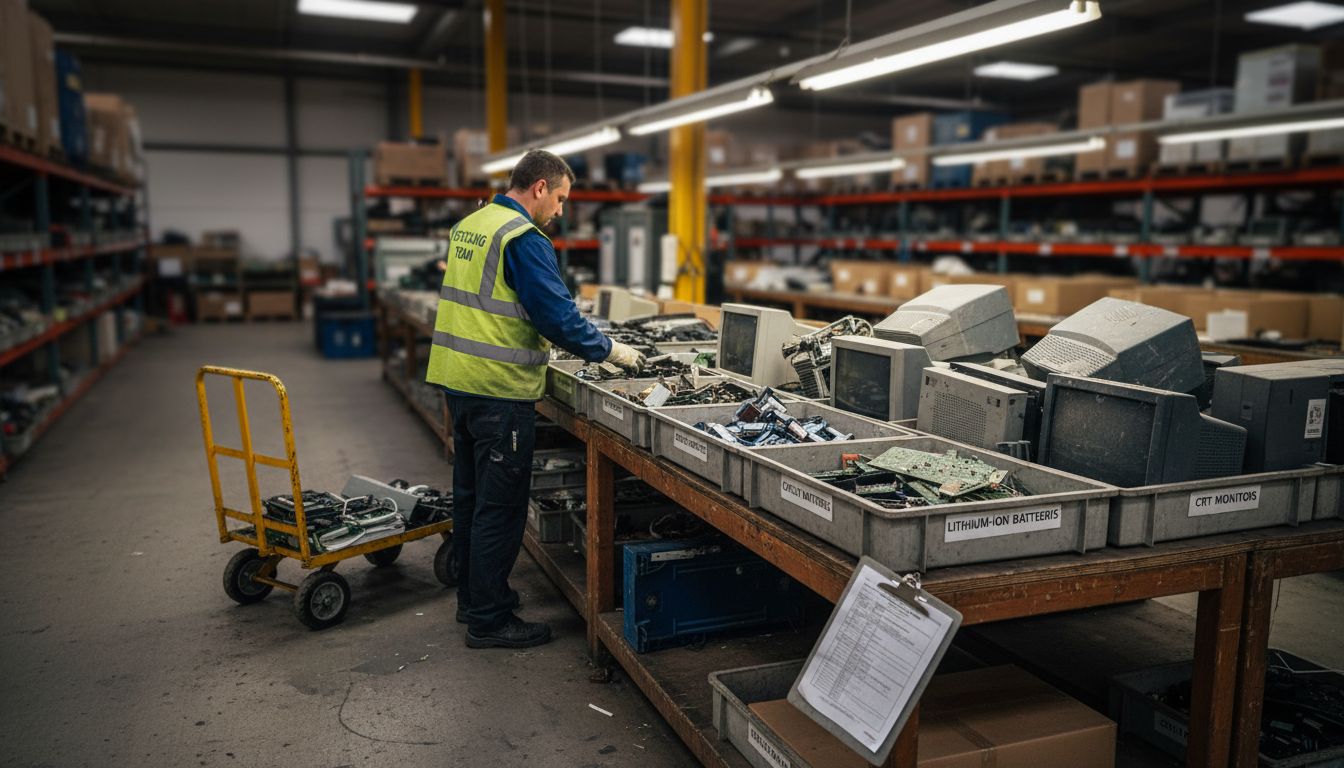
Government guidance on waste electrical and electronic equipment helps businesses identify hazardous substances through comprehensive classification protocols. Hazardous electronic items typically include components containing toxic materials such as lead batteries, mercury switches, cathode ray tubes from older monitors, printed circuit boards with heavy metals, and electronic devices with brominated flame retardants.
To effectively separate hazardous items, implement a systematic approach that prioritises safety and regulatory compliance. Begin by creating distinct collection zones for different categories of electronic waste. These zones should include separate containers for:
- Batteries and power storage units
- Display screens and monitors
- Printed circuit boards
- Medical electronic equipment
- Industrial control systems
- Networking and telecommunications hardware
Each category requires specific handling protocols to minimise environmental contamination and potential workplace health risks. Wear appropriate personal protective equipment including gloves and safety glasses when managing these materials. Keep detailed documentation of each item’s classification and disposal pathway to maintain a clear audit trail.
Warning: Never mix hazardous electronic items with standard electronic waste. Cross contamination can create significant environmental and legal complications for your organisation.
By meticulously classifying and separating hazardous electronic components, you protect both your business and the environment from potential risks associated with improper electronic waste disposal.
Step 4: Arrange compliant collection with a licensed provider
Arranging compliant electronic waste collection requires strategic planning and careful selection of a licensed waste management partner. This critical step ensures your business meets legal requirements while responsibly disposing of electronic equipment.
Begin by thoroughly researching waste management providers specialising in electronic waste disposal. Verify each potential provider holds current waste carrier licences and environmental permits from the Environment Agency. Look for organisations with proven track records in secure electronic waste handling that can provide comprehensive documentation of their disposal processes.
Key considerations when selecting a licensed waste collection provider include:
- Current waste carrier registration
- Certified environmental compliance credentials
- Detailed tracking and documentation processes
- Transparent disposal methodologies
- Experience handling electronic waste from businesses in your sector
- Ability to provide destruction certificates
Request comprehensive quotes from multiple licensed providers and carefully compare their service offerings. During initial consultations ask specific questions about their waste handling protocols confidentiality measures and environmental compliance standards. Ensure they can provide secure chain of custody documentation for all collected electronic equipment.
Warning: Never engage waste collection services without verifying their legal credentials. Unauthorised waste disposal can result in significant legal and financial penalties for your organisation.
By meticulously selecting a reputable licensed waste collection provider you protect your business interests and contribute to responsible electronic waste management practices.
Step 5: Verify completion and retain compliance documentation
Verifying the completion of electronic waste disposal and maintaining comprehensive compliance documentation are essential final steps in your organisation’s responsible waste management process. These actions protect your business legally and demonstrate your commitment to environmental and data protection standards.
The Information Commissioner’s Office accountability framework emphasises the critical importance of maintaining precise records of data processing activities, particularly when disposing of electronic equipment containing sensitive information.
To effectively verify and document your electronic waste disposal, collect and carefully organise the following key documentation:
- Detailed waste transfer notes
- Certificates of destruction
- Asset disposal logs
- Chain of custody documentation
- Environmental compliance certificates
- Waste carrier licence verification records
Ensure all documentation includes specific details such as:
- Date of disposal
- Quantities of electronic waste
- Serial numbers of disposed equipment
- Method of destruction
- Authorising personnel signatures
- Waste management provider details
Warning: Incomplete or inaccurate documentation can expose your organisation to significant legal and regulatory risks. Meticulously maintained records demonstrate due diligence and protect your business from potential future investigations.
Store these compliance documents securely for a minimum of six years. Digital copies should be encrypted and backed up, while physical documents must be kept in fireproof and locked storage to ensure their integrity and accessibility when required.
Simplify Your Electronic Waste Disposal with Expert Support
Navigating the complex steps of electronic waste disposal can be challenging for UK businesses striving to stay compliant and protect sensitive data. From identifying hazardous components to ensuring secure data destruction and managing licensed collection, the process demands meticulous attention. Venture Waste Management understands these critical pain points and offers tailored solutions to help your organisation handle each stage responsibly and efficiently.

Secure your business against data breaches and legal risks by partnering with us. Explore expert services such as professional hard drive destruction to safeguard your confidential information, responsible handling of electronic waste through our WEEE Waste solutions, and specialised battery disposal with our Batteries service. Act now to ensure your waste disposal complies with UK regulations and environmental standards. Visit Venture Waste Management today to book your secure electronic waste collection and take the next step towards responsible business practices.
Frequently Asked Questions
How do I identify electronic waste in my business?
Identifying electronic waste involves conducting a thorough inventory of all electronic devices, such as computers, laptops, and printers. Start by cataloguing each item and noting those containing sensitive data to ensure they are handled properly.
What steps should I take to secure and remove sensitive data from electronic devices?
To secure and remove sensitive data, first, create backups of important files and employ robust data sanitisation techniques to erase information completely. Use specialised software to overwrite data on storage devices, ensuring that no recoverable traces remain.
How can I classify hazardous electronic items for disposal?
Classify hazardous electronic items by identifying components that contain toxic materials, such as batteries and circuit boards. Create separate collection zones for each type, and wear appropriate protective equipment while handling these items to ensure safety.
What should I consider when choosing a licensed electronic waste disposal provider?
When selecting a licensed electronic waste disposal provider, ensure they have current waste carrier licences and proven experience in handling electronic waste. Request documentation of their disposal processes and compare multiple quotes to find a compliant service that meets your needs.
How can I verify that electronic waste has been disposed of correctly?
To verify proper disposal, collect and organise documentation that includes waste transfer notes and certificates of destruction. Maintain an accurate record of each disposed item, including serial numbers and disposal methods, and store these records securely for at least six years.
Recommended
- What is WEEE Waste? Guide for UK Businesses 2025 – Venture Waste
- How to Choose WEEE Waste Disposal Company: 2025 Guide for UK Businesses – Venture Waste
- The Journey of Old Electronics: A Complete Guide – Venture Waste
- WEEE Waste Collection: Secure Business Disposal Solutions 2025 – Venture Waste
- Batterien recyceln: Alles, was Sie wissen sollten – accu.blog


Leave a Reply
Want to join the discussion?Feel free to contribute!