

Cost of Confidential Disposal in 2025: A Guide for UK Businesses
Confidential disposal costs are no longer just a line on your budget sheet. They can swing wildly depending on what you need to destroy and the level of security involved. A standard paper shred might be under a pound per kilogram but specialist electronic media disposal can hit £50 per device. Most assume price is the only worry, yet overlooking compliance or poor partner choice can end up costing far more. The real surprise is that smart digital practices and occasional bulk disposals can slash these expenses while protecting your business from risk.
Table of Contents
- Key Factors Impacting Confidential Disposal Costs
- Comparing Pricing For Different Waste Types
- Choosing The Right Confidential Disposal Partner
- Cost-Saving Tips For Secure Waste Disposal
Quick Summary
| Takeaway | Explanation |
|---|---|
| Confidential disposal costs vary widely. | Costs are influenced by material type, volume, and destruction method used. Understanding these factors helps in budgeting. |
| Choose suppliers with appropriate certifications. | Look for partners with ISO 27001 and BS 7858 certifications to ensure compliance and security in disposal methods. |
| Implement waste reduction strategies to save costs. | Preventing waste generation through digital document management can significantly lower future disposal expenses. |
| Evaluate technology’s role in disposal efficiency. | Investing in advanced destruction technology can lead to lower long-term costs and better security for sensitive materials. |
| Plan and consolidate waste disposal effectively. | Regularly scheduled, bulk disposal sessions can streamline processes and reduce overall waste management costs. |
Key Factors Impacting Confidential Disposal Costs
Confidential disposal costs are influenced by a complex interplay of factors that businesses must carefully consider. Understanding these variables helps organisations make informed decisions about their waste management strategies and budget allocations.
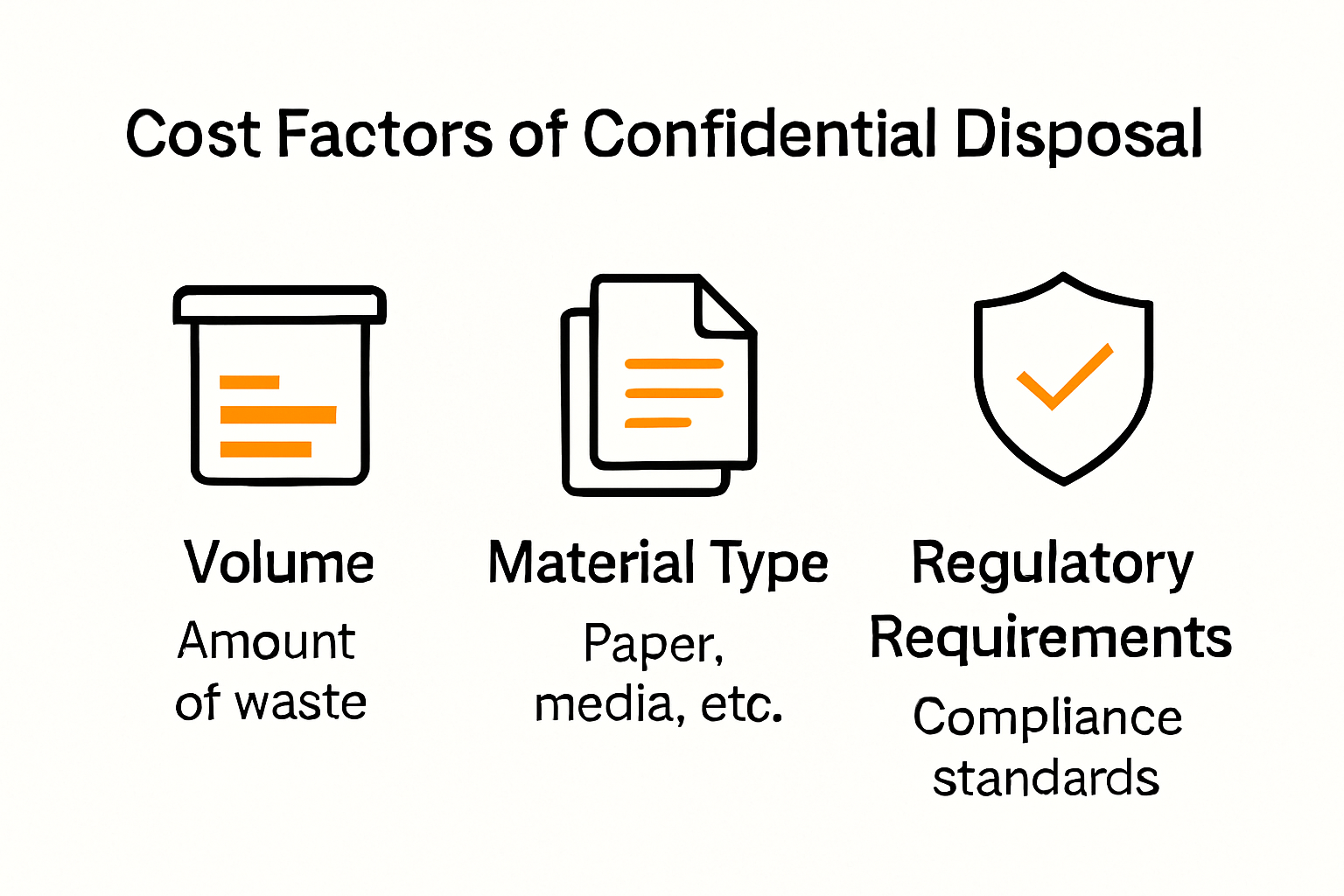
Volume and Complexity of Sensitive Materials
The primary driver of confidential disposal costs is the volume and type of sensitive materials a business needs to destroy. Different materials require distinct handling processes. According to the UK Attorney General’s guidelines, sensitive documents are categorised based on their confidentiality level, which directly impacts disposal expenses.
Paper documents, electronic media, hard drives, and specialised business records each have unique destruction requirements. Digital storage devices often demand more sophisticated and expensive destruction methods compared to standard paper documents. For instance, secure hard drive shredding might cost significantly more than standard paper document cross-cutting.
Regulatory Compliance and Security Protocols
Regulatory requirements substantially influence confidential disposal costs. HMRC’s Records Management Policy emphasises strict protocols for handling sensitive information, which necessitate investment in specialised disposal services.
Businesses must factor in costs associated with maintaining comprehensive audit trails, implementing secure chain of custody processes, and ensuring full compliance with data protection regulations. These requirements often mean working with certified disposal providers who can provide detailed destruction certificates and maintain rigorous security standards.
Technology and Disposal Method Selection
The technological approach to confidential disposal significantly impacts overall costs. Modern disposal methods range from traditional document shredding to advanced digital media destruction techniques. Organisations must balance security needs with budgetary constraints.
Electronic media destruction typically involves more expensive processes like degaussing, physical shredding, or specialised software-based erasure. The more comprehensive the destruction method, the higher the associated cost. Businesses must evaluate their specific risk profile to determine the most appropriate and cost-effective disposal strategy.
For businesses seeking more information about secure disposal practices, learn more about confidential disposal strategies.
Ultimately, confidential disposal costs are not merely an expense but an investment in protecting sensitive organisational information. By understanding these key factors, businesses can develop strategic approaches that balance security, compliance, and financial considerations.
Comparing Pricing for Different Waste Types
Waste disposal pricing varies significantly across different material types, with each category presenting unique challenges and cost considerations for businesses. Understanding these variations helps organisations budget effectively and select appropriate disposal strategies.
To help compare the different pricing structures for common confidential waste types, the following table summarises their typical costs and requirements described in the article:
| Waste Type | Typical Cost | Special Requirements |
|---|---|---|
| Paper / Document Waste | £0.50–£2 per kg | Cross-cutting for sensitive docs, secure certification |
| Electronic / Digital Media | £10–£50 per device | Degaussing, shredding, software erasure |
| Hazardous / Specialised Waste | £25–£45 per ton (£65–£220 incin.) | Comprehensive protocols, environmental compliance |
Paper and Document Waste Disposal
Paper waste disposal represents one of the most common and relatively economical confidential disposal options. Standard paper destruction typically ranges from £0.50 to £2 per kilogram, depending on volume and sensitivity. Businesses generating large quantities of confidential documents can often negotiate bulk rates with waste management providers.
Confidential document destruction requires specific security protocols. Cross-cut shredding for sensitive materials costs more than standard shredding, with prices reflecting the increased complexity of destruction. Secure destruction certificates are often included, providing businesses with essential documentation for compliance purposes.
Electronic and Digital Media Disposal
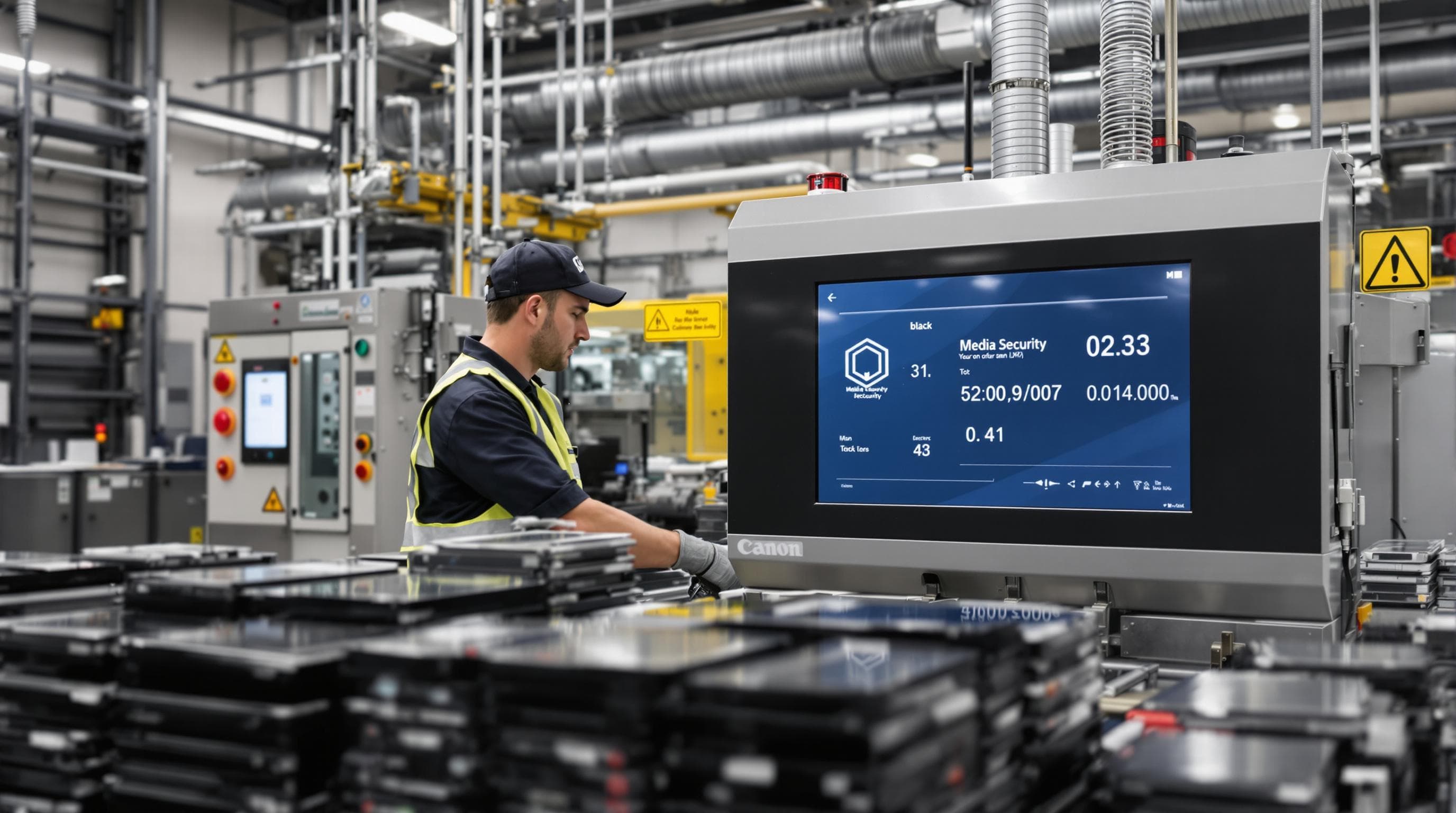
Electronic waste disposal represents a more complex and expensive waste management category. According to EPA’s hazardous waste guidelines, electronic media destruction involves sophisticated processes that significantly impact pricing.
Hard drive and digital media destruction costs can range from £10 to £50 per device, depending on the destruction method. Degaussing, physical shredding, and specialised software erasure each carry different price points. Businesses must balance security requirements with budgetary constraints when selecting disposal methods.
Specialised and Hazardous Waste Disposal
Hazardous waste disposal represents the most expensive waste management category. Environmental Protection Agency research indicates that secure chemical waste disposal can range from £25 to £45 per ton, with land-based incineration costs reaching £65 to £220 per ton.
Chemical, biological, and industrial waste require comprehensive destruction processes that significantly increase disposal expenses. Factors such as toxicity, environmental impact, and regulatory compliance contribute to higher pricing structures.
Learn more about cost-effective waste management strategies.
Businesses must conduct thorough assessments of their waste streams, considering not just immediate disposal costs but long-term compliance and environmental responsibilities. Strategic waste management involves understanding these pricing nuances and selecting disposal methods that balance security, legal requirements, and financial considerations.
Choosing the Right Confidential Disposal Partner
Selecting an appropriate confidential disposal partner represents a critical decision for businesses seeking to protect sensitive information and maintain regulatory compliance. The right partner can mitigate risks, ensure secure destruction, and provide peace of mind in an increasingly complex data protection landscape.
To assist in partner selection, the following table summarises the essential criteria and relevant certifications or features to look for:
| Criteria | Examples / Requirements |
|---|---|
| Regulatory Certifications | ISO 27001, BS 7858, registered waste carrier |
| Security Protocols and Destruction Methods | Shredding, degaussing, software erasure, physical destruction |
| Documentation Provided | Chain of custody, secure destruction certificates, audit trails |
| Data Protection and Legal Compliance | GDPR, Data Protection Act 2018, PECR |
| Environmental Responsibility | Eco-friendly practices, transparent reporting |
Regulatory Compliance and Certification Standards
Businesses must prioritise partners with robust regulatory credentials. According to the UK government’s waste management guidelines, organisations must verify that their waste carrier is registered to dispose of waste and maintains comprehensive documentation for each waste transfer.
Key certification standards include ISO 27001 for information security management and BS 7858 for secure waste disposal processes. These certifications demonstrate a disposal partner’s commitment to maintaining stringent security protocols. Compliance documentation should be transparent, detailing chain of custody procedures and providing secure destruction certificates.
Security Protocols and Destruction Methods
The Federal Trade Commission emphasises the importance of implementing robust information disposal practices that prevent unauthorized access to sensitive data. Businesses should evaluate potential disposal partners based on their destruction methodologies for different media types.
Comprehensive disposal strategies should include multiple destruction techniques such as:
- Physical shredding for paper documents
- Degaussing for magnetic media
- Secure software erasure for digital storage
- Complete physical destruction of hard drives and electronic devices
Data Protection and Legal Considerations
Navigating the complex landscape of data protection requires a disposal partner well-versed in UK regulations. Data protection experts highlight the critical importance of compliance with the Data Protection Act 2018, GDPR, and Privacy and Electronic Communications Regulations.
Businesses should seek partners offering comprehensive services that include:
- Detailed audit trails
- Secure transportation of confidential materials
- Environmentally responsible disposal practices
- Transparent reporting mechanisms
Explore our comprehensive confidential waste disposal solutions.
Ultimately, choosing the right confidential disposal partner is about more than price. It requires a holistic assessment of security capabilities, regulatory compliance, destruction technologies, and a demonstrable commitment to protecting an organisation’s most sensitive information.
Cost-Saving Tips for Secure Waste Disposal
Businesses seeking to manage confidential waste disposal efficiently must balance security requirements with financial constraints. Strategic approaches can significantly reduce disposal expenses while maintaining robust information protection protocols.
Waste Reduction and Prevention Strategies
The U.S. Environmental Protection Agency emphasizes waste prevention as the most cost-effective method for managing disposal expenses. Implementing digital document management systems can dramatically reduce physical waste generation.
Key waste reduction techniques include:
- Encouraging digital document storage
- Setting printers to default double-sided printing
- Implementing strict document retention policies
- Promoting paperless communication methods
Digital transformation not only reduces physical waste but also minimises confidential disposal volumes, directly impacting disposal costs.
Efficient Disposal Planning and Consolidation
North Carolina State University Extension recommends analyzing waste streams to identify cost-saving opportunities. Businesses can significantly reduce disposal expenses by consolidating waste collection and negotiating bulk disposal rates.
Strategic disposal planning involves:
- Scheduling regular, consolidated disposal sessions
- Bulk processing of confidential materials
- Negotiating volume-based pricing with disposal partners
- Implementing centralised waste collection points
Technology and Process Optimization
The Maine Department of Environmental Protection highlights innovative approaches to waste management. Investing in technology and process improvements can yield long-term cost reductions in confidential waste disposal.
Recommended optimization strategies include:
- Upgrading to energy-efficient document management systems
- Implementing secure cloud storage solutions
- Investing in advanced destruction technologies
- Training employees on efficient waste management practices
Discover more strategies for waste reduction.
Ultimately, cost-effective confidential waste disposal requires a holistic approach. By combining technological innovation, strategic planning, and continuous process improvement, businesses can protect sensitive information while maintaining financial efficiency.
Frequently Asked Questions
What factors influence the cost of confidential disposal in the UK?
The cost of confidential disposal is influenced by factors such as the volume and type of sensitive materials, regulatory compliance requirements, and the technology used for disposal methods.
How much does paper waste disposal typically cost in 2025?
In 2025, paper waste disposal costs range from £0.50 to £2 per kilogram, depending on the sensitivity of the documents and the disposal method employed.
What are the costs associated with electronic media disposal?
The costs for electronic media disposal can vary significantly, generally ranging from £10 to £50 per device, depending on the destruction method chosen, such as shredding or degaussing.
How can businesses save on confidential disposal costs?
Businesses can save on confidential disposal costs by implementing waste reduction strategies, scheduling regular bulk disposal sessions, and using advanced technologies for secure destruction.
Simplify Your Confidential Disposal Costs with Venture Waste
Rising disposal costs and complicated compliance rules can leave businesses exposed to hidden fees and data risks. As highlighted in this article, choosing the wrong partner or failing to handle sensitive materials like hard drives and confidential documents securely can quickly escalate expenses and risk regulatory fines. If these challenges sound familiar, it is time to discover a solution that brings both clarity and peace of mind.

Take the guesswork and hassle out of secure waste management. Visit our confidential waste services hub to see how Venture Waste offers transparent pricing, UK-wide coverage, and compliance you can trust. More complex data concerns like hard drive destruction are also covered with precision and secure documentation via our dedicated destruction services. Let our simple booking system at Venture Waste help you protect your business and your budget—act now to ensure data safety and cost efficiency in 2025.


Leave a Reply
Want to join the discussion?Feel free to contribute!