

Confidential Information Security for UK Businesses 2025
UK businesses are facing a digital arms race in 2025, with confidential data at greater risk than ever. Yet even with high-profile breaches in the headlines, many firms still overlook a simple reality: non-compliance with waste disposal laws can lead to fines of up to £500,000. Surprising, right? The real challenge is not just keeping hackers out but protecting sensitive information at every step, including how your waste is handled. Most never see this threat coming.
Table of Contents
- Understanding Confidential Information Security
- Best Practices For Businesses And Facilities
- Secure Waste Disposal And Legal Compliance
- Choosing A Confidential Waste Service Provider
Quick Summary
| Takeaway | Explanation |
|---|---|
| Implement robust access controls. | Limit and monitor data access through role-based permissions and multi-factor authentication for enhanced security. |
| Invest in employee training programs. | Regular training raises awareness of potential threats and response techniques, making staff integral to security efforts. |
| Ensure compliance with legal obligations. | Familiarity with relevant waste disposal laws helps prevent legal repercussions and reinforces information security practices. |
| Select certified waste providers. | Partner with providers that meet industry standards for secure destruction to ensure compliance and safeguard sensitive information. |
| Adopt a holistic risk management strategy. | Address potential vulnerabilities from multiple angles, including technology, human factors, and regulatory compliance for comprehensive security. |
Understanding Confidential Information Security
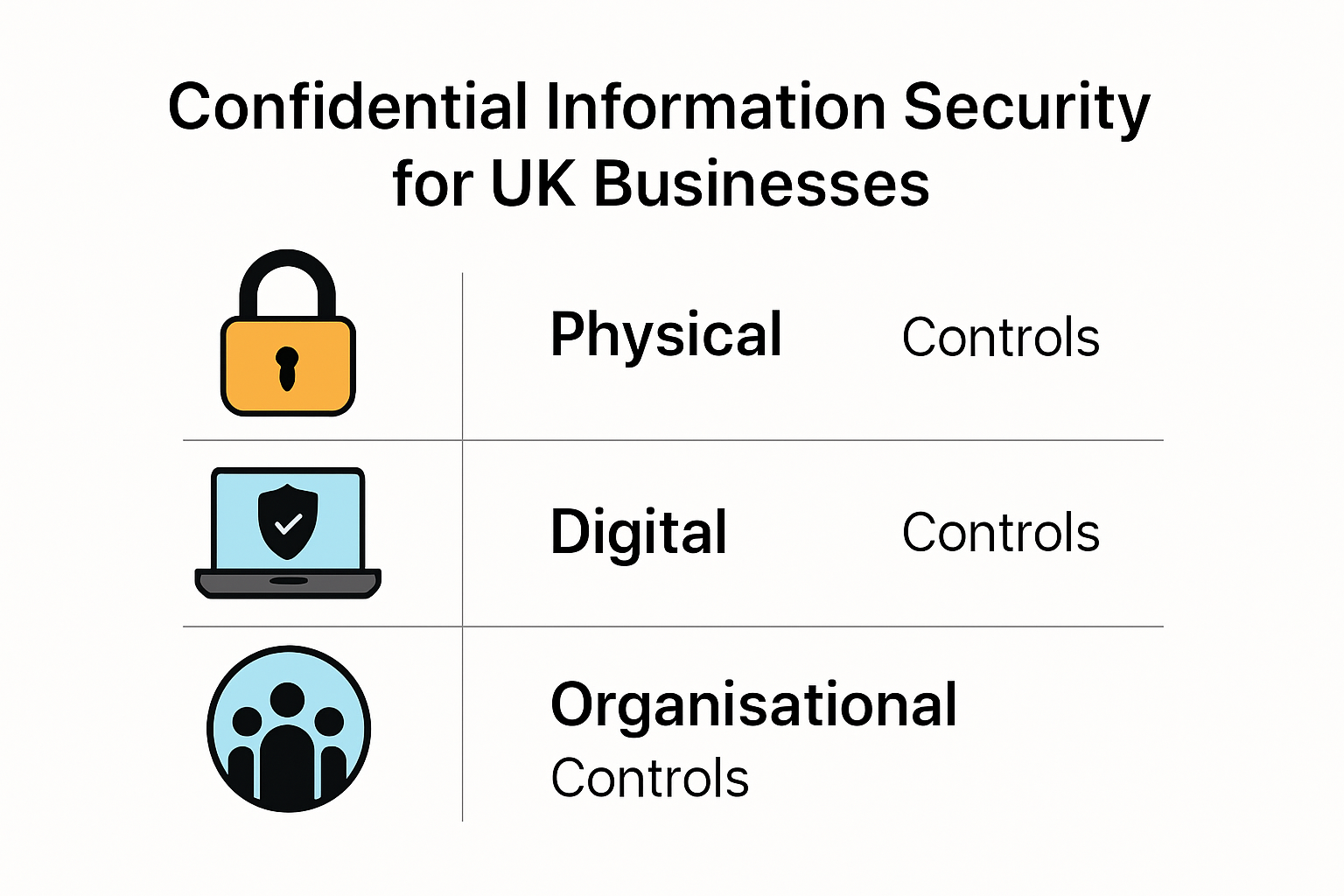
Confidential information security represents a critical strategic imperative for UK businesses in 2025, encompassing comprehensive protection mechanisms designed to safeguard sensitive organisational data from unauthorised access, breaches, and potential exploitation.
The Foundations of Information Protection
At its core, confidential information security involves a multifaceted approach to protecting critical business intelligence, personal data, and strategic assets. Modern organisations face increasingly sophisticated cyber threats that demand robust, adaptive security frameworks. Learn more about secure confidential waste management strategies that complement digital protection protocols.
The landscape of information security has transformed dramatically, driven by technological advancements and evolving regulatory requirements. According to NIST Special Publication 800-53, comprehensive security controls must address multiple dimensions of potential vulnerability, including technological, human, and systemic risks.
Strategic Risk Management Approach
Effective confidential information security goes beyond technological solutions. It requires a holistic risk management strategy that integrates technical safeguards, organisational policies, employee training, and continuous monitoring. Businesses must develop comprehensive frameworks that anticipate potential security challenges and create proactive mitigation strategies.
Key elements of this approach include:
- Access Control: Implementing rigorous authentication and authorization protocols
- Data Encryption: Protecting sensitive information through advanced encryption technologies
- Regular Security Audits: Conducting systematic assessments of existing security infrastructure
The human element remains paramount in maintaining robust confidential information security. Employee awareness, training programmes, and a culture of security consciousness are equally critical as technological defences. Organisations must invest in creating a security-aware workforce that understands the potential risks and their role in protecting sensitive information.
Understanding the legal and regulatory landscape is equally crucial. UK businesses must navigate complex compliance requirements, including data protection regulations that mandate specific security standards. Failure to implement adequate confidential information security measures can result in significant financial penalties and reputational damage.
As technological ecosystems become increasingly interconnected, the complexity of maintaining confidential information security continues to grow. Businesses must adopt agile, adaptive security strategies that can respond quickly to emerging threats and technological changes. This requires ongoing investment in security infrastructure, continuous employee training, and a proactive approach to risk management.
The future of confidential information security will be characterized by advanced technological solutions, including artificial intelligence-driven threat detection, blockchain-based security protocols, and increasingly sophisticated encryption technologies. UK businesses that prioritize comprehensive, forward-thinking security strategies will be best positioned to protect their most valuable assets in an increasingly digital and interconnected world.
Best Practices for Businesses and Facilities
Confidential information security demands a comprehensive and strategic approach from businesses and facilities, requiring sophisticated methodologies that protect sensitive data across multiple operational dimensions.
Implementing Robust Access Control Mechanisms
Effective confidential information security begins with rigorous access control protocols. According to the UK government’s Cyber Security Breaches Survey 2025, 40% of businesses have already implemented two-factor authentication as a fundamental security measure. This statistic underscores the critical importance of limiting and monitoring data access.
Key strategies for implementing robust access control include:
- Role-based Access: Restricting information access based on employee job functions
- Multi-factor Authentication: Requiring multiple verification steps for system entry
- Regular Access Audits: Systematically reviewing and updating user permissions
Learn more about waste management security protocols that complement digital protection strategies.

Comprehensive Employee Training and Awareness
Human factors represent a significant vulnerability in confidential information security. According to NIST cybersecurity guidelines, building continuous employee cybersecurity awareness is crucial for organisational protection. Businesses must develop comprehensive training programmes that educate staff about potential security risks, social engineering tactics, and best practices for data protection.
Effective training programmes should cover:
- Recognising potential phishing and social engineering attempts
- Understanding proper data handling procedures
- Reporting suspicious activities immediately
- Maintaining strict password management protocols
Technological and Infrastructure Security Measures
Beyond human factors, businesses must invest in advanced technological infrastructure to protect confidential information. The National Institute of Standards and Technology recommends implementing comprehensive security controls that address technological vulnerabilities.
Critical technological security measures include:
- Regular software and system updates
- Advanced encryption technologies
- Continuous network monitoring systems
- Robust cloud backup and disaster recovery solutions
- Implementing endpoint protection across all devices
Businesses must also develop and regularly test incident response plans. This involves creating detailed protocols for potential security breaches, conducting simulated security scenarios, and establishing clear communication channels for rapid response and mitigation.
The landscape of confidential information security is dynamic and continuously evolving. UK businesses must adopt an adaptive approach that combines technological solutions, employee training, and proactive risk management. By implementing comprehensive security strategies, organisations can protect their most valuable assets and maintain the trust of clients, partners, and stakeholders.
Ultimately, confidential information security is not a one-time implementation but an ongoing commitment to protecting organisational intelligence through sophisticated, multi-layered strategies that address technological, human, and systemic vulnerabilities.
To help clarify the different best practices mentioned, the following table summarises the key security controls and measures for businesses and facilities in information security:
| Security Measure | Description |
|---|---|
| Role-based Access Control | Restrict access to sensitive information based on employee job functions |
| Multi-factor Authentication | Require multiple verification steps to access systems |
| Regular Access Audits | Systematically review and update who has access to data |
| Employee Training | Regularly educate staff on threats, data handling, and reporting suspicious activity |
| Incident Response Planning | Develop and test detailed protocols for reacting to security breaches |
| Encryption Technologies | Use advanced encryption for protecting sensitive information |
| Network Monitoring | Continuously monitor network activity for signs of breach or unauthorised access |
| Endpoint Protection | Secure all devices that connect to business networks |
Secure Waste Disposal and Legal Compliance
Secure waste disposal represents a critical component of confidential information security, demanding meticulous attention to legal compliance and comprehensive protection strategies for sensitive organisational materials.
Legal Framework and Regulatory Obligations
UK businesses must navigate a complex regulatory landscape governing waste disposal. Explore detailed waste disposal legal requirements that impact organisational compliance strategies. According to the UK government’s Waste Duty of Care Code of Practice, businesses have explicit legal obligations to prevent unauthorized or harmful waste disposal.
The Environmental Protection Act 1990 establishes a comprehensive framework for waste management, imposing strict duties on businesses to handle, store, transport, and dispose of waste responsibly. Non-compliance can result in significant legal and financial consequences.
Key regulatory requirements include:
- Accurate waste classification and documentation
- Transferring waste only to authorized waste management providers
- Maintaining comprehensive records of waste disposal activities
- Preventing environmental contamination and unauthorized information access
Confidential Waste Destruction Protocols
Destroying confidential documents and digital media demands specialized protocols that guarantee complete information elimination. The Attorney General’s guidelines on information security emphasize the critical importance of secure handling, storage, and disposal of official materials.
Comprehensive confidential waste destruction strategies should incorporate:
- Physical Document Destruction: Industrial-grade shredding that renders documents completely unreadable
- Digital Media Sanitization: Secure erasure or physical destruction of hard drives, USB devices, and electronic storage
- Certified Destruction Processes: Using providers that offer verifiable destruction certificates
- Chain of Custody Tracking: Maintaining detailed records of waste movement and destruction
Comprehensive Risk Management Approach
Effective secure waste disposal extends beyond immediate destruction. Businesses must develop holistic risk management strategies that address potential vulnerabilities throughout the information lifecycle.
Key risk management considerations include:
- Conducting regular security audits of waste disposal processes
- Training employees on proper confidential waste handling procedures
- Implementing strict access controls for sensitive material disposal
- Developing incident response plans for potential information security breaches
The intersection of legal compliance and information security demands a proactive, comprehensive approach. UK businesses must view secure waste disposal not as a peripheral activity but as a critical component of their overall information protection strategy.
By implementing rigorous destruction protocols, maintaining regulatory compliance, and fostering a culture of information security, organisations can effectively mitigate risks associated with confidential waste. This approach protects sensitive business intelligence, maintains regulatory compliance, and safeguards the organisation’s reputation and operational integrity.
To streamline understanding of the legal and compliance requirements for secure waste disposal, the following table summarises key obligations and protocols for UK businesses:
| Requirement / Protocol | Purpose |
|---|---|
| Accurate Waste Classification | Ensure correct handling and avoid mismanagement |
| Use Authorised Providers | Prevent unauthorised access and ensure secure destruction |
| Maintain Disposal Records | Demonstrate compliance and enable audit trails |
| Prevent Environmental Contamination | Safeguard environment and avoid legal penalties |
| Obtain Destruction Certificates | Provide proof of compliant information elimination |
| Chain of Custody Tracking | Monitor material from collection through destruction |
Choosing a Confidential Waste Service Provider
Selecting an appropriate confidential waste service provider represents a critical decision for UK businesses, requiring comprehensive evaluation of security capabilities, compliance standards, and operational expertise.
Certification and Compliance Standards
Businesses must prioritize providers demonstrating rigorous certification and compliance with industry standards. Explore top confidential waste service providers in the UK market to understand critical selection criteria.
According to the NHS Records Management Code of Practice, organizations must ensure waste destruction providers meet specific requirements, including:
- ISO 15489-1:2016 compliance
- Verifiable destruction certification processes
- Comprehensive documentation of destruction activities
- Robust chain of custody tracking
Key certification indicators include:
- ISO 27001: Information security management systems
- BS 7858: Security screening of personnel
- EN 15713: Secure destruction of confidential materials
Comprehensive Destruction Capabilities
Effective confidential waste providers must demonstrate sophisticated destruction capabilities across multiple media types. The UK government’s waste management guidance emphasizes the importance of proper waste classification and segregation.
Comprehensive destruction capabilities should encompass:
- Industrial-grade document shredding
- Secure digital media destruction
- Hard drive and electronic device sanitization
- Verifiable destruction documentation
- Environmental compliance protocols
Risk Assessment and Due Diligence
Selecting a confidential waste service provider demands thorough risk assessment and comprehensive due diligence. Businesses must evaluate potential providers across multiple dimensions to ensure complete information protection.
Critical evaluation criteria include:
- Proven track record of secure waste management
- Transparent operational processes
- Regular security audits and compliance certifications
- Comprehensive staff background screening
- Advanced technological destruction capabilities
- Transparent pricing and service level agreements
Businesses should conduct site visits, request comprehensive references, and thoroughly review destruction protocols before engaging a confidential waste service provider.
The selection process extends beyond immediate destruction capabilities. Organizations must view their waste service provider as a critical partner in their overall information security strategy. A rigorous, methodical approach to provider selection minimizes potential risks and ensures comprehensive protection of sensitive organizational information.
By prioritizing providers with robust certifications, advanced destruction technologies, and demonstrated compliance with industry standards, UK businesses can effectively safeguard their confidential materials and maintain the highest levels of information security.
Frequently Asked Questions
What are the consequences of not complying with waste disposal laws in the UK?
Non-compliance with waste disposal laws can lead to significant fines of up to £500,000. Businesses must adhere to legal obligations to prevent both financial penalties and reputational damage.
How can UK businesses protect their confidential information in 2025?
UK businesses can protect confidential information by implementing robust access controls, conducting comprehensive employee training, investing in technological security measures, and ensuring compliance with legal waste disposal regulations.
What should I look for when choosing a confidential waste service provider?
When selecting a confidential waste service provider, ensure they have the necessary certifications (like ISO 27001), comprehensive destruction capabilities, and a proven track record in secure waste management to guarantee data protection and compliance.
Why is employee training important for confidential information security?
Employee training is critical as human factors are a significant vulnerability in security. Regular training raises awareness about potential threats and equips staff with the knowledge to handle sensitive information properly, thus helping to mitigate risks.
Take Control of Confidential Information Security With Professional Support
Is your business prepared to face the real risks of confidential information breaches in 2025? The article above makes it clear that data leaks often come from overlooked areas, such as insecure document disposal and lax compliance with waste laws. Many businesses are caught off guard when hefty fines and reputational damage strike. Protecting sensitive information is no longer just about digital defences. Your waste management processes are a crucial factor that cannot be ignored. For tailored solutions that address these challenges directly, discover our expert services on the confidential waste page.

Are you ready to close the security gaps that put your business at risk? Book a secure confidential waste collection with Venture Waste Management today and stay ahead of legal and information threats. Visit Venture Waste Management right now to secure your compliance. Do not wait until a mistake becomes a crisis. Take the first step and protect your business.


Leave a Reply
Want to join the discussion?Feel free to contribute!