
Understanding A Complete Guide to WEEE Collections in Darlington and County Durham
Electronic waste is piling up across the North East and it is not just old laptops or broken phones. It includes everything from industrial machinery to discarded fridges. You might think your business’s impact is minimal, but the truth is shocking. UK law requires strict WEEE disposal and skipping it can result in hefty financial penalties. Most overlook that these gadgets contain gold, silver, and other precious resources ready for recovery if handled right.
Table of Contents
- What Is WEEE And Its Environmental Impact?
- The Importance Of Proper WEEE Disposal
- Understanding The Collection And Recycling Process Of WEEE
- Key Regulations Governing WEEE Collections
- Finding Reliable WEEE Collection Services In Darlington And County Durham
Quick Summary
| Takeaway | Explanation |
|---|---|
| Understand WEEE’s significance | WEEE refers to Waste Electrical and Electronic Equipment, crucial for responsible waste management. |
| Follow WEEE regulations diligently | Compliance with UK regulations is mandatory to avoid penalties and ensure safe disposal practices. |
| Implement effective recycling processes | Proper separation and advanced recycling techniques can recover valuable materials and reduce environmental harm. |
| Partner with certified waste services | Collaborating with licensed providers ensures adherence to legal requirements and effective waste management. |
| Contribute to the circular economy | Responsible disposal of WEEE supports resource conservation and reduces the demand for raw materials. |
What is WEEE and its Environmental Impact?
WEEE stands for Waste Electrical and Electronic Equipment, representing a critical category of waste that encompasses all discarded electronic and electrical devices. In the North East, from Newcastle upon Tyne to Darlington, businesses generate substantial amounts of electronic waste that require responsible management.
Understanding WEEE Composition
Electronic waste includes a wide range of items such as:
- Computers and laptops
- Mobile phones and tablets
- Refrigerators and freezers
- Television sets and monitors
- Office equipment like printers and photocopiers
- Industrial machinery and electronic components
These items contain complex materials including metals, plastics, and hazardous substances that can cause significant environmental damage if not properly disposed of. Learn more about WEEE waste management for comprehensive insights into responsible disposal.
Environmental Consequences of Improper WEEE Disposal
Improper electronic waste disposal poses severe environmental risks. When electronic devices are discarded in landfills, they release toxic chemicals like lead, mercury, and cadmium into soil and groundwater. According to Environmental Protection UK, these substances can contaminate ecosystems, causing long-term ecological damage and potential health risks for local communities in County Durham and beyond.
The environmental impact extends beyond chemical contamination. Electronic waste represents a significant loss of valuable resources. Many electronic devices contain precious metals like gold, silver, and platinum that can be recycled and reused, reducing the need for raw material extraction. By implementing proper WEEE collection and recycling processes, businesses can contribute to resource conservation and minimise their carbon footprint.
Below is a table summarising the main categories of WEEE (Waste Electrical and Electronic Equipment) discussed, helping to clarify the differences and requirements for each type.
| Category | Examples | Key Disposal Considerations |
|---|---|---|
| Large household appliances | Refrigerators, washing machines | Require specialised handling and recycling due to size and refrigerants |
| IT and telecommunications equipment | Computers, laptops, phones | May contain data; recovery of metals is crucial |
| Consumer electronics | TVs, monitors, audio devices | Screen disposal and heavy metals need careful management |
| Medical devices | Diagnostic machines | Often require specific disposal protocols for safety |
| Industrial machinery and equipment | Factory machinery, large tools | Can contain complex assemblies and hazardous substances |
The Importance of Proper WEEE Disposal
Proper disposal of Waste Electrical and Electronic Equipment (WEEE) goes far beyond basic waste management practices. In Darlington and County Durham, businesses play a crucial role in ensuring responsible electronic waste management that protects both environmental and human health.
Legal and Regulatory Compliance
Businesses must adhere to strict regulations surrounding electronic waste disposal. UK environmental legislation mandates specific protocols for WEEE management, with potential significant financial penalties for non-compliance. Explore our comprehensive WEEE waste collection services to understand the intricate requirements of responsible disposal.
Key regulatory considerations include:
The table below outlines the key legal and compliance requirements relating to WEEE disposal, providing a concise reference for businesses seeking clarity on regulatory obligations.
| Legal Requirement | Description |
|---|---|
| Adherence to WEEE Regulations 2013 | Mandatory compliance with UK law on WEEE disposal |
| Proper documentation and tracking | Accurate records must be kept for all electronic waste transfers |
| Use of licensed waste management facilities | Disposal must only be through certified providers |
| Registration as a producer | Businesses putting electronic products on the market must register |
| Reporting annual quantities | Annual reports on electronic equipment placed on the market required |
| Joining a producer compliance scheme | Producers must participate in approved schemes for WEEE handling |
- Adherence to the Waste Electrical and Electronic Equipment (WEEE) Regulations 2013
- Proper documentation and tracking of electronic waste disposal
- Ensuring disposal through licensed and approved waste management facilities
Environmental and Economic Benefits
Responsible WEEE disposal offers substantial environmental and economic advantages. According to UK Government Environmental Guidance, proper electronic waste management:
- Prevents toxic chemicals from contaminating soil and groundwater
- Reduces raw material extraction through effective recycling
- Minimises carbon emissions associated with manufacturing new electronic components
- Supports the circular economy by recovering valuable materials like precious metals
Businesses in the North East that implement robust WEEE disposal strategies not only protect the environment but also demonstrate corporate social responsibility. By partnering with professional waste management services, organisations can transform potential environmental liabilities into sustainable resource management opportunities.
Understanding the Collection and Recycling Process of WEEE
The collection and recycling of Waste Electrical and Electronic Equipment (WEEE) represents a sophisticated process designed to minimise environmental impact and maximise resource recovery. In Darlington and across County Durham, businesses and local authorities collaborate to implement comprehensive waste management strategies.
Collection and Segregation Protocols
Effective WEEE management begins with meticulous collection and segregation. Businesses must separate electronic waste into distinct categories to facilitate targeted recycling. Learn more about WEEE waste management to understand the nuanced requirements of proper waste handling.
Critical segregation categories include:
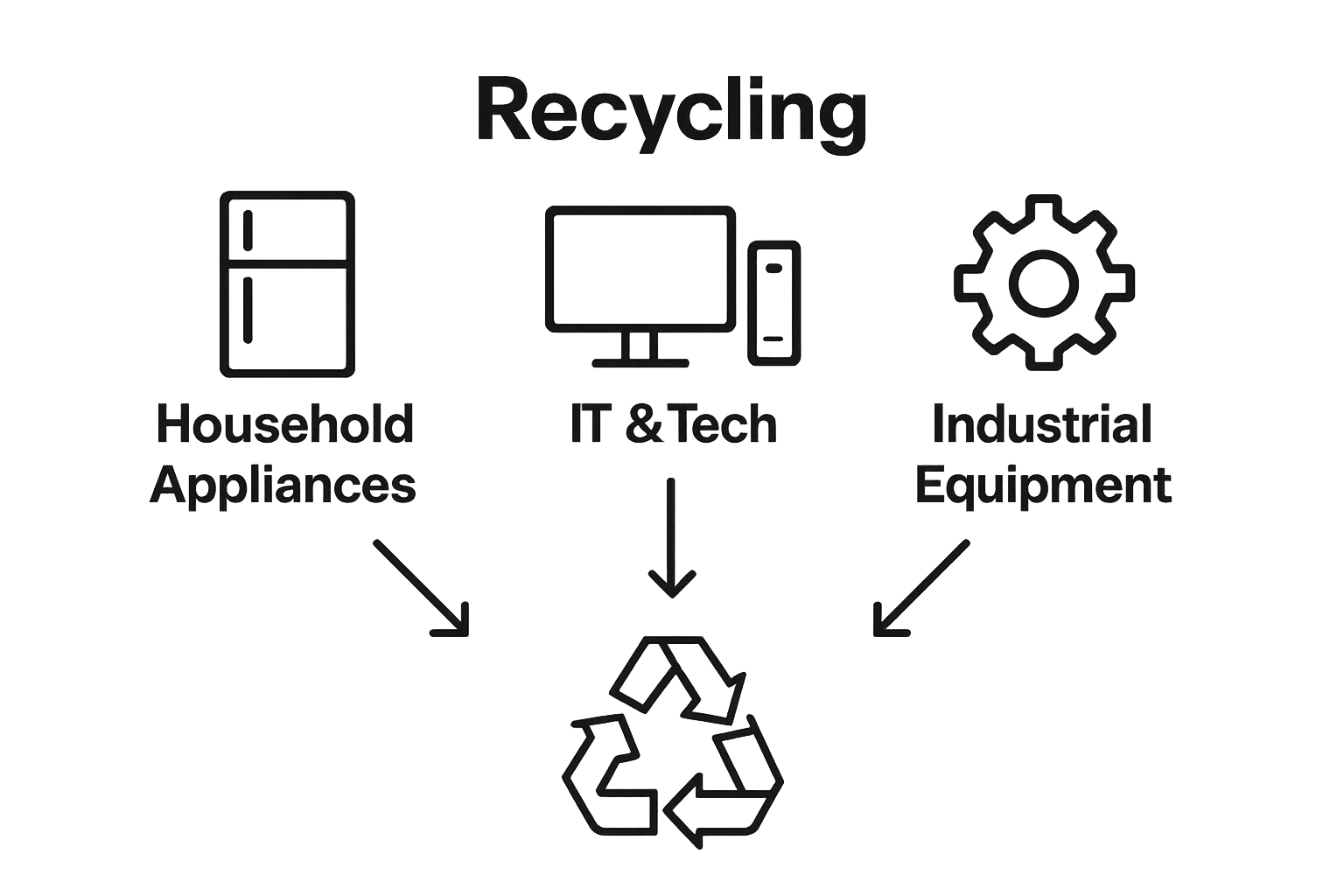
- Large household appliances (refrigerators, washing machines)
- IT and telecommunications equipment
- Consumer electronics
- Medical devices
- Industrial machinery and equipment
Advanced Recycling Techniques
Modern WEEE recycling involves sophisticated technological processes designed to extract maximum value from electronic waste. According to Durham County Council’s waste management guidelines, the recycling process typically involves multiple sophisticated stages:
- Mechanical dismantling of electronic equipment
- Separation of different material components
- Extraction of precious metals like gold, silver, and copper
- Safe disposal of hazardous components
These advanced techniques ensure that valuable resources are recovered while minimising environmental contamination.
By implementing comprehensive recycling strategies, businesses in the North East can significantly reduce their ecological footprint and contribute to a more sustainable circular economy.
Key Regulations Governing WEEE Collections
Waste Electrical and Electronic Equipment (WEEE) collections are governed by a complex regulatory framework designed to ensure responsible waste management and environmental protection. For businesses in Darlington and County Durham, understanding these regulations is crucial to maintaining legal compliance and sustainable practices.
Fundamental Legislative Requirements
The Waste Electrical and Electronic Equipment Regulations 2013 represent the cornerstone of electronic waste management in the United Kingdom. Explore our detailed WEEE collection services for the North East to understand how these regulations directly impact local businesses.
Key legislative obligations include:
- Registering as a producer of electrical and electronic equipment
- Maintaining comprehensive documentation of waste streams
- Ensuring compliance with collection and recycling targets
- Reporting annual quantities of electrical equipment placed on the market
Producer Responsibility and Compliance Schemes
Businesses must navigate complex producer responsibility frameworks that mandate specific responsibilities for managing electronic waste. According to UK Environmental Regulations, producers are required to:
- Join an approved producer compliance scheme
- Finance the collection, treatment, and recycling of WEEE
- Support the development of infrastructure for electronic waste management
- Provide clear information about proper disposal to end-users
These regulations aim to shift the financial and environmental responsibility towards manufacturers and importers, encouraging more sustainable product design and waste management practices across the electronics industry.
Finding Reliable WEEE Collection Services in Darlington and County Durham
Selecting an appropriate WEEE collection service requires careful consideration of multiple factors. Businesses in Darlington and across County Durham must prioritise environmentally responsible and legally compliant waste management solutions that meet stringent regulatory requirements.
Evaluating WEEE Collection Providers
Choosing the right WEEE collection service involves assessing several critical criteria. Explore waste management solutions in the North East to understand the comprehensive range of services available to local businesses.
Key selection criteria include:
- Certification and licensing for hazardous waste handling
- Demonstrated environmental compliance credentials
- Transparent reporting and documentation processes
- Comprehensive collection and recycling capabilities
- Proven track record of responsible electronic waste management
Local Collection Options and Strategies
Businesses in Darlington and County Durham have multiple avenues for WEEE disposal. According to Durham County Council’s waste management guidelines, local organisations can leverage several collection strategies:
- Scheduled collection services for business electronic waste
- Drop-off points at designated household waste recycling centres
- Specialised collection events for electronic equipment
- Partner with licensed waste management providers for comprehensive disposal
By implementing a strategic approach to WEEE collection, businesses can ensure legal compliance, minimise environmental impact, and contribute to sustainable resource management in the North East region.
Transform Your WEEE Challenges in Darlington and County Durham
Struggling to keep up with complicated rules and the environmental responsibilities of WEEE collections? Businesses across Darlington and County Durham face strict compliance demands, tough documentation, and the pressure to dispose of electronic waste safely. Our recent guide highlighted how improper WEEE handling can put organisations at risk of fines, reputation damage, and lost resources. Why let uncertainty hold you back when you can partner with professionals who know the process inside out? Discover how the Waste Collection Process in the UK for Businesses 2025 makes compliance and efficiency simple for your business.

Make your next WEEE collection safe and straightforward. Visit Venture Waste Management to unlock reliable disposal services tailored for Darlington and County Durham. Act today to ensure your business meets legal standards and achieves true environmental peace of mind. Or, explore how the Waste Collection Network in UK Serves Businesses and see the benefits for yourself. The best solutions are one step away—take action now.
Frequently Asked Questions
What is WEEE?
WEEE stands for Waste Electrical and Electronic Equipment, which includes all discarded electronic and electrical devices.
What are the environmental impacts of improper WEEE disposal?
Improper disposal of WEEE can release toxic chemicals into the environment, contaminating soil and groundwater, and posing health risks to communities while also wasting valuable resources.
What regulations govern WEEE collections?
The WEEE Regulations 2013 are the key legislation governing electronic waste management in the UK, imposing responsibilities on producers for the collection, treatment, and recycling of WEEE.
How can businesses ensure proper WEEE disposal?
Businesses can ensure proper WEEE disposal by following legal regulations, maintaining documentation, partnering with licensed waste management services, and implementing effective recycling strategies.


Leave a Reply
Want to join the discussion?Feel free to contribute!