

Compactors and Balers: Choose the Correct Machine for Your Operations. Key Tip: If It’s Valuable Bale It to Increase Its Value to Recyclers Such as Us.
UK businesses deal with mountains of waste every week, from cardboard piles to overflowing bins in Newcastle and Sunderland. You might expect most of that rubbish to end up in landfill or low-value recycling streams. Yet baling can change the story completely. When cardboard and plastics are baled, their worth can rise sharply and baled waste can be up to 90% more space efficient and fetch noticeably higher market prices. The real surprise is many businesses still send valuable recyclables away loose, missing out on extra revenue that could be sitting right on their loading bay.
Table of Contents
- Understanding Compactors And Balers For Business Waste
- Key Factors For Choosing The Right Machine
- When To Bale: Maximising Value For Recyclers
- Industry Solutions For Different Business Needs
Quick Summary
| Takeaway | Explanation |
|---|---|
| Assess waste volume and types | Conduct a waste audit to identify specifics about waste composition, guiding you to select between a compactor and a baler effectively. |
| Bale high-value materials | Focus on bailing materials like cardboard and plastics to enhance market value and generate potential revenue from recycling facilities. |
| Consider space and power needs | Evaluate your facility’s layout and electrical requirements to ensure proper fit and operational functionality of machinery. |
| Monitor market trends for recycling | Keep an eye on current recycling prices and demand to time your baling effectively for maximum economic return. |
| Emphasise safety and maintenance | Prioritise worker safety through training and regular inspections, while also considering ergonomic designs in machinery to reduce physical strain. |
Understanding Compactors and Balers for Business Waste
Businesses across the North East, from Newcastle to Durham, face significant challenges in managing waste efficiently and sustainably. Compactors and balers emerge as critical solutions for organisations seeking to optimise their waste management strategies. Learn more about waste management solutions that can transform how businesses handle their recyclable materials.
The Fundamental Role of Waste Management Equipment
Compactors and balers represent sophisticated tools designed to reduce waste volume, enhance recycling efforts, and generate potential revenue streams for businesses. According to the US Environmental Protection Agency, these machines play a crucial role in sustainable materials management by increasing the density and market value of recyclable materials.
At their core, compactors and balers serve different yet complementary functions. Compactors primarily focus on reducing the volume of general waste by applying significant pressure to compress materials into smaller, more manageable units. This compression reduces the frequency of waste collection, ultimately lowering transportation costs and minimising environmental impact. Industrial compactors can handle mixed waste streams, making them versatile solutions for businesses with diverse waste generation patterns.
Here is a comparison table summarising the key differences between compactors and balers, helping businesses select the most suitable equipment based on their waste management needs.
| Feature / Function | Compactor | Baler |
|---|---|---|
| Main Purpose | Compresses general/mixed waste to reduce volume | Compresses specific recyclables (e.g., cardboard, plastics) |
| Suitable Materials | Mixed general waste | Cardboard, paper, plastics, metals |
| Primary Benefit | Minimises waste collection frequency and transportation costs | Increases recyclable material value and optimises storage |
| Space Efficiency | Reduces waste size, easier handling | Bales can be up to 90% more space efficient |
| Revenue Opportunity | Limited | Potential to generate revenue from recycling centres |
| Typical Business Use | Diverse waste streams, high waste volume | High-volume recyclables, clean/source-separated materials |
Baling: Transforming Recyclables into Valuable Resources
Balers specialise in processing specific recyclable materials such as cardboard, paper, plastics, and metal. By compressing these materials into dense, uniform bales, businesses can significantly increase their recyclable materials’ market value. The baling process offers multiple advantages:
- Economic Benefits: Baled materials command higher prices from recycling facilities compared to loose, uncompressed waste.
- Space Efficiency: Compressed bales occupy considerably less storage space, helping businesses optimise their waste management areas.
- Environmental Impact: Baling supports more effective recycling processes, reducing the overall carbon footprint of waste disposal.
Businesses in industrial areas like Sunderland and Middlesbrough can particularly benefit from implementing balers. By transforming recyclable waste into compact, standardised bales, companies can not only reduce disposal costs but potentially generate additional revenue through selling these processed materials to recycling centres.
Choosing between compactors and balers depends on a business’s specific waste generation profile, volume, and types of materials produced. Careful assessment of waste streams, available space, and recycling goals will help organisations select the most appropriate waste management equipment. The key is to view these machines not merely as disposal tools, but as strategic assets in creating a more sustainable and economically efficient waste management approach.
Key Factors for Choosing the Right Machine
Selecting the appropriate waste management equipment requires a strategic approach that goes beyond simple waste disposal. Businesses in the North East, from industrial complexes in Teesside to commercial centres in Newcastle, must carefully evaluate multiple factors to ensure optimal waste management efficiency. Explore our comprehensive guide to waste management solutions to make an informed decision.
Assessing Waste Volume and Composition
The first critical consideration in choosing between compactors and balers is understanding your organisation’s specific waste profile. According to the Healthcare Plastics Recycling Council, businesses should conduct a comprehensive waste audit to determine the types and volumes of materials generated. This assessment helps identify whether a compactor or baler will provide the most effective solution.
Waste composition plays a pivotal role in equipment selection. Different materials require different processing approaches. For instance, mixed general waste might be best handled by a robust industrial compactor, while clean recyclables like cardboard and plastics are ideal for balers. The P2 Opportunity Handbook emphasizes that balers significantly enhance the marketability of recyclable commodities by creating uniform, compressed bales that are more attractive to recycling facilities.
Practical Considerations and Infrastructure Requirements
Beyond waste composition, businesses must evaluate several practical factors that impact machine selection:
- Space Limitations: Compactors and balers come in various sizes. Measure available space carefully to ensure the chosen equipment fits within your facility’s layout.
- Power Requirements: Different machines have unique electrical and operational needs. Confirm that your facility can support the selected equipment’s power specifications.
- Maintenance Capabilities: Consider the technical expertise required to maintain and operate the machine. Some equipment demands more sophisticated maintenance protocols.
Businesses in industrial zones like Sunderland and Middlesbrough should also consider their long-term waste management strategy. A machine that seems appropriate today might not meet future operational needs. Factor in potential business growth, changes in waste generation patterns, and evolving environmental regulations when making your selection.
Below is a summary table outlining the key factors businesses should consider when choosing between a compactor and a baler, as discussed in the article.
| Key Factor | Description |
|---|---|
| Waste Volume | Assess amount of waste generated to decide on scale and type of equipment |
| Waste Composition | Identify types of materials (mixed, cardboard, plastics, etc.) |
| Space Availability | Confirm enough space for selected machine and workflow |
| Power Requirements | Check facility can support machine’s electrical and operational needs |
| Maintenance Needs | Evaluate operational complexity and ongoing servicing requirements |
| Economic Considerations | Analyse total ownership cost including potential recycling revenue |
| Growth & Regulation | Consider future waste volumes and compliance with changing regulations |
Additionally, financial considerations are paramount. While initial investment costs are important, businesses should calculate the total cost of ownership. This includes maintenance expenses, potential revenue from recycled materials, reduced waste collection frequency, and improved operational efficiency. A slightly more expensive machine might provide significant long-term savings through improved waste management practices.
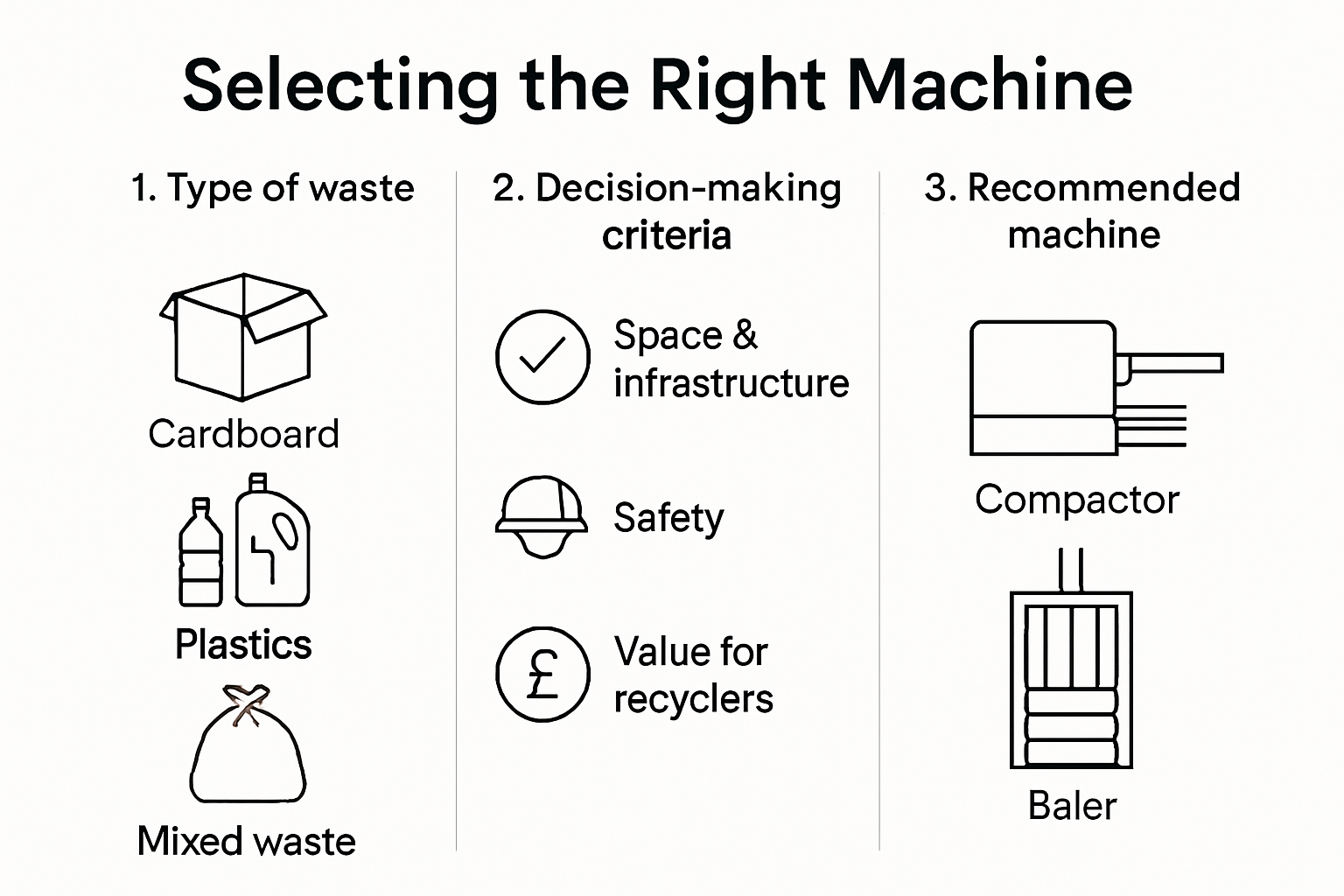
Ultimately, the choice between a compactor and a baler is not a one-size-fits-all decision. It requires a nuanced understanding of your specific operational context. Consulting with waste management professionals can provide tailored insights, helping you select equipment that not only manages waste effectively but also supports your organisation’s sustainability and economic objectives.
When to Bale: Maximising Value for Recyclers
Navigating the complex landscape of waste management requires strategic decision making, particularly when determining the optimal moments to bale recyclable materials. Businesses across the North East can significantly enhance their recycling efficiency and economic returns by understanding precisely when and how to transform waste into valuable baled resources. Discover our expert baling solutions to unlock your waste’s hidden potential.
Identifying High-Value Recyclable Materials
Not all waste materials are created equal when it comes to baling potential. According to the Environmental Protection Agency, strategic recycling plays a crucial role in conserving natural resources and reducing environmental impact. Businesses should prioritise baling materials that demonstrate high market value and recyclability.
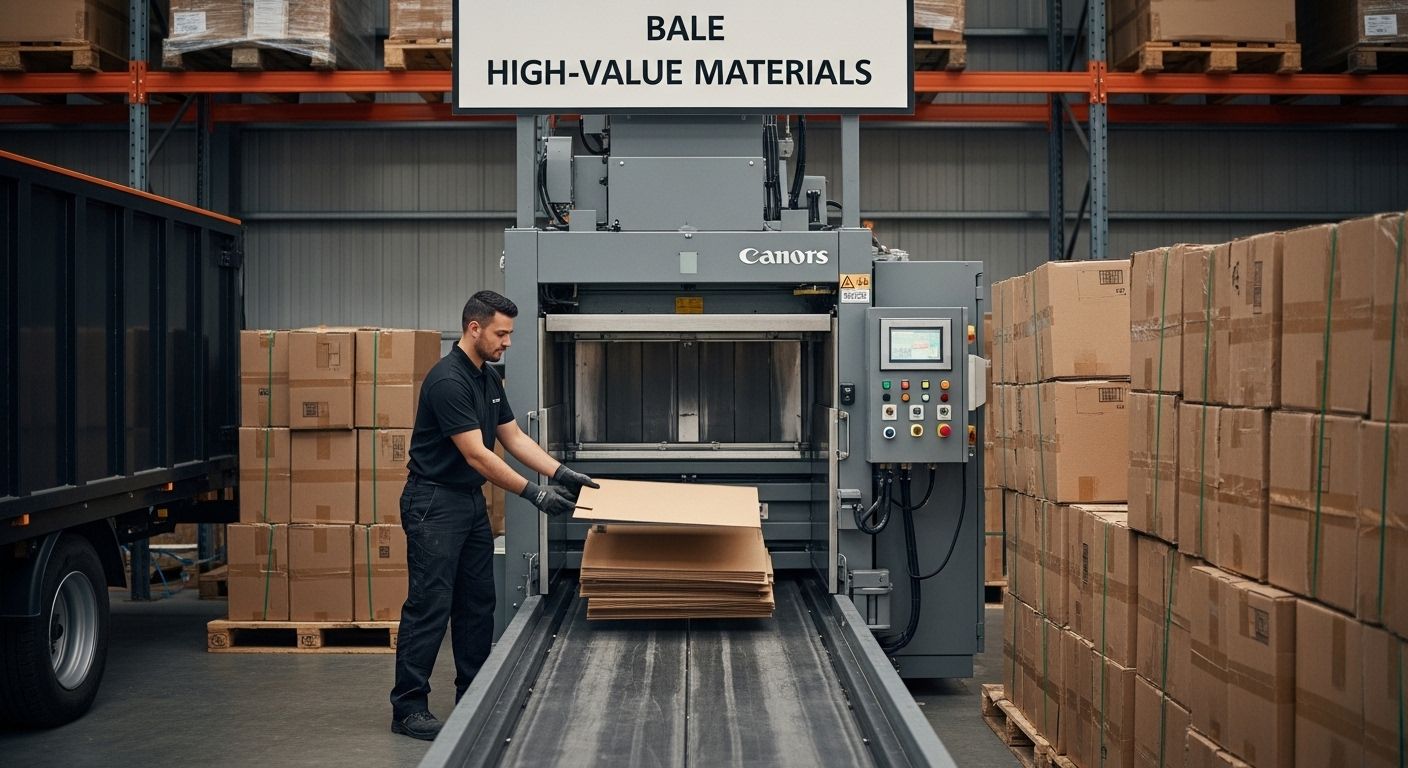
Cardboard, paper, clean plastics, and metal scraps are prime candidates for baling. These materials typically fetch higher prices when compressed into uniform, clean bales. Industrial sectors in Newcastle, Sunderland, and Middlesbrough can particularly benefit from understanding material-specific recycling values. Clean, well-sorted materials that meet recycling facility specifications can command premium prices, transforming waste from a cost centre into a potential revenue stream.
Economic and Environmental Considerations
The decision to bale goes beyond simple waste management it represents a strategic environmental and economic choice. Key factors influencing when to bale include:
- Volume Thresholds: Assess the quantity of recyclable materials generated. Consistent high-volume waste streams make baling more economically viable.
- Material Purity: Cleaner, more segregated materials increase baling value. Implement robust sorting processes to maximise recyclable material quality.
- Market Demand: Monitor current recycling market rates. Prices for baled materials fluctuate, so timing can significantly impact potential revenue.
Businesses should also consider storage capacity and transportation logistics. Baling reduces material volume by up to 90%, creating significant space savings and reducing transportation costs. This compression not only makes materials more attractive to recyclers but also minimises the carbon footprint associated with waste management.
Additionally, many recycling facilities offer better rates for baled materials due to reduced processing requirements. By investing time in proper material preparation and baling, businesses can transform waste management from a necessary expense into a potential profit centre. The key is developing a systematic approach that balances operational efficiency with environmental responsibility.
Ultimately, successful baling requires continuous assessment and adaptation. Regular waste audits, staying informed about recycling market trends, and maintaining high-quality sorting processes are essential. Businesses that view waste not as a burden but as a resource will find baling an invaluable strategy for both economic and environmental sustainability.
Industry Solutions for Different Business Needs
Every industry generates unique waste streams, demanding tailored waste management solutions that go beyond standard approaches. Businesses across the North East, from manufacturing facilities in Sunderland to logistics centres in Newcastle, require specialised compactors and balers that align precisely with their operational requirements. Learn about customised waste management strategies to optimise your waste handling processes.
Sector-Specific Waste Management Approaches
Different industries present distinct challenges in waste management. Manufacturing sectors typically generate substantial volumes of metal, plastic, and cardboard waste, requiring robust industrial balers capable of handling high-density materials. Retail and hospitality businesses, conversely, often need more compact solutions that can manage mixed recyclables and packaging waste efficiently.
Retail environments, such as shopping centres in Middlesbrough, might benefit from smaller vertical balers that can process cardboard packaging quickly and efficiently. Food production facilities require equipment with enhanced hygiene standards, potentially necessitating stainless steel construction and easier cleaning protocols. Healthcare settings demand specialised waste management solutions that prioritise safe material handling and strict contamination prevention.
Safety and Operational Considerations
Implementing industrial waste management equipment requires meticulous attention to safety protocols. The Centers for Disease Control emphasizes the critical importance of comprehensive worker training and machine safety mechanisms. OSHA guidelines specifically highlight the necessity of proper discharge-door locking mechanisms to prevent potential workplace injuries.
Key safety considerations include:
- Machine Guarding: Ensuring all moving parts are adequately protected
- Operational Training: Comprehensive instruction for all personnel who interact with the equipment
- Regular Maintenance: Scheduled inspections and servicing to maintain optimal performance and safety standards
Businesses must also consider the ergonomic design of their chosen equipment. Modern compactors and balers increasingly incorporate features that reduce physical strain on workers, such as convenient loading heights, intuitive control systems, and automated compression mechanisms.
Technological advancements have transformed waste management equipment from simple compression tools to sophisticated systems with digital monitoring capabilities. Smart balers now offer real-time data on waste volumes, material composition, and operational efficiency. This technological integration allows businesses to make more informed decisions about their waste management strategies, potentially identifying opportunities for waste reduction and recycling optimization.
Ultimately, selecting the right compactor or baler transcends mere waste disposal. It represents a strategic investment in operational efficiency, workplace safety, and environmental responsibility. Businesses that approach waste management as a holistic process, considering sector-specific requirements, safety protocols, and technological capabilities, will achieve the most effective and sustainable outcomes.
Frequently Asked Questions
What are the main differences between compactors and balers?
Compactors primarily reduce the volume of mixed waste by compressing it, while balers compress specific recyclable materials such as cardboard and plastics into uniform bales that fetch higher prices from recyclers.
How do I determine whether my business needs a compactor or a baler?
Conduct a waste audit to assess your waste volume and composition. If your waste consists mostly of mixed materials, a compactor may be more suitable. For businesses generating high volumes of clean, recyclable materials, a baler is often the better choice.
What are the benefits of baling recyclable materials?
Baling recyclable materials can increase their market value by up to 90%, reduce the space required for storage, and improve overall recycling efficiency, thus potentially generating additional revenue for businesses.
What factors should I consider when selecting waste management equipment?
Consider waste volume, composition, space availability, power requirements, and maintenance needs. These factors will help you choose the right equipment that aligns with your operational needs and future growth.
Transform Waste Into Opportunity With the Right Baler or Compactor
Businesses across the UK struggle with uncollected revenue and wasted space when loose recyclables are sent off without proper baling. The article highlights that choosing between a compactor and a baler is not just about convenience, but about maximising the value of your waste and supporting both economic and environmental goals. If you are unsure or frustrated by inconsistent waste collection, missed recycling revenue, or overflowing storage, a tailored solution can turn these challenges into a genuine business advantage. Learn how strategic baling can directly boost your bottom line and create operational efficiency in your waste management processes. For more insights and machine-specific solutions, visit our dedicated Baler solutions page.

Now is the perfect time to review your waste handling strategy. Let Venture Waste Management help you find the right equipment to increase recycling profits, lower costs, and keep you compliant. Do not let valuable materials simply disappear. Compare your options today and take the first step towards a smarter, more profitable waste management approach.


Leave a Reply
Want to join the discussion?Feel free to contribute!